11.05.2026
245
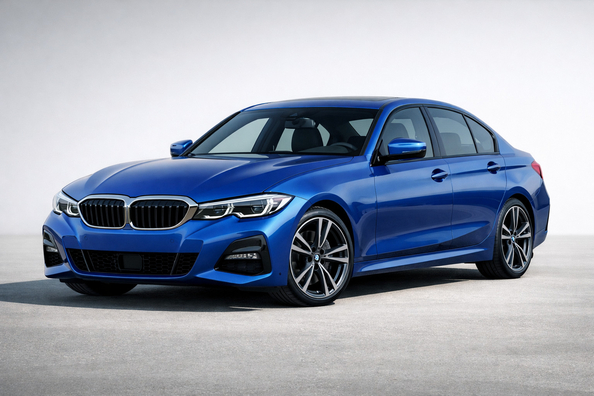

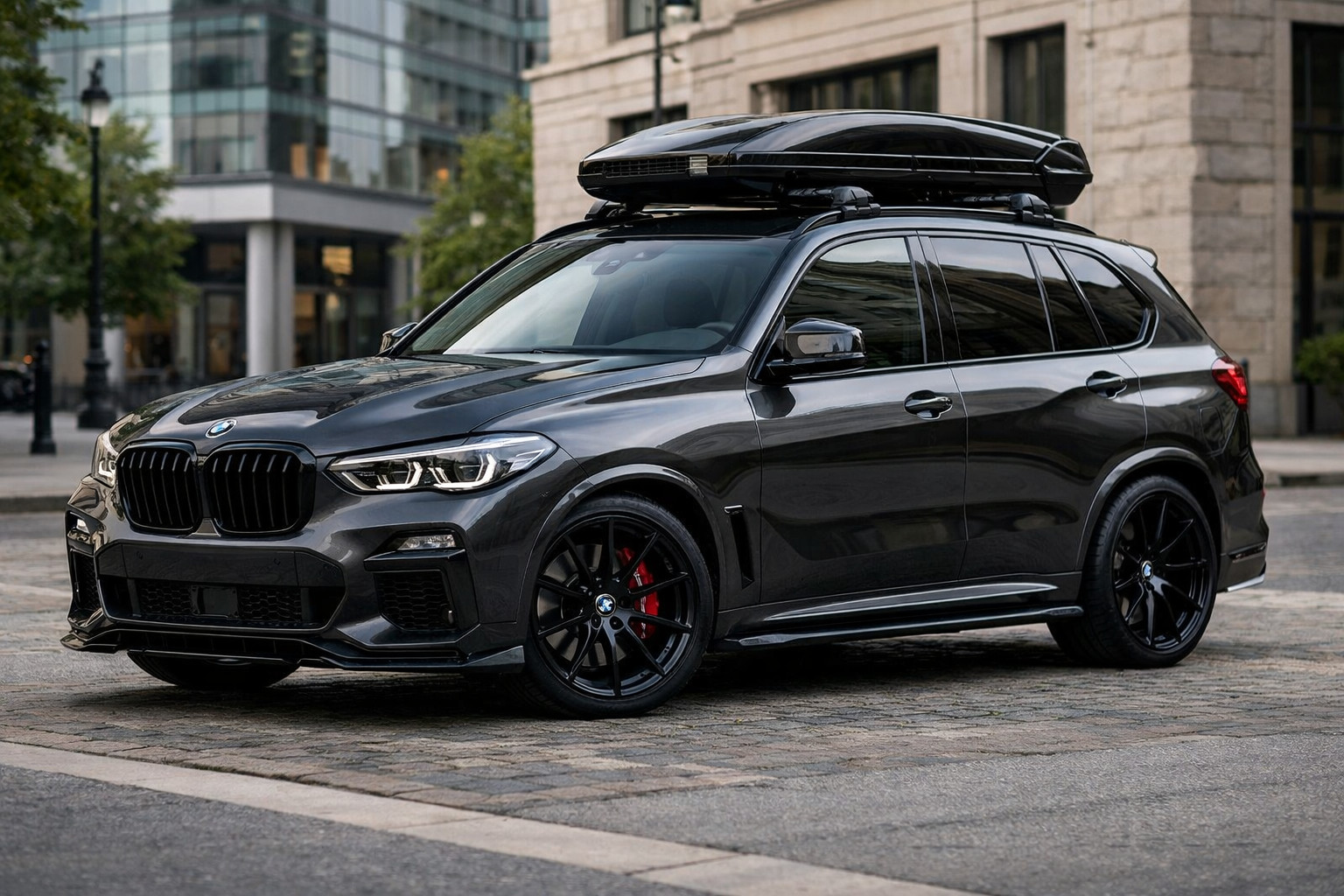
BMW 3 Series G20/G21 is the kind of “3” people choose not just for the badge, but for the way it drives. The G20 sedan and G21 Touring deliver precise steering, a well-sorted chassis, and a wide range of powertrains: from calm 318i/320i to very quick M340i and efficient plug-in hybrids.
The sedan debuted in 2018 and reached the market in 2019, while the Touring appeared in 2019. In daily life it’s one of the strongest driver-focused picks in the class, but with compromises: on the M Sport suspension the ride can be firm, the multimedia logic isn’t for everyone, and when buying it’s worth checking recall history and the exact spec.
G20/G21 is the seventh generation BMW 3 Series, a direct rival to the Audi A4 and Mercedes-Benz C-Class in the mid-size premium segment. The main bet here isn’t maximum ride softness at any cost, but a balance between everyday comfort and lively handling. That’s why the “3” often appeals to people who genuinely enjoy driving, not just those looking for a status sedan.
Who it suits: drivers who do a lot of city and highway miles, want real-world practicality, and won’t tolerate a dull response. Who it suits less: those who put the softest possible ride first, want the simplest infotainment system, or need a very spacious rear bench for three passengers.
The G20 sedan generation was shown in autumn 2018, with market launch in spring 2019. The G21 Touring was presented in autumn 2019. In essence, it’s one model in two body styles: a sedan for those who value proportions and the classic presentation, and a Touring for those who want the same character but with noticeably better everyday usefulness.
Over its life cycle, the engine lineup changed depending on market and model year. Over time, mild hybrids appeared on some versions, as well as the 320e and 330e plug-in hybrids. So when choosing a specific car, it’s important to look not only at the badge on the trunk lid, but also at the year, origin market, and the actual equipment.
The most common logic for the G20/G21 lineup is: gasoline 2.0-liter 318i, 320i, and 330i; diesel 2.0-liter 318d and 320d; six-cylinder 3.0-liter 330d, M340i, and M340d; plus the 320e and 330e plug-in hybrids based on a 2.0-liter gasoline engine. Most versions use an 8-speed automatic, and drive can be rear-wheel or xDrive. Exact power figures vary by market and year.
| Version | Engine | Power | Transmission | Practical reference |
|---|---|---|---|---|
| 320i | gasoline, 2.0 l | 184 hp | 8-speed automatic | the sweet spot if you want lively performance without overpaying for higher trims |
| 330i | gasoline, 2.0 l | 258 hp | 8-speed automatic | one of the best engines in the range for the balance of pull and consumption |
| M340i xDrive | gasoline, 3.0 l | 374-386 hp | 8-speed automatic | very fast version; figures depend on year and market |
| 320d | diesel, 2.0 l | 190 hp | 8-speed automatic | a strong choice for high mileage and highway driving |
| 330d | diesel, 3.0 l | 265-286 hp | 8-speed automatic | torquey six-cylinder engine, but numbers vary by year |
| 330e | plug-in hybrid, 2.0 l + electric motor | 292 hp system | 8-speed automatic | interesting for the city, but with a smaller trunk and fuel tank |
If you want the most rational “3” without losing its character, people usually look toward the 320i, 330i, or 320d. The M340i is almost a separate story with very high performance, and the 330e makes sense when you have regular charging and are willing to sacrifice some practicality for lower city running costs.
Both body styles have a 2,851 mm wheelbase and are built around a very capable chassis: a double-joint strut up front and a five-link rear suspension. That’s where the cornering precision the G20/G21 is loved for comes from. But the 135 mm ground clearance immediately hints: this isn’t a car for a careless attitude toward curbs.
| Parameter | G20 Sedan | G21 Touring |
|---|---|---|
| Length | 4,713 mm | 4,713 mm |
| Width | 1,827 mm | 1,827 mm |
| Height | 1,445 mm | 1,440 mm |
| Wheelbase | 2,851 mm | 2,851 mm |
| Ground clearance | 135 mm | 135 mm |
| Trunk | 480 l | 500-1,510 l |
| Fuel tank | 59 l | 59 l |
| Towing with brakes | up to 1,800 kg | up to 1,600 kg |
| Roof load | 75 kg | 75 kg |
In some specifications the Touring can differ by a few millimeters in length depending on the market, but in practice it changes nothing. What matters more is this: the sedan offers a classic silhouette and a 480 l trunk, while the G21 is genuinely more everyday-friendly thanks to 500-1,510 l, roof rails, and a separately opening rear glass.
The G20/G21 cabin is driver-focused: a low seating position, comfortable steering wheel geometry, a good adjustment range, and the feeling the car is built around the driver’s seat. There’s enough space up front, the second row is comfortable for two, but a third passenger in the middle will notice the high central tunnel. On the 330e, remember one specific nuance: because of the hybrid system, the sedan’s trunk shrinks to 375 l and the tank to 40 l.
Comfort depends heavily on wheels, tires, and suspension. In standard versions the car is perfectly tolerable day to day, while on M Sport or with adaptive M suspension it can be noticeably firmer on rough asphalt. From a safety standpoint, an important practical point is that some cars of different years had recalls, including for seat belts and starter electrics, so it’s better to check the service history before purchase not just formally, but carefully.
In real life, the G20/G21 isn’t as demanding as it can look from the outside. The gasoline 330i can be quite efficient on the highway, the diesel 320d and 330d are well suited to high mileage, and the 330e is interesting for those who drive short city routes daily and actually charge the car. But large wheels, stiff tires, and sport packages directly affect comfort and costs.
For the city, keep in mind the 135 mm ground clearance, the fairly wide body, and how sensitive the low bumpers are to high curbs. For a family or frequent trips, the Touring looks stronger than the sedan: it has a bigger trunk, a 40:20:40 folding backrest, and genuinely easier loading for long items. The sedan remains the more logical choice if the main priority is looks and the classic presentation.
From an owner’s perspective, the G20/G21’s main strength is that it doesn’t get boring day to day. It delivers a composed feel on the highway, solid ergonomics, and a wide choice of versions for different budgets and scenarios.
| Pros | Cons |
|---|---|
| Precise steering and an excellent chassis balance | M Sport and large wheels can make the ride noticeably firm |
| Wide engine range: from 156 to 386 hp depending on version | Specs vary greatly by market and year; you must check the specific car |
| The G21 Touring is genuinely practical: 500-1,510 l of cargo space | In the sedan, the second row is better suited for two than three |
| 330i and 320d offer a strong balance of performance and consumption | On the 330e the trunk and fuel tank are smaller |
| Plenty of room for tasteful tuning without losing daily usability | Before buying, it’s important to check recalls and service history |
If you want a daily car with character, the G20/G21 hits the mark. If you need a softer, calmer car that reacts less to road quality and doesn’t tempt you with expensive options, this BMW may feel too demanding.
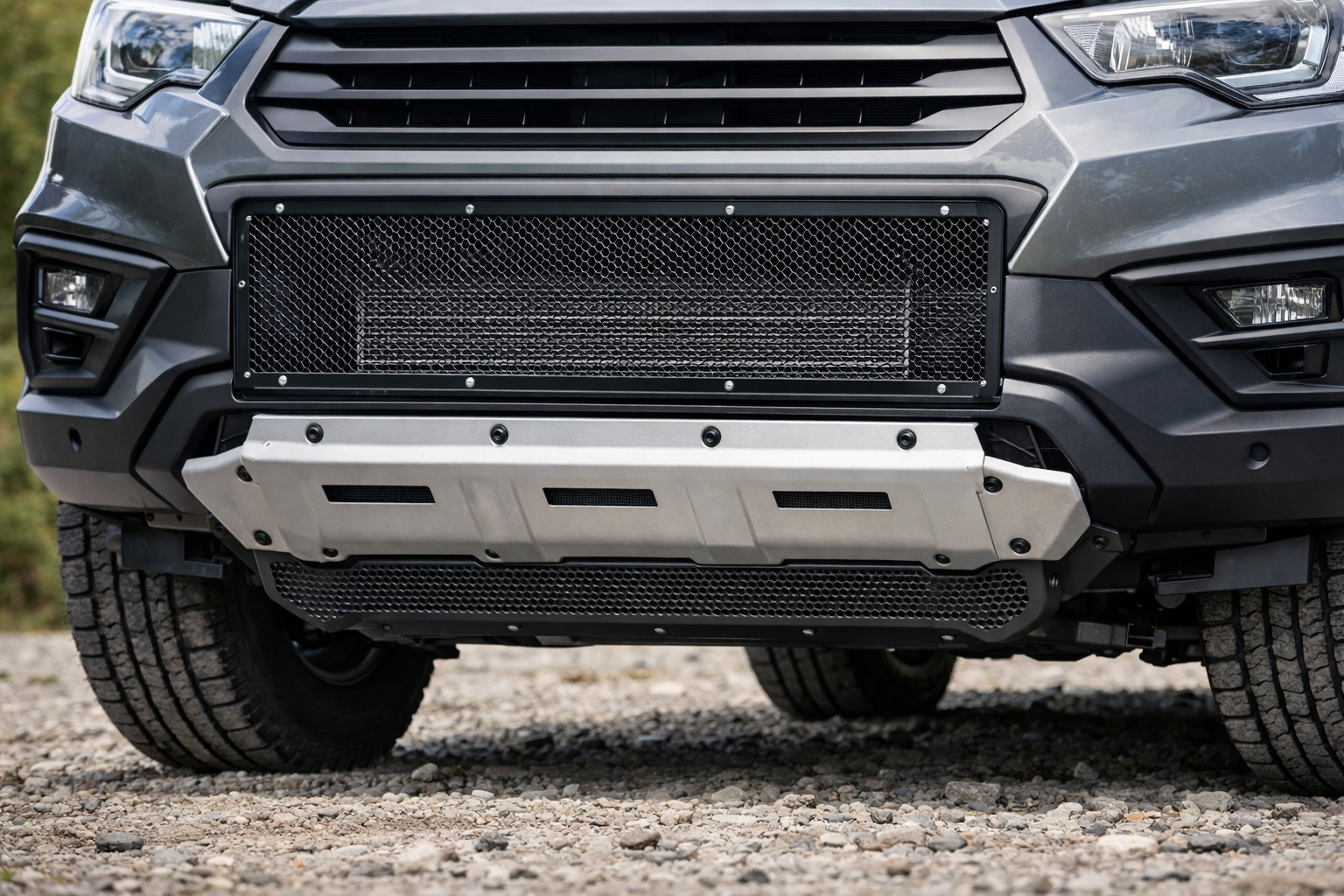
For the G20/G21, the smartest approach to tuning is not to start with aggressive styling, but to cover real needs. With low ground clearance and active daily use, protective and practical items make sense first, and only then exterior details. This is especially true for M Sport cars, where the lower body line is already sensitive.
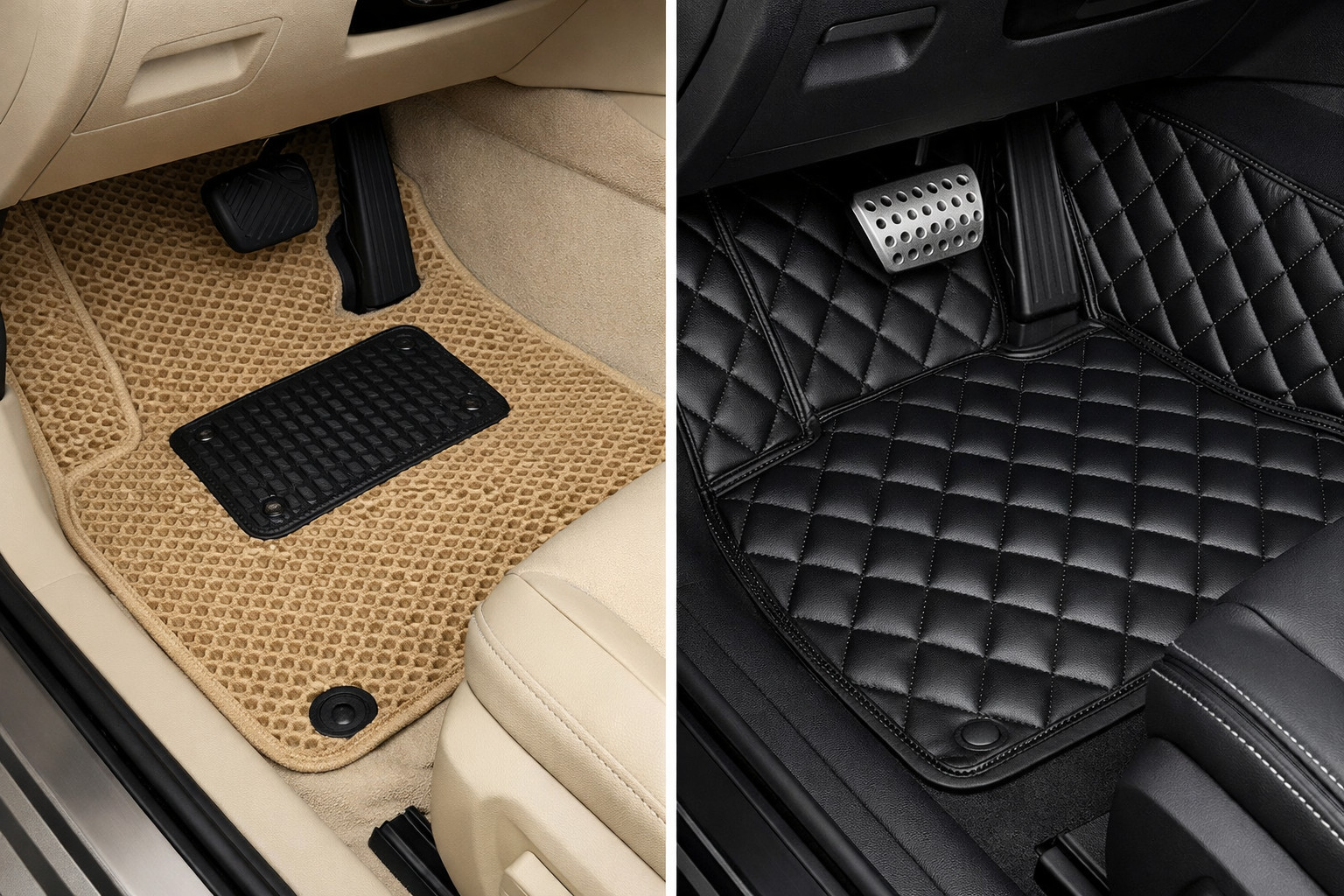
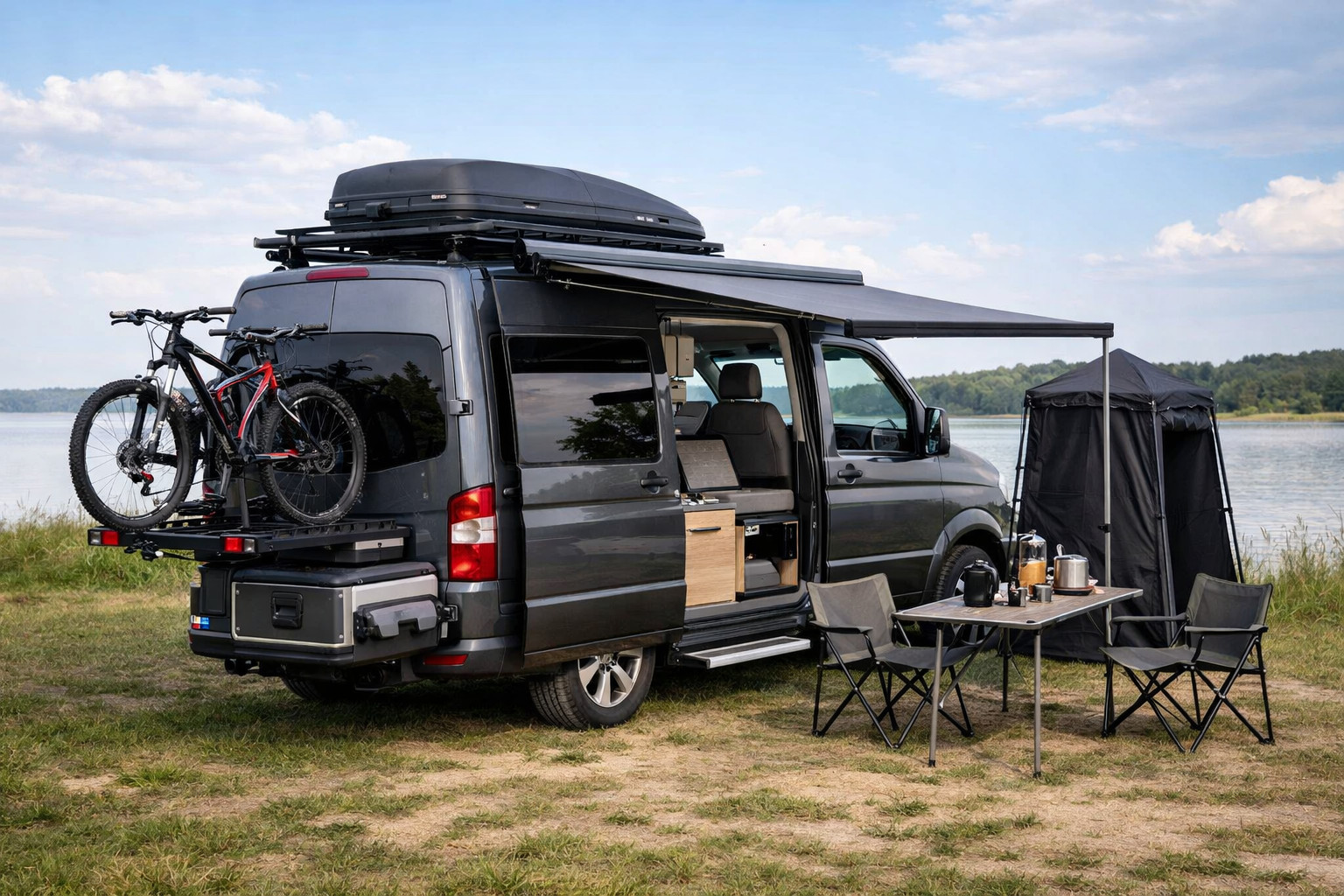
For basic, tidy upgrades, it’s worth starting with accessories for BMW 3 Series G20/G21, then adding floor mats for everyday interior protection and, if the trunk is used actively, installing a rear bumper protector.
If you want to change the look, it’s best to stay restrained: the “3” handles neat exterior upgrades well, but quickly loses cohesion when you try to bolt everything on at once. For a daily car, a practical set almost always beats random decorative tuning.
BMW 3 Series G20/G21 is a very strong option for those who want a mid-size premium car with lively steering, solid practicality, and a wide choice of engines. The most versatile picks are the 320i, 330i, 320d, and the G21 body style for everyday life, while the M340i and 330e should be chosen for a clearly defined use case.
Before buying, it’s important to look at the suspension, wheels, service history, recalls, and the real equipment, not just the version badge. This material is based on real selection experience, practical know-how, and real-world usage scenarios: what’s genuinely convenient day to day in the G20/G21, where the compromises are, and which accessories make sense without unnecessary decor.
| ✔ | Precise steering and a very tight chassis give a sense of control in corners and on the highway. For a driver who enjoys active driving, this is one of the model’s main strengths. |
| ✔ | There is a wide choice of engines and transmissions for different scenarios: from calm 318i/320i to dynamic 330i, 330d, and M340i, as well as plug-in hybrids. This makes it possible to choose a version to suit the budget, mileage, and driving style. |
| ✔ | The G21 wagon is genuinely more practical in everyday use: the trunk offers 500–1 510 l, there are roof rails, and loading long items is easier. For a family or frequent trips, this is a noticeable advantage over the sedan. |
| ✔ | The 330i and 320d versions seem the most balanced in terms of dynamics and fuel consumption. For daily use, this is a more rational choice than the older and more expensive variants. |
| ✔ | The cabin is well thought out for the driver: comfortable seating, a good range of adjustments, and enough space up front. The car does not get tiring in everyday driving and works well in the city and on the highway. |
| ✘ | With the M Sport suspension and large wheels, the ride can feel noticeably stiff, especially on rough asphalt. This is not the best choice for those looking for a soft and calm car. |
| ✘ | The rear row is more suitable for two passengers than for three: the center tunnel gets in the way, and the middle seat is uncomfortable. If you often carry three people in the back, this will quickly become a noticeable drawback. |
| ✘ | In city conditions, it is worth keeping in mind the modest 135 mm ground clearance and the sensitivity of the low bumpers to curbs. The car requires care on bad roads and when parking. |
| ✘ | In the 330e, you have to accept a reduced trunk and fuel tank, so practicality suffers. This version only makes sense when regular charging is available and the intended use is clearly urban. |
| ✘ | Before buying, it is important to carefully check recalls, service history, and the specific trim, because equipment and specifications depend on the year and market. Because of this, you cannot rely only on the model index on the trunk lid. |
Shipping to EU
Wholesale and retail
Own warehouse
Опис продукту
Подарунки не надаються при оформленні покупки у кредит під 0,01% або при покупці частинами.