 Author: Radomskyi Maksym Vasyliovych
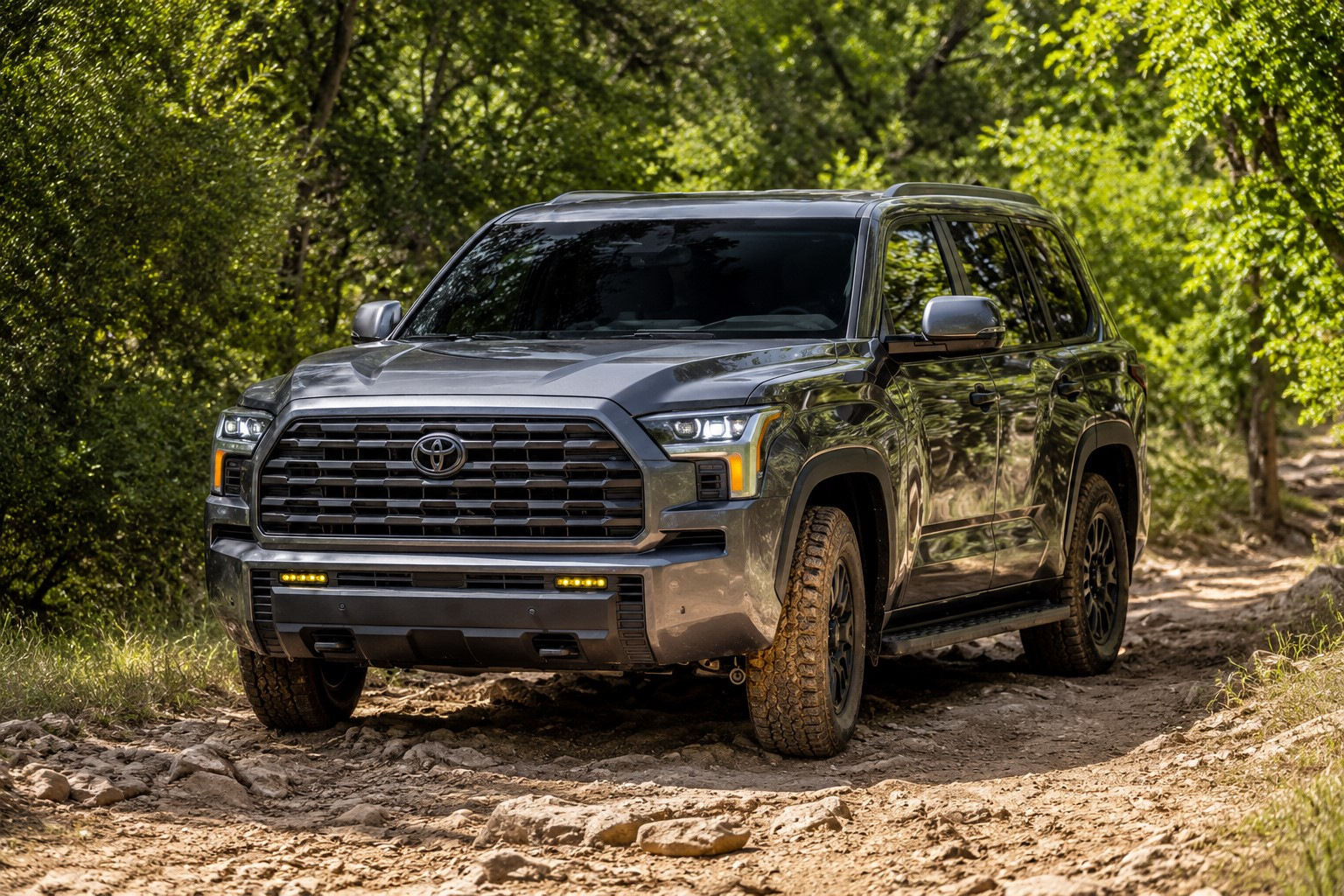
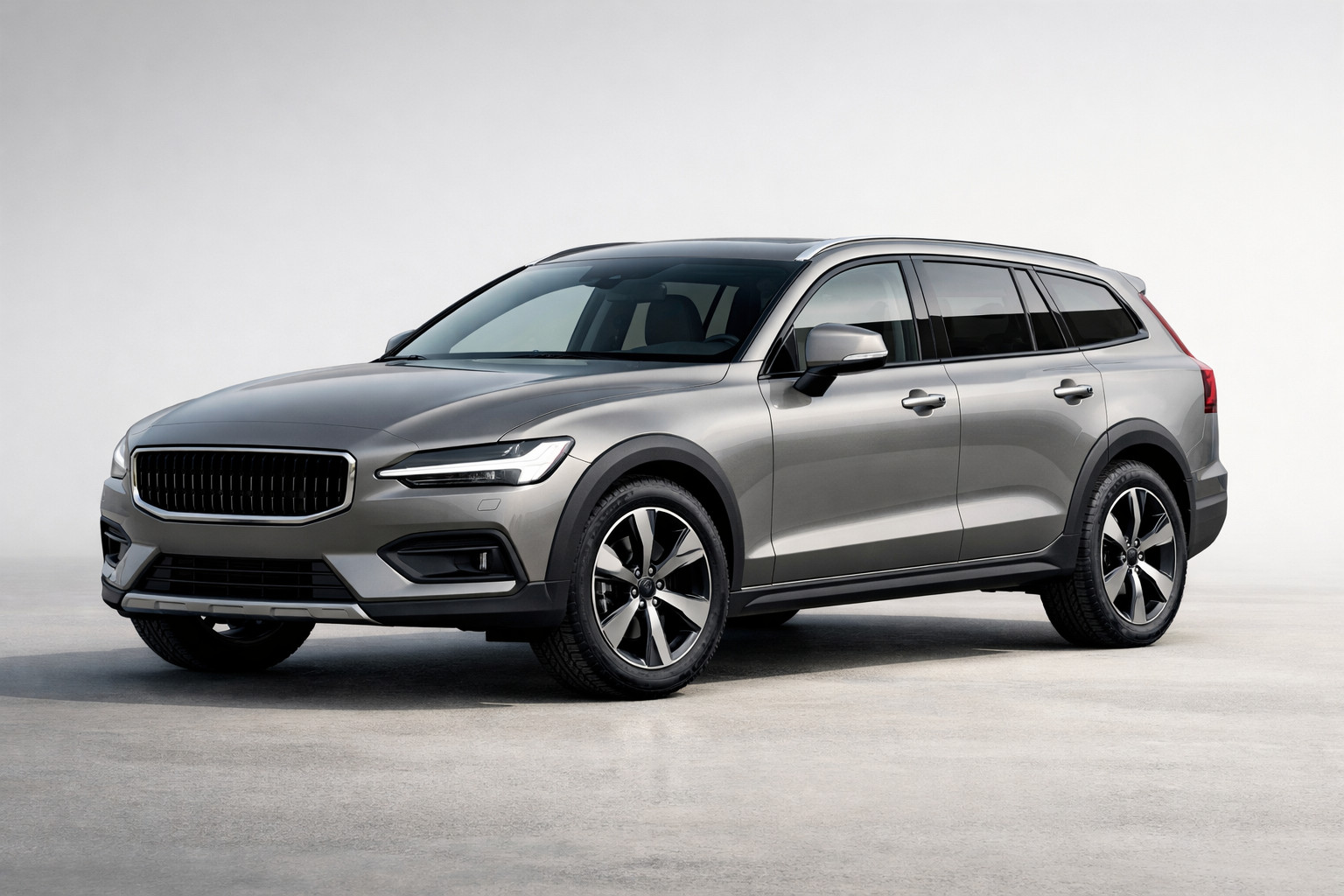
Volvo V60 Cross Country II generation is an estate for those who find a regular passenger-car ride height too low, but a typical crossover too much. It combines the sharp handling of a classic wagon with a higher seating position, underbody protection, and enough capability for snow, gravel roads, and broken asphalt.
In essence, it’s a car for everyday life: highway, city, kids’ stuff, vacation trips, a dog, bikes, the summer house. Not for heavy off-roading, and not for those who want the lowest possible maintenance costs at any price.
The model and its place in the market
The V60 Cross Country sits in the niche between a traditional wagon and a mid-size crossover. Its direct competitors are lifted wagons such as the Audi A4 allroad, Subaru Outback, or Volkswagen Passat Alltrack. The key difference is that Volvo focuses not on an off-road image, but on everyday convenience and long, comfortable journeys.
This model suits drivers who spend a lot of time on asphalt but don’t want to worry about curbs, snowy courtyards, or reaching a house via a dirt road. If you need a short city car or a vehicle for regular mud runs, the Cross Country format won’t be the best fit.
Generations and model history
The first Volvo V60 Cross Country appeared on the basis of the first-generation V60 in the mid-2010s, and the second generation was introduced at the end of 2018; in most markets it went on sale as a 2019 model year. The second generation became more mature: it moved to a more modern platform, gained a roomier cabin, and noticeably better high-speed sound insulation.
Compared to its predecessor, the car feels closer to the larger Volvos: calm on the highway, comfortable on long routes, and less compromised as family transport. At the same time, the model’s logic remains unchanged: it’s a wagon with extra ground clearance, not a replacement for a true SUV.
Engines and transmissions
For the second generation, the most common are 2.0-liter four-cylinder engines from the Drive-E family. Depending on the market, year, and emissions requirements, the lineup varied, but the overall picture is simple: diesel for frequent highway driving and high mileage, gasoline for quieter and livelier everyday use. Most versions use an 8-speed automatic, and all-wheel drive is typical for the Cross Country.
| Version | Engine | Power | Practical focus |
|---|---|---|---|
| D4 AWD | 2.0 diesel | 190 hp | One of the most common versions on the used market; a logical choice for long trips. |
| T5 AWD | 2.0 gasoline | 250 hp | Quieter and stronger-pulling, but with higher city fuel consumption. |
| B4 | 2.0 gasoline, mild hybrid | 197 hp | Later cars; smoother operation in everyday driving. |
| B4 | 2.0 diesel, mild hybrid | 197 hp | Not found in all markets; a good balance of pull and efficiency. |
When choosing a used example, it’s important to look not only at the version badge, but also at the specific source market, service history, and equipment. For this model, the condition of the electronics, all-wheel drive, driver aids, and timely maintenance are no less important than the engine itself.
Body, dimensions, and chassis
The V60 Cross Country’s strength is the combination of a long wagon body with ground clearance that’s enough for most everyday scenarios. The car doesn’t feel bulky on the move, but in a tight city you still need to account for its length. The suspension is tuned firmer and more precisely than many crossovers, so on the highway the car feels composed.
| Parameter | Reference for II generation |
|---|---|
| Production years | since 2018, sales mostly as a 2019 model year and later |
| Body type | raised-capability wagon |
| Length | 4784 mm |
| Width | 1850 mm |
| Wheelbase | 2874 mm |
| Height | around 1500 mm |
| Ground clearance | 210 mm |
| Trunk volume | around 529 L, depending on measurement method |
| Transmission | 8-speed automatic |
| Drivetrain | mostly all-wheel drive, depending on version and market |
From a practical standpoint, what matters most is this: large wheels can make the ride harsher and increase tire costs, while long doors and a low load lip make daily use more convenient than in many mid-size crossovers.
Interior, comfort, and safety
The V60 Cross Country’s interior is done without excess decoration, but with very good ergonomics. The front seats are one of the model’s strongest points, especially if the car is used on the highway. The second row offers enough space for a family, although it doesn’t feel like the largest vehicle in the class.
Depending on trim, it may have power seat adjustments, heating, a panoramic roof, adaptive cruise control, lane keeping, cameras, and Volvo’s suite of safety systems. But equipment varies greatly, so you should judge a specific car by its option list, not by expectations of the brand.
Everyday use
In daily life, this Volvo is convenient because it delivers crossover freedom without crossover heaviness. Getting in is easy, fitting kids is convenient, the trunk is a sensible shape, and on the highway the car is stable and less tiring than a taller body. For winter, the format also works well: the clearance is enough for ruts and snowbanks in the yard, but it’s worth remembering the geometry is still passenger-car based.
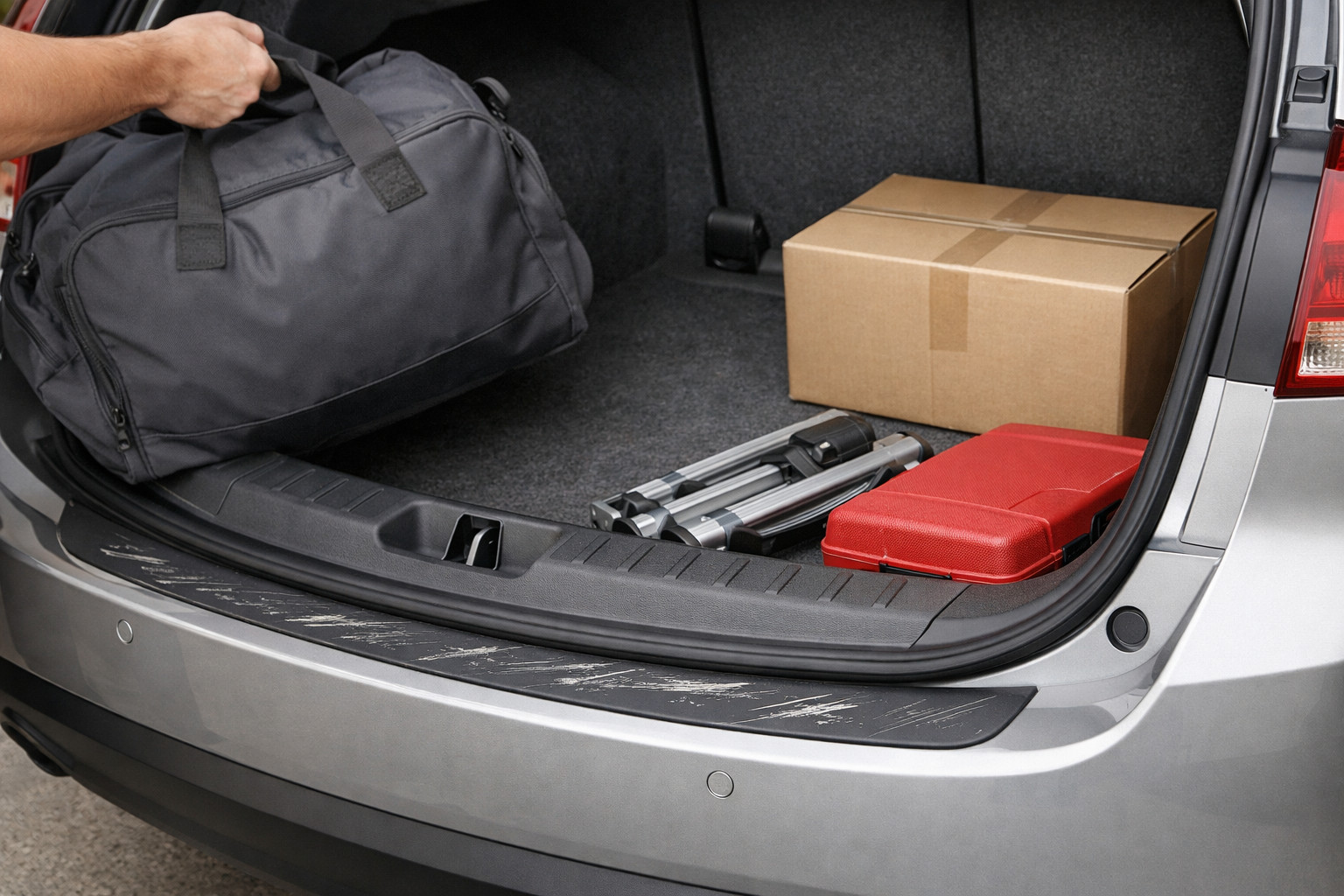
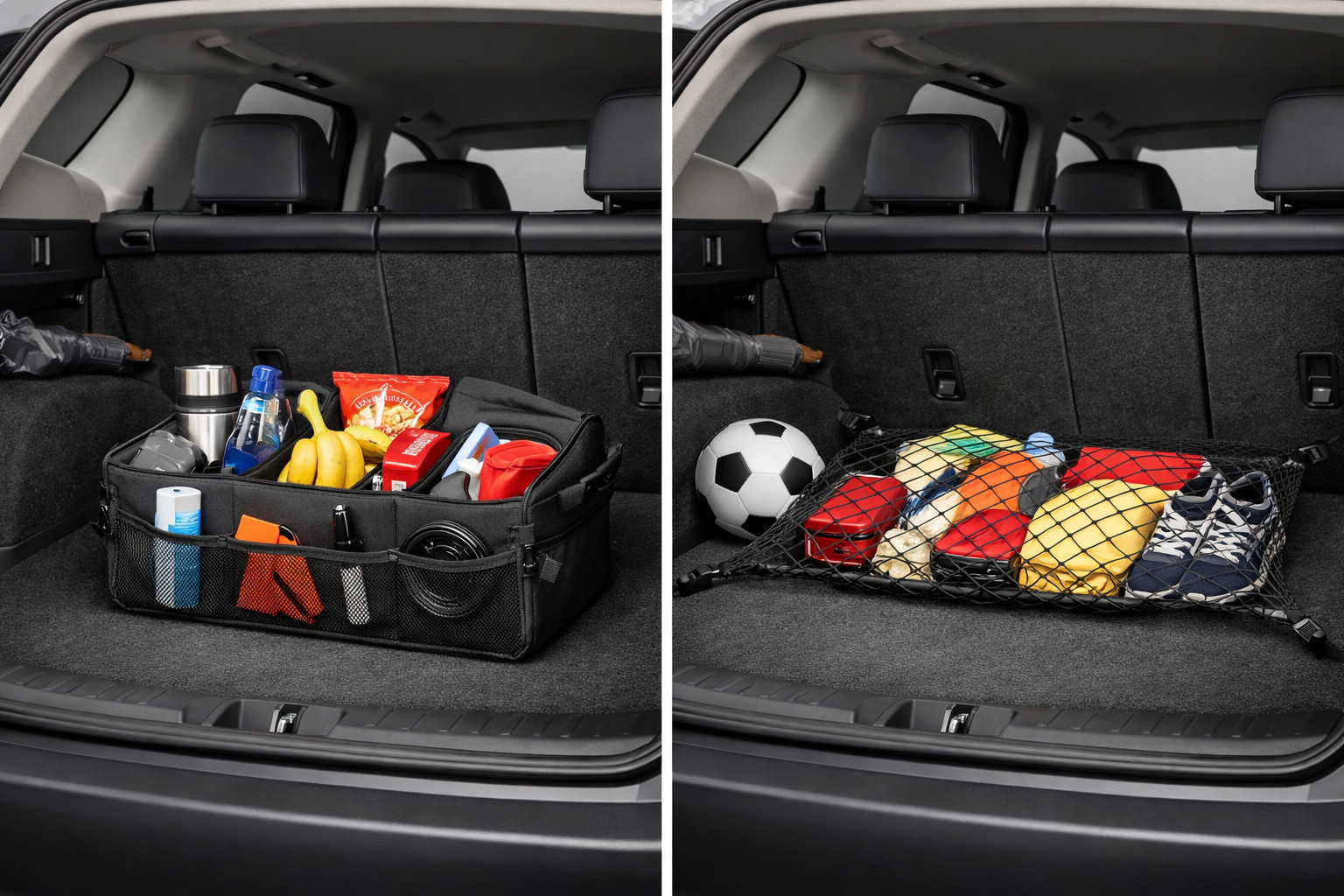
On the downside: a long body, not-cheap tires, sensitivity to the condition of the electronics, and the importance of quality service. If the car often carries dirty items, tools, a stroller, or animals, it quickly becomes clear that practical accessories matter more here than any decorative tweaks.
Strengths and weaknesses
| Strengths | Weaknesses |
|---|---|
| Comfortable long-distance ability and a good driving position on the highway | Body length isn’t convenient for everyone in a dense city |
| 210 mm ground clearance genuinely helps in everyday life | The model isn’t designed for heavy off-road use |
| Convenient trunk and a lower load height than many crossovers | Tire cost and some suspension components can be noticeable |
| A successful balance of handling and comfort | Equipment varies greatly between individual cars |
| Strong diesel and gasoline versions for different scenarios | Electronics and driver aids require careful diagnostics when buying |
From an owner’s perspective, this car isn’t about emotional noise, but about the right balance. It works well for those who drive a lot, don’t want to switch to a tall crossover, and value practicality without giving up proper handling. There’s only one weak spot: you have to buy carefully, because the difference between a “healthy” example and a tired one is very noticeable.
Tuning and accessories
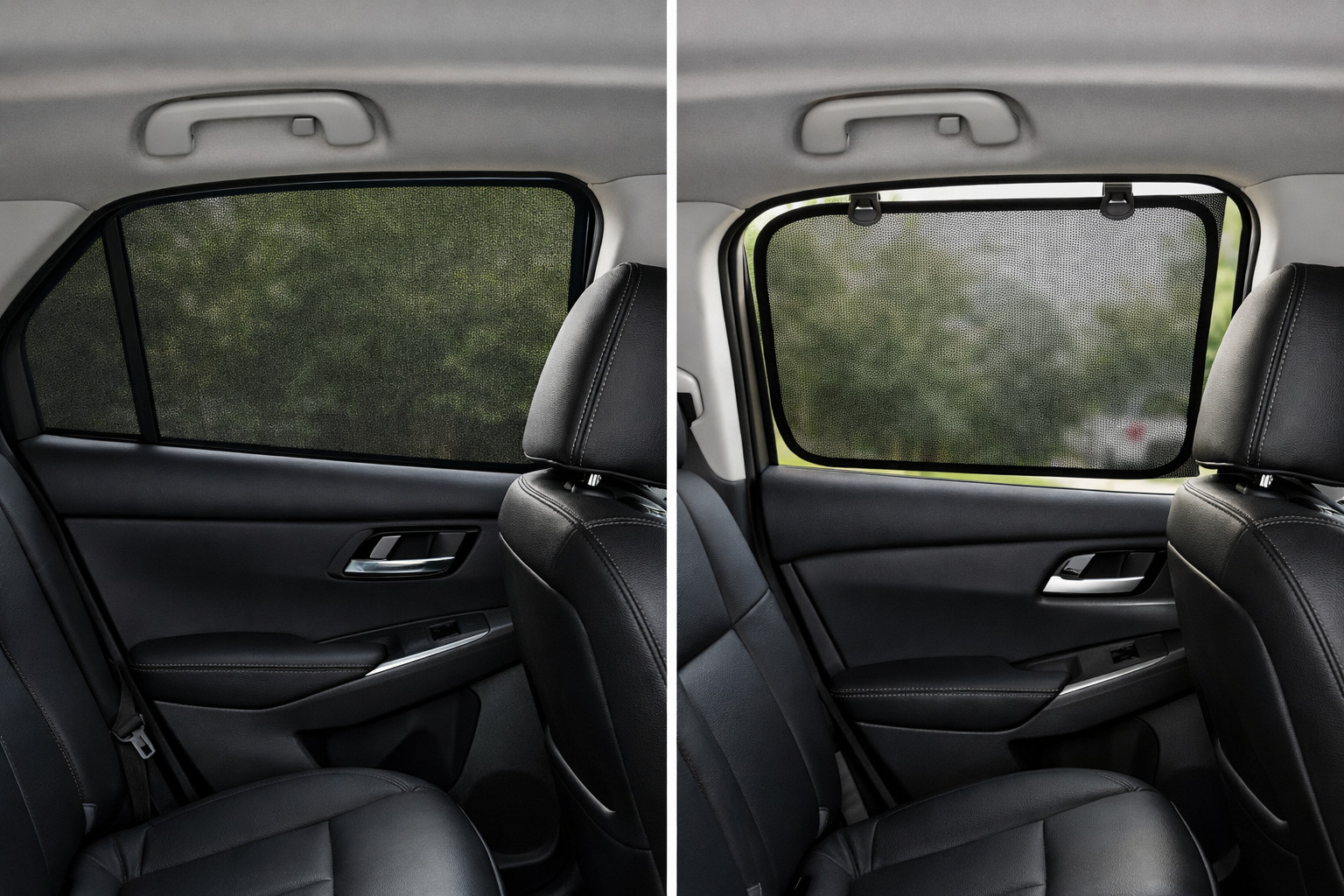
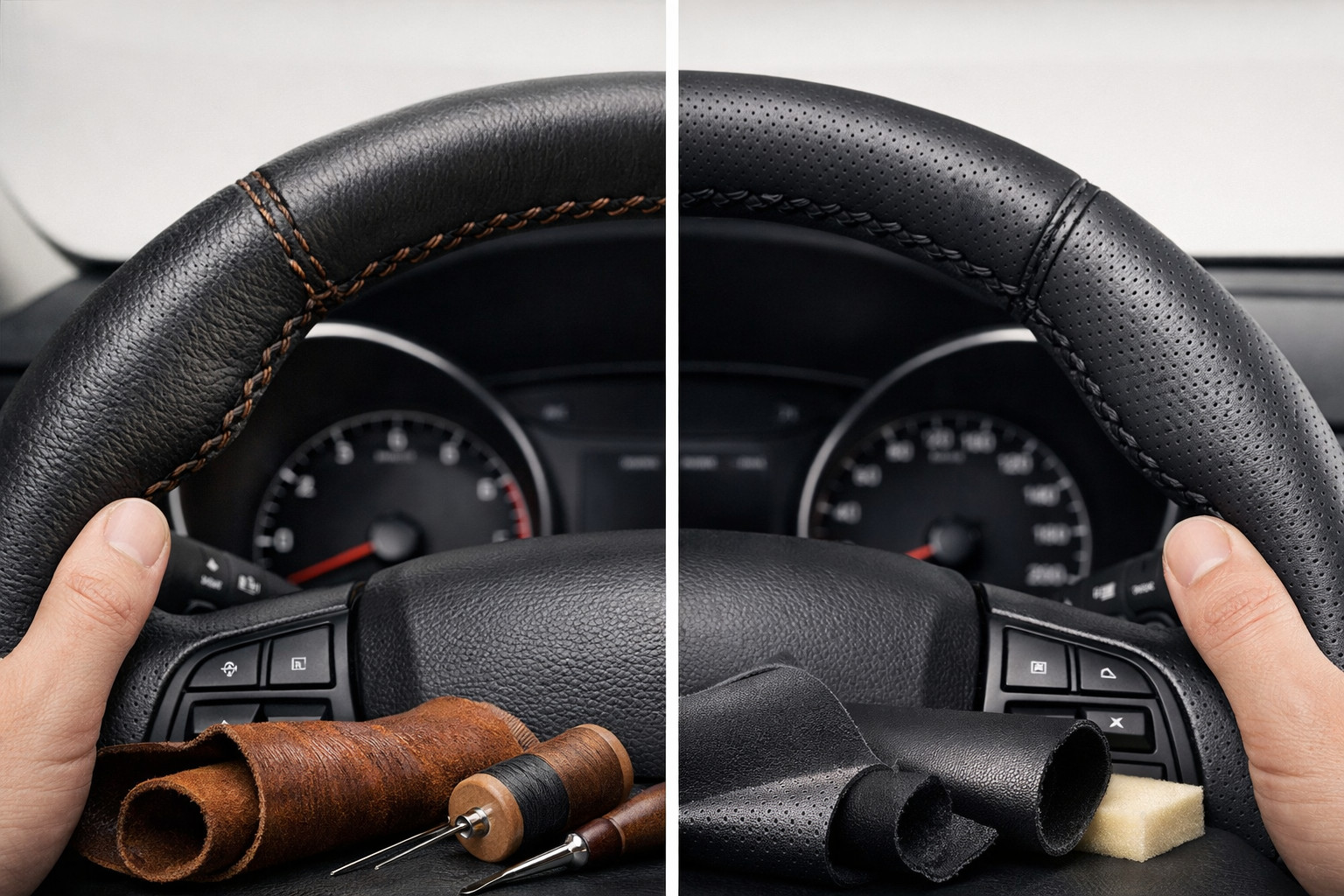
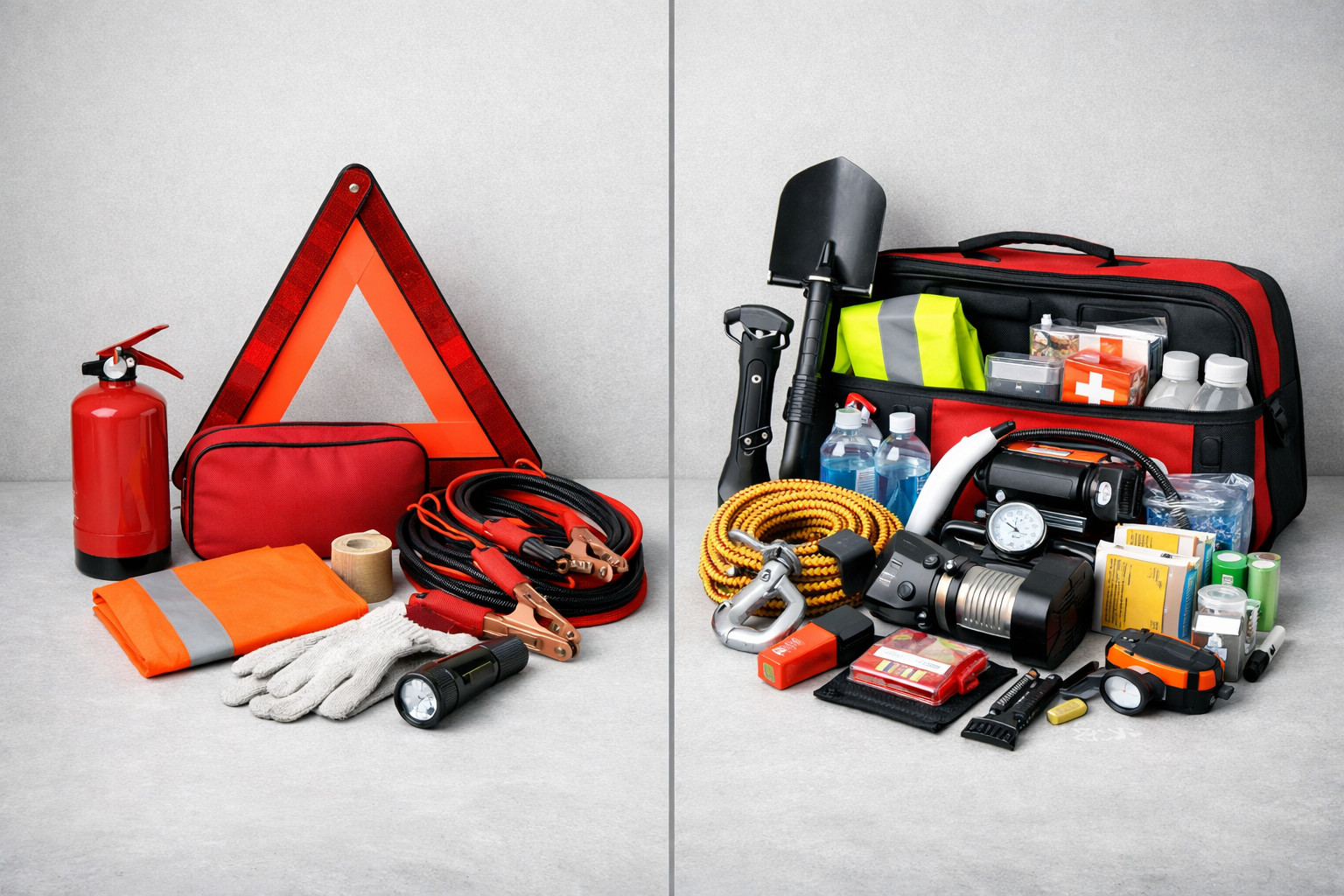
For the V60 Cross Country, what works best isn’t performance or decorative tuning, but items that protect the interior and help in everyday use. If you already understand the model’s logic after the review of the Volvo V60 Cross Country II generation, choosing accessories becomes easier: you should strengthen the practical scenarios.
What to check out for this model
- Rubber trunk mats — makes sense if you often carry a stroller, tools, jerry cans, wet gear, or a dog.
- Roof rack for integrated rails — useful for skis, a cargo box, or bikes when you don’t want to take up usable space in the cabin and trunk.
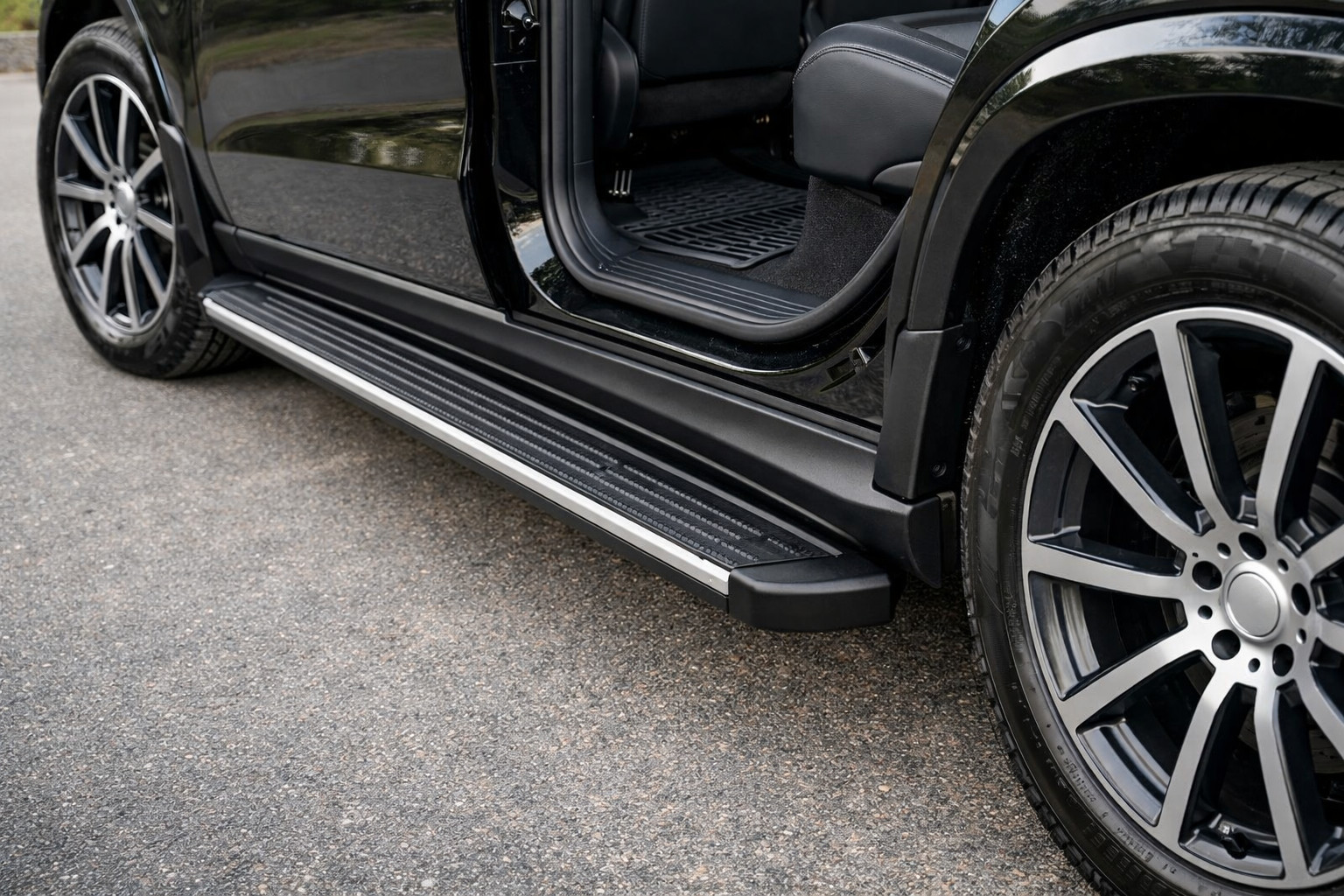
For this car in particular, accessories should support protection and cargo capability. Sill plates, mats, and a roof rack bring more benefit than trying to make this model look more aggressive than it was intended to be.
Conclusion
The second-generation Volvo V60 Cross Country is a strong option for those who need an everyday wagon with extra ground clearance, solid highway manners, and real family practicality. It’s not an SUV and not a budget utilitarian estate, but it’s a very accurate format for people who drive a lot and in varied conditions.
This material is based on real selection experience, practical know-how, and real usage scenarios: that’s why the main takeaway is simple. The V60 Cross Country makes sense when you don’t need showy “off-road ability,” but a smart reserve of capability in normal life.
Pros and cons
210 mm of ground clearance really helps in everyday use: it makes it easier to handle snow, ruts in the yard, curbs, and dirt-road approaches. For daily routes, this provides a noticeable margin of confidence without moving up to a large crossover.
The suspension and handling are closer to a wagon than to a tall SUV, so on the highway the car feels composed and doesn’t tire you out on long trips. It’s a good choice for those who drive a lot on asphalt and value predictable behavior.
The cabin stands out for its well-designed ergonomics, and the front seats are especially well suited for long journeys. There is enough room in the second row for family trips, although without class-leading records.
The trunk has a practical shape, and the lower loading edge makes it easier to load children’s items, a stroller, or gear. This is more convenient in everyday use than in many mid-size crossovers.
The model is available with strong diesel and gasoline versions for different scenarios: diesel is better suited to long distances, while gasoline is for quieter everyday driving. The presence of an 8-speed automatic and all-wheel drive in most versions adds versatility.
The long body is not very convenient in a dense city, especially when you need to maneuver often or park in tight courtyards. In this format, you have to keep the dimensions constantly in mind.
The model is not designed for heavy off-road use, so for mud or regular trips out into the fields, it’s not the most suitable choice. Its off-road capability is more everyday-oriented than truly off-road.
Large wheels can make the ride harsher and increase tire costs. For the owner, this means that comfort and maintenance budget depend heavily on the specific trim.
The electronics, driver-assist systems, and all-wheel-drive condition need careful checking when buying a used car. The difference between a well-maintained and a tired example is especially noticeable here.