29.08.2026
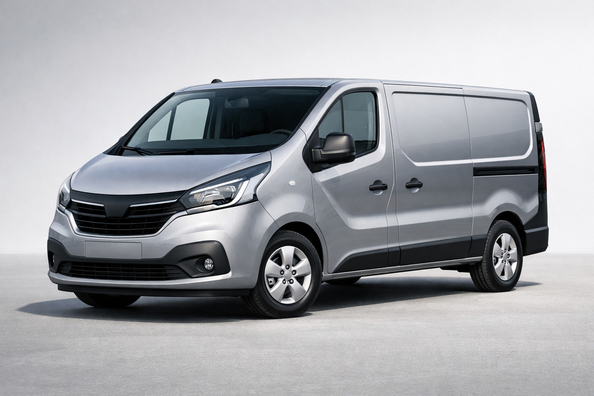
Renault Trafic III is a mid-size front-wheel-drive van that sits nicely between city deliveries and regular intercity runs. It doesn’t try to be an SUV or a premium minivan: its strengths are capacity, a comfortable driving position, sensible diesel engines, and body styles you can match to a specific job.
For courier work, service teams, installers, and small businesses, it’s one of the most rational formats. But if the vehicle is constantly overloaded, used only for short city trips, or works on rough access roads, you need to choose a Trafic much more carefully—first of all by the condition of the diesel, the clutch, and the body.
Trafic III competes in the same segment as the Ford Transit Custom, Volkswagen Transporter, Mercedes-Benz Vito, and Peugeot Expert. Its main advantage isn’t a single headline record but its balance: the body isn’t too bulky for the city, yet it’s spacious enough for proper commercial work.
In practice, it’s a vehicle for those who need not just a van, but a working tool with decent ergonomics. Trafic offers a comfortable high seating position, good visibility, and many body configurations, so it makes equal sense as a delivery van and as a base for passenger or service conversions.
The Trafic story is straightforward: the first generation was a long-liver of the 1980s and 1990s, the second made the model truly mass-market in Europe, and the third generation—covered in this review—arrived in 2014. It was the III generation that brought a more modern cabin, a wider range of body styles, and new diesel engines.
| Generation | Years of production | What matters |
|---|---|---|
| I | 1980-2001 | An early utilitarian format without modern ergonomics and safety. |
| II | 2001-2014, in some markets until 2015 | A very common generation, with many vehicles still on the used market. |
| III | since 2014 | A more modern body, new cabin, 1.6 and later 2.0-liter diesels, several lengths and roof heights. |
Within the III generation, there are also differences by production year: early vehicles more often have 1.6-liter diesels, while later ones get 2.0-liter engines, fresher electronics, and a broader set of driver aids. So buying a Trafic just by model name isn’t a good idea—what matters is the exact year, body, and powertrain.
For Renault Trafic III, the core is diesel only. Early vehicles most commonly come with the 1.6 dCi, later ones with the 2.0 dCi or Blue dCi. In terms of feel, the difference is simple: the 1.6 is better for light to medium work without chronic overloading, while the 2.0 pulls a loaded van more calmly and feels better on longer routes.
| Engine | Displacement | Power | Practical guideline |
|---|---|---|---|
| 1.6 dCi | 1598 cm³ | 95-125 hp depending on version | Common on early Trafic III; economical, but it really likes proper servicing and regular trips beyond city-only driving. |
| 2.0 dCi / Blue dCi | 1997 cm³ | 120, 145 or 170 hp; some markets have other calibrations | A better choice for intercity driving, heavier bodies, and steady work with loads. |
The gearbox on most vehicles is a 6-speed manual. Some later versions can be found with the EDC automated transmission, but on the used market it should be bought only with a transparent service history. Practically speaking, the fewest questions are usually with a manual in a well-kept, not-overloaded vehicle.
From an owner’s perspective, the weak point isn’t that one engine is bad, but how it was used. Short cold trips, infrequent oil changes, a clogged DPF, a worn clutch, and a dual-mass flywheel can quickly change your impression of any Trafic.
Trafic III comes in two main lengths and with different roof heights. That’s why before buying, it’s important to honestly answer where the vehicle works most often: L1 is more convenient in yards, by loading bays, and in dense cities, while L2 and a high roof give more volume but are less friendly with parking and narrow entrances.
| Parameter | Renault Trafic III |
|---|---|
| Drive | Front-wheel drive |
| Wheelbase | 3098 or 3498 mm |
| Body length | 4999 or 5399 mm |
| Width | 1956 mm without mirrors |
| Height | from about 1970 mm; high-roof versions are significantly taller |
| Ground clearance | about 160 mm depending on version and wheels |
| Trunk / cargo compartment volume | For a van it’s more correct to talk about the cargo compartment: roughly 5.2-8.6 m³ depending on L1/L2 and H1/H2 |
The suspension here is tuned for work, not passenger-car softness. An empty van can feel a bit firm, but under load it becomes calmer and more logical. On the highway, Trafic usually behaves predictably, though high-roof versions are more sensitive to crosswinds.
One of the III generation’s strong points is the cabin. It doesn’t look spartan even in work trims: lots of storage cubbies, a proper seating position, a comfortable steering wheel, and clear dashboard layout. For a driver who spends all day behind the wheel, this matters more than any decorative tuning.
Comfort depends on the version. Passenger and well-equipped trims feel noticeably nicer, but even the base van doesn’t come across like a delivery cabin from the last decade. The weak points are typical for the class: noise, vibrations with an empty body, and interior plastics that aren’t always quiet.
Safety also depends heavily on the year and trim. Basic systems like ABS and stability control are standard for this model, and later versions can include parking sensors, a camera, lane keeping, and other electronic helpers. But it’s not worth buying a Trafic for the options list if the body is tired and the mechanicals were serviced carelessly.
In daily work, Trafic III is valued for its seating position, visibility, and capacity—not for a flashy character. For city deliveries, it matters that L1 can still be turned around and parked normally. For route work, what matters more is noise isolation at cruising speed, pulling reserve under load, and the condition of the driver’s seat.
The most practical advice for the used market: look not only at mileage, but at signs of work. The condition of the sliding door rollers, locks, cargo floor, seat bolsters, steering wheel, pedals, and rear doors often tells you more about a van than the odometer. If the vehicle lived on short runs, separately check the recirculation system, the DPF, and on later diesels the exhaust aftertreatment system.
| Pros | What it gives the owner | Cons | Where you feel it |
|---|---|---|---|
| A good balance of size and capacity | You can choose a body for both city and route work | Long and high versions are less convenient in dense urban areas | Parking, yards, underground garages |
| Comfortable cabin and seating position | Less fatigue in daily work | An empty body isn’t very quiet | Highway without cargo, uneven roads |
| Fuel-efficient diesels | Normal cost per kilometer for the class | Short city trips are hard on the DPF and EGR | Courier work without highway runs |
| Wide choice of bodies and versions | Easier to find a vehicle for a specific business | Used-market condition varies a lot | Finding a good example takes time |
| 2.0-liter versions pull better under load | Calmer operation on intercity routes | 1.6-liter engines are more sensitive to neglected servicing | After buying a neglected vehicle, costs rise quickly |
In short, Trafic III suits those who want a working vehicle without excessive roughness in the way it drives. It’s less suitable for those who expect passenger-car quiet, constantly drive overloaded, or work where ground clearance and rear-wheel drive would be more useful.
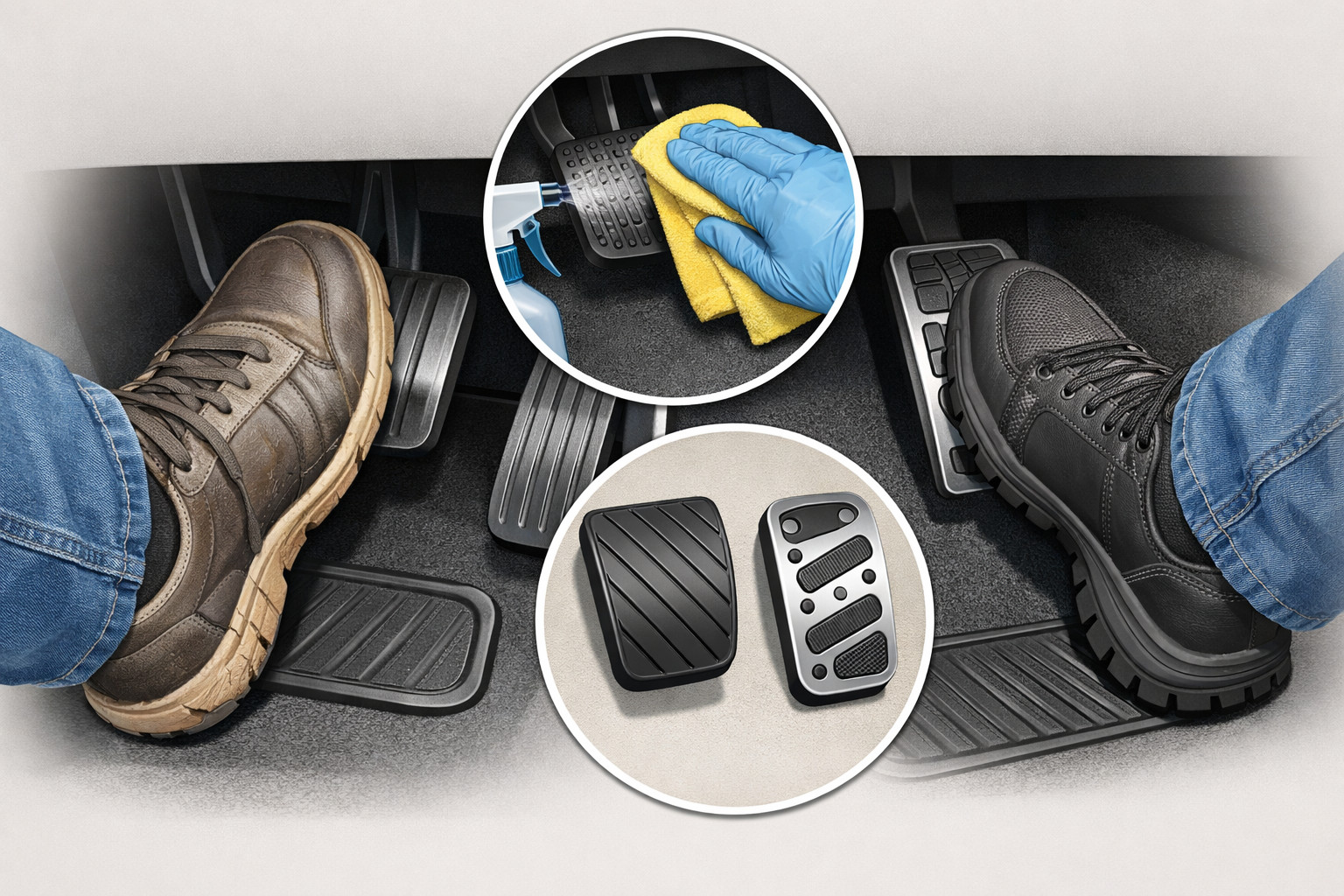
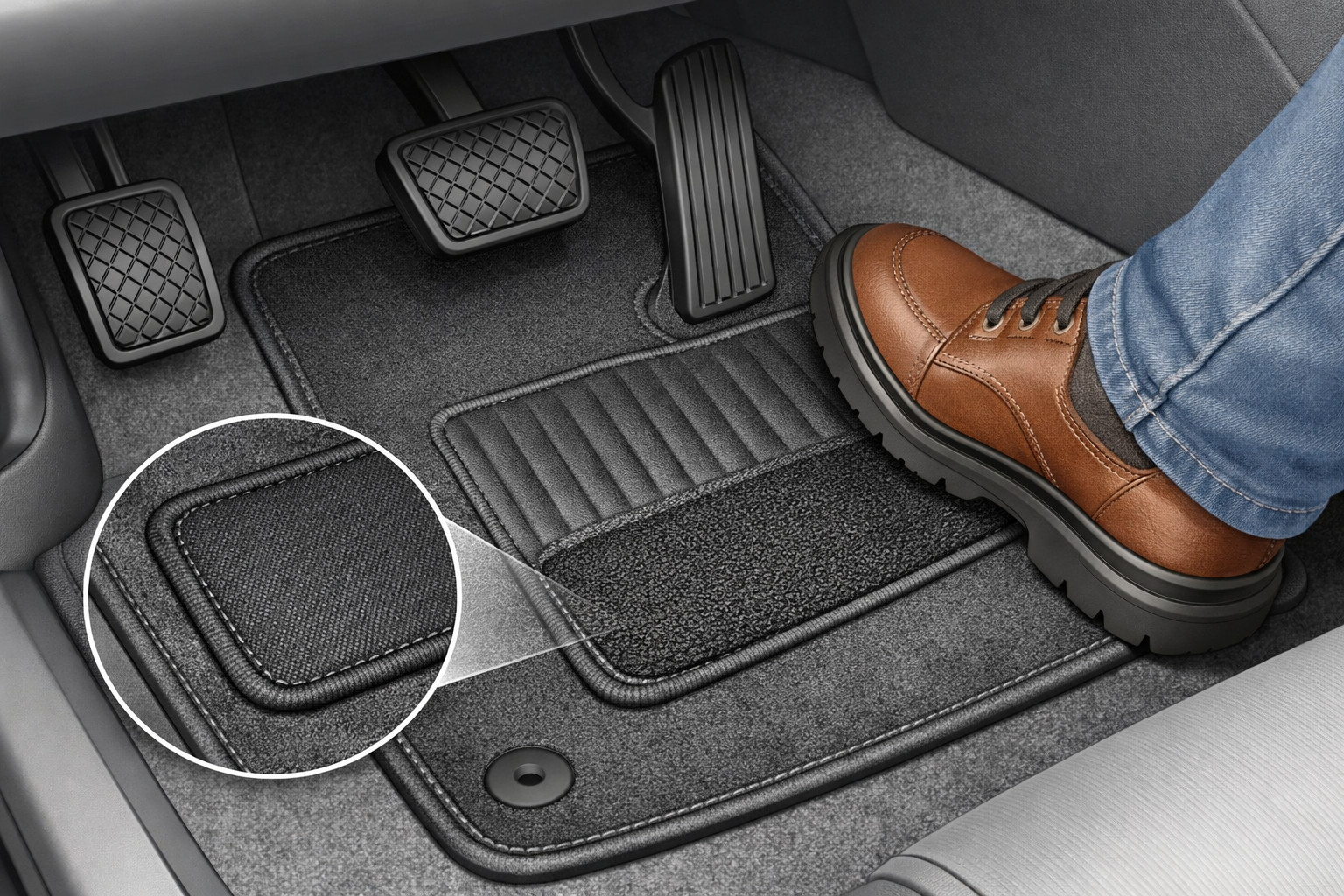
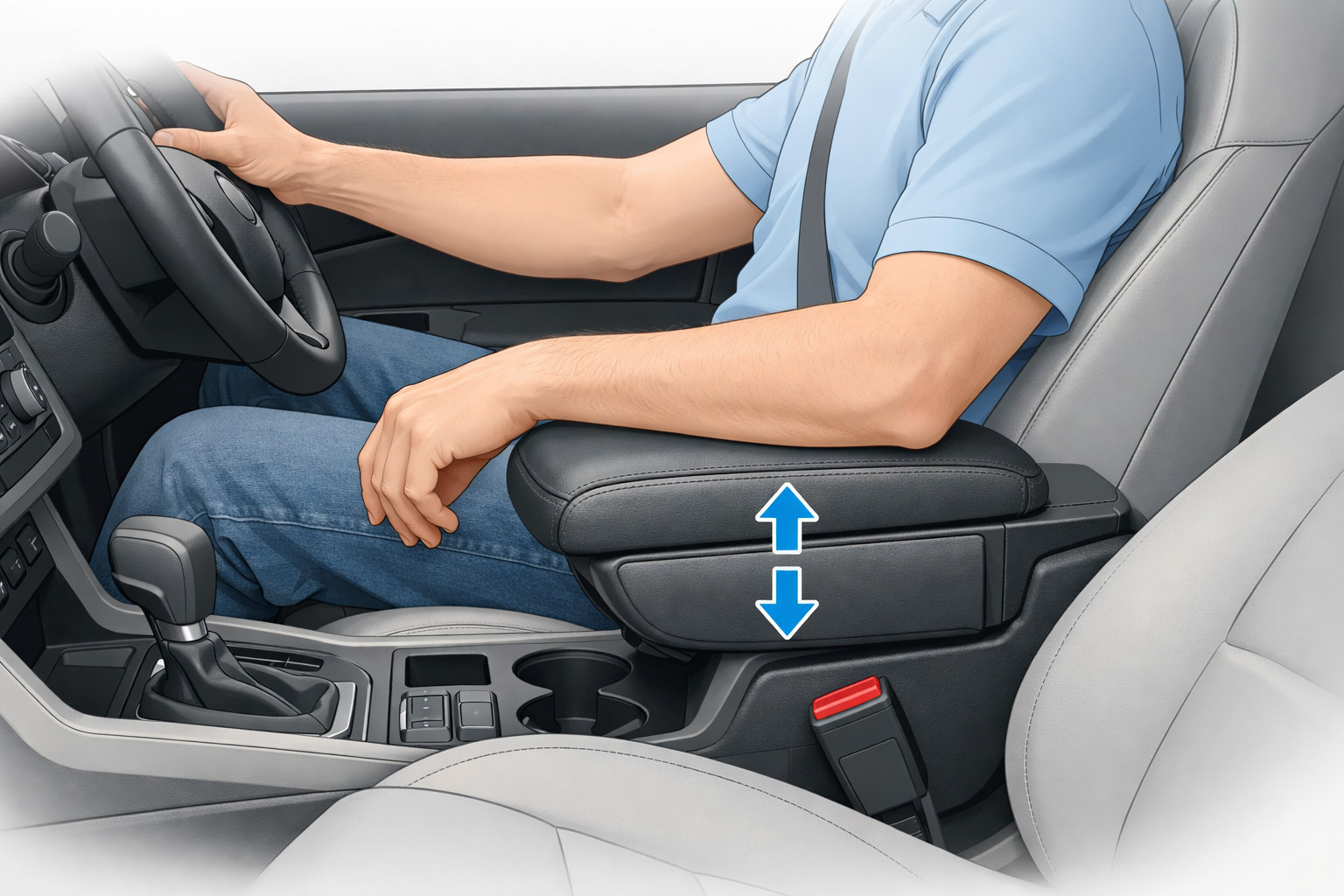
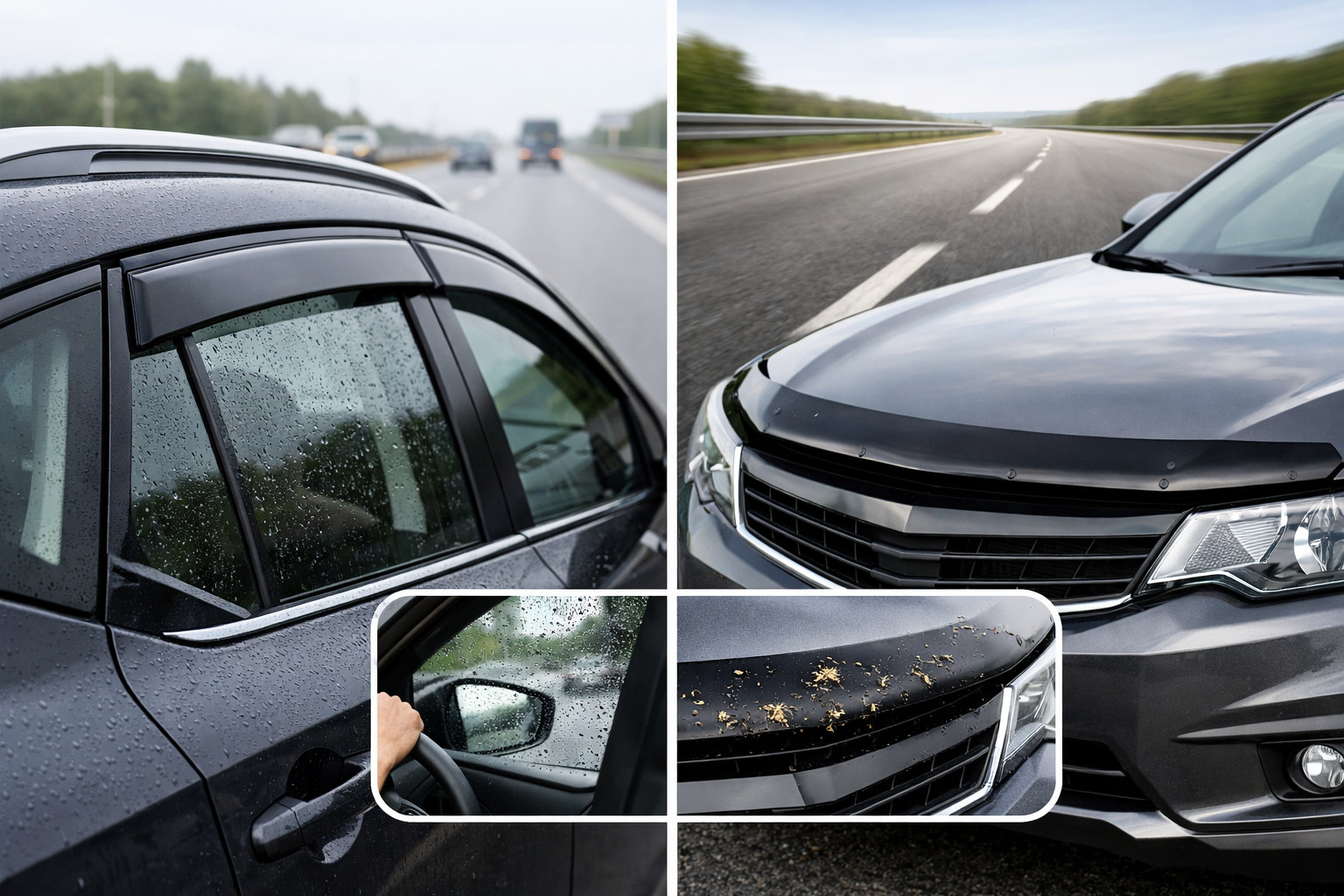
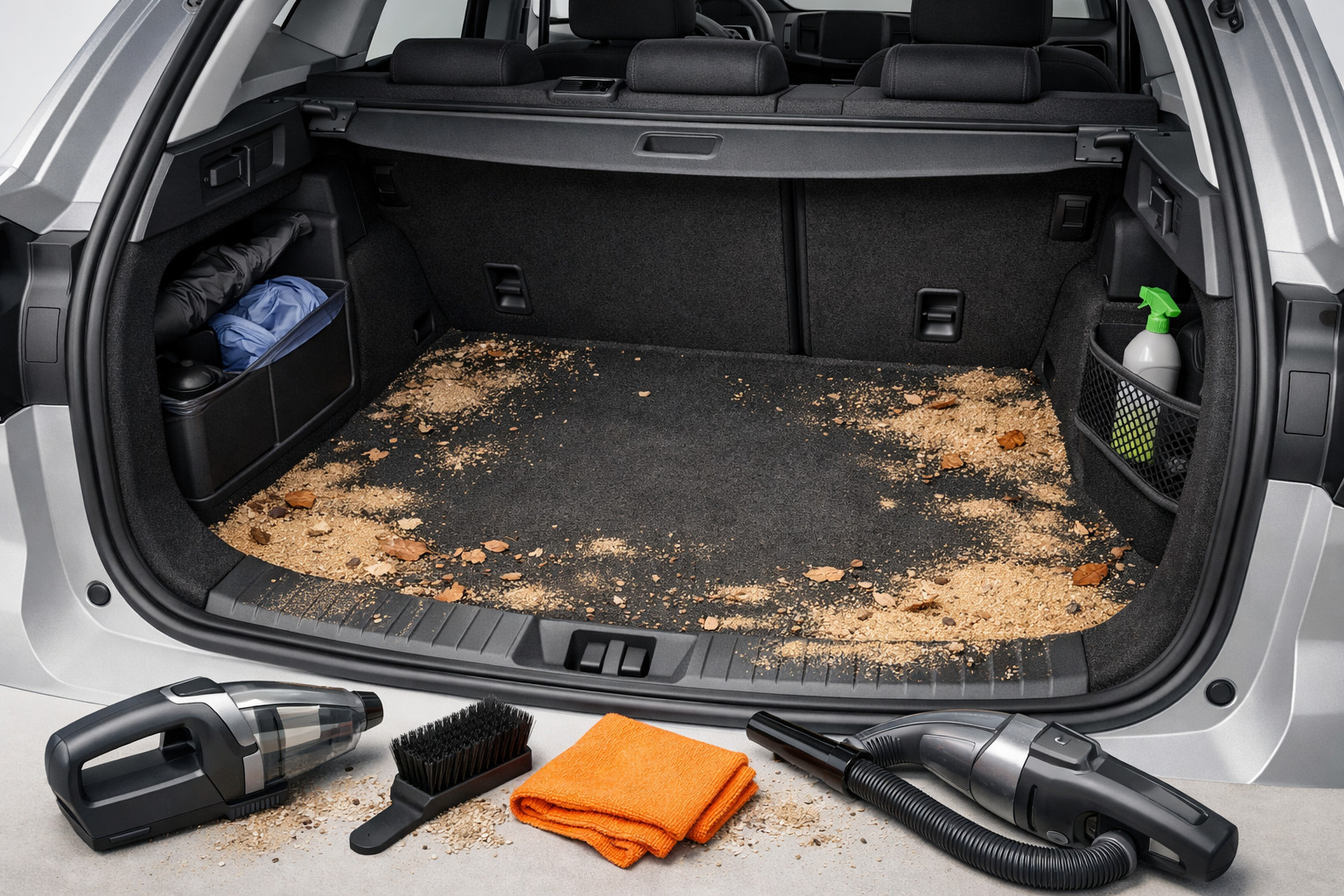
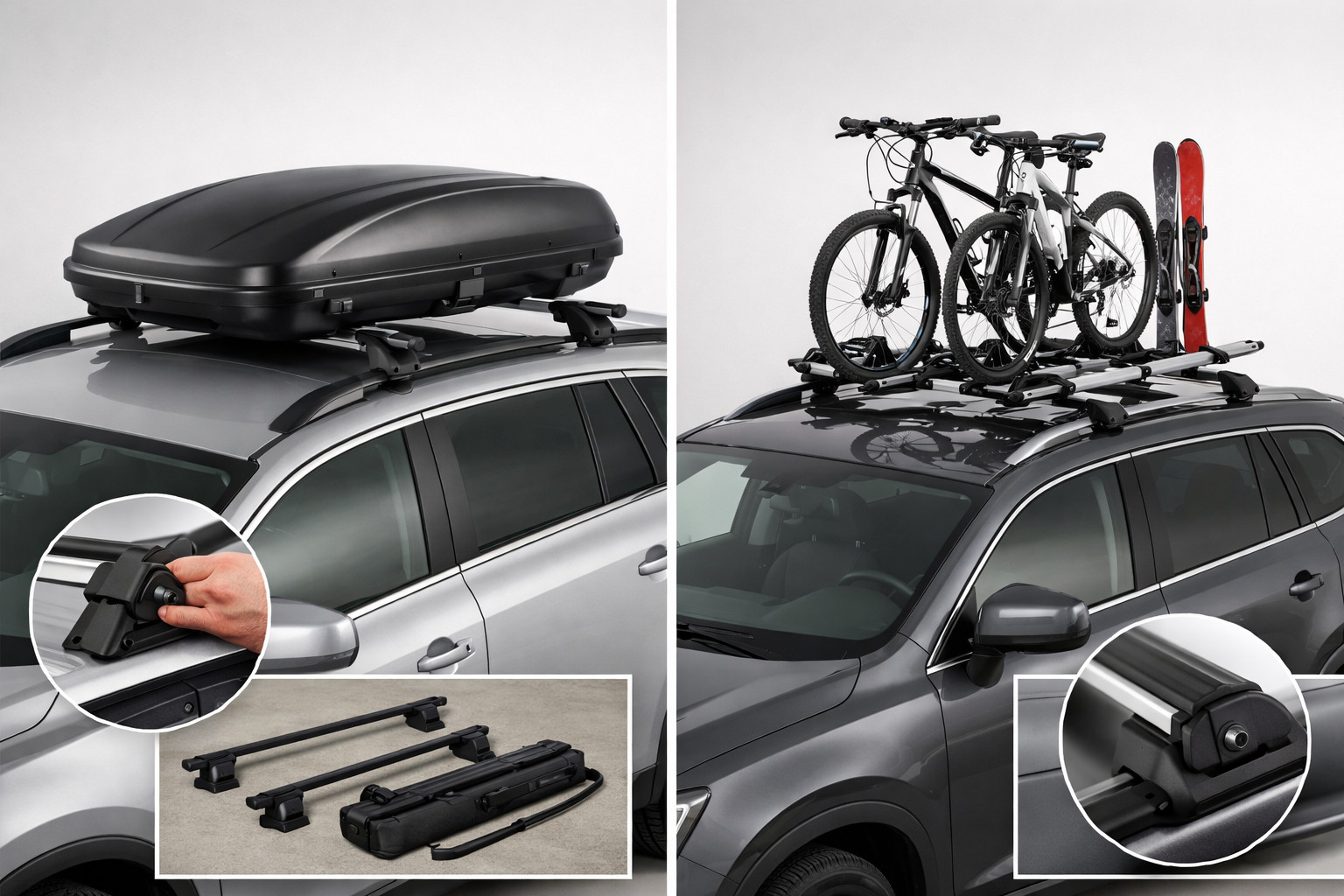
For Trafic III, the most sensible choices are practical accessories first: floor mats, mud flaps, protection for interior edges, and roof solutions. Decorative trim pieces for a working van are almost always secondary. Before ordering, it’s important to verify not only the model but also the generation, body length, roof height, door type, and interior configuration.
The site has useful related categories for Renault Trafic, but for the III generation compatibility should be checked separately by production year and body.
Renault Trafic III is a strong option for small business, service work, deliveries, and regular intercity routes—if the vehicle is matched to a real use case, not just “to have a van.” The best recipe is simple: choose the body honestly, don’t save on a proper technical inspection, don’t ignore the diesel service history, and invest only in accessories that make daily work easier.
This material is based on real selection experience, practice, and real use scenarios, so the main takeaway is this: Trafic III should be bought by condition and configuration, not only by production year or a nice trim level.
| ✔ | It strikes a good balance between city use and regular routes: the body is still not too bulky, yet it is roomy enough for commercial work. |
| ✔ | The comfortable high driving position, good visibility, and decent cabin ergonomics are less tiring over a full working day behind the wheel. |
| ✔ | There is a wide choice of bodies, lengths, and heights, so the Trafic III is easier to match to deliveries, a service crew, or a passenger conversion. |
| ✔ | The 2.0-liter diesels handle a loaded van better and feel more relaxed on intercity runs than the 1.6-liter versions. |
| ✔ | The front-wheel-drive layout and predictable behavior on the highway make the model easy to understand in everyday use. |
| ✘ | A van with no load can be noisy and rather harsh, especially on rough roads and when driving empty. |
| ✘ | Short city trips are hard on diesel systems, especially the diesel particulate filter and EGR, so it is not ideal for purely courier work. |
| ✘ | The used-market condition is very uneven: a good example needs to be searched for carefully, and mileage alone does not say much. |
| ✘ | The 1.6-liter engines are more sensitive to neglected servicing, and a worn clutch and dual-mass flywheel can quickly add to post-purchase costs. |
| ✘ | The long and high versions are less convenient in dense city traffic, yards, and parking lots, and the high bodies are also more affected by crosswinds. |
Shipping to EU
Wholesale and retail
Own warehouse
Опис продукту
Подарунки не надаються при оформленні покупки у кредит під 0,01% або при покупці частинами.