28.07.2026
335
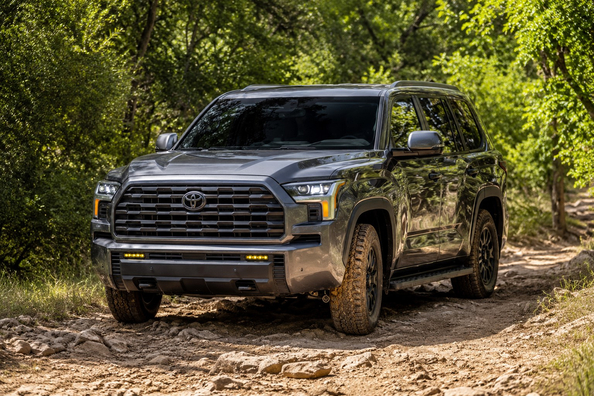
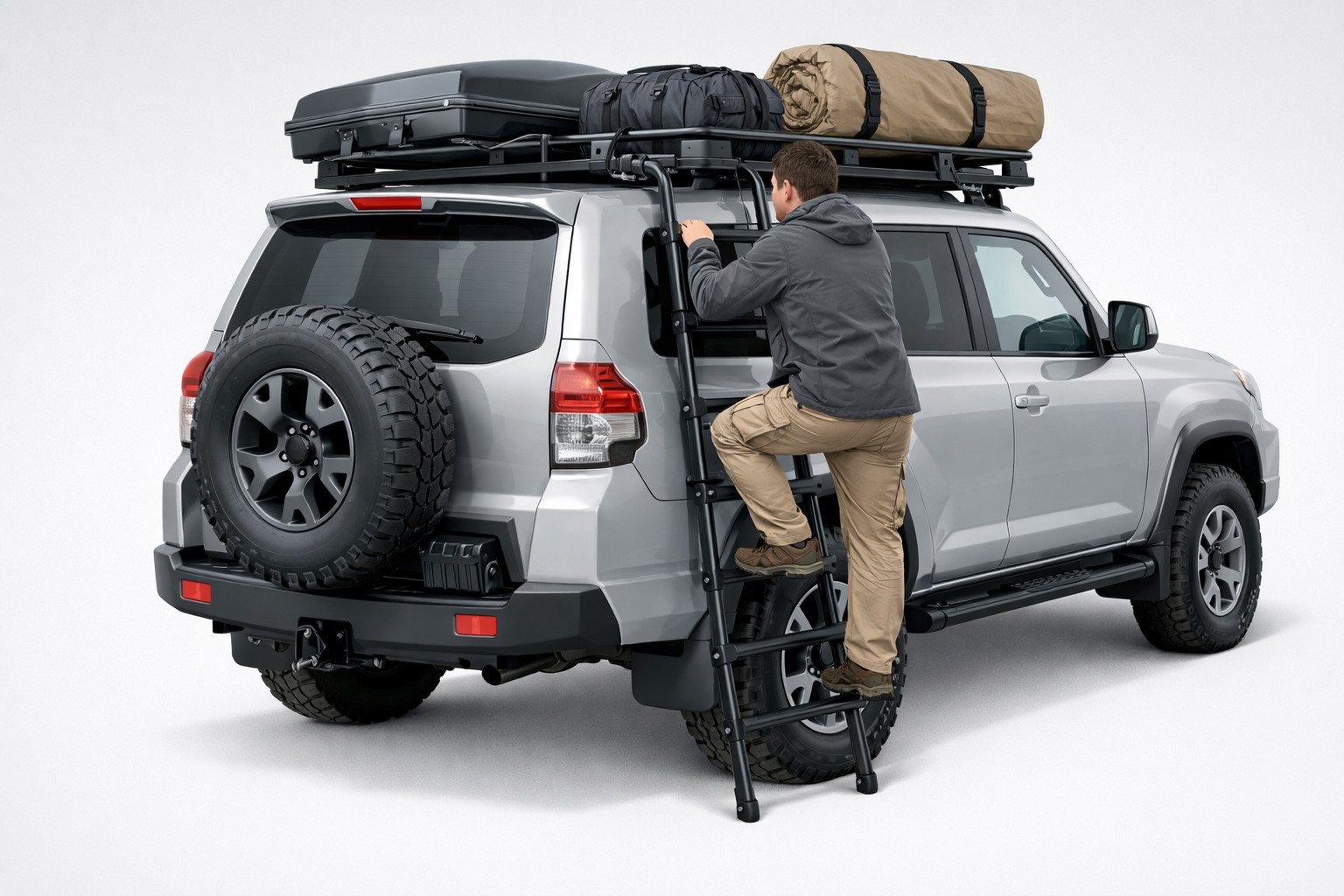
Toyota Sequoia 2027 — is not a new generation, but a meaningful update of the big body-on-frame SUV. The main news: a fresher exterior, a standard 14-inch screen, the TSS 4.0 safety suite, a built-in dash cam, and a factory Trailhunter package for those who actually drive beyond the asphalt, not just want a tough look.
An important nuance: Toyota has not yet disclosed the full technical specifications and pricing for the 2027 model year. So in practice, the model has to be assessed based on the current Sequoia 2026 platform, for which the engine, dimensions, consumption, and towing capability are already known.
Sequoia plays in the segment of large body-on-frame family SUVs. The logic is simple: lots of torque, a roomy cabin in the first two rows, high mass, serious towing, and better readiness for bad roads than most crossovers. Against the Chevrolet Tahoe, Suburban, and Ford Expedition, Toyota leans on a hybrid powertrain and strong towing ability, but it is not the benchmark for third-row space and cargo volume.
Who this model suits: those who regularly travel long distances, tow a trailer, boat, or camper, often head onto gravel, mud, or snow, and want a factory solution without deep modifications. Who it won’t suit: those who need the most comfortable third row every day, easy city parking, and a large trunk with all seats in use.
Sequoia has had three generations, and the 2027 update applies specifically to the third generation. This matters for accessory buyers and for understanding the vehicle’s character: the current Sequoia has already moved away from the old naturally aspirated V8s to a hybrid V6, while keeping body-on-frame architecture and a focus on pulling power.
| Generation | Years | What matters to know |
|---|---|---|
| First | 2000–2007 | The model’s start as a large body-on-frame SUV for the North American market. |
| Second | 2007–2022 | Long life cycle, big body, traditional old-school powertrains. |
| Third | since 2022, on the market as 2023 models | New platform, hybrid V6, 10-speed automatic, emphasis on towing and technology. |
| 2027 update | announced | Third-generation facelift with the Trailhunter package and updated electronics. |
The current Sequoia uses one powertrain: a 3.4-liter hybrid V6 with twin turbochargers, i-FORCE MAX. Output is 437 hp and 790 N·m, with a 10-speed automatic transmission. Rear-wheel drive is available on some trims, part-time four-wheel drive on others, and on higher trims AWD is standard.
For 2027, the fact that this engine is used has been confirmed, but Toyota has not yet published final figures for specific versions. So for now, Sequoia looks like a very strong, torque-rich option in the class, but the final differences between facelift trims are still worth waiting for.
According to current official data, Sequoia measures 5286 mm in length, 2027 mm in width, 1915 mm in height, with a 3099 mm wheelbase. Ground clearance is 218 mm, turning radius is 12.3 m. It’s a big vehicle not only on paper but in real life: tight parking lots, cramped yards, and older underground garages will be a constant factor.
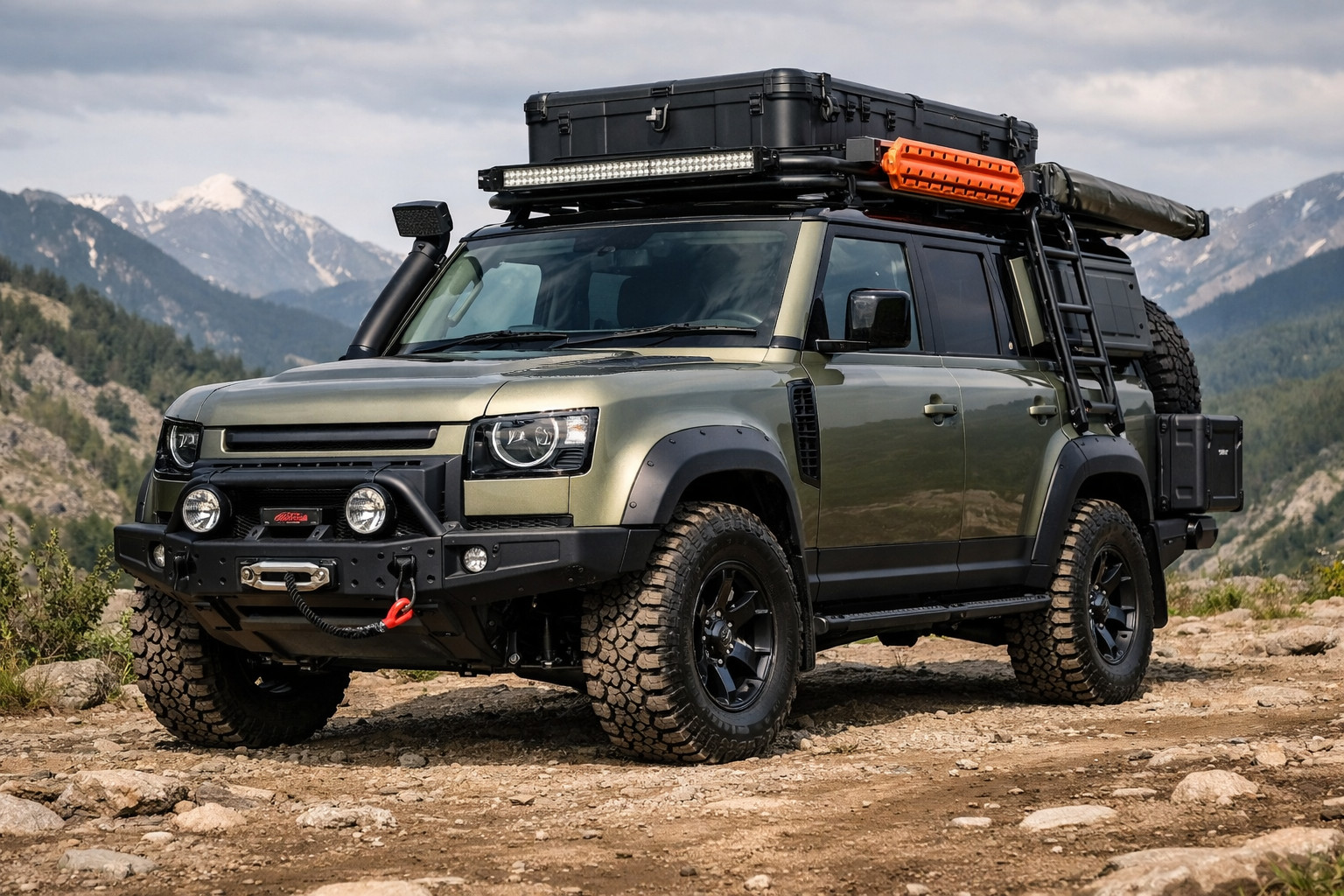
The Trailhunter package adds exactly what you expect from a factory overland-oriented version: 265/70 R18 tires, Old Man Emu suspension, front tow hooks, additional underbody protection, terrain modes, crawl control, and a rear differential lock. This isn’t a show package, but a set of features that genuinely makes sense on rocks, ruts, and long trips with a load.
| Parameter | Reference for the current Sequoia |
|---|---|
| Engine | 3.4 L hybrid V6 i-FORCE MAX |
| Power | 437 hp |
| Torque | 790 N·m |
| Transmission | 10-speed automatic |
| Drivetrain | 2WD or part-time 4WD, depending on version |
| Dimensions | 5286 × 2027 × 1915 mm |
| Wheelbase | 3099 mm |
| Ground clearance | 218 mm |
| Cargo capacity | 632 L behind the third row, up to 2461 L with the rear row folded |
| Seating capacity | 7 or 8 seats |
| Fuel tank | 85.2 L |
| Towing | up to 4318 kg |
| Rated fuel consumption | from 10.7 to 11.8 L/100 km combined, depending on drivetrain |
The 2027 update immediately brings the electronics up to modern standards: the 14-inch screen is now standard, there are new main-screen widgets, voice control, a built-in dash cam, a digital key, and a 2.4 kW inverter. For a family or travel vehicle, these aren’t small things: when a car is truly used far from home, useful power and proper infotainment matter a lot.
From the feel of the current model, Sequoia’s strong points are the front seats and the second row. The weak spot is the third row and cargo area with all seats up: there’s less room there than many expect from such a large body. Another practical downside is wind and road noise at highway speeds, which owners mention regularly.
On the safety side, the 2027 model gets TSS 4.0. For daily driving, that means not “more electronics for the spec sheet,” but an up-to-date set of lane-keeping assists, adaptive cruise control, automatic high beams, traffic sign recognition, and collision-risk monitoring.
In day-to-day life, Sequoia is more pleasant than a typical old-school big SUV: the hybrid engine delivers strong low-end pull, doesn’t force you to rev it all the time, and on paper uses less fuel than the old big V8s. But don’t expect “crossover efficiency.” On the highway you may see around 12–13 L/100 km; in mixed driving real numbers will often be higher than the official rating, and with a trailer consumption easily moves into the 20+ L/100 km range.
The second important point is weight and size. Sequoia is great for long hauls, towing, and bad roads, but it doesn’t suddenly become a city car just because it has cameras and sensors. If your route is mostly short trips, tight courtyards, and close-quarters parking, it will start to annoy you quickly.
Sequoia’s main strength is the combination of pulling power, body-on-frame durability, and a modern hybrid setup. The main drawback is the compromise in third-row seating and usable rear space. After the Trailhunter announcement, the model became even more appealing for long trips, but it didn’t become a one-size-fits-all choice.
| Strengths | Weaknesses |
|---|---|
| 437 hp and 790 N·m, strong pull under load | Full Sequoia 2027 specifications have not been revealed yet |
| Towing up to 4318 kg | Third row is tight for the class |
| On paper, better economy than old V8s | Trunk space behind the third row is smaller than you expect |
| Strong electronics package in the 2027 update | Wind and road noise at highway speeds |
| Trailhunter provides factory off-road prep | Big body isn’t very convenient in the city |
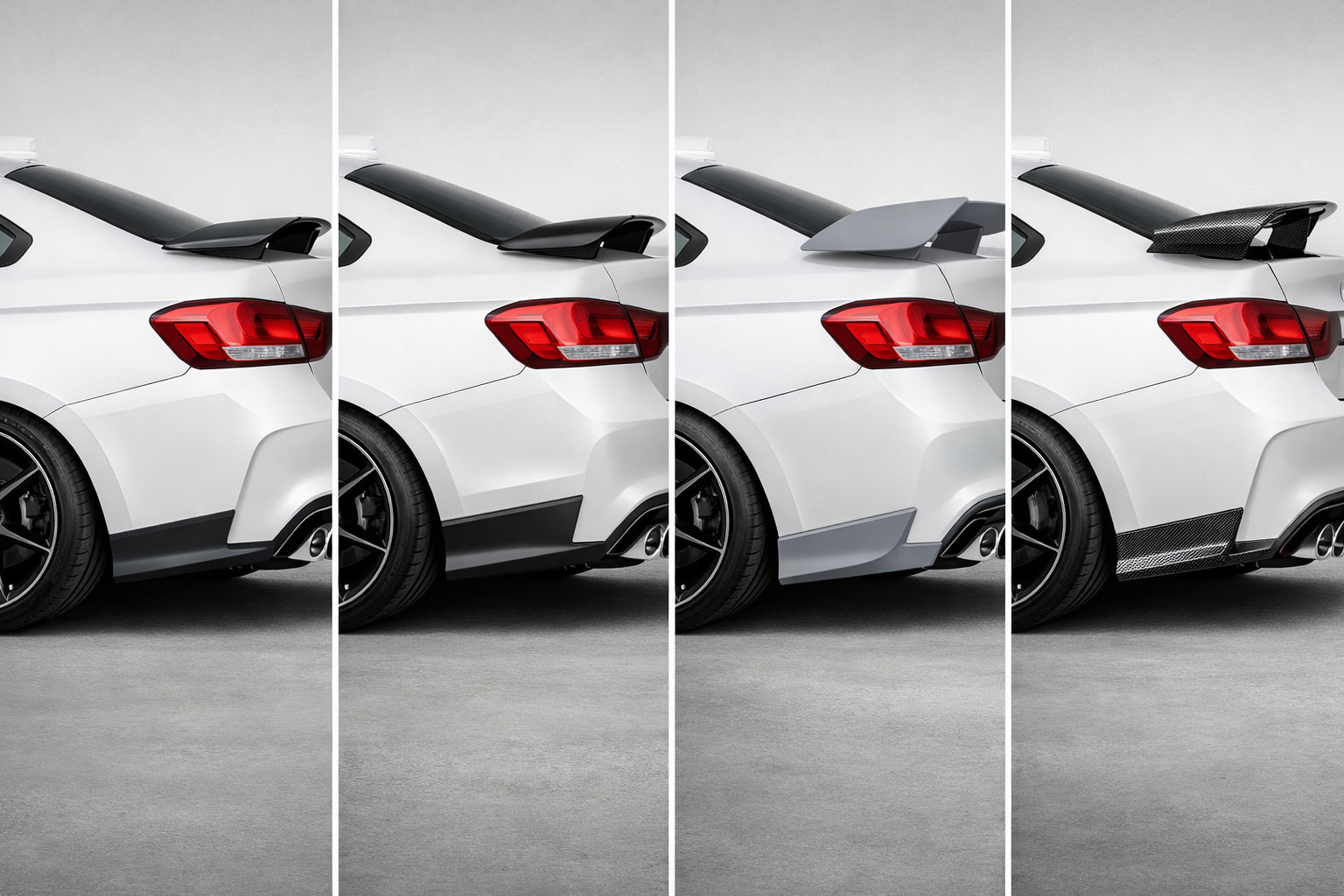
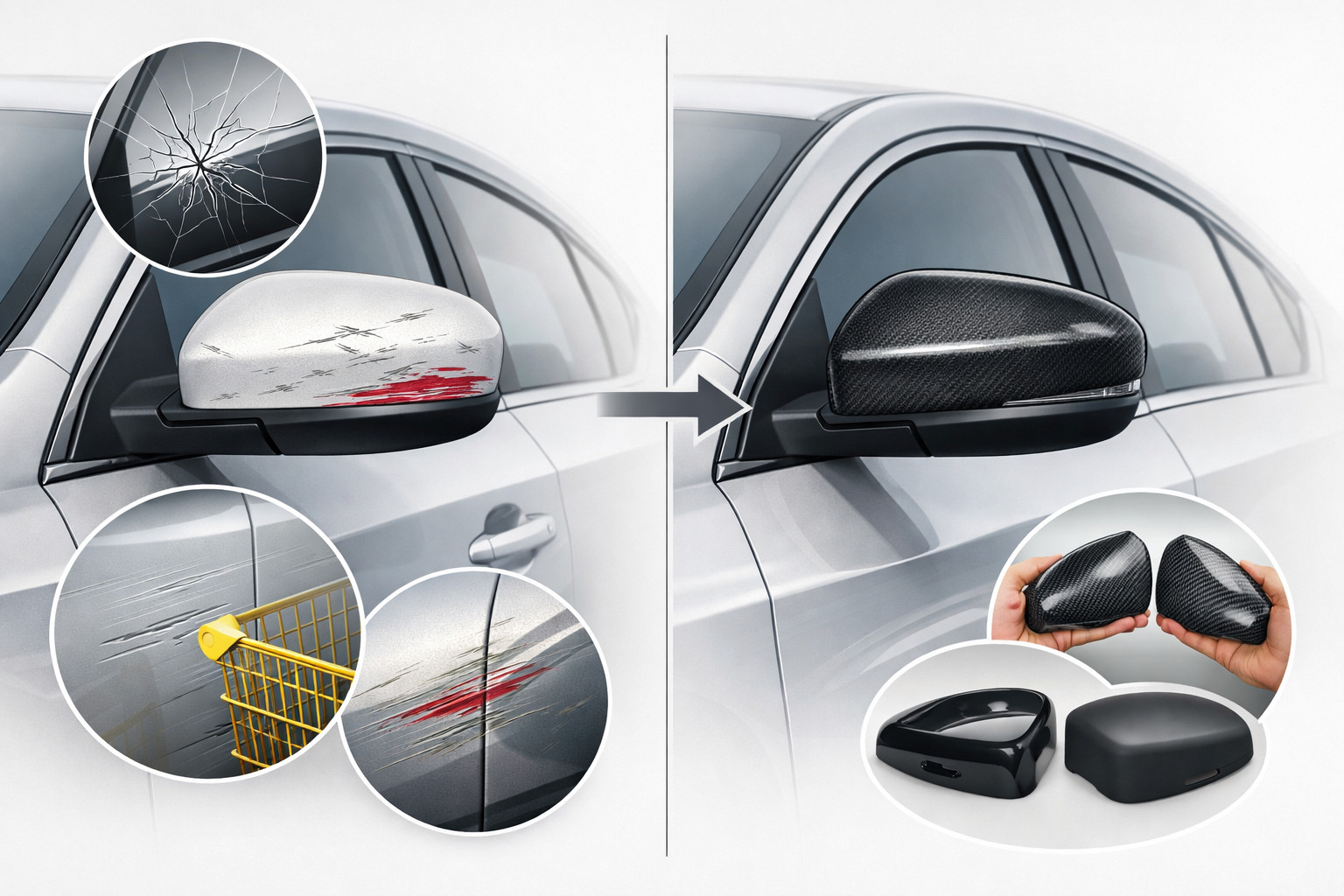
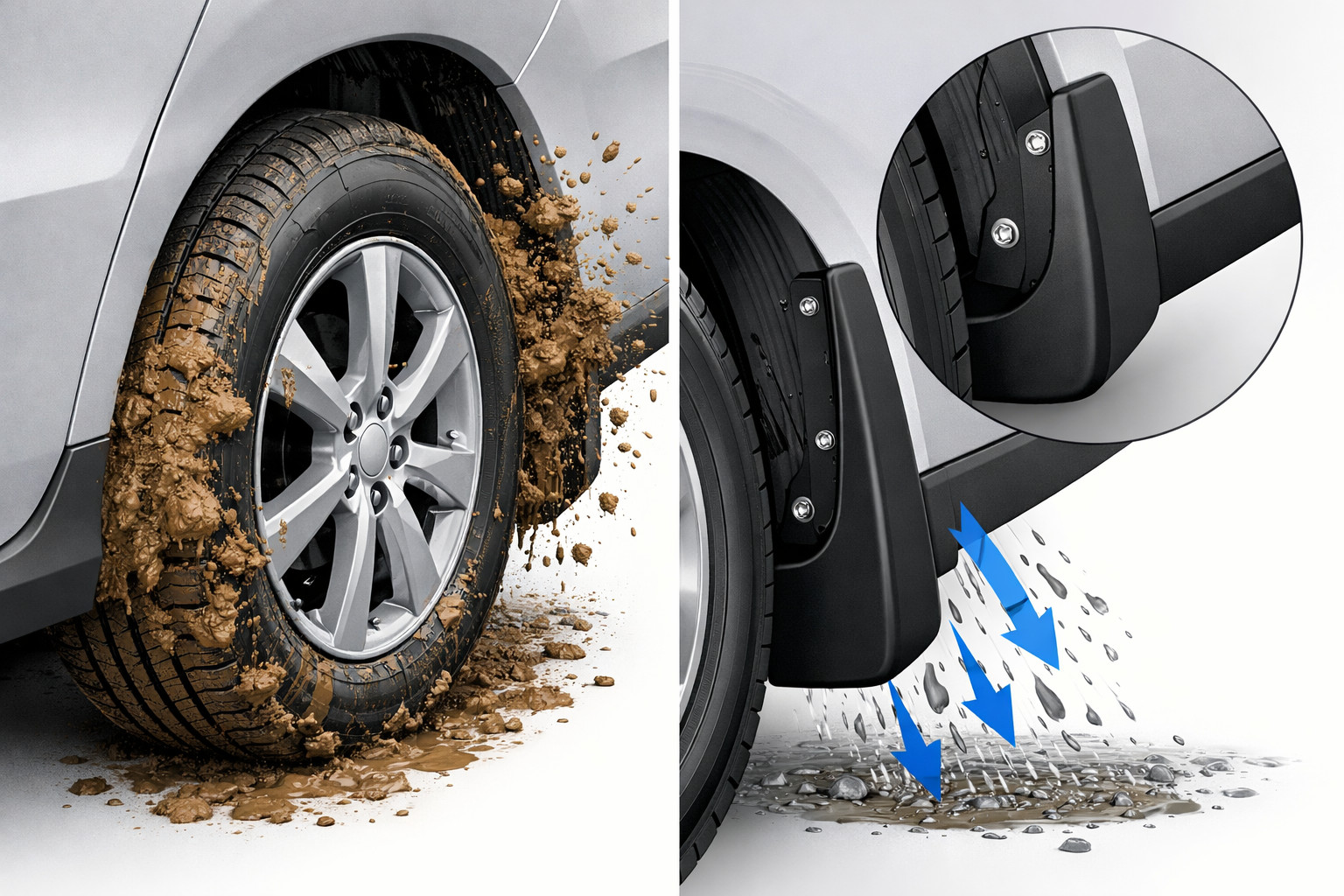
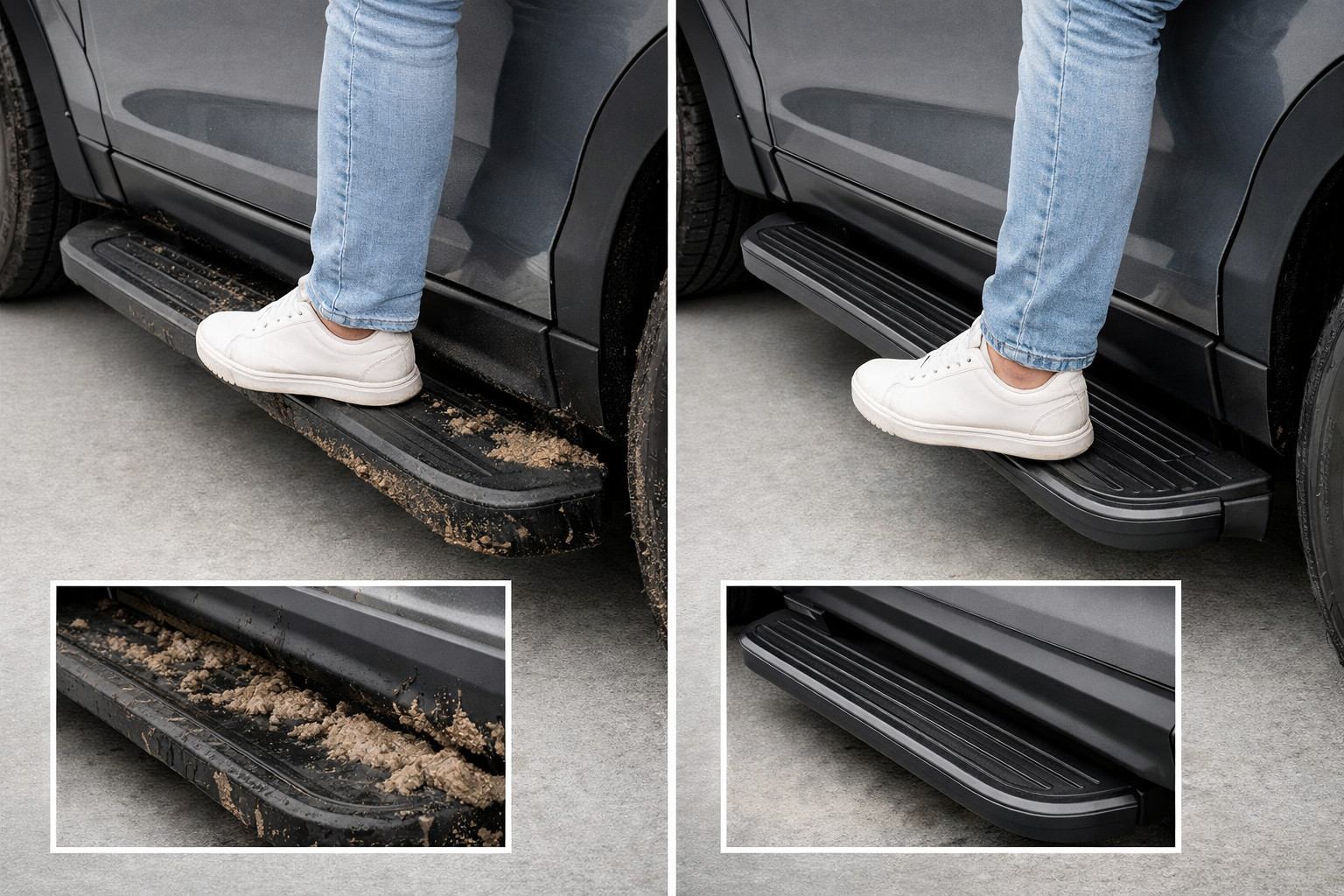
With Sequoia 2027, the rule is simple: don’t try to duplicate what Trailhunter already delivers from the factory. If you need an expedition-ready vehicle, it makes more sense to focus on protecting the body from mud and minor abrasion rather than decorative add-ons. For a big, heavy SUV, that’s more practical and cheaper to live with.
Since the 2027 model has only been announced, the range for the specific facelift usually expands after real test fits and measurements. So before ordering accessories for the new body, it’s worth checking compatibility by model year and version.
Toyota Sequoia 2027 looks like a successful update of an already strong platform: a torquey hybrid, more modern electronics, and for the first time a truly relevant factory Trailhunter package. If you need a large body-on-frame SUV for towing, long-distance travel, and bad roads, it’s worth considering right now. If the top priority is a spacious third row, maximum cargo space, and easy daily city life, it’s worth looking more broadly. This material is based on real-world selection experience, practice, and real usage scenarios for vehicles like this, not formal brochures.
Shipping to EU
Wholesale and retail
Own warehouse
Опис продукту
Подарунки не надаються при оформленні покупки у кредит під 0,01% або при покупці частинами.