 Author: Radomskyi Maksym Vasyliovych
This upgrade plan for the Toyota Highlander 2014–2019 is for those who haul kids, a stroller, backpacks, groceries every day and don’t want to scrub the cabin and trunk every time. The logic is simple: first we cover dirt, scuffs, and chaos in the interior, and only then think about extra comfort or expensive solutions.
The Highlander has a spacious cabin, but with the third row up the trunk is no longer endless, so upgrades should be about real-world use, not looks. It’s also worth considering the trim level: in XLE and above, some family-friendly comfort is already there from the factory, so duplicating it with accessories often makes no sense.
What this upgrade needs to handle
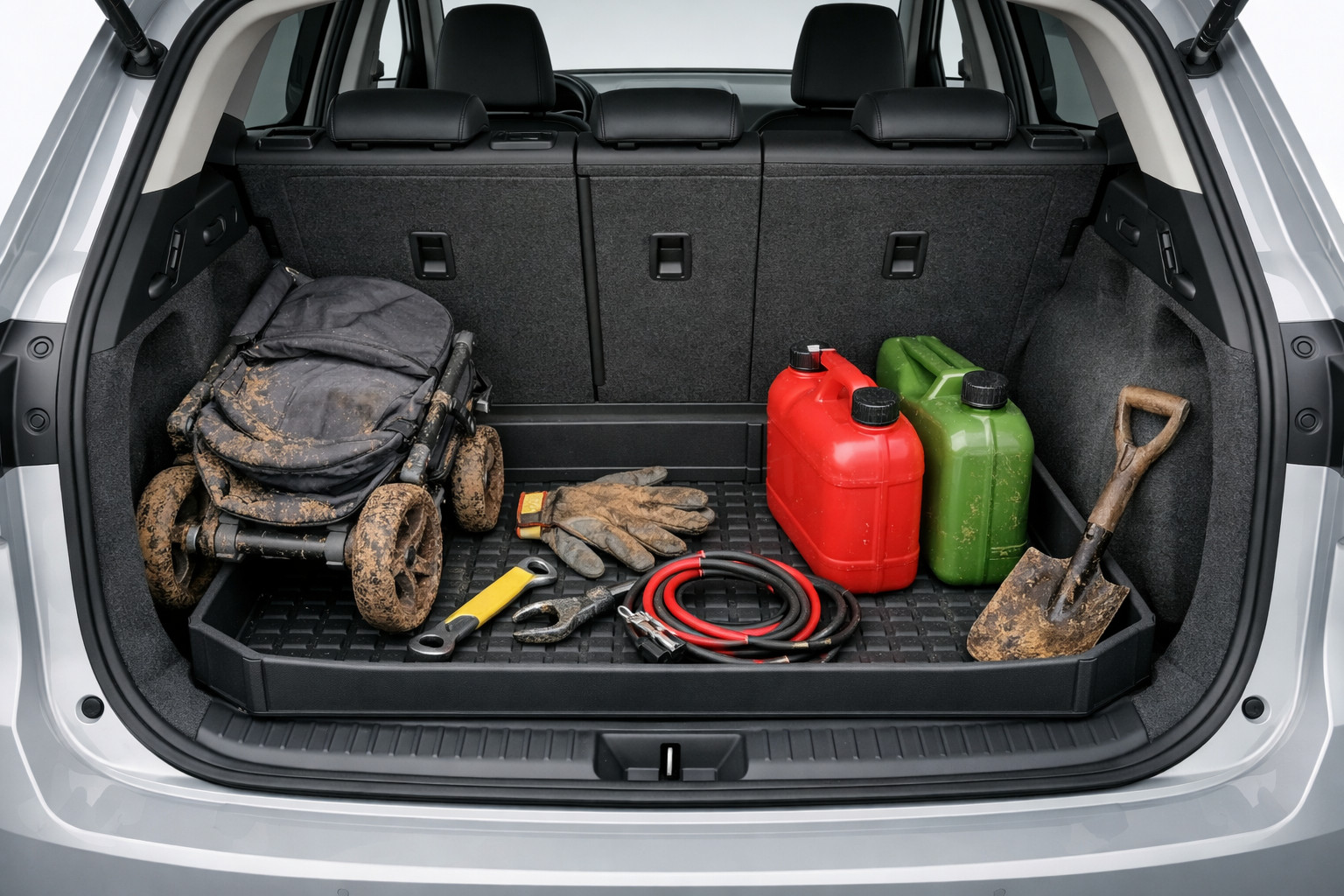
The main goal of this package is to withstand daily family use without constant cleaning and without the interior wearing out quickly. For the Highlander that primarily means protecting the floors across all three rows, the cargo area, the seatbacks, and the top edge of the rear bumper—where a stroller, scooter, or heavy bags regularly get set down.
The second point is not to break the cabin’s folding/transform convenience. If you have second-row captain’s chairs, that’s one scenario; if it’s a full bench with two child seats on the sides, that’s another. Universal seat covers, bulky organizers, and poorly chosen covers often get in the way of folding seats or getting to the third row normally.
What to do first
The first stage for this Highlander is almost always the same: floor mats for all three rows, a cargo liner, and—if you often fold seats down for hauling—seatback protection. These are the items that work every day: they catch water, sand, crumbs, marks from kids’ shoes, and dirt from stroller wheels. If you install new mats, don’t lay them over old ones and secure them using the factory retention points.
Right after that, it makes sense to protect the rear bumper. That’s where the first scratches appear when the trunk is used like a family trunk, not “once a vacation.” For the money, it’s often more useful than any decorative exterior trim pieces.
Upgrade, why it’s needed, who benefits (table)
| Upgrade | Why it’s needed | Who it truly benefits |
|---|---|---|
| 3-row floor mats | Keep water, sand, snow, and dirt within the covered area; make cleaning easier | Anyone who drives kids daily or often gets in with wet shoes |
| Cargo liner | Protects the trunk from stroller wheels, bags, spills, and dirt | Those who actually use the trunk every day, not only on vacation |
| Seatback protection | Saves the upholstery when the second or third row is regularly folded for cargo | Families who often change the cabin layout |
| Rear bumper protector | Takes the scratches during loading | Those who carry a stroller, boxes, scooters, large bags |
| Sunshades or sun protection | Less direct sun in the second row; calmer trips for kids | Trims without factory rear sunshades |
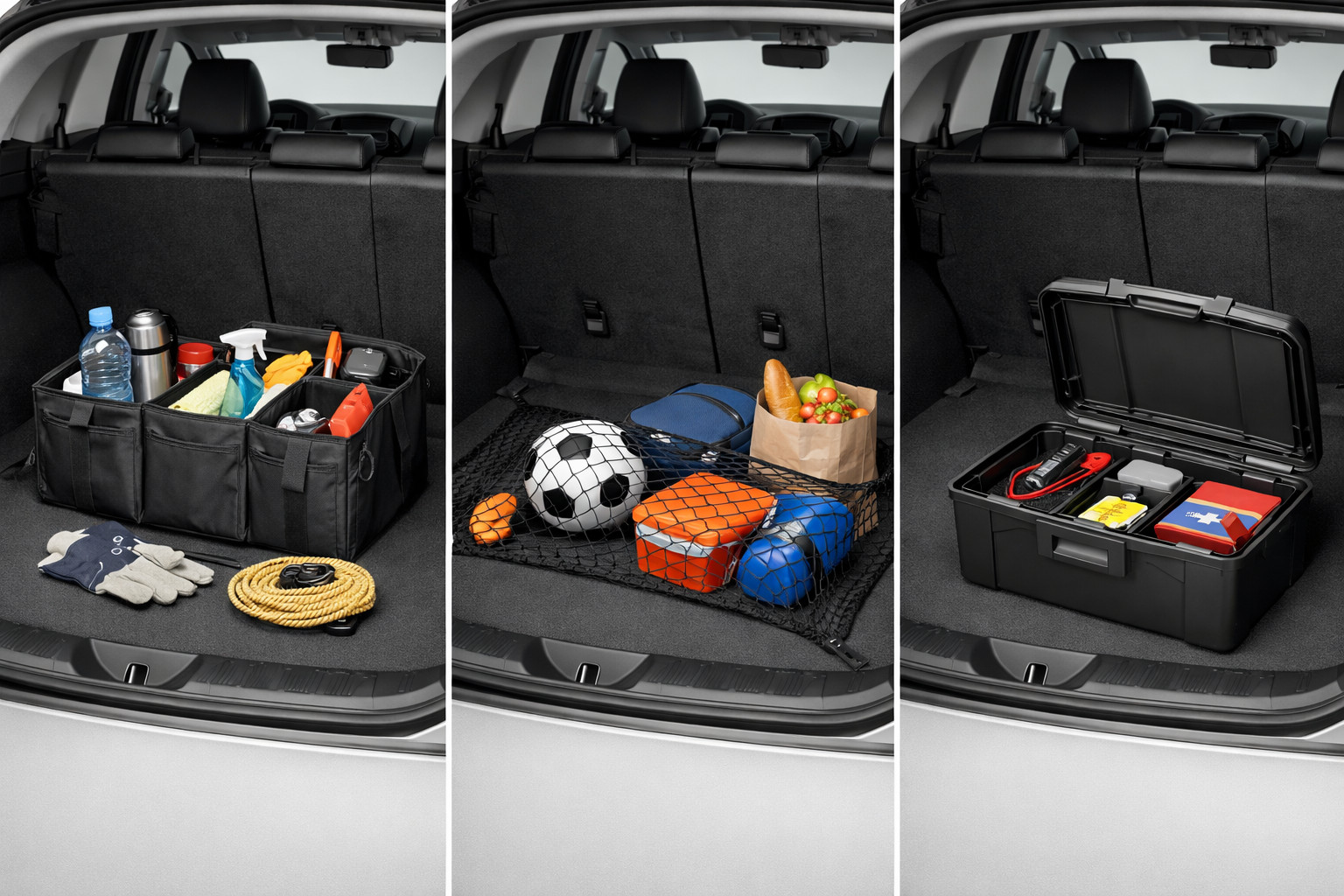
| Cargo net or trunk organizer | Secures small items so they don’t roll around the trunk | Those who constantly carry groceries, spare clothes, kids’ items |
DD Tuning expert comment: The most common mistake with a Highlander in a family scenario is running straight to expensive upgrades without covering the floors and trunk. The result: a person has a roof carrier, but fights cabin dirt every day. The second typical mistake is buying universal seat covers and organizers without checking whether they interfere with folding the second and third rows.
What makes sense to add as a second stage
Once basic protection is in place, the second stage is about adding what reduces everyday discomfort. That’s sun protection for rear passengers, neat cargo organization, dedicated seatback protection from kids’ shoes, and privacy solutions for the cargo area if you often leave items there.
But it’s important not to duplicate what’s already installed from the factory. On some Highlanders, the family options already cover a good half of the needs: rear sunshades, separate climate control for the rear rows, second-row passenger conveniences. If you already have those, it’s better to put the money into protecting the trunk or seats rather than paying again for the same functions.
What’s more about comfort or looks
In this group I’d put window deflectors, seat covers, door-sill plates, decorative exterior trim, interior trim inserts, and similar items. They can be nice to use and sometimes add localized protection, but they’re not the first things that solve the “kids, cargo, everyday comfort” scenario.
Seat covers only make sense when they’re matched to your exact seating configuration and don’t interfere with folding/transforming. Side steps and exterior add-ons also shouldn’t be automatic: for some they really help with getting kids or older passengers in, and for others they just add extra dirt to clothing and don’t provide practical value.
What people often buy for nothing
- Sunshades and additional sun protection on trims where rear sunshades are already factory-installed.
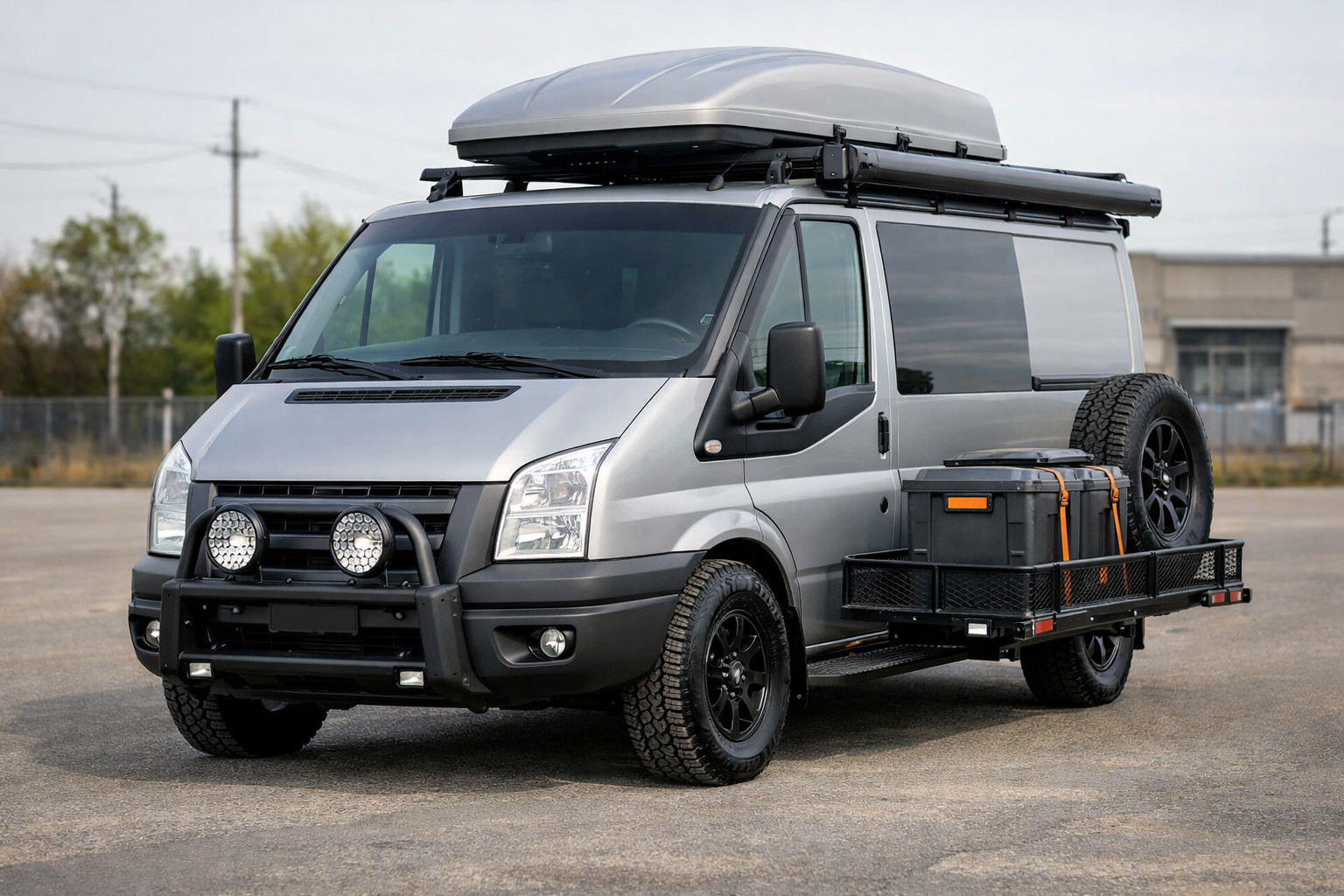
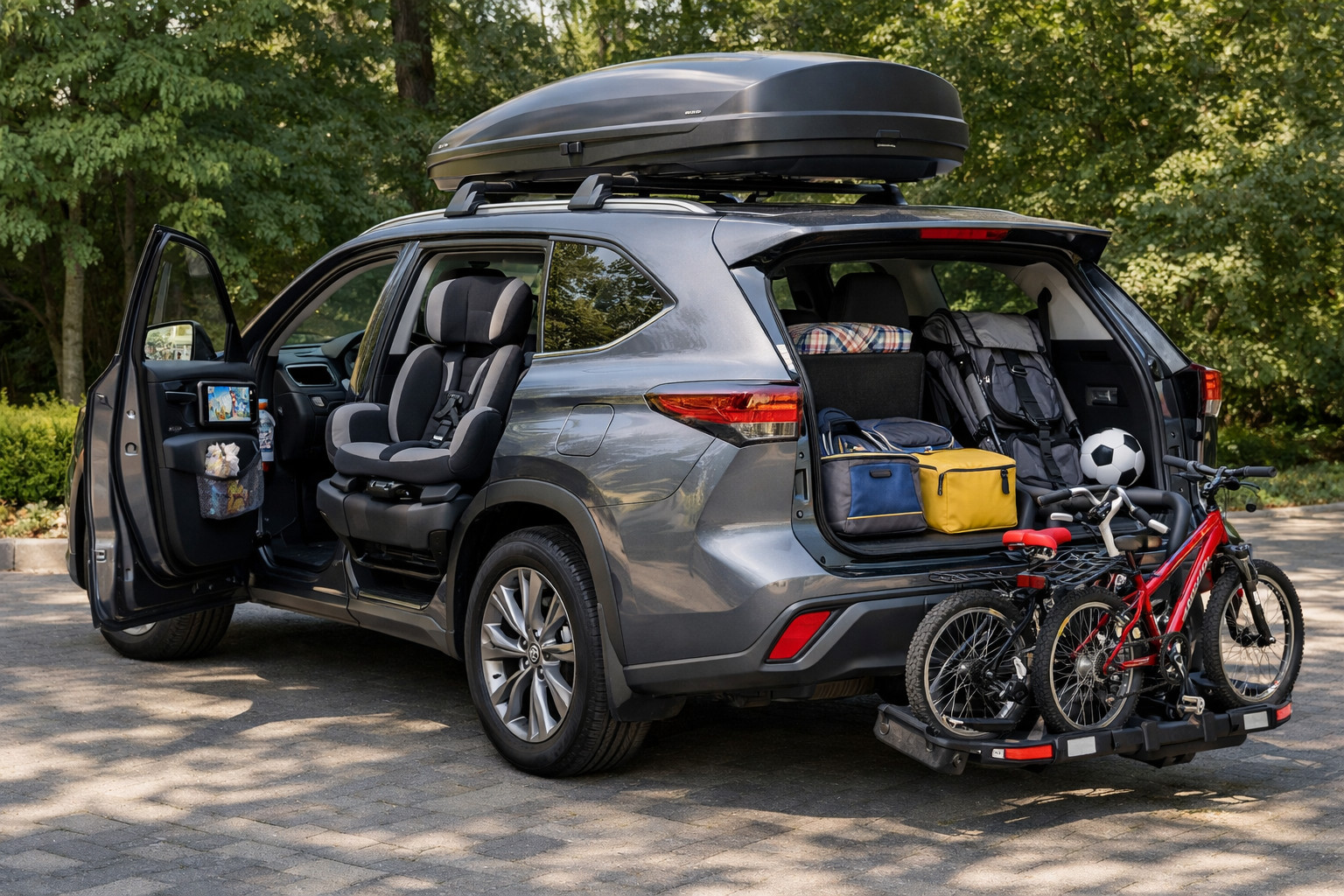
- A roof rack or cargo box “just in case,” even though the real lack of space happens only a few times a year.
- Universal seat covers that ruin seat folding and prevent a flat load floor.
- Decorative trim instead of proper trunk and bumper protection.
- Rear-seat entertainment as the first purchase, even though the main issue is dirt, mess, and scuffs.
In this scenario, marketing junk shows itself very quickly: if an accessory doesn’t simplify life every week, it’s a lower priority. The Highlander is already well suited to the family role, so you should upgrade only the weak spots, not everything in the catalog.
What to install first, what to postpone, what’s optional (table)
| Install first | What can be postponed | What isn’t required | Logic |
|---|---|---|---|
| 3-row floor mats | Sun protection, if kids don’t ride daily | Decorative interior trim pieces | The floor gets dirty every day; decor doesn’t solve that |
| Cargo liner and seatback protection | Cargo net or organizer | Roof box or roof basket without regular trips | In a family vehicle, the trunk wears out faster than anything else |
| Rear bumper protector | Seat covers | Side steps and body kits | Loading scratches show up early and then annoy you constantly |
| Check factory comfort options | Expensive cargo-area conveniences | Rear-seat screen | There’s no point paying twice for what’s already included in your trim |
A ready upgrade plan for this scenario
- First, identify your configuration: second-row layout, how often you use the third row, whether you have factory sunshades and family comfort options.
- Install floor mats for all three rows and make sure they’re secured correctly.
- Protect the trunk with a liner, and if you often fold the seats, add seatback protection.
- Install rear bumper protection if you regularly load a stroller, scooter, or boxes.
- After that, evaluate whether you truly need extra sun protection and better organization for small items in the trunk.
- Only if you still run out of space on real trips should you move on to expensive solutions like roof options or more complex cargo-area upgrades.
When it makes sense to choose more expensive solutions
Expensive upgrades only make sense when basic protection is already covered. If you still don’t even have EVA mats for all three rows, it’s simply too early to jump into big spending: daily results come not from the most expensive purchase, but from the right sequence.
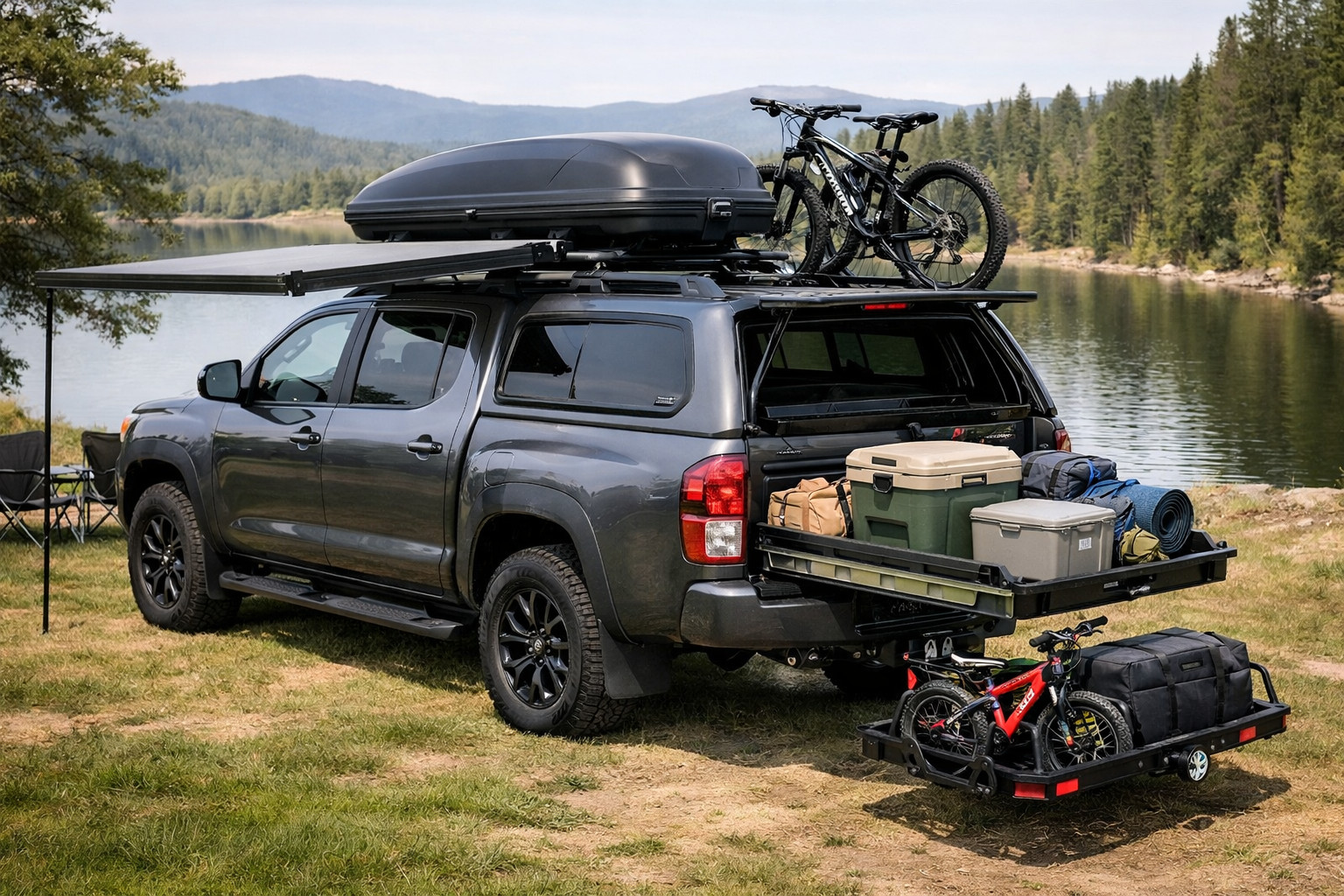
The power tailgate is worth considering if your trim doesn’t have it and you open the trunk several times a day with your hands full. The roof rack is justified only when you regularly travel fully loaded and truly hit a volume limit, even after proper organization of the cabin and trunk. Just remember that such solutions add noise, require proper installation, and are sensitive to correct load distribution.
From a customer’s experience: a Highlander owner initially wanted to install a roof solution right away because it felt like there was catastrophically little space. After a conversation, he started with 3-row mats, trunk protection, and a bumper protector, and a few weeks later it turned out that for city use this was completely enough. The expensive roof rack was kept for seasonal long trips, not as an impulse buy.
Conclusion
For a Toyota Highlander 2014–2019 in a kids/cargo/everyday-comfort scenario, the right package starts not with exterior decorations, but with the floor, the trunk, and the areas that wear out first. First mats, then cargo protection and the bumper, then sun protection and organization for small items—and expensive solutions only when there’s a real lack of function or volume.
The material is based on real selection experience, practical know-how, and real use cases: in a family Highlander, what works best isn’t the most expensive set, but a staged upgrade without overpaying for looks and without duplicating factory options.
How it works
- Assess Your Trim and Use Case First, check exactly how you use the Highlander: whether you often carry children, fold down the third row, use the trunk every day, and whether it already has factory rear shades and other family options. This will help you avoid buying something that is already included in the trim.
- Start with Floor Protection Install mats on all three rows and make sure they are properly secured. They are the first to take on water, sand, snow, and traces of children’s shoes.
- Cover the Cargo Area Add a cargo liner, and if you often fold the seats down for items, add seatback protection as well. This will protect the trunk from strollers, bags, spills, and dirt.
- Protect the Rear Bumper Install a rear bumper protector if you regularly load a stroller, scooter, boxes, or heavy bags. This will help avoid early scratches in the area that suffers most during family use.
- Add Only What You Actually Need After basic protection, assess whether you need sun protection for rear passengers and storage organization for small items in the trunk. If your trim already has rear shades or other conveniences, do not duplicate them with accessories.
- Leave Expensive Solutions for Last Move on to a roof cargo box, power liftgate, or more complex upgrades only when basic protection no longer covers your real trips. In a family Highlander, practical protection comes first, not accessories “just in case”.
Pros and cons
It makes sense to start with mats for all three rows, a cargo liner, and seat-back protection for a family setup: these items catch dirt, sand, crumbs, and marks from children’s shoes every day. This really simplifies cleaning and reduces interior wear.
A rear bumper protector is practical exactly where the Highlander is most likely to get scratches — when loading a stroller, boxes, or scooters. For everyday family use, it is more useful than decorative elements.
A cargo net or organizer helps secure small items so they do not roll around the cabin. It is convenient for shopping, children’s things, and spare clothes.
The factory equipment is checked separately so as not to buy duplicate options for nothing. This makes it possible to focus the budget on what is truly missing — cargo-area, seat, or bumper protection.
The package is built step by step: first basic protection, then comfort-focused small items, and only after that expensive solutions like a roof or box. This sequence matches real family trips, not one-off scenarios.
Universal covers and bulky organizers can interfere with folding the second and third rows. For the Highlander, this is a serious drawback if the cabin is often reconfigured for cargo or passengers.
Some family-oriented options in XLE trims and above are already included from the factory, so some accessories may simply duplicate standard solutions. In that case, the purchase brings little benefit, and the budget is spent inefficiently.
Expensive solutions like a roof rack do not always make sense: if the lack of space happens only a few times a year, it will be an unnecessary expense. In addition, such options add noise and require careful installation.
Deflectors, decorative trims, separate interior inserts, and similar items do not solve the basic problem of dirt and scuffs. For a scenario with children and luggage, they are clearly not the first priority.