23.05.2026
337
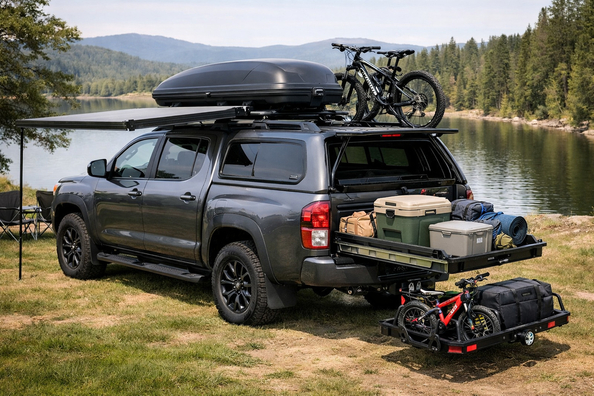
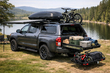
This upgrade plan is for a pickup owner who hauls the family, kids’ stuff, groceries, a stroller, weekend gear—and wants real everyday usefulness from the truck, not just a loud look. In this scenario, what matters most isn’t a lift or big wheels, but a dry, enclosed bed, a clean cabin, easy access for kids, and proper load securing.
The right set of upgrades depends on ride height, bed length, cab type, and how you actually drive: city, cabin trips, camping, fishing, or daily family routine. If your pickup has a cramped second row, accessories won’t fully fix that, so for frequent family trips the cab configuration itself is sometimes more important than half the tuning list.
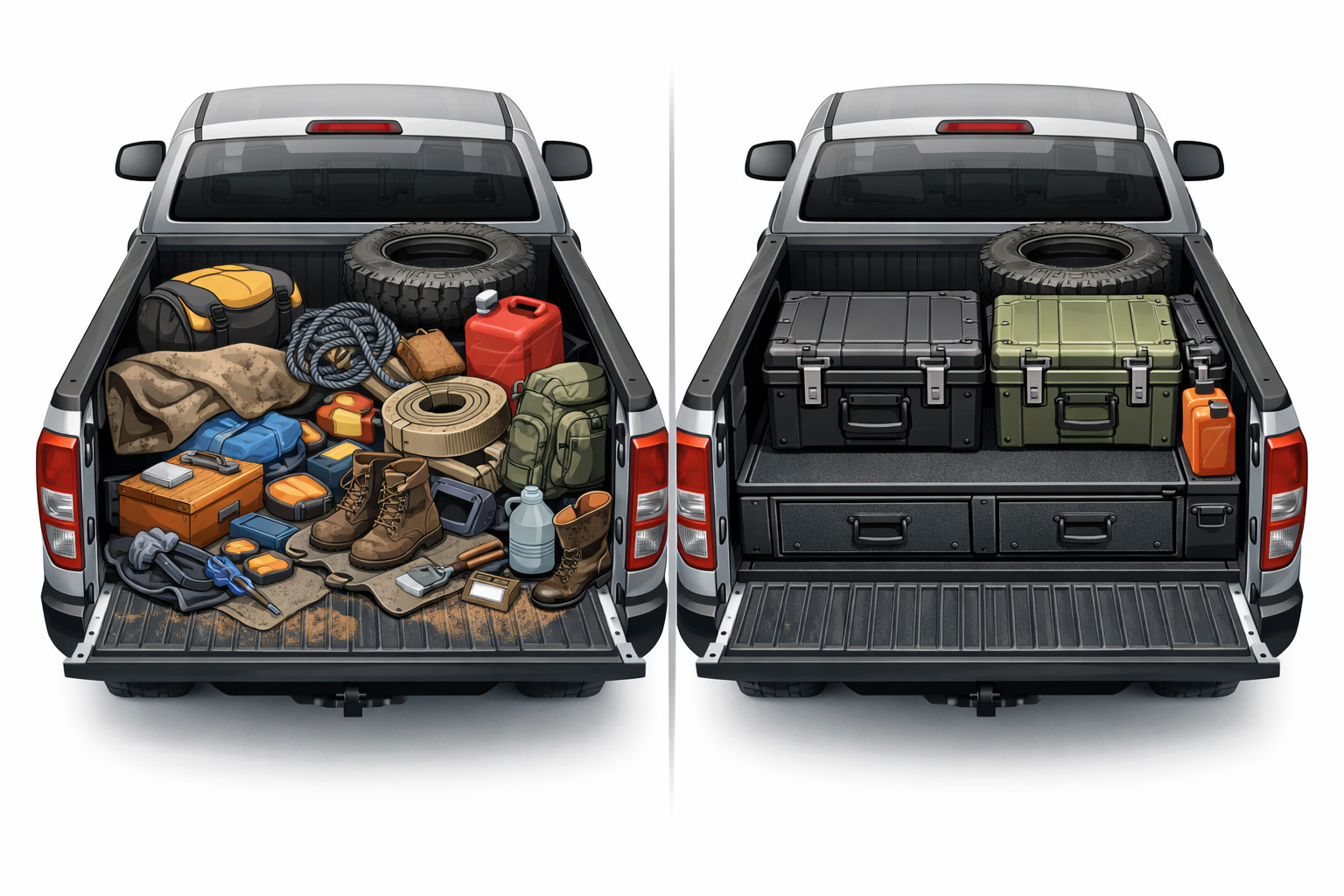
In a family scenario, a pickup has to solve four tasks. First, protect items in the bed from rain, dust, and prying eyes. Second, keep cargo from sliding on bare metal, banging into the sides, and turning into one messy pile. Third, make getting in and out convenient for kids, older passengers, and anyone who’s climbing in wearing everyday clothes rather than outdoor gear. Fourth, keep the cabin in decent condition, because a family pickup collects dirt, sand, water, crumbs, and wet shoes very quickly.
Seasonality is worth considering separately. In heat, the value of tint and sun protection rises sharply; in snow and mud, floor mats, mud flaps, and easy bed access matter most. In other words, the right family upgrade isn’t “to make the truck look more expensive,” but “so it doesn’t annoy you every day.”
Stage one is the stuff that starts working immediately after installation and gets used on every trip.
| Upgrade | Why it’s needed | Who really benefits |
|---|---|---|
| Bed cover or roller shutter | Shields items from rain, dust, and prying eyes | Anyone hauling groceries, a stroller, suitcases, weekend gear |
| Protective bed coating or liner | Reduces cargo sliding and protects the bed floor from scratches | Anyone regularly tossing bags, boxes, bikes, camping gear into the bed |
| All-weather mats | Keeps dirt, water, and sand under control | Families with kids, dogs, frequent out-of-town trips |
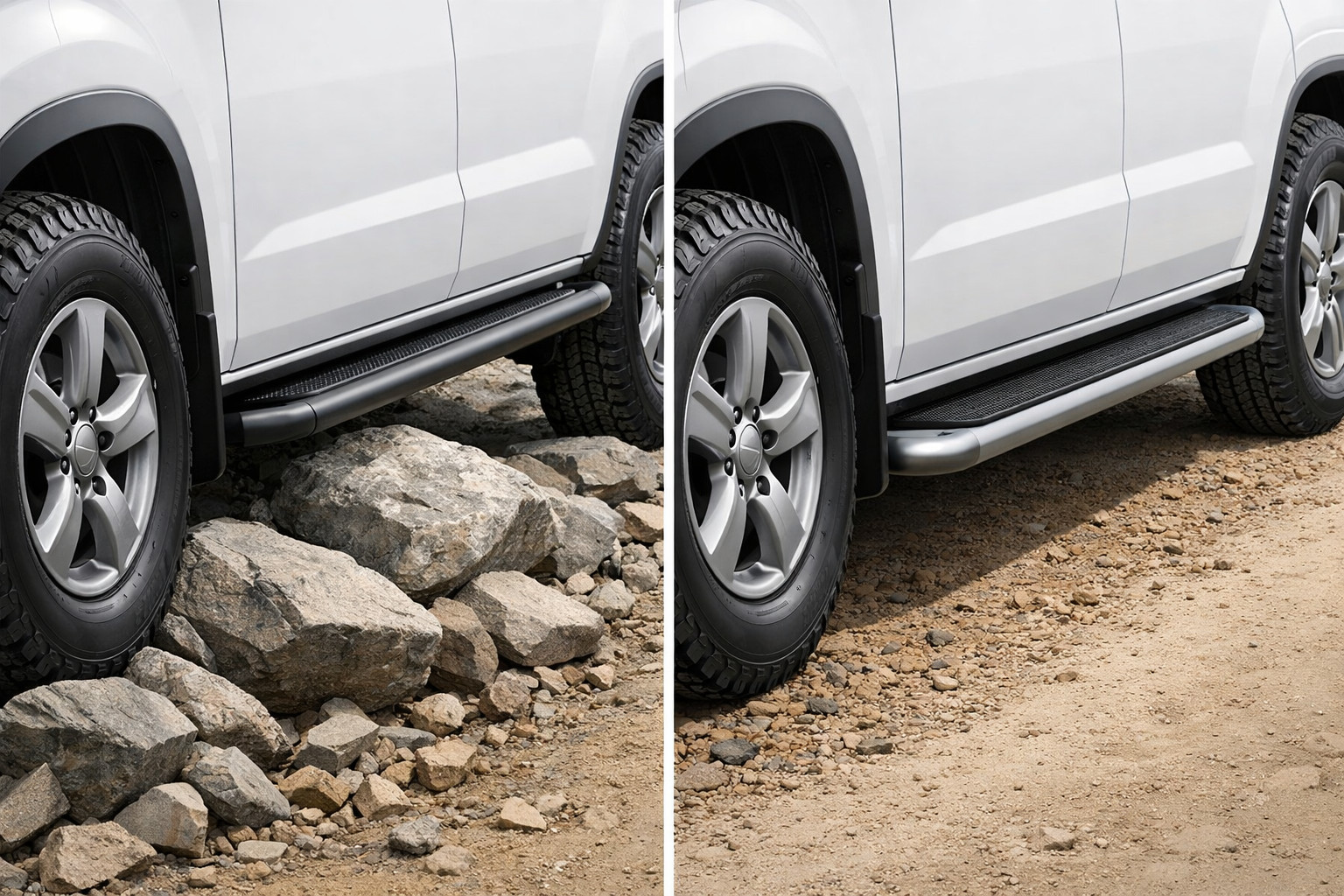
| Side steps | Easier entry/exit, less dirt on the sills | Owners of tall pickups, families with small kids and older passengers |
| Cargo tie-downs or a bed divider bar | Stops bags and small luggage from flying around the bed | Anyone who often drives with a partially loaded bed |
| Seatback organizer | Keeps bottles, wipes, small toys, and cables in one place | Families traveling with kids daily or on long distances |
| Mud flaps | Less grime on the sides and doors in wet weather | Anyone driving in snow, mud, or on dirt roads |
DD Tuning expert comment: the most common mistake is buying an expensive bed cover without checking how much space its mechanism takes up in length and height. The second typical story is choosing smooth, narrow side steps just “because they look nice,” and then in winter ending up with a slippery, inconvenient surface. Another miss: expecting a soft cover to provide the same level of protection as a rigid design.
After basic bed and cabin protection comes the stuff that isn’t critical on day one, but is very noticeable in real use. First and foremost, that’s securing cargo in the bed: a divider bar, simple straps, organizing small items. These are what keep shopping bags, kids’ things, and gear from sliding around under braking.
Stage two is also a logical time to add cabin organizers, bed lighting under the cover, and tint if the vehicle often sits in the sun. For southern regions or long summer trips, ceramic tint really reduces heat buildup, but it’s important not to overdo the darkness. If you constantly deal with snow, water, and mud, stage two is more likely to be mud flaps and seasonal items for slippery exits.
There are upgrades that aren’t mandatory but noticeably boost day-to-day convenience. That includes bed lighting when a cover is installed and it’s dark inside; tint if kids often ride in the cabin; a rear step for easier access to the bed; neat organizers so small items don’t end up scattered around. These won’t solve major problems, but they genuinely simplify everyday life.
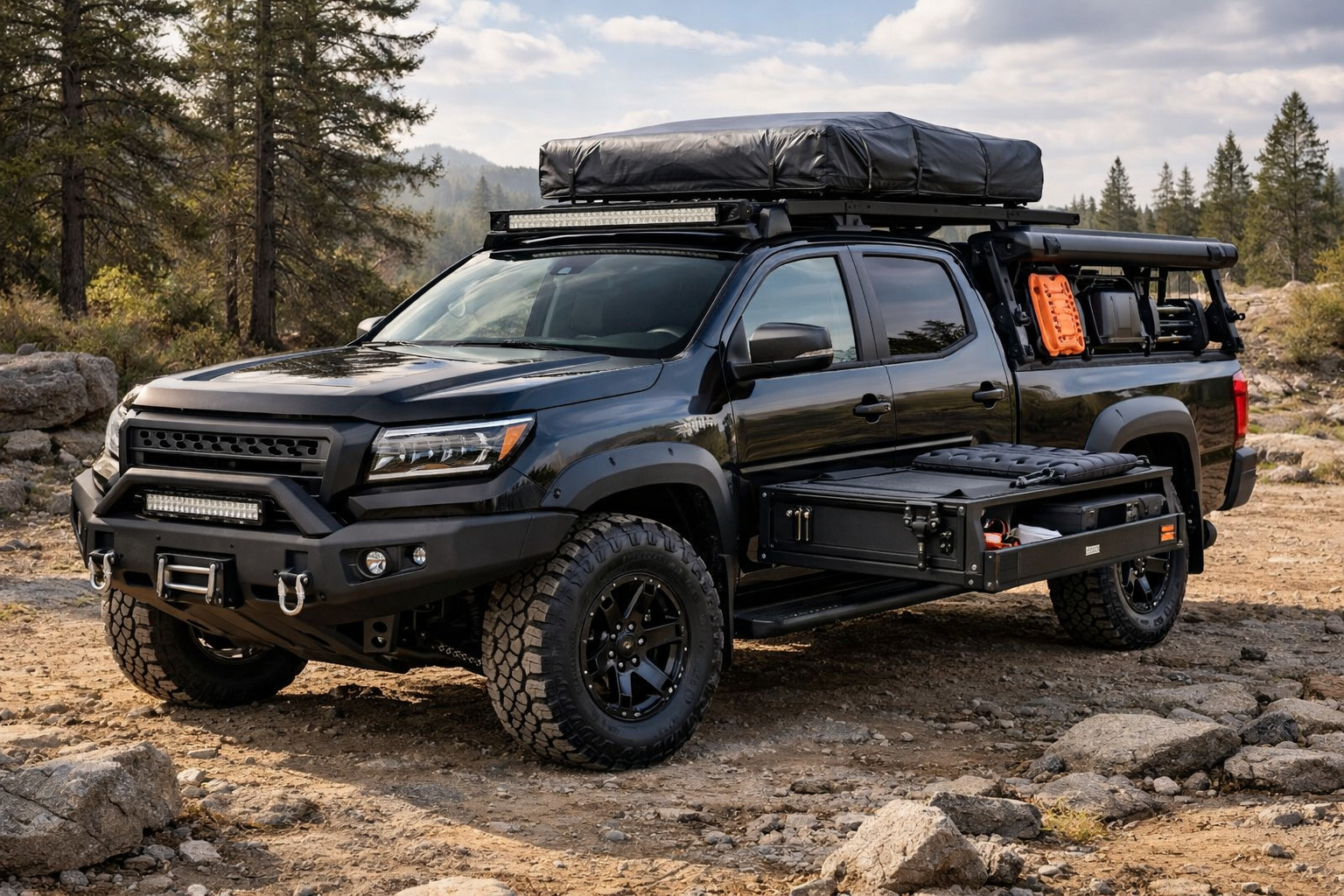
But big wheels, exterior bars, decorative trim, chunky fender flares, and other tuning “so it’s visible from far away” mostly serve the image in a family scenario. If the basics are already covered and you like a certain style—go for it. But doing this before an enclosed bed, proper mats, or easy entry just isn’t logical.
Most often, money gets wasted on things that don’t match the real use case. If your pickup mostly carries kids, groceries, and weekend items, a suspension lift, very large tires, and aggressive off-road tread give less benefit than it seems. The truck gets taller, harder to get into, sometimes worse in the city—and family advantages are minimal.
There’s one key mistake: people overpay for looks where the family feels the lack of basic practicality every day.
| What to install first | What can be postponed | What isn’t required |
|---|---|---|
|
|
|
|
|
|
|
|
|
Paying more makes sense where the item works every day and directly saves your nerves. For a family pickup, that’s first and foremost roller shutters for the bed: hard versions are justified if cargo often rides in the rain, the truck is left in parking lots, and the bed is used year-round. Before buying, look not only at the opening method, but also at how much space the mechanism takes up inside.
The second case is quality side steps if kids or older passengers ride in the truck all the time: a wide, non-slip surface matters more than a flashy profile. The third is thoughtful cabin organization, especially seatback organizers, when long trips with kids quickly turn the interior into a warehouse of small items. A pricier solution is justified only when you clearly know you’ll use it weekly—not once a season.
From a customer’s experience: a pickup owner initially wanted to start with big wheels and exterior bars, but after a conversation he settled on a hard bed cover, mats, side steps, and simple cabin organization. As a result, the stroller and groceries stopped getting wet, the kids found it easier to climb in on their own, and cleaning the cabin became several times faster. A few weeks later, he admitted that these were the things he uses every day—not just shows to friends.
For family trips, it’s best to upgrade a pickup from utility to secondary features: first an enclosed, protected bed, then a clean cabin and easy entry, then cargo securing, small-item organization, and seasonal comfort. If you stick to that logic, the truck becomes not “more eye-catching,” but genuinely more convenient in everyday life.
This material is based on real selection experience, hands-on practice, and real usage scenarios: what people install first, what they use daily, and what they most often overpay for without a noticeable return. For a family pickup, the best upgrade is the one that simplifies every trip—not just changes how it looks in the parking lot.
| ✔ | A cover or tonneau cover on the bed really keeps a stroller, groceries, and bags protected from rain, dust, and prying eyes. For family trips, it’s one of the most useful upgrades, because cargo often rides in the bed. |
| ✔ | Bed floor protection or a liner reduces cargo sliding and protects the metal from scratches. It’s practical if bags, boxes, kids’ things, or weekend gear are regularly tossed into the bed. |
| ✔ | All-season floor mats in the cabin help keep dirt, water, and sand under control. For a family with kids, this is especially important, because the cabin gets dirty quickly during everyday trips. |
| ✔ | Running boards noticeably make getting in and out easier if the pickup is tall or if children and older passengers often ride in it. They also keep less dirt from getting onto the sills. |
| ✔ | Cargo tie-downs and simple cabin organizers reduce clutter from small items. Bags, bottles, wipes, and toys don’t roll around the car and are less distracting on the road. |
| ✘ | A suspension lift, large wheels, and aggressive off-road tires bring little real benefit in a family scenario. Instead, the vehicle becomes taller, harder to get into, and may handle less comfortably in the city. |
| ✘ | The cheapest soft bed cover does not solve the issue of protecting belongings the way a hard construction does. It is more suitable as basic rain protection, not for serious everyday use. |
| ✘ | Decorative bars, chrome trims, and other exterior styling easily push practical things into the background. If the body is open and unorganized, such purchases do not improve the family scenario. |
| ✘ | Too dark a tint can reduce visibility at night. For a family, this is no longer just a matter of style, but a real inconvenience in everyday driving. |
Shipping to EU
Wholesale and retail
Own warehouse
Опис продукту
Подарунки не надаються при оформленні покупки у кредит під 0,01% або при покупці частинами.