04.07.2026
353
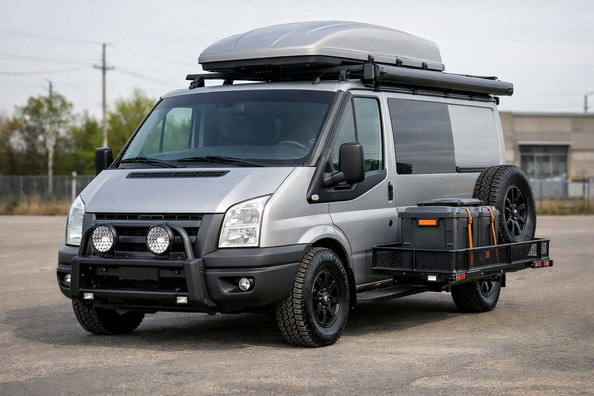
This plan is for a Ford Transit 2000-2014 that works daily on deliveries and periodically runs intercity. The goal isn’t to make the van look flashier, but to reduce downtime, protect the body and cargo, make maneuvering easier, and cut driver fatigue without unnecessary spending.
On a Transit of this age, upgrades can’t be separated from its technical condition. If the body is already rusting through, the fuel system is unstable, and the doors are poorly protected, accessories won’t solve the main problems. So the order is simple: first the basics, then work-focused improvements, and only after that comfort and minor exterior touches.
In the “delivery + intercity” scenario, the van gets a mixed workload every day: short cold trips, frequent stops, tight courtyards, curbs, reversing to loading docks, and long hours on the highway. So the upgrade has to cover several tasks at once: preserve the body, prevent small fuel-system issues, reduce break-in risk, make parking easier, and make the cabin more tolerable for long shifts.
Another nuance is the difference between Mk6 and Mk7, as well as short vs. long wheelbase, roof height, and the type of side and rear doors. This is what determines what can be installed without modifications and what requires checking mounts, wiring, or compatibility.
Top priority is the body and anti-corrosion protection. On a Transit 2000-2014, it makes sense to start with thorough washing, drying, and treating the underbody, sills, arches, lower door edges, rear crossmember, leaf-spring mounts, and on Mk6 also the areas under the plastic steps and the rear suspension mounting points. If moisture or dirt is already sitting in these areas, decorative parts only hide the problem.
Second comes the technical baseline: checking the EGR, SCV/PRV, injectors, injector washers and bolts, cold starting, and pull under load. For a city Transit, this matters more than any “power” tuning, because the van needs to work consistently, not look good while it’s down.
Third is security: additional mechanical door locks, reinforcing the driver’s door lock, an alarm system, and a separate immobilizer. Right after that—proper tires without chasing oversized wheels, and a basic lighting upgrade if you do a lot of evening or winter runs.
| Upgrade | Why it’s needed | Who it really benefits |
|---|---|---|
| Body anti-corrosion and treatment of problem areas | Stops rust progression in typical spots and extends the van’s service life | All Transit of this age, especially those used in winter or in the city |
| Checking EGR, SCV/PRV and injectors | Removes common causes of unstable starting, smoke, and loss of pull | Vehicles with frequent short trips, high mileage, or inconsistent engine operation |
| Additional locks, alarm system, immobilizer | Protects the van and cargo from quick break-ins | Courier, night, and city routes with frequent stops |
| Tires with a sensible sidewall profile | Reduce harshness, handle curbs better, and are cheaper to run | Loaded delivery work and intercity driving on rough roads |
| Rear-view camera and parking sensors | Reduce minor bumps and speed up maneuvering in courtyards | Long wheelbase vans, dense city work, drivers with limited van experience |
| Soundproofing for the floor, doors, and bulkhead | Reduces road noise and fatigue during a shift | Those who spend many hours behind the wheel or often drive on the highway |
| A more comfortable driver’s seat | Less strain on back and legs | Intercity runs, long day shifts, daily high mileage |
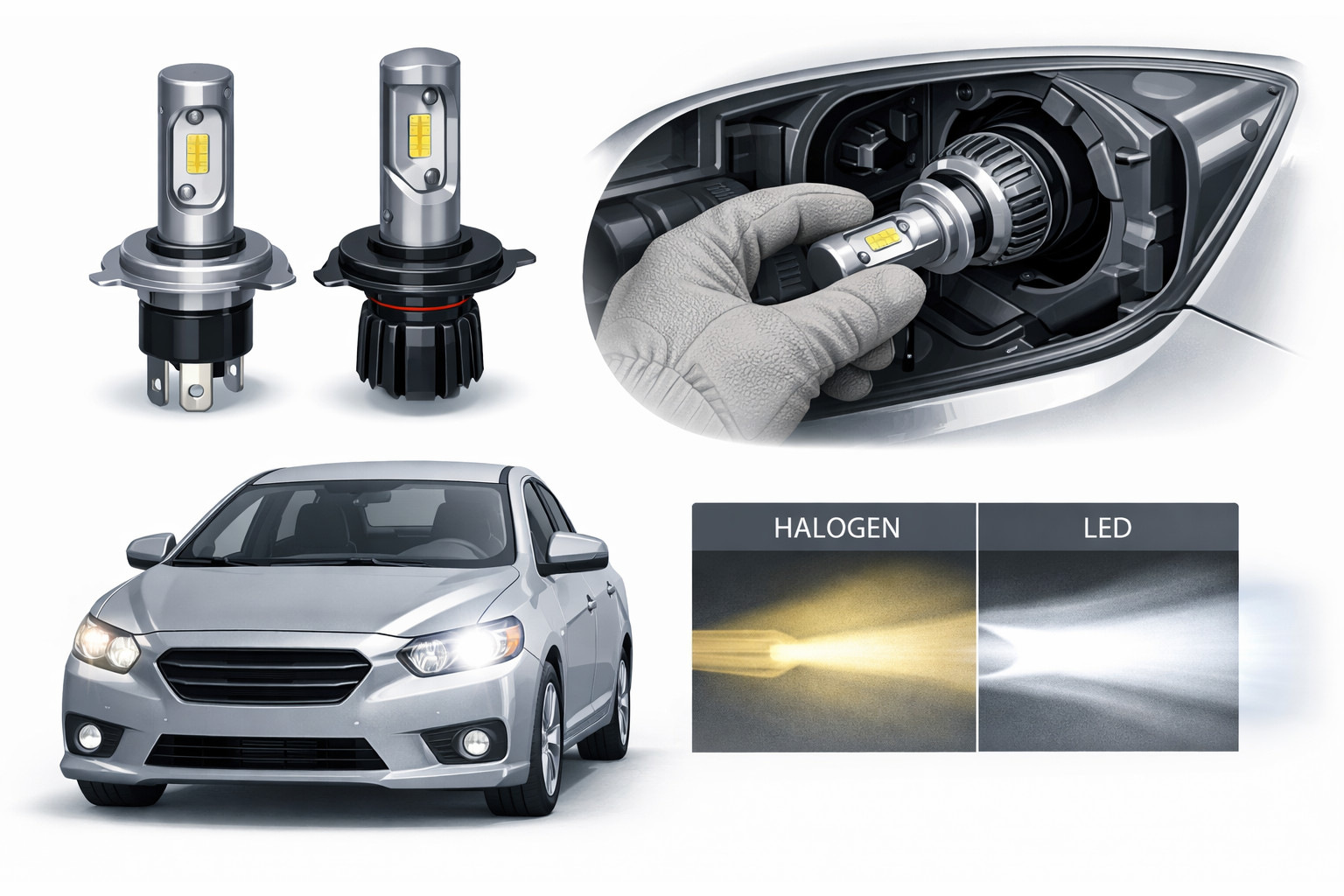
| Brighter halogen bulbs | Improve visibility without a big budget | Night and winter routes |
DD Tuning expert comment: The most common mistake with a Transit of this age is buying lighting, seat covers, or exterior trims before checking rust, locks, and the fuel system. The second typical mistake is mixing advice for Mk6, Mk7, and Transit Custom, even though mounts, wiring, and compatibility can differ. Before ordering, double-check the year, wheelbase, door type, and the actual trim level.
The second stage is upgrades you feel every day on the job, but that aren’t critical for the vehicle’s survival. For city delivery, that includes a rear-view camera and parking sensors: they truly help at loading docks, in courtyards, and when driving close to curbs. For intercity work—a better seat, and if highway trips are regular, cruise control too, but it must be verified for the specific vehicle version.
This also includes soundproofing. On a Transit, it makes sense if you start with the floor, doors, and bulkhead, rather than trying to “silence” everything with one thick layer on the roof. A working setup is a damper plus a soft insulation layer; just fluffy insulation without a damper doesn’t deliver the effect people expect.
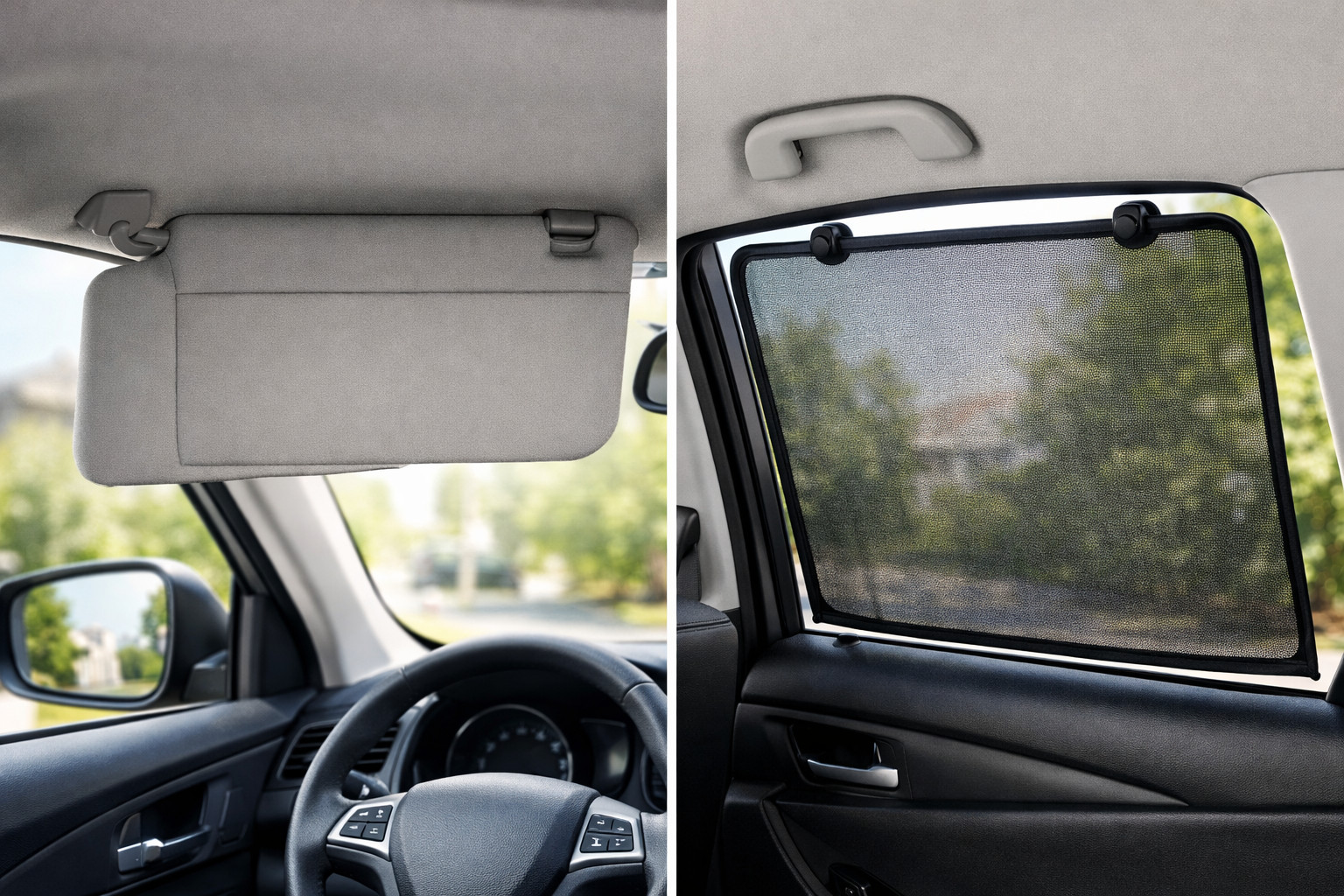
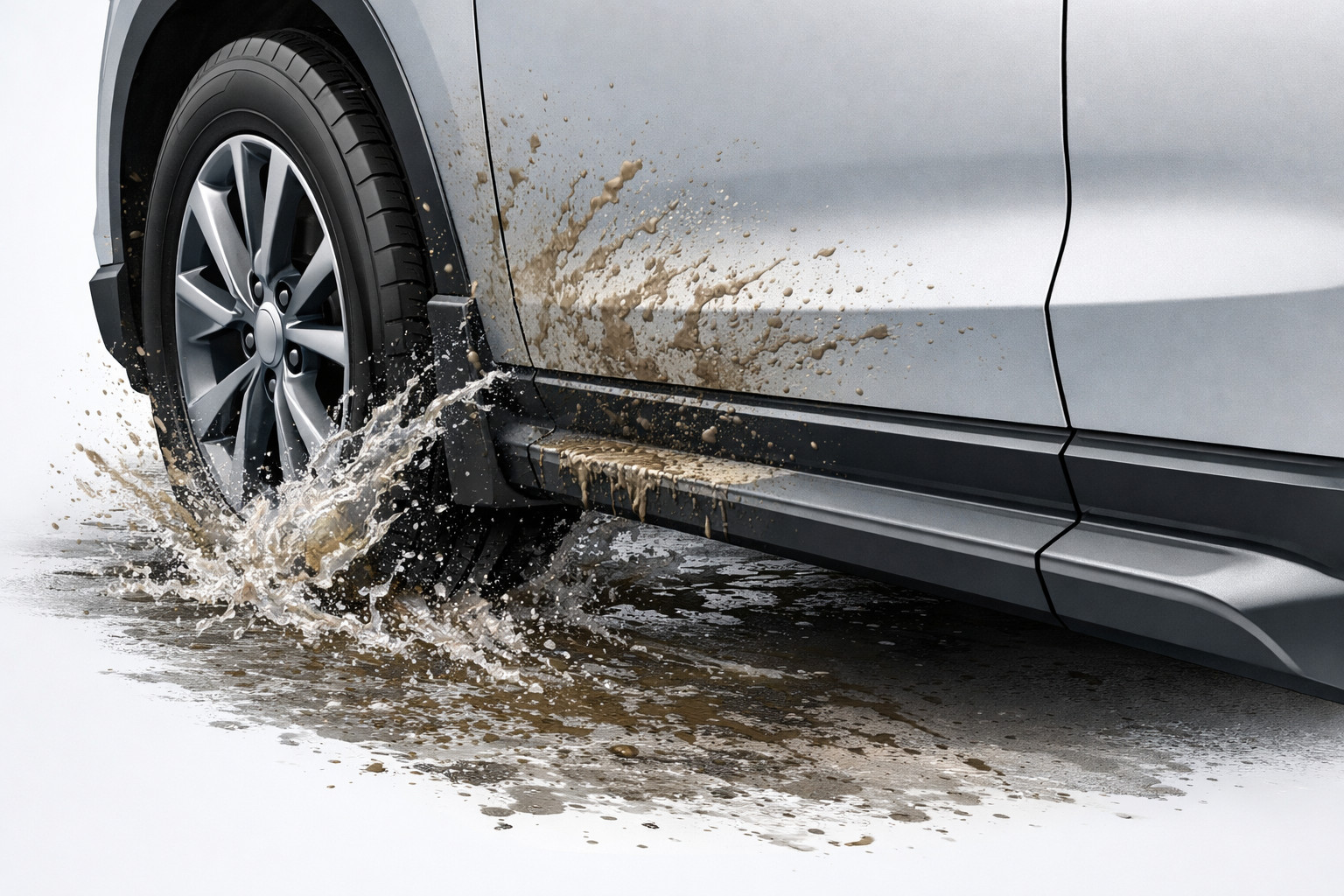
Once the basics are covered, you can move on to things that improve everyday cabin use: seat covers, rubber floor mats, window deflectors, curtains, neat sill or door trims. In a working Transit, this is justified not as decoration but as protection for the interior from moisture, dirt, and constant entry/exit.
Exterior parts should be assessed realistically. If a part doesn’t protect the body in a working area, doesn’t make getting in easier, doesn’t help in rain, and doesn’t reduce daily wear, its value for delivery work is small. In this scenario, looks must always come after function.
The most typical overpay is big wheels with low-profile tires. On a cargo Transit, they make the ride harsher, raise tire costs, and don’t bring real benefits either in the city or on the highway. For work, it’s a classic “not for the scenario” purchase.
Next come chrome trims, body kits, pseudo-sport brakes, and power tuning on top of unchecked EGR or injectors. Another common mistake is incorrect soundproofing—when too much material is put on the roof while the main noise sources from the floor, doors, and bulkhead are ignored. And separately—don’t weaken or remove the bulkhead without a real need: the cabin gets louder and intercity comfort drops.
| What to install first | What can be postponed | What is not mandatory |
|---|---|---|
| Anti-corrosion and body inspection | Full cabin soundproofing | Chrome trims and decorative elements |
| Checking EGR, SCV/PRV, injectors | A more comfortable seat if mileage is still moderate | Power tuning on a tired engine |
| Locks, alarm system, immobilizer | Cruise control if highway driving isn’t daily | Big wheels with low-profile tires |
| For the city: camera and parking sensors; for intercity: tires and lighting | Curtains, deflectors, small interior items | Sport brakes without a comprehensive overhaul |
More expensive upgrades make sense when the Transit is already in good shape in terms of bodywork, fuel system, and security, and you’re sure you plan to keep the vehicle working for a few more seasons. In that case, you can look at solutions for Transit 2000-2014, separately electronics for the camera, parking sensors, and auxiliary systems, and car lighting if you do a lot of night driving.
Expensive but logical options include a well-chosen seat, cruise control for stable intercity driving, an auxiliary heater, or deeper soundproofing. But only on one condition: the vehicle shouldn’t simultaneously require urgent spending on rust, injectors, or door locks. If those issues aren’t resolved, expensive comfort simply postpones the right expenses.
From a customer’s experience: for a Transit that delivered parcels around the city and ran intercity twice a week, the owner initially wanted wheels and exterior trims. In the end, we started with anti-corrosion, locks, checking the fuel system, tires, and a rear-view camera, and added soundproofing and the seat later. The biggest difference came not from decorative things, but from calmer parking, less noise, and no minor downtime.
For a Ford Transit 2000-2014 in delivery and intercity use, the smartest starter upgrade looks like this: first the body and anti-corrosion, then the engine’s technical baseline, then security, tires and lighting, followed by the camera, soundproofing, and driver comfort. Anything about appearance only makes sense once the van no longer has basic weak points.
This material is based on real selection experience, hands-on practice, and real usage scenarios: that’s why the priority here isn’t a “nice list of accessories,” but an order of spending that helps a Transit work longer and distract less from making money.
| ✔ | Anti-corrosion treatment and inspection of problem areas really address the typical weak spots of Transit of this age — the underbody, sills, wheel arches, door edges, and leaf spring mounts. This directly extends the vehicle’s service life and is useful for winter and city use. |
| ✔ | Checking the EGR, SCV/PRV, injectors, and cold starts is more important than cosmetic upgrades, as it reduces the risk of unstable operation, smoke, and loss of power. For delivery work, this means less downtime and fewer surprises under load. |
| ✔ | Additional locks, an alarm, and an immobilizer are practically valuable for city and night routes with frequent stops. They don’t solve everything, but they really make quick break-ins and cargo theft harder. |
| ✔ | A rear-view camera and parking sensors are useful exactly in a work scenario with courtyards, ramps, and curbs. They reduce minor impacts and make maneuvering easier, especially on the long wheelbase. |
| ✔ | Sound insulation for the floor, doors, and partition together with a proper seat noticeably reduces fatigue during long shifts and on the highway. This is especially noticeable for a driver who spends many hours behind the wheel every day. |
| ✘ | An upgrade will help little if the body is already heavily affected by rust, the fuel system is working unstably, or there are problems with the door locks. In such a state, accessories only postpone the real repair. |
| ✘ | Some popular expenses are directly named as unsuitable for this scenario: large low-profile wheels make the ride harsher and the tires more expensive, but provide no noticeable benefit in work use. For a cargo Transit, this is more of an unnecessary overpayment. |
| ✘ | External trims, chrome, and pseudo-sport elements do not solve delivery work tasks. If the vehicle still needs anti-corrosion treatment, inspection of the fuel system, or door protection, such purchases are premature. |
| ✘ | Poorly done sound insulation can give a weak effect: if too much material is placed on the roof and the floor, doors, and partition are ignored, the result will be worse than expected. In other words, there are expenses, but less real comfort. |
Shipping to EU
Wholesale and retail
Own warehouse
Опис продукту
Подарунки не надаються при оформленні покупки у кредит під 0,01% або при покупці частинами.