
































































 Author: Radomskyi Maksym Vasyliovych
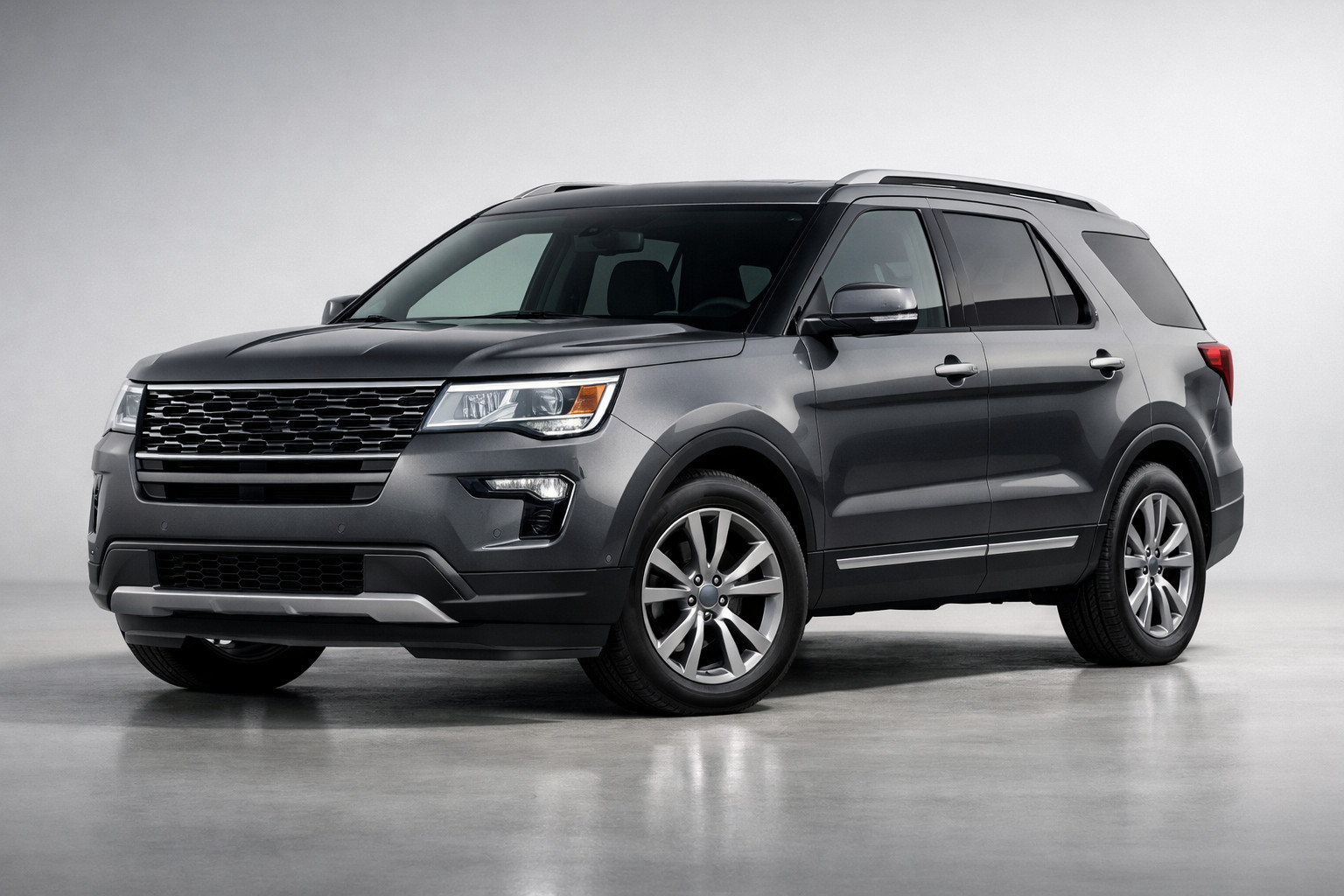
This plan is for a Cadillac Escalade 2020+ owner who wants to make the vehicle more practical for everyday use, but without flashy tuning. The scenario is simple: less dirt in the cabin, a tidier cargo area, calmer winter use, and easier trips and family-duty operation—without making the SUV look overloaded with accessories.
There’s one key correction: the 2020 model year is still the previous generation, while 2021+ is already Next-Gen. So you can’t blindly carry over compatibility between them. You also need to check whether it’s an Escalade or ESV body and the second-row configuration, because cabin protection kits differ for captain's chairs vs a bench seat.
What this upgrade needs to accomplish
This upgrade isn’t about looks—it’s utilitarian: keep the expensive interior in good condition, prevent the cargo area from turning into a storage bin for small items, and stop road grime from collecting on the door sills and lower body. For the Escalade this matters even more, because it’s large, often used as family or long-distance transport, and the cabin and cargo zone quickly show signs of real-world use.
The right outcome is this: from the outside the vehicle barely changes, but day-to-day it’s easier to live with. That’s why the first focus shouldn’t be wheels, lighting, or decorative trim, but the floor, cargo area, and basic protection from moisture and dust.
What to do first
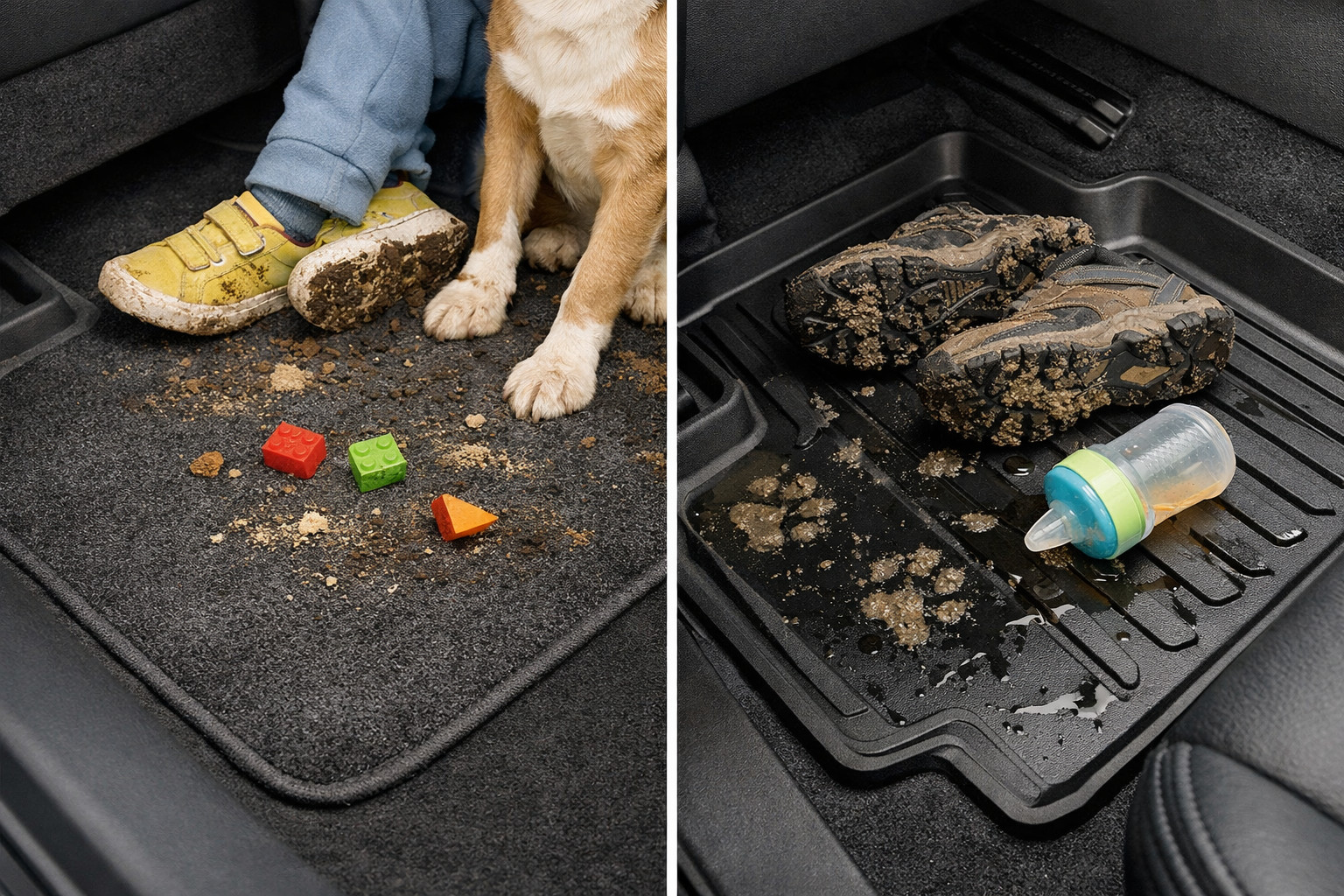
Number one on the list is interior liners, not regular all-weather mats. A liner covers the edges better, has raised sides, and contains water, snow, and sand more effectively. If the vehicle drives daily in the city, carries kids or pets, or spends a lot of time on winter highways, this gives more real benefit than any exterior add-on. For Next-Gen 2021+ there are dedicated solutions by row, and for versions with captain's chairs there’s a separate protection format for the third row.
The second must-have step is an integrated cargo liner. It covers the area that takes the most abuse in an Escalade—from suitcases, strollers, tools, groceries, and wet items. If you’re choosing between decorative trim and proper cargo protection, in a practical scenario the liner wins.
Third, after the cabin and cargo area, should be controlling dirt from the outside: mud flaps—but only if there’s a kit for your model year and it doesn’t conflict with running boards/side steps. For 2020 it’s especially important to verify this separately, because it’s a different generation.
Upgrade, why it’s needed, who it benefits (table)
| Upgrade | Why it’s needed | Who it truly benefits |
|---|---|---|
| 1st- and 2nd-row liners | Collect water, sand, and dirt; protect floor edges better than regular mats | Anyone who drives daily, carries family, and often gets in with wet or winter footwear |
| 3rd-row liner | Completes cabin protection where passengers actually sit | Owners who regularly use the third row; especially important to match the seat configuration correctly |
| Integrated cargo liner | Takes the hit from suitcases, bags, strollers, gear, and dirty items | Anyone who actually uses the cargo area instead of keeping it empty |
| Mud flaps | Reduce spray and dirt buildup on the lower body | Anyone who often drives on wet roads, in winter, or off perfect pavement |
| Cargo cover | Hides cargo from prying eyes and makes the interior look calmer | Anyone who often leaves items in the cargo area or parks in the city |
| Cargo organizer or net | Secures small items so they don’t slide around the cargo area | Anyone who carries groceries, chargers, tools, kids’ items |
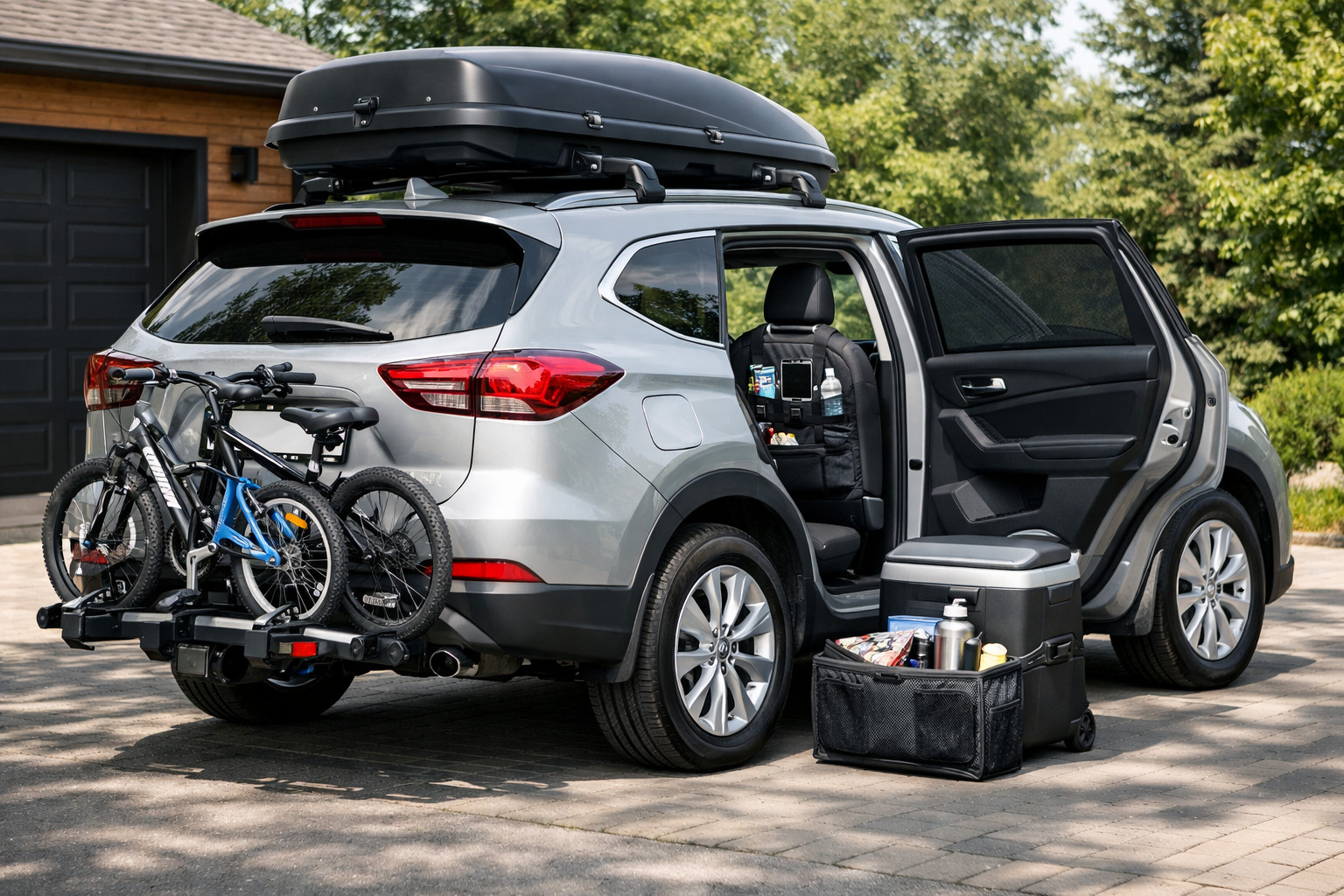
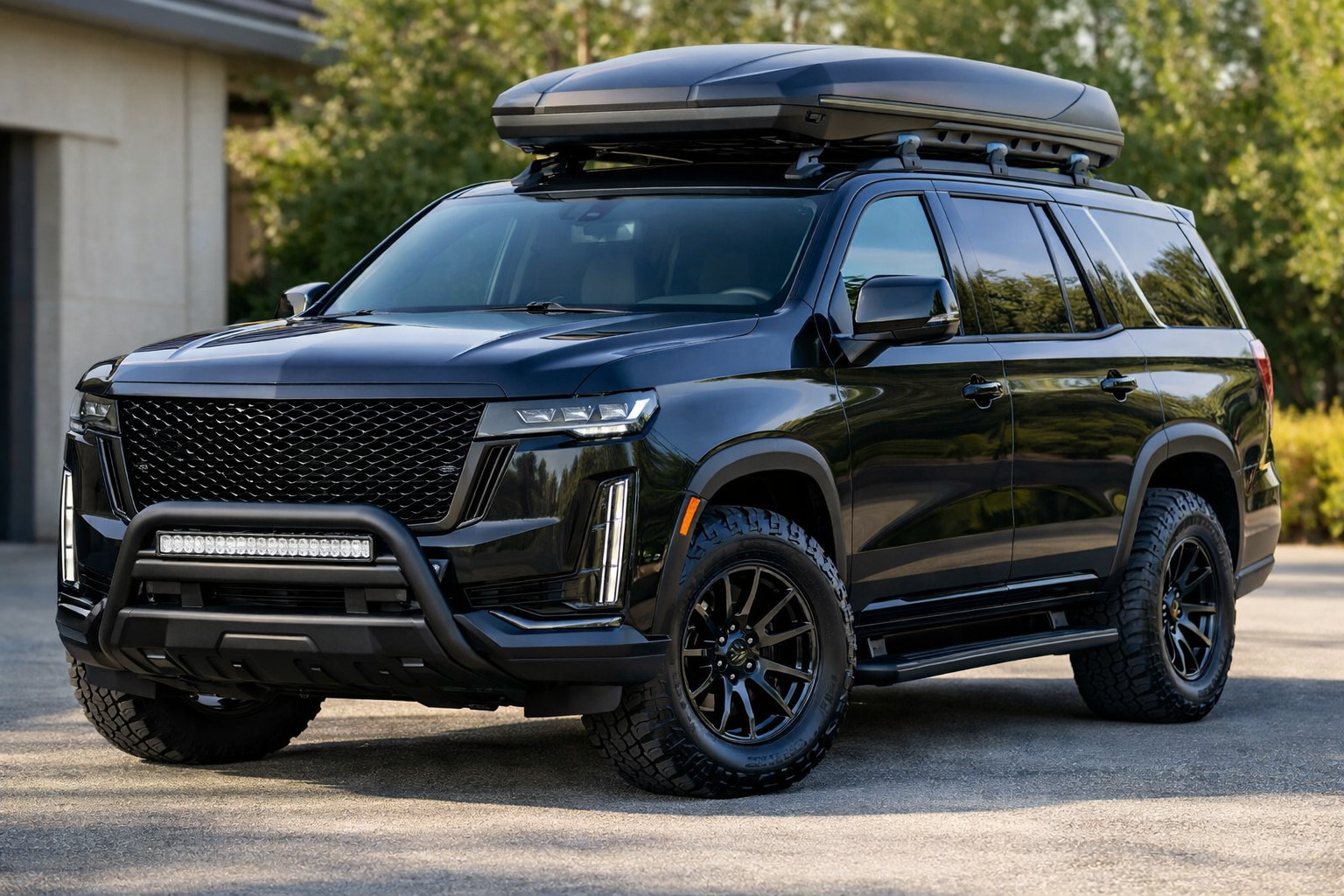
| Roof crossbars | Create a base for a roof box or sport mounts if there’s not enough room inside | Anyone who actually carries bulky gear; for ESV this is often a lower priority |
| Trailer camera | Makes maneuvering with a trailer easier | Only for those who really tow, not those who want it “just in case” |
| Door-sill and rear bumper sill plates | Protect areas that scratch easily during entry and loading | Anyone with frequent passengers or active cargo use |
| 22-inch wheels | Change the vehicle’s look, but solve very few everyday tasks | Only for those who value appearance more than practical effect |
DD Tuning expert comment: The most common mistake with an Escalade is buying an accessory bundle not for your actual scenario, but “to make it look nice.” The second typical issue is mixing up 2020 and 2021+ or not accounting for which second row the vehicle has. And one more frequent miss: choosing a cheaper mat expecting the same protection as a full liner.
What makes sense to add as a second stage
Once the floor and cargo area are protected, it’s logical to move on to cargo management. The most useful items here are a cargo cover, an organizer, and a net. They don’t change the character of the vehicle, but they remove the feeling of clutter. If you mainly carry small items, an organizer works better; if you just need to occasionally hold bags in place, a net is enough.
Roof crossbars are also a second-stage item, not a starting point. They make sense if you truly move gear from the cabin to the roof. For a standard Escalade this is often more useful than for an ESV, because the ESV’s cargo area is already very large. A trailer camera is the same story: a good thing, but only for a specific towing scenario.
What’s more about comfort or appearance
In this group I’d include door-sill plates, rear bumper sill protection, illuminated elements, and running boards/side steps. Some of these do have real value: the cargo sill is easy to scratch, and getting into a tall SUV isn’t convenient for everyone. But this isn’t the base—it’s an add-on after the cabin and cargo area are sorted.
It’s important not to overdo it. If you add a cargo cover, a net, an illuminated sill, and a few more decorative bits at the same time, the interior quickly starts to look busy. For the “no overloaded appearance” scenario, one noticeable touch is better than a set of small effects.
What people often buy for no reason
Most often, people waste money on things that aren’t tied to real use. A typical example is expensive wheels before the floor and cargo area are protected. Another example is a trailer camera without a trailer, or roof crossbars that get installed and then never used again.
Another common mistake is ordering 2021+ parts for a 2020 vehicle. For the Escalade this is critical, because 2020 is a separate generation. It’s just as easy to choose the wrong liner set if you don’t account for captain's chairs vs a bench seat. And another overpayment is buying basic all-weather mats thinking they’ll provide the same protection as a liner with raised sides.
What to install first, what to postpone, what’s optional (table)
| Scenario | Install first | What you can postpone | What isn’t required |
|---|---|---|---|
| Daily city driving | 1st- and 2nd-row liners | Cargo cover | 22-inch wheels |
| Family, trips, kids’ gear | Integrated cargo liner; if needed, a 3rd-row liner | Organizer or net | Illuminated trim pieces |
| Fall, winter, wet roads | Interior liners and mud flaps, if compatible with your vehicle | Rear bumper sill protection | Decorative exterior elements |
| Travel with lots of luggage | Cargo liner | Roof crossbars | Any expensive cosmetics |
| Towing a trailer | Basic cabin and cargo protection | Trailer camera | Wheels and decorative packages |
A ready upgrade plan for this scenario
- First, verify the model year, Escalade vs ESV body, and the second-row configuration.
- Install liners on the rows you use all the time; for a family vehicle, don’t cheap out on the difference between a mat and a liner.
- Right after that, protect the cargo area with an integrated liner.
- If the vehicle lives in dirt, slush, or on the highway, add mud flaps after checking compatibility.
- As a second stage, choose one tool to keep the cargo area orderly: an organizer, a net, or a cover—not all at once.
- Buy roof crossbars and a trailer camera only for a real scenario, not for “maybe I’ll need it someday.”
- Leave comfort and decorative items for last, when the core practicality is already covered.
When it makes sense to choose more expensive options
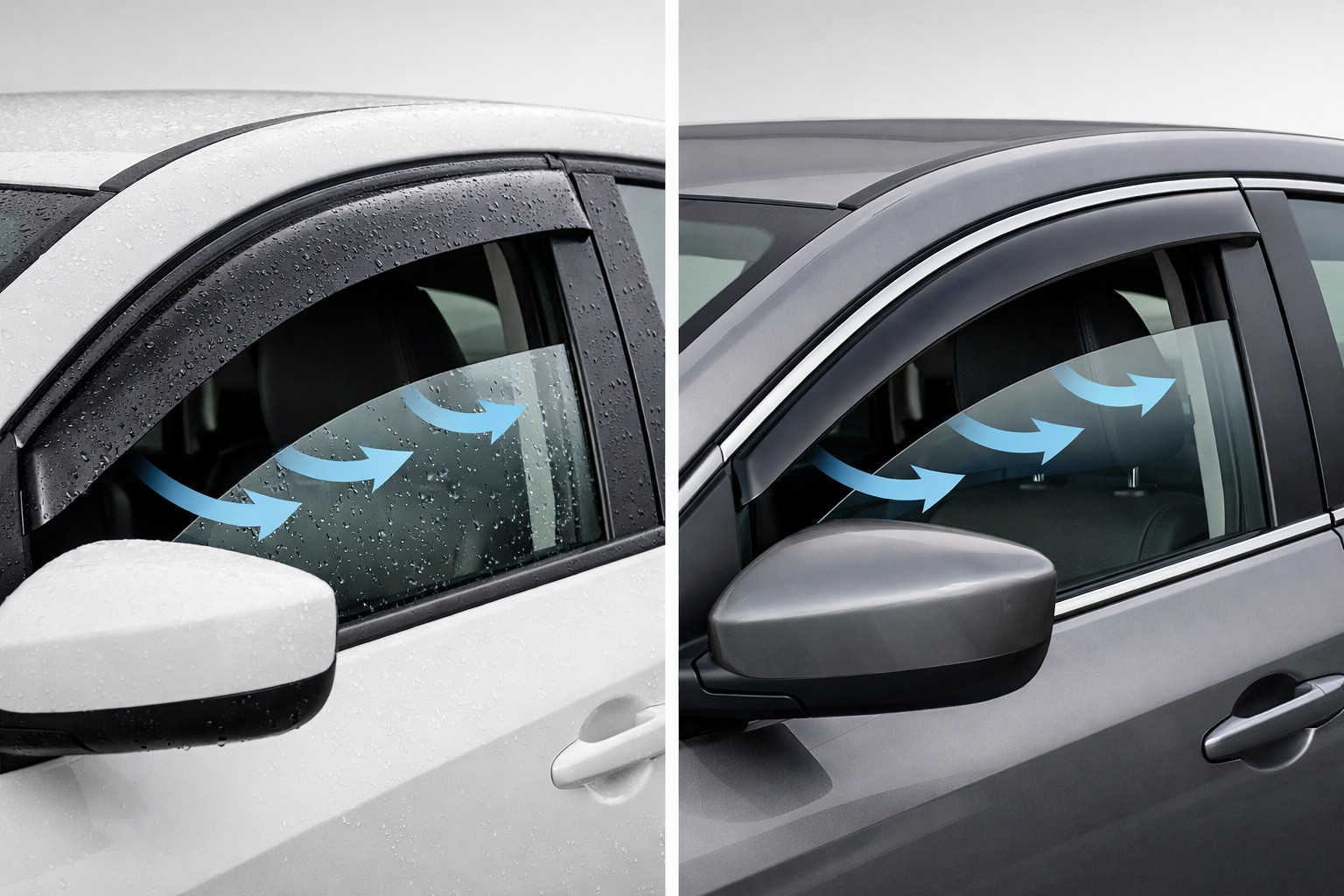
More expensive upgrades only make sense after the basic protection is in place. If you already have it, you can look wider: start with the selection for Escalade 2020+, and among neat exterior solutions consider wind deflectors. If you want a more well-kept cabin feel without radically changing the look, it’s more logical to look at eco-leather seat covers rather than jumping straight to wheels or bright decor.
In a practical scenario, big spending is justified when the vehicle works under load: frequent passengers, regular long trips, active cargo use, seasonal dirt, sports gear, or towing. If that isn’t the case, expensive options quickly become spending for the image rather than for real benefit.
From a customer’s experience: an Escalade 2021 owner with captain's chairs initially wanted to start with wheels and illuminated trim, but in real use the most annoying things were sand in the cabin and clutter in the cargo area. In the end he installed row-by-row liners, integrated cargo protection, and a cargo cover, and postponed the decorative items. He was happy with the result specifically because the vehicle stayed visually restrained, but became more convenient every day.
Conclusion
For a Cadillac Escalade 2020+, a practical upgrade without overloading the look is straightforward: start with interior liners, then cargo protection, then dirt control, and only after that add comfort or decorative extras. Don’t mix the 2020 and 2021+ generations and don’t ignore the seat configuration. This order is based on real selection experience, real-world practice, and real usage scenarios—not on the desire to sell the most expensive items in the catalog.
How it works
- Check compatibility First, determine the exact vehicle year, whether it is an Escalade or ESV body style, and the second-row configuration. Compatibility differs for 2020 and 2021+, and captain's chairs and bench seats require different protection kits.
- Cover the cabin with liners Install liners on the 1st and 2nd rows you use every day. If the vehicle is used by a family or you often drive in wet shoes, this will be more useful than standard mats.
- Protect the cargo area Add an integrated cargo liner right away so it can take on suitcases, bags, strollers, and wet items. If you use the third row, check separately whether it also needs a liner.
- Reduce dirt from the outside If the vehicle often drives in slush, on the highway, or in winter, install mud flaps. Before buying, be sure to check that the kit fits your exact model year and does not conflict with the side steps.
- Tidy up the cargo area In the second step, choose one accessory for your scenario: a shade, an organizer, or a cargo net. Do not install everything at once so the interior does not look overloaded.
- Add secondary options only if needed Roof crossbars, a trailer camera, door sill protection, or decorative elements make sense only for specific use cases. If you want practicality without extra emphasis, leave wheels and trim for the end.
Pros and cons
Interior liners protect the floor edges better than regular mats and keep out water, sand, and snow. This is especially useful for daily driving, family use, and winter эксплуатации.
The integrated cargo liner really protects an area that gets dirty quickly from suitcases, strollers, groceries, and wet items. Thanks to this, the trunk stays neat longer without extra cleaning.
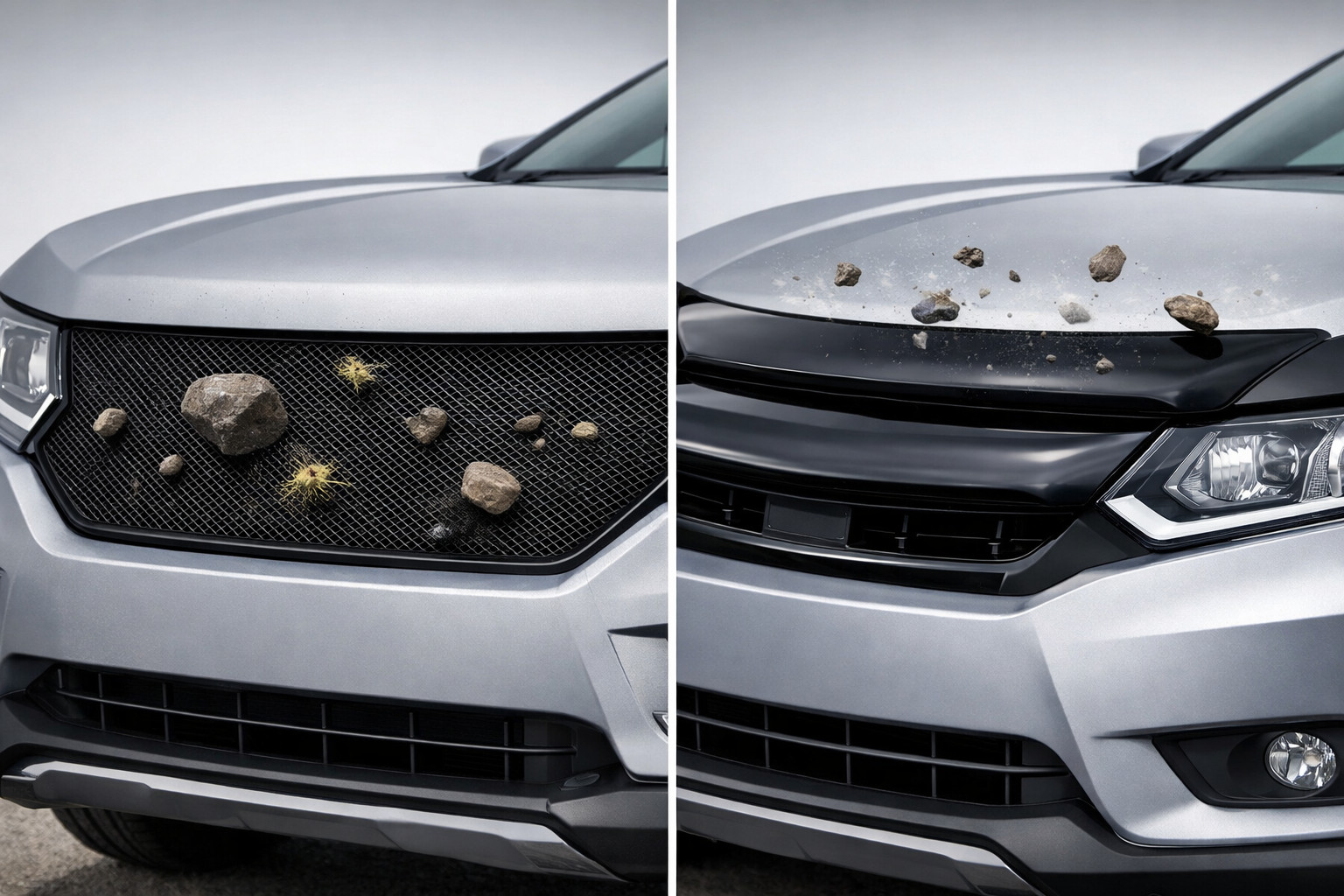
Mud flaps reduce dirt buildup on the lower body while driving on wet roads or in winter. For a large SUV, this is a practical feature if the vehicle is often driven in slush.
A cargo organizer, net, or shade helps keep small items in order and remove visual clutter. This adds convenience without changing the car’s appearance.
The upgrade can be done in stages: first basic cabin and cargo protection, then additional solutions. This approach reduces the risk of buying unnecessary items and better matches the actual use case.
Compatibility needs to be checked carefully by model year: 2020 is still the previous generation, while 2021+ is already Next-Gen. Because of this, some accessories can easily be ordered for the wrong car by mistake.
Strong dependence on the second-row configuration makes it harder to choose cabin protection. For captain's chairs and bench seat, the kits differ, so without clarification there is a risk of making a mistake.
Some items in this setup make sense only for specific tasks, such as roof crossbars or a trailer camera. If you do not carry bulky cargo and do not tow, this will be an unnecessary expense.
There is a risk of overdoing the add-ons and ending up with a busy interior instead of a restrained look. This especially applies to shades, illuminated trim pieces, and other small decorative details.