20.05.2026
272
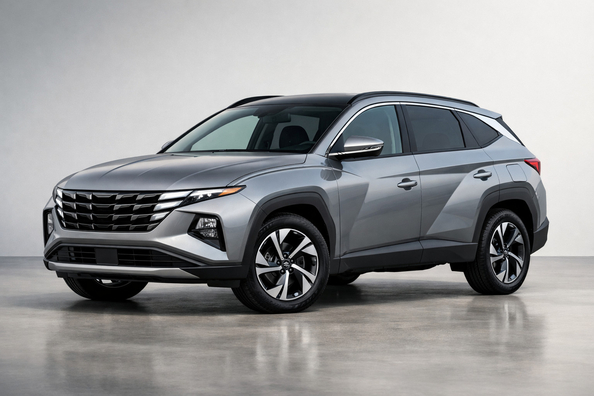
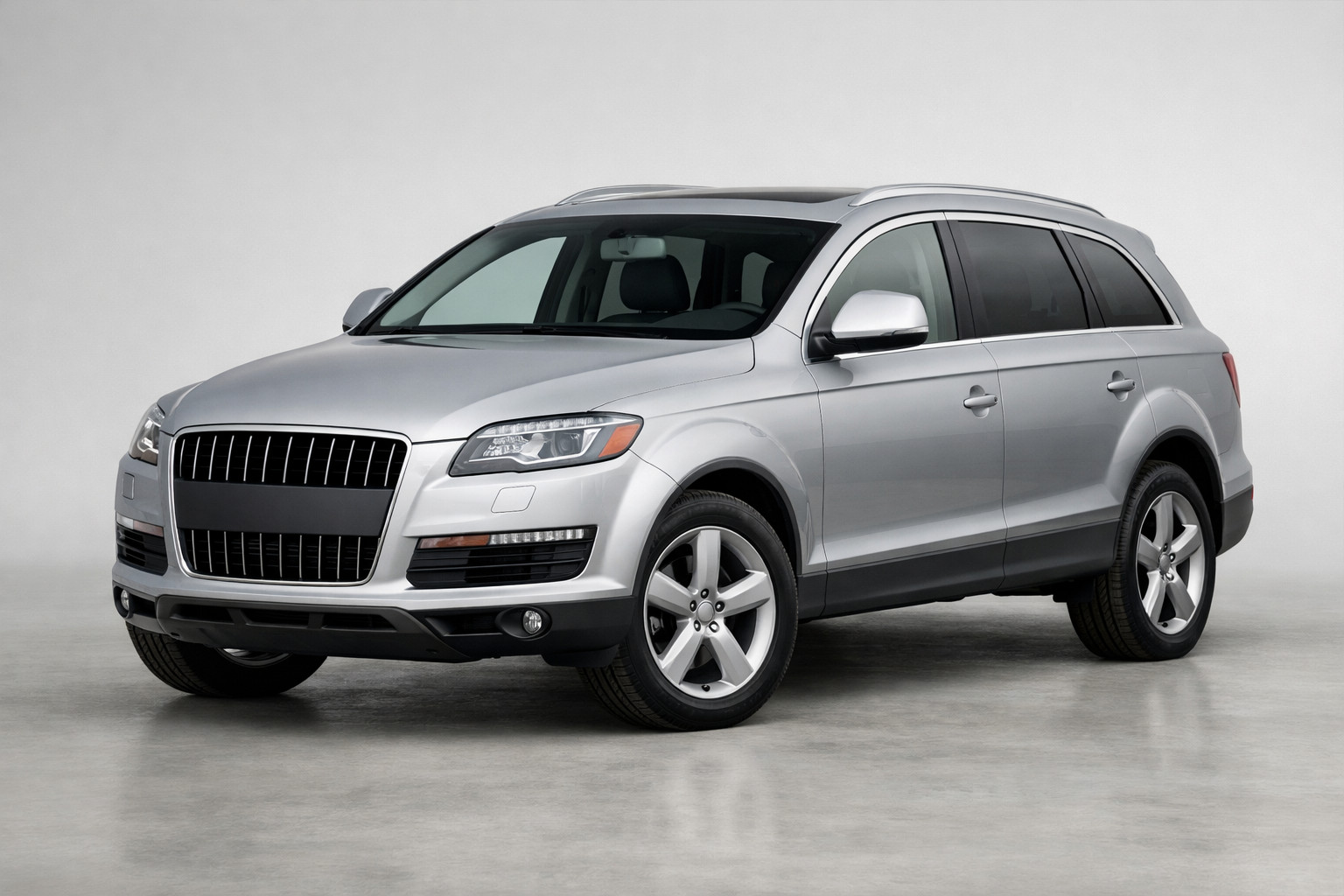
Hyundai Tucson NX4 is the kind of case where a compact crossover is chosen not for a loud image, but for a solid set of qualities: a spacious cabin, a large trunk, a supple ride, and a wide range of engines from simple gasoline to hybrid and plug-in hybrid. In short, it’s a family car with a strong everyday focus, not a machine for spirited driving.
An important nuance: Tucson NX4 specs depend on the market, model year, and version. This generation had short- and long-wheelbase variants, and below are practical reference points based on official specifications from different markets—without trying to present them as one universal trim.
Tucson NX4 plays in the center of the hottest segment: it’s typically cross-shopped against the Honda CR-V, Toyota RAV4, Subaru Forester, Nissan Rogue, Mazda CX-50, and the related Kia Sportage. Hyundai’s strength here isn’t sportiness, but the fact that the car offers a lot of usable space, a solid level of comfort, and doesn’t force you to tolerate a cramped second row.
Who it suits: families with kids, those who drive around the city a lot and occasionally travel, and those who want a big trunk without moving up to a larger, more expensive class. Who it doesn’t suit as much: drivers who want sharp responses, minimum fuel consumption in any conditions, or максимально simple electronics with no minor quirks.
NX4 is the fourth generation of the Hyundai Tucson. That’s exactly what this 2021– model-year topic is about: in most markets it’s the current, new-generation Tucson, which became noticeably more grown-up than its predecessor in cabin space, trunk capacity, and the range of powertrain options.
What matters in practice is something else: within one generation, different market versions exist. For some countries Hyundai offered short and long wheelbases, so when choosing a vehicle or accessories you need to look not only at the name Tucson NX4, but also at the specific body, year, and market of origin.
The Tucson NX4 lineup is broad, but it’s not the same everywhere. Some markets got simple naturally aspirated gasoline versions; others had turbo engines, diesel, hybrid, and plug-in hybrid. For the buyer this is a plus: you can choose either a simpler configuration, a more economical one, or a more powerful one.
| Version | Power | Transmission | Practical character |
|---|---|---|---|
| 2,0 бензин MPi | 156 hp, 192 N·m | 6-speed automatic | A calm city option without a dynamic reserve |
| 1,6 турбо бензин T-GDi | 180 hp, 265 N·m | 7-speed dual-clutch | Noticeably livelier, but more complex than the base naturally aspirated engine |
| 2,0 дизель | 186 hp, 416 N·m | 8-speed automatic | A good torque-focused option for highway use and load |
| 2,5 бензин | 190 hp, 241 N·m | 8-speed automatic | A typical option for the US market, not about sportiness |
| 1,6 гібрид | 234 hp combined, 367 N·m | 6-speed automatic | The most logical compromise between pull and consumption |
| 1,6 підзаряджуваний гібрид | 272 hp combined | 6-speed automatic | Makes sense if you can charge regularly and have short daily routes |
If you ignore the marketing fluff, the most rational versions are the regular hybrid or the diesel where it’s available. The base gasoline wins on simplicity, but not on dynamics. The plug-in hybrid looks interesting on paper, but in real life it doesn’t pay off for everyone.
In the long-wheelbase specification, Tucson NX4 has very grown-up dimensions for the class: 4640 mm long, 1865 mm wide, 1665 mm high, and a 2755 mm wheelbase. That’s why it feels roomier than many classmates, especially in the rear.
| Parameter | Value | What it means in practice |
|---|---|---|
| Dimensions | 4640 × 1865 × 1665 mm | A solid space reserve without moving up a class |
| Wheelbase | 2755 mm | Better second-row space and a calmer ride |
| Ground clearance | 181 mm | Enough for curbs, dirt roads, and winter, but not for serious off-roading |
| Trunk | 539–1860 L, and in some US versions up to about 2118 L | One of the model’s strongest arguments, but the numbers vary by method and market |
| Fuel tank | 54 L | A normal range without records |
| Towing | 1650 kg braked, 750 kg unbraked | Enough for a trailer, a small boat, or household tasks |
| Suspension | MacPherson struts front, multi-link rear | Focused on comfort and stability, not a stiff “driver’s” setup |
Chassis-wise, Tucson NX4 is done right for everyday life: it absorbs bumps softly, doesn’t tire you out on the highway, and has a sensible 11,8 m turning circle. But 181 mm of ground clearance shouldn’t be confused with off-road capability—this is a crossover for normal roads and light outings, nothing more.
The NX4 interior is one of the main reasons to look at it specifically. The second row isn’t just for show, the trunk is large, the seating position is comfortable, and overall ride comfort is usually praised by both owners and those moving up from smaller classes. On long trips, the Tucson wins with quietness and the lack of unnecessary fuss from the suspension.
Safety is solid too: in recent years the model offers a strong set of driver-assistance systems and high crash-test ratings. The weaker spot isn’t the metal or ergonomics, but small electronic quirks: some owners experience screen freezes, smartphone connection glitches, or overly nervous assistant interventions. It’s also worth checking recall campaigns by VIN, because some 2025–2026 vehicles had service actions related to side curtain airbags and sensors in the B-pillar area.
In daily use, Tucson NX4 is strong where it truly matters: child seats fit without acrobatics, the trunk swallows a stroller, bags, and small gear, and the suspension doesn’t make you slow down for every patch job. For a family or someone who often drives with stuff, it’s a very convenient format.
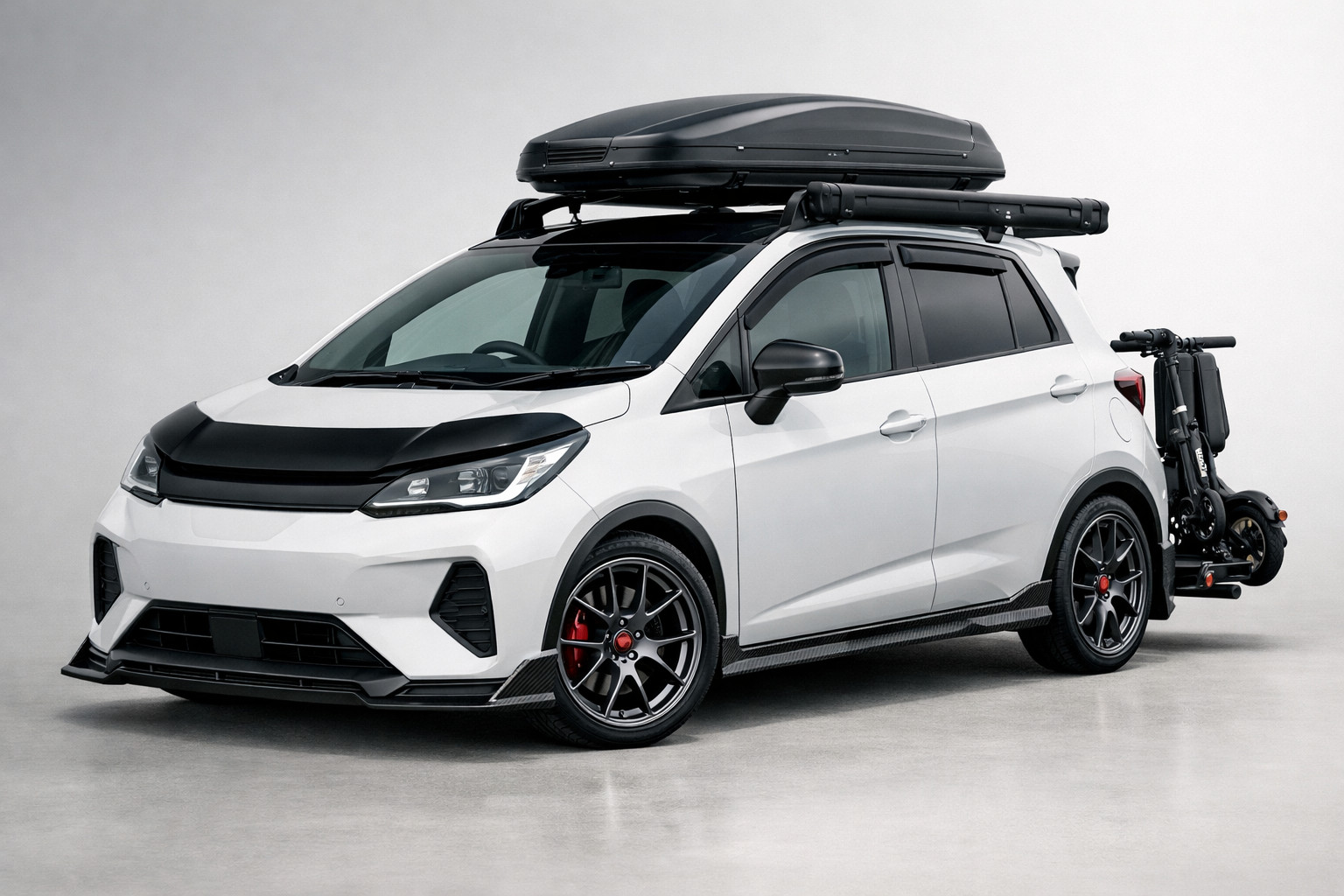
But there are nuances. Real-world fuel consumption in regular gasoline versions is often higher than expected, and that’s where the hybrid looks more logical. If you need frequent highway miles and a loaded vehicle, the diesel version looks convincing. If you’re planning a roof box or sports gear, it’s useful to know the permissible roof load reaches 100 kg.
The main trait of Tucson NX4 is that it’s very well-balanced as a product. It has few flashy extremes, but many practical advantages. That’s exactly why it appeals to people who buy a car for living, not for an impressive purchase story.
| Pros | Cons | What it means for the owner |
|---|---|---|
| Spacious cabin and large trunk | The size is already noticeable in tight city conditions | A plus for families, but parking takes getting used to |
| Comfortable suspension and quiet ride | Not sporty responses | Great for everyday driving; mediocre for an enthusiastic driver |
| Wide choice of engines | Equipment and hardware vary greatly by market | Before buying, you must look at the specific version, not just the model name |
| Strong set of safety systems | Electronics can be finicky at times | Careful checking of multimedia and assistants is needed |
| A good base for everyday accessories | Decorative tuning is easy to overdo | Practical items pay off; visual ones don’t always |
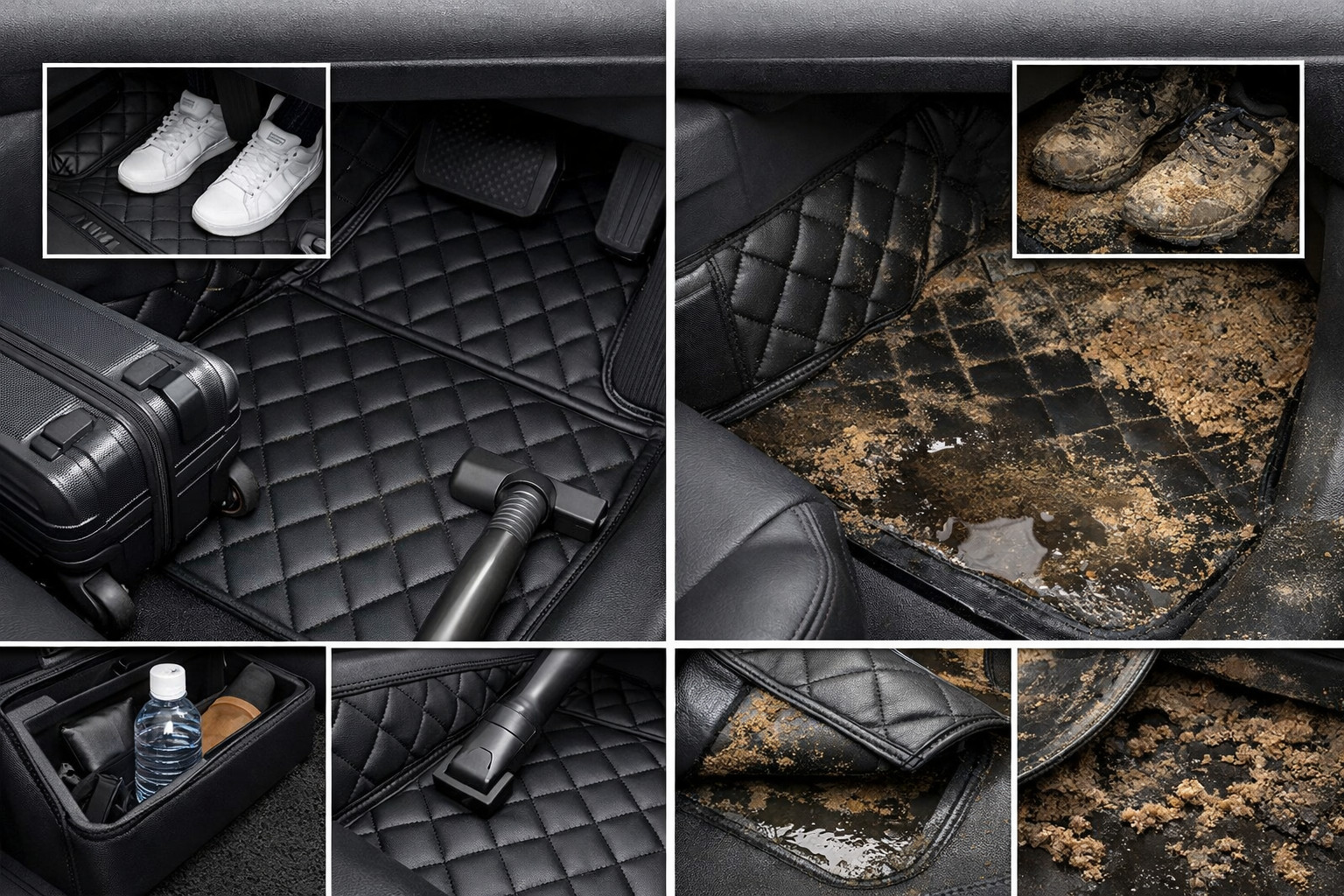
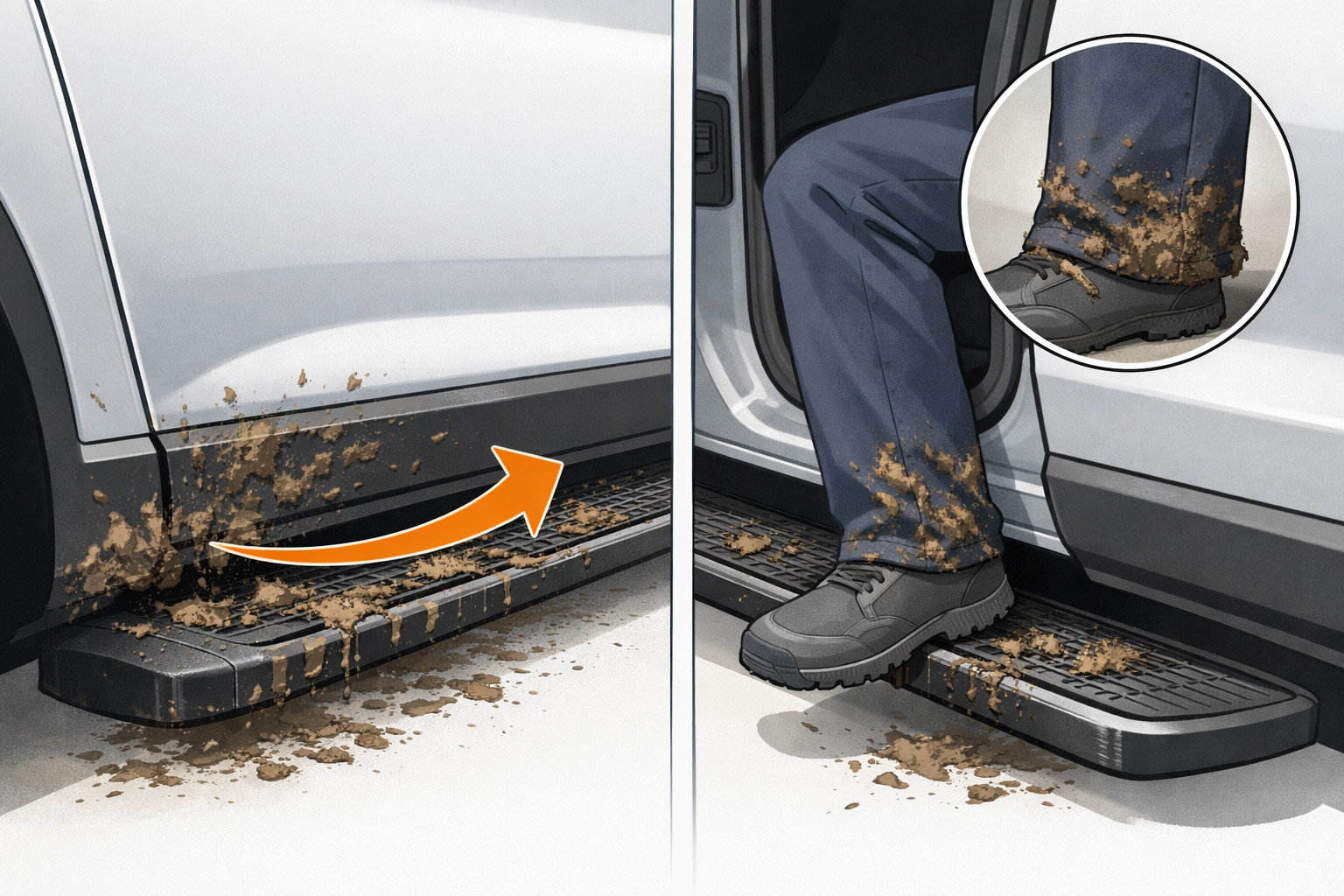
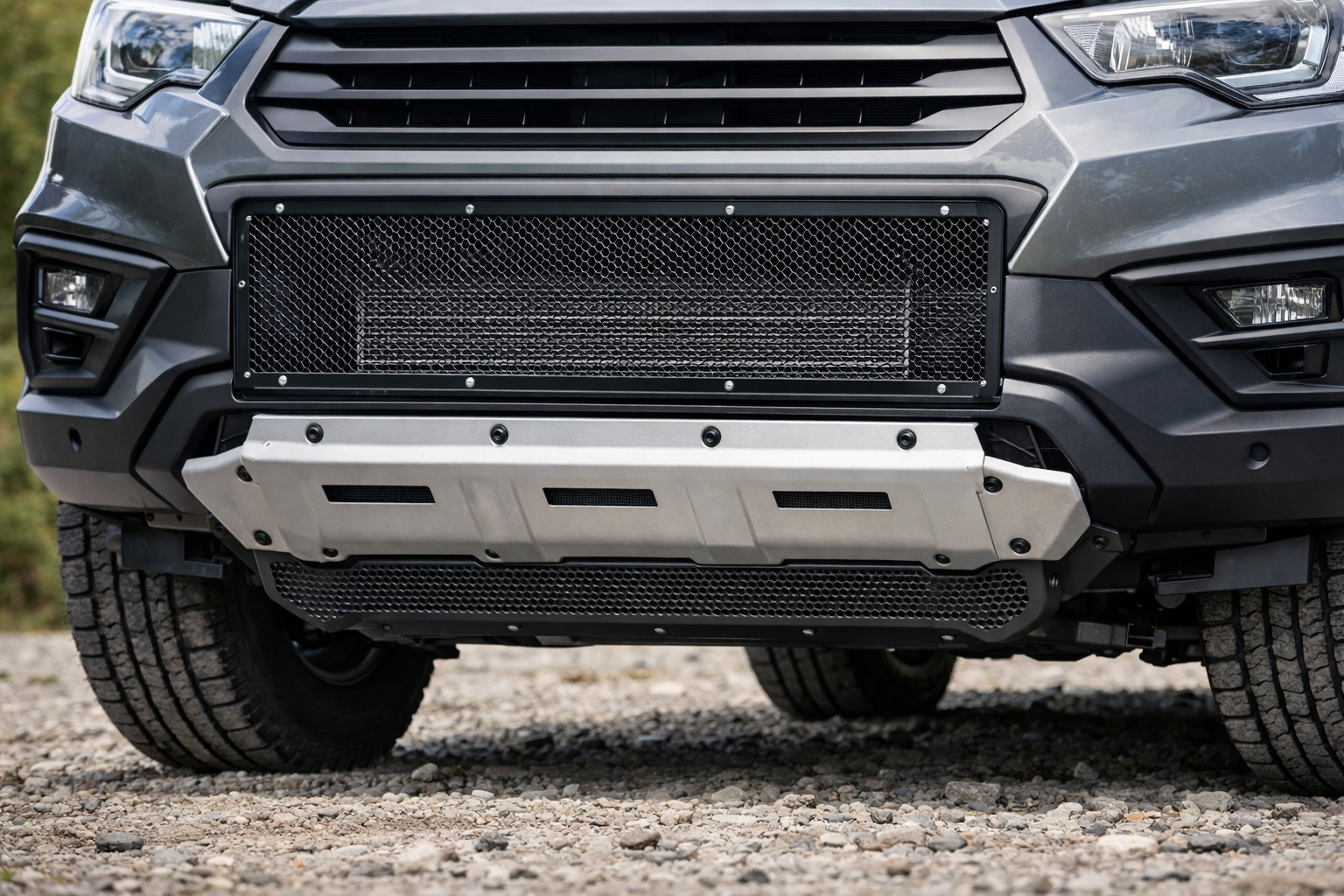
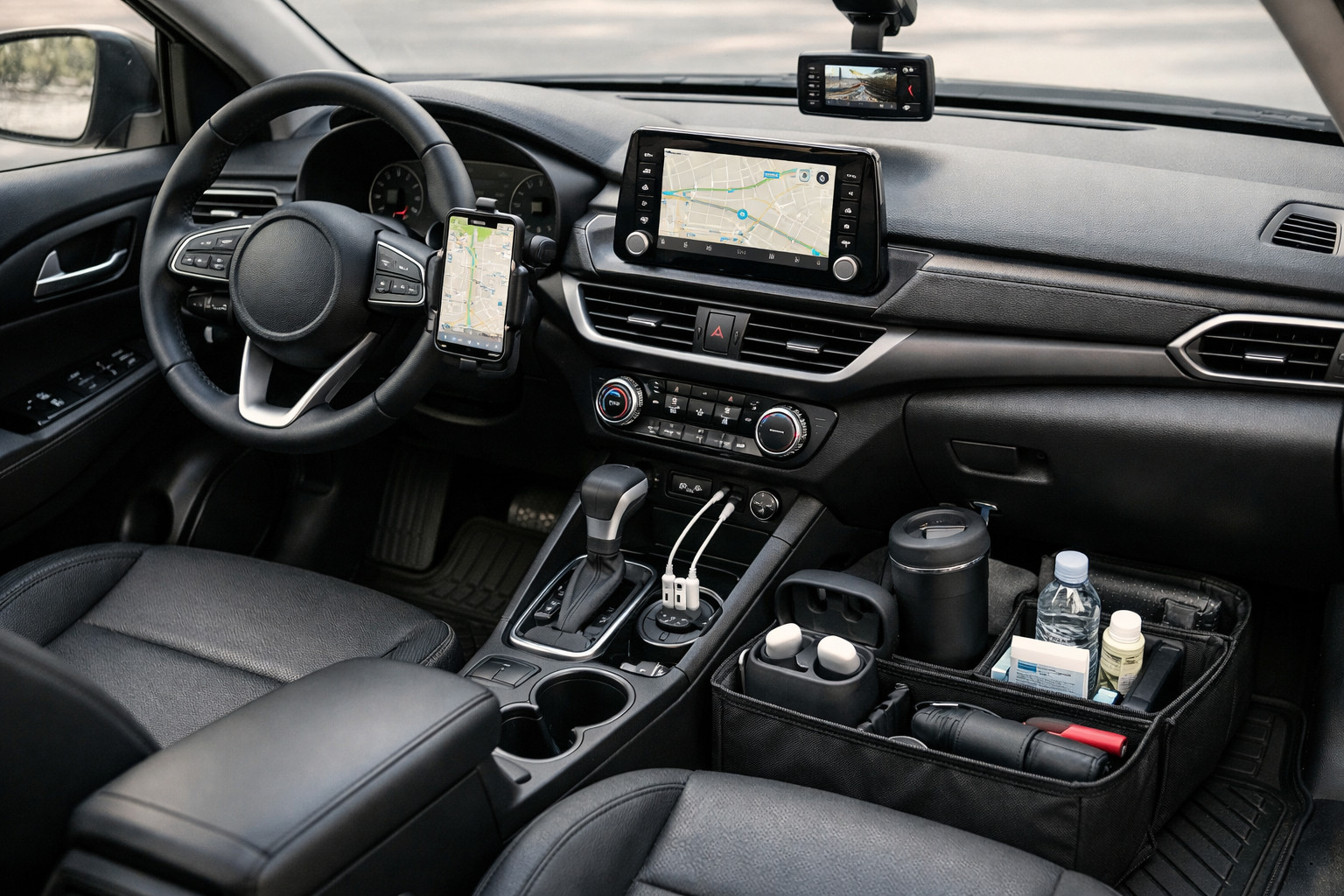
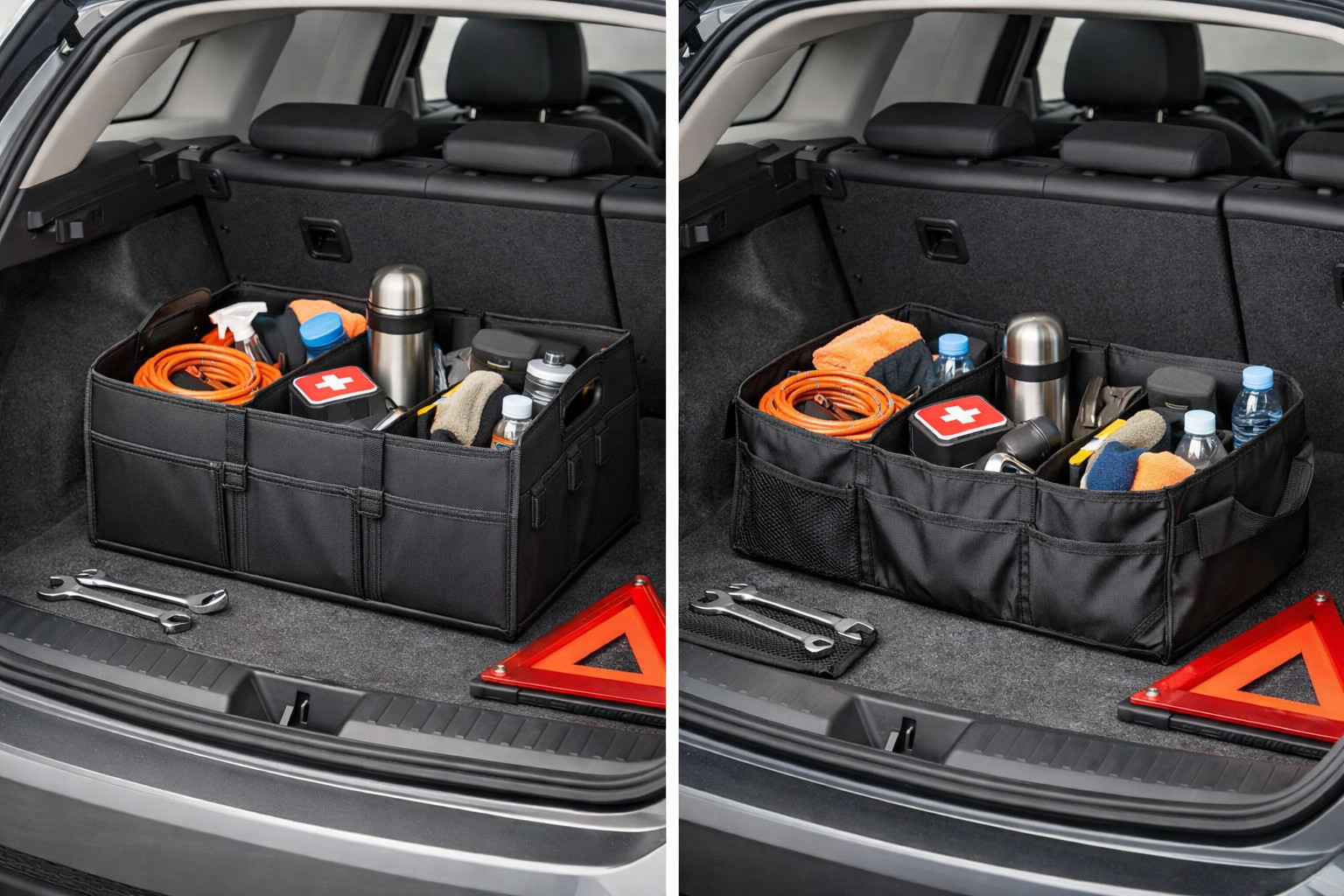
For the Tucson NX4, the smartest tuning isn’t performance-focused but practical. This model benefits from protecting the interior and body in daily use: floor mats, trunk solutions, a loading-sill protector, roof systems for travel. Side steps and body kits make sense only when they truly make entry easier or add protection, not when they simply add extra weight and cost.
In short, the Tucson responds best to practical upgrades. The winner here isn’t the one who bolts on more decor, but the one who correctly covers typical everyday tasks.
Hyundai Tucson NX4 2021– is one of the most content-rich compact crossovers for those who need space, comfort, and solid versatility without unnecessary drama. It’s worth choosing for people who drive daily, carry family and things, and aren’t chasing a sporty character. Before buying, you just need to soberly pick an engine for your scenario and check the specific vehicle by its market of origin and service actions. This material is based on real selection experience, practice, and real use cases—not on pretty catalog promises.
| ✔ | The spacious cabin and large trunk make the Tucson NX4 convenient for family use, child seats, and trips with luggage. In everyday use, this is noticeably stronger than many classmates. |
| ✔ | The suspension is tuned for comfort: the crossover handles bumps smoothly and doesn’t tire you out on long trips. For city driving and highways, this is a practical advantage, not just a spec on paper. |
| ✔ | There is a wide range of engines — from a basic gasoline version to a hybrid and a plug-in hybrid. This lets you choose the version that fits your scenario: simpler, more economical, or more torquey. |
| ✔ | The model offers a good amount of practicality: 181 mm ground clearance, a trunk of up to 539–1860 l, and towing capacity of up to 1650 kg with brakes. For everyday tasks, the dacha, or a small trailer, this is enough. |
| ✔ | The newer model years have a strong set of safety systems and high crash-test ratings. This adds confidence for family use, provided the specific car has no electronic issues or recall campaigns. |
| ✘ | In the city, the Tucson NX4’s dimensions are already noticeable, especially if you often park in tight spaces. It doesn’t look bulky, but you do need to get used to its size. |
| ✘ | This model is not about spirited driving: the steering and chassis responses are tuned calmly, without sporty sharpness. Those looking for excitement may find the Tucson too composed. |
| ✘ | Real fuel consumption in regular gasoline versions is often higher than expected. Because of this, the hybrid or diesel looks more practical if economy matters. |
| ✘ | The electronics can be finicky in places: screen freezes, smartphone connection issues, or overly nervous assistance system responses do happen. It’s worth checking this especially carefully before buying. |
Shipping to EU
Wholesale and retail
Own warehouse
Опис продукту
Подарунки не надаються при оформленні покупки у кредит під 0,01% або при покупці частинами.