10.05.2026
441
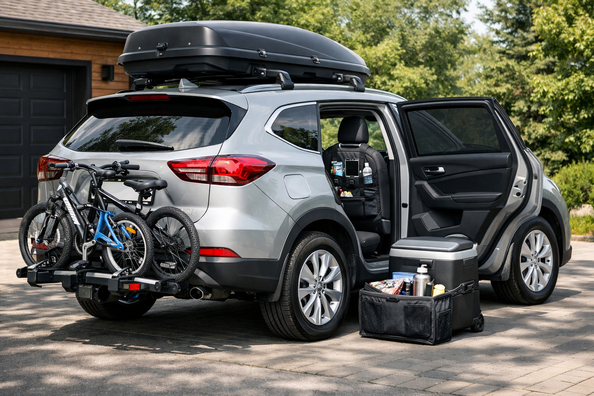
This upgrade plan is for those who have just bought a family car and want to spend the first month solving everyday needs rather than aesthetics: child safety, a clean floor, order in the trunk, fewer loose items around the cabin, and less stress in daily driving. If the car carries a child, a stroller, groceries, sometimes a dog, and also lives outdoors, the priorities here are very down-to-earth.
The core logic is simple: first, what affects safety and interior wear; then what removes chaos; and only after that, things for comfort or looks. For a sedan, wagon, crossover, or minivan the list will differ slightly, but the order is almost always the same.
In the first month, a family car needs to learn three things: not to collect dirt faster than you can clean it; not to turn the trunk into a box of stuff that slides around; and not to create extra risks for children and the driver. So the basic upgrade here isn’t tuning in the usual sense—it’s about protection, securing things, and visibility.
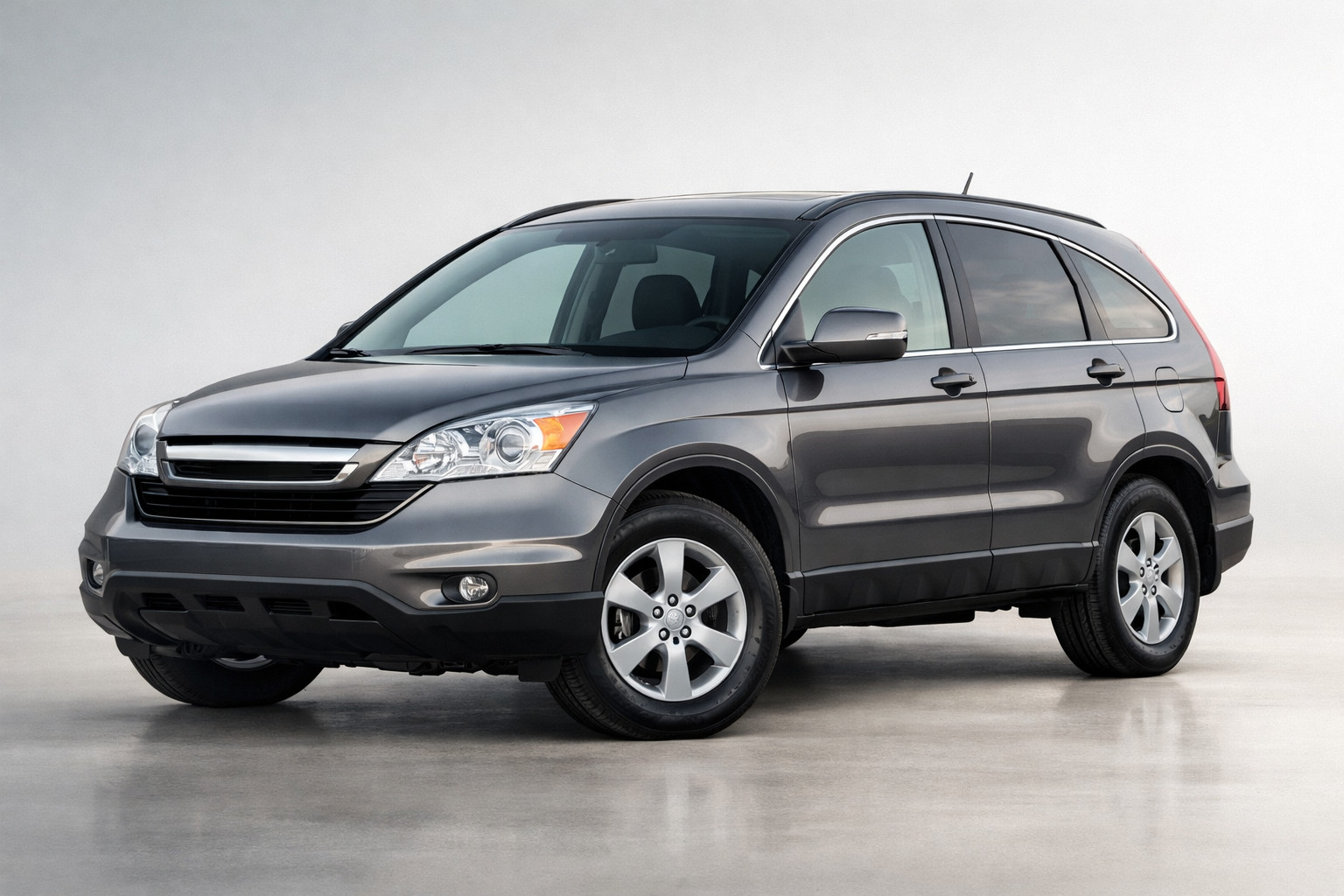
If you have kids, task number one is a correctly chosen and correctly installed child seat or booster. If you don’t, floor mats, trunk protection, and an emergency kit take priority. For a crossover or minivan, a trunk mat and a rear-view camera are more often justified; for a compact sedan, it’s more important to organize the cabin smartly and avoid buying unnecessary stuff.
It’s best to start not with shopping, but with a quick technical baseline: check tire pressure, adjust the seat and mirrors, and understand what the car already has from the factory. Often a car already has a rear-view camera, trunk hooks, or a tire repair kit, and duplicating that simply doesn’t make sense.
Next, the priority is as follows. If a child rides in the car—start with the seat or booster and verifying installation. The seat shouldn’t move around, and any extra pads, inserts, or protective mats under it should be used only if the seat manufacturer allows it.
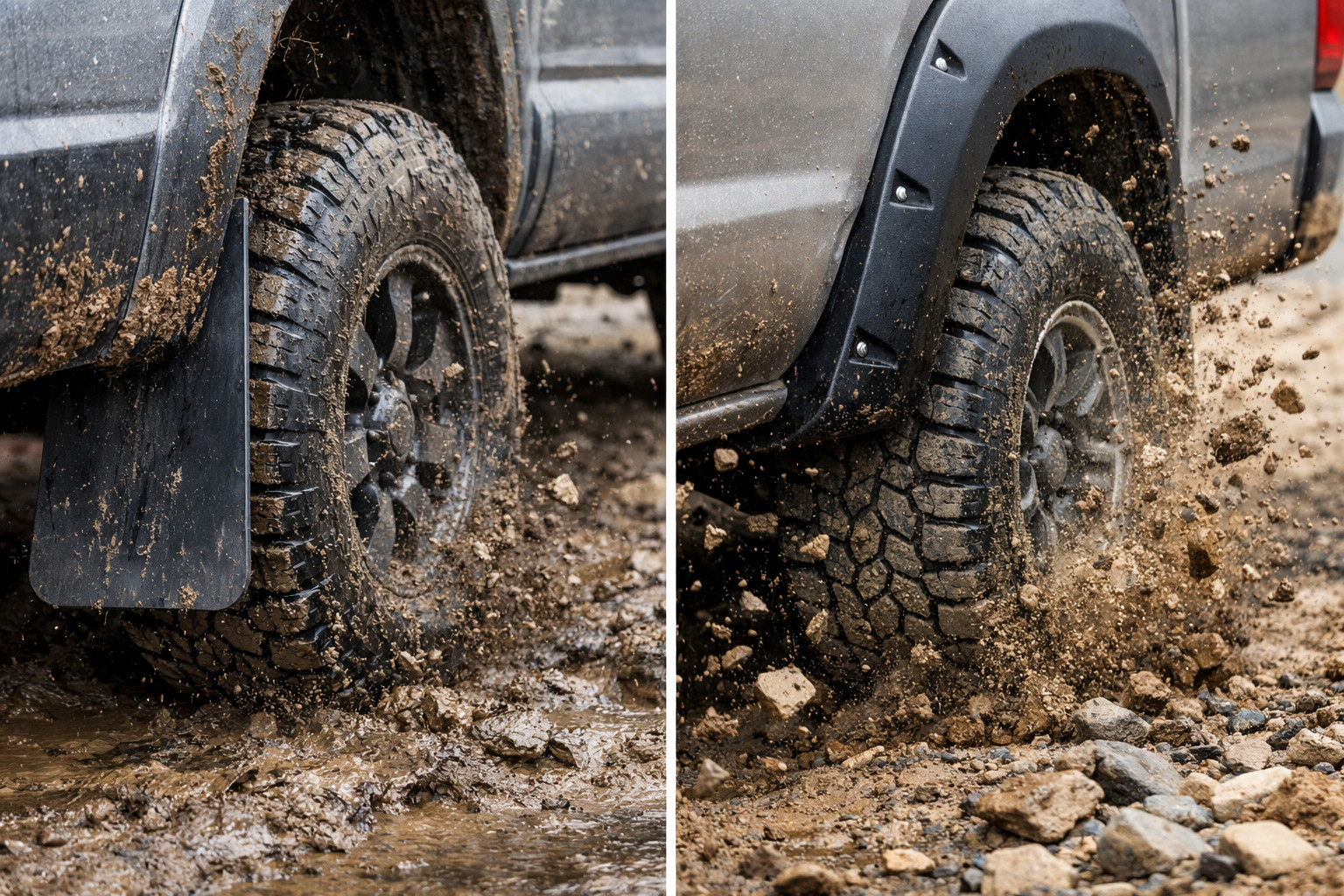
After that—all-weather floor mats with proper retention in the factory mounting points. This is one of the most practical purchases for a family car: wet shoes, snow, sand, crumbs, and dirt stay off the factory carpet, and the mat doesn’t slide toward the pedals.
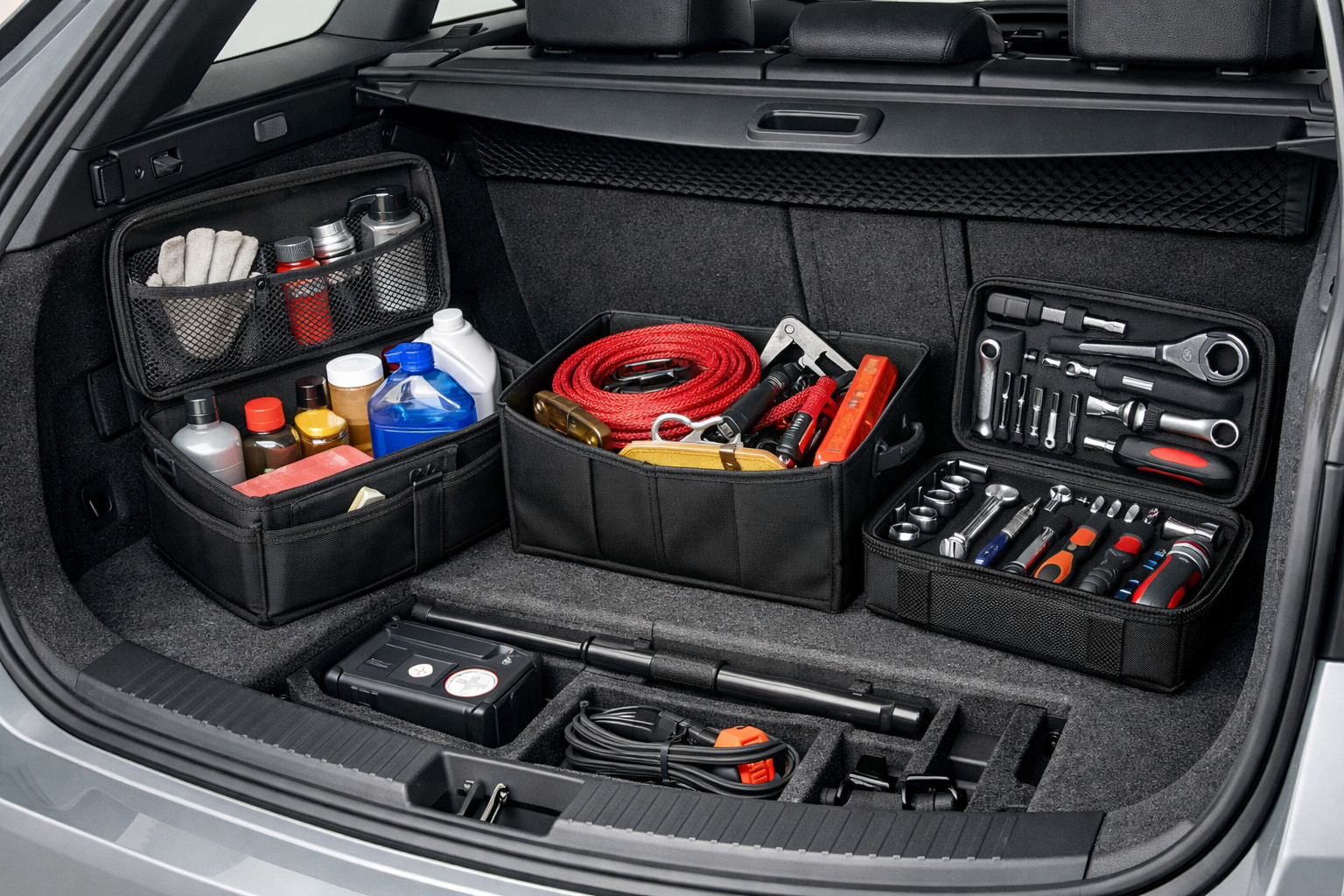
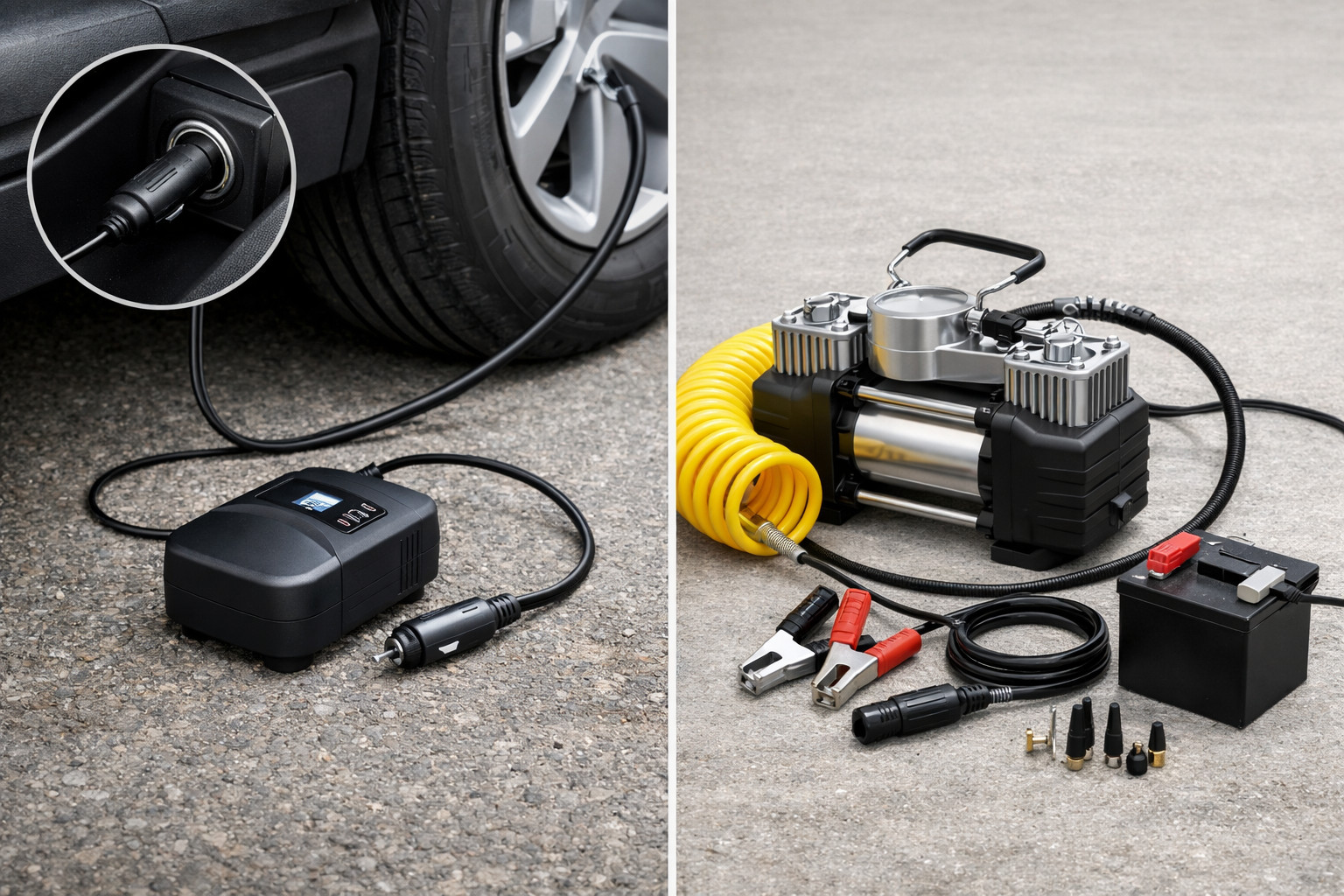
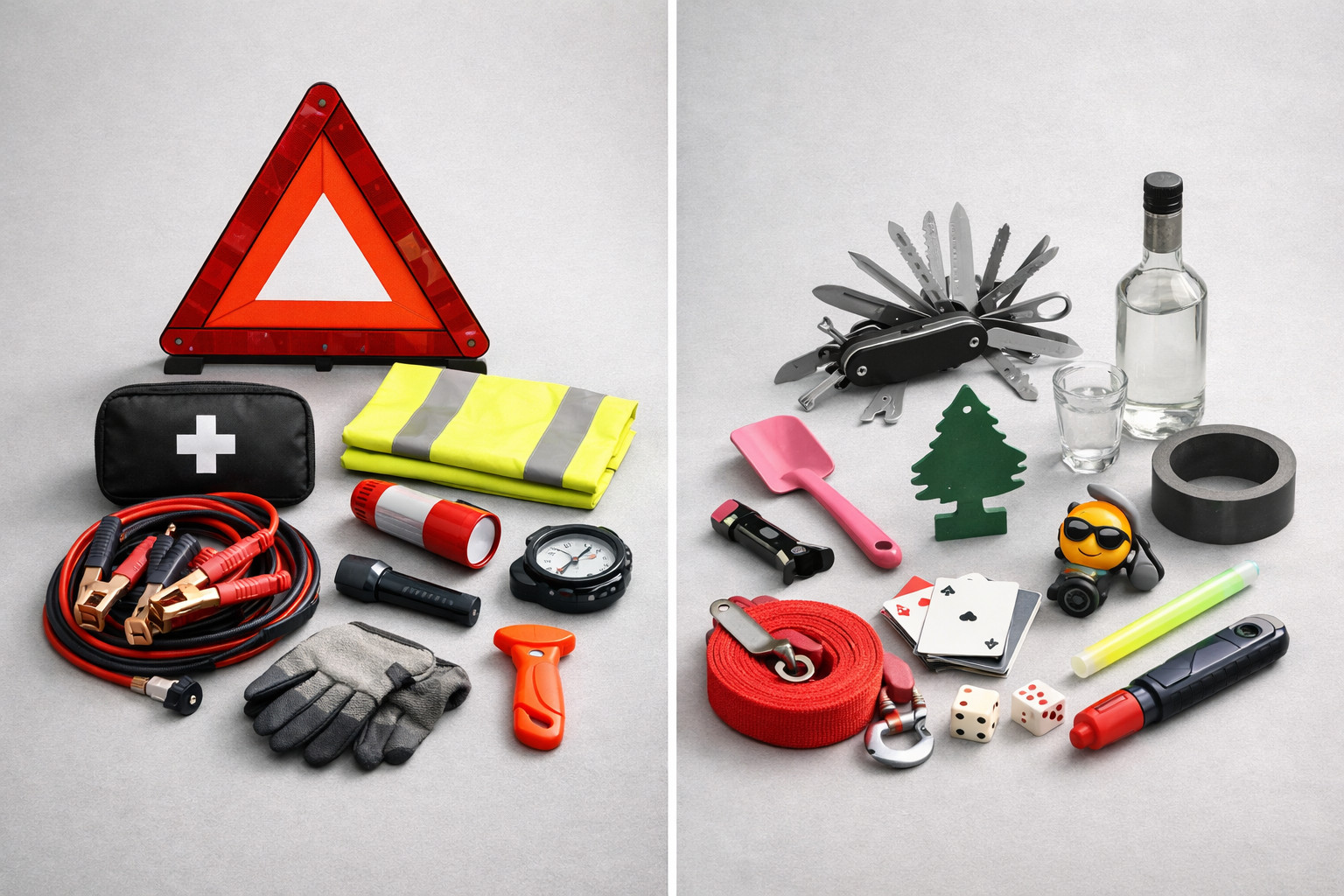
Third comes the trunk: a trunk mat plus an organizer or a cargo net. A stroller, bags, bottles, tools, kids’ items, and a small seasonal set stop rolling around and damaging the trim. The fourth must-have block is an emergency kit: flashlight, first-aid kit, jumper cables or a jump starter, compressor, reflective items, seasonal essentials.
If the car often stays outside overnight or does a lot of city driving, a dash cam makes sense already in the first month. Not because it’s trendy, but because for a city family car it’s often more useful than any decorative add-on. You can also check how to choose a dash cam so you don’t end up buying a weak entry-level model.
| Upgrade | Why it’s needed | Who it truly benefits |
|---|---|---|
| Child seat or booster with correct installation | Basic child safety, proper restraint during the trip | Families with children, especially if the car was just purchased and seating setup isn’t yet dialed in |
| All-weather mats with retention | Protect the floor from water, snow, sand, and dirt; don’t slide underfoot | Almost everyone, especially if the car is driven daily and carries kids |
| Trunk mat | Takes the dirt from stroller wheels, grocery bags, and gear after the countryside or sports | Owners of wagons, crossovers, minivans, and anyone who loads the trunk often |
| Trunk organizer or cargo net | Stops groceries and small items from sliding around the trunk | Those who weekly transport groceries, kids’ items, car chemicals, tools |
| Emergency kit and compressor | Provides basic readiness for a puncture, a dead battery, or a night stop | Everyone—and for long trips this is definitely not where you should save |
| Dash cam | Records road situations and parking events | Those who park outside, drive a lot in the city, or share the car with a second driver |
| Sun shades | Reduce cabin overheating and sun in the rear-seat area | Families with kids, cars without tint, cars that sit in the sun for long periods |
DD Tuning expert comment: the most common mistake after buying a family car is choosing universal items because they’re cheaper and in stock. In practice, those are the ones that most often shift, hang loose, or fail to cover the needed area. The second typical story is buying seat covers, lighting, or trim pieces first, and only then thinking about where to put the stroller, wet shoes, and kids’ things.
Once the basic protection is covered, you can move on to things that reduce fatigue in everyday use. That’s a good phone mount that doesn’t block your view, a small blind-spot mirror if the driver has recently moved to a larger vehicle, and sun protection for the rear row.
For an older crossover or minivan without a factory rear-view camera, the second stage logically is to install one. In a large body, the benefit of this upgrade is greater than most small accessories. But if the camera is already factory-installed and the image is good enough for you, it’s better to spend the money on other tasks.
Another solid second stage is smart organization of small items in the front of the cabin. Not a hanging organizer on the seatback, but a proper place for a cable, glasses, wipes, and water—so things don’t fly around the cabin under braking.
This is where sun shades, wind deflectors, door-sill protectors, trunk edge protection, and sometimes seat covers come in. In a family car they can be useful, but only after the floor, trunk, and basic safety are sorted.
Shades make sense where the child seat is next to a window or the car spends a lot of time in the sun. Trunk edge protection is justified if you regularly lift out a heavy stroller, scooter, or sports gear. Seat covers are worth considering only if they don’t conflict with side airbags and you truly need easier interior care. If you want to separately dig into a solution for hot days, it’s useful to read the piece about sun shades.
So these upgrades aren’t bad—they just shouldn’t eat up the budget you need for practical first-tier items.
First—universal mats without proper retention. For a work car you can argue about it, but for a family car it’s questionable savings: less coverage, worse fit, and sometimes a risk of shifting.
Second—hanging organizers on the seatback if they’re simply stuffed with hard small items. In real life, it’s often either extra clutter or an object that becomes an unpleasant surprise for rear passengers during hard braking.
Third—seat belt pads, thick steering wheel covers, cup holder extenders, cheap decorative trim, and non-certified accessories for child seats. All of this is often bought not for a real use case, but because it looks useful in photos. In practice, some of these items only get in the way or reduce safety.
The main filter is simple: if an item doesn’t protect, doesn’t secure, doesn’t improve visibility, and doesn’t remove chaos, it’s easy to postpone it with no loss to daily usability.
| Scenario | What to install first | What you can postpone | What’s optional |
|---|---|---|---|
| For all family cars | Cabin mats, trunk mat, emergency kit | Phone mount, sun protection, small-item organization | Decorative trim, ambient lighting, expensive covers just for looks |
| If you have kids | Seat or booster, installation check, clean non-slip floor | Rear window shades, front seatback protector | Third-party inserts, pillows, blankets, and mats without the seat manufacturer’s approval |
| If the car stays outside overnight | Dash cam, basic parking assistance, flashlight in the kit | Wiring in parking mode, rear camera if you don’t have one | Overpriced electronics without a real need |
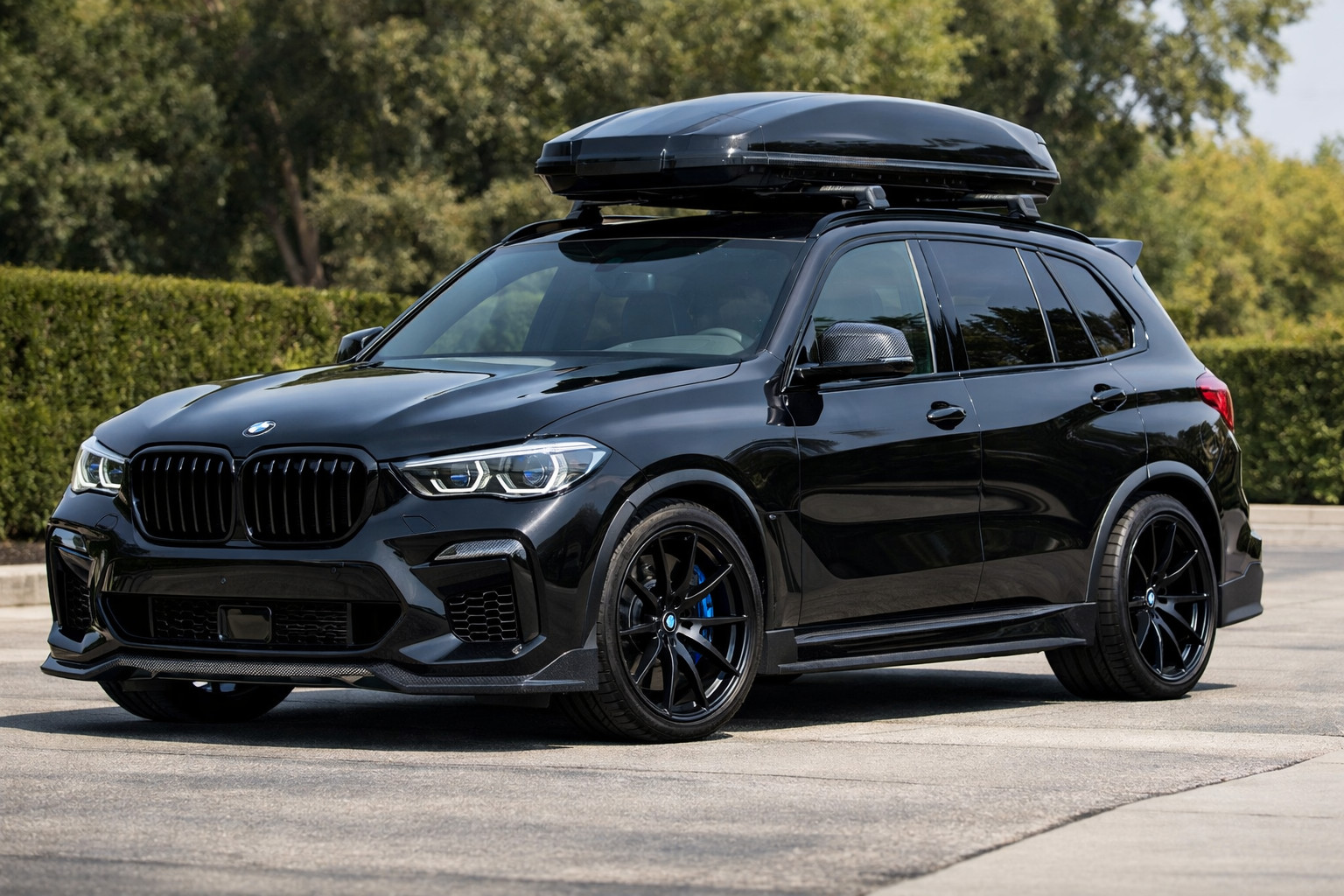
| If the vehicle is large | Trunk organization, rearward visibility when reversing, trunk edge protection | Blind-spot mirror, additional hooks or nets | Exterior decor that doesn’t help with loading and parking |
If the budget is limited, for the first month it’s enough to complete steps up to and including step five. That already delivers the biggest practical return and removes the main everyday problems of a family car.
A more expensive item is justified when it fits a specific car better, lasts longer, and truly reduces risks. That’s why for a family car it’s often smarter to choose model-specific solutions rather than universal ones, and to figure out in advance what’s better for daily use: EVA or rubber floor mats.
If a child sits by the window or the car constantly overheats in parking lots, it makes sense not to save on sun protection and to look at proper sun shades rather than random mesh screens that just hang there for looks.
For a car that stays outside overnight, or for active city driving, it’s worth choosing not the cheapest dash cam, but a stable option with solid recording quality and parking mode. Before buying, it’s useful to go through how to choose a dash cam so you don’t overpay for unnecessary features and don’t end up with a weak entry-level model.
From a customer’s experience: after buying a family crossover, the person initially looked at seat covers and exterior small items, but in reality what annoyed them most was the wet floor, dirt from the stroller, and bags sliding around the trunk. In the end, the first items installed were floor mats, a trunk mat, a rigid organizer, and rear-row shades—and the dash cam was bought a few weeks later. The biggest satisfaction came not from looks, but from the interior becoming easier to care for and the car having less chaos.
In the first month after buying a family car, the smartest approach is not to install everything at once, but to focus on what solves everyday use. If you have kids—start with the seat and correct installation. For all other scenarios, the first items are retention floor mats, trunk protection, trunk organization, and a basic emergency kit. A dash cam, shades, a camera, or other upgrades come later depending on how you use the car.
This order helps you avoid overpaying for looks and buying clutter instead of useful items. The logic is simple: safety and protection first, then order, and only then comfort add-ons.
If it’s important to choose purchases specifically for your body style, it’s useful to separately verify both the mats and sun protection and the electronics against your real daily driving conditions.
It’s also useful to read about accessories for safety, comfort, and organization, as well as trunk organization and protection, if you want to put together an upgrade plan without unnecessary spending.
| ✔ | In the first month, it is suggested to start with things that really reduce everyday problems: floor mats, trunk protection, an emergency kit, rather than decorative little items. This helps quickly get rid of dirt, clutter in the trunk, and unnecessary risks on trips. |
| ✔ | For families with children, the article clearly prioritizes a child seat or booster and proper installation. It makes sense, because a child’s safety here is more important than any other purchase. |
| ✔ | All-season mats with proper фиксація are named one of the most useful purchases. They protect the factory carpet from water, snow, sand, and dirt and do not shift toward the pedals. |
| ✔ | A trunk mat together with an organizer or net helps keep a stroller, shopping, and small items in place. This reduces noise, scuffs, and mess in the trunk. |
| ✔ | The article has a sensible split into the first and second stages, so it is easier not to spend the budget on unnecessary things. First, basic safety and protection are covered, and only then do they move on to curtains, a phone holder, or a rear-view camera. |
| ✘ | Some useful things depend on a specific scenario, and without that it is easy to buy something unnecessary. For example, a dash cam is recommended not for everyone, but primarily for those who often park outdoors or drive a lot in the city. |
| ✘ | The article explicitly warns against universal mats without proper fastening, but if you do not know this nuance, you can save money where you should not. In that case, the mats cover the floor worse and can shift under your feet. |
| ✘ | Seat-back hanging organizers can turn out to be inconvenient if stuffed with hard small items. Then they only add to the chaos and can become dangerous during hard braking. |
| ✘ | Some accessories that are often bought first do not, in practice, provide noticeable benefit or can even harm safety. These include decorative covers, thick steering wheel covers, cup holder extenders, and uncertified accessories for child seats. |
Shipping to EU
Wholesale and retail
Own warehouse
Опис продукту
Подарунки не надаються при оформленні покупки у кредит під 0,01% або при покупці частинами.