
































































 Author: Radomskyi Maksym Vasyliovych
This upgrade plan is for a Mercedes GLS X167 owner who drives kids around, commutes around the city every day, and occasionally heads far away. What matters here isn’t the number of accessories, but the order: first, stop dirt from taking over the cabin and trunk, then add comfort for the rear seats, and only after that spend money on expensive solutions.
The GLS X167 already has a strong family baseline: a roomy second and third row, a large trunk, comfortable air suspension, all-wheel drive, and a solid reserve of pulling power. That’s why a narrowly practical approach works best: install what truly saves time, cleaning, and stress—not what simply looks good in a catalog.
What this upgrade needs to handle
For family trips, the GLS has to handle three things at once: not collect all the dirt in the cabin, not turn the trunk into chaos, and not wear the kids out on the road. If the car also works in the city every day, a fourth task is added: getting in, loading, and parking must stay convenient—not become harder because of bad tuning choices.
An important nuance is the cabin configuration. If you have 7 seats and the third row is actually used, you need to look more carefully at the shape of the cargo liner so it doesn’t block access or ventilation channels. If the car is a 6-seater, the focus more often shifts to second-row comfort and an easy walk-through to the back rather than maximum capacity.
The second nuance is driving style. If it’s mostly city driving, the key upgrades are floor protection, trunk sill protection, and easier entry. If you do a lot of highway trips with the whole family, the value of sunshades, kids’ entertainment solutions, a dash cam, and roof systems rises immediately. Chasing big wheels, on the other hand, almost always works against comfort here.
What’s worth doing first
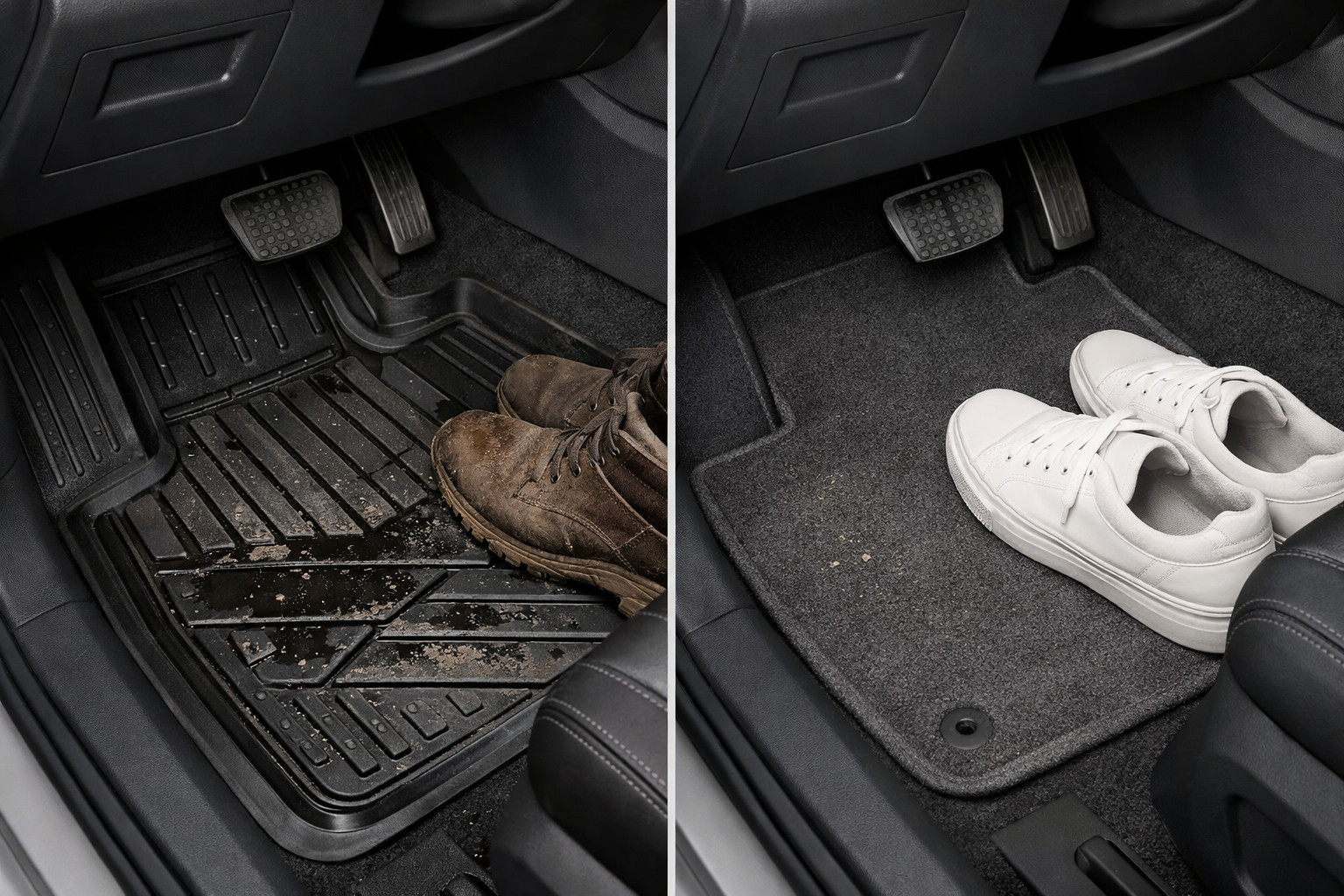
The first stage on a GLS X167 is almost always the same: all-weather mats for all rows, trunk protection, and protection for the loading area. These are the things you don’t notice in photos, but you do after the first week of rain, snow, kids’ snacks, and a stroller in the trunk. They deliver the best return for the money.
- Rubber mats for all rows — keep water, sand, and dirt where you can remove it quickly.
- Trunk liner — protects the surface from stroller wheels, bags, wet gear, and groceries.
- Trunk sill protection — useful if you often drag heavy items over the edge or load a dog.
- Trunk organization — a crate, organizer, or small-item restraint is needed sooner than decorative accessories.
Before ordering trunk protection for the X167, it’s worth verifying the configuration by VIN if you keep the third row in regular use, have a specific audio system, or other interior options. On this model, small compatibility details can sometimes matter more than the purchase itself.
Upgrade, why it’s needed, who it benefits (table)
| Upgrade | Why it’s needed | Who it truly benefits |
|---|---|---|
| Rubber cabin mats | Contain water, dirt, and snow, speed up cleaning | Families with kids, anyone who often drives in shoulder seasons, carries sports gear |
| Trunk liner | Protects the trunk floor from a stroller, bags, liquids, and sand | Those who use the trunk regularly for everyday life, not only on vacation |
| Trunk sill protection | Prevents the edge from getting scratched quickly during loading | Owners who often transport heavy or bulky items |
| Second-row sunshades | Reduce overheating and kids’ fatigue in sunny weather | Families where the rear seats are truly used daily or on long trips |
| Tablet holders or rear entertainment | Keep kids busy on highway trips, reduce stops and complaints | Those who often travel far with kids |
| Dash cam | Adds peace of mind in daily traffic and on the highway | Anyone who drives a lot in the city and on high-speed roads |
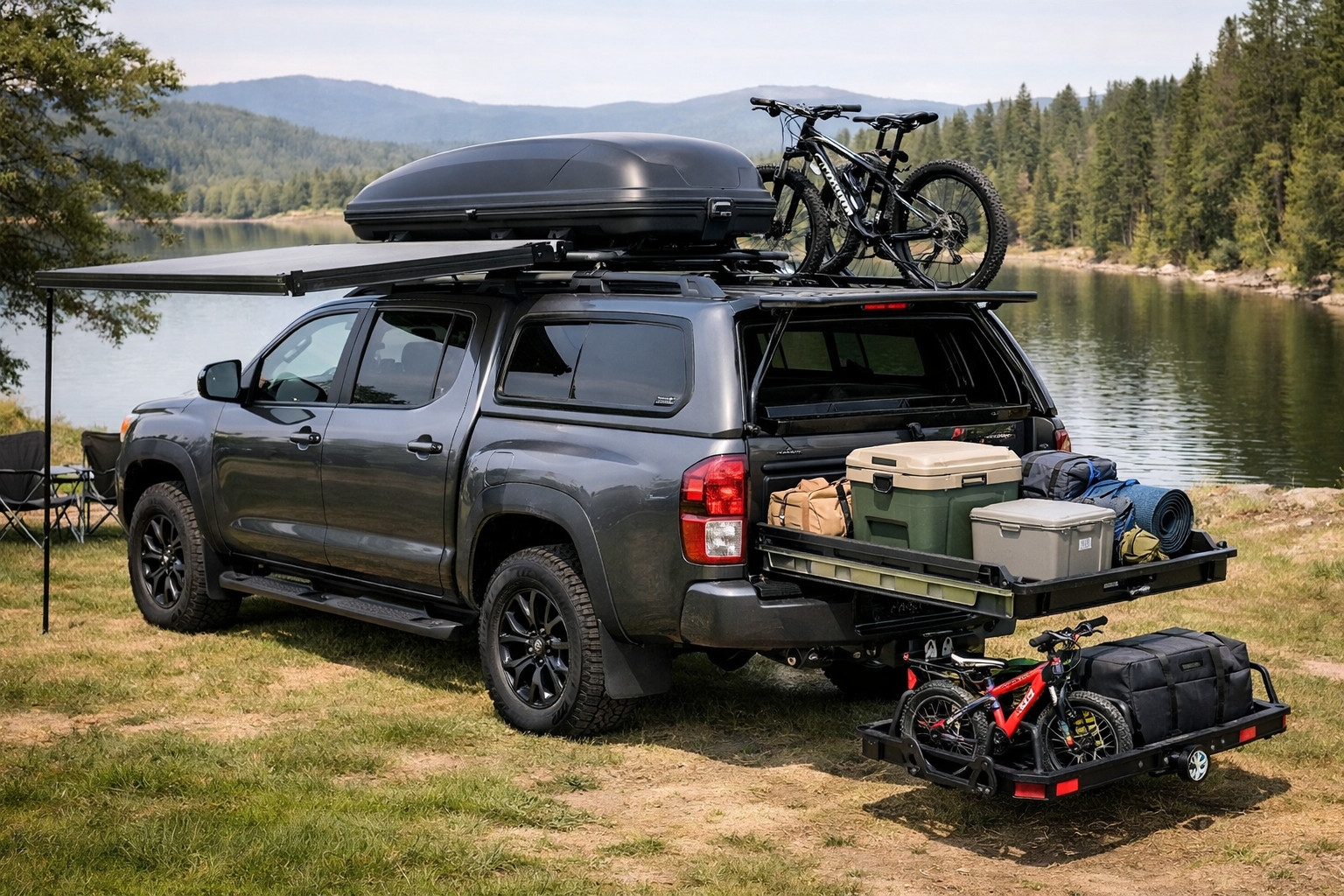
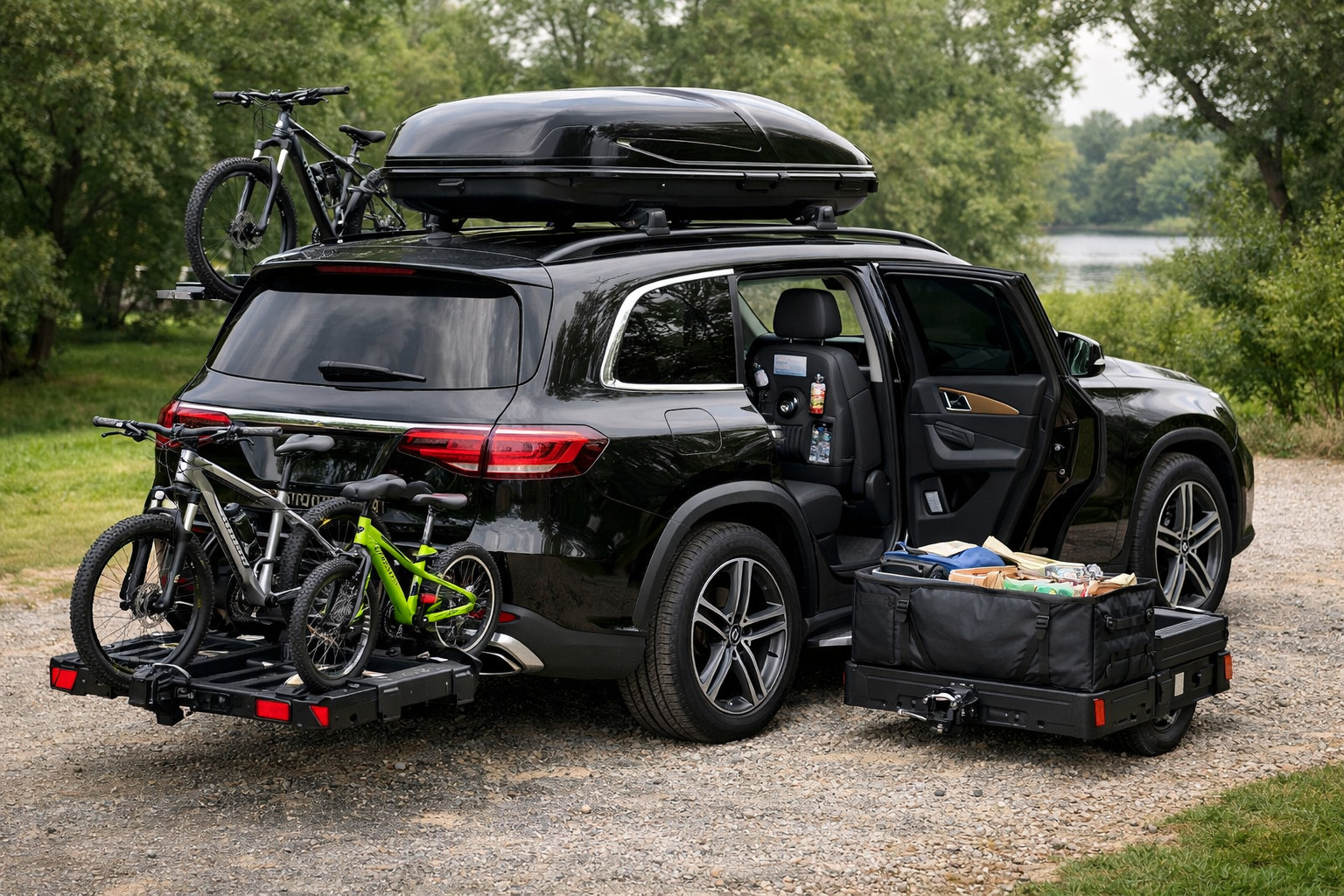
| Roof crossbars and roof box | Add extra volume for trips with the whole crew | Large families, ski/bike/camping enthusiasts |
| Side steps | Make it easier to get into a tall body | Kids, shorter passengers, older relatives |
DD Tuning expert comment: The most common mistake on the GLS X167 is starting with expensive steps or exterior decor without covering the basic everyday tasks in the cabin and trunk. The second typical issue is buying a liner or roof system without checking the specific configuration of the third row, panoramic roof, or other options. If the family use case is real, not imagined, the first budget almost always belongs in protection and organization, not looks.
What makes sense to add in the second stage
The second stage is what doesn’t save the cabin from dirt, but noticeably improves day-to-day convenience. First of all, that’s rear-seat sun protection if kids often ride during the day. If your trim already has sunshades, there’s no need to duplicate them.
Next come tablet holders or rear entertainment. This isn’t a luxury for the sake of ticking a box, but a normal tool for long drives when the second and third rows truly live on the road. If trips are short and the kids are older, you can safely postpone this expense.
After that, it’s worth thinking about a dash cam. For a big, heavy SUV that spends a lot of time in the city and on highways, it’s a logical purchase. But it’s important not to idealize hidden/flush solutions: they’re convenient to install, but may have functional limitations, so a dash cam belongs in the second stage, not the first.
What’s more about comfort or looks
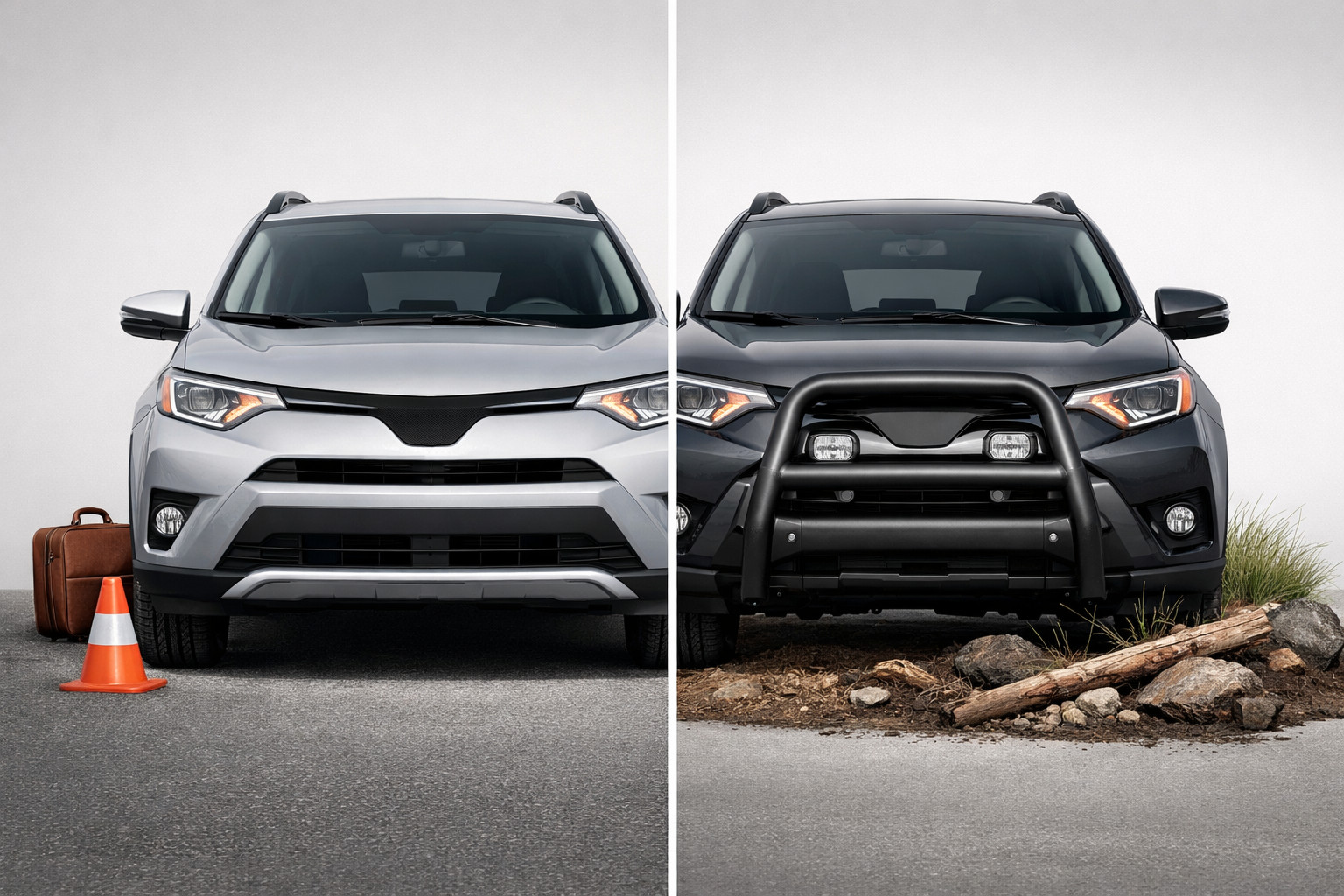
In this area, the main controversial item is side steps. If the family includes kids, shorter passengers, or older people, they provide real everyday benefit. If everyone gets in easily without help, side steps partly move into the category of a visual add-on—one you’ll still pay for in money, weight, and extra care.
The same goes for big wheels. For a family GLS, jumping to a very large diameter for the look often means worse comfort, more noise, and less winter versatility. On a vehicle that already has a good suspension, this upgrade rarely improves day-to-day life.
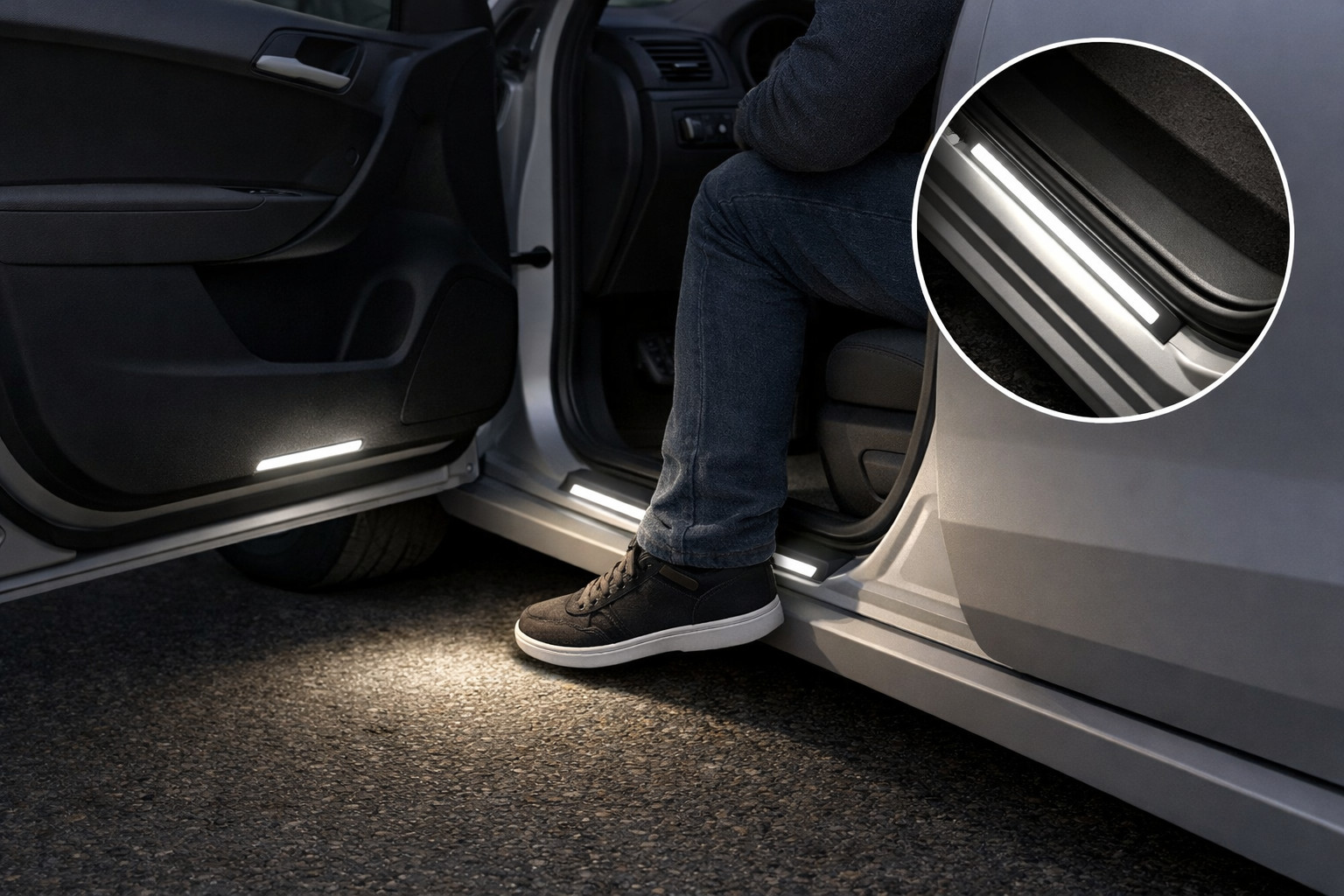
Other decorative items like ambient lighting, trim pieces, and small exterior add-ons are only useful once the practical use case is fully covered. Until then, they don’t solve any family task.
What people often buy for nothing
- Duplicates of factory options. If your trim already includes sunshades, side steps, or an entertainment package, buying them again is simply an unnecessary expense.
- Expensive steps just for looks. Without a daily need for easier entry, their benefit is far smaller than that of mats and trunk protection.
- 23-inch wheels for family use. They rarely add comfort, but can easily take it away.
- Cargo solutions without understanding how often you’ll use them. If you put things on the roof twice a year, there’s no point in buying a complex system right away.
- A liner without checking compatibility. On the X167 this is especially important if you actively use the third row.
What to install first, what to postpone, what’s optional (table)
| What to install first | What you can postpone | What’s not mandatory |
|---|---|---|
| Rubber mats for all rows | Sunshades if kids don’t ride often | Illuminated decorative elements |
| Trunk liner and sill protection | Tablet holders or rear entertainment for short routes | Exterior trim that doesn’t protect the body |
| Trunk organization for your daily routine | Dash cam if the car isn’t driven much yet | Very large wheels just for the look |
| Verify the real need for side steps based on passenger height | Crossbars and a roof box if long trips are rare | Expensive versions of side steps without real daily benefit |
A ready upgrade plan for this use case
- Assess your configuration. Is the third row used, do you need daily walk-through access to the back, do you already have sunshades and other options.
- Stop dirt and wear. Start with mats, a trunk liner, and loading-area protection.
- Bring order to the trunk. Add an organizer or another simple solution that keeps items from flying around the compartment.
- Improve life for the rear seats. If kids ride, install sunshades; if there are frequent long trips, consider tablets or rear entertainment.
- Add a dash cam. This is about everyday peace of mind rather than family comfort, but it’s appropriate for a large city SUV.
- Only then move on to expensive solutions. Roof systems and side steps should be chosen not by inertia, but based on a specific usage frequency.
When it makes sense to go for more expensive solutions
More expensive upgrades on the GLS X167 are justified not when you simply “want to have it,” but when there’s a recurring everyday inconvenience without them. If kids, shorter passengers, or older relatives climb into the tall body every day, then OEM-steps make sense: they’re used in real life, not just looked at from the side.
If the family regularly goes on vacations all together and takes a stroller, scooters, skis, or gear, then it’s justified to look at roof racks and roof bars. But you should buy them after at least one or two real trips, when it’s already clear that the cabin and trunk volume isn’t enough for you specifically—not for someone on a forum.
The third scenario is when your rear seats aren’t just nominal, but are used constantly on the road. In that case, you can take a more targeted look at interior accessories, but without fanaticism: entry convenience, sun protection, and organization first, then everything else.
From a customer’s experience: in a family GLS X167 with the second row constantly occupied, the owner first wanted to install steps and decor, but after a few trips with the kids realized the biggest annoyances were a dirty floor, loose items in the trunk, and sun from the side. As a result, the first stage was mats and trunk protection, the second was sunshades and a dash cam, and the side steps were postponed until it was clear they would actually be used every day. This order delivered more value than investing in looks right away.
Conclusion
For a Mercedes GLS X167 in a family use case, the smartest order is: cabin and trunk protection first, then rear-seat comfort, then a dash cam, and only after that—side steps or roof systems. This helps you avoid spreading the budget too thin and prevents buying nice-looking but secondary items before truly useful ones.
In short, a useful upgrade for this body is one that makes getting in, cleaning, loading, and long trips easier every day. The material is based on real selection experience, practical know-how, and real usage scenarios, so the main advice is simple: cover the everyday tasks first, and only then refine your GLS to match your taste and budget.
How it works
- Assess your family use case First, understand exactly how the GLS X167 is used: whether the third row is occupied, whether you need regular access to the rear, or whether it already has factory sunshades and other options. This determines what is truly needed and what would be redundant.
- Protect against dirt and wear in the cabin and trunk Start with rubber mats for all rows, a trunk liner, and a cargo sill protector. These are the most practical upgrades for a family, as they make it easier to clean up after rain, snow, kids’ things, and a stroller.
- Keep the trunk organized Add an organizer, a basket, or simple securing for small items so things do not fly around the compartment. If you often use the third row or have specific cabin options, check compatibility by VIN before buying trunk protection.
- Improve rear-row comfort If children regularly ride during the day, install sunshades or do not duplicate them if they are already included in the trim. For long trips, add tablet holders or rear entertainment — this reduces children’s fatigue and the number of unnecessary stops.
- Add items for everyday peace of mind After the basic protection is in place, it makes sense to install a dash cam, especially if the vehicle does a lot of city and highway driving. This is no longer about cabin comfort, but about practical value in everyday traffic.
- Only then decide on expensive options Running boards, roof crossbars, a roof box, or other more expensive options should be chosen only when there is a real daily need. Do not buy them for appearance: for a family use case, protection, ease of entry, and proper space organization matter more.
Pros and cons
Rubber floor mats, a trunk liner, and sill protection really make cleanup easier after kids, rain, snow, and carrying a stroller or bags. It’s a practical upgrade that quickly pays off in everyday use.
Cargo organization helps keep the large trunk from turning chaotic and prevents small items from sliding around during trips. For a family car, this is more useful than decorative add-ons.
Second-row sunshades reduce heat and fatigue for children in sunny weather. In cars where the rear row is often occupied, this provides noticeable comfort on the road.
Tablet holders or rear entertainment are useful on long trips: it’s easier to keep children occupied, and there are fewer stops and complaints. This makes sense specifically for families that regularly travel long distances.
A dash cam adds peace of mind in city traffic and on the highway, especially for a large SUV that is driven a lot every day. It’s a logical purchase after basic cabin protection.
Expensive side steps or running boards without a real daily need often become an expense for looks rather than for practical use. If passengers can already get in easily, their practical benefit is limited.
Large wheels, especially very large-diameter ones, can reduce comfort, add noise, and make the car less versatile in winter for family use. On the GLS with its good suspension, this does not seem justified for everyday driving.
Roof cargo systems make no sense if you use them only a few times a year. Without a real need, they are just extra cost and extra complexity.
A trunk liner or other cargo solutions without checking VIN compatibility may not fit a configuration with an active third row or other options. On the X167, this is especially risky if the cabin is used in an unusual way.