12.11.2025
976
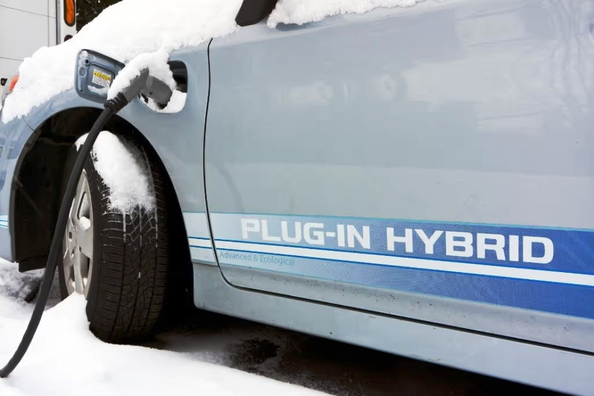
Hybrid cars that combine a petrol engine (ICE) and an electric power unit require special attention in winter. Low temperatures affect not only traditional components but also the most expensive part — the high-voltage battery (HVB). Proper maintenance and understanding of the hybrid system’s operation during the cold season help preserve its lifespan, ensure quick starts, and minimize fuel consumption. To make your car look more stylish and expressive, we recommend using tuning accessories, which are widely available in our product range.
In winter, the driver may notice a reduction in electric-only range:
Hybrids have a weak point — the small 12V battery: It can discharge faster in winter.
In winter, the ICE in a hybrid runs more often than in summer because it performs a dual function — propulsion and cabin heating.
Conclusion: The key to winter hybrid maintenance is minimizing long idle periods of the battery in the cold, warming it up before load, and keeping the ICE in perfect condition for frequent starts.
Shipping to EU
Wholesale and retail
Own warehouse
Опис продукту
Подарунки не надаються при оформленні покупки у кредит під 0,01% або при покупці частинами.