
28.01.2026
215
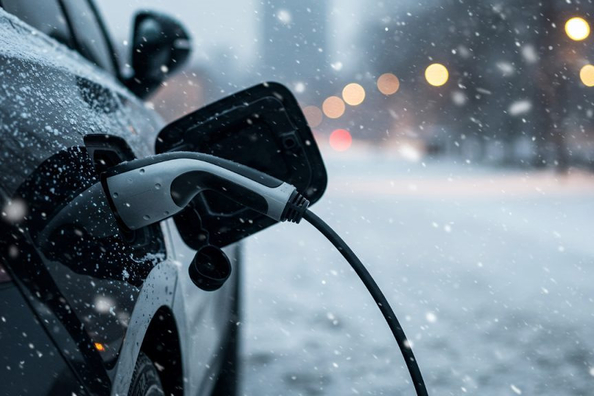

Every year, electric vehicles are becoming more popular, but winter remains a serious challenge for them. Unlike cars with internal combustion engines that use the engine’s “excess” heat for cabin heating, EVs face the physical limitations of lithium-ion batteries in low temperatures. To make your car more advanced and functional, we recommend using tuning accessories, a wide range of which can be found in our online store.
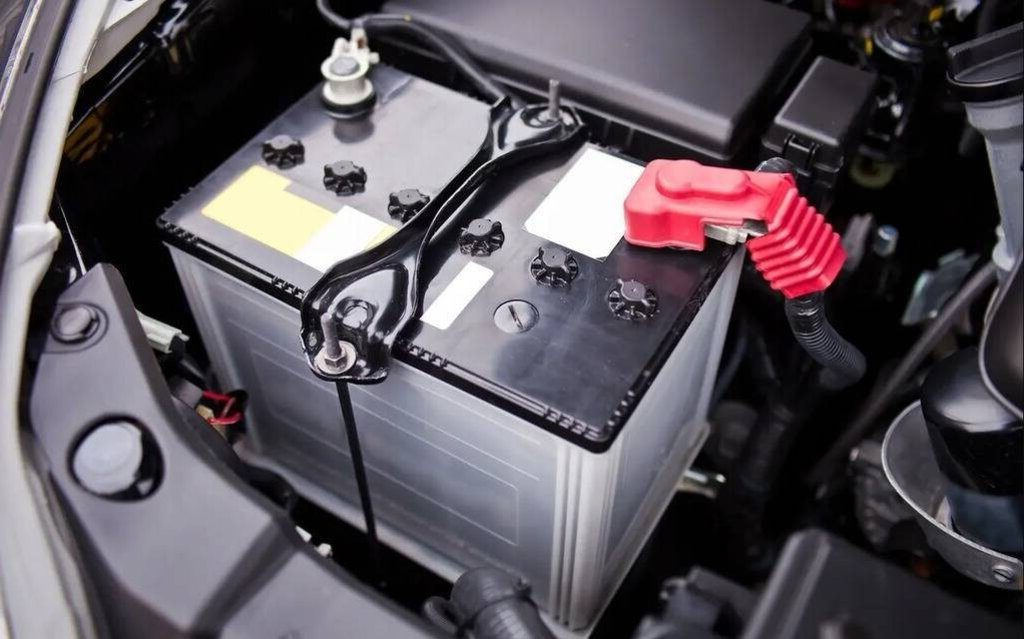
The main issue in freezing weather is the slowdown of chemical reactions inside the battery. When the temperature drops below zero, the internal resistance of the battery increases, leading to two consequences:
An electric car uses a significant portion of its charge not for movement, but to maintain system operation:
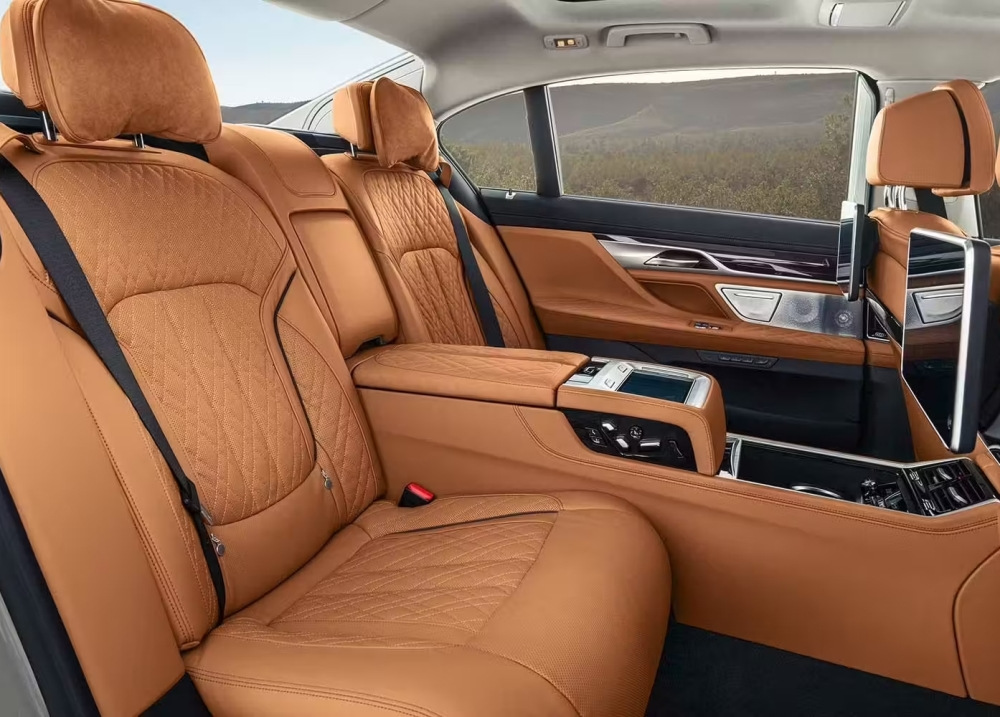
For comfortable operation, owners are advised to follow a few tips. First, perform preheating of the cabin and battery while the car is still connected to the charging station. Second, use seat and steering wheel heating — these consume much less energy than warming the entire cabin air volume.
Despite the whims of the weather, modern electric vehicles are perfectly suitable for winter. The main thing is to consider the laws of physics and plan your route in advance, taking into account available charging stations.
Shipping to EU
Wholesale and retail
Own warehouse
Опис продукту
Подарунки не надаються при оформленні покупки у кредит під 0,01% або при покупці частинами.