28.04.2026
238
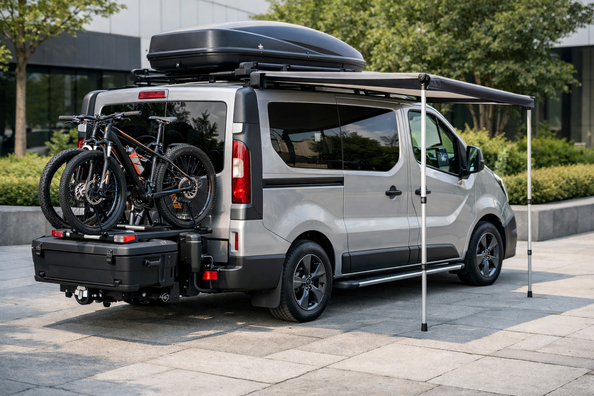
This upgrade plan is for a Renault Trafic owner who wants to cover daily tasks fast: keep the interior from getting destroyed by dirt, carry tools or family luggage safely, maneuver more easily, and not drain the budget on décor. For a work van, a passenger version, and a basic camper scenario, the logic is the same: function first, then hauling, then safety, and only after that exterior elements.
With Trafic it’s important not to buy accessories just “for the model.” L1H1, L2H1, high roof, passenger seating layout, and model year all affect compatibility. So any list below must be tied to a specific body and use case: work, family, travel, or mixed use.
A basic Renault Trafic upgrade should solve three things: reduce wear in the cabin and cargo area, make hauling easier, and lower risks in everyday use. If the vehicle works for a living, the key question is not how it looks, but how much dirt, scratching, and small breakages you won’t bring into the cabin over a month.
For a cargo version, this usually means protecting the floor, seats, threshold, and doors, plus a sensible way to carry long items or tow a trailer. For a passenger version, it’s more important to keep the interior clean, not mess up the seat configuration, and not buy covers or mounts meant for a different row. For a camper scenario, the first necessities aren’t trim pieces, but electrics, ventilation, and basic sleep-ability.
The first stage for most Trafic setups is simple: rubber floor mats, seat covers, and protection for the loading edge or rear threshold. This is the cheapest way to avoid turning the cabin and loading area into a consumable. If the vehicle works every day, these items deliver noticeable value in the first week.
The second early priority is theft protection, if tools or equipment are left inside the van. For that scenario, additional locks, protection for the diagnostic port, and protection for frequently stolen components are more useful than any decorative package. If the Trafic is a passenger vehicle, it makes more sense to address mats, seat protection, and child-related use cases first, rather than chasing exterior add-ons.
| Upgrade | Why it’s needed | Who really benefits |
|---|---|---|
| Rubber floor mats | Keep dirt, water, and construction dust under control, make cleaning easier | Everyone who drives daily, especially work vans and family vehicles |
| Seat covers | Reduce fabric wear and make interior care easier | Delivery drivers, service crews, passenger Trafic used intensively |
| Threshold trim / cargo bay loading edge protector | Takes impacts during loading, reduces scratches on the bodywork | Those who often load boxes, tools, carts, household appliances |
| Additional locks and OBD protection | Make quick vehicle theft or access to cargo more difficult | Vans that stay overnight with tools, equipment, or goods inside |
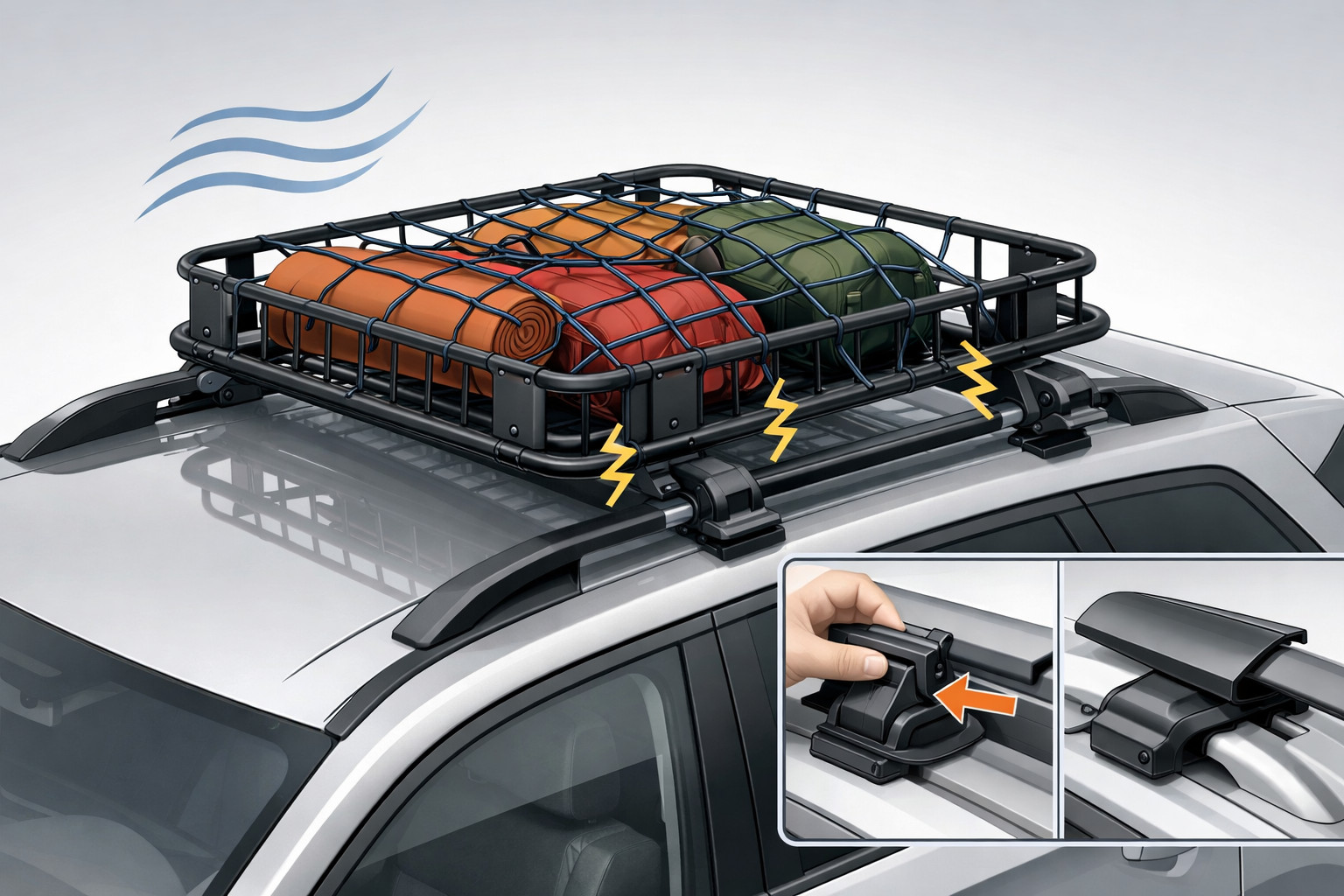
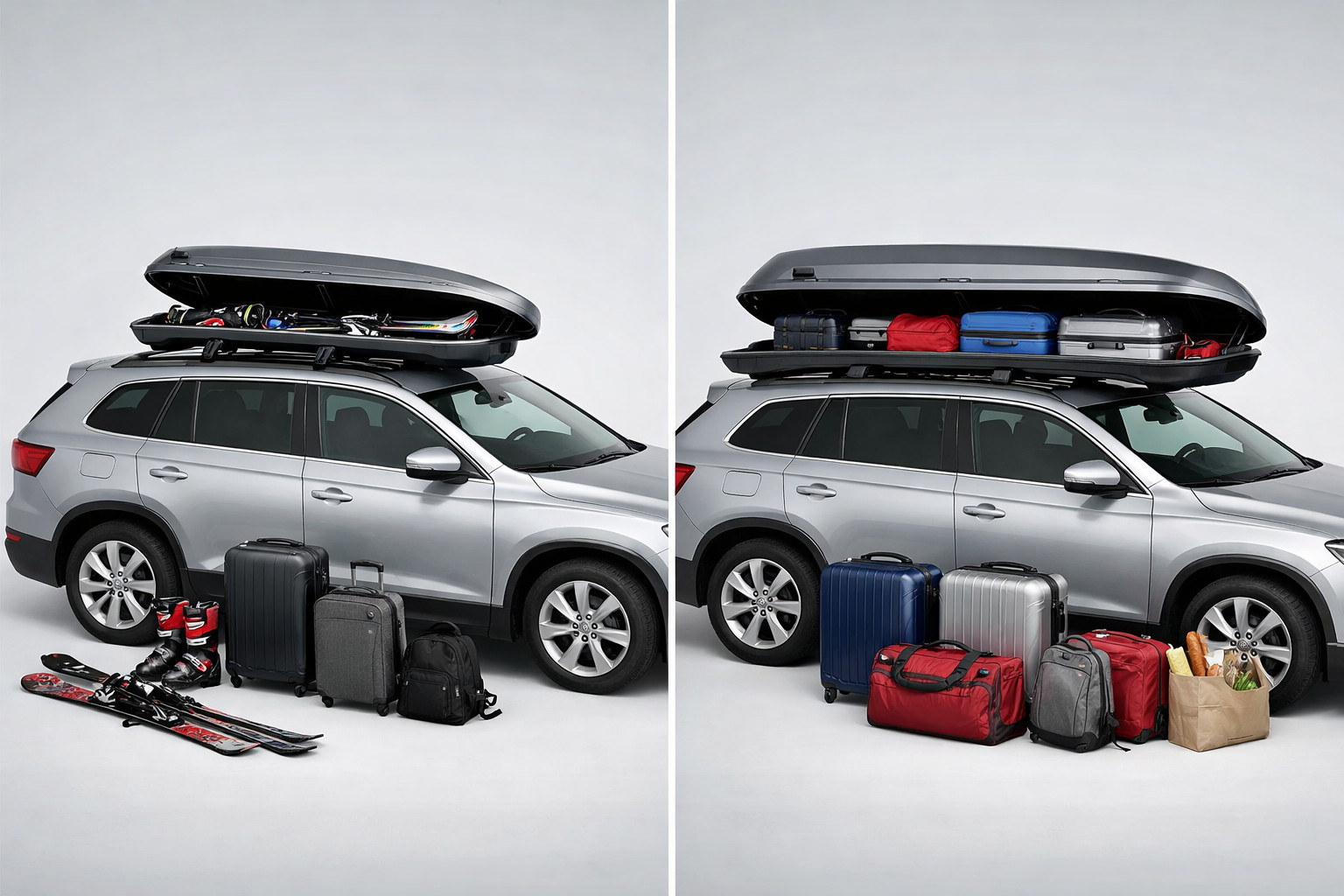
| Crossbars or a roof rack | Add space for long items, ladders, and gear when the interior is already full | Installers, builders, owners of boats/skis, camper and travel scenarios |
| Tow bar | Needed for a trailer, bike platform, or work trailer—rather than “just in case” | Those who actually tow a trailer or carry bikes on a platform |
| Dash cam and reversing assistance | Reduce the risk of minor accidents and disputes | Long wheelbases, city delivery, drivers who often park in tight yards |
DD Tuning expert comment: The most common mistake with Trafic is buying a roof rack or tow bar “for later,” then not using it for years. The second typical story is ordering accessories without tying them to L1H1 vs L2H1 or to the passenger seating layout—so the item technically fits the model, but doesn’t work in your configuration.
Once the basic protection is in place, the second stage is to build the Trafic around your specific logistics. If the vehicle carries long items, crossbars or a full roof rack are justified. Catalog solutions for Trafic may list up to four crossbars and a high permitted load, but you must verify this against your exact roof and body.
If your use case depends on a trailer, building materials, a motorcycle, or a bike platform, then the second stage is fitting a tow bar with the correct electrical type. For a passenger version, this is often more logical than a roof box: access to luggage is easier, and the vehicle doesn’t get taller. For a camper project, after protecting the interior, the second stage should be auxiliary electrics and ventilation—not decorative elements.
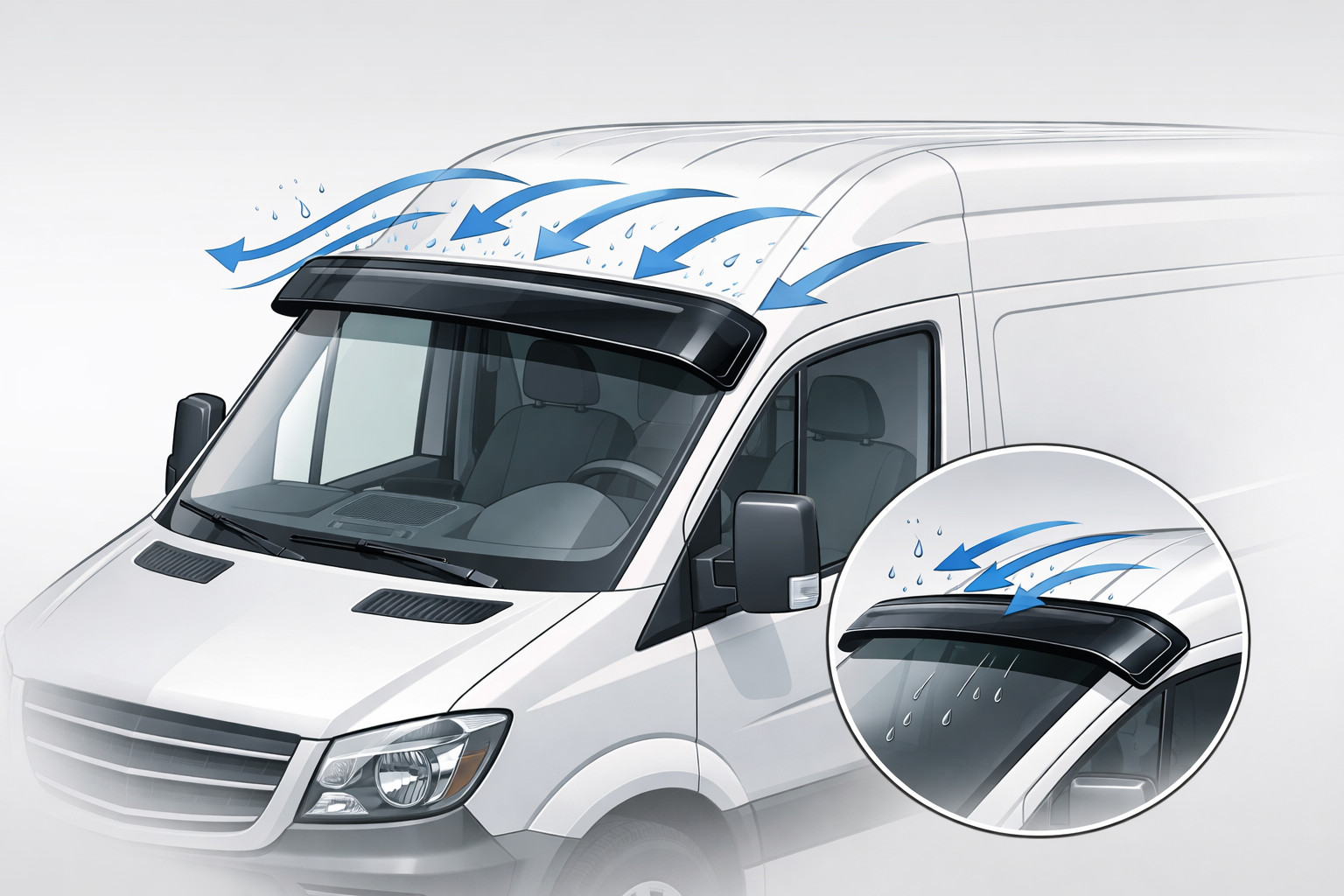
Wind deflectors, shelves, decorative trims, side steps, extra exterior elements, and similar items make sense only when the vehicle already covers the basic needs. They can be convenient, but they don’t solve the main issues: interior wear, cargo organization, safe maneuvering, and theft protection.
Exterior tuning is a separate story. For a private or passenger Trafic it can be appropriate, but for a work van it’s almost always the third stage. If the budget is limited, it’s better to invest in things that save time and money every day, not in what’s only visible in a parking lot.
Most often, people waste money on expensive exterior elements when they don’t even have proper floor and seat protection yet. In second place are cargo systems without a real need. If you carry long items twice a year, keeping a heavy permanent roof rack on the vehicle makes little sense: it’s extra cost, noise, and hassle.
Another typical mistake is universal seat covers or accessories without considering the exact interior layout. In a passenger Trafic you shouldn’t assume the rear benches can be rearranged however you want. In camper scenarios, people often overpay for windows or trim before ventilation, electrics, and basic sleeping ergonomics are sorted.
| Scenario | What to install first | What can be postponed | What isn’t mandatory |
|---|---|---|---|
| Work van | Mats, covers, threshold protection, additional locks | Roof rack, tow bar, dash cam | Body kits, decorative trims, steps when not needed |
| Passenger Trafic | Mats, seat protection, checking interior configuration, child-related use cases | Tow bar for a bike platform, roof crossbars, dash cam | Exterior décor if the car isn’t used for travel/touring |
| Camper or vehicle for trips | Electrics, ventilation, basic interior protection | Windows, roof cargo solutions, tow bar | Styling elements until the functional part is finished |
This order may not be the most visually impressive, but it removes unnecessary spending. You first cover what actually works every day, and only then build the Trafic out for narrower tasks.
More expensive items make sense when the vehicle regularly performs the same task and a cheaper solution no longer holds up in durability or convenience. If you constantly carry long items, it’s logical to look not at random crossbars, but at proper cargo systems. If a trailer or bike platform is used weekly, quality tow bars with the right electrics are justified.
Separately, you can move on to an exterior package and check out body kits for Trafic, but only after interior protection, hauling, and safety are already covered. Before buying expensive items, always verify the generation, body, mounting points, and use case: with Trafic this matters more than the model name itself.
From a customer’s experience: we most often see the most rational scenario in work Trafic vans, where the owner first installs mats, a driver’s seat cover, vehicle access protection, and only then builds out the roof setup or tow bar for a specific job. With this approach, people don’t overpay for looks—they get a cleaner cabin, fewer minor damages, and a configuration that truly pays back the money spent.
For Renault Trafic, the right start is almost always the same: protect the cabin and cargo area, then add hauling solutions, then safety and visibility, and only after that comfort or exterior add-ons. In short, what’s useful here is easy to separate from marketing junk: the first saves you time, cleaning, and nerves every day; the second just consumes your budget.
The material is based on real selection experience, hands-on practice, and real-world usage scenarios. That’s why with Trafic it’s better not to start with what looks good, but with what stands up to work, family trips, or getaways without unnecessary compromises.
Shipping to EU
Wholesale and retail
Own warehouse
Опис продукту
Подарунки не надаються при оформленні покупки у кредит під 0,01% або при покупці частинами.