10.04.2026
354
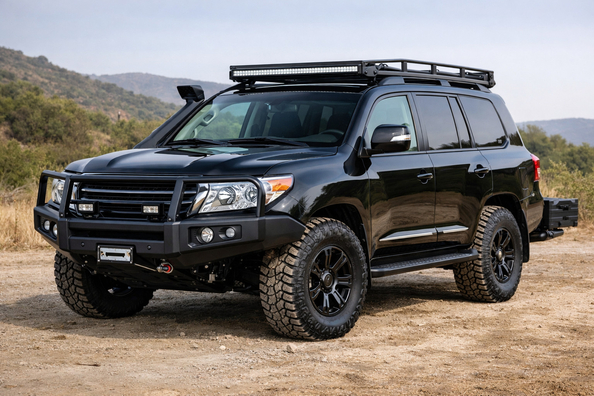
This upgrade plan is for a Toyota Land Cruiser 200 owner who drives every day, heads out onto dirt roads, into the woods, fishing trips, the mountains, or long journeys, but doesn’t want to build a heavy expedition project from day one. The goal of a budget upgrade here is simple: make the LC200 more practical and more confident where the stock capability is no longer enough—without killing comfort, handling, and the budget.
The LC200 is very capable in stock form: body-on-frame construction, decent geometry, about 230 mm of ground clearance, and a large factory fuel tank already cover a lot of needs. That’s why the order of upgrades matters more than the number of parts: whether you have diesel or petrol, different wheels, or you tow a trailer often, the priorities may shift—but the logic stays the same: traction, protection, and control first, then weight and more complex solutions.
In a budget scenario, the LC200 doesn’t need to become a show car or a trophy rig. It needs to grip better, suffer less from rocks, mud, and everyday loads, and avoid putting the driver in a stupid situation where everything comes down to tire pressure, proper tires, and basic preparation.
Most often this is a “city plus trips out” scenario: highway, gravel, wet grass, beaten-up forest roads, snow, occasional towing. In this mode, the first money shouldn’t go into extra lift height, chrome, or heavy steel, but into what truly improves traction, protects the vehicle from everyday wear, and reduces the risk of getting stuck over something small.
It’s worth starting with a few trips in stock form and an honest assessment of weak spots. If the vehicle already runs good A/T tires, there’s no point replacing them just for the sake of upgrading—then it’s better to put the first budget into cabin and cargo protection and basic gear for tire-pressure control.
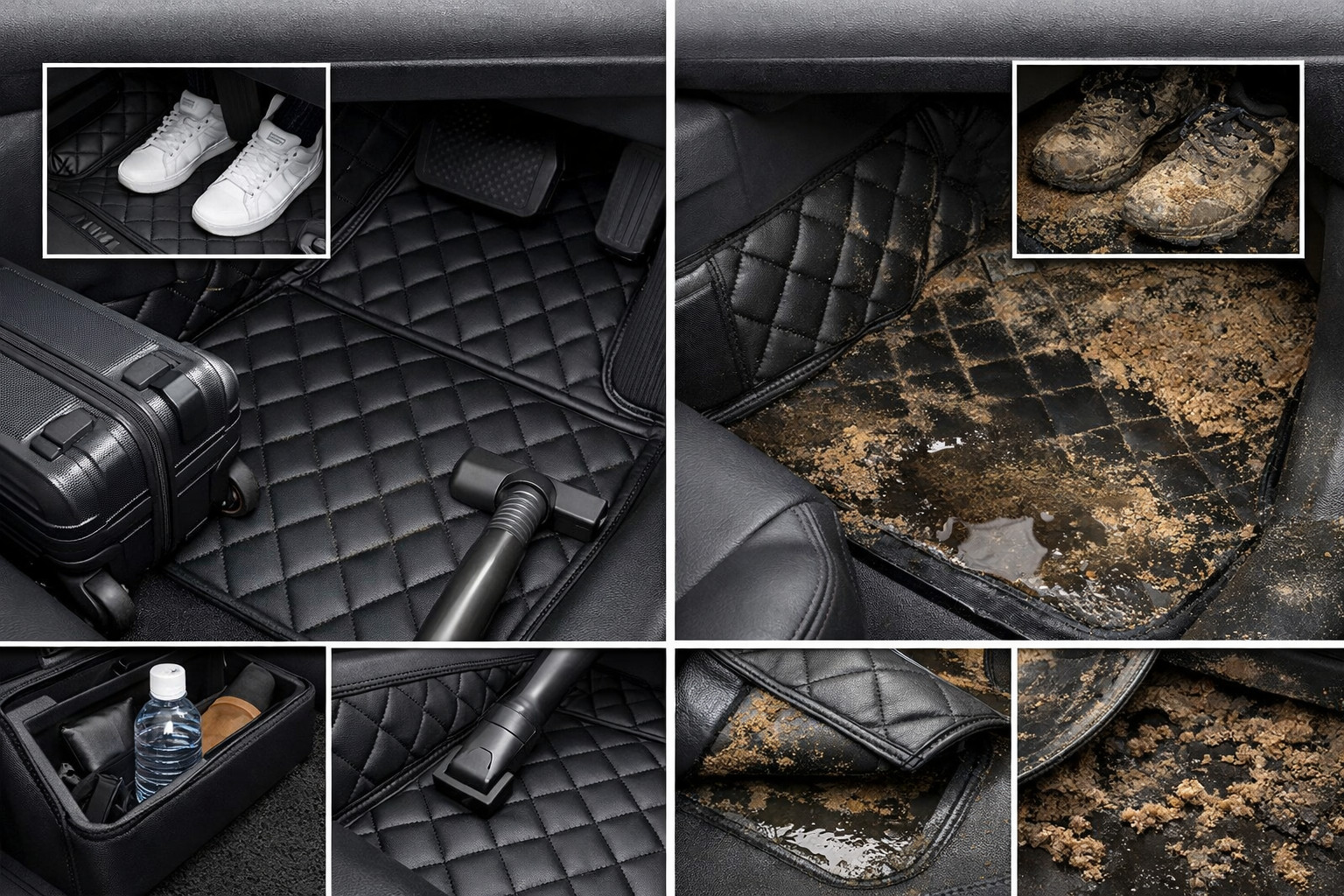
If it’s on road tires, tires are most often the biggest bang for the buck. For mixed use, it makes more sense to look at A/T rather than aggressive mud-terrain models: they work better in daily driving. Right after tires come an onboard compressor, a pressure gauge, and a deflator—this is cheaper than a lift and delivers a more noticeable result off-road. In parallel, cover the day-to-day: floor mats, cargo-liner protection, and keeping the cabin organized.
| Upgrade | Why it’s needed | Who it truly benefits |
|---|---|---|
| Rubber floor mats and cargo-area protection | Contain water, mud, sand, and marks from gear; make cleaning easier | Anyone who drives with family, a dog, tools, gear, or often loads items |
| A/T tires | Improve traction on dirt, rocks, wet grass, and snow without a sharp drop in daily-drive comfort | Almost everyone who regularly leaves the asphalt |
| Compressor, pressure gauge, deflator | Let you adjust tire pressure to the surface and restore it after you’re back on-road | Those who drive on sand, dirt, forest roads, or far from service |
| Skid plates for the engine and critical underbody zones | Reduce the risk of expensive damage on ruts, rocks, and uneven terrain | Those who don’t drive only on highways and don’t want to take hits underneath |
| Dedicated recovery point and a basic towing/recovery kit | Allows you to recover the vehicle without improvisation and extra risk | Those who go to fields, forests, hunting, fishing, or travel without a big group |
| Side protection or heavy-duty rock sliders | Take the contact from ruts, rocks, and side obstacles | Those who often run more demanding routes, not just graded roads |
DD Tuning expert comment: a typical LC200 owner mistake is buying first what’s visible from afar, not what works every day. In practice, the vehicle benefits more from the right tires, underbody protection, and proper cabin organization than from heavy “future-proof” armor. Another mistake is suspension upgrades without considering real-world weight: an empty vehicle on stiff springs becomes less comfortable and not always better on the road.
The second stage starts after you already understand where the vehicle actually drives. If rocks, deep ruts, frequent underbody contact, or side hits show up, then underbody protection, side protection, and well-thought-out recovery points are justified. These are the items that don’t make the vehicle “prettier,” but often save you from truly expensive repairs.
Suspension is also a second-stage item, not a first. It makes sense to choose it when you already know the постоянный weight on the axles: whether there will be a trailer, a roof rack, heavy gear, protection, passengers. Otherwise, it’s easy to end up with a vehicle that’s too stiff, taller for no reason, and without a real gain in effectiveness. An auxiliary fuel tank and a winch also belong here: this isn’t a starter budget upgrade, but an answer to specific long-distance routes.
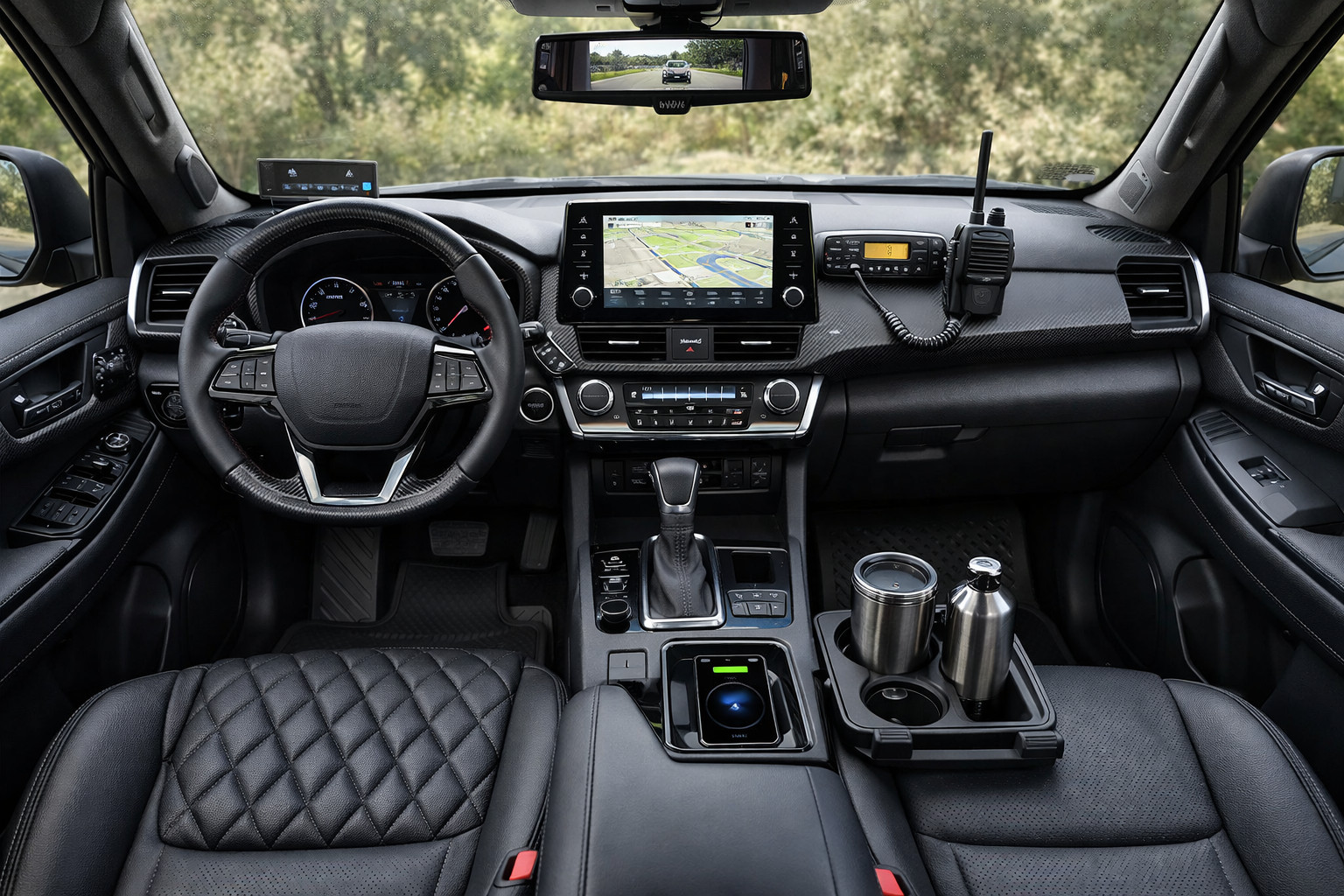
For a daily-driven LC200, useful items can include seat covers, wind deflectors, trim pieces, cargo organization, sill protectors against shoe scuffs, and interior accessories. This doesn’t increase off-road capability, but it reduces everyday wear and makes the vehicle more convenient for family use.
Everything related to chrome, рестайлінг, decorative overlays, spoilers, and cosmetic body kits should be bought only after practical needs are covered. In a budget scenario, this is always the last priority. If you have to choose between a pretty part and proper tires, tires win.
Most often, people waste money on mud-terrain tires for a vehicle that spends 80% of its time in the city and on highways. They’re noisier, heavier, and don’t always give an advantage where you need versatility. The second common mistake is stiff springs and a lift “just to be higher,” even though the vehicle drives almost empty.
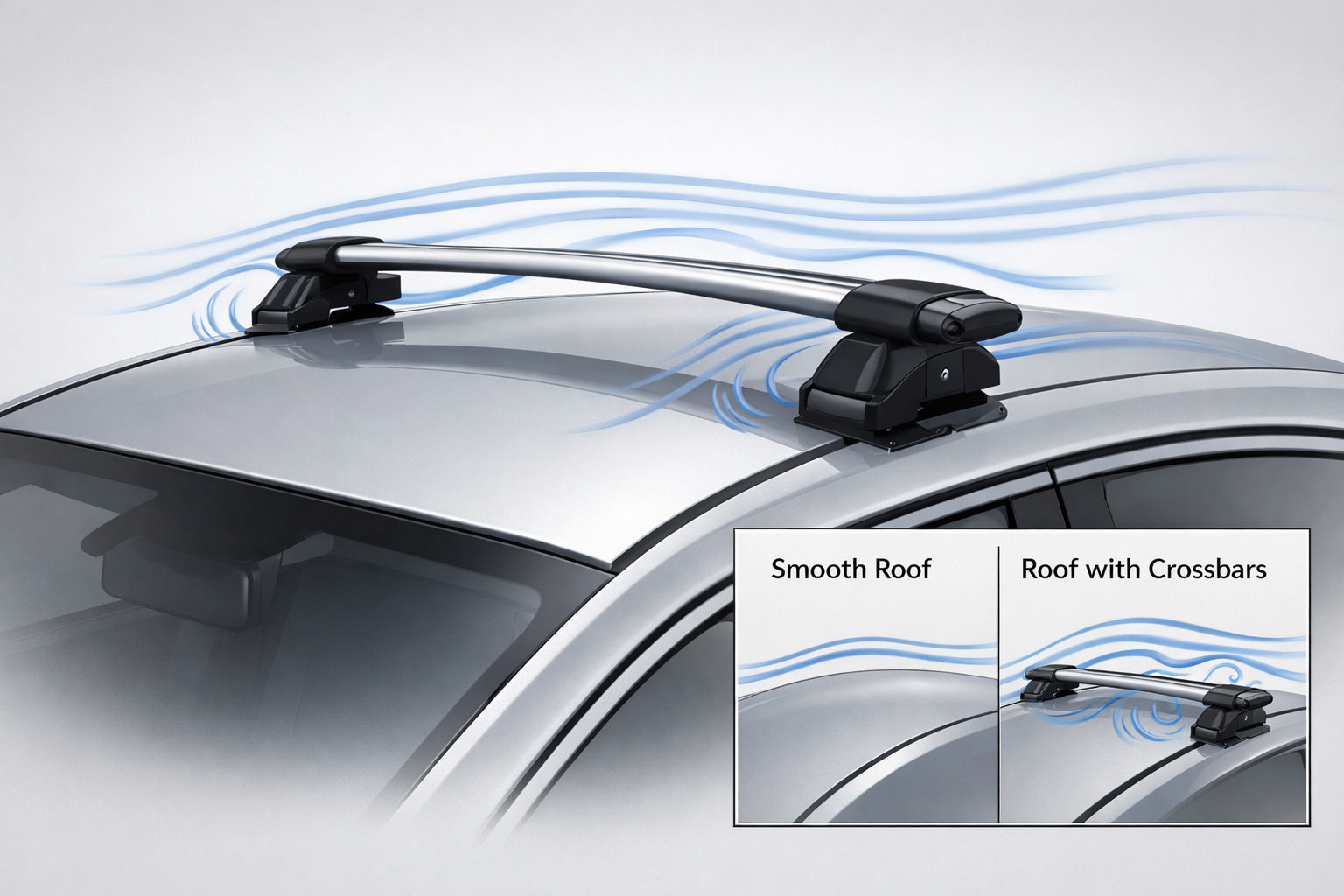
Just as often, people overpay for a snorkel “just in case,” heavy bumpers, a winch, a roof rack, and an auxiliary tank without real need. The LC200 is already heavy, and every kilogram then increases consumption, body roll, and new suspension costs. Separately, it’s worth mentioning cheap piggyback chips: without a comprehensive approach, it’s a questionable saving—especially if the vehicle is used under load or for towing.
| What to install first | What can be postponed | What isn’t mandatory |
|---|---|---|
| A/T tires, or keep the current set if they already fit the scenario | Suspension until a real постоянный load appears | A snorkel for a vehicle that doesn’t go through water regularly |
| Compressor, pressure gauge, and deflator | Side protection if routes are still easy | Heavy-duty bumpers for mixed city/touring use |
| Floor mats, cargo-area protection, cabin organization | Auxiliary lighting if you don’t often drive off-highway at night | Mud-terrain tires for a daily city vehicle |
| Skid plates for the engine and vulnerable zones | Roof rack while the factory cargo volume is enough | An auxiliary tank if the factory range is sufficient for you |
| A recovery point and a basic recovery kit | Engine tuning until you clearly understand towing needs | Decorative body kit if the goal is practicality |
More expensive solutions make sense when the vehicle gets a stable heavy-use scenario: постоянный gear, frequent rocky routes, towing, long автономні trips, night runs off-highway. That’s exactly when expensive parts stop being toys and start paying back with convenience, reliability, or lower risk of damage.
If you’ve already reached that stage, it’s worth taking a separate look at underbody protection, assessing the need for side steps/rock sliders, and cross-checking your setup with all solutions for LC200. This helps you avoid buying unnecessary steel too early and not confuse real protection with a decorative piece.
From a customer’s experience: an LC200 owner initially wanted to start with a lift, a roof rack, and aggressive tires because he planned long trips. After a few drives it turned out the vehicle spends most of its time in the city, and the real issues were slippery dirt, a грязь-filled cabin, and inconvenience with tire pressure. In the end he started with floor mats, cargo protection, A/T tires, and a compressor, and moved on to serious underbody protection only when the routes got tougher.
A budget LC200 upgrade works when you don’t try to buy the whole catalog at once. First—traction, pressure control, basic protection, and everyday practicality. Then—protection, recovery points, and solutions for the actual route. Everything heavy, expensive, and massive should be installed only after the vehicle has truly grown into that scenario.
This approach usually delivers a better result than chaotic “just in case” purchases. And this material is based on real selection experience, real-world practice, and real usage scenarios—not on a list of красиві but secondary upgrades.
| ✔ | First, it suggests installing what really works every day: A/T tires, a compressor, a pressure gauge, a deflator, and basic protection. This gives a noticeable effect on dirt, wet grass, snow, and broken roads without a big hit to comfort. |
| ✔ | The plan is built for a mixed-use setup of “city plus trips,” not for a heavy expedition project. Thanks to this, the LC200 is not overloaded with unnecessary metal and is not made stiffer or less comfortable without need. |
| ✔ | Everyday practicality is also taken into account: floor mats, cargo area protection, cabin organization, and sill protection. For a car that is often used by a family, this reduces dirt and wear in daily use. |
| ✔ | There is a clear logic to the upgrade order: first traction and pressure control, then protection, then suspension, with a winch or extra fuel tank only when truly needed. This approach helps avoid spending money on things that are not needed yet. |
| ✔ | The article directly notes that the LC200 in stock form is already quite capable: the body-on-frame construction, about 230 mm of ground clearance, and solid geometry cover many tasks. This lets you start small and avoid expensive modifications without a clear benefit. |
| ✘ | If the car mostly drives in the city and on highways, some popular upgrades turn out to be unnecessary: mud tires, heavy-duty bumpers, a winch, or a roof rack. The article directly states that such things are often bought in vain. |
| ✘ | The suspension is not recommended as the first upgrade, because without understanding the actual load it is easy to end up with a car that is too stiff. In other words, the upgrade can worsen comfort and not give any real gain in off-road capability. |
| ✘ | The budget scenario does not solve all tasks for difficult routes at once: underbody protection, side protection, and recovery points will have to be added later, when trips get harder. This means the car does not reach “ready for anything” status right away. |
| ✘ | When heavy elements start to be added, the LC200 quickly gains weight, and that leads to higher fuel consumption, more body roll, and extra load on the suspension. In other words, a mistake in priorities can make the car less comfortable and more expensive to maintain. |
Shipping to EU
Wholesale and retail
Own warehouse
Опис продукту
Подарунки не надаються при оформленні покупки у кредит під 0,01% або при покупці частинами.