03.04.2026
1021
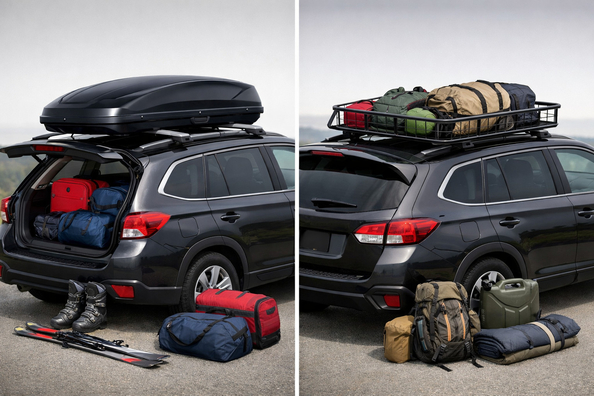
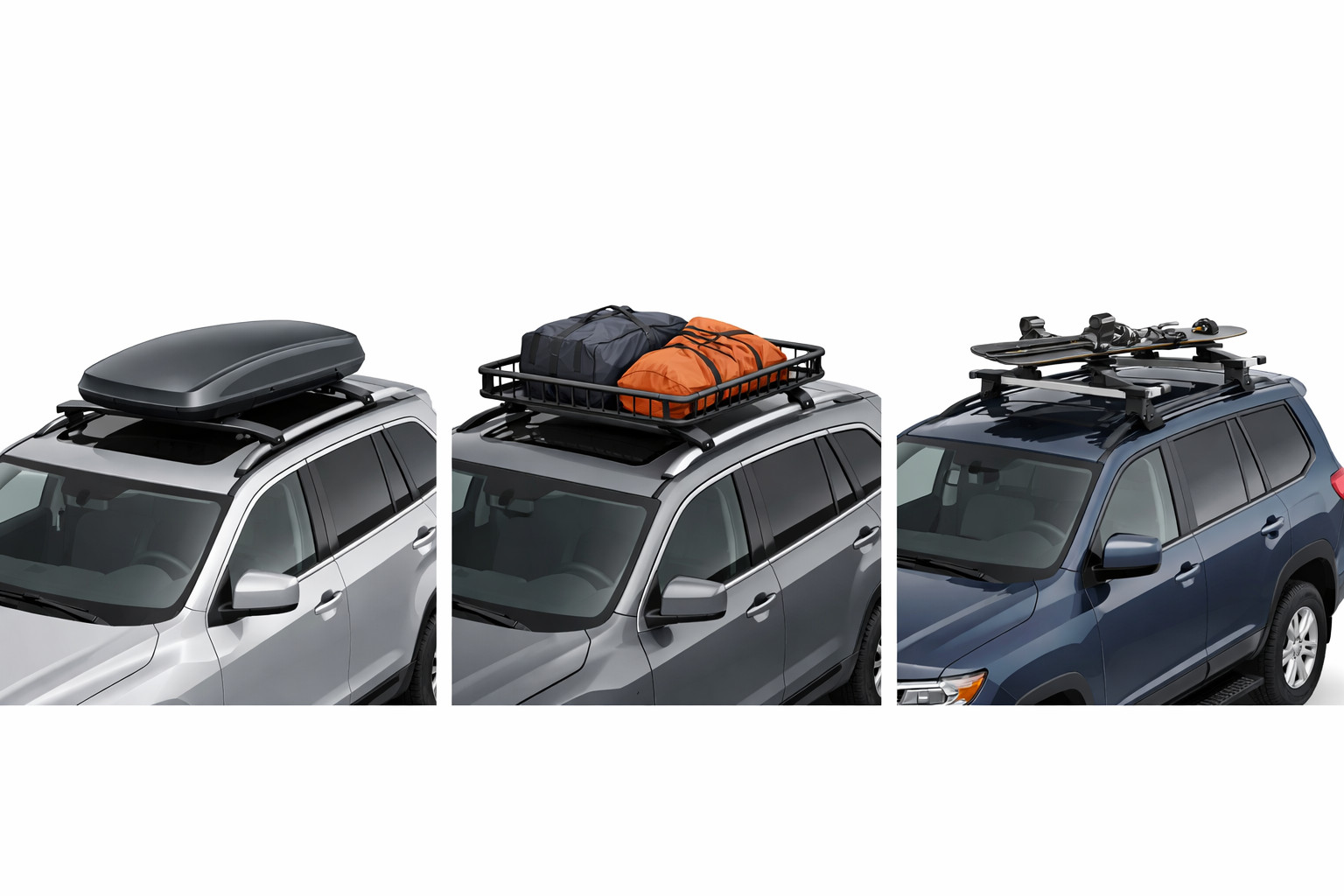
In short: a roof box is better for daily driving and long trips when low noise, weather protection, and proper security matter. A roof basket wins when the load is non-standard, wet, dirty, or you need to frequently mix it with other gear.
So the choice isn’t about “which is cooler” but about the use case. For some cars and routes, an enclosed cargo box fits better; for others, an open basket does. Below we break down where the difference is felt in real life and what to check before buying a roof box or a basket.
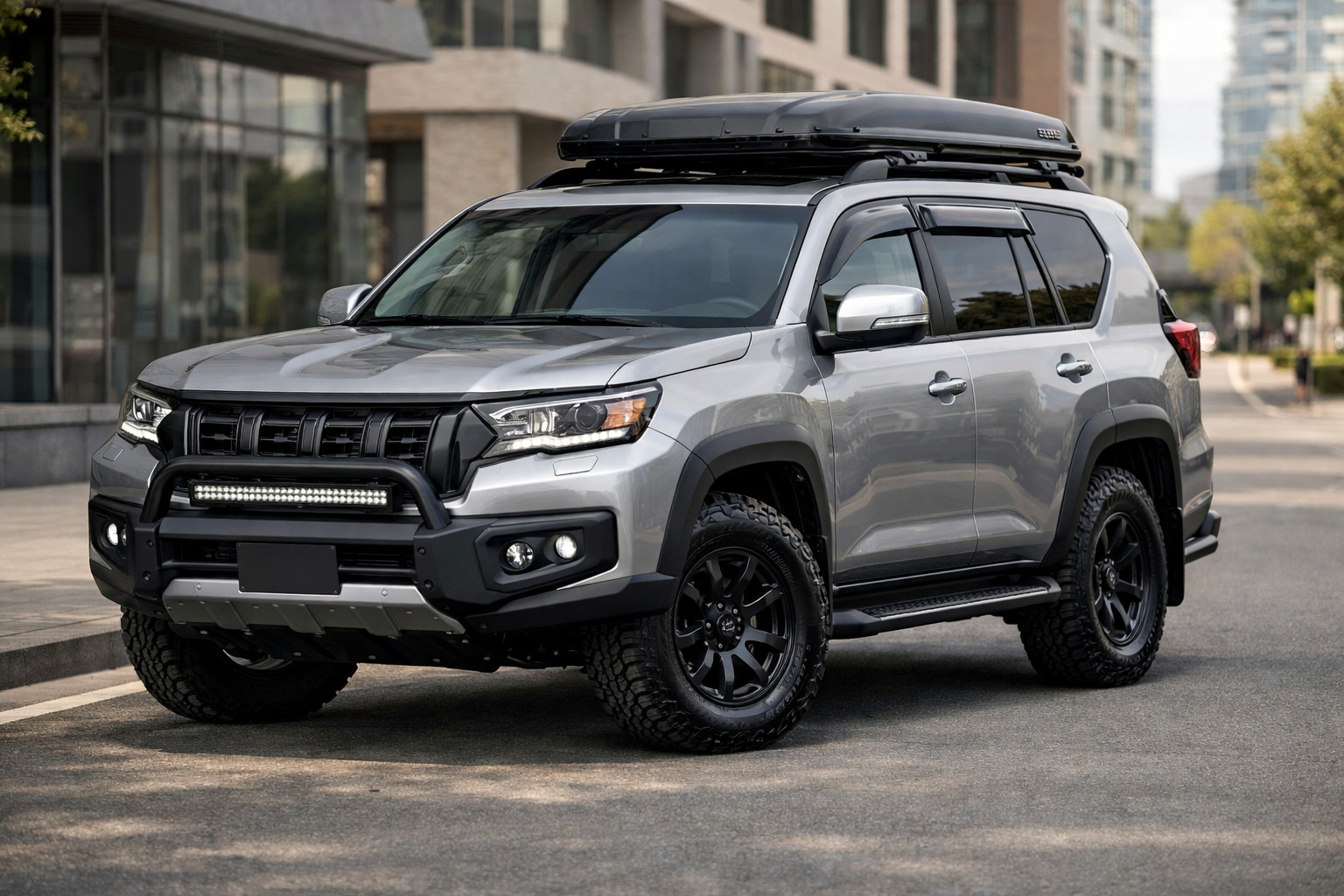
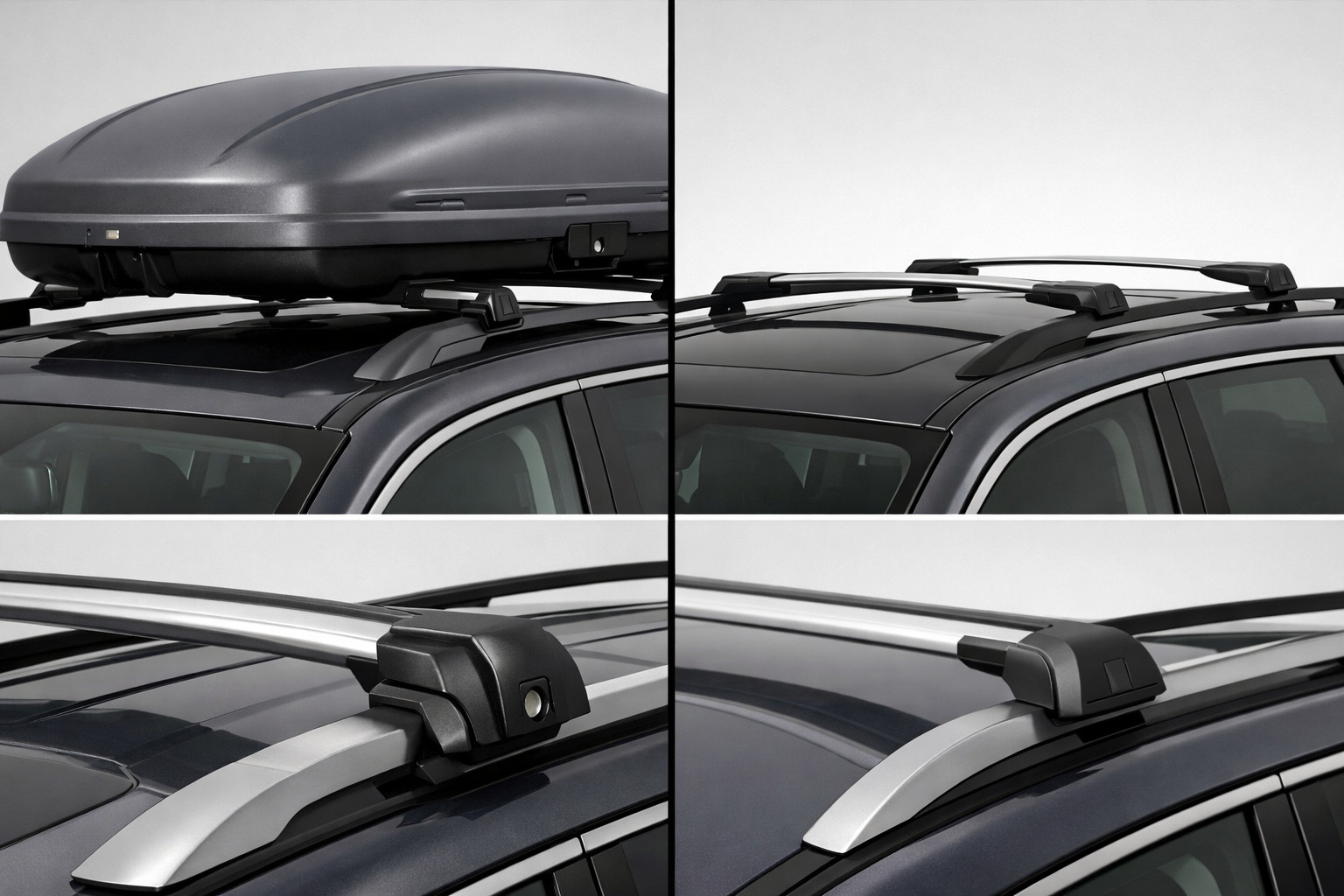
A roof box is an enclosed, streamlined container that isolates cargo from rain, snow, dust, and dirt. Its strong side is peace of mind in everyday use: fewer risks for your belongings, less noise, and it’s easier to leave the car parked without extra worry.
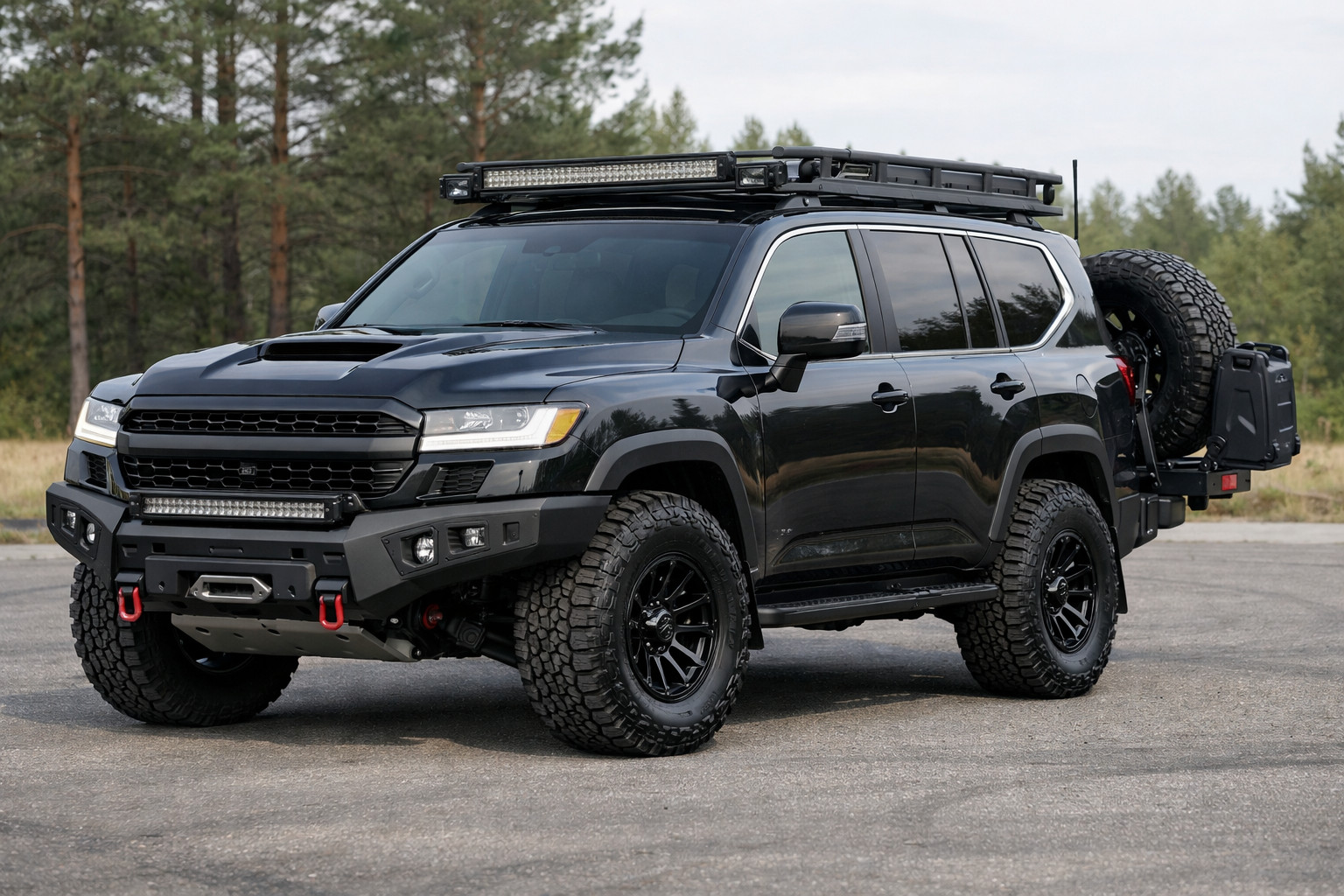
A basket is an open platform with side rails. It limits the shape of the load less, so it’s more convenient for long, tall, or awkward items: camping gear, jerry cans, firewood, a spare wheel, wet covers, a kayak, or other bulky cargo. But you pay for that flexibility with more noise, higher air resistance, and the need to strap everything down more carefully.
You shouldn’t compare these options by volume alone. In practice, mounting, noise, durability, practicality, price, and how the rack behaves in real conditions all matter.
It’s also important not to exceed the permissible roof load. It’s calculated as the sum of the rack, the box or basket itself, and the cargo. Separately, check the actual vehicle height with the equipment installed and the rear hatch clearance if your car is a wagon, hatchback, or SUV.
| Option | Strengths | Weaknesses | Who it’s for |
|---|---|---|---|
| Roof box | Better protects items from weather and dirt; usually quieter; convenient for clean luggage and family trips | Larger overall size and weight; takes up storage space; can be an issue in low parking garages; doesn’t like being overloaded | Those who drive daily and often carry clothing, shoes, kids’ items, and travel luggage |
| Roof basket | Flexible cargo shape; convenient for wet, dirty, and oversized items; works well with additional accessories | Noisier; worse protection from precipitation; requires a net or straps; often has a stronger impact on fuel consumption | Those who carry gear and non-standard items and often change the load format |
A roof box makes sense when you need to protect your cargo and not think about it during the drive. For travel, it’s the simplest format: items are enclosed, get less dirty, don’t get wet, and won’t fly out. A typical travel box can be around 450 L with a permissible load of up to 75 kg; larger models can be 600 L too, but then weight, dimensions, and vehicle requirements increase.
On the highway, a box usually behaves more calmly than an open basket. This is especially noticeable if the car often travels at medium to high speeds. But a bigger box isn’t always a plus: a larger shell is harder to remove, harder to store, and in real use it more often tempts you to “pack extra just in case.” That’s exactly how unnecessary weight, noise, and fuel consumption appear.
There are cargo limitations as well. For skis and snowboards, a box works well, but long skis may require a longer model. Also, don’t treat a box as an absolutely airtight capsule: items sensitive to dust or moisture are still better packed in covers or bags.
A basket is about freedom of cargo shape. It works better when items don’t fit into a “normal” container: wet tents, dirty tools, a spare wheel, cooler boxes, firewood, bulky hiking or fishing gear. A basket is also easier to combine with other roof accessories if you need a modular setup.
Basket sizes vary a lot. There are mid-size models with extension capability, and large ones with quite solid load capacity. But the open format means everything must be secured properly: with a net, straps, and additional tie-downs. Otherwise the load suffers from dirt, wind, and spray, and if it’s not fastened well, it can start making noise too.
For everyday use, a basket is less convenient because it’s louder and more often increases fuel consumption. It’s the right choice when the cargo is not standard and “clean and quiet” matters less than “it fits, it’s secured, and you’re on the road.” If you have wet or dirty gear, it’s often the most rational option.
Practically speaking, a roof box generally wins for family trips, intercity routes, and daily use. A basket is stronger where there’s specialty cargo, outdoor activities, and a need for versatility.
For city driving and regular use, low noise, quick access to luggage, and lower risk in the rain matter most. For trips outdoors, fishing, or gear you want to keep separate, flexibility, toughness, and multiple securing methods matter more. That’s why there’s no universal answer: look at your cargo type and how often you travel.
| Scenario | What to choose | Why |
|---|---|---|
| Daily city driving | Roof box | Quieter, better protects items, less hassle with securing |
| Long highway trip | Roof box | Works better aerodynamically and is more comfortable for clean luggage |
| Trips outdoors, fishing, camping | Roof basket | Easier to carry wet, dirty, or non-standard gear |
| Carrying skis and snowboards | Roof box or a dedicated basket with mounts | A box is more convenient for dry, protected cargo; for a combined setup, a basket |
| Frequent changes in cargo type | Roof basket | More universal in shape and better suited to different accessories |
| Height-restricted parking | Best without roof cargo, but if you must choose — a compact roof box | Both a box and a basket increase vehicle height; a large box is especially critical |
The first mistake is buying a box “with extra capacity.” It seems like a larger volume is more universal, but in practice it’s often extra weight, more air resistance, and harder storage. Choose for your real items, not an abstract “might be useful someday.”
The second mistake is not checking vehicle height after installation. That quickly leads to problems in parking garages, garages, and barrier gates. The third is ignoring rear hatch clearance: on some cars, a long box can interfere with opening.
The fourth mistake is installing a basket and not planning cargo tie-downs. An open rack without a net or straps is a bad idea even for a short drive. The fifth is forgetting the total system weight: you need to count not only the cargo, but the equipment itself.
A more expensive roof box makes sense if you mostly drive on highways, often leave the car in public parking, want better aerodynamics, convenient opening, and a proper lock. In that scenario, the extra cost pays back in daily comfort and fewer small annoyances.
A more expensive basket is justified when you need modularity, strength, and the ability to refine the setup for your gear. If you truly carry boats, camping equipment, wet items, or mixed cargo, investing in a higher-quality basket, net, and mounts makes sense.
If your needs are simple—family trips, vacation luggage, items without dirt and moisture—overpaying for a more complex basket usually brings no benefit. For such tasks, it’s more logical to look at an enclosed box and immediately assess whether it fits your car and driving style.
The practical verdict is simple: for most drivers, a roof box is the better choice because it’s quieter, cleaner to use, and more convenient for daily driving and travel. A basket is worth getting when the cargo is often non-standard, wet, dirty, or requires modular tie-downs.
If you mostly carry family items, clothing, bags, and do highway vacations—choose an enclosed box. If you need to carry gear without strict size limits and without worrying about getting luggage dirty, a basket will be more practical. The key is not chasing maximum size and always checking the limits of your vehicle and the specific model.
| ✔ | A cargo box provides better protection for items from rain, snow, dust, and dirt, so it is suitable for everyday trips and long routes. In it, luggage gets less wet, does not fly apart, and does not require such careful packing. |
| ✔ | It is usually quieter on the highway and has less impact on comfort during the drive. This is especially noticeable on regular trips and at medium to high speeds. |
| ✔ | For family items, clothes, shoes, and travel luggage, a cargo box is more convenient in everyday use. It is also simpler when the cleanliness of the luggage and calm storage in the car matter. |
| ✔ | A roof basket works better with non-standard cargo: wet, dirty, long, or bulky. It is easier to load gear that does not fit into a closed container. |
| ✔ | A roof basket combines more easily with other roof accessories and gives more freedom in cargo format. This is useful for hiking, fishing, camping, and transporting various gear. |
| ✘ | A cargo box takes up more space when stored and has greater weight, especially in larger models. Because of this, it is not as convenient to remove and install by one person. |
| ✘ | A tall or large box can get in the way in parking lots, garages, and under barriers. It also does not always fit if the car has rear door clearance limitations. |
| ✘ | A roof basket is noisier and protects cargo worse from precipitation, dust, and splashes. For normal use, it needs to be additionally secured with a net or straps. |
| ✘ | The open design of a basket more often increases fuel consumption and requires more attention to securing items. If the cargo is fastened loosely, it makes noise and gets dirty faster. |
Shipping to EU
Wholesale and retail
Own warehouse
Опис продукту
Подарунки не надаються при оформленні покупки у кредит під 0,01% або при покупці частинами.