28.01.2026
326

Condensation on windows and a musty smell in the cabin are familiar problems for many car owners. Especially in cold or humid weather, persistent dampness may appear inside the car, which is difficult to remove. Fogged windows reduce visibility, and the stale smell causes discomfort while driving. These signs indicate excess moisture inside the vehicle, which is not only unpleasant but also potentially harmful to electronics and interior trim.
Condensation on the inside of the windshield is the first sign of increased humidity in the car. Constantly fogged windows, even without passengers, indicate a moisture problem in the cabin.
Below we will look at the 10 main reasons why moisture accumulates inside, condensation appears, and a musty smell develops. We will also explain how special EVA mats for the cabin and EVA mats for the trunk help solve this issue. Understanding the causes of high humidity will help quickly fix the problem and prevent mold or corrosion.
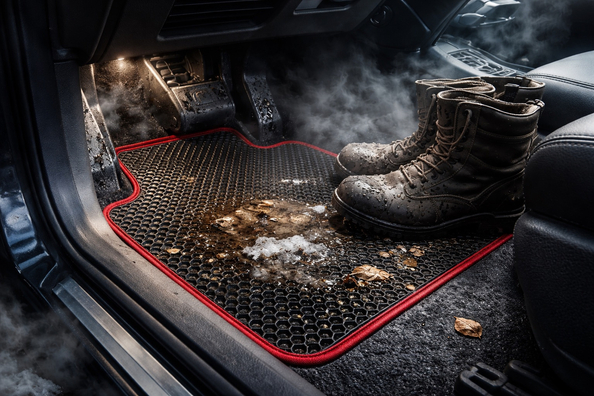
The simplest way moisture gets into the cabin is through us. In rain or snow, passengers bring water and dirt on their shoes, which settle on the floor. If regular mats are used, moisture accumulates on them and may eventually soak into the carpet underneath. Constantly wet mats increase the humidity inside the car. As a result, condensation forms on cold surfaces (windows), and the cabin feels damp. The problem is especially noticeable in winter when snow melts on the mats, turning into “slush.” If wet mats are not dried regularly, a characteristic musty smell from mold in the damp environment will appear over time.
Another source of unwanted moisture is an incompletely dried interior after wet cleaning or spilled liquid. If mats, seat upholstery, or carpet were soaked during cleaning, they must be thoroughly dried. Otherwise, residual water, especially in a closed space, will evaporate and increase humidity. When the cabin heats up (for example, from the heater in winter), this hidden moisture turns into vapor, condensing on the windows. Even a small wet spot from spilled water or a drink on the carpet can evaporate for a long time, creating a musty smell. Therefore, after interior detailing or accidental flooding (for example, leaving a window open in the rain), it’s important to remove water and ventilate the car immediately.
Even a fully functional car can “fog up” if used incorrectly. When a car stands for a long time with closed windows, especially in a damp environment (like a humid garage), condensation and stale air accumulate inside. If the car is sealed immediately after a trip, residual moisture has no way out. Regular ventilation is essential—just 3–5 minutes with open windows is enough to balance humidity, especially after rain or washing.
Another factor is the condition of the cabin filter. A dirty filter prevents normal air circulation, so moisture cannot escape. When air doesn’t renew, a warm, humid microclimate forms—ideal for mold growth. As a result, stale “garage” smells, mold on upholstery, and even corrosion of hidden metal parts appear. Remember that the “A/C” mode is useful not only in summer—it also dehumidifies the air in winter and helps defog windows.
If moisture appears under the mats even in dry weather, check the rubber seals on doors and windows. Over time, rubber seals lose elasticity, crack, or detach from their seats. Damaged seals no longer ensure tightness, allowing rainwater to seep into the cabin through doors or pillars. Often, windshield or rear window leaks are to blame—due to degraded adhesive seams or worn rubber gaskets. Water entering this way flows under the mats. You may notice wet sills, damp lower door trim, or puddles underfoot. Trunk seals should also be inspected: even a small crack can let water inside. If a problem is found, replace the seals; otherwise, mats will remain damp after every rain.
A sunroof, if present, is another potential leak source. Over time, its seals wear out or the drainage channels become clogged. Water seeping through the sunroof usually leaves marks on the headliner or runs down the body pillars. Similarly, if the car has undergone body repair, roof seam sealing may be compromised. Dried sealant in roof joints under trim panels can start letting water through. Signs include a wet headliner, water stains, or sagging fabric. In such cases, inspection is needed: clean the sunroof drains, replace the seal, or reseal the joints. Otherwise, rainwater from the roof will inevitably find its way into the cabin, causing a damp smell.
The car has special drain holes to remove water—in the sills, doors, under the windshield, around the sunroof, in the spare wheel well, etc. Normally they are invisible but play a key role. If these drains become clogged with leaves, dirt, or ice, water starts accumulating in the body and eventually finds gaps to enter the cabin. For example, a clogged drain under the windshield (near the heater intake) will cause water buildup that can leak into the blower or passenger footwell. Clogged door drains lead to water sloshing inside the doors and leaking into the cabin through openings. Symptoms include sloshing sounds while driving, constantly wet carpet, or even puddles under mats after washing or rain. To prevent this, regularly clean all body drains (sunroof, doors, hood, trunk) from debris.
In warm weather, the air conditioner dehumidifies the air, and condensation (water) is drained through a special tube under the car. If this A/C drain becomes clogged or damaged, water instead drips into the cabin—usually under the front passenger mat. The sign is a wet front passenger floor after using the A/C, even in dry weather. Over time, an unpleasant smell may appear, as standing water under the carpet is ideal for mold. If you find water on the passenger side without another visible cause, check the A/C drain tube. Clean or replace it—it’s simple and inexpensive but eliminates constant dampness inside.
A less common but serious cause is a leak of coolant from the cabin heating system. If the heater core or its hoses lose tightness, antifreeze begins to seep into the cabin. This fluid may appear as damp spots under the driver’s or passenger’s mat, often with a sweet antifreeze smell. Although the odor differs (sweet rather than musty), the result is the same—high humidity inside. Fogged windows when the heater is on may indicate this issue. In addition, antifreeze vapors leave a greasy film on the glass. A leaking heater core must be repaired immediately, as it not only causes condensation inside and unpleasant odor but can also damage electronic units due to corrosion. If you notice a drop in coolant level and damp floors—repair the heating system without delay.
Leaks can also occur in the trunk compartment, indirectly affecting the cabin. Water can enter through leaky seals of the trunk lid or rear lights. For example, old light seals let rainwater into the fenders, from where it reaches the spare wheel well. If the trunk is damp, mold or a musty smell will eventually spread into the cabin, as air circulates. Signs include fogging of the rear window from inside or moisture on the trunk mat after rain. A minor trunk leak often goes unnoticed until corrosion or mold appears. Therefore, periodically check under the trunk mat and the spare wheel niche for water. If found—dry it, inspect the seals, and fix the leak (sometimes tightening the light or replacing the rubber is enough). There are also special organizers or containers for the trunk niche that help isolate moisture from the carpet.
Sometimes a strong musty smell is felt in the cabin, but no visible water is present. The cause may lie in the air conditioner and ventilation system itself. The A/C evaporator is constantly damp during operation (as water condenses on it), and the temperature plus dust layer create ideal conditions for fungi. If the A/C hasn’t been cleaned for a long time, dirt accumulates on the evaporator fins, teeming with microorganisms. When ventilation is turned on, mold spores spread throughout the cabin, causing a sharp “moldy” smell. In this case, moisture itself may not be excessive, but the odor source is mold colonies in the ducts. The solution is to replace the cabin filter, clean the evaporator, and disinfect the A/C system with special products. Preventive cleaning once a year helps avoid musty smells when turning on the climate control.
As we can see, there are many causes of moisture and unpleasant odors in a car—from simple wet mats to complex hidden faults. Excess humidity harms not only comfort but also the car itself: it accelerates body corrosion, can damage wiring and electronics, and creates mold on upholstery. It’s important to identify and eliminate the moisture source in time. Below we explain how special EVA car mats help keep the cabin dry and clean, preventing condensation and odors.
Prolonged moisture exposure leads to body corrosion. High humidity in the cabin and “slush” under the mats trigger metal deterioration. Don’t let your car reach this state—eliminate dampness causes early.
Most of the mentioned causes are related to water accumulation on the cabin floor. Standard textile or rubber car mats do not always effectively contain this water. Textile (carpet) mats absorb water like a sponge, letting it reach the metal floor. Rubber mats have edges, but water spreads during driving and can flow underneath. As a result, hidden dampness forms under the carpet, causing odor and corrosion.
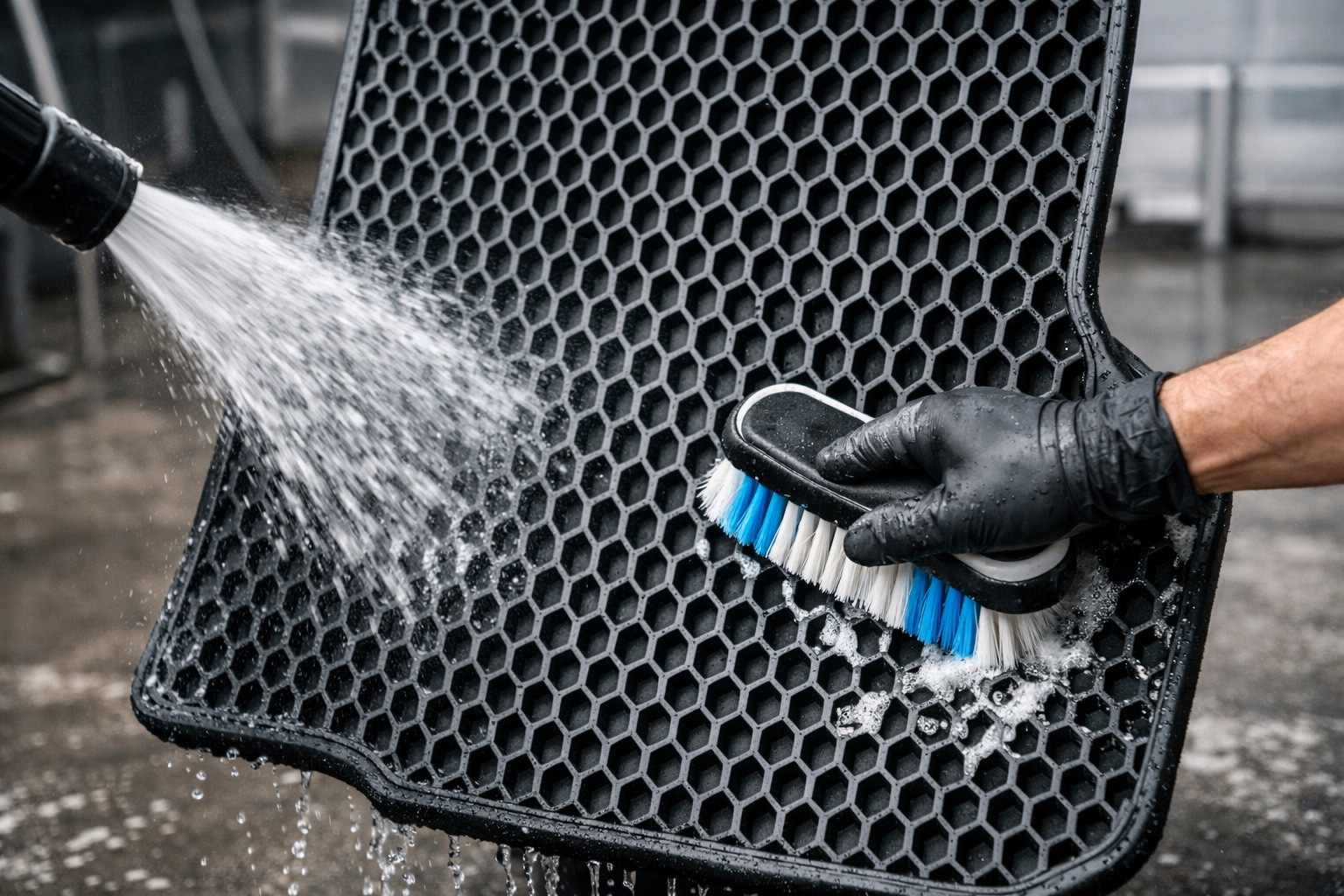
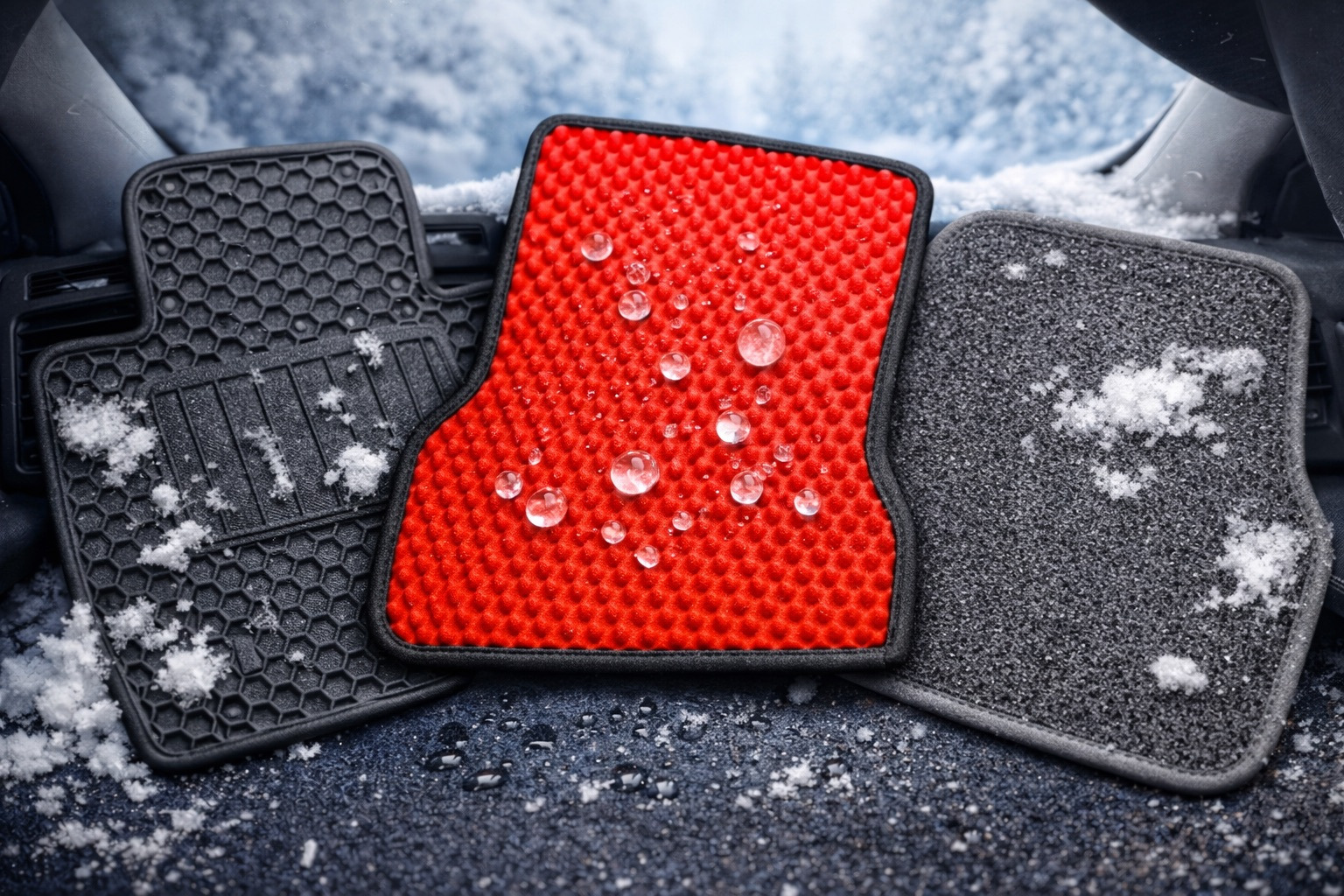
Innovative EVA mats (made from Ethylene Vinyl Acetate) solve this problem by design. The surface of such a mat is covered with a grid of cells (like “honeycomb” or “diamond”). When water or dirt gets on the mat, it falls into the cells and is retained there. Water doesn’t spread across the floor or spill beyond the mat. This is especially useful in winter and mid-season when water from snow and wet shoes regularly enters the cabin.
The EVA material itself is waterproof, so water doesn’t pass through to the floor. Unlike textile, an EVA mat doesn’t get soaked, so after a trip it’s easy to remove and pour out the water. The car floor stays dry. The cellular structure also traps dirt and sand—they collect in the “pockets” and don’t smear around while driving.
It’s also worth noting the properties of EVA material itself. It has no strong odor and is easy to maintain. With regular cleaning and removal of water from the cells, such mats don’t become a source of musty smell. Maintenance is simple: just shake out dry dirt or rinse with water if needed.
In summary: EVA mats significantly reduce moisture accumulation in the cabin. They minimize water evaporation while driving (since water stays in the cells) and make removal easier. The cabin remains drier, windows fog less, and there’s no musty smell from damp carpet. Here’s a brief comparison of different types of car mats:
| Type of car mats | Moisture handling | Risk of odor and mold | Maintenance |
|---|---|---|---|
| Textile (carpet) | Absorb water but may let it reach the car floor. Moisture remains in the fabric for a long time. | High – wet fabric promotes musty smell and mold when damp for long periods. | Must be dried regularly (especially in winter). Dry slowly, hard to wring out completely. |
| Rubber | Do not absorb water, but puddles form. While driving, water may spill over edges or under the mat. | Medium – rubber itself doesn’t mold, but stagnant water underneath causes a musty smell. | Easy to wash but heavy. Water must be drained manually; puddles may freeze in winter. |
| EVA (cellular) | Do not absorb water; liquid collects in cells and doesn’t spread. The floor stays dry. | Low – material doesn’t promote mold, and water is easy to remove before odor appears. | Very easy maintenance – just shake out debris or pour out water. Dries quickly, resistant to chemicals and temperature. |
As seen in the table, EVA mats for the cabin win both in comfort and hygiene. They maintain cleanliness and normal humidity inside, making life easier for car owners. If your car often develops condensation or a musty smell, consider switching to modern EVA mats.
Digital Designs, the company offering car accessories under the DD Tuning brand, has extensive experience in manufacturing EVA mats. We have established our own production, allowing us to control quality at every stage—from selecting certified materials to precise fitting of mats to vehicle parameters. Our specialists constantly improve product design and construction, taking into account practical experience and customer feedback.
The quality and originality of Digital Designs solutions are officially confirmed. Our company holds Ukrainian patents for inventions related to the design of EVA car mats. These patents protect the unique cellular mat structure and its fastening technology. In addition, Digital Designs owns a registered trademark (part of the DD Tuning group), emphasizing our brand’s authority in the market. We ensure compliance with all regulations and standards—from materials to design. Buying directly from the rights holder guarantees top quality and protection from counterfeits. Our official patent and trademark documents prove that you are choosing a product verified by time and law.
Digital Designs as an EVA mat manufacturer aims to provide drivers with comfort and confidence in their cars. Thanks to high-quality materials and innovative solutions, our knowledge (Expertise) and experience (Experience), we offer a product that deserves trust (Authoritativeness) and brings real benefit (Trust) to every car owner. Eliminate condensation and dampness in your cabin with modern EVA mats—and enjoy driving in a dry, clean, and cozy car!
Author: DD Tuning Team
Created with: material prepared with the help of an AI assistant; final editing and verification — by the DD Tuning team.
Updated:
Shipping to EU
Wholesale and retail
Own warehouse
Опис продукту
Подарунки не надаються при оформленні покупки у кредит під 0,01% або при покупці частинами.