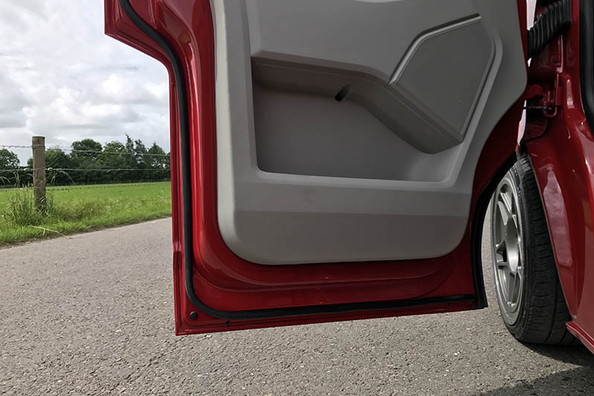
Installing additional seals on car doors is a popular and affordable way to improve the cabin’s insulation. This type of tuning not only combats the main enemy of comfort – noise – but also provides several protective functions.
High-quality factory seals wear out over time, lose elasticity, or fail to cope with the design features of budget models. Adding a second sealing contour solves these issues comprehensively.
Why additional seals are needed
- Noise reduction: The main reason for installation. Extra insulation significantly absorbs noise from wind, passing vehicles, and vibrations, making the cabin noticeably quieter and more comfortable.
- Protection from dust and moisture: Improved sealing prevents fine dust, dirt, and moisture from entering the cabin and door sills. This is especially relevant in regions with poor road conditions.
- Thermal and cold insulation: In winter, the additional contour helps retain heat, while in summer it keeps the air conditioning cool inside, reducing the load on the climate system.
- Paint protection: Seals installed on the inner part of the doors minimize contact between the door frame and sills, preventing paint wear.
Installation and selection guidelines
To ensure effective installation without damaging the structure, follow these recommendations:
- Material selection: Use specialized automotive rubber or rubber-compound seals with high elasticity.
- Surface preparation: The installation area must be thoroughly degreased and dried. A primer can be used for better adhesion.
- Installation location: The additional contour can be installed either on the inner perimeter of the door frame or directly on the door itself. The key is to create a tight second contour that does not interfere with the lock mechanism.
After installation, make sure the doors close easily without excessive force to avoid hinge deformation.