 Author: Radomskyi Maksym Vasyliovych
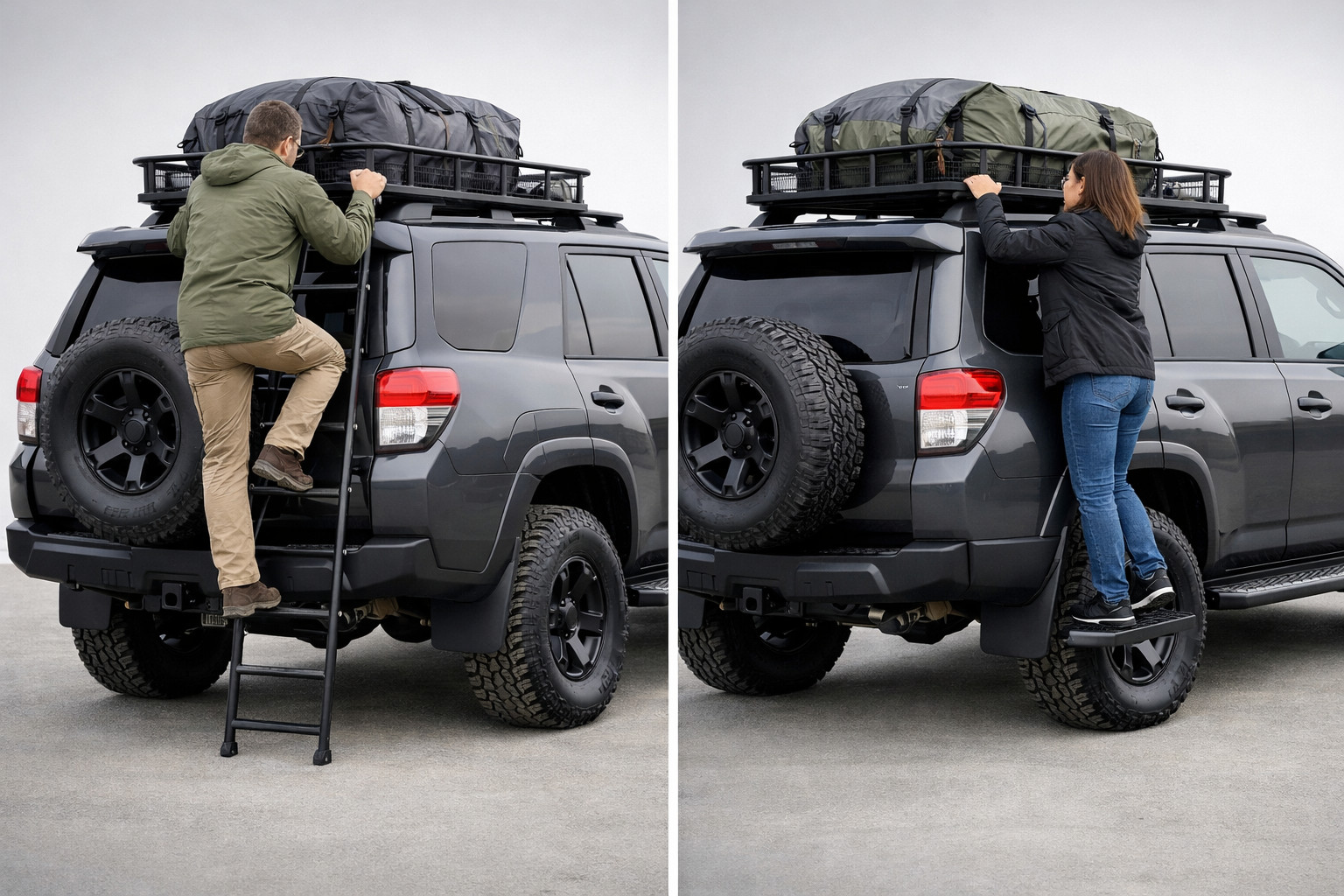
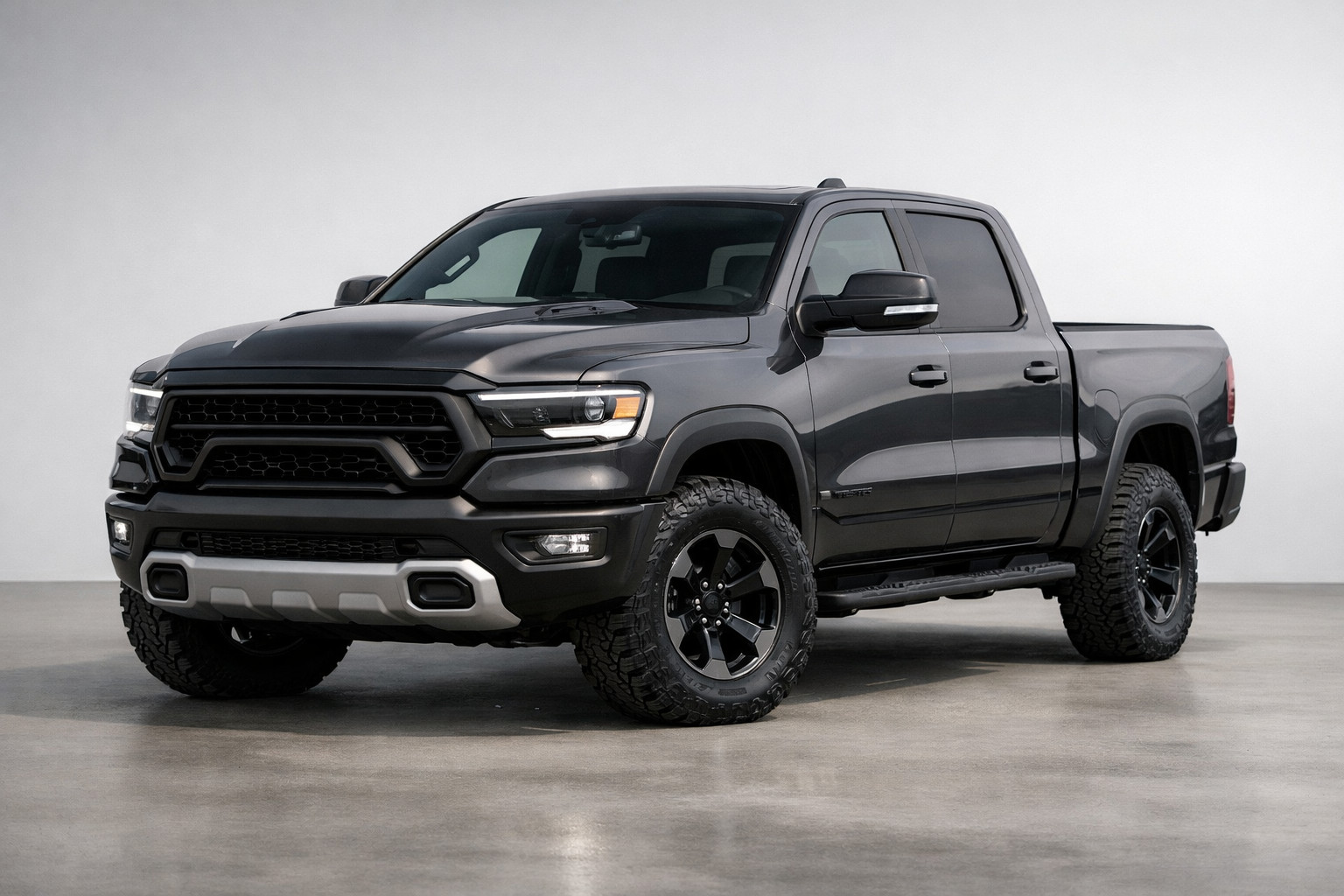
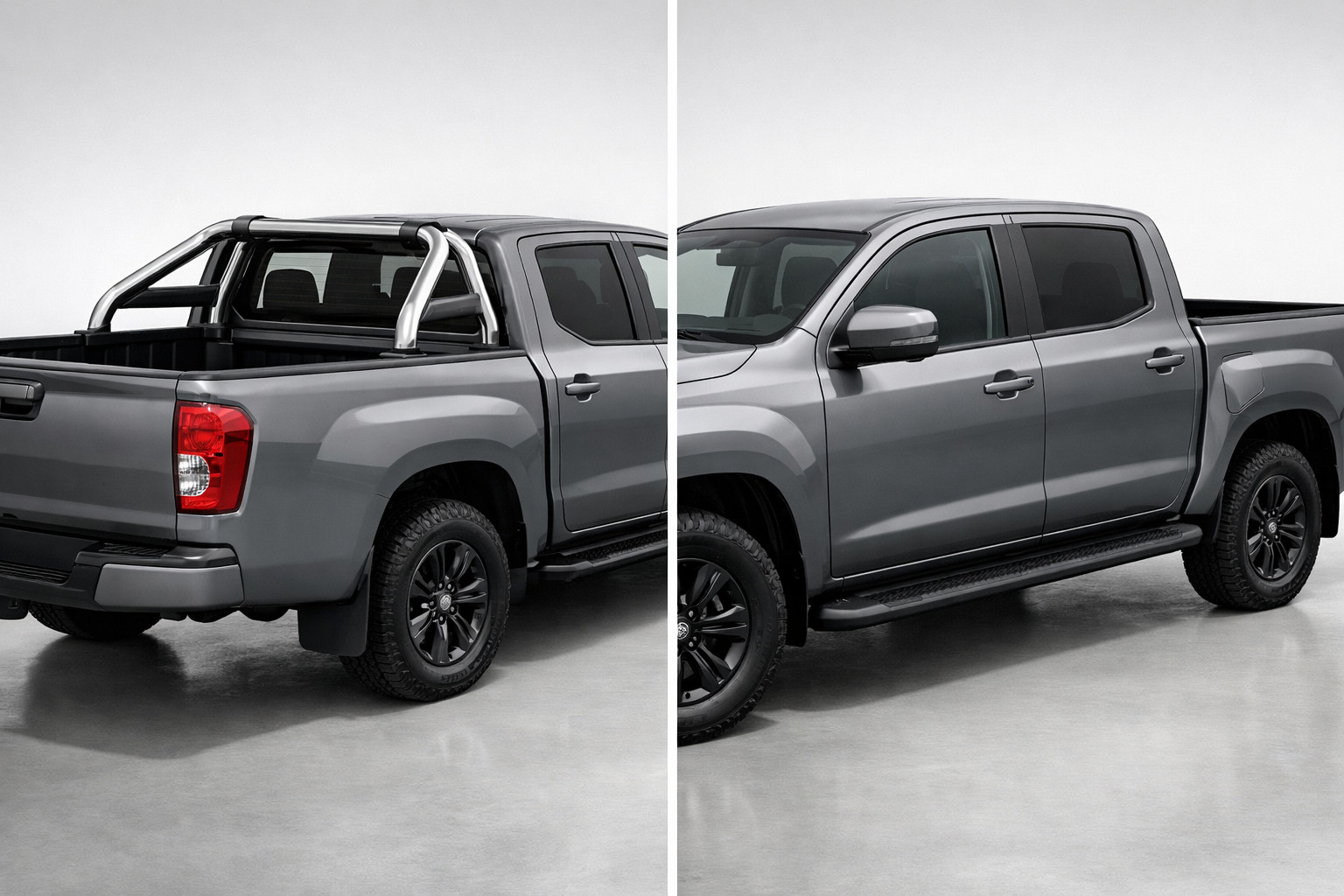
If you use a pickup every day, in most cases side steps will be more useful. They genuinely make getting in and out easier, improve access to the roof, and the extended wheel-to-wheel versions also help you reach items in the bed. A bed roll bar wins where looks, a mounting point for auxiliary lights, and visual emphasis matter—but not everyday practicality.
An important nuance: under the name “bed roll bar,” different manufacturers hide different designs. In this piece, we’re talking specifically about a styling sport bar, not a cargo rack. That’s crucial, because in a representative factory example such a bar isn’t intended for securing cargo at all.
What the choice really comes down to
It’s simple: side steps work for the driver and passengers every day, while a bed roll bar doesn’t always. If the truck is tall, you have kids or elderly passengers, you often drive in rain, snow, or work clothes, the benefit of steps is noticeable from day one. If, however, your pickup is more about image, auxiliary lighting, and a clean bed setup, then the logic shifts in favor of the bar.
Another difference is the “use zone.” Steps help by the cab and, in long versions, near the front of the bed. A bar works above the bed: it adds a place for lights, sometimes has an integrated auxiliary brake light, but it doesn’t solve getting into the cabin and doesn’t replace proper access to cargo.
What criteria to compare by
- Installation. For both solutions, no-drill kits are common, but with a bar you must separately check compatibility with a bed cover and any possible wiring connection.
- Noise and vibrations. A sport bar can whistle at speed due to aerodynamics. With tubular steps, the issue is different: if the kit installs under tension or touches the body without insulation, noises and vibrations can appear.
- Service life. The decisive factors are material, wall thickness, bracket quality, coating, and installation accuracy. Shape alone doesn’t guarantee durability.
- Practicality. Steps provide a constant foothold, and wide textured platforms work better in wet weather. A bar is practical only for narrow tasks: lighting, visual accent, sometimes an auxiliary brake light.
- Price. In factory examples, a sport bar costs noticeably more: about $1450 versus roughly $735–$950 for side steps.
Quick comparison of the options (table)
| Option | Strengths | Weaknesses | Who it’s for |
|---|---|---|---|
| Bed roll bar | Creates a bold look, may have an integrated auxiliary brake light, suitable for mounting additional upper lights | Not necessarily suitable for securing cargo, can whistle at speed, compatibility with a tonneau or bed cover must be checked separately, higher price | Those who want to change the pickup’s look and have a specific need for lighting or bed styling |
| Side steps | Make entry and exit easier, help you reach the roof, protect the rocker panels from dirt and stones, often install without drilling | Tubular models can transmit noise and vibrations if installed poorly; usefulness depends on platform width and surface type | Those who drive daily, carry family, tools, or often work around the bed |
| Extended wheel-to-wheel steps | Offer the same benefits as standard steps, and also make access to the front part of the bed easier | More expensive than basic steps; it’s important to verify length and fitment for your specific bed | Those who regularly grab items from the bed from the side, carry tools, or often work with cargo |
DD Tuning expert comment: The most common mistake is buying a bar by photo and assuming it automatically works for securing cargo. The second typical problem is choosing steps without looking at the brackets and isolation elements: if, after installation, the kit pinches the body or frame anywhere, squeaks, droning, and extra vibrations appear. Before ordering, always confirm not only the vehicle model, but also cab type, bed length, and whether a cover is installed.
Detailed breakdown of each option
Bed roll bar
In the factory example, the sport bar has an aluminum design with two rows of tubes, a 76 mm tube diameter, 2 mm wall thickness, 1801 mm length, and 632 mm height. So it’s not a small decorative piece, but a noticeable accessory that changes the pickup’s silhouette. Plus, it’s prepped for additional upper lighting and has a built-in auxiliary brake light.
But the practical downside is also significant: simply having a bar doesn’t mean you can tie cargo to it. If you need to carry luggage, gear, or long items, you must read the intended use of the specific model rather than go by the name. Also check compatibility with a soft cover, roll-up cover, or folding bed cover separately—this is where conflicts in mounting points and height often show up.
Side steps
With side steps, the logic is different: they solve a practical task. In the brand example shown, the steps support up to 136 kg, have a 164 mm usable width, and a textured surface for better grip. That means the benefit is defined not by “tube or not a tube,” but by how comfortably you can actually place your foot in mud, rain, or winter conditions.
For a pickup, long wheel-to-wheel steps are especially interesting. In the representative option, their length is 2788 mm, and the main advantage isn’t the number—it’s side access to the bed. If you keep tools, jerry cans, boxes, or tie-downs closer to the cab, this step noticeably saves effort. In terms of installation, steps are often simpler than a bar, but this is exactly where you can’t ignore bracket quality: a poorly fitted kit causes not only play, but also noise.
Which option is better for different scenarios
For an urban and family pickup, side steps are usually the better choice. They help not occasionally, but every time you get into the vehicle or let passengers out. If the truck is lifted, on big tires, or often driven in wet weather, the difference becomes even more noticeable.
For a work pickup where bed access matters, the most sensible option is extended steps. For a show build, expedition look, or a truck where the main goal is auxiliary lighting and an exterior accent, choosing a bar can be justified. But if you’re torn between “looks” and “usefulness,” in most real-world scenarios the steps win.
Use scenario and what’s better to choose (table)
| Scenario | Best choice | Why |
|---|---|---|
| Daily driving, family, kids, high ground clearance | Side steps | Make entry and exit easier every day, especially in rain, snow, and mud |
| Tool work and frequent side access to the bed | Wheel-to-wheel steps | Provides support not only by the doors, but also closer to the bed; less reaching over the side |
| Need additional upper lighting and a bold look | Bed roll bar | This is where its function makes sense: bed styling, a place for lights, and an auxiliary brake light on some versions |
| Need to secure cargo on the structure itself | Don’t choose blindly | The name “bar” guarantees nothing: some models aren’t rated for cargo at all |
| Want one accessory “for looks and for utility” | Wide side steps | They look noticeable, yet deliver daily practical value—something a bar often lacks |
Common mistakes when choosing
- Confusing a sport bar with a load-bearing cargo structure. This is the most expensive mistake, because expectations don’t match the product’s purpose.
- Ignoring compatibility with a tonneau or bed cover. Even if the mounts fit, the cover may no longer fold properly.
- Looking only at tube shape, not the platform. For steps, the textured surface, width, and foot placement comfort matter.
- Saving on brackets and installation accuracy. This is where noise, looseness, and disappointment are born.
- Not considering your usage scenario. If the pickup carries people daily, a bar won’t replace steps. If the truck is being built for lighting and image, simple steps won’t deliver the effect you want.
When a more expensive solution makes sense
A more expensive purchase makes sense when you’re paying not for a “thicker tube in the photo,” but for precise fitment, better brackets, proper coating, and real function. If you’re looking specifically at bed roll bars, the extra cost is justified only if you need an integrated auxiliary brake light, lighting prep, and a clean fit without improvised modifications.
In the case of side steps, it’s worth paying extra for a wider platform, a textured pad, and proven no-drill mounting. And if you’re choosing an accessory for a specific pickup, it’s helpful to look at ready-made selections like steps for Silverado, where it’s easier to verify cab type, wheelbase length, and mounting compatibility.
From a customer’s experience: the owner of a tall pickup initially wanted a bar for the looks, but carried tools daily and often tossed items closer to the cab. In the end, he chose long wheel-to-wheel steps and was happy not because of the picture, but because it became easier to get into the truck, retrieve cargo, and keep clothes cleaner instead of rubbing against the bed side.
Conclusion
For most real pickup owners, side steps will be more useful—and even better, extended ones if you often work with the bed. A bed roll bar makes sense not as a universal purchase, but as a specialized accessory for styling, upper lighting, and a specific vehicle configuration.
In short: if you need daily utility, a safe foothold, and access to the bed—get steps; if you need an image and an upper zone for lights—look at a bar. This conclusion is based on real selection experience, installation practice, and typical usage scenarios—not just catalog descriptions.
How it works
- Determine what you need more If the pickup is used every day for getting in and out and accessing the bed, side steps are more practical. A bed bar makes sense primarily when appearance, space for additional lighting, or an integrated brake light are important.
- Check the usage scenario For family trips, high ground clearance, rain, snow, and mud, steps are the better choice. If the vehicle is more about style, show effect, or an expedition look, then a bar can be considered.
- Assess compatibility with the body and equipment Before buying, check the vehicle model, cab type, bed length, and whether there is a cover or tonneau. For a bar, separately check compatibility with the bed cover and the possibility of connecting wiring.
- Compare the design and ease of use For steps, the width of the platform, textured surface, quality of brackets, and installation without pressing against the body are important. For a bar, check whether there will be whistling at speed, and remember that it is not intended for cargo mounting unless explicitly stated by the manufacturer.
- Choose the option based on your priority If you need everyday practicality, a safe step, and better access to the bed, choose side steps, and for frequent side access — long wheel-to-wheel ones. If design and overhead lighting are the priority, then choose a bed bar.
- Do not skimp on mounts and installation accuracy The most common issues are noise, play, and vibrations due to weak brackets or poor fitment. Choose a kit with proper compatibility and install it without misalignment or excessive pressure on the body.
Pros and cons
Side steps really make getting in and out of the vehicle easier every day, especially on a tall pickup, in rain, snow, or when children and elderly passengers are riding in the car.
Extended steps from wheel to wheel also provide easier access to the front part of the bed, so there is less need to reach over the side for tools or other items.
The steps work as a permanent footstep and, in the example shown, have a textured surface, which is useful in wet weather.
A bed bar may be justified if you need additional overhead lighting, an integrated brake light, and a more distinctive pickup look.
A styling bed bar is not a universal solution: in some versions, it is not intended for cargo mounting at all.
For bed bars, compatibility with a tonneau cover, roller cover, or bed cover must be checked separately, as mounting and height conflicts may occur.
A sport bar can whistle at speed, and side steps, if installed poorly, can produce noise, play, and vibrations.
According to factory examples, a bed bar is noticeably more expensive than side steps, so for purely practical tasks the extra cost seems hard to justify.