

































































 Author: Radomskyi Maksym Vasyliovych
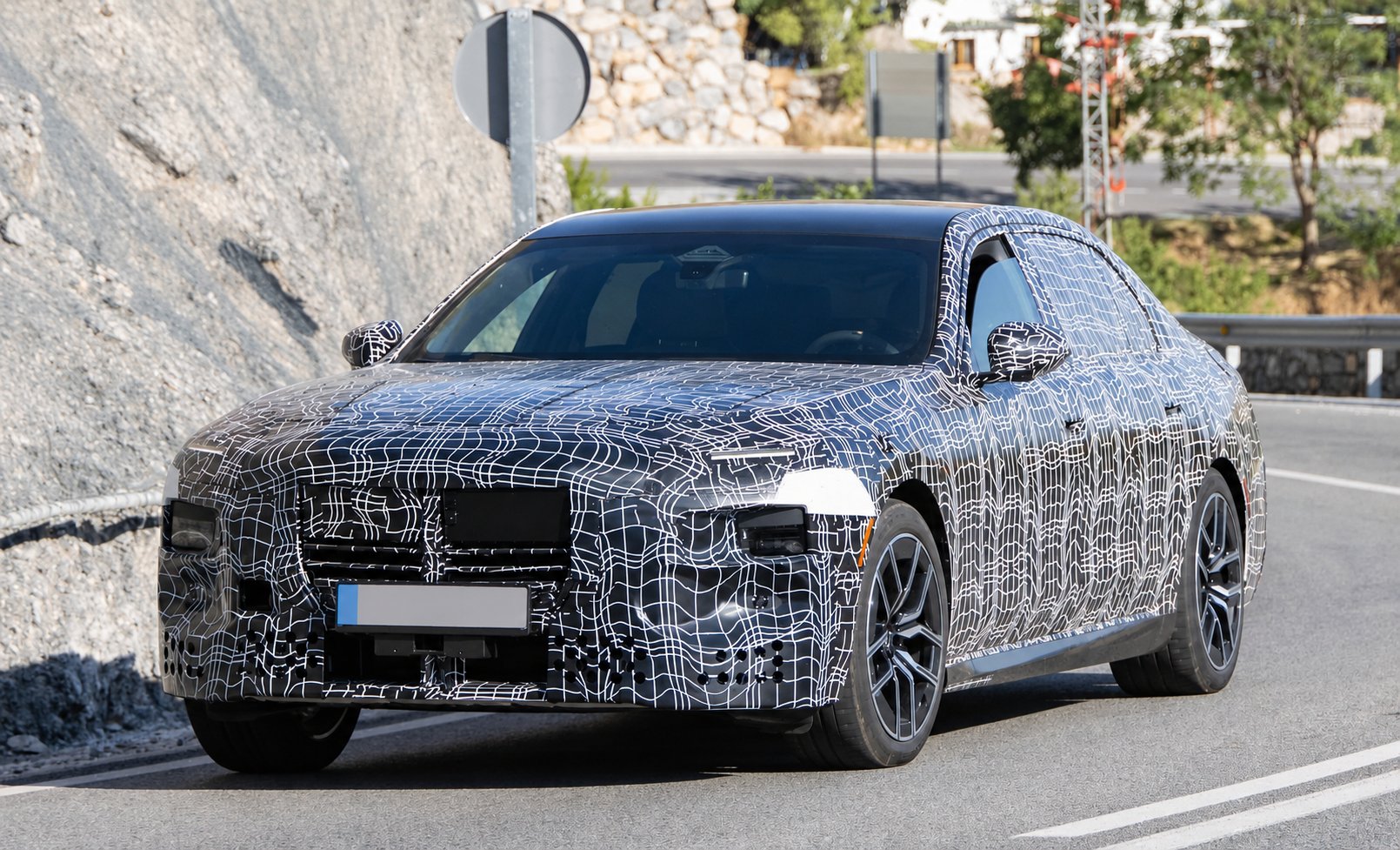
The BMW 7 Series Alpina 2027 does not yet have a publicly confirmed production specification, so the key right now is separating expectations from facts. The facts are these: the basis for the discussion remains the current BMW 7 Series G70/G71 2022-, and Alpina itself, if such a version appears, will almost certainly not be a separate model but a more refined and faster interpretation of BMW’s flagship sedan.
So the point of this news isn’t that we already have a finished car in front of us, but where BMW’s upper segment is heading. To understand who this kind of car is for, it’s worth looking at the real technical foundation of today’s 7 Series—its dimensions, powertrains, and everyday compromises.
Model and its place in the market
The BMW 7 Series is a large executive sedan for those who value highway quietness, strong pulling power, second-row comfort, and flagship status without stepping into the ultra-luxury brand class. A potential Alpina version for 2027, if BMW brings it to production, should occupy the niche between the regular 7 Series and harder-edged sporty trims: less showy sport, more speed, precision, and expensive details.
This car isn’t for everyone. It makes sense for an owner who drives a lot on highways or often carries passengers in the back. For city life with tight courtyards, high curbs, and a desire for a low-maintenance car, the 7 Series format is already not the most convenient by itself.
Generation and model history
The 7 Series has a long, consistent history: each generation has been BMW’s technology showcase. That’s why talk about an Alpina 2027 should be tied not to rumors, but to the model’s evolution.
| Generation | Production years | In short |
|---|---|---|
| E23 | 1977-1986 | The start of the 7 Series as the brand’s flagship sedan |
| E32 | 1986-1994 | More electronics, higher comfort level |
| E38 | 1994-2001 | One of the most successful classic 7 Series for balance |
| E65/E66 | 2001-2008 | A sharp leap in design and complex electronics |
| F01/F02 | 2008-2015 | A return to a more restrained style and a mature chassis |
| G11/G12 | 2015-2022 | Active electronification, lightweight materials, hybrid versions |
| G70/G71 | 2022- present | The current base for all discussions about 2027 |
Speaking realistically, 2027 for the BMW 7 Series looks more like an evolution of the current generation rather than a guaranteed all-new generation. The same applies to a possible Alpina version: first, we need to wait for an official production configuration.
Engines and transmissions
There are currently no official engines specifically for the BMW 7 Series Alpina 2027. So below are the real powertrains of the current 7 Series G70/G71, which define the technical framework for any future top version. The lineup depends on the market.
| Version | Powertrain | Power | Transmission |
|---|---|---|---|
| 740i / 740i xDrive | gasoline 3.0 inline 6-cylinder turbo, mild hybrid | 381 hp | 8-speed automatic |
| 740d xDrive | diesel 3.0 inline 6-cylinder, mild hybrid | 300 hp | 8-speed automatic |
| 750e xDrive | 3.0 inline 6-cylinder plug-in hybrid | 489 hp | 8-speed automatic |
| M760e xDrive | 3.0 inline 6-cylinder plug-in hybrid | 571 hp | 8-speed automatic |
| 760i xDrive | gasoline 4.4 V8 turbo, mild hybrid | 544 hp | 8-speed automatic |
For a future Alpina, the most logical options look like either the V8 version or a very powerful hybrid, but for now this is only a technical assumption based on the current lineup. An important point for the buyer: in this class, the difference isn’t made by power alone, but by how the gearbox, suspension, brakes, and sound insulation are tuned.
Body, dimensions, and chassis
The current 7 Series is large even by class standards. That’s why any Alpina interpretation for 2027 won’t be about city agility, but about high-speed stability, ride smoothness, and a long wheelbase.
| Parameter | Reference for BMW 7 G70/G71 | Practical meaning |
|---|---|---|
| Body type | sedan | maximum space for the second row |
| Length | 5391 mm | takes getting used to in a tight city |
| Width | 1950 mm | doesn’t like parking and narrow ramps |
| Height | 1544 mm | a high roof adds a sense of space |
| Wheelbase | 3215 mm | key to second-row comfort |
| Ground clearance | around 136 mm, depending on version | curbs, steep driveways, and winter slush require attention |
| Trunk volume | up to 540 L, depending on powertrain | enough for trips, but not a record for this size |
From the chassis, you expect not stiffness, but controlled, premium movement without nervousness. If an Alpina comes out, its signature character is more likely to be found in fine retuning of the suspension, steering, brakes, and aerodynamics—not in a crude “sporty” effect.
Interior, comfort, and safety
The 7 Series’ strong side is the feeling of isolation from the road. Here, it’s not only materials that matter, but also seating position, rear space, acoustic comfort, and the level of driver assistance electronics. In a flagship of this class, the buyer pays for this sum of details, not just for a big body.
From a safety standpoint, the 7 Series traditionally relies on a wide set of driver assistants, cameras, lane-keeping systems, distance control, and parking aids. The practical side is different: the more complex the equipment, the more expensive diagnostics and post-warranty repairs become. For a used flagship, this is one of the key check points.
Everyday use
In daily life, the 7 Series appeals not with numbers, but with how easily it eats up long routes. On the highway it’s logical, quiet, and calm. In the city, compromises begin: dimensions, expensive tires, the risk of scratching the lower bumper, and a lot of costly electronics.
- Suitable for those who often travel between cities, carry family or business partners, and value quietness and a reserve of pulling power.
- Not suitable for those who maneuver every day in a cramped courtyard, want inexpensive upkeep, or are relaxed about low ground clearance.
If you’re waiting specifically for an Alpina 2027, it’s worth budgeting right away that running costs won’t be cheaper than a regular top-spec 7 Series. Not only parts become more expensive, but also mistakes in choosing wheels, tires, trim pieces, and exterior plastics.
Strengths and weaknesses
| Strengths | Weaknesses |
|---|---|
| Quiet and very stable on the highway | Uncomfortable in a tight city due to its size |
| Strong lineup of engines and hybrids | Expensive tires, brakes, and body components |
| Truly spacious second row | Low ground clearance for everyday curbs and rough roads |
| High level of comfort and electronics | Complex equipment is more expensive to diagnose and repair |
| A good base for a restrained Alpina version | Easy to ruin the look with poor exterior tuning |
From an owner’s perspective, the main question is simple: are you ready to pay for a big flagship not only at purchase, but also in the small details of daily use. If yes, the 7 Series repays that with ride quality. If not, the car quickly starts to feel too big and too demanding.
Tuning and accessories
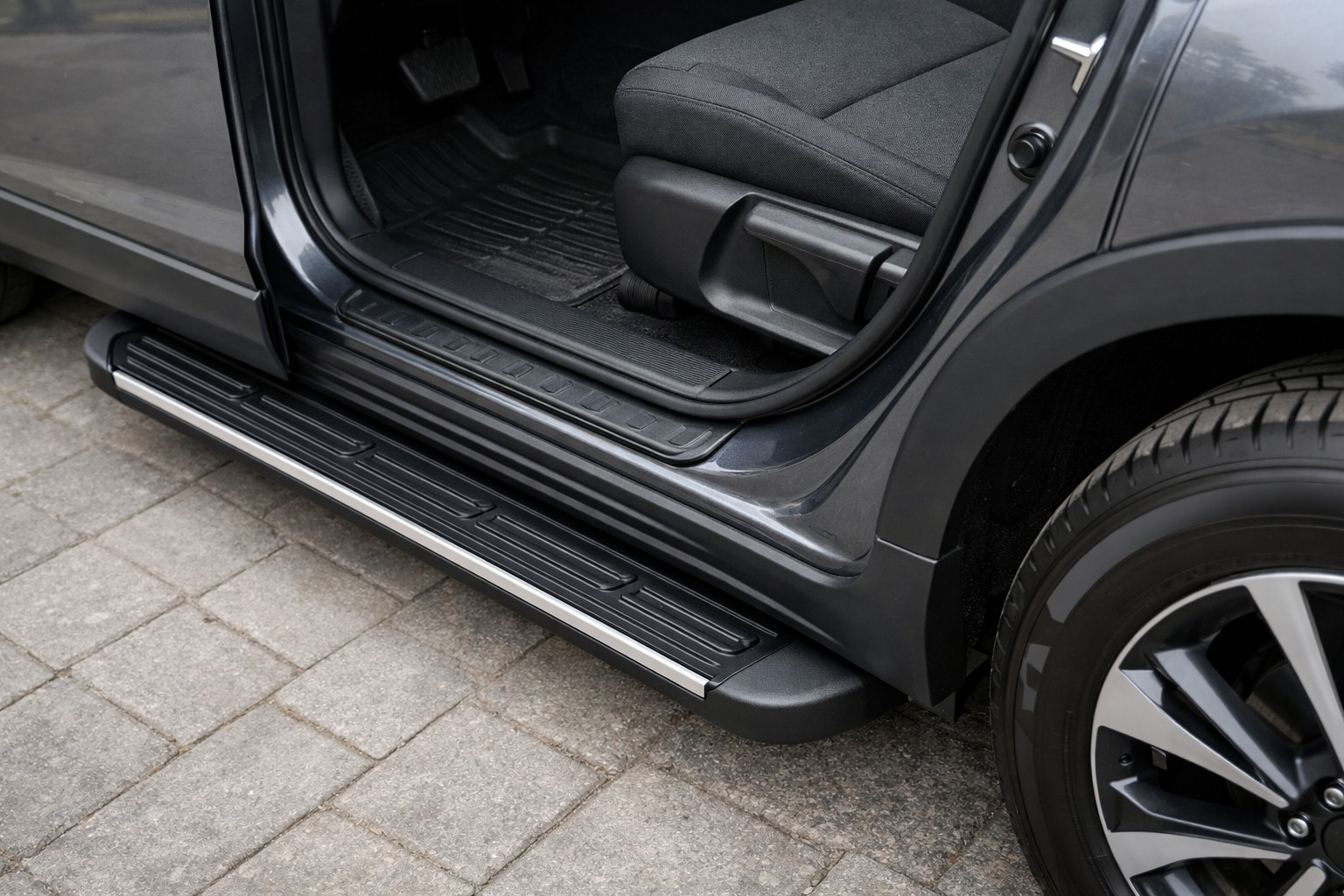
For the BMW 7 Series, practical tuning is almost always smarter than decorative tuning. In the case of a future Alpina, this is even more important: a car of this format won’t tolerate random plastic, excessive chrome, or parts that break the restrained premium look. It makes sense to focus on protecting the interior, the lower bodywork, and neat exterior accents.
What to check out for this model
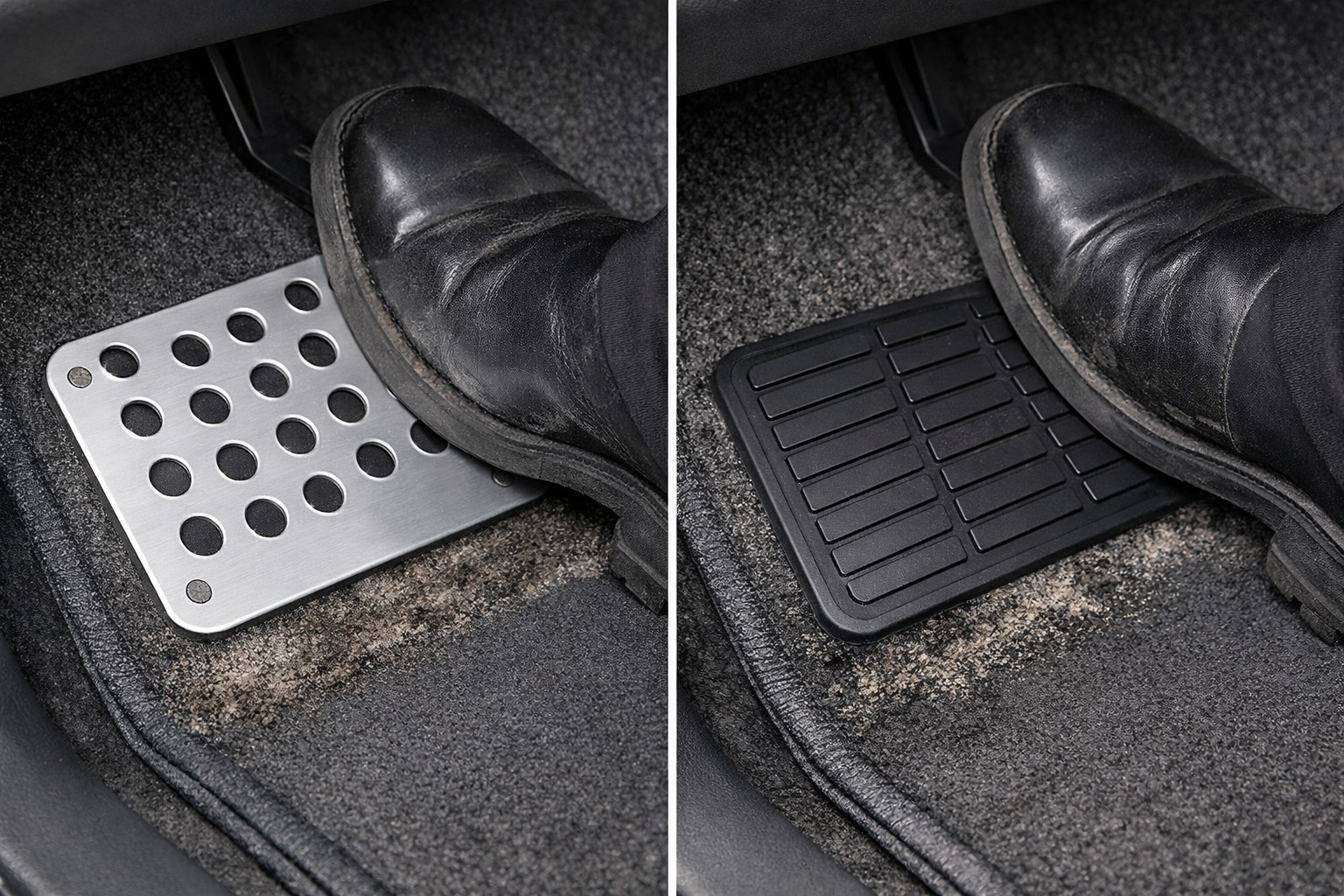
- Floor mats — the first thing that really takes on dirt and moisture in an expensive interior.
- Mud flaps — useful for protecting the lower edges of doors and sills from sand and wet slush.
- Body kit set — if you want a visual accent in an expensive grand-tourismo style rather than a crude sporty effect.
The most common mistake here is trying to turn the 7 Series into an “aggressive project.” For this model, neat, model-specific accessories work better—ones that don’t interfere with everyday use and don’t reduce the car’s liquidity.
Conclusion
For now, the BMW 7 Series Alpina 2027 should be viewed as an expected top interpretation of the current flagship rather than a fully revealed production model. If you need a big sedan for long trips, rear-seat comfort, and a calm, premium feel, it makes sense to keep an eye on this version. If your priority is compact size, simple ownership, and indifference to road conditions, the 7 Series’ compromises won’t go away even in Alpina form. This material is based on real selection experience, hands-on practice, and real usage scenarios—not on advertising promises.
Pros and cons
Strong foundation for long trips: the model is described as quiet, stable on the highway, and comfortable for rear-seat passengers. For those who often travel between cities, this is a practical advantage.
The spacious cabin and long wheelbase provide a noticeable amount of rear legroom. This makes the sedan convenient for carrying passengers, not just for the driver.
The current 7 Series already has a wide range of powertrains, including hybrid versions and V8. This creates a solid technical basis for a future Alpina version.
The suspension and chassis are aimed not at stiffness, but at controlled and smooth ride quality. In a potential Alpina, this could provide a more precise yet still comfortable setup without unnecessary “sporty” harshness.
Due to its large size, the car is inconvenient in tight city conditions, especially when parking and maneuvering in narrow yards. This is compounded by the body width, which does not like narrow ramps.
Low ground clearance and large wheels make the sedan vulnerable to curbs, bad roads, and winter slush. For everyday use, this requires constant attention.
Keeping such a flagship is expensive: costly tires, brakes, body parts, and the risk of expensive electronics repairs after the warranty are mentioned. This is not a car with a simple ownership budget.
For the BMW 7 Alpina 2027, there is still no confirmed production specification, so some expectations are based only on assumptions. This means the real characteristics may differ noticeably from the expected ones.