
































































 Author: Radomskyi Maksym Vasyliovych
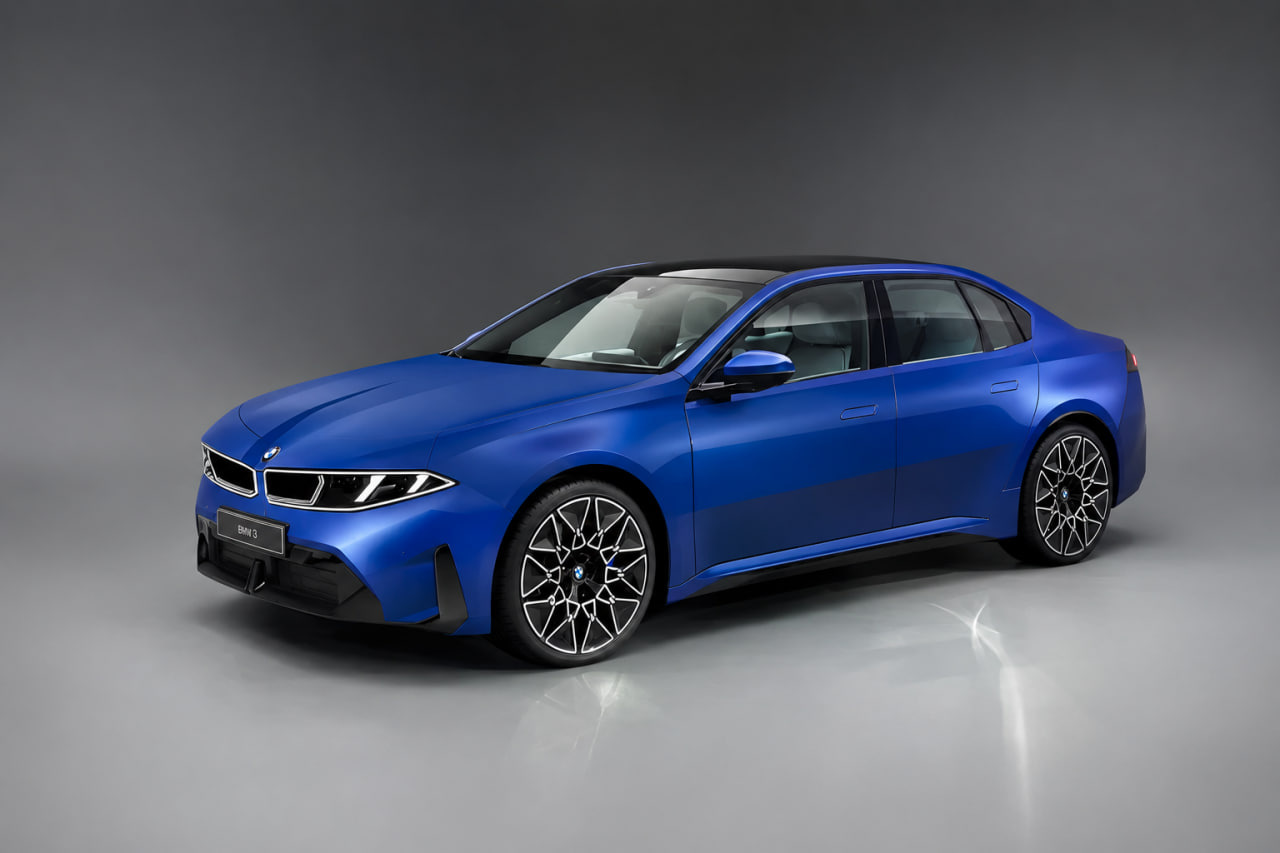
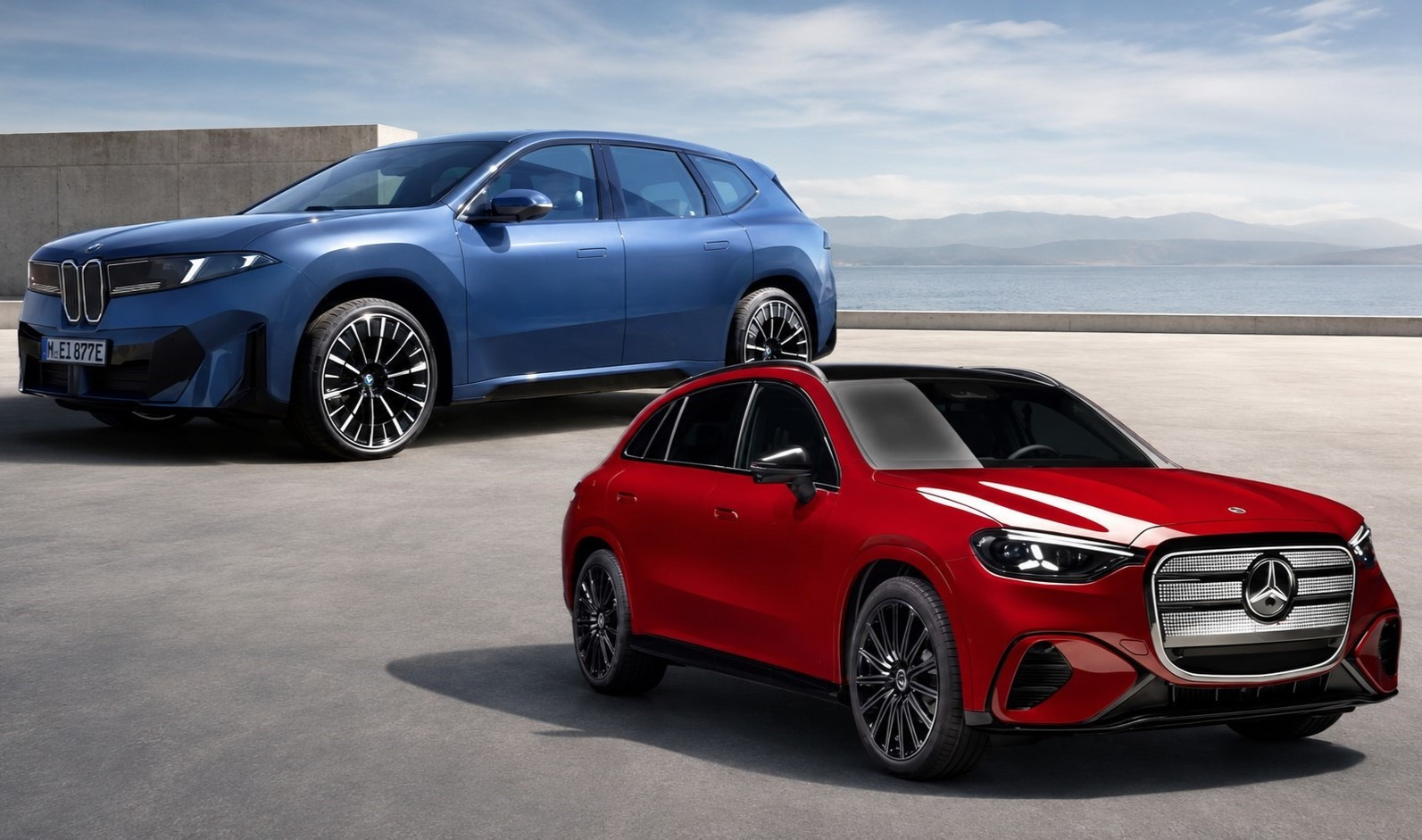
If you need one electric crossover for every task, the BMW iX3 50 xDrive looks stronger. It has a larger battery, faster peak DC charging, a more practical luggage compartment, a front trunk, and early reviews praise it for composed highway manners.
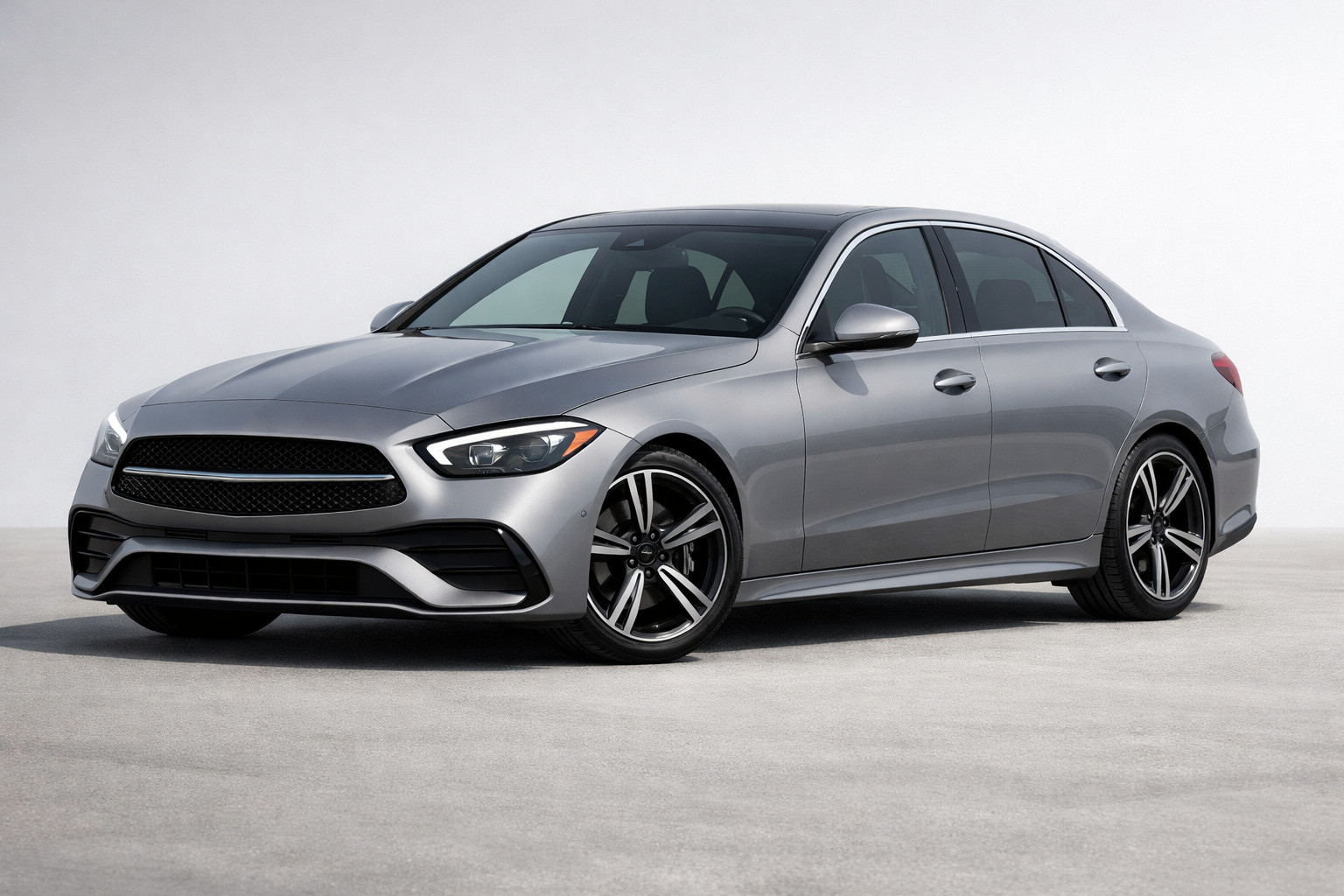
The Mercedes-Benz GLC 400 4MATIC with EQ Technology is more interesting in a different scenario: when silence, a softer suspension, everyday comfort, and frequent towing matter. But there are two caveats: these models quote range under different cycles, and there’s still very little long-term data on battery durability, suspension wear, and electronics.
What the choice comes down to
Essentially, it’s a choice between versatility and a comfort-first focus. BMW wins on practicality: 112.2 kWh usable capacity, up to 400 kW on fast charging, 861–1841 L of cargo space plus 57 L up front. Mercedes answers with better cabin quietness, a softer chassis, 800 N·m, and a stronger ability to tow up to 2400 kg.
0–100 km/h acceleration is secondary here. The difference between 4.3 and 4.7 s is felt far less than the differences in highway noise, cargo usability, charging pace on the road, and how the car deals with broken city asphalt.
Which criteria to compare by
- Practicality. For a family and trips, BMW clearly wins on cargo volume and the presence of a front compartment. In the Mercedes, the cabin may feel more premium, but the actual space for things is more modest.
- Charging and infrastructure setup. If you don’t have a proper AC charging point at home or at work, living with any electric crossover will be harder. In that case, the peak difference of 330 vs 400 kW matters mainly on the highway, not day to day. Home charger installation, access to a parking space, and your electricity tariff should be calculated before you buy.
- Noise and comfort. First impressions suggest the Mercedes is quieter and softer, while the BMW feels more tied down but reacts more firmly to sharp impacts and lets more tire noise through.
- Durability and technical complexity. There’s no broad статистics yet, so it’s better to look at design risk rather than forums. The Mercedes has more complex chassis solutions, especially with air suspension and rear-wheel steering. The BMW puts the focus on the battery, charging speed, and digital architecture.
- Total cost of ownership. What matters isn’t just the car’s price, but also insurance, tires, potential equipment, home charging, depreciation, and whether you’ll need to buy separate cargo solutions.
Towing is worth highlighting separately. If you truly pull a trailer, boat, or a heavy platform, the Mercedes advantage here is practical, not theoretical.
Quick comparison of the options (table)
| Option | Strengths | Weaknesses | Who it suits |
|---|---|---|---|
| BMW iX3 50 xDrive | Larger battery, faster DC charging, better cargo practicality, has a frunk, a more convincing format for long trips, good stability at speed | Harsher over bumps, tire noise is more noticeable, weaker towing, range depends heavily on tires | Those who want one electric crossover for city, highway, vacations, and family outings |
| Mercedes-Benz GLC EQ | Quieter cabin, softer ride, higher torque, better towing capability, interesting chassis solutions for real-world driving | Smaller trunk, no frunk announced yet, less of a focus on long trips, still little data on the new tech | Those who value comfort, smoothness, and quietness above maximum practicality |
Detailed breakdown of each option
BMW iX3 50 xDrive
The BMW looks most logical if you measure a car not by 0–100 numbers, but by the distance between charges and how much actually fits in the trunk. Usable capacity of 112.2 kWh, DC charging up to 400 kW, and 21 minutes from 10–80% create a very strong touring profile. Add 861–1841 L in the rear and 57 L up front—this is simply more convenient for cables, small gear, or an everyday city kit.
On the move, the iX3 promises to feel more composed and precise. But the trade-off already shows up in early feedback: sharp hits from short bumps come through the body more firmly, and tire noise isn’t masked as effectively as in the Mercedes. If you mostly drive highways or like a tightly tuned chassis, that’s not a downside. If your priority is quietness and softness, the BMW may feel a bit drier.
Another strong point is feature versatility. Bidirectional charging makes the BMW more interesting not only as a car, but also as part of a home energy setup. But it only makes sense where there’s a clear connection scenario and a well-planned infrastructure installation.
Mercedes-Benz GLC 400 4MATIC with EQ Technology
The Mercedes suits those who want not so much maximum numbers from an electric crossover, but premium calmness on the move. 360 kW, 800 N·m, up to 330 kW DC and 22 minutes from 10–80%—that’s still a fast, modern level, just without record chasing. The key is elsewhere: very well-suppressed road and wind noise, a softer suspension character, and strong chassis tools such as a two-speed transmission on the rear axle, air suspension, and rear-wheel steering on certain versions.
In everyday life, this can deliver a very pleasant result: relaxed city ride, less fatigue on the highway, and a stronger sense of an expensive car not just in a static cabin, but in motion. Plus, the Mercedes can tow up to 2400 kg of a braked trailer, which for some buyers settles the choice immediately.
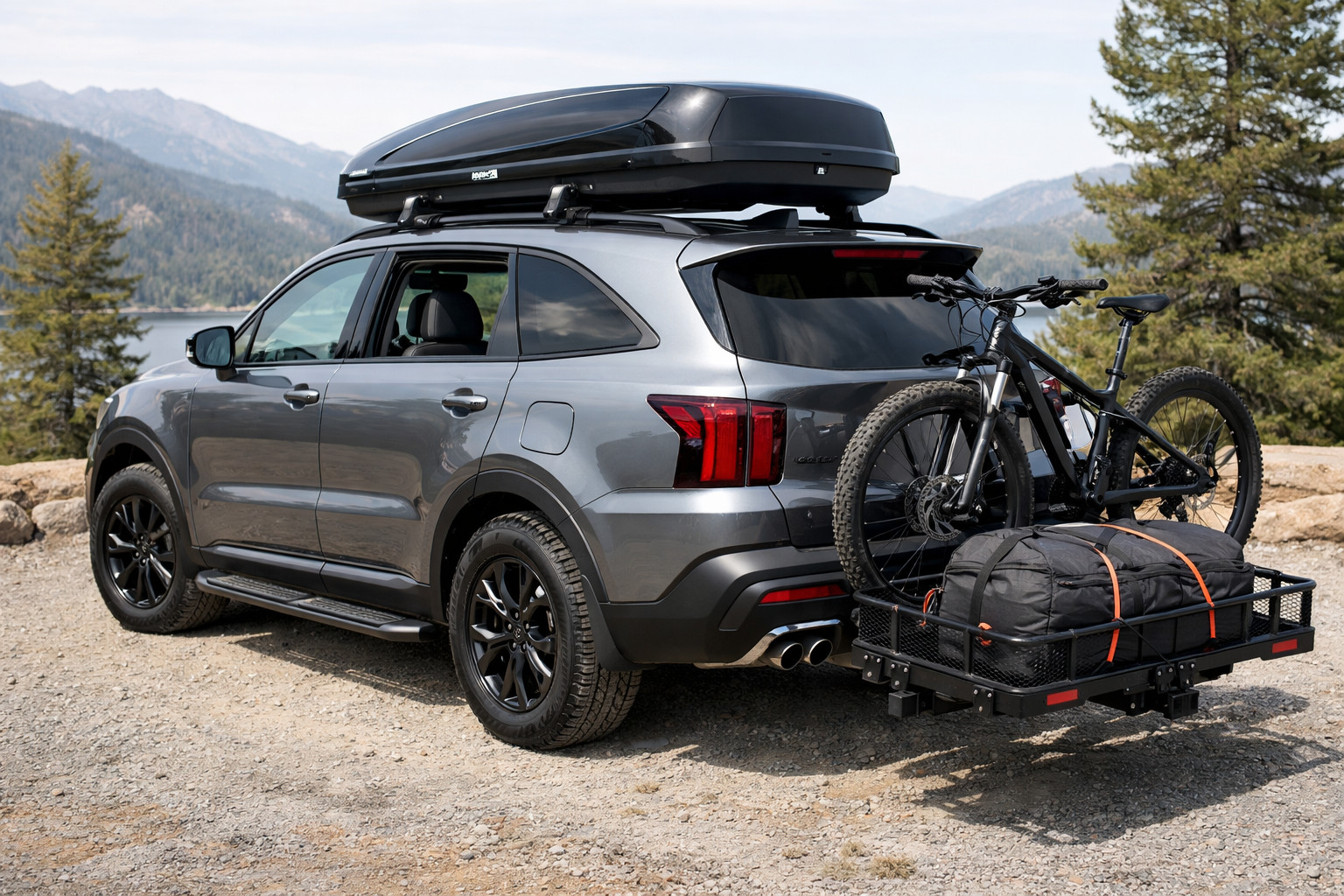
The weak spot is cargo practicality. 570 L is a decent figure, but not against the BMW. If you have a stroller, suitcases, gear, and cables, the difference becomes obvious quickly. Also, early tests have already mentioned localized wind noise near the panoramic roof at speed and less-than-ideal behavior of certain driver assists, so the “quieter in everything” image shouldn’t be oversimplified.
Which option is better for different scenarios
For long trips, the BMW looks more logical. It’s not a single range figure that matters here, but the whole set of factors: a larger battery, faster peak charging, more space for stuff, fewer compromises if there’s only one car in the family.
For everyday city driving on imperfect roads, the Mercedes is more appealing. If your route is short, a home charger is already installed, and the priority is quietness, smoothness, and a calm character, it delivers a more relaxed ownership feel.
For an active family that constantly carries things, the BMW is ahead again. For those who tow a trailer from time to time or want extra capability for heavy everyday tasks, the Mercedes has a very concrete advantage.
Use case and what to choose (table)
| Scenario | Best choice | Why |
|---|---|---|
| Frequent 300–600 km trips and fast highway pace | BMW iX3 50 xDrive | Larger battery, faster DC charging, more practical cargo area, and better versatility as a one-car solution |
| Daily city driving, poor asphalt, relaxed pace | Mercedes-Benz GLC EQ | Softer ride, quieter cabin, and a more comfortable character in normal use |
| Family, vacations, lots of stuff | BMW iX3 50 xDrive | 861–1841 L of cargo space plus a frunk creates a real, not marketing, difference |
| Trailer, large platform, heavy everyday tasks | Mercedes-Benz GLC EQ | Higher allowable towing mass makes it the stronger tool for a loaded scenario |
| One expensive crossover for every role, no second car in the household | BMW iX3 50 xDrive | Fewer compromises between city, highway, charging, and cargo |
| Priority: silence, softness, and a premium feel | Mercedes-Benz GLC EQ | This is where its strengths are felt most clearly |
Common mistakes when choosing
- Comparing range directly. Different measurement cycles are mixed here, and on the BMW there’s also a strong tire-type influence.
- Choosing by 0–100 acceleration. In real life, the difference between 4.3 and 4.7 s barely decides anything.
- Ignoring home charger installation. Without a clear charging scenario, buying an expensive electric crossover loses part of its point.
- Underestimating cargo and towing. This is where the difference between these models becomes most noticeable within the first month of use.
- Treating early tests as proof of durability. There’s still no broad data on battery degradation, suspension, cabin noises, and electronics.
- Not calculating the full cost of ownership. Large-diameter tires, insurance, options, charging infrastructure, and depreciation can change the outcome more than the difference in spec-sheet figures.
When the pricier option makes sense
Paying extra for the BMW makes sense when you truly use the advantages of the large battery, fast charging, and larger cargo space: frequent highway runs, family trips, one car for all tasks. If you also want to understand the everyday side of the platform and the available body and interior solutions, it’s logical to look at the BMW X3 G45 as the closest catalog by form factor.
Paying extra for the Mercedes is justified when the value for you isn’t in raw numbers, but in quietness, smoothness, towing, and overall ride comfort. There’s already a dedicated page for the new electric version Mercedes GLC X540, and if you want to cross-check the logic within the class itself, it’s also useful to review the X3 vs GLC comparison.
Conclusion
The BMW iX3 50 xDrive currently looks like the better all-round next-generation electric crossover: it’s stronger for travel, more practical for cargo, and more convincing as the only car in a family. The Mercedes-Benz GLC EQ is the one to buy when you know for sure that silence, comfort, and towing are your top priorities. The key takeaway: choose not by the spec-sheet sprint, but by your own charging setup, the amount of stuff you carry, and the type of daily trips you do.
Pros and cons
BMW’s larger usable battery and faster DC charging make the iX3 50 xDrive the stronger option for long trips and fewer charging stops.
BMW has the more practical cargo area: 861–1841 l at the rear plus 57 l up front provide more space for suitcases, cables, and small gear.
Mercedes-Benz GLC EQ has the edge in ride comfort: the article describes it as quieter and softer, which is especially noticeable in the city and on rough asphalt.
Mercedes offers stronger towing capability — up to 2400 kg of a braked trailer, which matters for those who really haul cargo or a trailer.
BMW looks more versatile as the only family car: it combines practicality, fast charging, and better travel readiness.
In BMW, the suspension handles short bumps more firmly, and tire noise is more noticeable, so comfort on rough roads is not as high as in Mercedes.
Mercedes-Benz GLC EQ lags behind BMW in cargo practicality, and its 570 l can quickly become a limitation on family trips or holidays.
Mercedes has more complex technical solutions, including air suspension, rear steering axle, and a two-speed transmission on the rear axle, so the long-term reliability risks are still harder to assess.
For both models, there is still no large-scale data on battery life, suspension, and electronics, so it is too early to draw a final conclusion about reliability.