14.08.2026
128
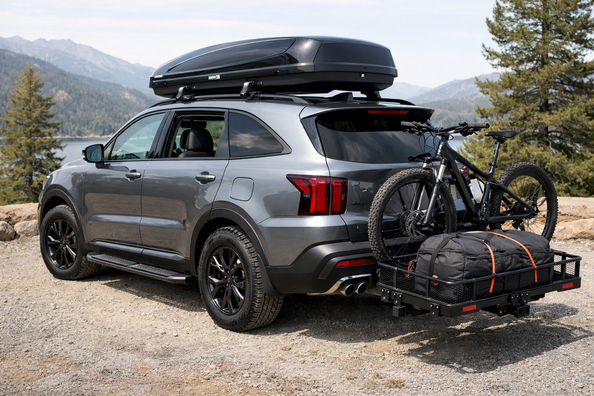
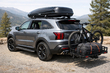
This upgrade package is for a Kia Sorento 2024 owner who drives on vacation, to the country house, on family outings, and regularly carries suitcases, kids’ items, or gear. The goal isn’t to dress up the crossover, but to quickly get more order, a cleaner cabin, and predictable luggage capacity.
With Sorento it all comes down to the use case: if the third row is often occupied, there isn’t much factory cargo space behind it, so expanding externally really makes sense. But if you usually drive as four and the second row is folded only sometimes, you should start not with the roof and not with a tow hitch, but with protection, organization, and the right distribution of items. That way you get the most benefit for the least money.
The main task here is to make Sorento convenient for trips with 4–7 people without constant fighting for space. If the third row is in use, about 357 L remains behind it, and for a long trip that’s not enough even for basic suitcases. If you travel without using the third row, the space is much better, so the need for a roof box may disappear.
The second point is the type of trips. For short family outings, cabin cleanliness, securing small cargo, and seatback protection matter more. For 5–10 day vacations with a stroller, scooters, travel bags, and kids’ items, you already need to think about crossbars and external expansion. For a trailer or a rear hitch basket, separately check the engine version, trim level, and allowed towing capacity.
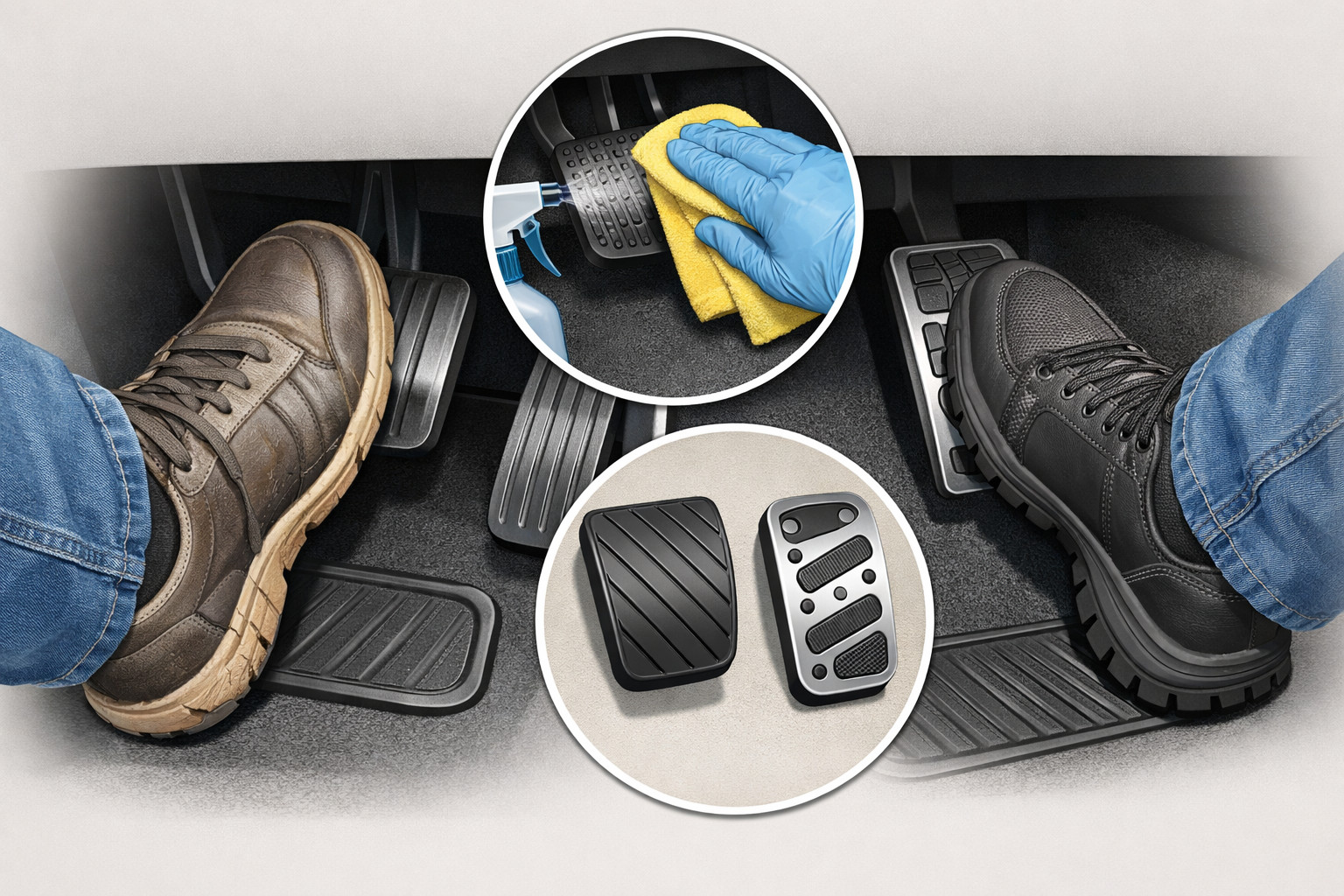
Start not with metal parts, but with everything that removes dirt and chaos in the cabin. In Sorento 2024 this gives the biggest day-to-day effect and doesn’t create side issues with noise, fuel consumption, or parking.
These are the items worth getting for any future scenario: whether you’re planning a roof box, a tow hitch, or just family drives around town and on the highway.
| Upgrade | Why it’s needed | Who actually benefits |
|---|---|---|
| Rubber floor mats | Collect water, sand, and dirt, making maintenance easier | Anyone who drives year-round, has kids, pets, or often goes out of town |
| Cargo tray | Prevents the cargo area trim from getting dirty and scratched | Those who carry a stroller, tools, gear, groceries, jerry cans |
| Mat with seatback protection | Protects the interior when seats are folded | Those who mix passengers with long or dirty items |
| Net or cargo organization | Secures small items so they don’t slide around on turns | Those who always have bags, a first-aid kit, chargers, shopping in the trunk |
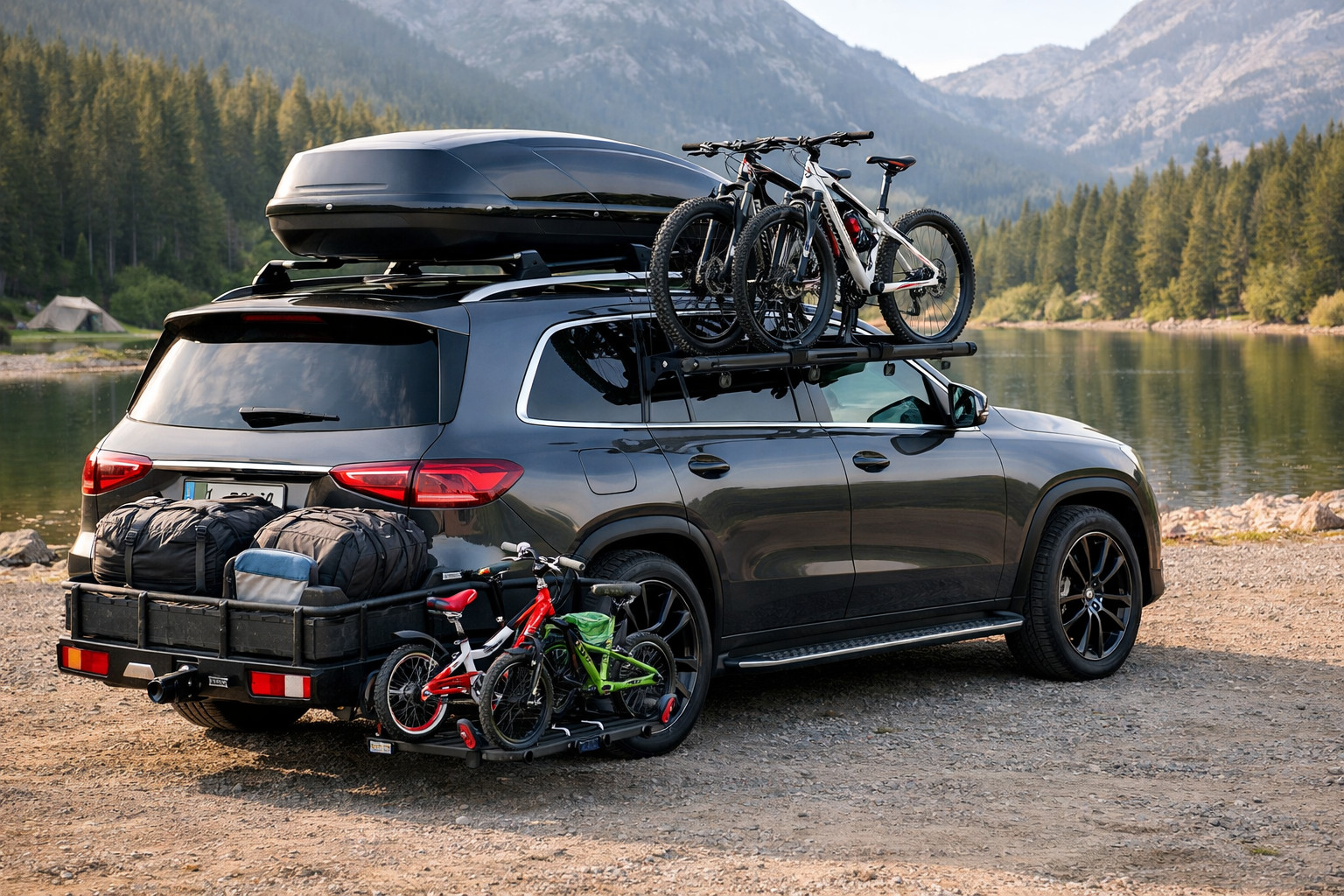
| Roof crossbars | Provide the base for a roof box or basket | Those who regularly can’t fit everything in the cabin and trunk |
| Roof box | Adds volume when the third row is occupied | Families on long trips when there’s consistently more stuff than space below |
| Tow hitch | Needed for a trailer or rear cargo carrier | Those who know for sure they’ll use this format, not “just in case” |
DD Tuning expert comment: Most Sorento owners overpay twice: first for decorative accessories, then separately for items that actually work on trips. The second common mistake is buying a roof box before checking the roof rails and the allowable roof load. If the third row isn’t used all the time, a well-organized trunk is often enough without expensive external solutions.
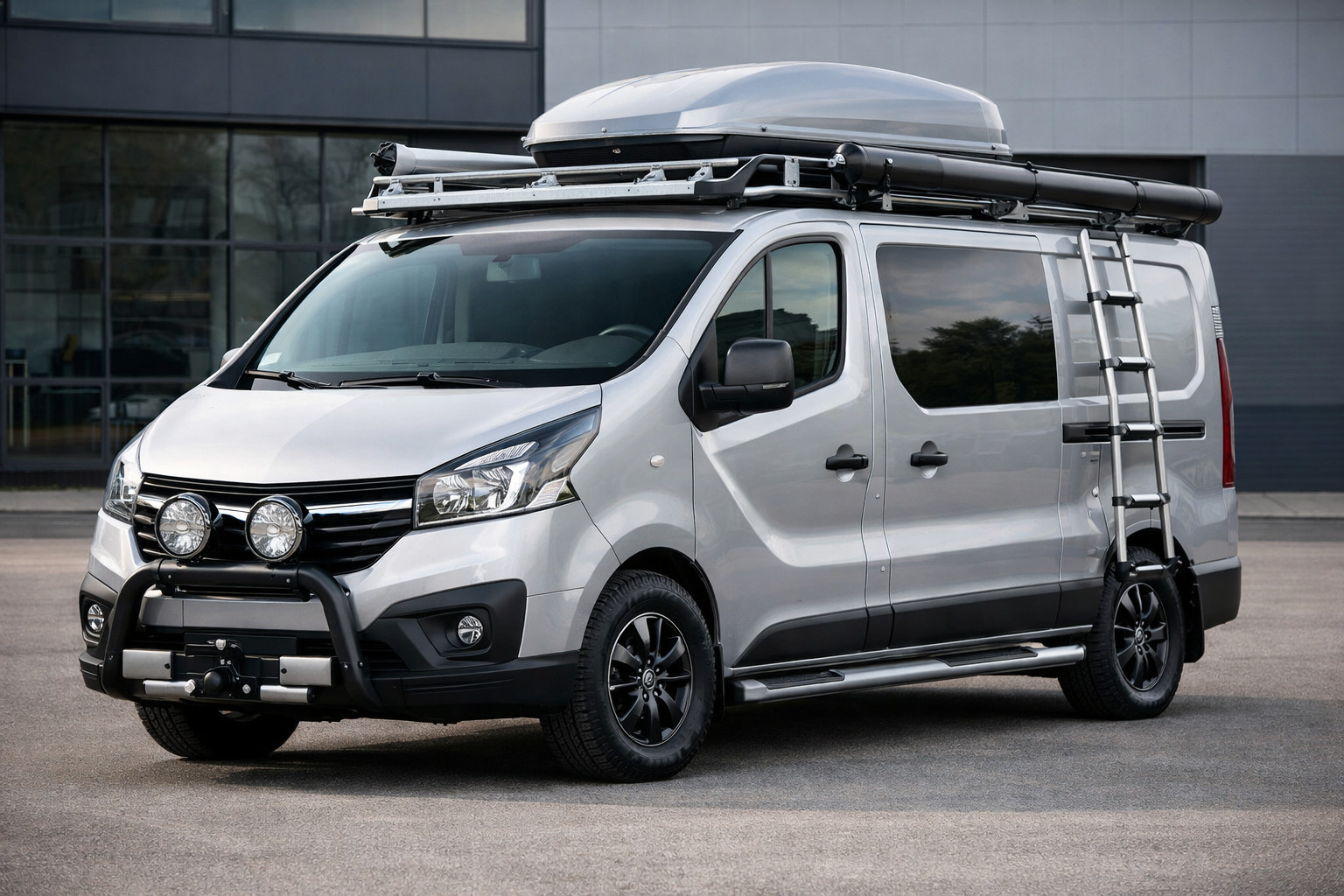
As a second stage, it makes sense to move to the roof. Crossbars are for those who truly hit a volume limit, not for those who just want something “for later.” For Sorento 2024, two checks are important: the type of roof rails on your trim level and the allowable roof load. In different market documents you may see a limit of 75–100 kg, so you need to confirm for your specific vehicle.
A roof box is justified when the third row is occupied and you need extra capacity without sacrificing cabin comfort. A roof basket is better for dirty or bulky items, but it protects хуже from weather. Also remember height: the Sorento itself is already tall with roof rails, and the X-Line and X-Pro are even taller, so with a box you need to think separately about parking garages and car washes.
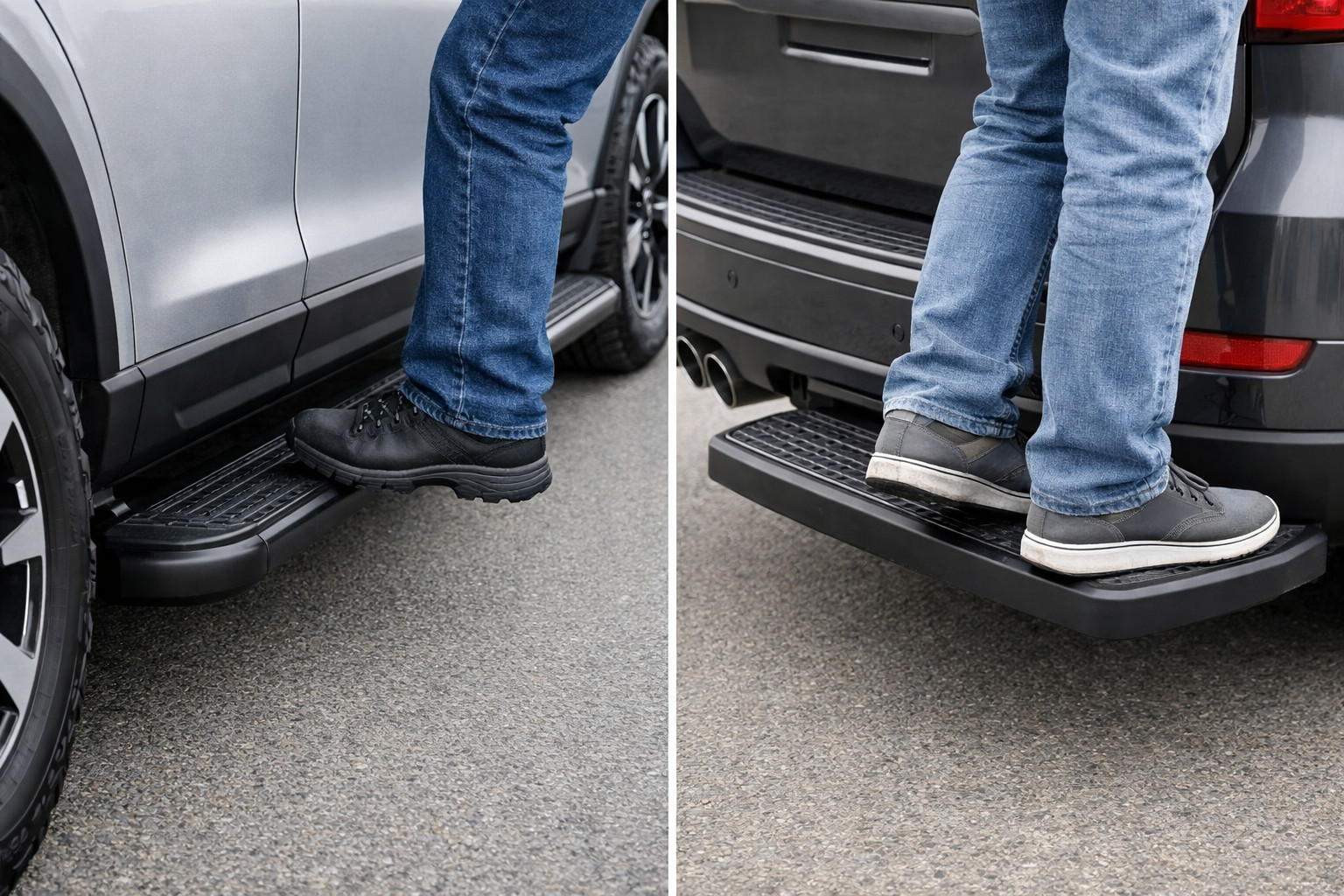
This group includes interior ambient lighting, decorative trim pieces, illuminated door sills, some exterior chrome elements, and side steps if they’re bought only for looks. They don’t solve the key travel problem — lack of space and protection for the cargo area.
There are exceptions. A rear bumper protector can be practical if you often load heavy bags or a stroller, and mud flaps are useful for those who drive a lot on highways and dirt roads. But it’s still not the first wave of purchases.
A separate mistake is looking only at maximum towing numbers. On Sorento they depend heavily on the version: base gasoline configurations and higher off-road trims have different capabilities. The same applies to accessory compatibility between gasoline, hybrid, and plug-in versions.
| Scenario | What to install first | What can be postponed | What is not required |
|---|---|---|---|
| Short family outings | Rubber mats, cargo tray, net | Cargo cover, mud flaps | Roof box, tow hitch, decorative side steps |
| Trips with 4–5 people | Mats, tray, mat with seatback protection | Crossbars, if you lack space only a few times a year | A large box and a tow hitch without a clear task |
| Trips with 6–7 people using the third row | Mats, tray, crossbars or preparation for them | Roof box, if trips are infrequent; cover | Decorative accessories that don’t add space |
| Trailer or rear cargo carrier | Check towing limits, tow hitch, basic cargo-area protection | Crossbars, if a rear carrier is enough | A roof box when the entire task is handled at the rear |
More expensive solutions are justified not when you want to add the maximum, but when you have a repeatable scenario. If several times a season you travel as a family with a full third row, a roof box pays off faster than any decor. If rear access, lower noise, and less impact on fuel economy matter more, it’s more logical to look at a tow hitch with a rear basket — but only after checking the towing limits for your specific version.
For a reference on the model itself, see updated Sorento 2024. For solution types on the site, it’s useful to compare roof racks and roof bars and roof baskets; before ordering for the 2024 model year, compatibility should be checked separately by roof-rail type, engine version, and trim level.
From a customer’s experience: a Sorento owner with a family of five initially wanted to install a tow hitch and a large roof box. After reviewing the use case, they started with mats, a tray, a mat with seatback protection, and a net, and then added crossbars and a box before the summer vacation. As a result, the car became cleaner every day, and the expensive tow hitch didn’t have to be installed without real need.
For Sorento 2024 for travel, the right package is simple: first protection and order in the cabin and trunk, then roof solutions, and only then a tow hitch if it’s needed not in theory but for a specific carrier or trailer. This order delivers real benefits and doesn’t force you to pay for things that sit unused most of the year.
This material is based on real selection experience, hands-on practice, and real usage scenarios: what people carry, how much space it takes, how often they travel, and where they hit the volume limit. So the main advice is simple: buy not for the picture, but for your way of traveling and the specific Sorento configuration.
| ✔ | Rubber mats, a cargo tray and a seat-back protection mat really make it easier to care for the cabin after rain, snow, dirt roads or hauling dirty items. It’s a practical basic set that works every day without unnecessary complications. |
| ✔ | A cargo net and cargo cover help secure small items and keep them from rolling around while driving. The cover also hides the cargo area, which is useful on trips and when parked. |
| ✔ | For family trips with the third row in use, roof crossbars and a roof box really add space when there’s already not enough room below. This is especially useful for suitcases, kids’ things and longer trips with a full cabin. |
| ✔ | A tow hitch only makes sense for a specific task — a trailer or rear cargo carrier. This approach lets you avoid paying for a solution that won’t be used. |
| ✔ | A gradual upgrade order lets you first handle organization and protection in the cabin, and only then deal with the lack of space. This reduces the risk of unnecessary spending and mistaken purchases. |
| ✘ | If the third row is often occupied, the stock cargo space behind it isn’t enough for a long trip. Without external expansion, you constantly have to choose what to take and what to leave at home. |
| ✘ | Before buying crossbars, a box or a tow hitch, you need to separately check the roof rail type, the allowed roof load and the towing limits of your exact version. In different trims and engines, compatibility and capabilities vary. |
| ✘ | Roof-mounted solutions add not only space but also vehicle height, which creates inconvenience with parking garages and car washes. For taller versions like X-Line and X-Pro, this is felt even more strongly. |
| ✘ | A large box, cheap universal crossbars or a tow hitch “just in case” can easily turn out to be unnecessary expenses if the travel scenario isn’t repeated regularly. The material directly states that such purchases are often made in vain. |
Shipping to EU
Wholesale and retail
Own warehouse
Опис продукту
Подарунки не надаються при оформленні покупки у кредит під 0,01% або при покупці частинами.