09.08.2026
89
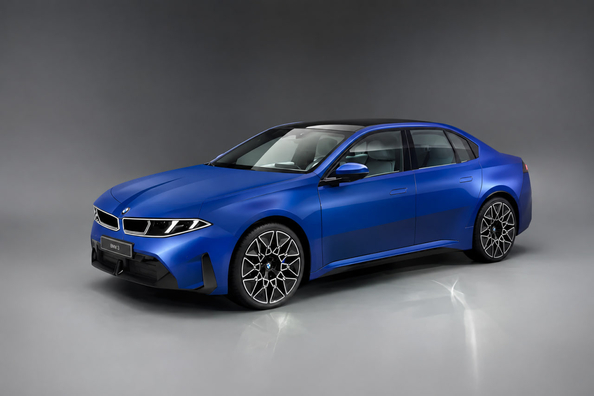
The new BMW i3 2027 is not the former i3 city hatchback, but a completely new electric sedan in the BMW 3 Series class on the Neue Klasse platform. On paper, the claim is very strong: up to 900 km of WLTP range, an 800-volt architecture, fast charging up to 400 kW, and series production from August 2026.
But there’s an important caveat: there are still almost no real owner reviews, so the model has to be judged by official data and early prototype drives. For the buyer, it means one simple thing: the i3 looks very promising, but buying at launch will be a decision for those ready to adopt a new technology platform without long-term reliability statistics.
The new i3 enters the premium electric sedan segment, where its direct benchmarks will be the Tesla Model 3, the upcoming electric Mercedes-Benz CLA and C-Class, as well as the Audi A6 e-tron and Hyundai Ioniq 6. In terms of size, range, and power, it’s not playing in the city-car format, but aiming to be a primary daily vehicle and a long-distance cruiser.
This model suits those who want an EV without highway compromises, value BMW handling, and are willing to pay for a new electric architecture. It’s not the best option for buyers who need a wagon, maximum second-row space, or proven, long-run tech without early teething issues.
BMW already had an i3 in 2013–2022, but it was a completely different car: a compact city hatchback with a narrow focus. The new i3 has essentially only inherited the name; in format, platform, and positioning it’s a separate model.
The current i3 is one of the first mass-produced Neue Klasse cars. Series production starts in August 2026, first deliveries in certain markets are expected in autumn 2026, and for some markets, including the USA, the model arrives as the 2027 model year.
For the new i3, engine displacement is irrelevant: it’s a pure EV, so there are no gasoline or diesel engines at launch. At the time of writing, one main power configuration is known — the i3 50 xDrive with two electric motors and all-wheel drive.
Up front there is an asynchronous electric motor rated at 123 kW and 255 N·m; at the rear — an electrically excited synchronous motor rated at 240 kW and 435 N·m. In total, the system delivers 345 kW, or 469 hp, and 645 N·m. That’s already the level of a quick sedan, not just an efficient EV. At the same time, BMW clearly states that some of the initial figures are still preliminary.
| Parameter | Value |
|---|---|
| Years of production | Series production from 2026, market launch depending on country — 2026–2027 |
| Generation | New Neue Klasse model, not technically related to the old i3 2013–2022 |
| Body and drive | 4-door sedan, full electric xDrive all-wheel drive |
| Electric motors | Front 123 kW, rear 240 kW |
| Total power | 345 kW, or 469 hp |
| Torque | 645 N·m |
| Battery | 108.7 kWh net, operating voltage 698.9 V |
| 0–100 km/h | 4.7 s |
| Top speed | 200 km/h |
| Charging | AC 11 kW standard, 22 kW optional; DC up to 400 kW |
| Range | 758–906 km WLTP depending on version and market |
Dimensionally, this is now a full-fledged midsize sedan: 4760 mm in length, 1865 mm in width, and 1480 mm in height. Wheelbase — 2897 mm, turning circle — 12.2 m. The trunk is 420 L, plus there’s an additional 31 L front compartment. That’s enough for family use, but a sedan can’t replace a wagon for outright practicality.
Curb weight is substantial — 2205 kg to the DIN standard, which is typical for a large EV with a battery over 100 kWh. But there’s a nice bonus: officially permitted towing up to 1800 kg with brakes. Ground clearance has not yet been published in BMW’s open technical materials, which is important to consider for those who often drive on poor roads.
The chassis is serious: dual-joint strut front suspension, five-link rear suspension, adaptive dampers, and ventilated disc brakes with 370 mm diameter front and rear. Aerodynamics is also one of the model’s strong points, directly supporting highway range.
The interior is done in a new BMW style: minimal visual clutter, a large 17.9-inch central display, and a wide panoramic information projection in the lower part of the windshield. Digitally, the car is very feature-rich: multiple user profiles, a digital key, a voice assistant, and a new infotainment logic.
For everyday use, what matters is this: it’s a five-seat sedan with a long wheelbase, so front-seat and overall cabin space should be sufficient. But from early impressions, very tall rear passengers may not like the knee-up seating position and the less-than-ideal foot space under the front seats.
On safety, the focus is on modern Level 2+ driver assistance systems, integrated control of dynamics, recuperation, and braking. For city and highway, that means not just a set of separate systems, but a more cohesive vehicle behavior.
For daily driving, the new i3 looks very strong precisely as an EV for mixed use. A large battery, claimed efficiency, and 10–80% charging in 21 minutes mean less dependence on outlets and shorter highway stops. Also, BMW promises a significant range boost in 10 minutes of fast charging, which matters more than a pretty catalog number.
But 900 km shouldn’t be taken as a guaranteed universal result. Real-world range always depends on speed, weather, wheels, tires, and route. For those who drive mostly on highways in winter, the key is not the peak WLTP figure itself, but that on paper the i3 has a large battery buffer and very fast charging.
Practical notes: the trunk is solid but not class-leading; towing capability is good; maneuverability is adequate for this class. On the other hand, the lack of an official ground-clearance figure and the still-limited accumulated real-world service experience are things worth keeping in mind before buying.
From a future owner’s perspective, the i3’s main advantage is that it promises to be one of the few electric sedans without an obvious weak link. The main drawback is the early stage of the model’s life cycle.
| Pros | Cons |
|---|---|
| Very large official range | There are still almost no real owner reviews |
| Fast DC charging up to 400 kW | Limited choice of power versions at launch |
| Strong performance: 469 hp and 4.7 s to 100 km/h | Second row may be less than ideal for very tall passengers |
| Good practicality: 5 seats, 420 L trunk, trailer up to 1800 kg | Ground clearance has not been officially disclosed |
| Modern interior and next-generation digital systems | The base suspension has already been described as a bit stiff in early drives |
Bottom line: this is a car for those who want a tech-forward sedan with long-distance capability and are ready to join the model early. If proven solutions, maximum rear space, or a wagon body are important to you, it’s worth either waiting for market statistics or looking elsewhere.
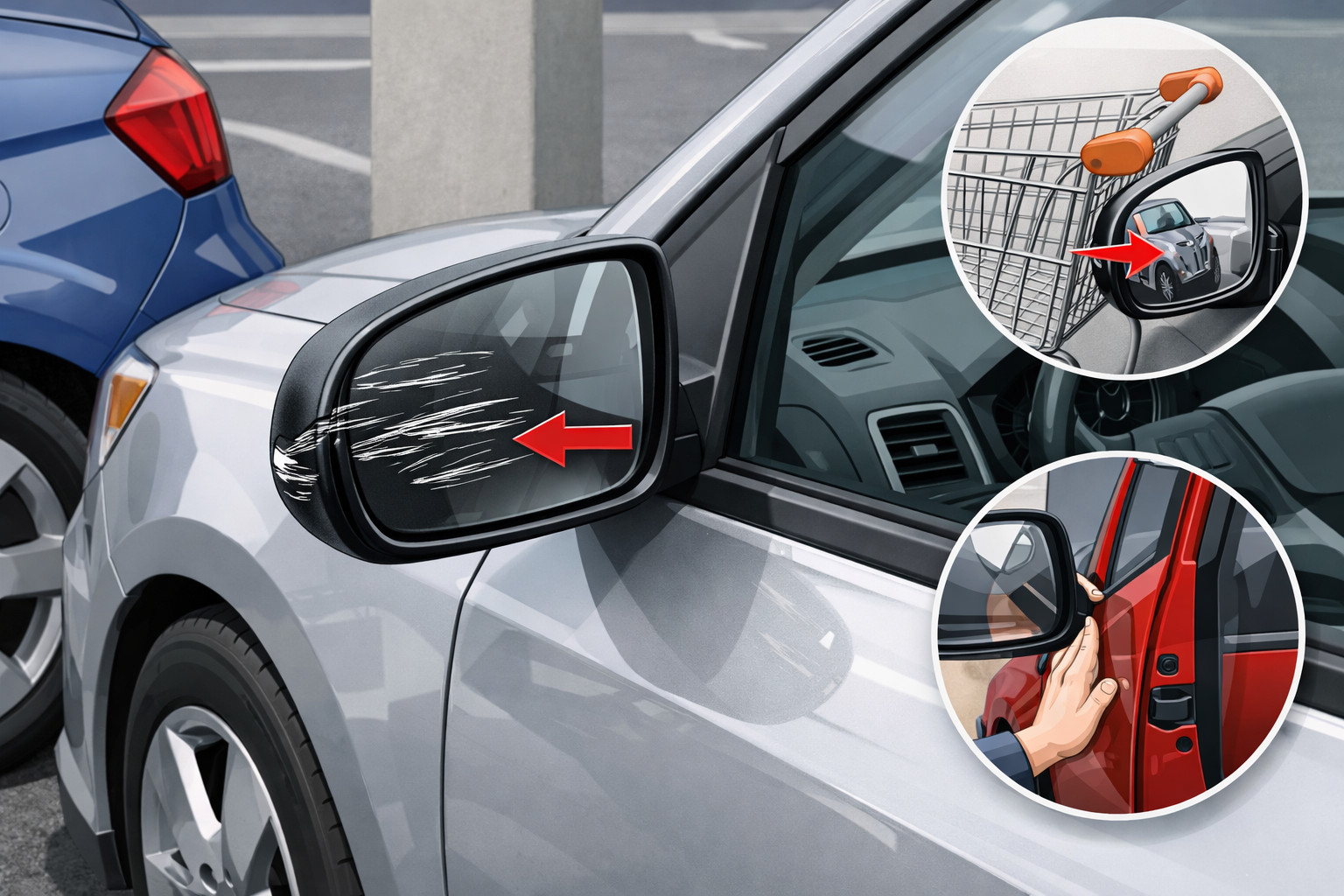
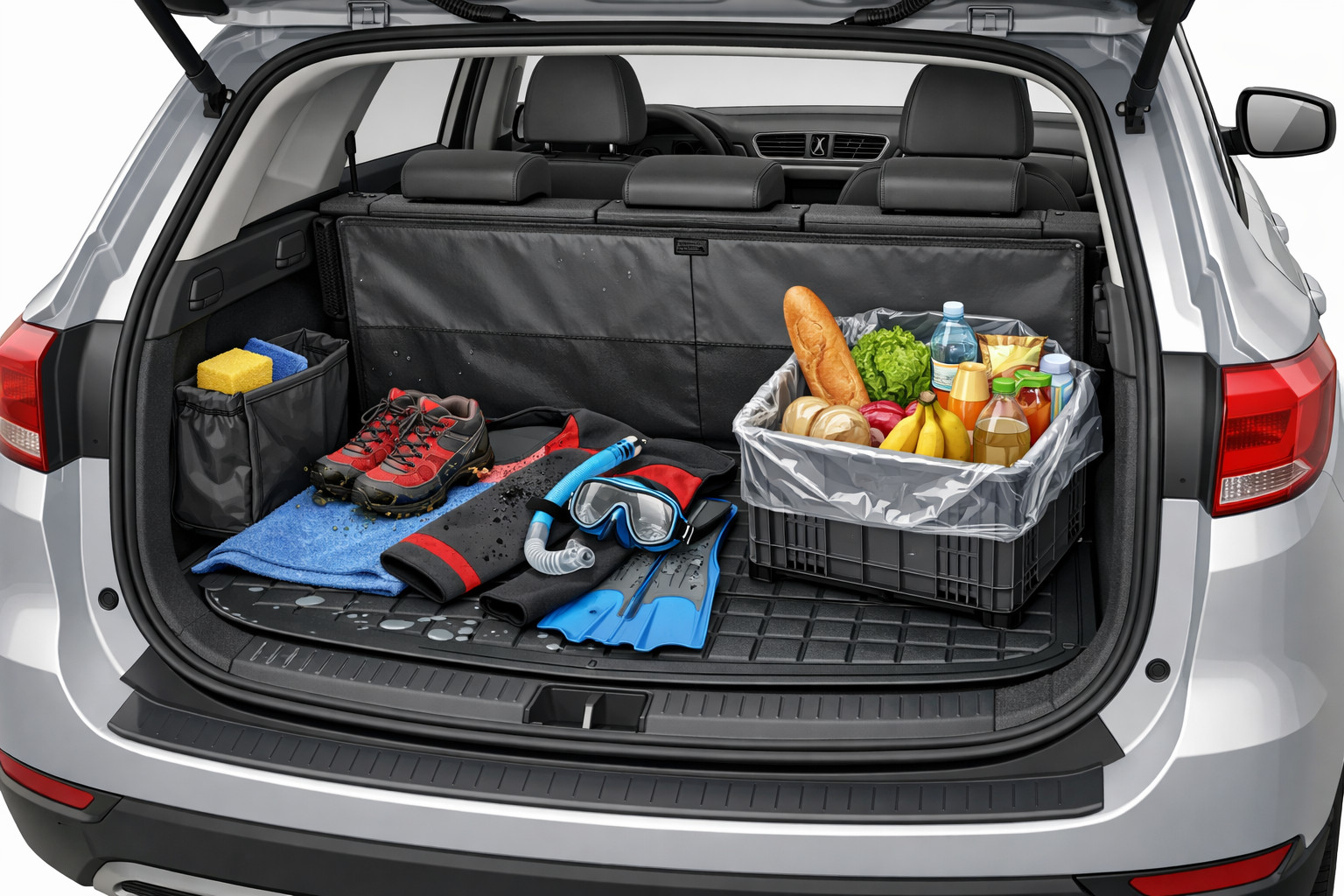
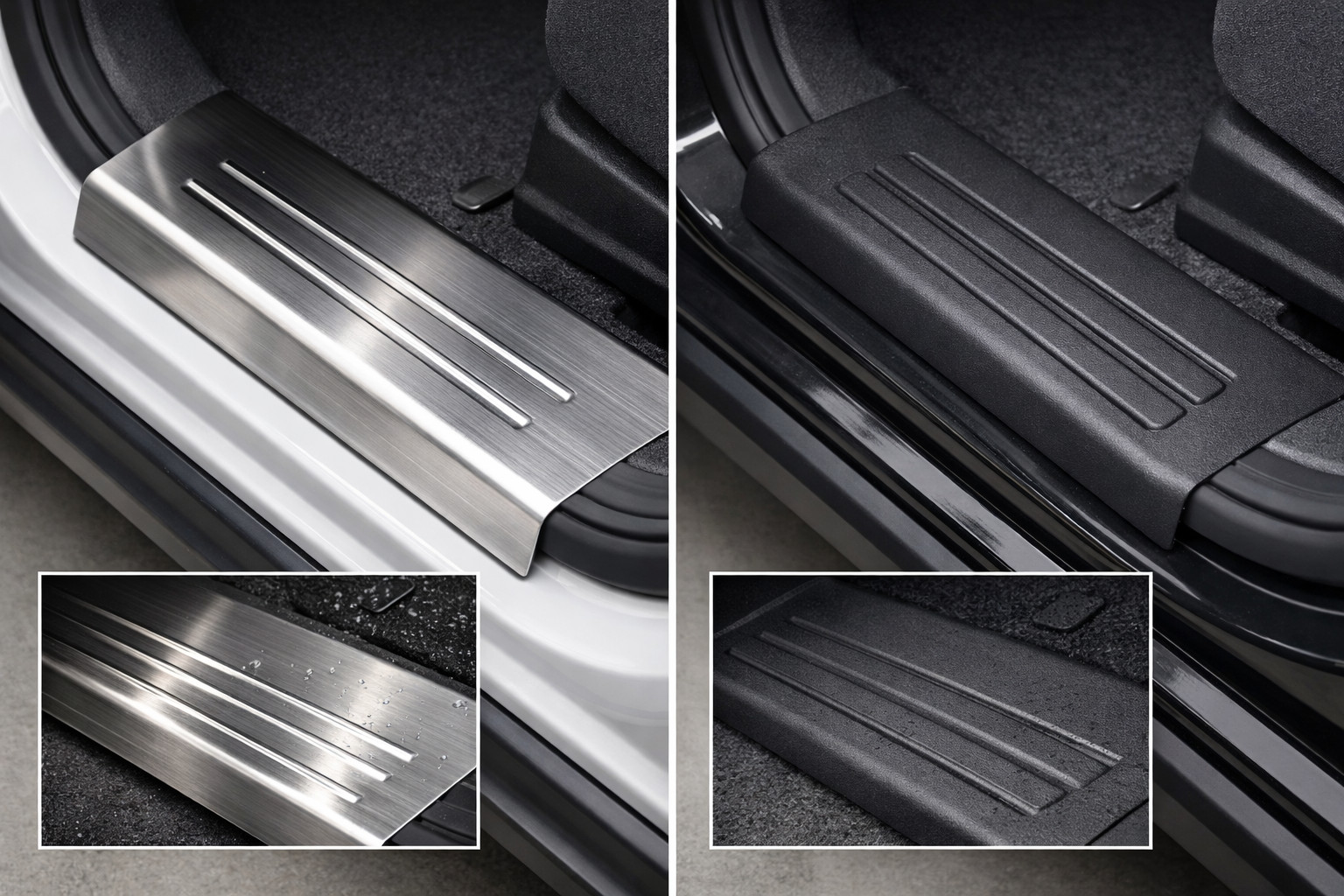
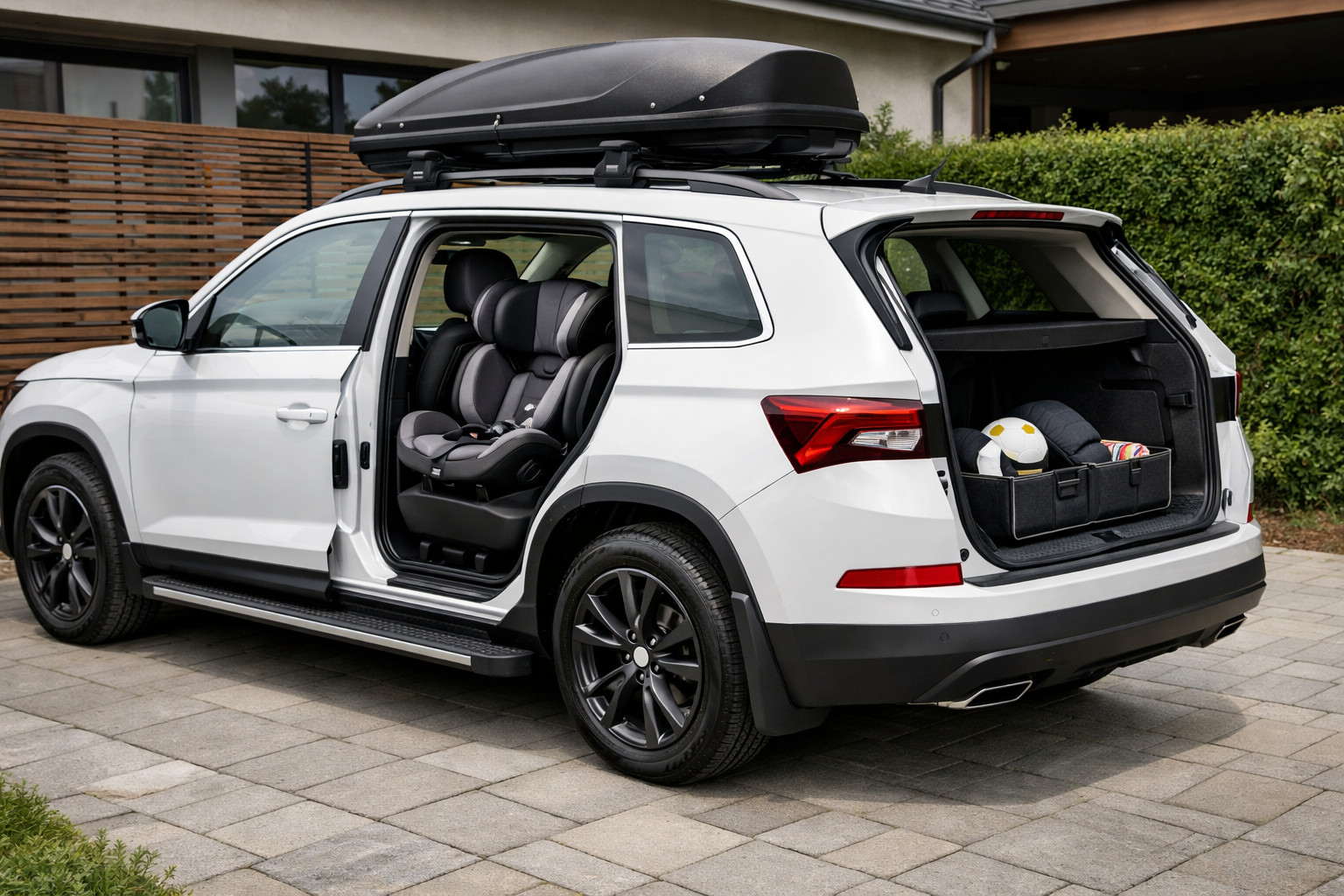
For the new i3, it makes sense to start not with decorative tuning, but with items that protect the interior and body in everyday use. The car has good factory aerodynamics, so random exterior add-ons purely for looks may not be appropriate. A logical first step is floor mats, trunk protection, and mud flaps.
Dedicated model pages specifically for the BMW i3 2027 may not exist yet, so as a reference it’s worth looking at the closest categories for the BMW 3 Series sedan and обязательно checking compatibility once precise Neue Klasse catalogs appear.
The new BMW i3 2027 looks like a very strong candidate for the role of a primary premium electric sedan: long range, fast charging, a powerful dual-motor setup, a modern interior, and solid everyday practicality. But it’s still an early model without a full history of real-world series use, so it’s worth buying with a cool head: check final market specs, second-row seating, suspension stiffness, and real charging scenarios for your routes.
This article is based on real selection experience, practice, and real-world usage scenarios. That’s why the main takeaway is simple: if you need a long-range, quick, and tech-heavy electric sedan, the i3 looks very convincing; if you need a fully proven model with no blind spots, it’s better to wait for the first mass owner feedback.
| ✔ | Very large official range: different versions are rated at 758–906 km WLTP, so the car has the potential for long trips without frequent stops. |
| ✔ | Fast charging looks practical: 10–80% in 21 minutes and DC support up to 400 kW should noticeably reduce time spent on the road. |
| ✔ | The 50 xDrive powertrain delivers 469 hp and 4.7 s to 100 km/h, so this is not just an efficient electric car, but also a fairly quick sedan. |
| ✔ | For everyday use, it offers solid practicality: 5 seats, 420 l of trunk space, an additional 31 l front compartment, and permitted trailer towing of up to 1800 kg. |
| ✔ | The cabin and electronics are modernly executed: a large central display, panoramic projection, digital key, voice assistant, and new multimedia logic. |
| ✘ | At launch, the model still does not have a large base of real user reviews and operating statistics, so part of the claimed advantages is assessed by the buyer essentially "on paper". |
| ✘ | The choice of versions is still limited, and some technical figures are still preliminary, so at this early stage there is no sense of a fully formed lineup. |
| ✘ | The second row may not be ideal for very tall passengers: the material explicitly mentions raised knees and not the most comfortable foot position. |
| ✘ | BMW has not yet revealed the official ground clearance, and in the first drives the base suspension was already called somewhat stiff, which is important for bad roads. |
Shipping to EU
Wholesale and retail
Own warehouse
Опис продукту
Подарунки не надаються при оформленні покупки у кредит під 0,01% або при покупці частинами.