06.08.2026
207
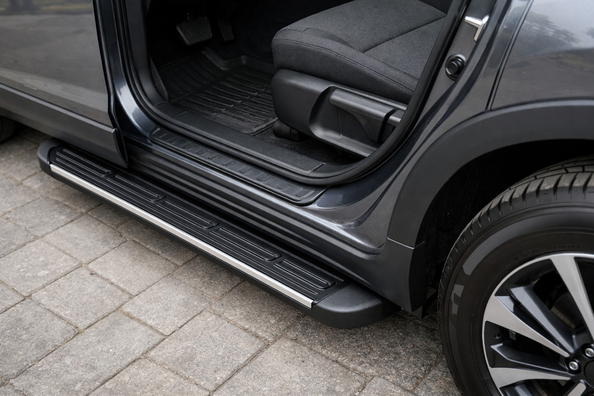
This upgrade plan is for the owner of a city crossover, SUV, or pickup who wants two practical things: cleaner sills and easier entry without wasting money on purely decorative tuning. Most often, this scenario shows up after the first winter, daily trips with kids, or when the sills already show scuffs from shoes.
The logic is simple: first protect the daily contact area and reduce the dirt flow, and only then decide whether you truly need side steps. For a low passenger car and a tall off-roader the set will be different, so the main criterion is not “how it looks,” but ride height, climate, and who regularly gets into the car.
In a city-use scenario, the right upgrade should solve three problems: scuffs on the sills from shoes, slush and sand sticking to the lower part of the doors, and an awkward step into the cabin if the vehicle is tall. If a modification doesn’t solve at least one of these tasks, it’s secondary for this scenario.
It’s important not to mix up protection and access. Sill plates or film work against scratches and paint wear. Mud flaps reduce the amount of dirt that flies onto the sills. Side steps help primarily with getting in and out and partly block dirt, but on a low car they may provide no real benefit.
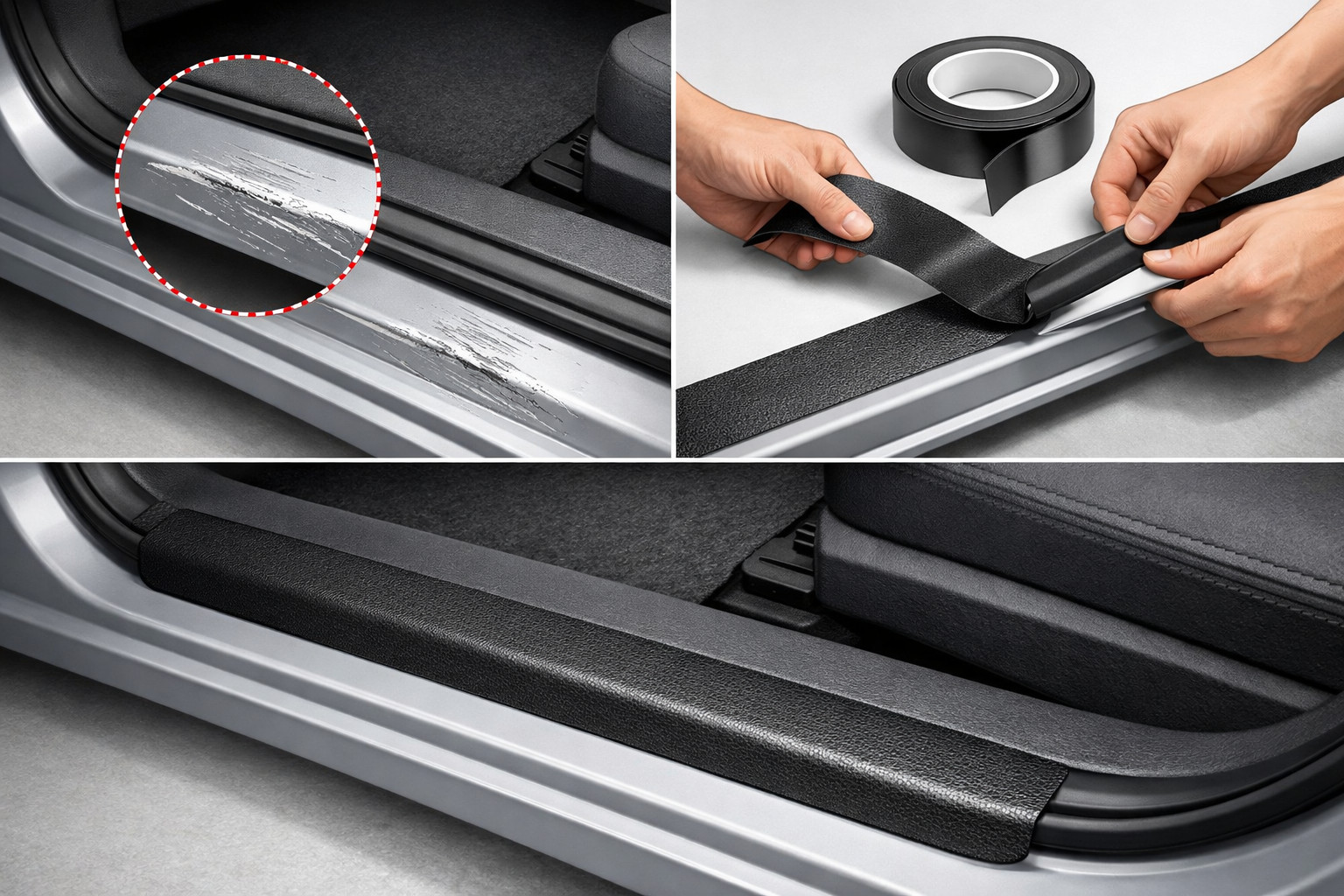
The first step for most city cars is to protect the sill itself. This can be a sill plate or other sill protection, especially if people regularly get in with wet shoes, you install a child seat, or you often load bags. This area wears every day, so it’s more important than any wide side platforms.
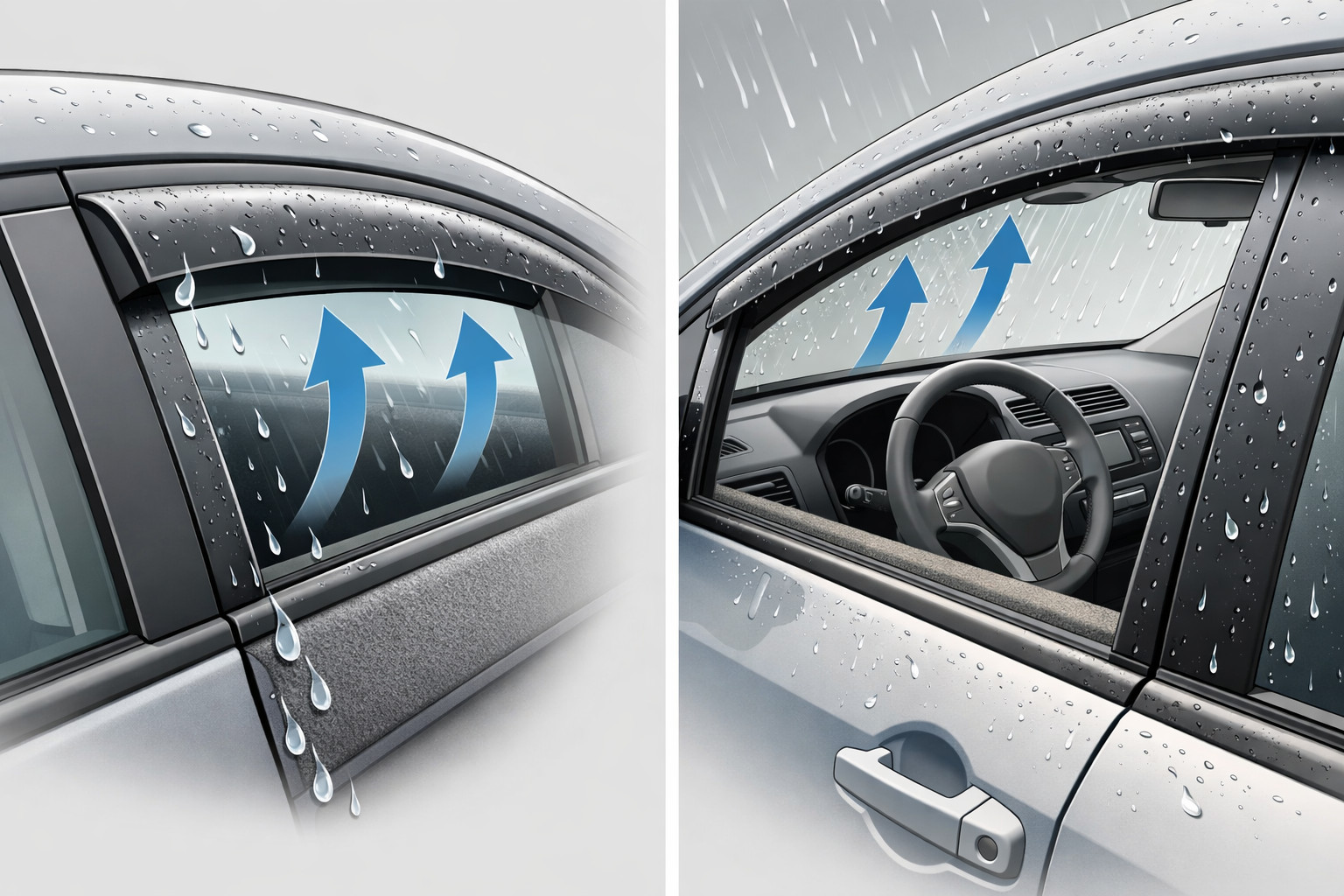
The second step is mud flaps, especially if the car is driven in slush, through wet courtyards, on unpaved access roads, or winter roads with sand. They don’t make the car look “more premium,” but they genuinely reduce dirt on the sills and the lower part of the doors. In city use, this is often a better value than spending on side steps right away.
| Upgrade | Why it’s needed | Who truly benefits |
|---|---|---|
| Sill plates or sill protection | Takes the daily scuffs from shoes, bags, and contact when getting in | Pretty much any city car where the sills already rub or get dirty quickly |
| Mud flaps | Reduce the flow of slush, sand, and small stones onto the sills and lower part of the doors | Those who drive daily, park in courtyards, and drive a lot in rain, snow, and shoulder seasons |
| Side steps or wide side sills | Make entry easier, provide extra footing, help reach the roof | Owners of tall SUVs and pickups, families with kids, shorter passengers |
| Heavy-duty sills or rock sliders | Protect the sill from serious mechanical contact from below | Those who actually drive off-road, not just want a “tougher” look |
DD Tuning expert comment: the most common mistake is buying side steps first, and only then separately dealing with scratches on the sills and dirt on the doors. If the vehicle isn’t very tall, it’s better to cover the contact area first and install mud flaps. Another typical issue is not checking compatibility with a specific body, generation, or an already installed body kit.
At the second stage, side steps make sense—but not for everyone. They’re justified when getting into a tall vehicle is genuinely inconvenient: kids struggle to climb into the rear seats, older passengers need a lower support point, the driver often uses a roof rack. Then the step is used every day and stops being just a decorative detail.
If the vehicle is low or medium in height, the second stage is often better postponed. In that scenario, a side step may only collect dirt, reduce comfort for a tall driver, and deliver no real gain. It’s smarter to spend the budget on quality vehicle-specific protection and proper fitment rather than a wider platform on the side.
Wider platforms, polished stainless steel, strongly styled side sills, or retractable systems are already in the comfort-and-looks category. They do have benefits, but not for everyone. If the main goal is to keep sills clean in the city, the basic effect comes not from that, but from the right first-stage upgrades.
These things make sense when the vehicle is large, entry is high, and users actually step on the sill every day. If the car is used mostly by one driver who gets in without any trouble, the extra cost often goes not toward function, but toward looks.
| Scenario | What to install first | What can be postponed | What is not mandatory |
|---|---|---|---|
| Low passenger car or not-too-tall crossover | Sill protection, mud flaps | Additional protection for the lower part of the doors | Side steps |
| Family crossover with kids | Sill protection, mud flaps | Vehicle-specific side steps | Power systems |
| Tall SUV or pickup | Sill protection, mud flaps | Wide fixed side steps | Heavy-duty sills without off-road use |
| Region with snow and slush | Mud flaps, sill protection | Side steps only if you’re ready to clean them regularly | Chrome decorative elements |
More expensive solutions are justified not when you want a “fuller” body kit, but when there’s a consistent daily use case. If kids or older passengers regularly get in, or the vehicle is so tall that it’s uncomfortable without an intermediate step, then it makes sense to look not only at sill plates, but also vehicle-specific side sills. If the main issue is slush and dirt on the lower body, it’s better to address it first with mud flaps rather than jumping straight into expensive kits.
Separately, expensive side steps make sense when clean integration for a specific body and proper step ergonomics matter. For city use, this isn’t the first expense, but the second or third—after basic protection. If there’s no real need for help getting in, those costs almost always lose to a simpler and more practical set.
From a customer’s experience: a typical city scenario looks like this—the owner initially wanted to install side steps right away because the sills got dirty quickly. After selection, he started with sill protection and mud flaps, and returned to side steps only after it turned out that the kids really found it inconvenient to climb into the rear seats. As a result, the budget went not to looks, but to upgrades that work every day.
For city use, the right sequence is almost always: sill protection, then mud flaps, and only then side steps—if the vehicle height or passenger mix truly requires them. This makes it easier to separate a useful upgrade from marketing clutter and avoid overpaying for looks where function is needed.
The material is based on real selection experience, hands-on practice, and real use cases: what wears every day, what truly reduces dirt, and what is worth buying only when there’s a clear task for it.
| ✔ | First and foremost, it addresses the most common urban driving issue — scuffs on the sills from shoes, bags, and everyday entry and exit. This provides a practical benefit right away, even before any decorative upgrades. |
| ✔ | Mud flaps really reduce the amount of slush, sand, and small stones on the sills and lower part of the doors. For driving in courtyards, in winter, and during the transitional seasons, this noticeably makes car care easier. |
| ✔ | The plan fits the scenario step by step: first basic protection, then assessing the need for side steps. This helps avoid spending money on something that does not solve the main problem. |
| ✔ | For tall SUVs and pickups, side steps can genuinely make entry easier for children, older passengers, and when accessing the roof. In other words, they have a clear function where the body height creates inconvenience. |
| ✔ | The article clearly separates protection, comfort, and decorative solutions, so it is easier to choose exactly what is needed for city use. This reduces the risk of buying heavy or expensive elements without practical value. |
| ✘ | Side steps are not useful for a low passenger car or a low crossover: in such a case, they may only collect dirt and provide no noticeable benefit. So for some cars, this is an unnecessary purchase. |
| ✘ | Side sills only make sense for real off-road use, not for the city. They are heavier, more expensive, and not as convenient as a regular step surface. |
| ✘ | Electric and other more expensive systems are easy to buy in vain if the main problem is dirt and scuffs, not getting in and out. In an urban scenario, they often lose to a simpler basic set. |
| ✘ | Universal cheap side steps without model-specific fitment may require mounting modifications. This adds hassle after purchase and reduces the practicality of the solution. |
Shipping to EU
Wholesale and retail
Own warehouse
Опис продукту
Подарунки не надаються при оформленні покупки у кредит під 0,01% або при покупці частинами.