27.09.2026
105
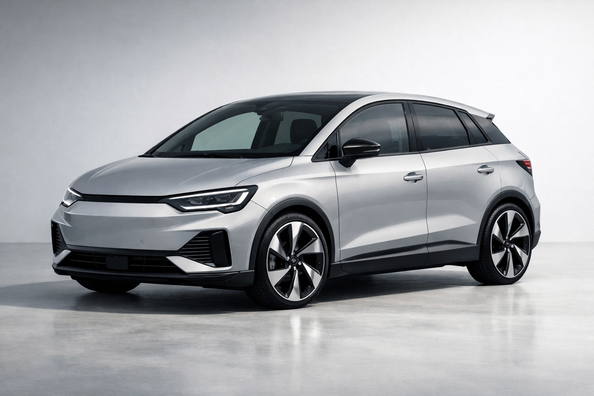
Audi A2 e-tron is not a finished production car, but an officially announced electric compact model from Audi bringing back the A2 name. The premiere is slated for autumn 2026, with sales and deliveries expected in 2027. Key points are already known: a confirmed 140 kW electric drive, a lithium iron phosphate battery rated 61/58 kWh, rear-wheel drive, and a strong focus on energy efficiency.
An important clarification: there are no production cars yet, so it’s too early to talk about typical failures, final trims, or verified owner statistics. Some data has already been confirmed by the manufacturer, but dimensions, ground clearance, trunk volume, weight, pricing, and the full list of versions have not yet been disclosed.
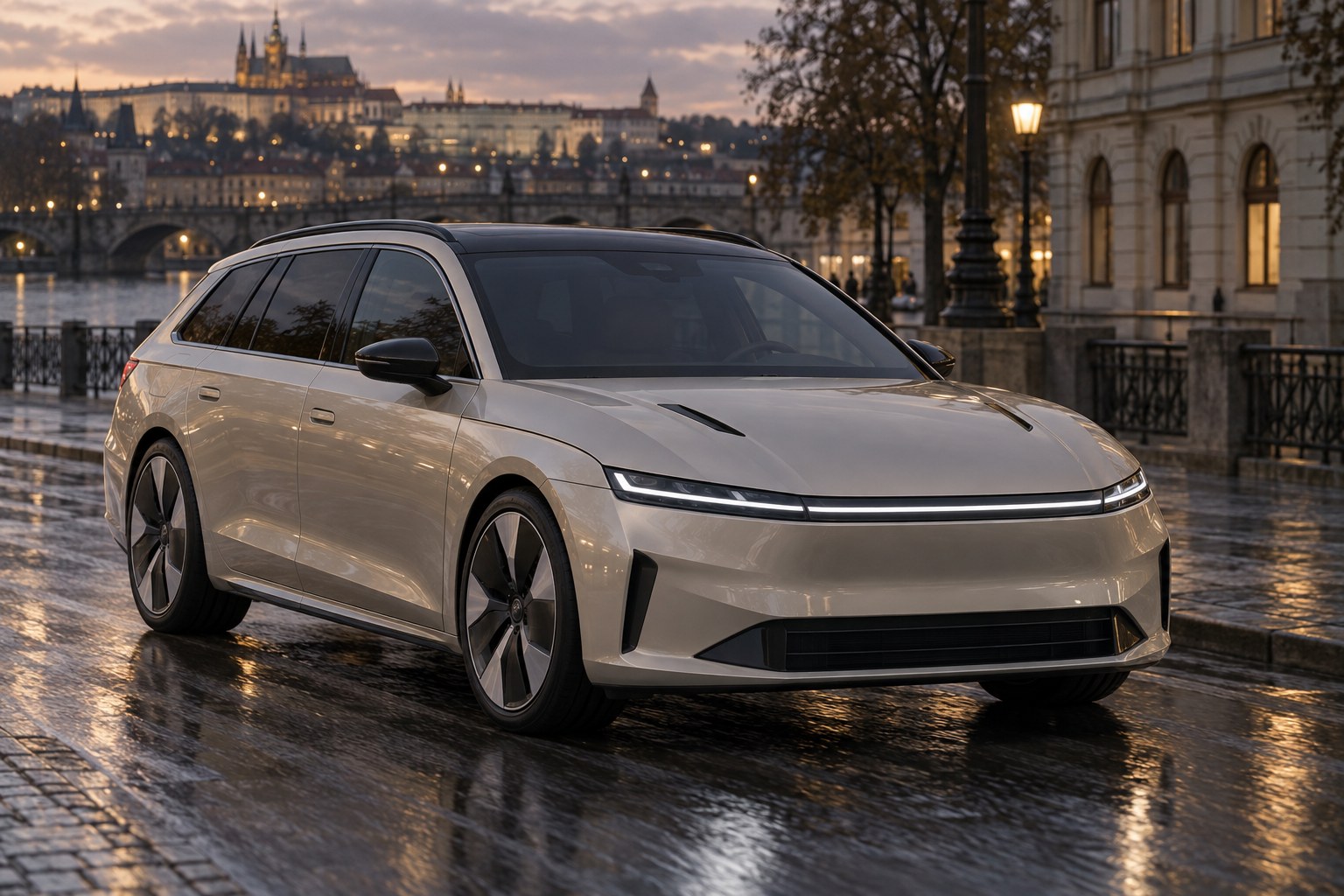
The A2 e-tron is conceived as a more affordable entry into Audi’s electric lineup: compact, economical, with a focus on everyday city and suburban use. In format it’s not a crossover, but rather a five-door hatchback that feels closer in size to the Volkswagen ID.3 than to the old A2.
Who it may suit: daily drivers who can charge at home or at work and want a quiet EV without extra weight and excessive dimensions. Who it won’t suit yet: those who want to buy a proven production model right now, or those for whom exact trunk, ground clearance, and price figures are critical before placing an order.
The original Audi A2 was produced in 1999–2005 and has long disappeared from the lineup. The A2 e-tron is not a direct continuation of that car in terms of hardware or format; instead, it effectively opens a new electric branch under a familiar name.
As of now, the A2 e-tron has just one generation in the status of an announced production model. The timeline is straightforward: a public debut is planned for 2026, orders and deliveries for 2027, and production is being prepared in Ingolstadt.
It’s important to be clear here: the A2 e-tron has no gasoline or diesel engines, so engine displacement does not apply to this model. One power unit has been confirmed — the APP350 permanently excited synchronous electric motor rated at 140 kW, i.e., about 190 hp, with rear-wheel drive.
The transmission is a reduction gear with a 10.2:1 ratio. Official data for torque, 0–100 km/h acceleration, top speed, and possible higher-output versions has not yet been released at the time of the announcement.
| Parameter | What is already confirmed |
|---|---|
| Model status | Announced production electric model, launch in 2027 |
| Drive type | Rear-wheel drive |
| Motor | APP350 electric motor, permanently excited synchronous |
| Power | 140 kW, about 190 hp |
| Displacement | Not applicable because it’s an electric vehicle |
| Transmission | Reduction gear 10.2:1 |
| Battery | Lithium iron phosphate, 61 kWh gross / 58 kWh usable |
| Fast charging | Up to 105 kW, 10–80% in 26 minutes |
| Consumption (WLTP) | 12.8–15.6 kWh/100 km |
| Preliminary range | Over 612 km (WLTP) |
| Drag coefficient | 0.24 |
| Dimensions | Not disclosed yet |
| Ground clearance | Not disclosed yet |
| Trunk volume | Not disclosed yet |
Based on available information, the A2 e-tron is a five-door compact hatchback. The main technical emphasis is not on sportiness but on aerodynamics: a 0.24 coefficient is very strong for this class. This is achieved with front air channels, optimized panel gaps, controlled cooling air intake, and special wheels.
But there’s still a pause on the buyer’s core numbers: there are no official figures for length, width, height, wheelbase, ground clearance, weight, or trunk space. There’s also no full chassis description yet, although prototype impressions point toward smoothness and comfort rather than a stiff, sporty setup.
Early impressions from prototypes describe the cabin as quiet and calm on the move, with a normal amount of space up front and enough room in the back for three adults in everyday use. For a compact EV this matters: low consumption only makes sense if the car doesn’t force compromises in seating.
There’s also a practical nuance: rear visibility, by early assessments, isn’t ideal due to an element in the rear window. As for safety, it’s best to stay cautious for now — the final list of driver aids and production-spec equipment has not yet been revealed.
This is where the A2 e-tron looks strongest. The preliminary consumption of 12.8–15.6 kWh per 100 km looks very convincing, and the lithium iron phosphate battery makes regular charging to 100% less of a concern. For daily use this is more convenient than many EVs, where owners constantly live in an 80–90% routine.
Fast charging up to 105 kW isn’t record-breaking by the standards of more expensive models, but it’s perfectly workable for the compact city class: 10–80% in 26 minutes is a normal stop, not a long wait. Another plus is bidirectional charging: the car can power external devices or, in certain markets, serve as a home backup.
Real-world prototype drives are also encouraging: very low consumption was recorded across different runs, but that’s still not the final picture of the production car. So the A2 e-tron already looks interesting for the city, highway driving at a moderate pace, and daily routes — but it should be judged definitively after real cars arrive with final weight and equipment.
The A2 e-tron’s main strength isn’t headline power figures, but a systematic approach to efficiency. The main weakness is that, for now, it’s still a well-prepared announcement rather than a fully disclosed production car.
| Strengths | Weaknesses | What it means in practice |
|---|---|---|
| Low claimed consumption and strong aerodynamics | Final figures may still change | It could become one of the most efficient compact EVs, but we’ll need production tests |
| Lithium iron phosphate battery convenient for frequent full charges | Only one capacity has been officially confirmed | A plus for a daily cycle, but the range of versions is still unclear |
| Decent charging speed for the class | Not all conditions for different markets and trims have been disclosed | It should be convenient in day-to-day use, but it’s worth waiting for local specs |
| Quiet and roomier than you might expect from a compact format | Rear visibility may be mediocre | Comfort is there, but you’ll want to check parking and maneuvering personally |
| Bidirectional charging is available | No data on price, trunk, ground clearance, or real-world reliability | Promising for a future owner, but any purchase decision will inevitably involve some waiting |
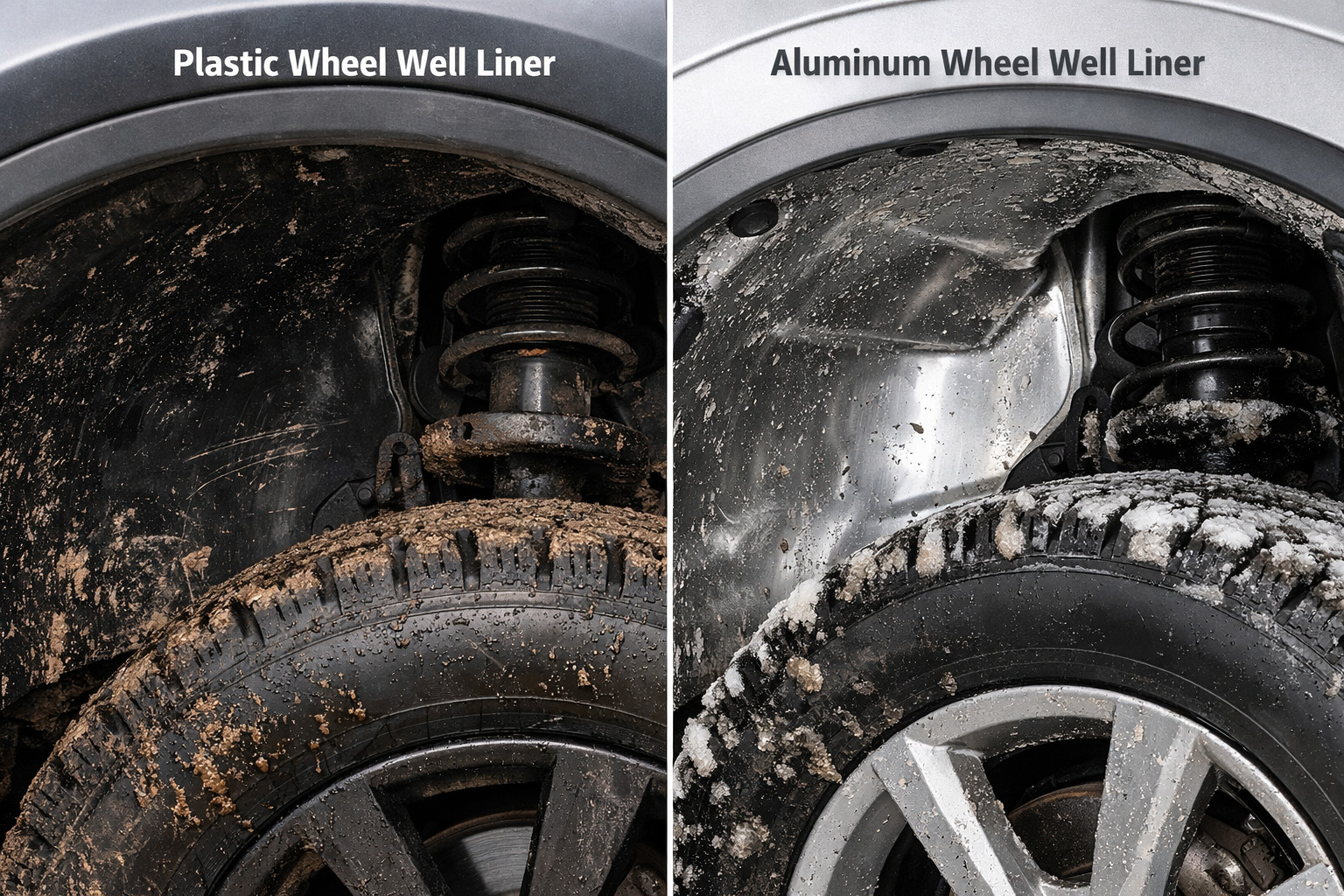
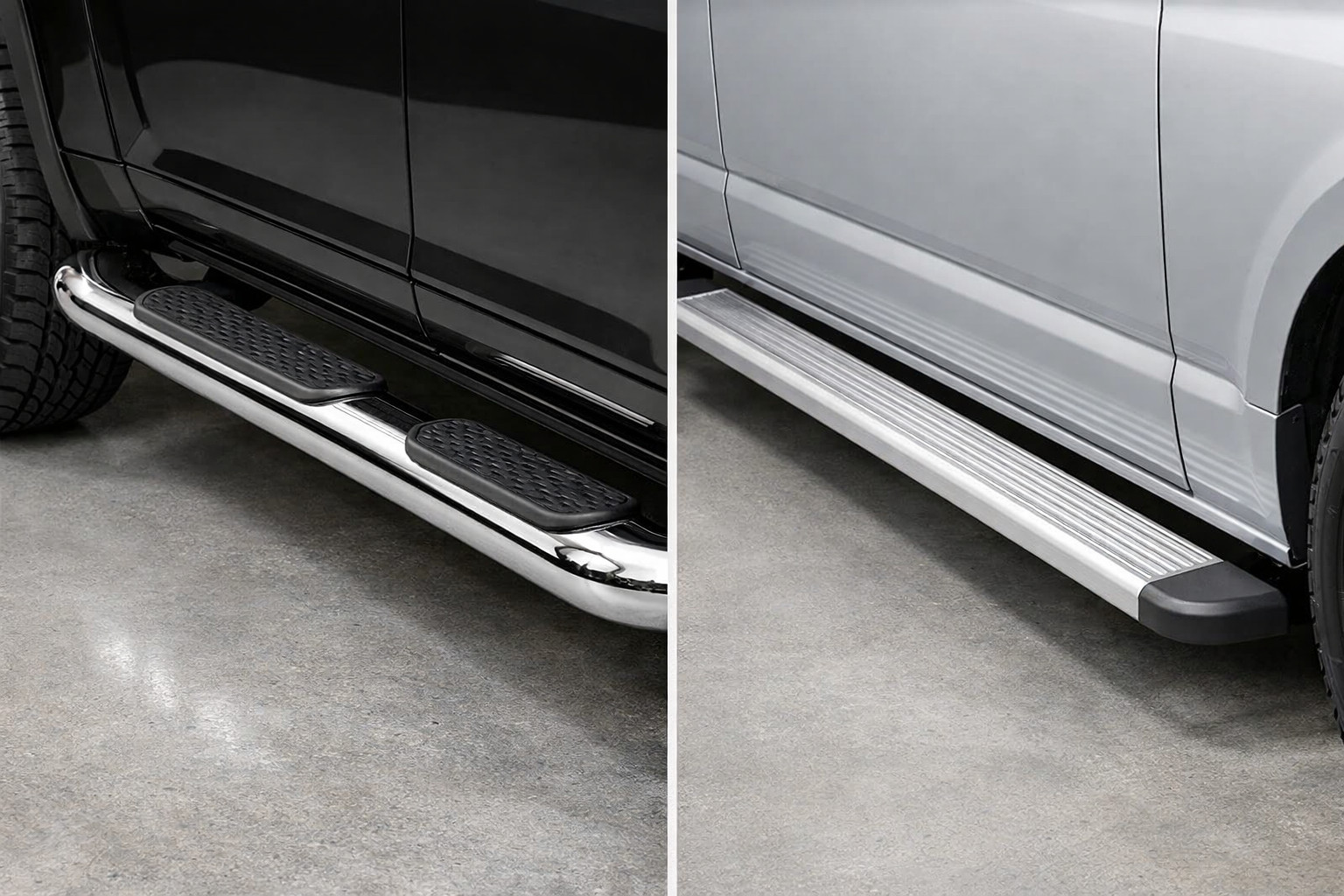
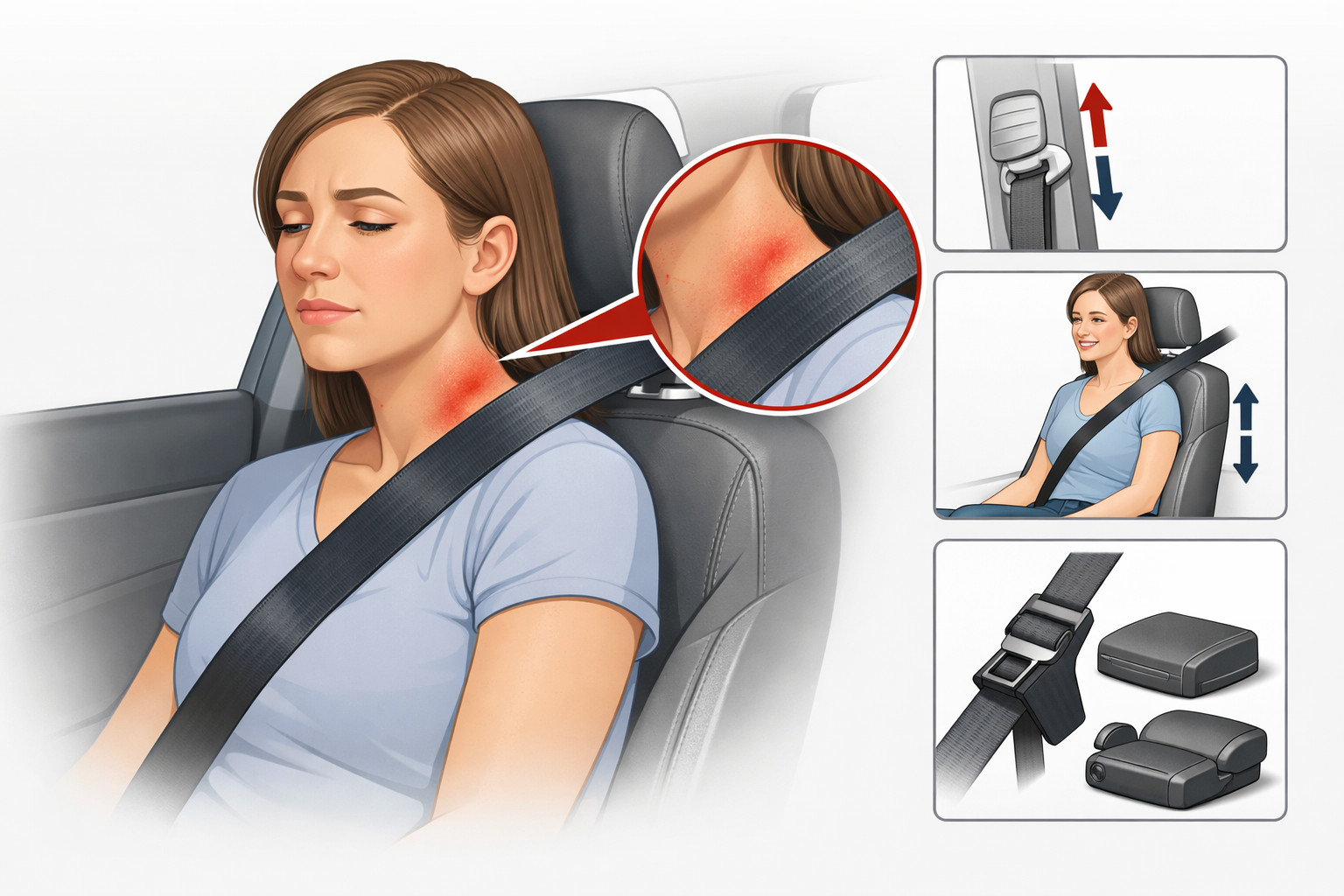
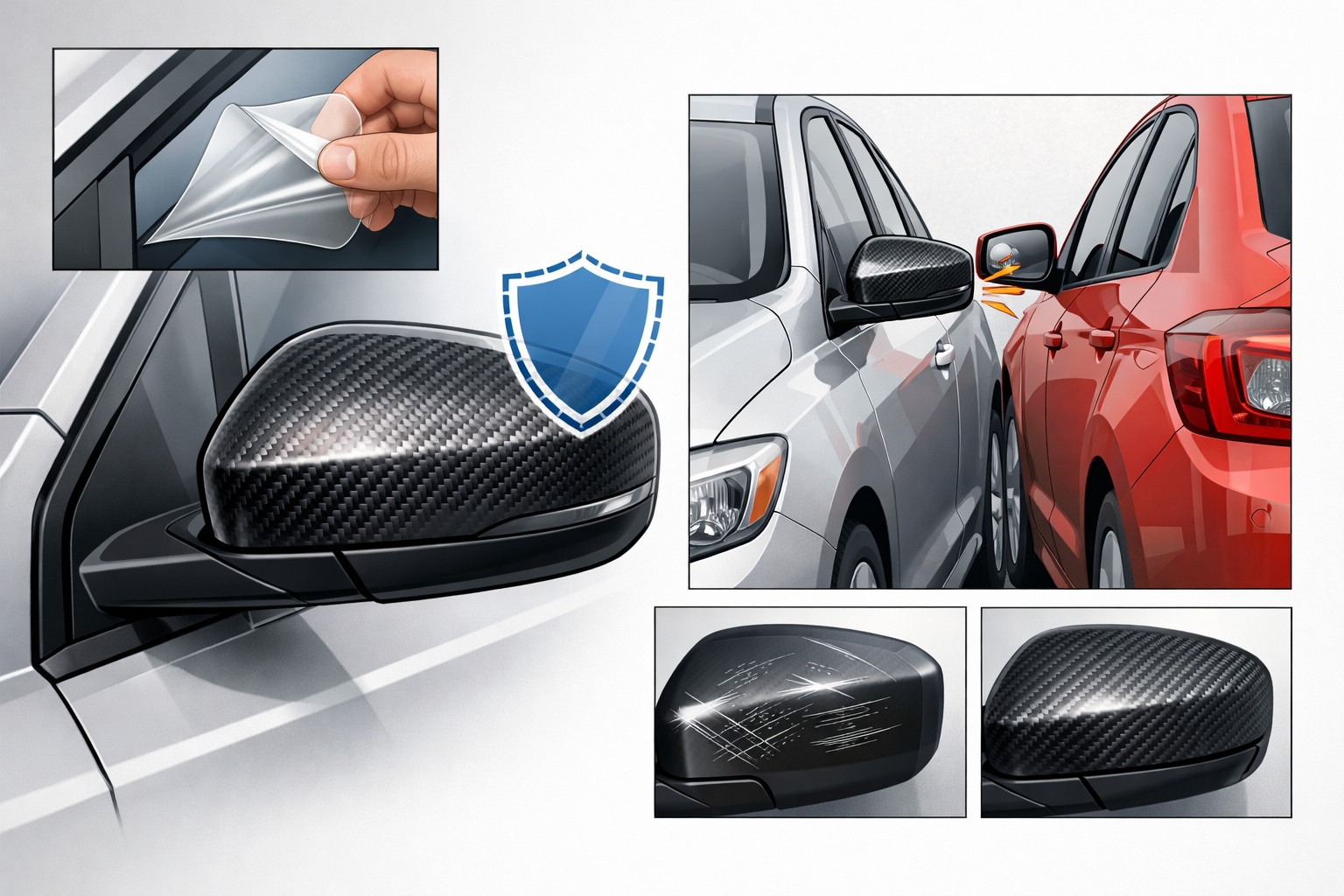
For the A2 e-tron, the main point isn’t decorative tuning, but protecting the interior and body from day one. In a quiet EV, small things like dirt in the cabin, a wet trunk floor, or sand on the door sills are more noticeable than in a conventional car with an internal combustion engine.
A dedicated catalog specifically for the A2 e-tron hasn’t been formed yet, so in practice it makes sense to start by looking at the basic accessory categories of this type.
The Audi A2 e-tron looks less like another flashy novelty and more like a pragmatic compact EV with a serious lean toward efficiency, charging convenience, and everyday usability. If Audi keeps the claimed figures in production, the model could land exactly with drivers who don’t need a big crossover but do want a quiet, well-thought-out, and pleasantly efficient electric car.
There’s only one limiting factor: too many important numbers haven’t been revealed yet. So for now, the A2 e-tron should be seen as a very strong statement rather than a fully evaluated product. This material is based on real selection experience, practical know-how, and real usage scenarios of similar-format cars, as well as on already confirmed technical data — without guessing at what the manufacturer hasn’t announced.
| ✔ | The claimed consumption of 12.8–15.6 kWh/100 km and a drag coefficient of 0.24 point to a very economical EV for everyday driving. |
| ✔ | The 61/58 kWh lithium iron phosphate battery is suitable for regular charging to 100% without the same strict dependence on 80–90% as in many other EVs. |
| ✔ | Fast charging at up to 105 kW allows 10–80% charging in 26 minutes, so a charging stop doesn’t turn into a long wait. |
| ✔ | Rear-wheel drive and the confirmed 140 kW electric motor make the setup simple and clear, without splitting into many versions at launch. |
| ✔ | Bi-directional charging is available, meaning the car can power external devices or, in some markets, serve as backup power for a home. |
| ✘ | This is still only an announced model: there are no production cars yet, so real-world impressions, reliability, and typical issues have not been tested. |
| ✘ | Important figures for buyers have not been released — price, trunk volume, ground clearance, weight, and the full list of trim levels. |
| ✘ | Only one powertrain version has been officially confirmed, so it is still unclear whether there will be a choice in power output or battery. |
| ✘ | According to preliminary estimates, rear visibility may be mediocre because of an element in the rear window, which will make parking and maneuvering more difficult. |
Shipping to EU
Wholesale and retail
Own warehouse
Опис продукту
Подарунки не надаються при оформленні покупки у кредит під 0,01% або при покупці частинами.