22.08.2026
106
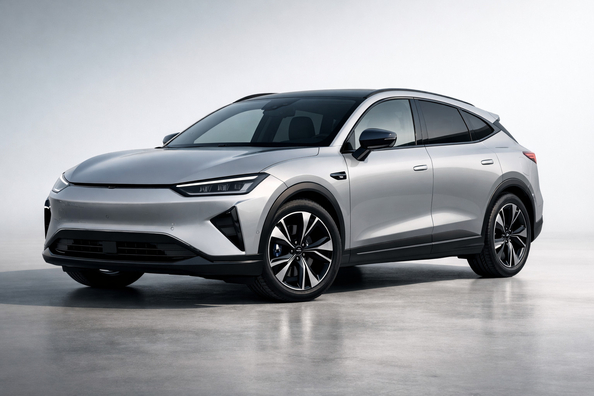
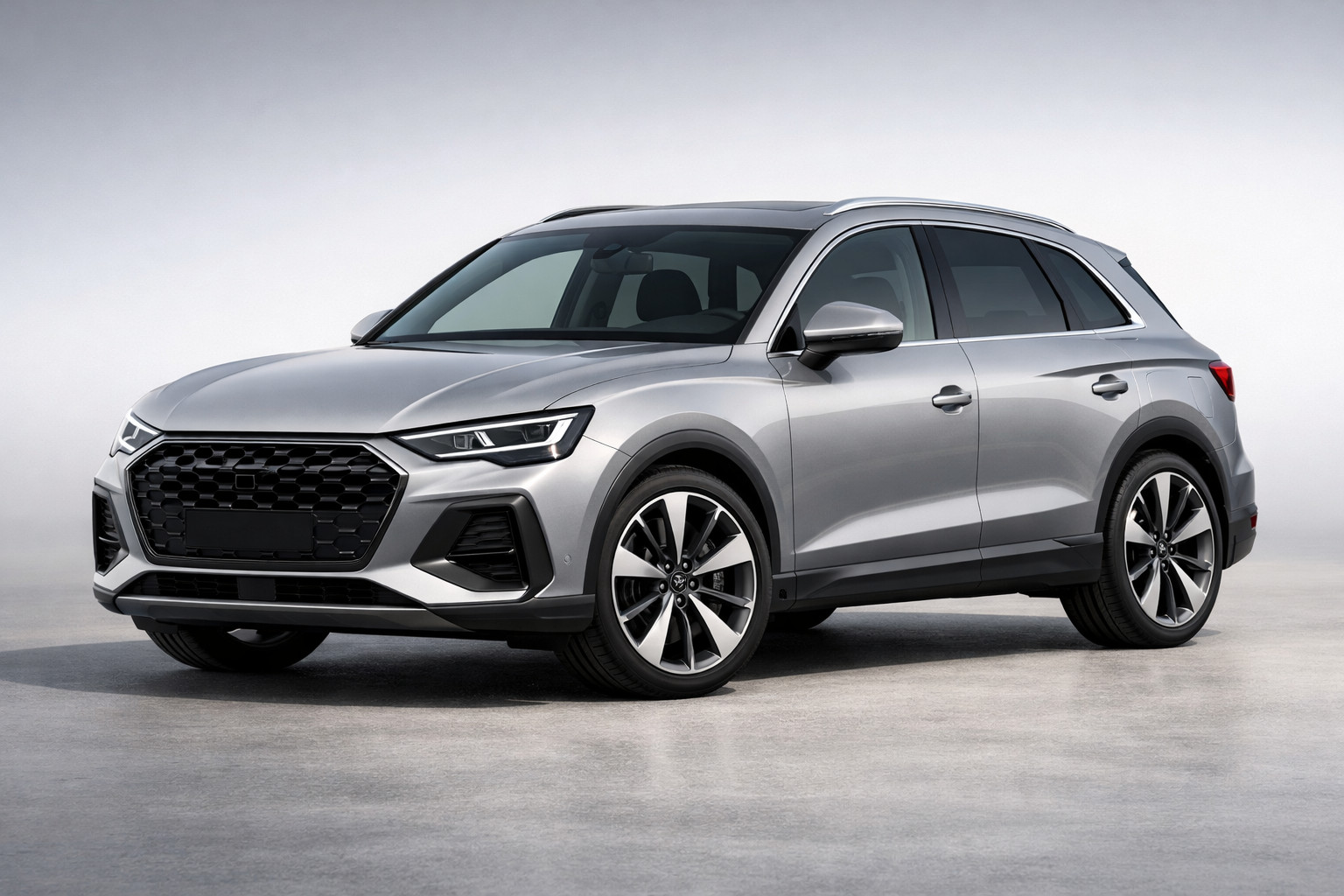
XPeng G6 2026 is an electric coupe-crossover that impresses first and foremost not with styling, but with a set of numbers: an 800-volt architecture, 68.5 or 80.8 kWh batteries, up to 525 km WLTP in the regular specification, and peak DC charging up to 451 kW. On paper, it’s one of the strongest rivals to the Tesla Model Y and BYD Sealion 7, especially for those who often travel between cities and don’t want to spend a long time at chargers.
In real-world choice, things are a bit more down to earth. The G6 wins on space, equipment and comfort, but not everyone will like the menu logic, the reliance on the touch interface, and a few software teething issues. So it’s best viewed as a rational family electric crossover, not a car for driver thrills.
By format, the XPeng G6 lands in the densest segment of electric mid-size crossovers. The body is five-seat, length 4758 mm, wheelbase 2890 mm, and the trunk is 571–1374 L. That means the car is playing in the mainstream family class, where buyers compare it with the Tesla Model Y, BYD Sealion 7 and other electric crossovers focused on range and practicality.
Against competitors, the G6 looks especially strong where everyday reality matters more than marketing: fast charging, rich equipment out of the box, plenty of second-row space, and trailer towing up to 1500 kg. At the same time, in steering sharpness and the overall sense of lightness, it doesn’t look like the class benchmark.
For the G6, it’s more important not to look for “old” and “new” generations, but to understand that the 2026 model year is an update within the same lineup. A European launch of the refreshed version in 2025 has been confirmed, and then the manufacturer separately introduced the 2026 specification. There are no signs of a completely new generation in the available data.
For the buyer, this means one simple thing: when choosing a specific car, you should look not only at the year, but also at the delivery market, software version, wheels, and trim. This is exactly where the G6 can differ in stated range, the electronics package, and small behavior nuances.
The XPeng G6 has no internal combustion engines, so displacement is not applicable here. It’s correct to talk about electric motors, drivetrain type, and battery. There is no traditional gearbox either: the character of the car is defined by an electric drive with rear-wheel or all-wheel drive.
| Parameter | Standard range | Long range | Top all-wheel-drive |
|---|---|---|---|
| Drive | rear | rear | all-wheel |
| Power | 185 kW, 252 hp | 218 kW, 296 hp | 358 kW, 487 hp |
| Torque | 440 Nm | 440 Nm | 660 Nm |
| Battery | LFP 68.5 kWh | LFP 80.8 kWh | LFP 80.8 kWh |
| WLTP range | 470 km | 525 km | 510 km |
| 0–100 km/h | 6.9 s | 6.7 s | 4.1 s |
| Peak DC charging | 382 kW | 451 kW | 451 kW |
| Top speed | 202 km/h | 202 km/h | 202 km/h |
| Curb weight | 2065 kg | 2115 kg | 2220–2240 kg |
The most balanced option looks like the long-range version: it delivers almost all of the model’s practical value without the extra mass of the top all-wheel drive. The standard version makes sense for the city and suburbs, while the top version is for those who value quick acceleration and better traction on slippery surfaces.
The G6 is built as a road crossover, not a vehicle for rough tracks. Up front it uses double wishbones, at the rear a multi-link suspension, and the drag coefficient is 0.248. It’s a good setup for stability and efficiency, but not a claim to serious off-road ability.
| Parameter | Value |
|---|---|
| Length / width / height | 4758 / 1920 / 1650 mm |
| Wheelbase | 2890 mm |
| Track | 1635 / 1650 mm |
| Trunk | 571–1374 L |
| Payload | 450–475 kg |
| Trailer | 1500 kg braked, 750 kg unbraked |
| Roof load | 75 kg |
| Ground clearance | in different data from 150 to 170 mm; the official figure depends on the market |
Ground clearance is one of the points where you need to be careful. Different sources cite different values, so it’s better to see the G6 as a city-and-highway car with some margin for curbs and gravel roads, but not for rutted farm tracks.
Inside, the G6 bets on space and equipment. There’s a digital instrument cluster, a large central display, CarPlay and Android Auto support, two 50 W wireless chargers with cooling, 18 speakers, heating and ventilation for the front seats, and heated rear seats. For family use, that’s a strong argument: the car doesn’t require a long list of paid options to be comfortable every day.
On safety, the package is serious too: 7 airbags, a 360-degree camera, parking assistants, adaptive cruise control, lane keeping, remote parking. But there’s a flip side: some owners complain not about the hardware, but about minor software glitches, digital key behavior, overly loud warning sounds, and menu logic that isn’t always intuitive.
In the city and mixed driving, the G6 can be a very convincing EV, especially if you have an 11 kW home AC charger. On paper, the car can charge very fast, but in real life the peak depends on temperature, battery condition, and the station itself. The main advantage isn’t the 451 kW figure as such, but the fact that short stops at fast chargers become genuinely short.
On the highway, the picture is tougher: actual consumption can deviate noticeably from the claimed figures, and real range depends heavily on speed and weather. For everyday life, what matters is different: the trunk is enough for a family, there’s 6 kW V2L, you can tow a trailer, but the average ground clearance and a weight over two tons suggest the G6 likes smooth asphalt more than broken yards.
| Strengths | Weaknesses |
|---|---|
| Very fast DC charging that works well for long trips | Real highway consumption can be noticeably higher than expected |
| Spacious cabin and a large trunk for a family scenario | Handling isn’t as lively and precise as some competitors |
| Rich equipment already in the model’s base logic | Too many functions are buried in the screen and menus |
| 800-volt architecture, heat pump, a useful set of drive modes | There are recurring complaints about the digital key, Bluetooth, and minor software bugs |
| Up to 1500 kg towing and a 75 kg roof load make it suitable for touring | Ground clearance is average, so the “crossover” format here is more road-focused than off-road |
Who the G6 suits: those who want a spacious family electric crossover, value fast charging and rich equipment, and aren’t chasing the sharpest steering. Who it doesn’t suit: those who want lots of physical buttons, consistently low autobahn consumption in any weather, or who often drive where 150–170 mm of ground clearance is already not enough.
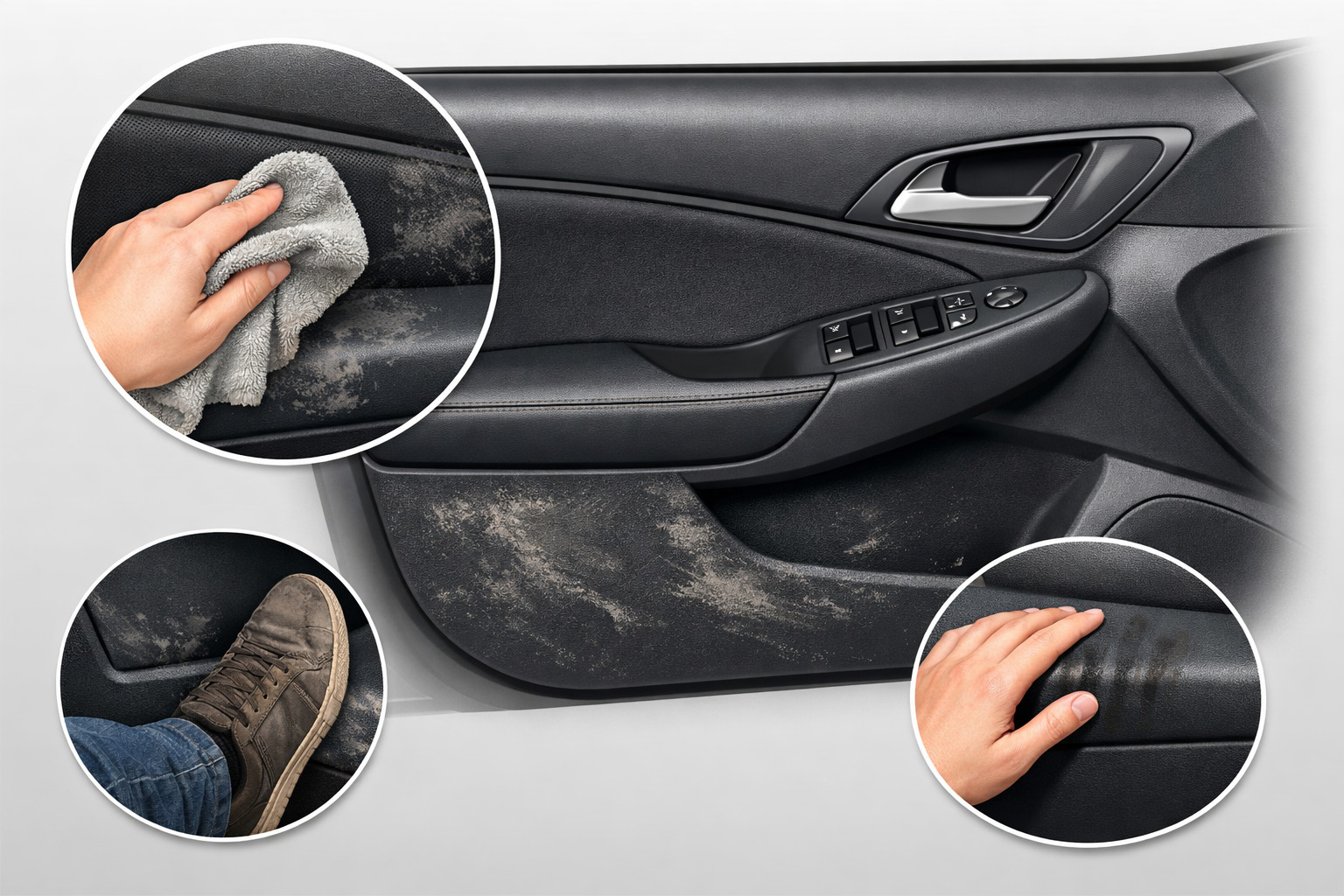
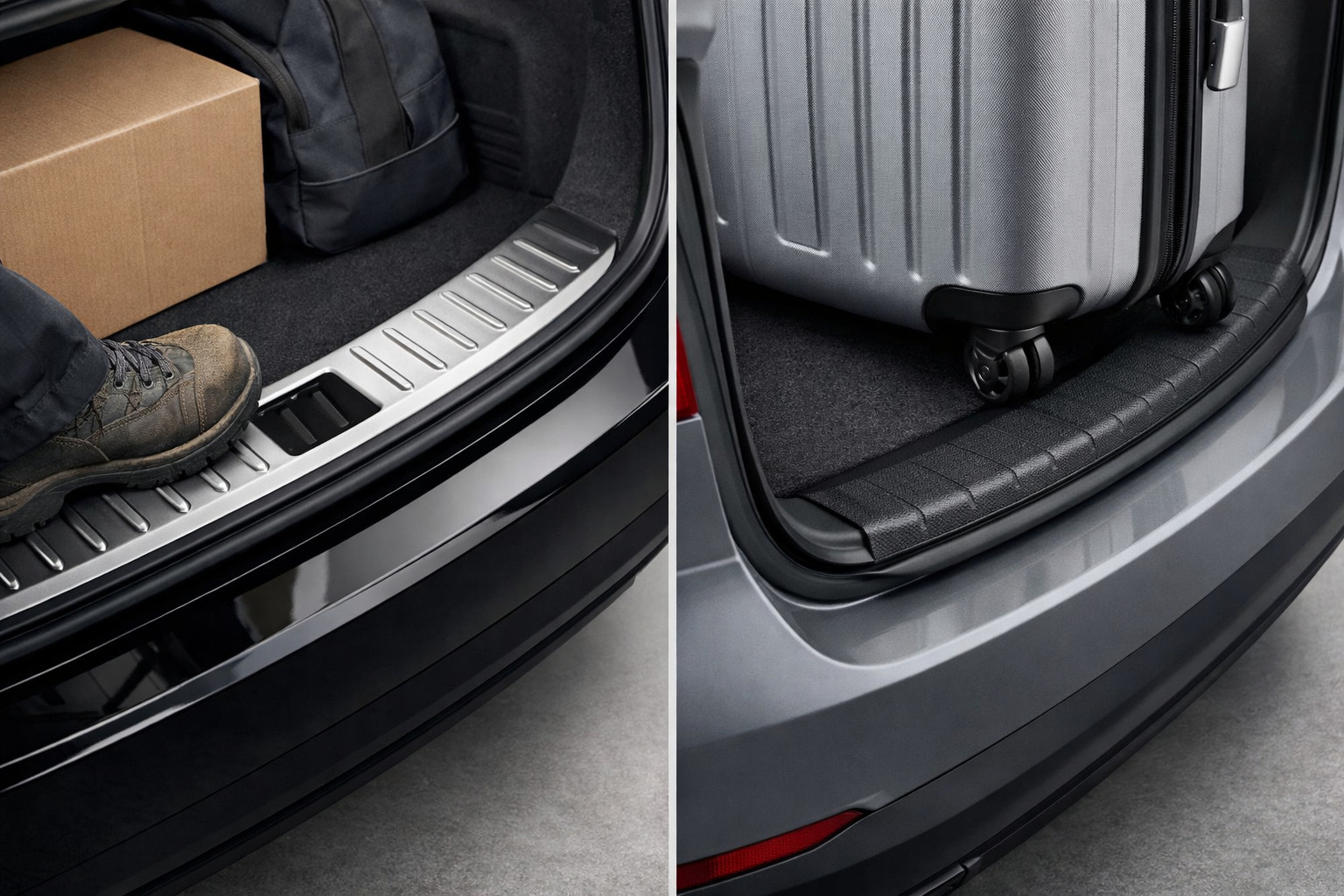
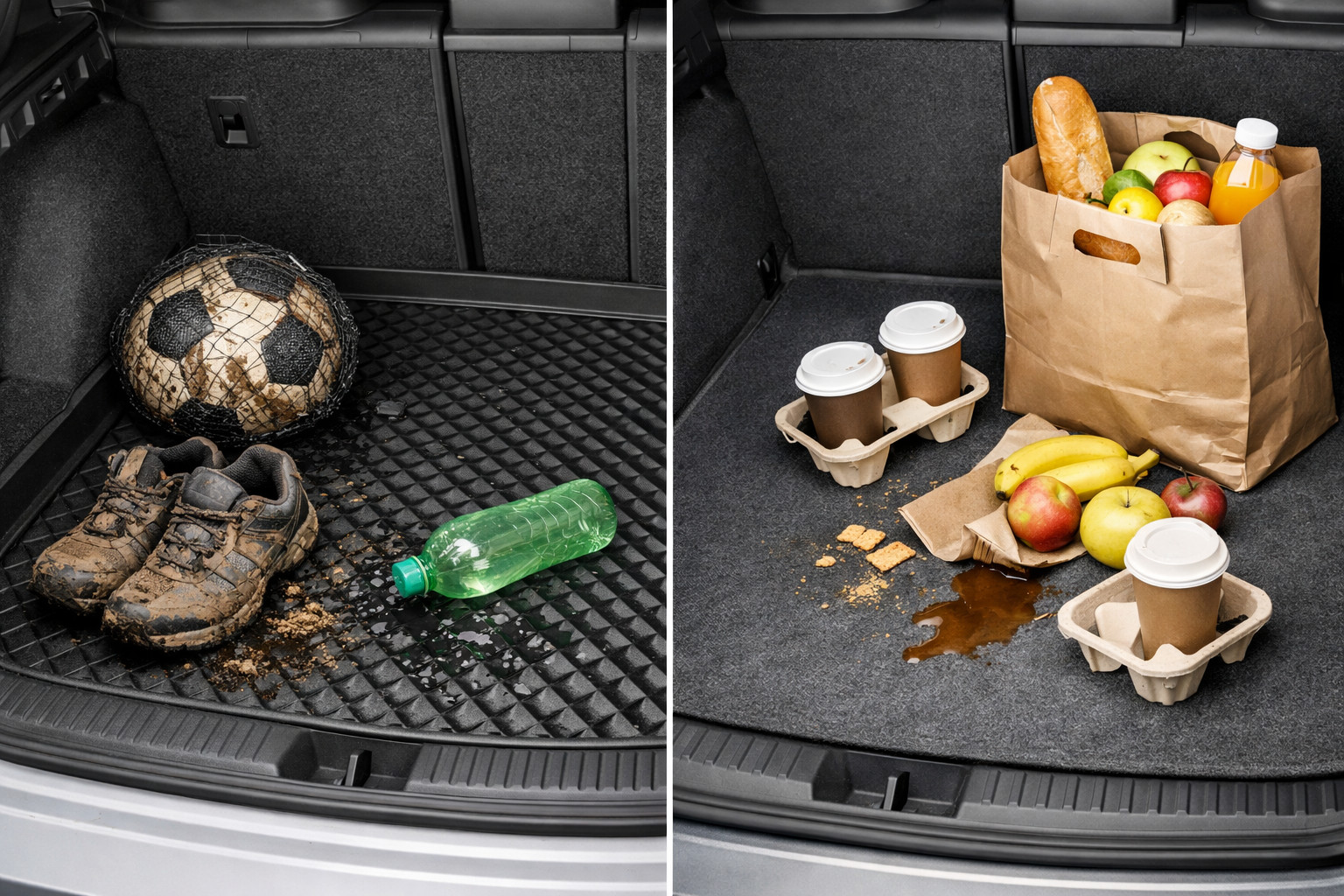
With the G6, the point of tuning isn’t “ECU flashes” or chasing numbers, but practical things: cabin floor protection, trunk protection, cargo organization, roof and towing solutions. For a heavy family electric crossover, this brings more real benefit than any decorative kit.
If you look at accessories pragmatically, the first items on the list are usually floor mats, trunk protection and roof systems. This is especially logical for a model with a large trunk, payload up to 475 kg, and the ability to tow a trailer.
If you specifically need the G6, it’s worth starting from the logic of these categories and checking current availability for the exact model. For this type of vehicle, it’s not decorative elements that work best, but things that make daily use easier.
XPeng G6 2026 is a strong, very modern electric crossover for those who put fast charging, space, equipment and family practicality first. It won’t necessarily be more emotional than the Tesla Model Y and it won’t eliminate every software question, but as a daily EV it looks like a smart option if you soberly assess real-world range, ground clearance, and your own driving scenarios. The material is based on real selection experience, practice, and real usage scenarios, not abstract advertising promises.
| ✔ | Very fast DC charging thanks to the 800-volt architecture: on everyday long trips, short charging stops really save time. |
| ✔ | A spacious cabin and a large 571–1374 L trunk make the G6 a convenient family electric crossover. |
| ✔ | A rich level of equipment is already built into the model’s base logic: it has CarPlay and Android Auto, two wireless chargers, heated and ventilated front seats, and heated rear seats. |
| ✔ | A strong practical-use package: a heat pump, 6 kW V2L, the ability to tow a trailer up to 1500 kg, and a roof load of up to 75 kg. |
| ✔ | The long-range version looks the most balanced: 525 km WLTP without switching to an overly heavy all-wheel-drive setup. |
| ✘ | In real highway driving, consumption can rise noticeably compared with the official figures, so range depends heavily on speed and weather. |
| ✘ | The handling does not feel as lively and precise as some rivals, so the G6 is more about comfort than excitement. |
| ✘ | Many functions are hidden in the touch menu, and the interface logic will not be convenient for everyone, especially while driving. |
| ✘ | There are repeated complaints about minor software glitches, the digital key, and Bluetooth, so the software does not seem flawless. |
Shipping to EU
Wholesale and retail
Own warehouse
Опис продукту
Подарунки не надаються при оформленні покупки у кредит під 0,01% або при покупці частинами.