24.03.2026
247
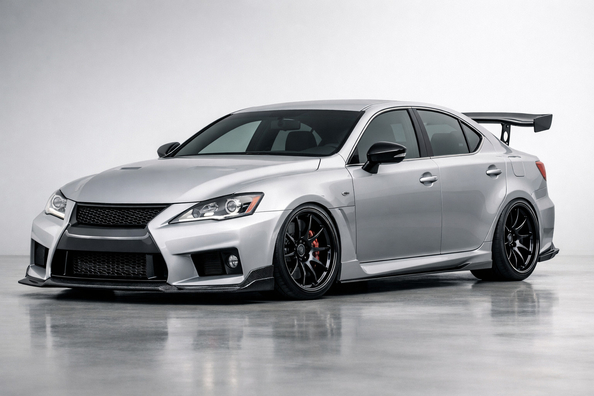

Lexus as a tuning base isn’t equally interesting across the board. If you set aside the brand image and look at it pragmatically, the best bodies for upgrades are rear-wheel-drive sedans and coupes with naturally aspirated V8s, plus body-on-frame SUVs where accessories genuinely work in daily use. In other words, very different scenarios coexist within one lineup: from a street project based on an IS 500 or RC F to an expedition-ready GX 550 Overtrail.
Below is a quick breakdown of which Lexus models are truly interesting for tuning, what you can realistically do with them without self-deception, and where the nice idea ends and the costs, compromises, or simply a poor base begin.
Lexus doesn’t have one universal model for tuning. The IS and GS sedans are about highway use, handling, exterior pieces, and clean chassis refinement. The RC and LC coupes are more about emotion: looks, sound, seating position, and the feel of a V8. The GX and LX are a completely different direction where protection, cargo systems, floor mats, roof rails, side steps, and travel prep come first.
If you look specifically at the balance of potential and common sense, the strongest choices are IS 500, RC F, GS F, and GX 550 Overtrail. The first three are appealing because they have powerful naturally aspirated V8s, rear-wheel drive, and a robust base for street-focused mods. The GX 550 Overtrail stands out because it comes from the factory with body-on-frame architecture, full-time 4WD, a rear differential lock, E-KDSS, and off-road geometry.
The IS has existed since the late 1990s, but for real tuning interest it’s best to look either at older generations as an affordable base, or at current IS 300, IS 350, and especially IS 500 versions. It’s the IS 500 that made the model truly interesting for those looking for a compact sedan with a naturally aspirated V8.
The RC appeared as a coupe in Lexus’ separate lineup, and the RC F became its loudest version. An important nuance: RC and RC F end their life cycle at the end of 2025, so this is now more of a used-market story and projects for those who consciously want a coupe, not just a pretty daily driver.
The GS has already left the market as a new car, but that’s exactly why it has become more interesting for mature projects. The GS 350 is a good, quick executive sedan, and the GS F is one of the best Lexus platforms for chassis tuning on the used market. The GX changed sharply in the current generation: the GX 550 became far more relevant for off-road and overland scenarios. The LC and LX matter for the full picture too, but they have a higher buy-in: the LC is an emotional GT, the LX is a big base for long trips rather than light city tuning.
Among the most interesting Lexus powertrains for tuning projects today, a few proven configurations stand out. The IS 300 has a 2.0-liter turbo engine in the rear-wheel-drive version with 241 hp and 350 N·m paired with an 8-speed automatic, while the IS 300 AWD gets a 3.5-liter V6 with 260 hp and 320 N·m paired with a 6-speed automatic. The IS 350 makes 311 hp and 380 N·m from a 3.5-liter V6, with an 8-speed automatic in the rear-wheel-drive version or a 6-speed in AWD.
The IS 500 F SPORT Performance is the key car in this whole topic. It features a 5.0-liter naturally aspirated V8 with 472 hp and 536 N·m, rear-wheel drive, and an 8-speed Sport Direct Shift. For a street project, it’s one of the cleanest configurations in modern Lexus.
The RC 300 AWD has 260 hp and 320 N·m, the RC 350 has 311 hp and 380 N·m, and the RC F received the same 5.0-liter naturally aspirated V8 with 472 hp and 536 N·m. The GS 350 also has 311 hp and 380 N·m, while the GS F has 467 hp and 528 N·m. The GX 550 uses a 3.4-liter V6 with twin turbochargers producing 349 hp and 649 N·m with a 10-speed automatic and full-time 4WD. The LC 500 delivers 471 hp and 540 N·m from a naturally aspirated V8, while the LC 500h with a combined 354 hp is more about efficiency than deep tuning.
| Model | Engine | Power | Torque | Drive / transmission |
|---|---|---|---|---|
| IS 350 | 3.5 L V6 | 311 hp | 380 N·m | RWD or AWD / 8AT or 6AT |
| IS 500 | 5.0 L V8 | 472 hp | 536 N·m | RWD / 8AT |
| RC F | 5.0 L V8 | 472 hp | 536 N·m | RWD / 8AT |
| GS F | 5.0 L V8 | 467 hp | 528 N·m | RWD / 8AT |
| GX 550 | 3.4 L V6 with twin turbochargers | 349 hp | 649 N·m | 4WD / 10AT |
| LC 500 | 5.0 L V8 | 471 hp | 540 N·m | RWD / 10AT |
| LX 700h | 3.4 L hybrid V6 | 457 hp | 790 N·m | 4WD / 10AT |
As for body styles, the picture is simple. IS and GS are the easiest choices for those who want four doors, solid daily practicality, and still want to work on ride height, wheels, aero parts, and brakes. RC and LC look better as a base for a visual project, but the coupe format immediately adds everyday compromises.
Exact dimensions aren’t equally clean for every version across the board. Where the numbers are confirmed, the reference points are: RC F — 4709 × 1844 × 1389 mm, wheelbase 2731 mm; GS 350 — 4879 × 1839 × 1456 mm in the rear-wheel-drive version or 1470 mm in AWD; GS F — 4915 × 1844 × 1440 mm; GX 550 — 5002 × 2114 × 1918–1960 mm depending on version; LC 500 — 4760 × 1920 × 1346 mm, wheelbase 2870 mm. For the base IS, the exact dimensions in available data vary by version, so it’s better not to plug in unverified numbers.
On the suspension side, the most interesting point is that the GX 550 Overtrail already has roughly a 1-inch suspension lift front and rear, 33-inch tires, E-KDSS, and a rear differential lock. So here, tuning isn’t an attempt to turn a city SUV into an off-roader—it’s a logical continuation of an already correct base. With the GS F and IS 500, on the other hand, the strong suit is asphalt: brakes, balance, and high-speed stability.
| Model | Dimensions, mm | Ground clearance / geometry | Trunk | Practical takeaway |
|---|---|---|---|---|
| RC F | 4709 × 1844 × 1389 | Low coupe | Small | For style and asphalt, not for family tasks |
| GS F | 4915 × 1844 × 1440 | Sedan, sporty base | Medium | A mature fast project without coupe compromises |
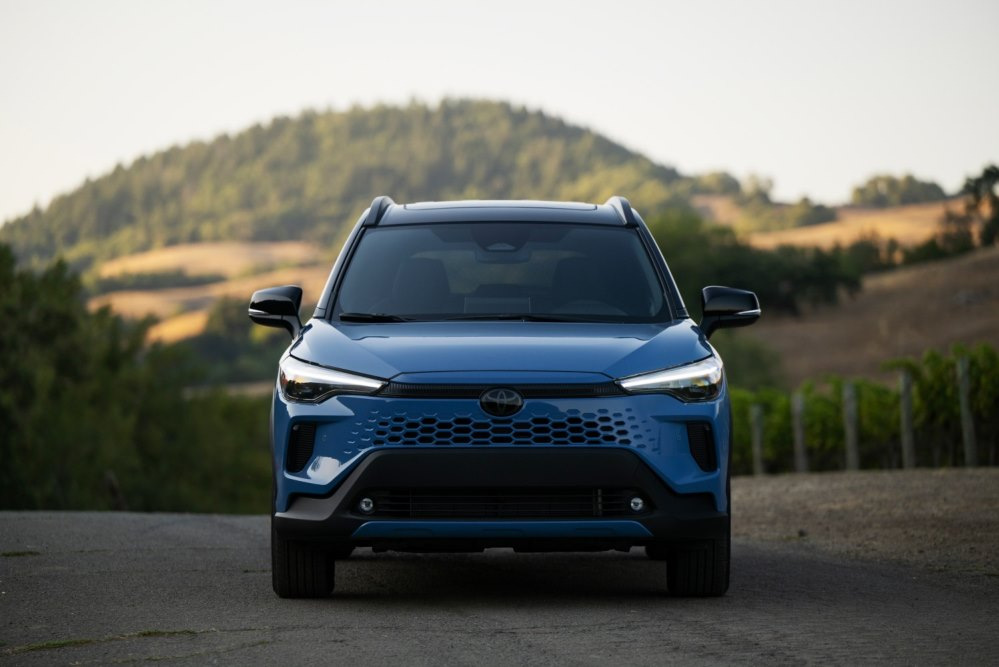
| GX 550 | 5002 × 2114 × 1918–1960 | Improved off-road geometry in Overtrail | 1139 / 2176 L | One of the best bases for travel and getaways |
| LC 500 | 4760 × 1920 × 1346 | Low GT | Limited | Emotionally strong, but not universal |
| LX 600 / 700h | Large body-on-frame SUV | Good for off-road and towing | Depends on interior configuration | Expensive as a project, but strong as an expedition base |
Lexus’ strong point in almost all of these models is a solid baseline of quietness, materials, and overall perceived quality. But for tuning, what matters is different: where the car is ready for daily routine, and where it’s too specialized. IS and GS look like the healthiest compromise here: proper seating position, four doors, easier access to the rear row, and less everyday irritation.
RC and LC attract with interior design and ambience, but as daily cars they require more patience. The rear row in the coupes is limited, and the trunk is too. With GX and LX, the picture is reversed: space, capacity, and versatility are higher, but the vehicles themselves are heavy, wide, and not everyone finds them comfortable in the city. In IS owner reviews, an outdated interface and small ergonomic shortcomings are mentioned separately—so it’s not a weak car, it’s a car where the electronics aren’t always on the same level as the mechanicals.
As a daily car for someone who wants to drive and also upgrade, the best picks are IS 350, IS 500, and GS 350. They offer normal everyday versatility, don’t force you to live with coupe limitations, and don’t require an LX or LC budget. The GS has the advantage of a more grown-up class, but keep in mind it’s no longer sold new, and on the used market costs for tires, brakes, and fuel can be noticeable.
The GX 550 is a very strong daily option for those whose real life includes long trips, bad roads, cargo, and towing up to 4127 kg. But if the vehicle lives almost exclusively in the city, its mass, dimensions, and fuel consumption can get tiring quickly. The LC 500 is perfect for emotional drives and highway routes, but not for the role of the only universal family car.
The main advantage of Lexus as a tuning base is honest mechanical fundamentals. The best versions don’t need radical intervention to be fun to drive: competent wheels, tires, brakes, protection, floor mats, a cargo system, or exterior parts are enough. The main downside is the cost of a mistake. If you pick a body style that doesn’t match your scenario, you’ll end up with either a beautiful but impractical coupe, or an SUV that’s very expensive in daily running costs.
| Body / model | Pros | Cons |
|---|---|---|
| IS 500 / IS 350 | Lively chassis, rear-wheel drive in key versions, strong base for a street project | Not the most modern multimedia, some versions differ by transmission and drivetrain |
| RC F | Naturally aspirated V8, striking exterior, good potential for visual tuning | Coupe practicality, model is nearing the end of its cycle, a good example isn’t cheap |
| GS F / GS 350 | Grown-up sedan, good base for chassis work and long trips, reliability reputation | Used market only, maintenance and fuel costs, rear seats don’t fold |
| GX 550 Overtrail | Ready-made off-road base, locking, E-KDSS, spacious trunk | Fuel consumption, large dimensions, third row isn’t always useful |
| LC 500 | One of the most emotional V8s in the brand, strong design | Expensive, little practicality, tuning quickly becomes very costly |
| LX 600 / 700h | Strong base for long routes, towing, expeditions | Mass, price, irrational for light city tuning |
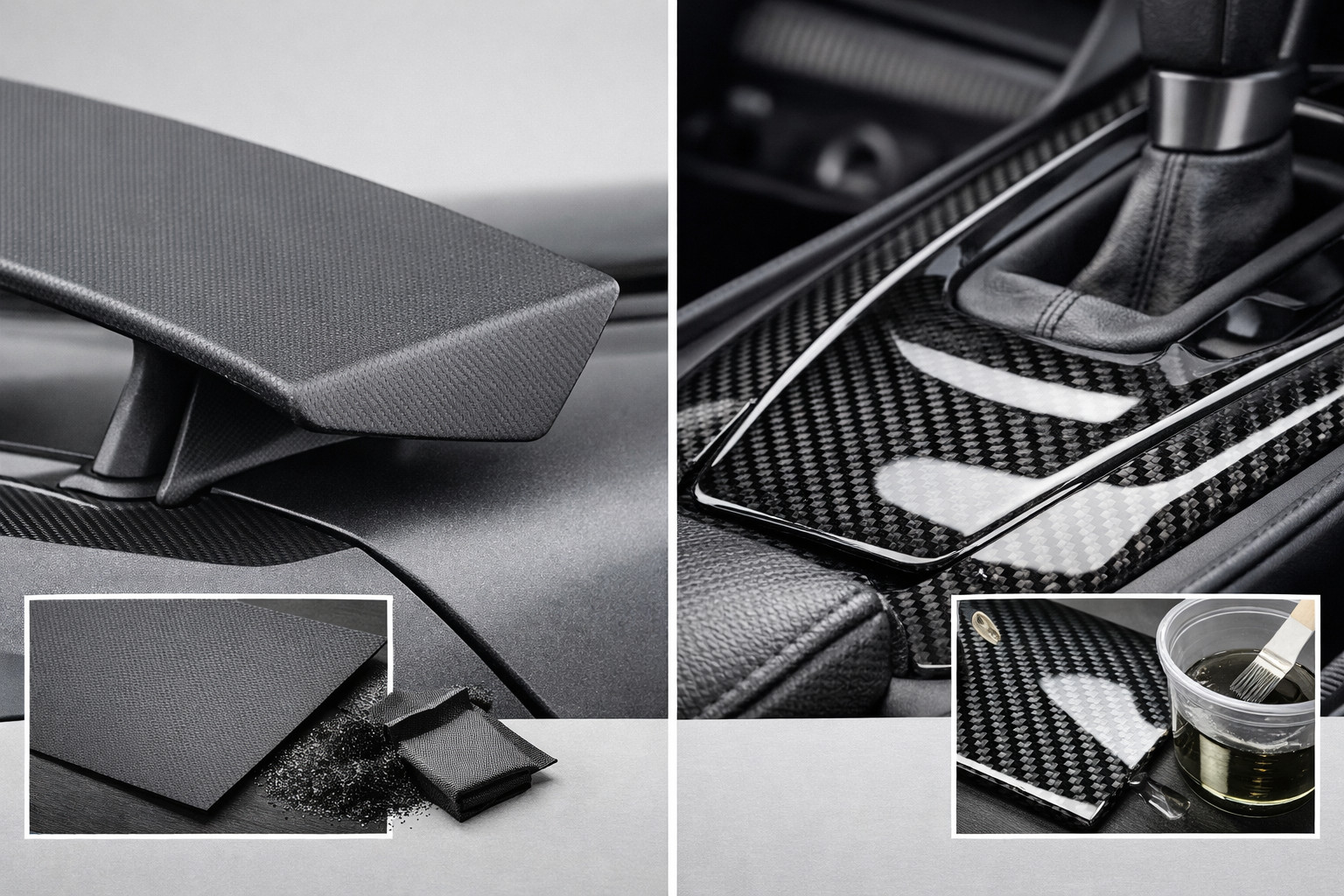
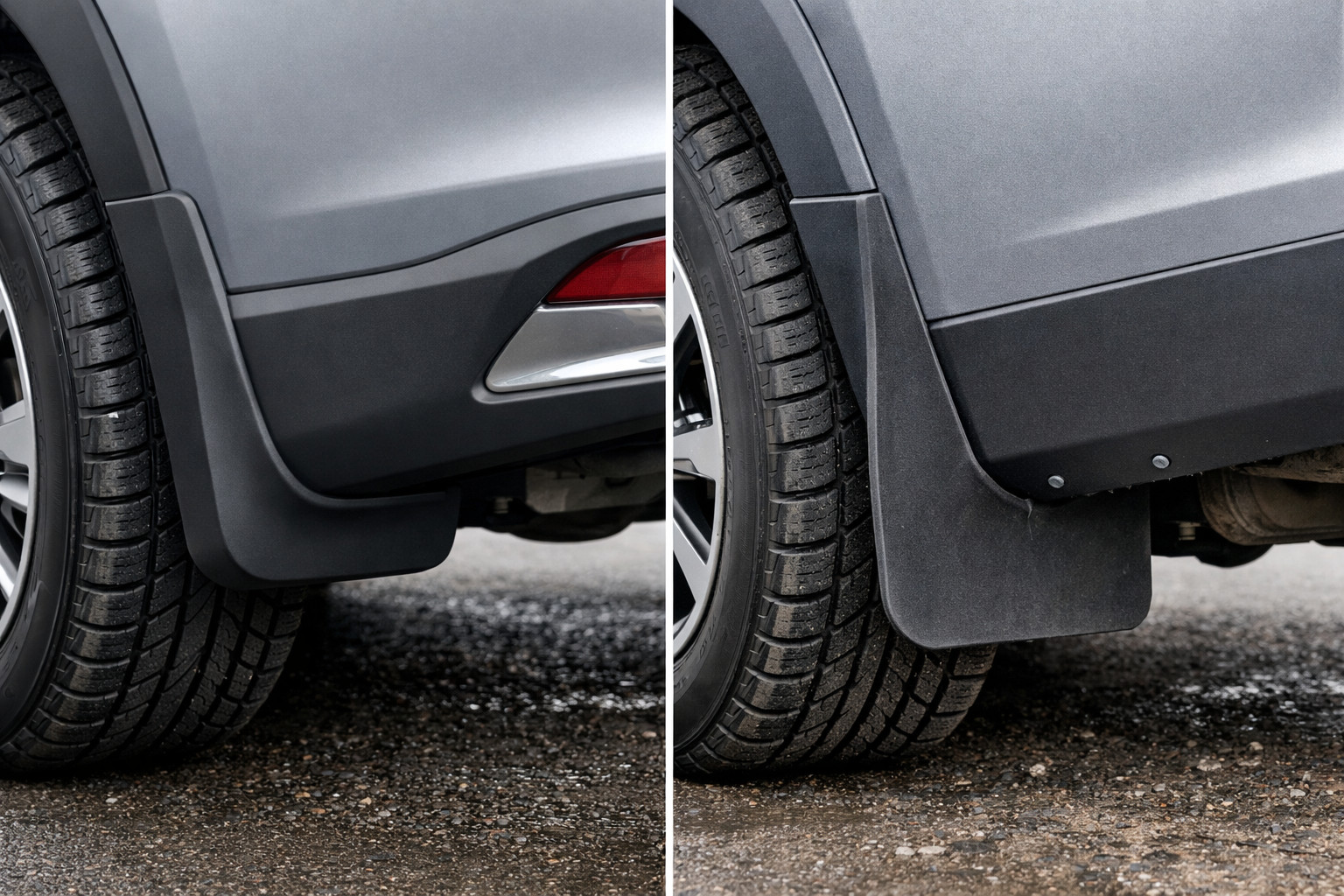
In short, Lexus responds best not to “everything at once” but to scenario-based tuning. For IS and RC, exterior pieces, floor mats, spoilers, body kits, protection, and careful work on ride height make sense. For GX and LX, items that are actually used matter: cargo systems, floor mats, protection, side steps, deflectors. That’s why it makes sense to start with a brand-specific selection like Lexus tuning, and then narrow down by body style.
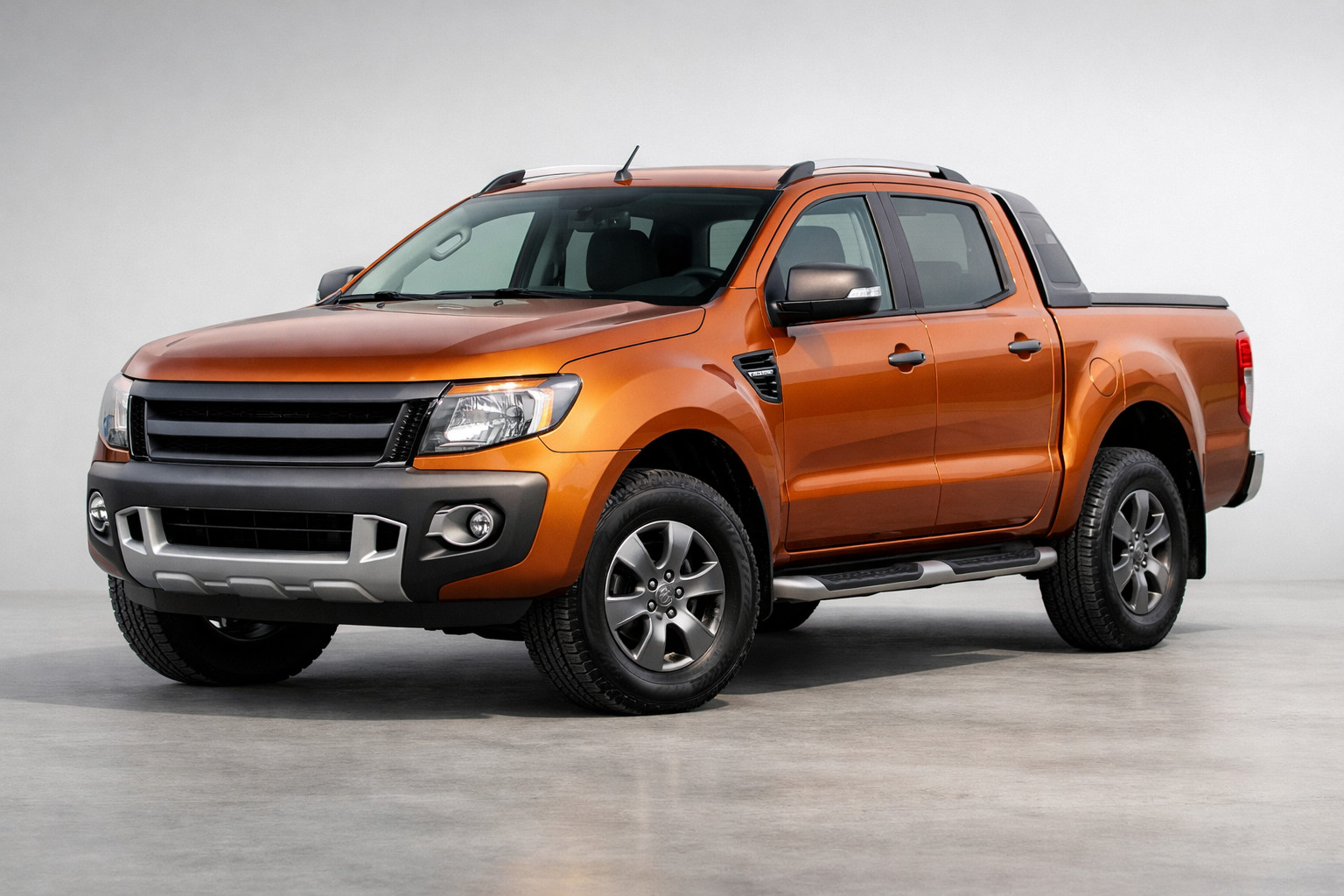
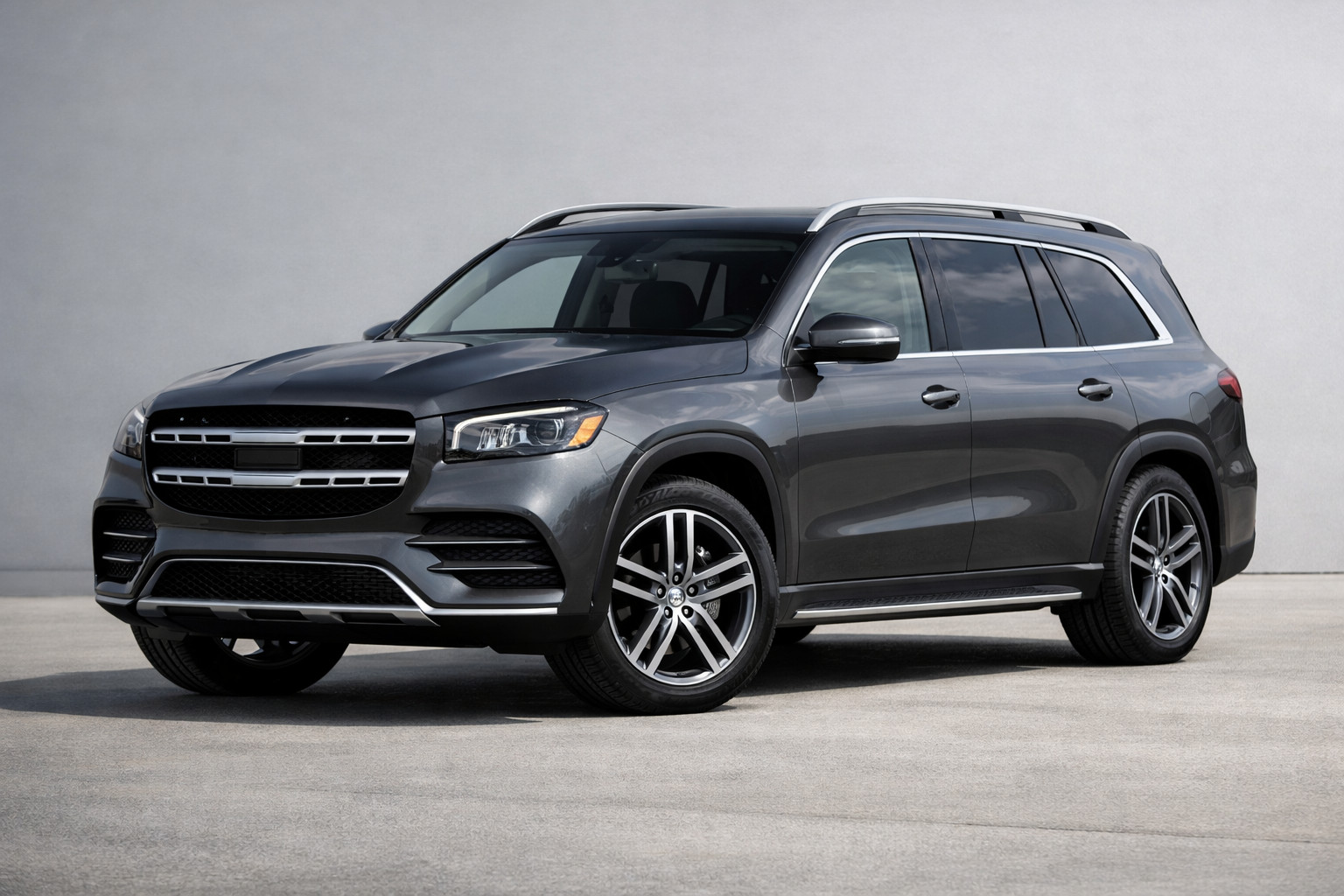
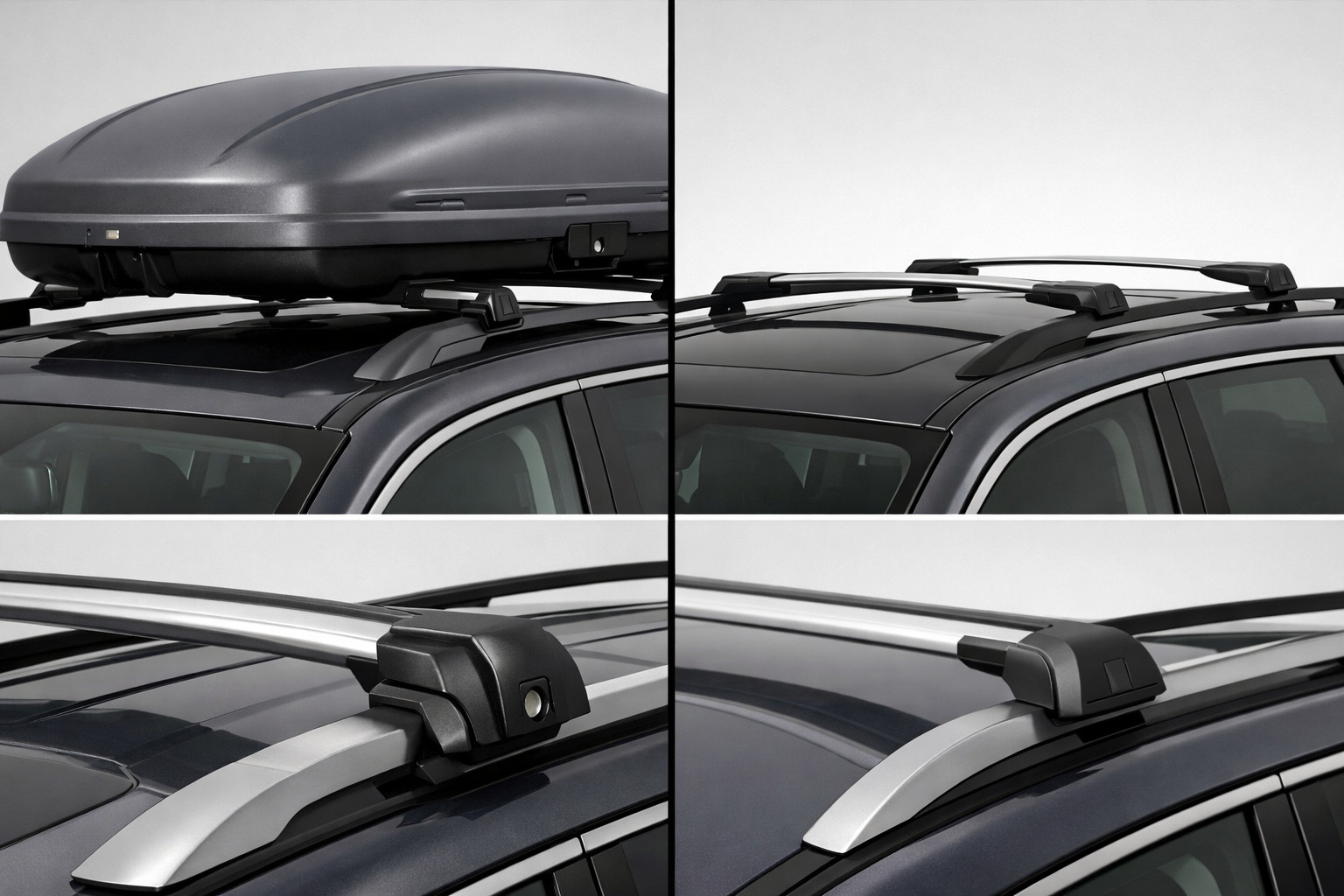
For the sedan and coupe direction, the most practical options are spoilers for Lexus IS and body kits for Lexus RC: upgrades that genuinely change how the car is perceived without touching complex mechanicals. For the off-road scenario, the first justified buys are usually roof racks and roof bars for GX 550, because they immediately pay off on trips, vacations, and weekend getaways.
In practical terms, the best Lexus projects aren’t the loudest ones. The IS 500 benefits from moderate exterior refinement and properly selected wheels. The GS F benefits from a smart chassis-focused approach. The GX 550 benefits from functional accessories. The LC 500 and LX have huge potential, but any poorly thought-out step there costs noticeably more.
If you’re choosing a Lexus specifically for tuning, the most rational approach is to think in terms of scenarios, not models. For street use, the most interesting are IS 500, RC F, and GS F. For functional off-road or touring use, it’s GX 550 Overtrail, while the LX makes sense when you need a big expensive project with real use outside the city. The LC 500 is a separate story for those who consciously are ready to pay for character rather than versatility.
Bottom line: the most interesting Lexus bodies for tuning aren’t necessarily the most expensive, but the ones where the base already matches your driving style. This material is based on real selection experience, hands-on practice, and real usage scenarios—not abstract lists of “best Lexus” that ignore how the vehicle lives after purchase.
| ✔ | IS 500, RC F, and GS F have naturally aspirated V8s, rear-wheel drive, and a solid platform, so they’re well suited for street projects without complex mechanical вмешання. |
| ✔ | IS and GS remain the most practical for everyday use: these are four-door bodies with a comfortable driving position, access to the rear row, and none of the coupe-style compromises in daily life. |
| ✔ | GX 550 Overtrail already comes from the factory prepared for off-road use — with body-on-frame architecture, locking differentials, E-KDSS, and off-road geometry, so tuning here makes practical sense. |
| ✔ | Lexus suits scenario-based tuning well: for sedans and coupes, wheels, tires, brakes, and visual elements are enough, while for GX and LX — cargo systems, protection, and side steps. |
| ✔ | GS F and GS 350 look like a mature base for a project: these are sedans that combine on-road character with suitability for long trips. |
| ✘ | As coupes, RC and LC have a limited rear row and a small trunk, so they’re inconvenient as the only all-purpose car. |
| ✘ | GS is already discontinued as a new model, and on the used market the costs of tires, brakes, and fuel can be noticeable. |
| ✘ | GX 550 quickly reminds you of its weight, large dimensions, and fuel consumption in city driving. |
| ✘ | LC 500 and LX 600/700h are expensive to build as projects: any mistake with modifications there will cost noticeably more than with more mainstream models. |
Shipping to EU
Wholesale and retail
Own warehouse
Опис продукту
Подарунки не надаються при оформленні покупки у кредит під 0,01% або при покупці частинами.