
































































 Author: Radomskyi Maksym Vasyliovych
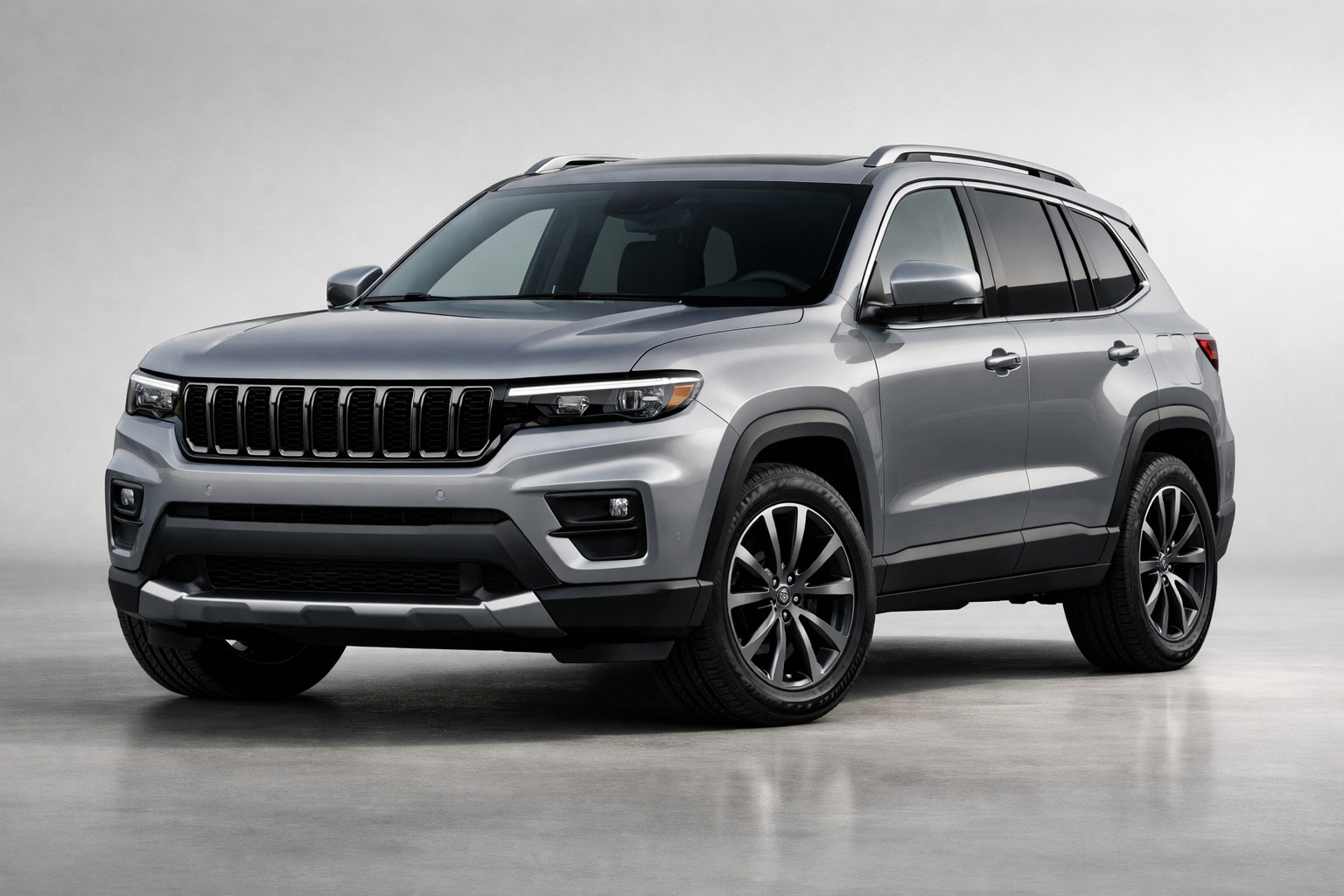
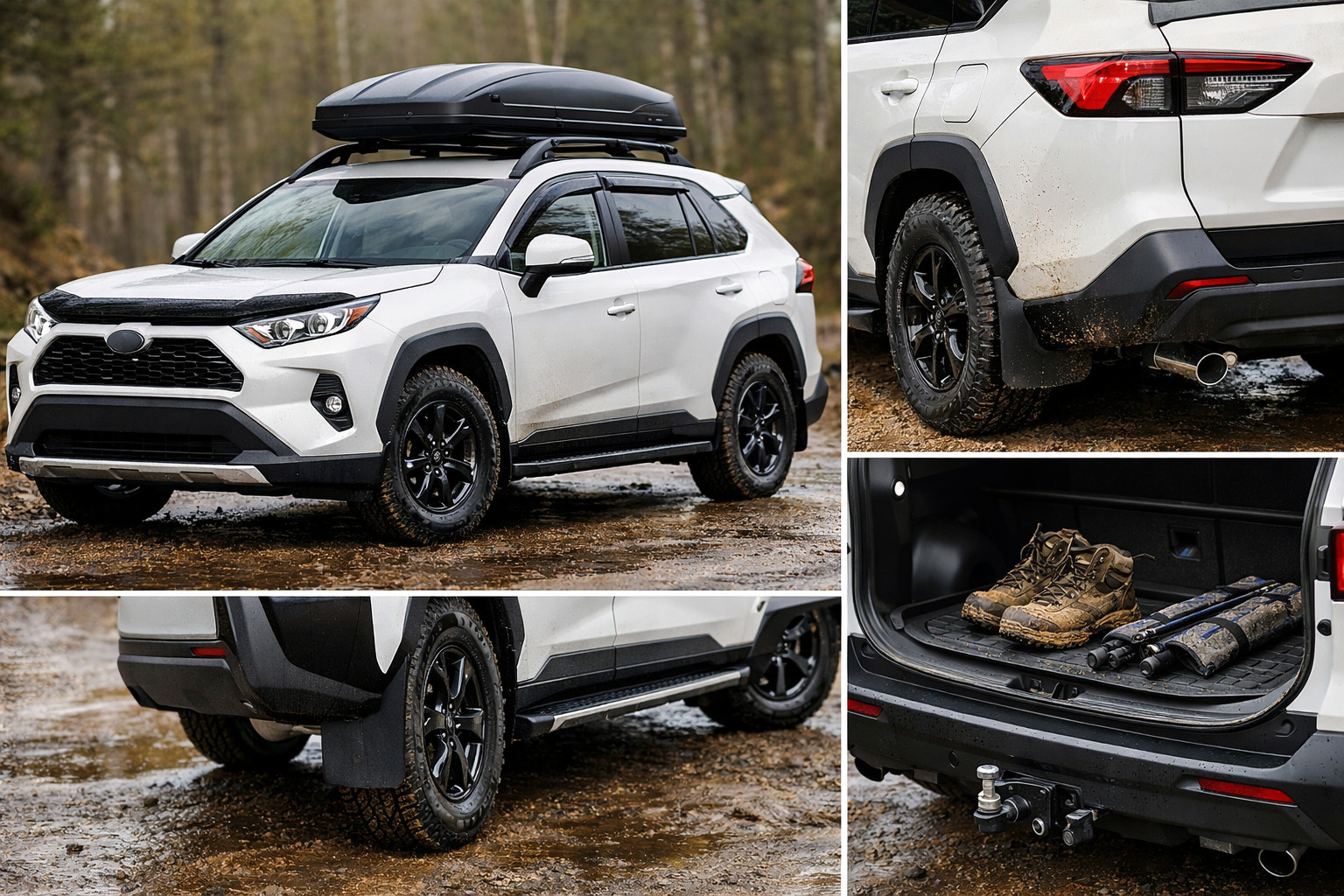
This upgrade plan is for a Toyota RAV4 2019+ owner who drives in the rain, regularly picks up dirt from yards, roadsides, and gravel roads, but does most mileage on the highway. The point isn’t to cover the car in accessories, but to improve control on wet roads, reduce the amount of dirt getting into the cabin, and protect the body from minor damage.
In this scenario, the biggest impact comes not from decorative items, but from the right sequence of upgrades: tires first, then cabin and trunk protection, then mud flaps and localized paint protection. For the RAV4, this is also a trim-level question: tire size and some accessories depend on the vehicle version, so buying at random isn’t cost-effective.
What this upgrade should accomplish
The main goal is to make the RAV4 calmer on wet asphalt and less demanding in everyday care. On the highway, that means predictable braking, less tendency to aquaplane, and solid directional stability in the rain. On dirty access roads and after downpours—less sand, water, and clay in the cabin and trunk.
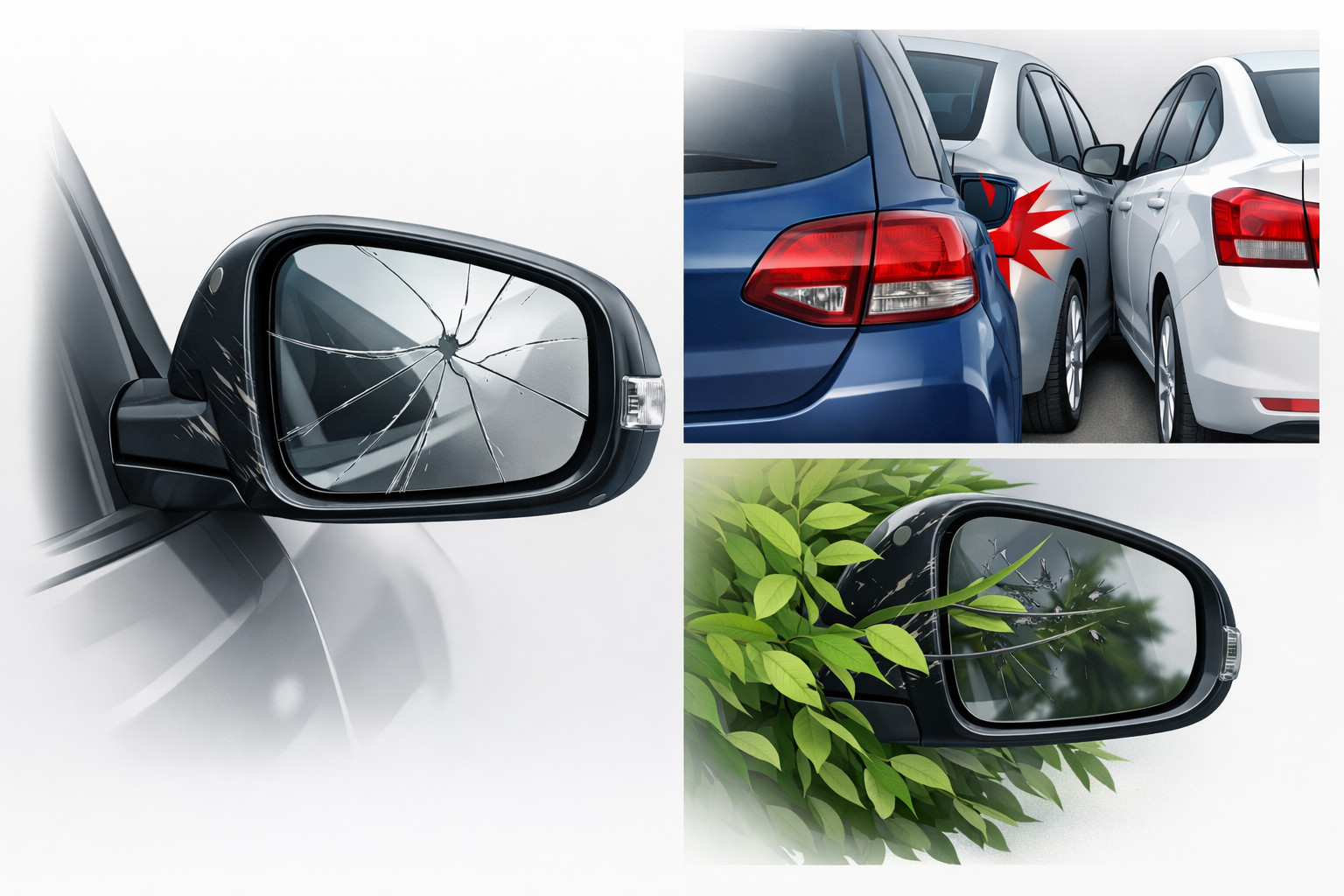
The second part of the goal is to protect vulnerable areas of the body. For that, mud flaps, rear bumper protection for loading, and, if needed, localized protective film on the front end, mirrors, and around the door handles matter. These are the items that deliver practical results, not just a different look.
What to upgrade first
Step one—tires. If 90% of your mileage is highway, rain, and city driving, choose a model with a strong focus on wet performance. If mud, puddles, and gravel roads are noticeably more common than usual, it makes sense to look at highway all-terrain tires—but understand the trade-off: they’re rarely as quiet and smooth as a good road-focused all-season tire.
For the RAV4 2019+, you need to match this to your exact trim, because 17-, 18-, and 19-inch options are common. The typical mistake here: people look only at the tread pattern, when they should look at the driving scenario and the factory size.
Step two—all-weather floor mats and a cargo tray. They won’t make the car faster, but they save time every day. After rain, snow, or a trip to the countryside, the cabin won’t absorb moisture and sand, and the trunk won’t suffer from wet bags, tools, kids’ items, or shoes. An important detail: the mats must be secured on the factory retainers and must not be stacked on top of each other.
Upgrade: why it’s needed, who benefits (table)
| Upgrade | Why it’s needed | Who truly benefits |
|---|---|---|
| Tires with a wet-road focus | Better control in the rain, shorter braking distances, less nervousness in ruts and puddles | Anyone who often drives on the highway and wants a real safety gain |
| All-weather cabin floor mats | Trap water, salt, sand, and dirt; make cleaning easier | Those who get in with wet shoes, carry kids, or often drive out of town |
| Rubber cargo tray | Prevents moisture and dirt from getting into the trunk lining | For trips with bags, a dog, a stroller, tools, or countryside gear |
| Mud flaps | Reduce sandblasting along the sills, sides, and lower body | Those who constantly drive in rain, through puddles, and along dirty roadsides |
| Localized protective film | Takes the hit from small chips and scratches on the front end and contact points | New cars, dark paint, or vehicles with frequent highway trips |
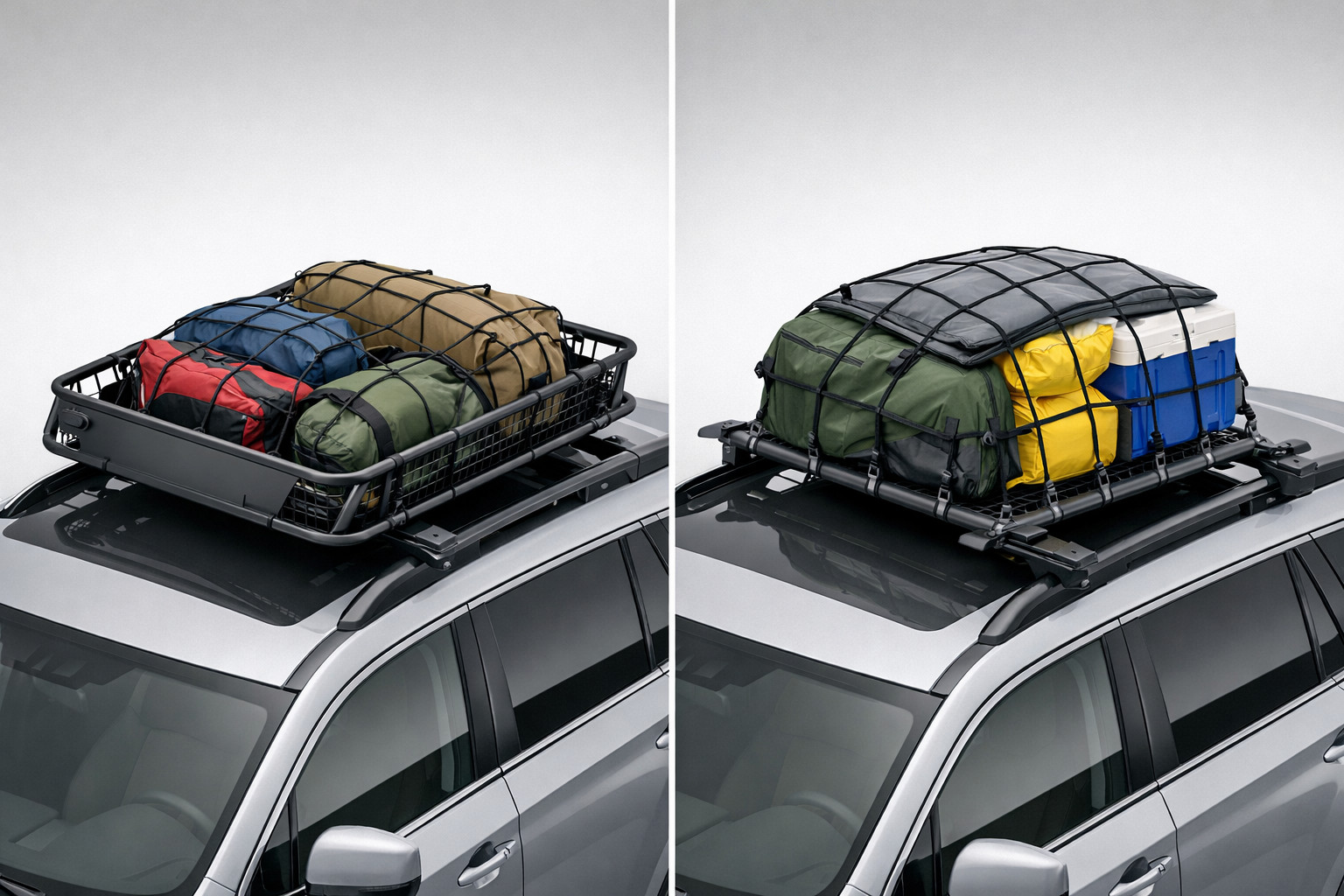
| Roof crossbars | Needed for a roof box or mounts, but don’t add benefit on their own | Only for those who actually carry cargo on the roof |
| Trunk net and shoe brush | Help keep small items and dirt under control | Those who use the trunk daily and dislike clutter |
DD Tuning expert comment: The most common mistake in this scenario is starting with side steps, window deflectors, or crossbars and leaving tires “for later.” For wet highway driving, that’s the wrong priority—the biggest difference comes from the tires. The second typical mistake is choosing aggressive tires for looks, even though 90% of the mileage is on asphalt, and then living with noise and harshness.
What makes sense to add as a second stage
After tires, mats, and a cargo tray, the logical second stage is mud flaps. They don’t change the car’s behavior as much as tires, but they noticeably reduce dirt on the sides and help extend the life of the paint on the lower body. Install them carefully: don’t overtighten the fasteners and make sure the fit is correct.
If the RAV4 often runs on the highway, especially behind trucks, the next thing that makes sense is localized paint protection: the front bumper, hood edge, mirrors, and door cups. It’s not mandatory to do right away, but these areas are the first to collect chips and minor scratches.
I’d also include rear bumper protection and simple trunk add-ons like a net. They aren’t critical, but if you often load heavy or wet items, the benefit shows up quickly.
What’s more about comfort or appearance
In this group I’d put window deflectors, side moldings, door-sill plates, some interior trim pieces, and most decorative packages. They can be nice to use, but they don’t solve the core problem of wet highway driving and dirty trips.
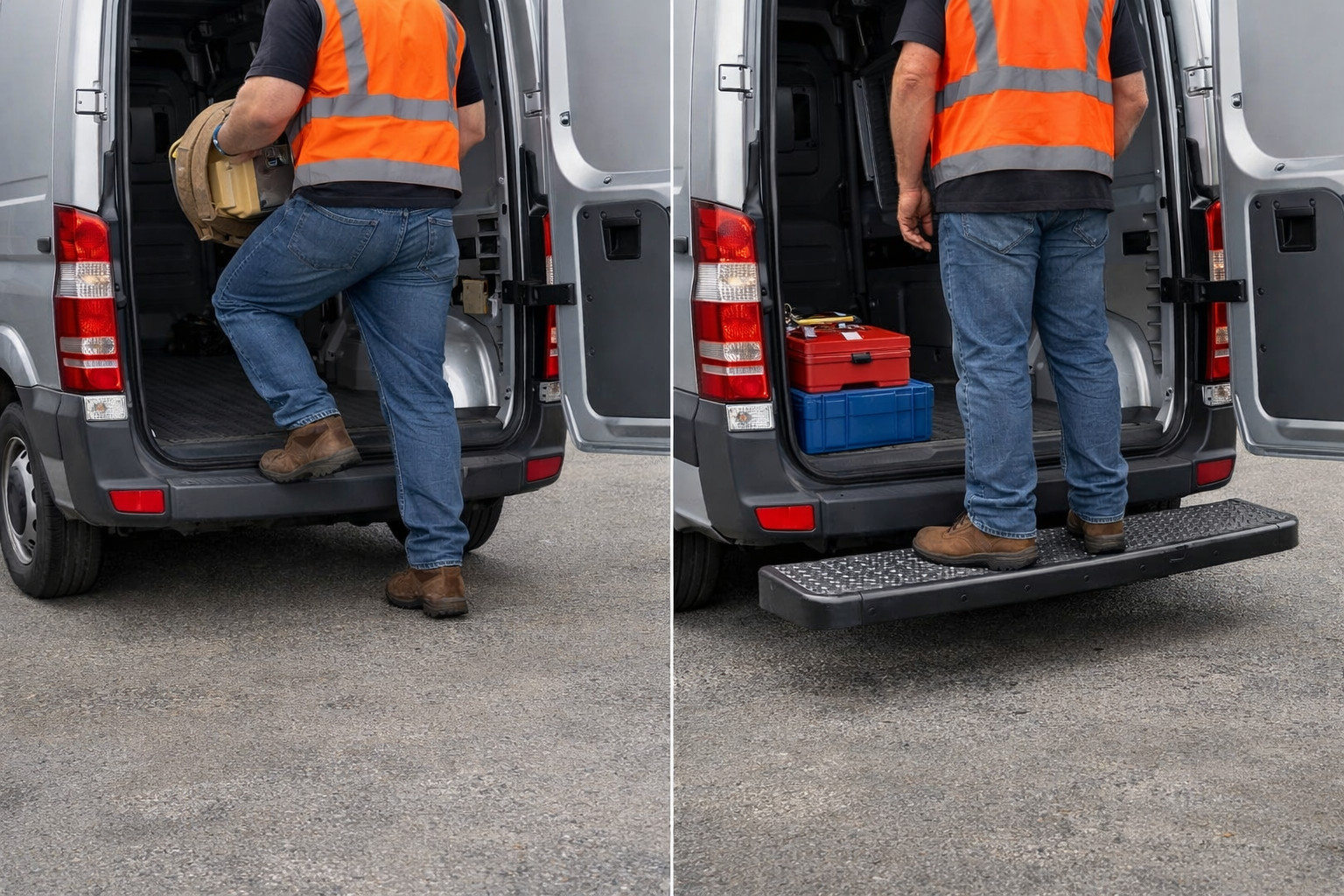
From that list, the most practical are rear bumper protection and side moldings if you often park in tight spaces or regularly load the trunk. Everything else is worth buying only when the basics are already covered, not instead of them.
Roof crossbars are also often seen as a universal upgrade, but for this scenario they aren’t a first-priority benefit. If you don’t regularly carry a roof box, bicycles, or long cargo, they may simply add cost and wind noise at speed.
What people often buy for nothing
Most often, three things are bought unnecessarily. First—decorative packages, chrome, and body kits that barely affect either dirt protection or highway behavior. Second—roof crossbars “just in case,” even though there’s no real roof cargo. Third—tires that are too rugged for city and highway use, when what the driver actually needs is quietness and wet control.
Another common mistake is choosing universal solutions where vehicle-specific ones exist. Universal mud flaps or mats often require trimming, fit worse, and end up being annoying every day. A separate note about mats: don’t stack one on top of another—then it’s no longer about convenience, but about the risk of extra movement under your feet.
What to install first, what to postpone, what’s optional (table)
| Install first | Can be postponed | Not required |
|---|---|---|
| Tires for wet asphalt | Mud flaps | Roof crossbars without regular cargo |
| All-weather cabin floor mats | Localized protective film | Chrome packages and decorative body kits |
| Rubber cargo tray | Rear bumper protection | Window deflectors if you hardly use them |
| Check correct mat fastening | Side moldings for parking | Highway all-terrain tires if 90% of mileage is highway |
A ready upgrade plan for this scenario
- Check your RAV4 trim level and the exact factory tire size.
- Choose tires for your real use: for mostly wet highway driving—road-focused all-season; for frequent gravel roads and mud—a highway all-terrain option.
- Install all-weather cabin floor mats and a rubber cargo tray.
- Add mud flaps if you regularly drive through puddles, gravel, wet yards, and dirty roadsides.
- If needed, protect the front bumper, hood edge, mirrors, and handle areas with protective film; if you often load items—add a rear bumper protector.
- Only after that, decide on the roof: crossbars, a roof box, or other attachments should be bought only for a real task.
- Finally, you can add everyday small items: a trunk net, a shoe brush, and organization for small cargo.
When it makes sense to choose more expensive solutions
More expensive solutions are justified where precise fit, clear compatibility, and a lower chance of rework matter. If you want to verify the full set of available items for your model, start with the catalog for RAV4 2019+. If you need a clean, vehicle-specific fit without experimenting with universal options, look at original mud flaps. And roof rails and roof racks make sense only when you truly transport a roof box, bicycles, or long cargo.
More expensive but logical spending also includes localized paint protection on the front end. This especially makes sense for a new car, a dark color, or a vehicle with frequent highway trips. But overpaying for decorative packages in this scenario makes little sense: they don’t address the main goal.
From a customer’s experience: A 2021 Toyota RAV4 owner wasn’t looking for decor, but for calmer behavior on wet highways and less dirt after trips out of town. He started with tires for rainy conditions, then installed rubber mats, a cargo tray, and mud flaps. As a result, the cabin became much easier to maintain, and he skipped crossbars after realizing he doesn’t carry anything on the roof.
Conclusion
For a Toyota RAV4 2019+ used in rain, dirt, and highway driving, the smartest route is simple: tires first, then mats and a cargo tray, then mud flaps and protection for vulnerable body areas. Everything related to the roof, decor, and expensive exterior packages should be considered only after the basic needs are covered.
This order of upgrades delivers noticeable results in handling, cabin cleanliness, and paint preservation without unnecessary spending. The material is based on real selection practice, working usage scenarios, and typical owner mistakes—not on decorative accessory lists.
How it works
- Check the trim and factory tire size First, find out the exact trim of the Toyota RAV4 2019+ and the factory tire size. This is important because different versions of the vehicle may come with 17-, 18-, or 19-inch wheels, and guessing here often leads to mistakes.
- Choose tires for your driving scenario For mostly wet roads, choose road all-season tires with an emphasis on wet control. If there is more mud, puddles, and unpaved roads, then you can consider a highway/off-road option, but keep in mind that it is usually noisier and stiffer.
- Protect the cabin and trunk Install all-weather floor mats in the cabin and a rubber trunk liner. They hold water, sand, and dirt, and also make cleaning easier after rain, trips out of town, or transporting wet items.
- Add mud flaps for dirty roads If you regularly drive through puddles, wet courtyards, gravel, or dirty road shoulders, install mud flaps. They reduce sandblasting on the sills and sides and help preserve the lower part of the body longer.
- Protect vulnerable body areas if needed For highway trips and city use with frequent parking, local protective film on the front bumper, hood edge, mirrors, and door handle area makes sense. If you often load items, add a rear bumper protector.
- Do not buy secondary accessories before the basics Roof crossbars, styling packages, chrome, deflectors, and other exterior accessories make sense only after the basic upgrades. If you do not carry cargo on the roof, these items do not provide the main benefit for rain, dirt, and highway driving.
Pros and cons
Wet-road-focused tires deliver the most noticeable practical effect: better control on the highway, shorter braking distances, and a lower risk of hydroplaning.
All-weather floor mats and a rubber cargo liner really make daily care easier, because water, sand, and dirt do not soak into the cabin and trunk trim.
Mud flaps reduce sandblasting on the sills and lower body, which is useful for driving in rain, through puddles, and along dirty shoulders.
A local protective film on the front end, mirrors, and around the door handles helps block small chips and scratches where they appear most often.
The right order of upgrades lets you avoid spending money on secondary things until the basic needs for wet highways and dirty trips are covered.
All-terrain tires can be noisier and harsher than a good all-season road tire, so they are not the best choice for mostly paved driving.
Roof crossbars without regular cargo provide no noticeable benefit in this scenario, but can add cost and highway noise.
Universal mud flaps and floor mats often fit worse and require trimming, which can only become annoying in everyday use.
Trim packages, chrome, and body kits barely affect either dirt in the cabin or the car’s behavior on wet roads, so they can easily be a waste of money.