27.07.2026
117
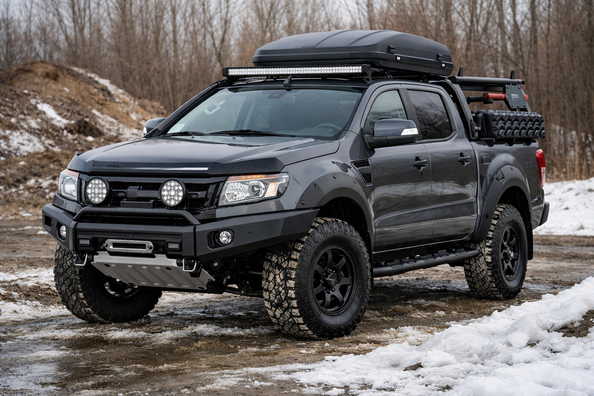
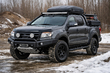
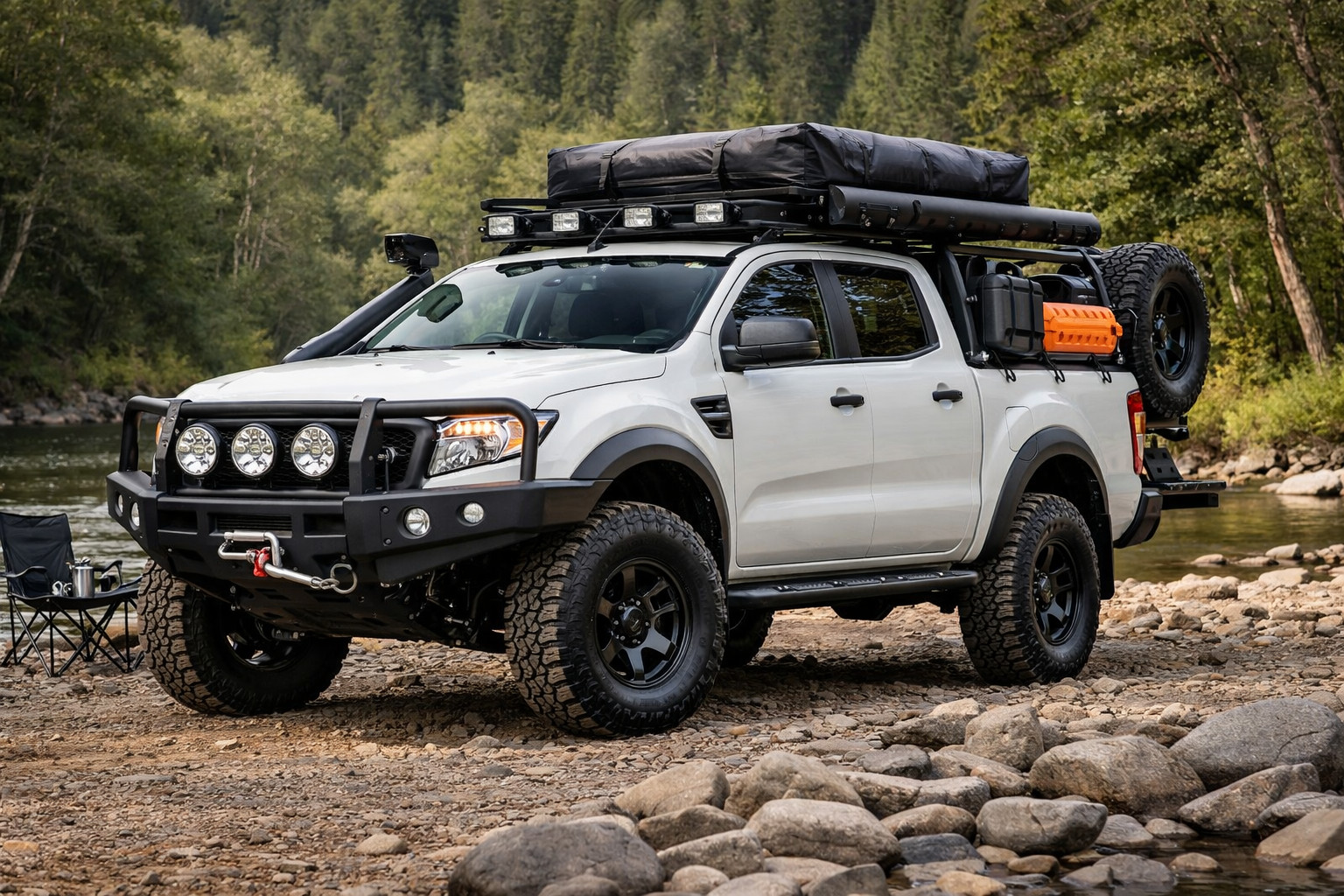
This starter upgrade for the Ford Ranger 2011-2022 is for anyone who hauls tools, drives on dirt, snow, and slush, and wants to make the pickup more work-friendly first—not just better-looking in photos. The main goal here isn’t to “build an off-roader,” but to protect the cabin and body, keep your payload capacity, and avoid overpaying for things that barely change day-to-day use.
With the Ranger, it’s crucial not to lump all years into one list: 2011, 2012-2018, and 2019-2022 often require different accessory fitments, and on FX4 versions some of what you need for mud is already factory-installed. So below is not an “everything at once” kit, but a sequence of upgrades tailored to work, mud, and winter.
A basic package for this kind of Ranger needs to cover four things: protect the cabin from water, dirt, and salt; protect the sides and sills from constant slush spray; protect the cargo bed from scratches, sliding loads, and moisture; and improve winter traction. If the truck works every day, these are the things you’ll feel within the first week.
The second point is not to eat up payload with heavy steel. A pickup’s payload reserve depends on configuration, so roll bars, massive side steps, or heavy decorative parts are best left for later. On FX4 and similar trims, don’t duplicate what’s already there from the factory: check the equipment first, then buy.
Top priority is what actually takes the mud and daily wear. That means proper rubber floor mats with a real raised lip, mud flaps, bed floor protection, and tires for the season. If it’s fall or winter, tires jump to the very top of the list—on snow they matter more than any accessory.
If your Ranger carries not just stuff but work tools, bed protection matters more than exterior bars. If your main route is highway, rural roads, a construction site, and a winter yard, this starter set is usually enough to make the truck noticeably more practical without loud “tuning.”
| Upgrade | Why it’s needed | Who truly benefits |
|---|---|---|
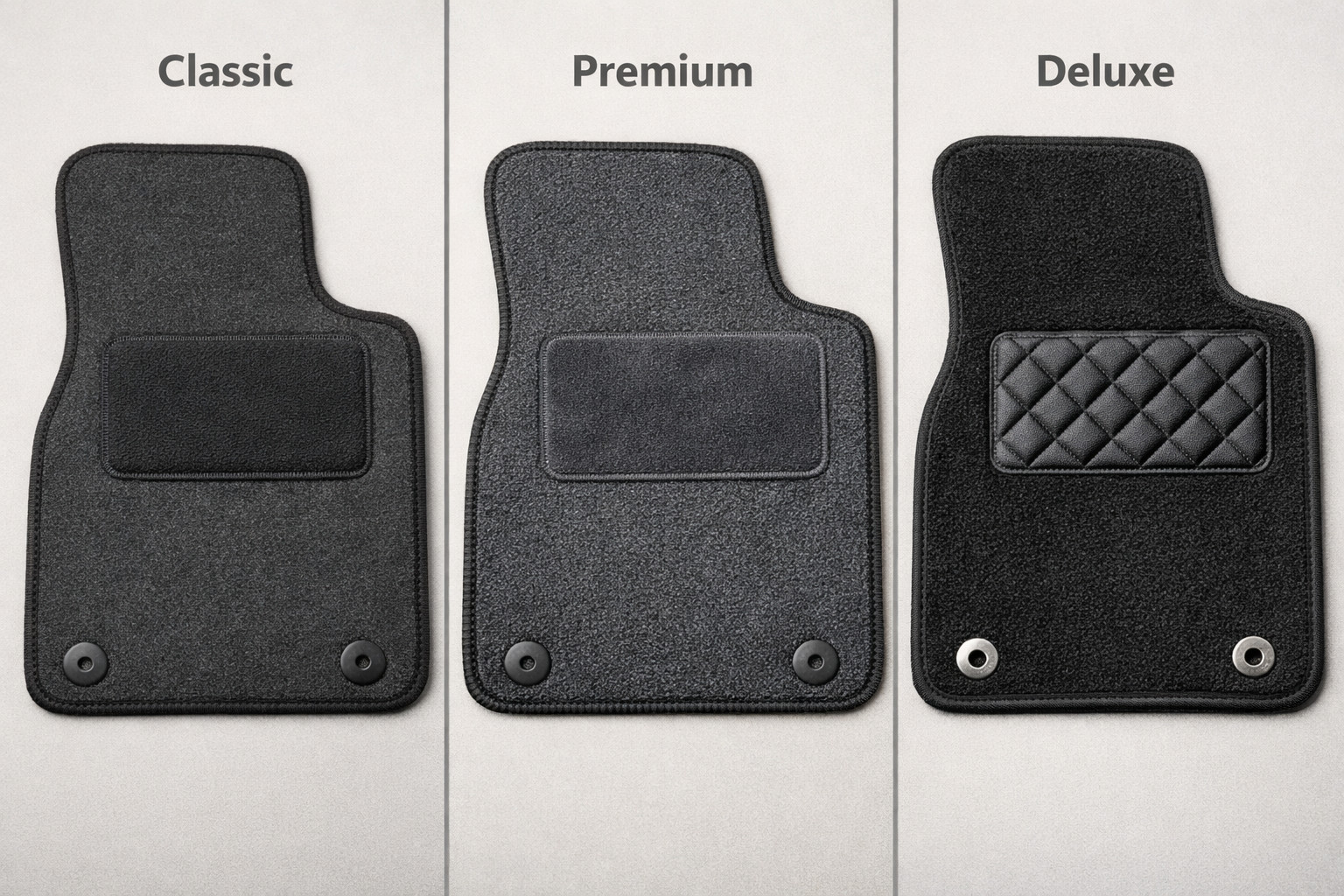
| Rubber floor mats | Keep water, snow, and sand inside the mat instead of in the factory cabin carpet | Anyone who drives in work boots, through snow, slush, or dirt |
| Mud flaps | Less grime hits the sills, doors, and side panels | Those who often drive on gravel, through puddles, field roads, and winter slush |
| Bed floor protection | Reduces scratches, cargo sliding, and moisture absorption | Those who carry tools, containers, sacks, jerry cans, wet items |
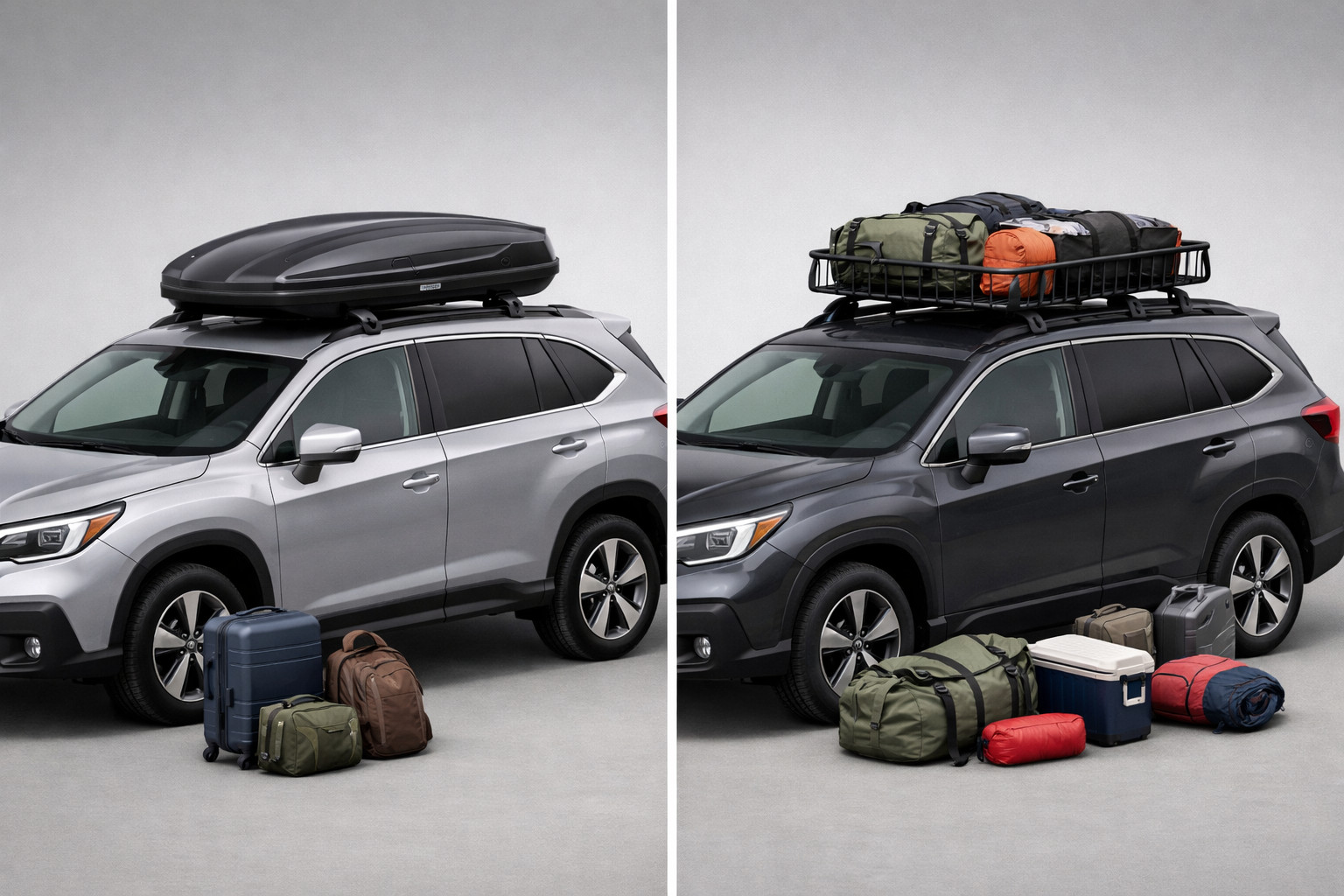
| Canopy or tonneau cover | Provides a dry, enclosed volume for tools and gear | Those who leave items in the bed, work in the rain, or travel on long trips |
| Dedicated winter tires | Improves pull-away, braking, and control on ice and snow | Those who have a real winter, not just a few cold rains per season |
| Side steps | Make entry easier and partly catch dirt from footwear | Those who get in often in slush; not the best choice for heavy off-road use |
| Lift and larger wheels | Add looks and ground-clearance geometry, but don’t solve everyday mud | Only for those who truly scrape the underbody or drive difficult terrain |
DD Tuning expert comment: The most common Ranger mistake is buying “universal” accessories without matching the exact year, cab type, and already-installed parts—then fighting poor fitment or incompatibility. The second typical story is starting with a lift, wide tires, and bars, while the truck suffers daily from a wet cabin and a scratched bed. For a work pickup, basic protection is almost always more useful than “visible” tuning.
Stage two starts after the basic protection is already installed and you’ve driven at least a few weeks in your real routine. This is where you add things that don’t save you from mud instantly, but greatly improve usability: a tonneau cover or canopy, cargo organization, additional bed lighting, a rear step if you climb into the bed often.
In cold regions, it can also make sense to look at solutions for easier winter starting—if they’re designed specifically for your version. Off-road upgrades in the second stage are only needed if your Ranger truly works in ruts, on field runs, or in the forest—not if it’s just driving through a battered city.
This is where compromises begin. Window deflectors, seat covers, trim pieces, visors, and some exterior styling can be nice, but they don’t solve the main problems of the “work + mud + winter” scenario. They’re worth considering only after stage one.
Most often, money is wasted on things that don’t match the use case. For a work Ranger that means spacers and an early lift “because it looks more solid,” oversized wheels without a real need, decorative body kits, and heavy accessories that add weight right away but don’t protect the cabin or body.
The second common mistake is buying bed protection or a tonneau cover separately without checking compatibility between them. Some plastic bedliners conflict with covers, rails, or dividers, so the set should be planned together. One more illusion: one small “off-road” item doesn’t make a pickup ready for deep mud; after mud runs, it’s more important to wash off buildup quickly and not neglect the underbody and attachments.
| Install first | Can be postponed | Not mandatory |
|---|---|---|
| Rubber floor mats if the cabin is wet and dirty every day | Tonneau cover if your cargo isn’t afraid of rain | Chrome trims and decorative small parts |
| Mud flaps for slush, gravel, and field roads | Side steps if ground clearance matters more to you | Fender flares without switching to wider wheels |
| Bed floor protection if you regularly carry tools | Canopy if items don’t stay in the bed overnight | A lift just for looks |
| Dedicated winter tires before the cold season | Additional lighting if you don’t work in the dark | Heavy-duty armor without a winch and real off-road use |
| Fitment check by year, cab, and trim | Easier winter-start solutions if your winters are mild | Any “water-crossing magic” as a replacement for proper after-mud maintenance |
More expensive parts are justified not when you want it to “look serious,” but when they save time every day. If your Ranger constantly takes slush, gravel, and mud, proper mud flaps bring more benefit than decorative fender trims.
When the cabin lives in work-boot mode, it’s better to buy vehicle-specific rubber floor mats right away rather than universal solutions. And if the bed takes boxes, tools, and wet gear daily, a pricier bed protection pays back faster than bars and décor.
Separately, spending on a canopy or tonneau cover makes sense when you need to carry dry tools, keep items out of sight, or drive in winter with cargo that doesn’t like snow and water. But those purchases are best made after checking compatibility with the bedliner and your usage format.
From a customer’s experience: for a Ranger that drove to a construction site every day and wintered outdoors, the owner initially wanted side steps and a bed bar. In the end, they started with mats, mud flaps, bed protection, and a dedicated winter tire set, and added bed enclosure only after the first season. The biggest impact came not from “nice-looking” parts, but from the cabin no longer being constantly wet and the tools in the bed not sliding around or sitting in mud.
For the Ford Ranger 2011-2022 in a work, mud, and winter scenario, the right start is simple: first cabin protection, splash control around the wheels, bed floor protection, and season-appropriate tires; then bed enclosure and targeted upgrades for your routine; and only after that—parts for looks or occasional off-road use. This order depends less on trends and works better in real life.
The material is based on real fitment experience, hands-on practice, and real usage scenarios: what gets dirty, what gets scratched, what actually helps in winter, and where owners most often make mistakes. If you stick to this order, the Ranger ends up not “over-tuned,” but genuinely work-friendly.
| ✔ | Rubber mats, mud flaps, and cargo bed floor protection are the first to take on water, salt, sand, and scratches. This immediately makes the cabin and bed less vulnerable in everyday use. |
| ✔ | A separate set of winter tires directly affects starting off, braking, and control on ice and snow. In real winter conditions, this is more practical than any exterior styling. |
| ✔ | The upgrade sequence is built around real use: first basic protection, then a cover or canopy, and only after that comfort or exterior changes. This helps avoid spending money on things that change daily operation very little. |
| ✔ | The article separately emphasizes checking the model year, cab, and factory equipment. This reduces the risk of buying incompatible accessories, especially for different Ranger generations and FX4 versions. |
| ✔ | Bed protection and a cover or canopy are useful for those who carry tools, wet gear, or leave items in the bed for a long time. They provide a drier and more protected cargo area without unnecessary tuning. |
| ✘ | A lift, large wheels, arches, and decorative elements in this scenario often do not solve the main problems with dirt and winter. They can also eat into payload capacity. |
| ✘ | Side steps are convenient for getting in, but in rough terrain they reduce ground clearance. For serious off-road use, this is not the best first step. |
| ✘ | A bed cover or canopy does not always make sense, because you can put it off if the cargo does not stay in the bed overnight or is not afraid of rain. In other words, it is a useful but not essential purchase. |
| ✘ | Some accessories can conflict with each other, for example a bed liner with a cover, rails, or dividers. Without checking in advance, it is easy to buy a set that will not fit together. |
Shipping to EU
Wholesale and retail
Own warehouse
Опис продукту
Подарунки не надаються при оформленні покупки у кредит під 0,01% або при покупці частинами.