

































































 Author: Radomskyi Maksym Vasyliovych
This plan is for those who regularly drive on the highway in rain, slush, and snow and want to quickly cover the essentials: grip, visibility, and readiness for an enforced stop on the shoulder. Here, the first upgrade doesn’t start with looks, but with what actually affects braking, vehicle control, and forward view.
The logic is simple: first tires, wipers, washer fluid, and a basic technical check; then protection for the cabin and body; and only after that—everything that adds more convenience than safety. The specific choice depends on your car: the recommended tire size, the wiper mounting type, the shape of the floor mats, and how often your route sees ice, packed snow, and unplowed stretches.
What this upgrade needs to accomplish
On the highway in bad weather, the main goal isn’t for the car to look prepared—it’s for it to brake predictably on wet asphalt, keep traction in slush, and not leave the driver with a blind windshield. On top of that are two practical things: cold starts and being ready to wait out a traffic jam or a breakdown in freezing temperatures.
That’s why the right starter pack has three blocks: contact with the road, clear visibility, and basic winter survivability. If snow and ice last a long time in your region, the first choice is four winter tires. If winters are milder and roads get cleared quickly, an acceptable compromise can be all-season tires with 3PMSF marking. AWD doesn’t replace tires in this logic: it helps you get moving, but it doesn’t shorten braking distance on its own.
What to do first
- Tires. This is priority number one. For a winter scenario, don’t wait for the legal wear limit: when the tread is already close to 3.2 mm, the car brakes worse on a wet highway than it feels from the driver’s seat. You should fit either four winter tires, or 3PMSF all-seasons for a milder winter, but in the factory or approved size.
- Wiper blades and washer fluid. Old wipers on the highway in rain and snow turn even working headlights into a minor detail. If a blade leaves streaks, doesn’t wipe the edge of the glass, or turns stiff in the cold, it’s time to replace it. You need winter washer fluid, not leftover summer fluid in the reservoir.
- Pressure and battery. Check tire pressure on cold tires at least once a month, and it’s better to test the battery before the first hard frosts—not after a morning surprise.
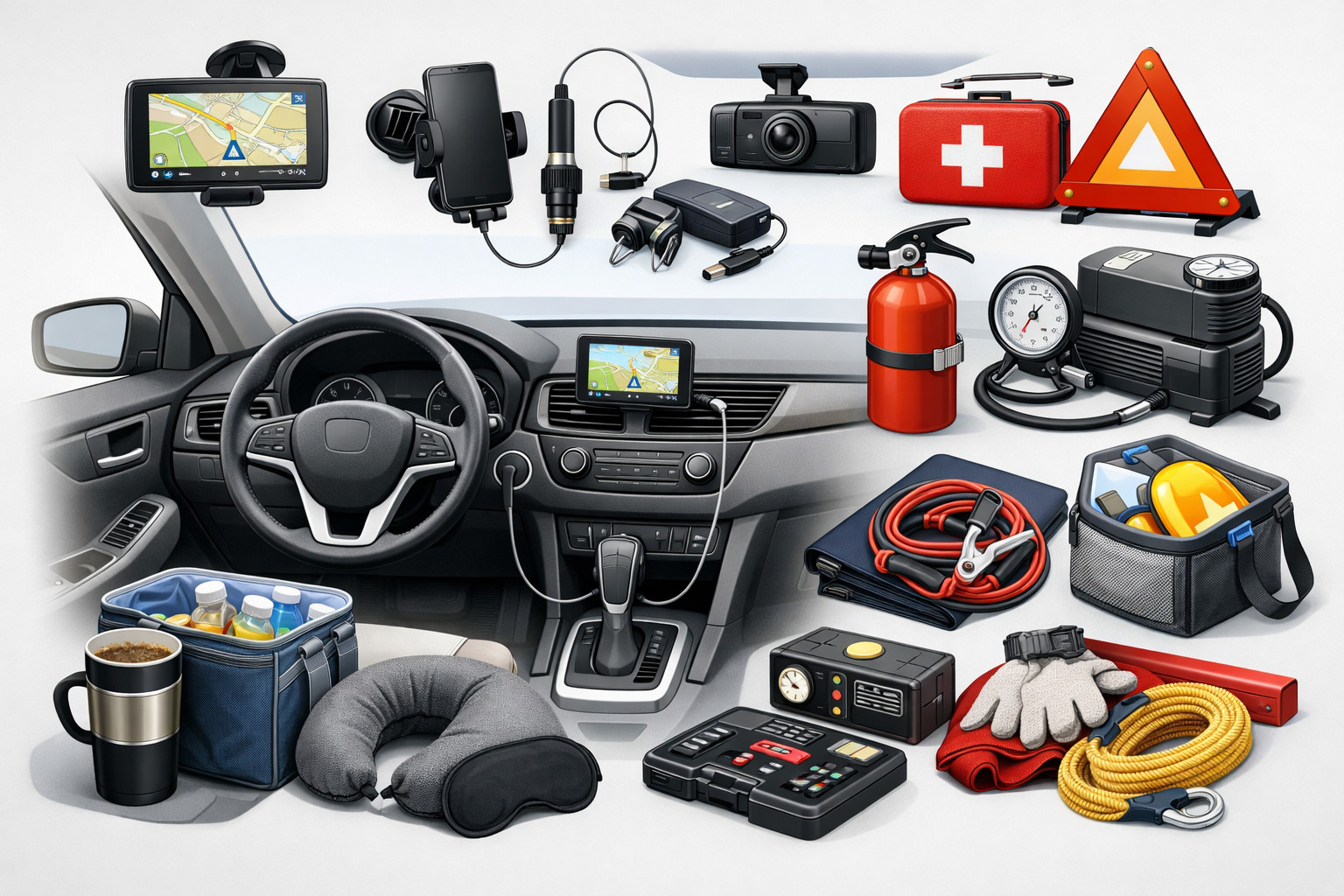
- Emergency kit. A scraper, brush, flashlight, phone charger, a warm item, and warning devices matter more on the highway than any decorative accessory.
Upgrade, why it’s needed, who it really benefits
| Upgrade | Why it’s needed | Who it really benefits |
|---|---|---|
| 4 winter tires | Provides the best grip on snow, ice, and cold wet asphalt | Those who often drive on the highway, leave early in the morning, or encounter unplowed sections |
| All-season tires with 3PMSF marking | A compromise between a winter setup and skipping seasonal changes | Those in milder winters where main routes are regularly cleared |
| New frameless or winter wipers | Restore proper visibility in rain, slush, and wet snow | Essentially everyone who drives on the highway, especially after dark |
| Winter washer fluid | Prevents the system from freezing and helps wash salt film off the glass | Everyone without exception in the cold season |
| Battery check or replacement | Reduces the risk of hard starts and voltage drop in frost | Cars with an old battery, diesels, vehicles with short daily trips |
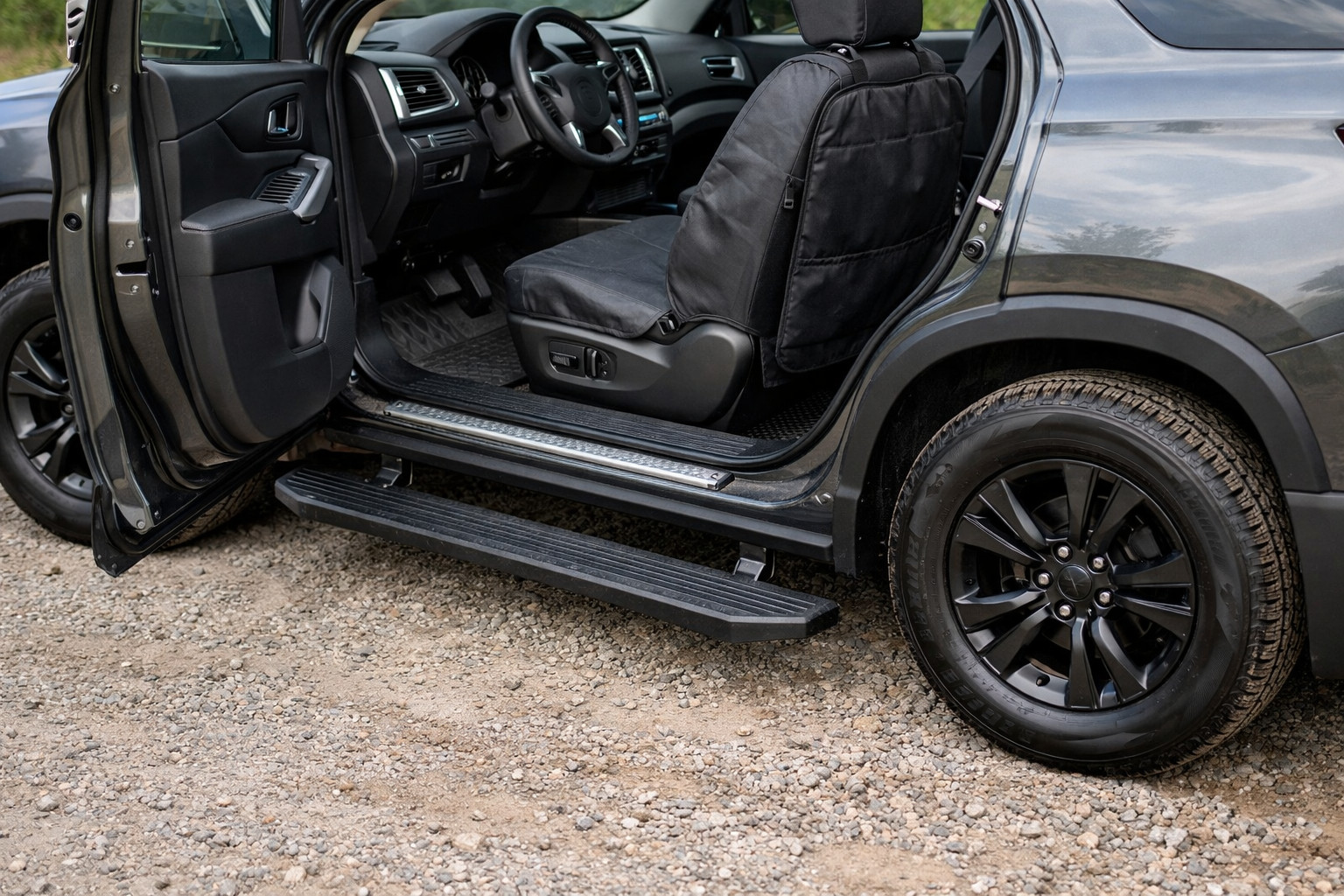
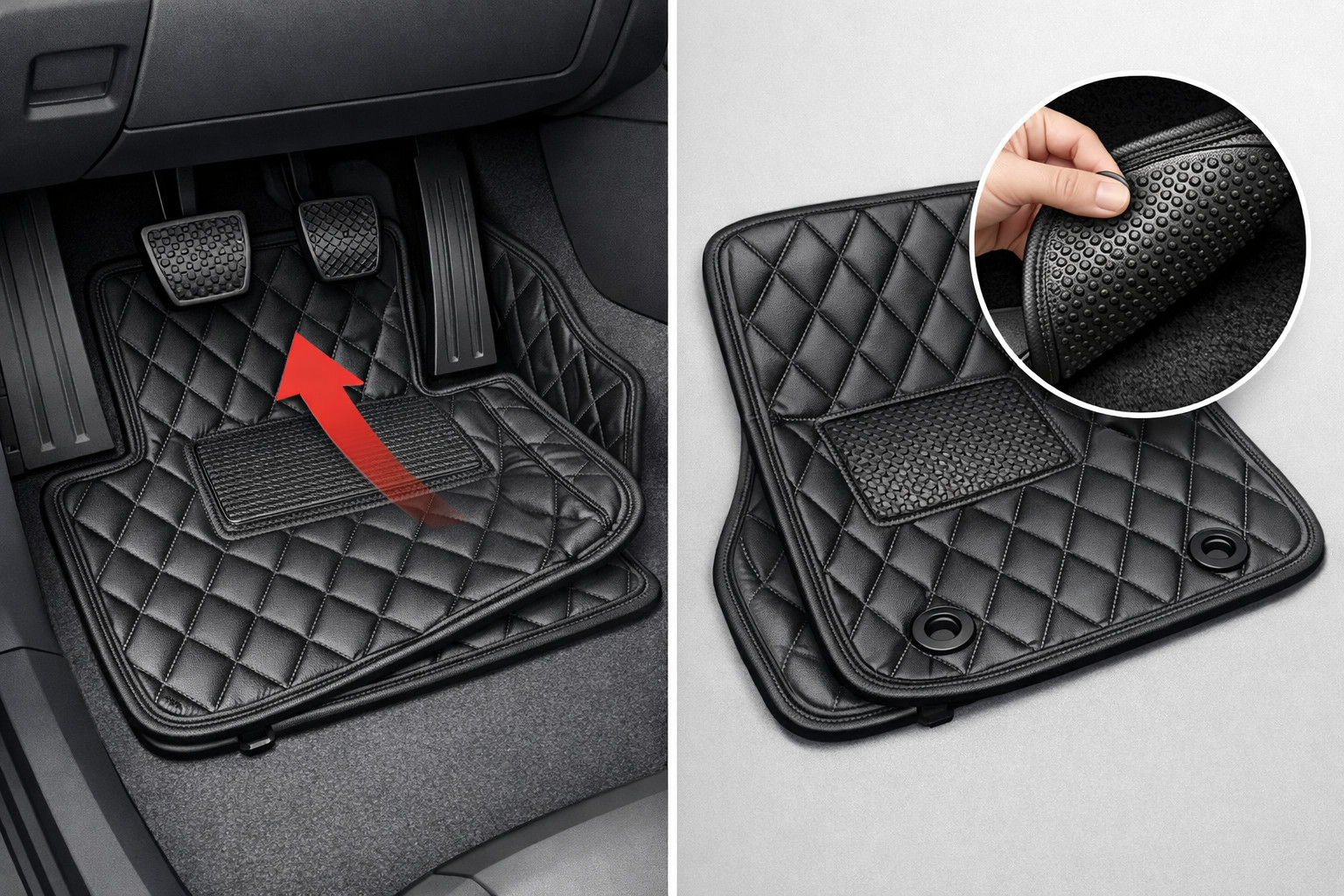
| Rubber floor mats with retention | Keep water and snow in the tray and prevent dirt from spreading through the cabin | Those who often get into the car with wet shoes or carry passengers in winter |
DD Tuning expert comment: Most often, people want to start with accessories, while the real issue is old tires or wipers that no longer clean the edge of the windshield. The second typical mistake is fitting only two winter tires or buying universal mats without retention. In selection, almost always one rule works: first road contact and visibility, then everything else.
What makes sense to add as a second stage
Once the basics are covered, the second stage is worth spending on what helps you live with winter every day. First of all, that’s proper mats—if you’re still using a thin universal set that slides under your feet. For highway trips in slush, this isn’t a small thing: the wet area near the pedals quickly turns into constant dirt in the cabin.
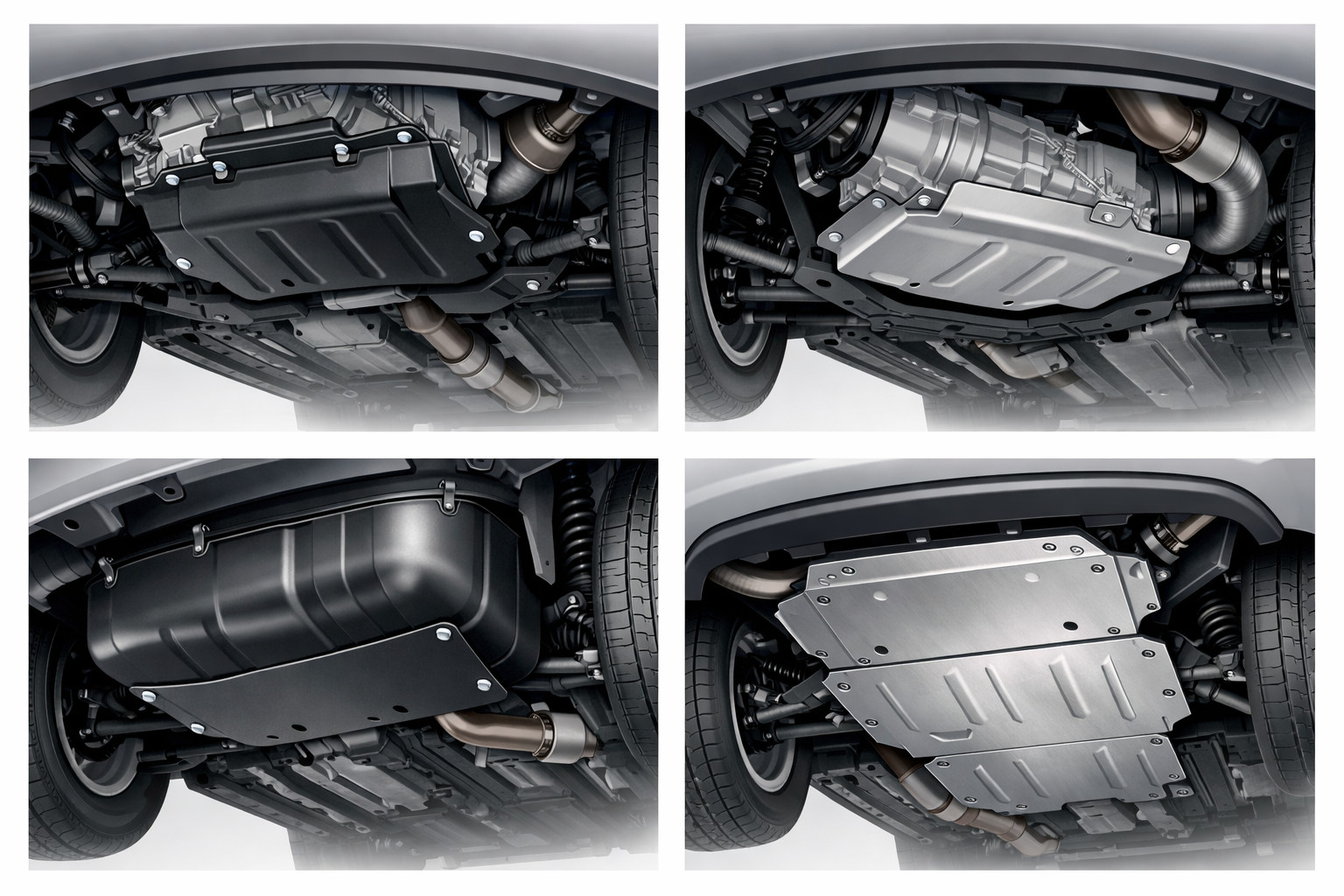
The second useful direction is protection from salty slush. If you often drive on salted roads, it makes sense to consider mud flaps and the habit of washing the underbody. By themselves they won’t improve braking, but they help reduce how much gets thrown onto the sills, doors, and lower body. This is also where it makes sense to build a routine: checking pressure on cold tires and seasonal wheel rotation, if your vehicle layout allows it.
What’s more about comfort or looks
In this group I’d put window deflectors, more expensive mats with a nice texture, decorative body elements, and other things that make daily use nicer but don’t solve the main highway risk in rain and snow. Deflectors can be useful if you often crack the window in the rain, but they don’t replace good wipers, a clean windshield, or the right tires.
This also includes nice wheels and low-profile tires for looks. In a winter highway scenario, that’s often a step away from practicality: more expensive, harsher, and not necessarily more useful on poor surfaces.
What people often buy for nothing
The most typical mistake is keeping worn all-season tires and hoping other upgrades will compensate. They won’t. The second mistake is fitting only two winter tires on the driven axle. The car becomes less predictable, and that’s especially unpleasant on a wet or slippery highway.
Another common miss is overpaying for looks before covering the basics: wheels, trim pieces, deflectors, other cosmetic items—while the wipers are already streaking and no one has checked tire pressure for months. A separate story is universal mats without anchors: if they slide under the pedals, it’s not an upgrade—it’s a new risk.
Finally, many people overestimate AWD itself. For getting started in rain and snow, it matters less than proper tires, visibility, and a healthy battery.
What to install first, what to postpone, what isn’t required
| Scenario | What to install first | What you can postpone | What isn’t required |
|---|---|---|---|
| Any frequent winter highway driving | Tires for your climate, new wipers, winter washer fluid, battery/pressure/lights check, emergency kit | Rubber mats, mud flaps, regular underbody washing on a schedule | Decorative accessories, visual tuning |
| Frequent snow, ice, unplowed roads | Exactly 4 winter tires (not a compromise), plus battery condition control | A separate winter wheel set, additional body protection from salt | Deflectors and other items that don’t affect grip and visibility |
| Mild winter, cleared routes | 3PMSF all-seasons or a fresh winter set, wipers, washer fluid | Mud flaps and mats if the budget is limited | Wider wheels, accessories purely for looks |
A ready upgrade plan for this scenario
- Inspect the tires: remaining tread, age, cracks, matching set, compliance with the recommended size.
- Choose a tire strategy: four winter tires for regular snow and ice, or 3PMSF all-seasons for a milder winter and cleared routes.
- Check pressure on cold tires and the spare, if you have one.
- Replace the wipers, fill with winter washer fluid, check headlights, brake lights, and turn signals.
- Test the battery before the frosts, not after the first failed start.
- Put together a highway emergency kit: brush, scraper, flashlight, phone charger, a warm item, and tools to mark the vehicle.
- As a second stage, add proper mats, consider mud flaps, and build regular washing of the body and underbody from salt into your routine.
When it makes sense to choose more expensive solutions
More expensive solutions are justified when you drive a lot after dark, cover long highway distances, and don’t want to return to the same problems every season. The smartest big spend in this scenario is a separate winter wheel set in an approved size: more expensive up front, but easier seasonal changeovers and a more consistent result in snow.
Among smaller but justified expenses, don’t cheap out on quality wipers if you do a lot of night driving in slush. For cars that regularly run salted highways, it makes sense to look at model-specific mud flaps to reduce spray onto the sills and lower part of the doors. And window deflectors are justified only if you actually use them in the rain; as a safety item, they’re definitely not first on the list.
From a customer’s experience: a driver who covered several hundred highway kilometers every week initially asked for mud flaps and other small accessories because the car was constantly getting sprayed with slush. After reviewing the situation, it turned out the main problem was worn tires and old wipers. After switching to a winter set, new wipers, and winter washer fluid, the car became calmer on wet highways, and night trips stopped being exhausting.
Conclusion
For frequent highway driving in rain and snow, the starter upgrade looks very down-to-earth: the right tires for your climate, clear visibility, a healthy battery, and an emergency kit. Mats, mud flaps, and other useful things make sense—but only after the safety basics are covered.
It’s easy to tell what’s useful from marketing clutter: if an upgrade doesn’t improve grip, visibility, or the car’s readiness for winter highways, it can wait. This material is based on real selection experience, practice, and real use cases—where the difference is made not by trendy accessories, but by predictable braking, clean glass, and proper preparation for the weather.
How it works
- Assess the car’s basic condition Start by checking the tires, wiper blades, washer fluid, tire pressure, and battery. For highway driving in rain and snow, these are the things that affect braking, visibility, and cold starts the most.
- Choose the right tires If your winter brings snow, ice, and uncleared roads, go with 4 winter tires. For a milder winter and cleaner routes, a compromise in the form of all-season tires with 3PMSF marking is acceptable, but only in the approved size.
- Restore proper visibility Replace the wiper blades if they leave streaks, don’t clean the edge of the glass, or harden in the cold. Fill with winter washer fluid and check the headlights, brake lights, and turn signals.
- Prepare the car for frost and a roadside stop Check the battery before the first cold snap and keep tire pressure under control on cold tires. Add an emergency kit: an ice scraper, a brush, a flashlight, a phone charger, warm clothing, and car warning devices.
- Finish the interior and body after the basics The second step is to install rubber floor mats with fixings and, if needed, mud flaps. This does not replace tires and visibility, but it helps keep less water, snow, and salty dirt out of the cabin and off the body.
- Postpone decorative purchases Deflectors, nice wheels, decorative elements, and other visual tuning do not solve the main risks of winter highway driving. First cover traction, visibility, and readiness for frost, and only then buy whatever simply adds convenience.
Pros and cons
The focus is placed correctly on the essentials: tires, wipers, washer fluid, and the battery. These really affect braking, visibility, and starting in frost, rather than just improving the car’s appearance.
There is a clear logic of priorities: first safety and road grip, then floor mats, mud flaps, and other upgrades. This helps avoid spending money on secondary items before critical risks are covered.
The scenarios are broken down for different climates: separately for frequent snow and ice, and separately for a milder winter with cleared routes. This makes the recommendations more practical than a universal tip for everyone.
There are specific signs that a part should already be replaced or checked, such as streaks from the blades, tread close to 3.2 mm, or battery starting issues. This approach makes the decision easier without unnecessary theory.
The readiness for an emergency stop on the highway is also taken into account separately: the list includes a flashlight, charger, warm item, and means of marking the car. This is practical for trips in bad weather and at night.
The material gives almost no budget advice or guidance on different spending levels. Because of this, it is not always clear what to do if there is only enough money for one or two items.
There is little specific detail about compatibility and choosing parts for different cars, aside from general mentions of tire size and wiper attachment type. For someone without experience, this may be not enough to buy everything without a mistake.
Part of the advice is aimed at a driver who is already ready to regularly check tire pressure, the battery, and tire condition. If a person does not do this systematically, the recommendations may remain just a list rather than a real upgrade.