23.04.2026
212
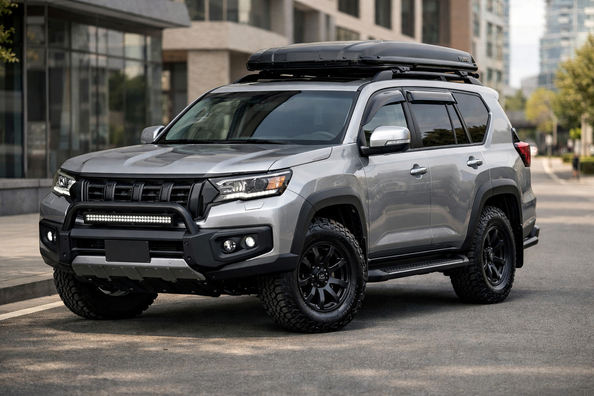
This plan is for a Toyota Land Cruiser Prado 250 owner who uses the car mostly in the city: daily routes, residential courtyards, parking lots, shopping malls, and occasionally the highway. The goal of the initial upgrade here isn’t to turn the vehicle into an expedition build, but to protect the interior and bodywork, add useful everyday small things, and avoid spending the budget on items that barely work in an urban routine.
The Prado 250 already has a solid factory setup for daily driving, so it’s better not to start with suspension or wheels. In the city, what matters more are the nearly 5-meter length, the heavy weight, tight parking spaces, the dirty season, and constant cargo-area loading. That’s why it makes sense to put the first money into protection, cleanliness, recording disputed road situations, and аккуrate preservation of the body.
An urban upgrade for the Prado 250 should cover four things: dirt in the cabin, minor bumps and scuffs in parking lots, day-to-day convenience, and peace of mind in disputed situations on the road. This matters more than off-road styling, because in the city the body and interior suffer more often than the suspension or drivetrain.
Because of the vehicle’s size, the first risk areas are the doors, edges, bumpers, cargo area, and the cabin floor. If the car often sees snow, wet grime, or kids and pets, the priority shifts even more toward floor mats, a cargo mat, and localized body protection. If you park a lot in tight courtyards, door moldings, door-edge protection, and paint protection film on contact zones start to make more sense.
The first stage for the city is максимально practical. Start with model-specific all-weather floor mats for the cabin and a cargo mat. You’ll feel the benefit every day: less moisture, sand, and dirt, easier cleaning, and lower risk of damaging the flooring. It’s important to choose model-specific solutions for the Prado 250 and not layer mats on top of each other.
The second must-have step for many city scenarios is a dash cam. For a large vehicle that often sits in a courtyard or drives in dense traffic, it’s not a whim—it’s a practical tool. The third priority is protecting the body from urban contact: door moldings, door-edge guards, and for a new vehicle, localized paint protection film on areas that constantly catch fine abrasive.
Wheel locks aren’t the most exciting purchase, but for an expensive SUV they’re a reasonable safety measure—especially if the car spends nights outside of a secured garage. Everything else is better added after this basic set.
| Upgrade | Why it’s needed | Who truly benefits |
|---|---|---|
| Model-specific all-weather floor mats | Collect water, sand, snow, and dirt, making cleaning easier | Everyone who drives daily, especially in the wet season |
| Cargo mat | Protects the floor from bags, strollers, tools, groceries, and dirt | Families and anyone who often carries shopping or gear |
| Dash cam | Records road incidents and events while parked | Those who drive a lot in the city or leave the car in a courtyard |
| Door moldings and edge protection | Reduce the risk of chips and scuffs in tight parking lots | Those who regularly park close to other cars |
| Wheel locks | Reduce the risk of wheel theft | Those who leave the car in open parking areas |
| Paint protection film on risk zones | Takes the hit from fine abrasive and chips | For a new car, dark colors, and mixed use: city plus highway |
DD Tuning expert comment: the most common mistake with the Prado 250 for city use is buying something big and noticeable before covering the floor, cargo area, and body risk zones. The second typical story is choosing universal accessories instead of model-specific ones, then living with poor fit or extra gaps. If compatibility depends on trim level, it’s better to check it before purchase, not after installation.
The second stage depends on climate and how you use the vehicle. If the car spends a lot of time in the sun, quality window tinting within legal limits and basic sun protection for the interior make sense. If you often drive a mixed route—city plus highway—it’s worth considering localized paint protection film on the front areas where chips appear the fastest.
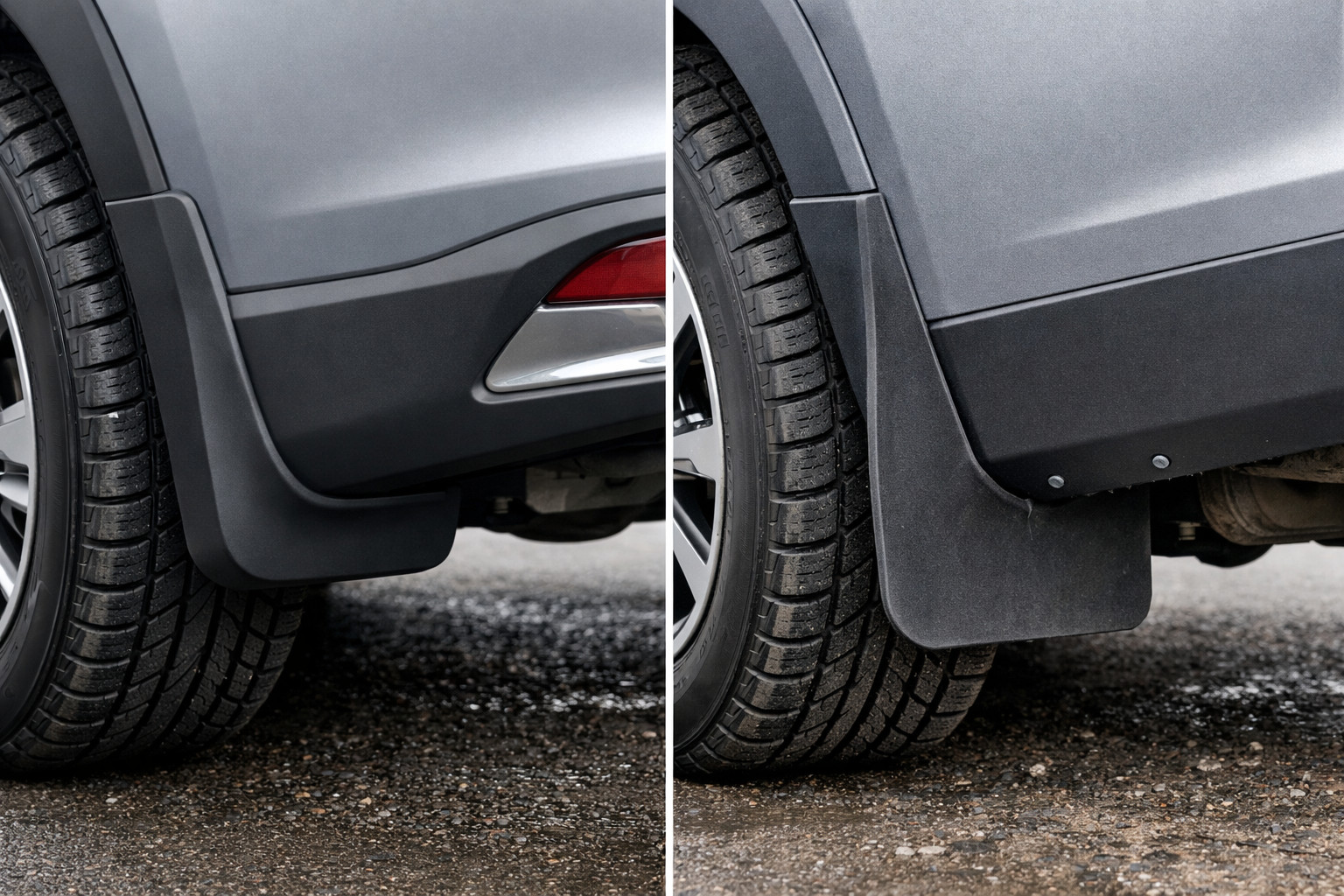
The second stage also includes small but daily items: multimedia screen protection, neat cargo organizers, and mud flaps for the dirty season. They aren’t critical on day one after buying the vehicle, but after the basic protection they deliver a noticeable everyday benefit.
Here you need to honestly separate useful from just good-looking. Side steps don’t always make sense for city use: they truly help if kids, older passengers, or shorter people often get in. In other cases, it’s often more about appearance than daily utility—plus the bonus of extra dirt on clothes in bad weather.
Window deflectors can be appropriate if you often ventilate the cabin in rain or smoke in the car. But decorative overlays, chrome elements, spoilers, and some exterior plastics are more about taste than the “city every day” scenario. Buy them only after the basic practical tasks are already covered.
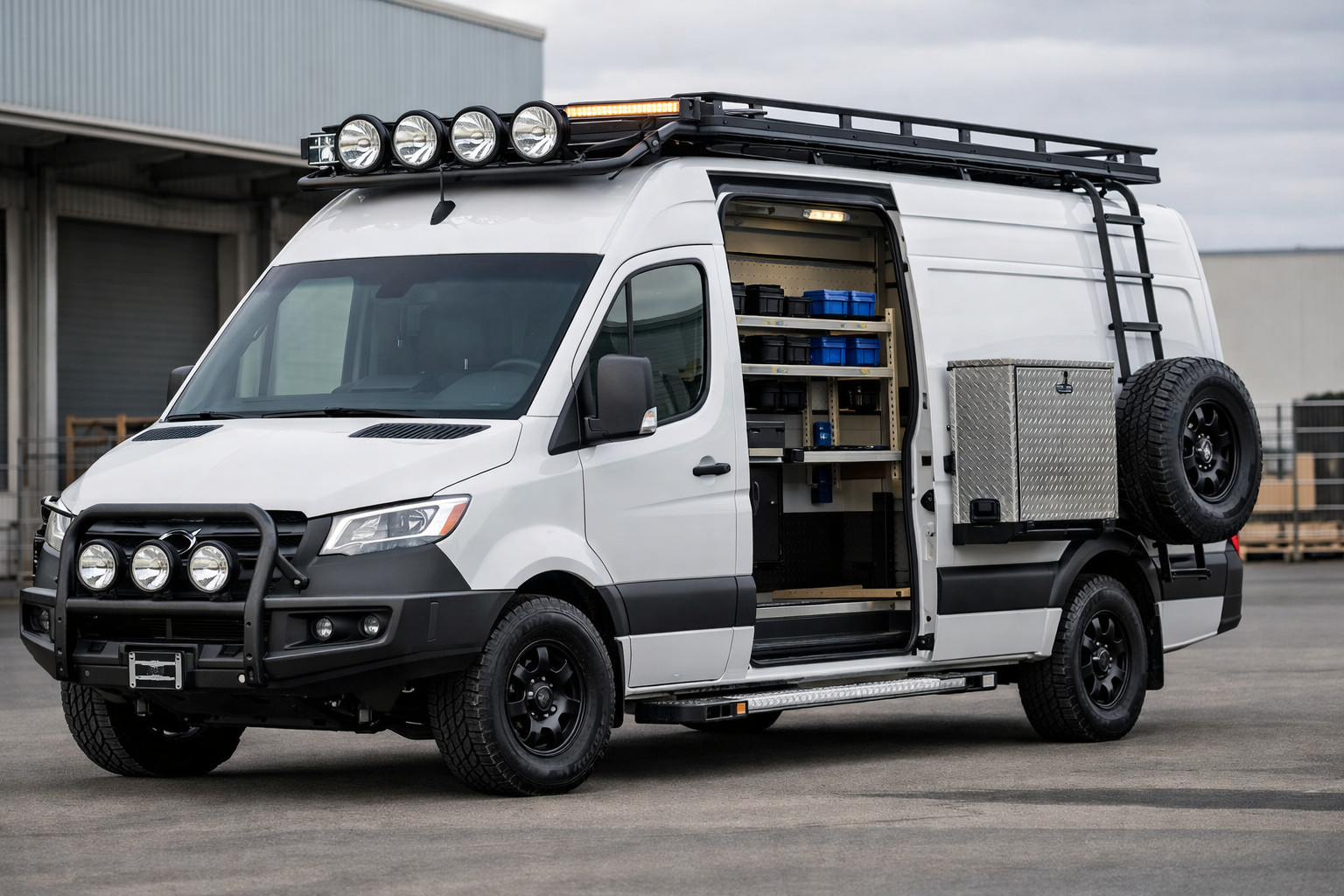
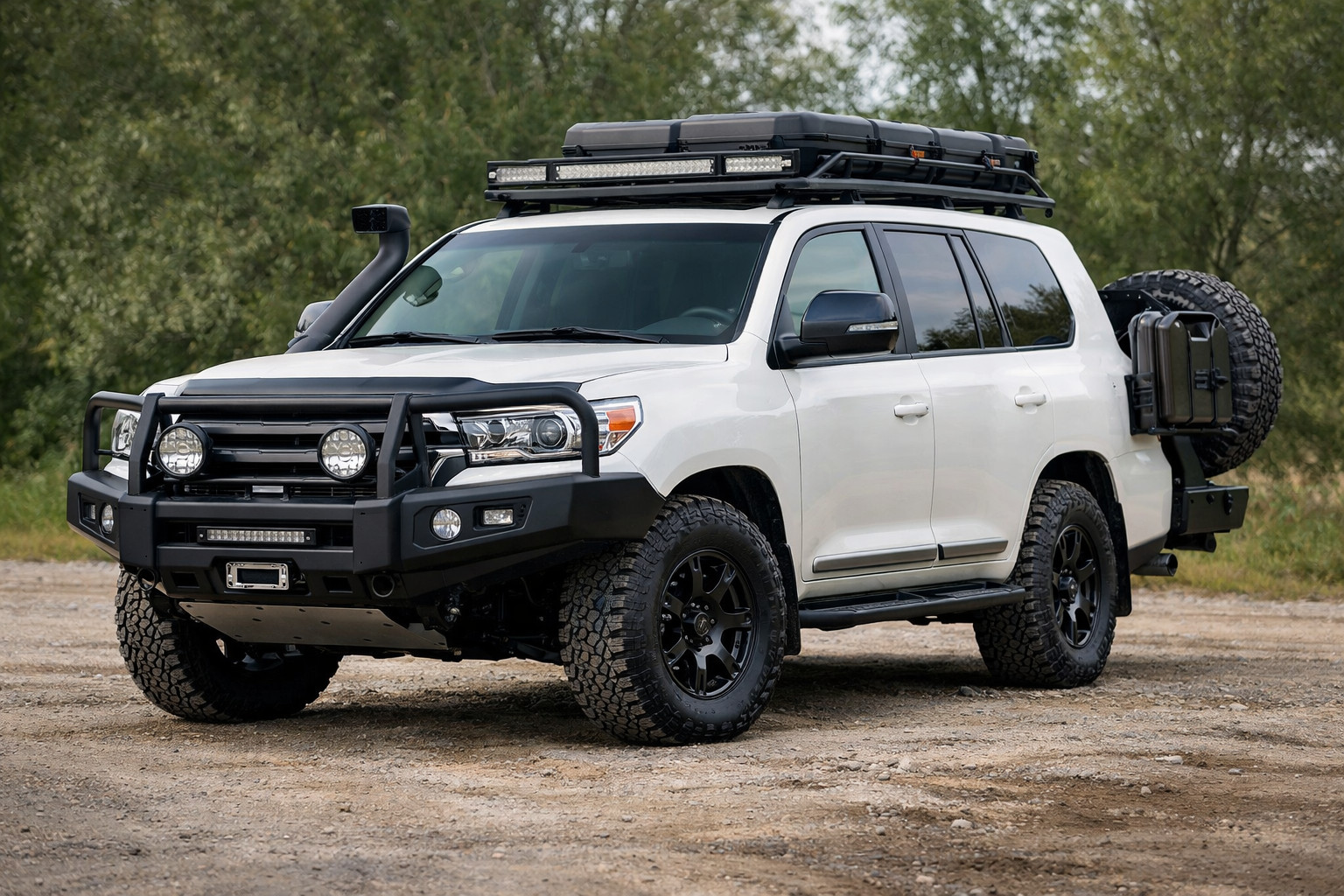
For a city-driven Prado 250, the most frequent unnecessary purchases are items that look “off-road”: lift kits, larger and heavier tires, expedition roof racks, ladders, bulky off-road body kits, and gear sets for serious off-roading. In the city, this adds weight, noise, fuel consumption, and parking inconvenience, but it doesn’t solve any everyday problem.
Another mistake is duplicating what the vehicle already has from the factory with expensive, questionable-quality gadgets. Also, don’t buy accessories without verifying trim level: if a certain option isn’t present in the car, small add-ons for it simply won’t work or won’t fit correctly.
| What to install first | What can be postponed | What isn’t necessary |
|---|---|---|
| Model-specific cabin floor mats | Window tinting | Suspension lift |
| Cargo mat | Paint protection film for the entire front end | Large off-road tires for city driving |
| Dash cam | Mud flaps and small organizers | Expedition roof rack |
| Door moldings or door-edge protection | Side steps | Off-road gear without real off-road driving |
| Wheel locks | Multimedia screen protection | Decorative chrome and cosmetic trims |
More expensive upgrades make sense when you plan to keep this Prado 250 for a long time, want to maintain the body in the cleanest possible condition, and clearly understand your use case. To start, it’s convenient to browse the Prado 250 catalog and avoid scattering your budget on everything at once.
If the vehicle is parked every day in tight courtyards or near the office, among higher-priced exterior options the first justified choice is door moldings. They don’t make the car look “more serious,” but they can reduce the number of minor contacts and the cost of cosmetic repainting.
If kids or older people get into the car regularly, or you often load the cabin with a high seating position, you can look at side steps. But this is a case where you need to honestly answer whether you need the function or just like the look. Paint protection film is also a higher-priced solution: it’s most justified on a new car, in a dark color, and in a city-plus-highway routine.
From a customer’s experience: the Prado 250 owner wasn’t looking for an off-road image, but for calm, everyday urban use. He started with cabin mats, a cargo mat, a dash cam, and protection for body zones that suffer in parking lots, and left steps and large exterior upgrades for later. As a result, the interior is easier to keep clean, the body causes less stress in tight parking, and the budget didn’t go into items that don’t pay off day to day.
For a Toyota Land Cruiser Prado 250 in the city, the right initial upgrade looks like this: first protect the cabin, cargo area, and bodywork; then add recording for road situations; and only after that move to comfort or decorative additions. The most value comes from items that work every day, not just look good on a product page.
In short, the first priority is mats, a cargo mat, a dash cam, parking protection, and wheel locks; the second is tinting, localized paint protection film, and small organizers; the third is steps, deflectors, and other optional add-ons. This material is based on real selection experience, practical work, and real usage scenarios—not an abstract list of “what else you can buy.”
| ✔ | The approach deliberately postpones many things to the second or third stage, so the car won’t get the full desired set right away. If you want to cover protection, comfort, and appearance, part of the purchases will have to be spread out over time. |
| ✔ | Some useful solutions depend on operating conditions, so without considering the yard, parking, heat, or muddy season, it’s easy to get the priorities wrong. For example, tinting, mud flaps, or paint protection film are not equally necessary for everyone. |
| ✔ | Some city upgrades have limited use and may look better than they work on a daily basis. This applies to side steps, decorative trim pieces, chrome, and some exterior plastic. |
| ✔ | The article clearly warns that universal accessories often fit worse than model-specific ones, and compatibility also depends on the trim level. In other words, a poor choice can lead to gaps, bad fitment, or a purchase that won’t install properly. |
| ✘ | The city upgrade scenario does a good job of setting priorities: first protect the cabin, trunk, and body areas, rather than the suspension or large wheels. This lets you spend the budget on what actually takes the most wear in daily driving and parking. |
| ✘ | Model-specific all-weather floor mats and a trunk mat directly reduce the amount of dirt, moisture, and sand in the cabin. They are easy to wash and make cleaning up after the wet season or family trips easier every day. |
| ✘ | The dash cam is practically valuable here because the Prado 250 often drives in heavy traffic or sits in the yard. It helps record disputed road situations and events in the parking lot. |
| ✘ | Body side moldings, door edge protection, and paint protection film are especially useful for tight urban parking. They reduce the risk of small chips, scuffs, and cosmetic damage in places that most often come into contact with other cars. |
| ✘ | Wheel locks add a basic level of protection for an expensive SUV, especially if the car is not parked in a closed garage overnight. It’s a simple measure that covers a specific city risk without extra complications. |
Shipping to EU
Wholesale and retail
Own warehouse
Опис продукту
Подарунки не надаються при оформленні покупки у кредит під 0,01% або при покупці частинами.