15.04.2026
404
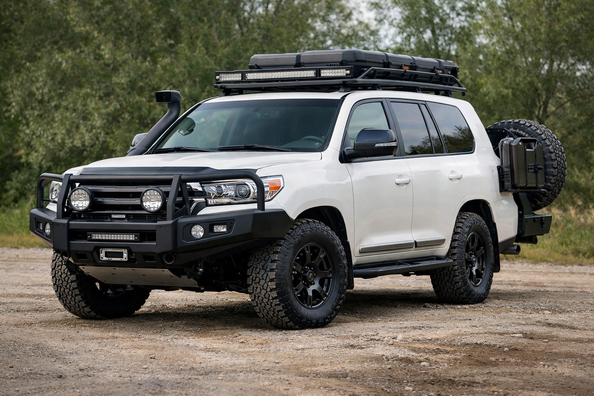
This upgrade plan is for a Toyota Land Cruiser 200 owner who drives daily in the city, on highways, on family routes, and only occasionally turns off onto bad roads. The key here is not to build a “project,” but to get a quieter, more comfortable, more predictable vehicle without extra weight and without spending money on things that look good but annoy you every day.
The LC200 is already very capable from the factory: body-on-frame construction, full-time 4WD, plenty of torque, decent geometry. So in a daily-use scenario, a moderate approach works best: start with tires, brakes, day-to-day usability, and only then move on to suspension, protection, and exterior elements—only if there’s a real task that requires them.
For a daily LC200, the upgrade should cover four things: better road contact, consistent braking, everyday convenience, and less driver fatigue. That means not maximum lift and not heavy armor, but proper asphalt manners, a predictable car in the rain, easy entry for the family, and fewer small irritations in the cabin.
If the vehicle spends 95% of its time on the road, the main enemy is not “weak off-road capability,” but bad tuning: suspension that’s too stiff, tires that don’t match the use case, a heavy front end, noisy roof gear. If the vehicle often runs fully loaded or tows a trailer, the order shifts slightly toward suspension and brakes, but the logic is the same: base first, specialty solutions second.
First—tires and pressure. For the LC200, this is the most noticeable change in daily driving. If you’re on the stock 285/60 R18 size, don’t start with “taller” tires—start by checking tire condition and correct cold pressure. Very often, this is where harshness or a vague response comes from. If replacement is needed, it’s usually sensible to look at sizes close to stock or moderately larger, but without guesswork: rubbing and behavior depend on year, wheel, offset, and the actual tire model.
Second—brakes. If you don’t like the pedal feel, initial bite, or the sensation that it “doesn’t stop the way it should,” first refresh the wear items and check the condition of the entire system. For a daily driver, fresh, properly selected brake components are more useful than almost any cosmetic upgrade.
Third—a sensible multimedia setup. If the factory system is outdated, a clean smartphone integration module is more useful than a cheap aftermarket head unit with a big screen. In a daily car, reliable connectivity, navigation, and stable operation matter more than “one more feature” that freezes or ruins the sound.
| Upgrade | Why it’s needed | Who actually benefits |
|---|---|---|
| Quality tires and correct pressure | Improve comfort, handling, braking, and overall noise level | Pretty much all LC200 owners, especially those who drive city and highway daily |
| Refreshing brake wear items | Gives a more consistent pedal and a shorter, more predictable stop | Those who often drive with passengers, luggage, or aren’t happy with the stock brake feel |
| Smartphone integration in the multimedia system | Makes navigation, calls, music, and everyday use easier | Those who drive a lot in the city, for errands, or on family routes |
| Light underbody protection | Reduces the risk of damaging key components on gravel roads and broken entrances | Those who regularly leave the asphalt but aren’t building a heavy off-road setup |
| Moderate suspension upgrade | Needed not “for looks,” but to control the vehicle under load and on bad roads | Only those who actually carry weight, drive rough routes, or tow |
DD Tuning expert comment: The most common LC200 mistake is building an expedition kit for city life. First you need to understand the condition of the tires, brakes, and factory suspension, and only then decide whether you need lift, protection, and side steps. On a daily car, extra weight is felt all the time, while the benefit shows up only sometimes.
The second stage starts when the basics are done and the car is understood. For the LC200, this is usually light protection for the underbody or engine skid plate, if you regularly drive over rocks, ruts, or forest access roads. Not a full set of heavy armor “just in case,” but exactly the amount that matches your routes.
This also includes side steps if kids or older passengers often get in, or if the vehicle is tall after changing tires. This isn’t about looks—it’s about daily entry, cleaner clothes, and fewer hassles around the doors.
Suspension is also a second-stage item, but only if there’s a reason. For an asphalt-focused LC200, a big lift is rarely justified. If an upgrade is needed, it’s better to look at a very moderate approach and verify compatibility with your trim—especially if the vehicle has KDSS, non-standard loads, or constant towing.
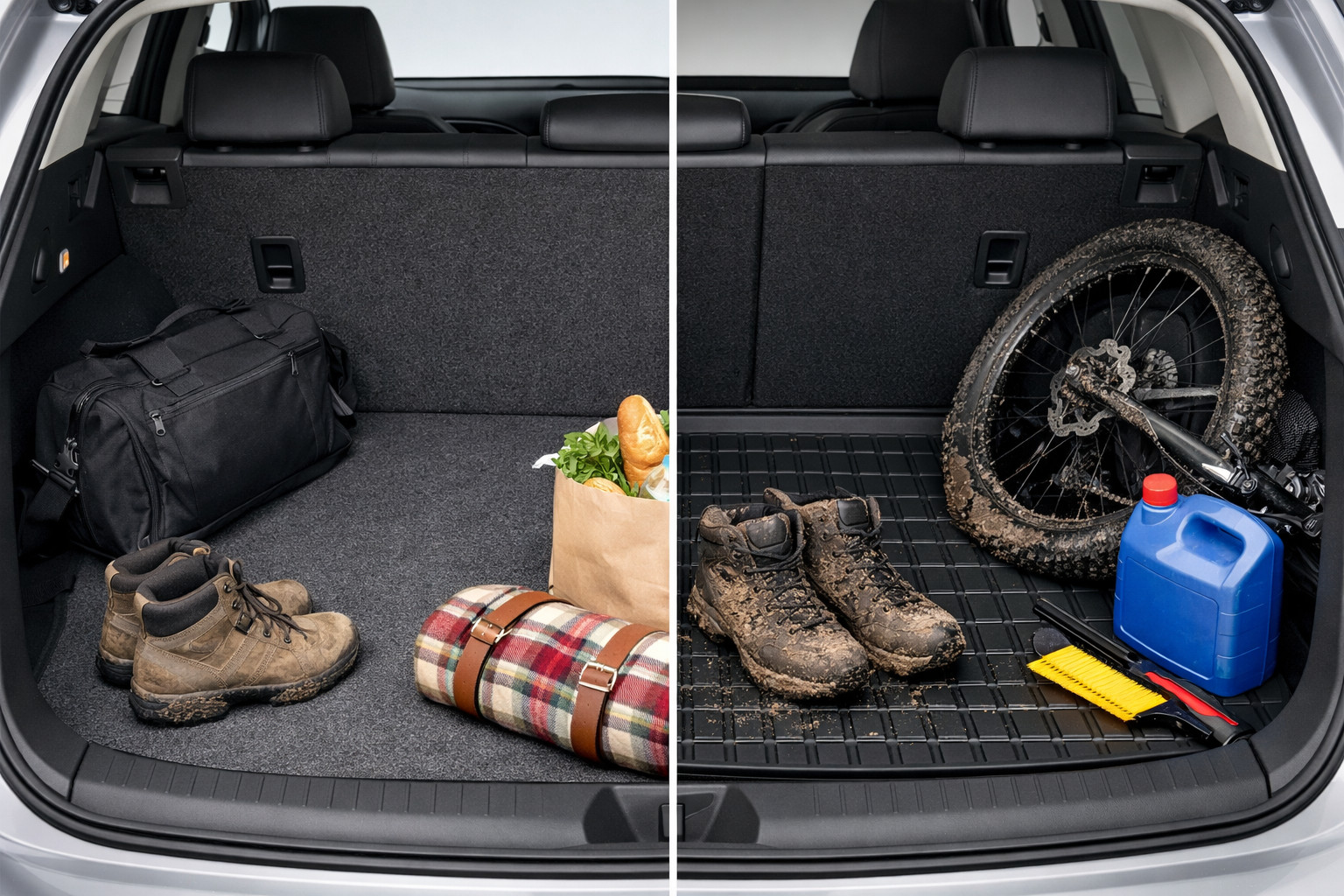
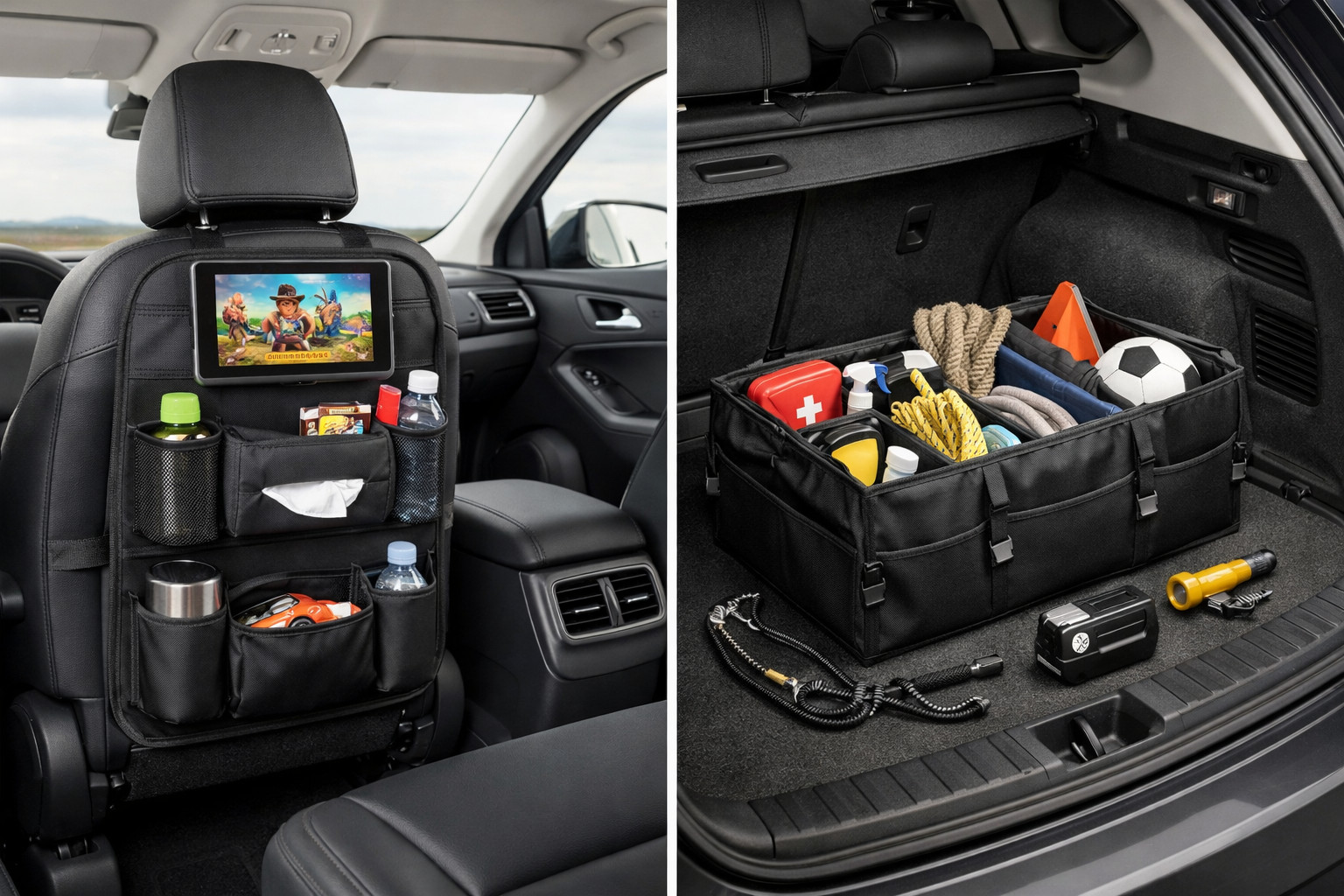
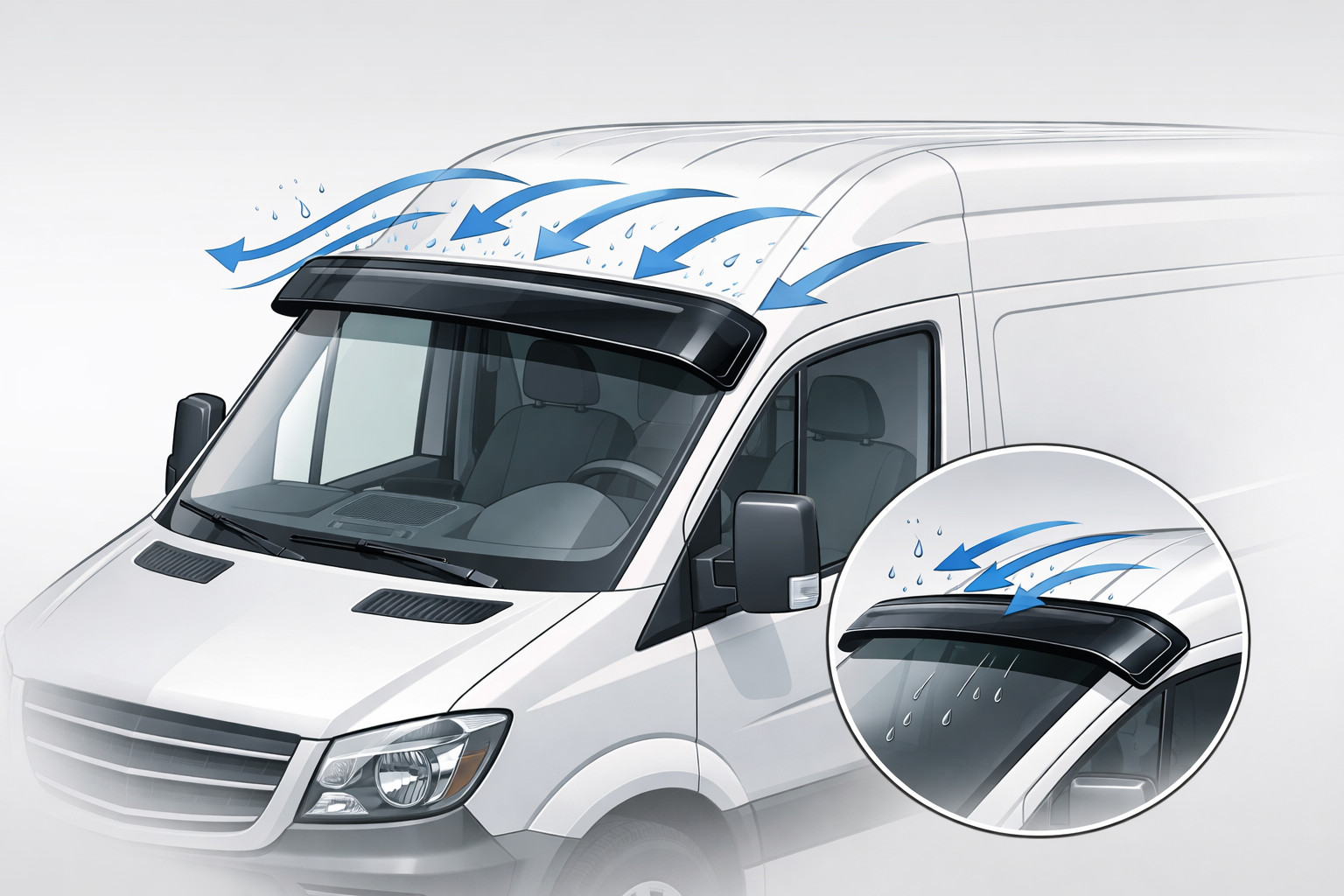
This group includes floor mats, seat covers, neat interior touches, window deflectors, some lighting solutions, and decorative trim. They can make daily use nicer, but they don’t change the vehicle’s behavior as much as tires or brakes.
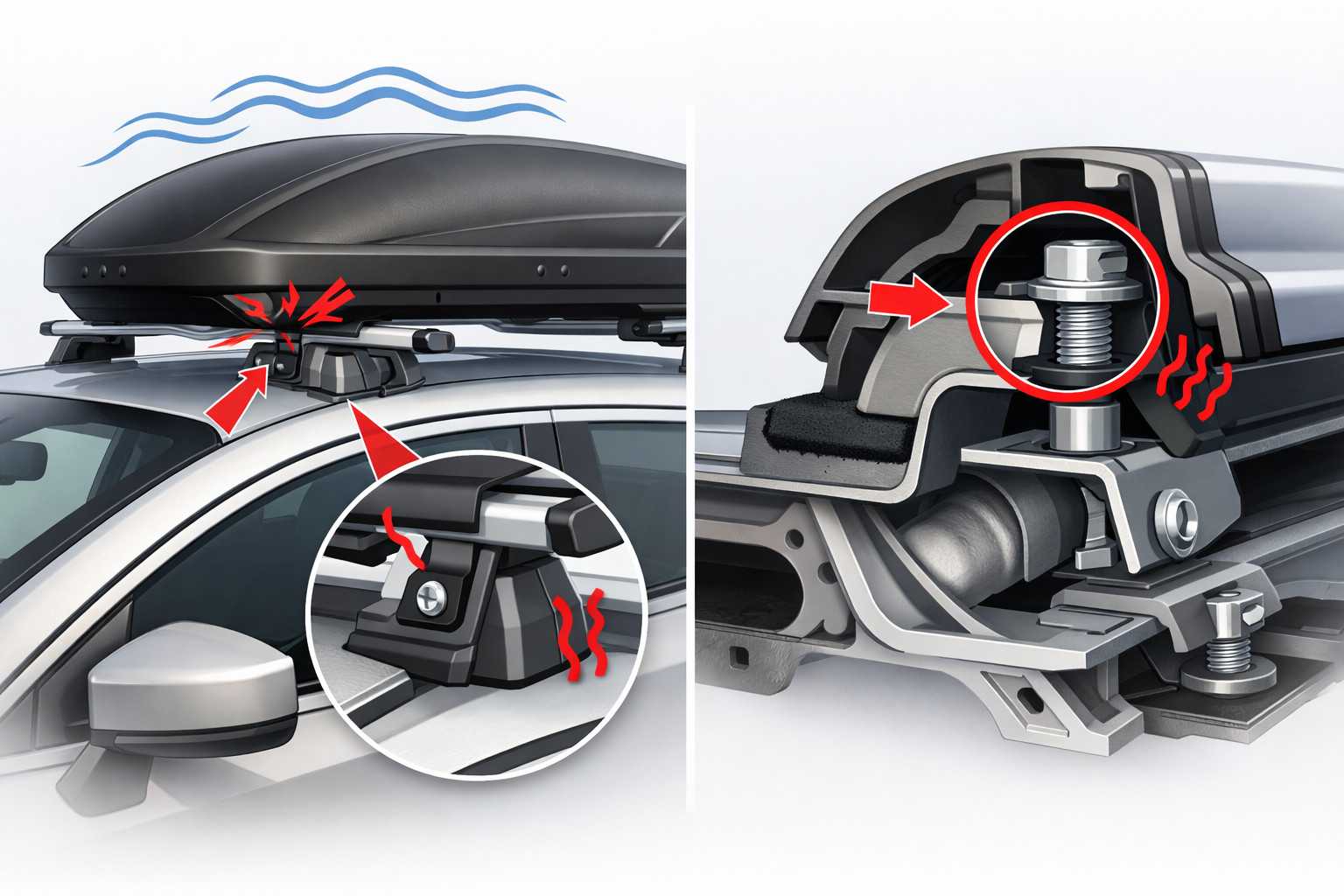
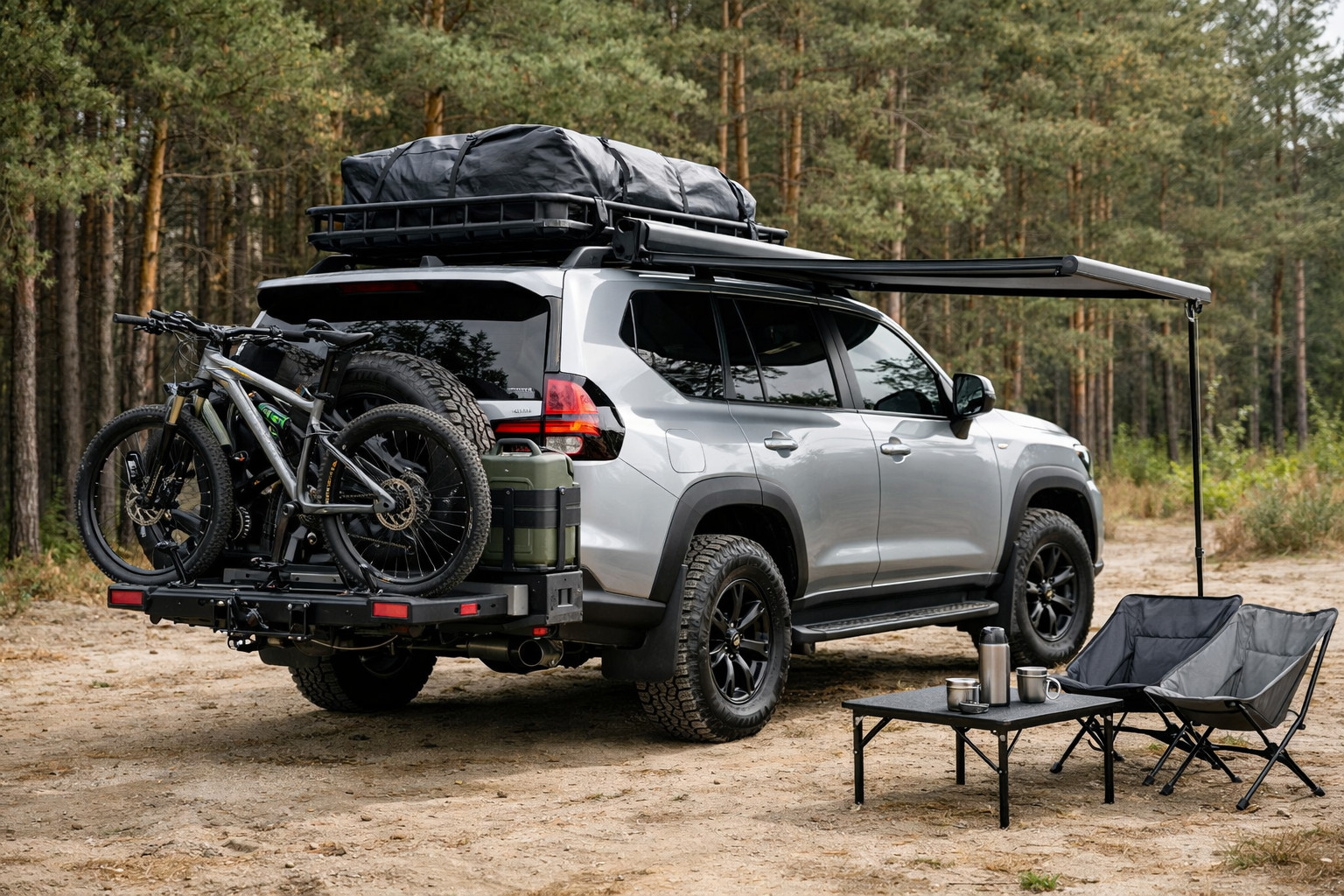
Roof systems are also often seen as a “must-have,” but for a daily LC200 it’s debatable. If you don’t carry gear all the time, a roof rack only adds noise, height, and weight. Plus, the roof load limit in this scenario isn’t infinite—so a basket and crossbars can eat up a large part of your usable margin before you even put anything up there.
Exterior styling only makes sense once you’ve covered the basics. Otherwise you get the typical picture: the car looks “built,” but it brakes average, makes noise, and doesn’t deliver the comfort that was the whole reason you started tuning in the first place.
Heavy front bumpers. If there’s no real need for a winch and extra protection, they worsen the sense of weight up front and often make the vehicle less pleasant in corners.
Roof light bars and excessive auxiliary lighting. On a daily driver they’re rarely used, but the noise, weight, and extra operating questions remain all the time.
Cheap aftermarket multimedia. On paper they offer lots of features, but in practice they often lose on stability, sound, and speed. For a daily car, that’s especially painful.
Aggressive lift, spacers, and wheels for looks. This is where people most often get it wrong: they choose for the picture, not the use case. The result is a harsher ride, worse kinematics, rubbing, and extra expenses. Noisy intake mods are similarly low-value if the goal is a calm, daily LC200.
| Block | Install first | Can be postponed | Not required |
|---|---|---|---|
| Road contact | Tires, pressure, alignment check | Switching to a different size after measuring and understanding the task | Max-size wheels purely for looks |
| Safety | Pads, rotors, brake service | More expensive components if you often carry load or tow | Any power upgrades without checking the condition of the base system |
| Daily convenience | A clean multimedia solution, floor mats, a tidy cabin | Side steps for a family scenario if they’re truly needed | Decorative trim that doesn’t change usability |
| Bad roads and outings | Local protection for vulnerable areas | Moderate suspension for load | A full heavy body kit and roof gear “for the future” |
More expensive upgrades make sense when you have постоян load, towing, bad roads, or regular outings where the factory protection is already insufficient. In that case, it’s better to spend once on the right configuration than to buy random things twice. For that, it’s worth looking not at individual “decorations,” but at the whole LC200 upgrades catalog and selecting only what works in your scenario.
If the priority is protecting components on broken access roads and light off-road, it’s logical to start with engine skid plate protection. If the vehicle carries the family daily and the entry height is genuinely a problem, more expensive but justified quality side steps can work well. But expensive heavy-duty armor, roof constructions, and complex suspension without a clear need usually don’t pay off in daily use.
From a customer’s experience: An LC200 owner came in with the request “I want to make the car more comfortable for every day” and initially looked toward a big lift and a heavy front end. After selecting parts, he отказался from that, started with proper tires, fresh brakes, a clean multimedia solution, and basic underbody protection. As a result, the vehicle became more pleasant in the city and on the highway, without losing handling and without wasting money on things needed twice a year.
For a daily Toyota Land Cruiser 200, the smartest sequence is simple: tires and pressure first, then brakes, then usability, and only after that—protection, side steps, or a very moderate suspension. Most mistakes happen when people buy for looks instead of their scenario: they overpay for weight, height, and decor, and get less comfort every day.
If you keep the priority on practicality, the LC200 doesn’t need to be “rebuilt”—it needs to be carefully refined. This material is based on real selection experience, practice, and real-world usage scenarios, so the logic is one: install only what truly improves life with the vehicle, not just adds items to an upgrade list.
| ✔ | Tires and the correct pressure deliver the biggest practical benefit in everyday use: better comfort, handling, braking, and less noise. It’s a simple change you feel right away both in the city and on the highway. |
| ✔ | Replacing brake wear items and servicing the system make the pedal feel more consistent and stopping more predictable. For a vehicle that carries family and luggage, this is more useful than cosmetic upgrades. |
| ✔ | A neat smartphone integration into the multimedia system improves navigation, calls, and music without the risk of ending up with an unstable system. In daily use, this brings more benefit than simply replacing it with a large aftermarket screen. |
| ✔ | Local protection for the underbody or engine sump makes sense if there are broken approaches, stones, or occasionally bad roads. It reduces the risk of damaging important components without burdening the car with unnecessary armor. |
| ✔ | Side steps are useful specifically in a family scenario, when children or older passengers often get in the car. They make getting in easier and make daily use less inconvenient. |
| ✘ | A big lift and aggressive suspension for the sake of looks on a daily LC200 often have the opposite effect. The car becomes harsher, less predictable, and may lose comfort on asphalt. |
| ✘ | Heavy front bumpers add weight to the front and make the car less pleasant in corners. Without a real need for a winch or extra protection, this looks like an unfavorable trade of comfort for weight. |
| ✘ | Roof rack systems and light bars are hardly used in daily driving, but they constantly add noise, weight, and height. Because of that, they hurt everyday convenience more than they help. |
| ✘ | Cheap aftermarket multimedia systems can worsen sound, stability, and performance speed. For a daily car, such savings often turn into constant annoyance. |
Shipping to EU
Wholesale and retail
Own warehouse
Опис продукту
Подарунки не надаються при оформленні покупки у кредит під 0,01% або при покупці частинами.