In wartime, shelling can catch you off guard even behind the wheel. A car is one of the most dangerous places during a missile strike or artillery barrage, because metal does not protect you from shrapnel, the blast wave, or an explosion. According to DSNS recommendations and the experience of thousands of drivers, the main thing is to stay calm and act fast. At the same time, it’s worth remembering that safety in a car depends not only on its technical condition, but also on thoughtful equipment: certain solutions in tuning can make using your vehicle more convenient in different conditions.
Key safety rules during shelling while in a car
- Keep a cool head — panic leads to mistakes. If you have children with you, calm them with your voice: «It’s okay, we’re following the plan».
- Stop immediately — choose a spot away from buildings (avoid glass facades and potentially dangerous structures), bridges, power lines, gas stations, and critical infrastructure. Turn off the engine.
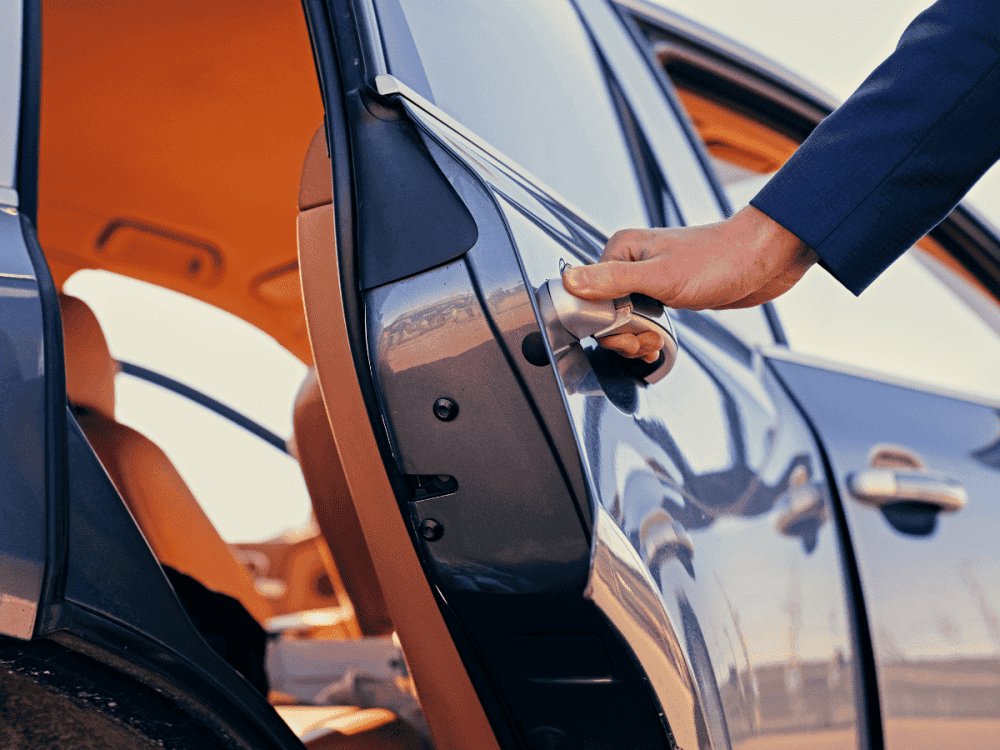
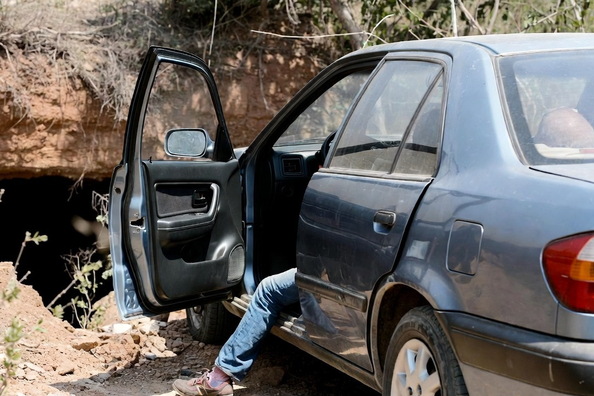
- Get out of the car — a vehicle is not a shelter. Leave the cabin quickly, take your documents and first-aid kit if you can.
- Find shelter — best options: a basement, underpass, metro, ditch, pit, depression in the ground, or a concrete structure. Move at least 20–30 meters away from the road and the car.
- If there’s no shelter nearby — lie face down on the ground at the lowest point (ditch, pit). Cross your legs, cover your head with your hands or a bag. Close your eyes, open your mouth — this reduces the risk of concussion from the blast wave.
- Don’t try to drive on — changing your route or trying to escape often leads to greater risks.
After the shelling ends
- Wait at least 10–15 minutes after the last explosions.
- Check yourself and passengers for injuries.
- If the car is damaged — don’t get behind the wheel right away; assess its condition.
- Seek help if needed.
Prevention: how to reduce risks
- During an air-raid alert, avoid driving, especially into cities.
- Keep a first-aid kit, water, a flashlight, and a charged power bank in the car.
- Plan your route away from potential targets.
Remember: your life is worth more than any car. Leaving the vehicle quickly and taking proper cover is key to survival.