 Author: Radomskyi Maksym Vasyliovych
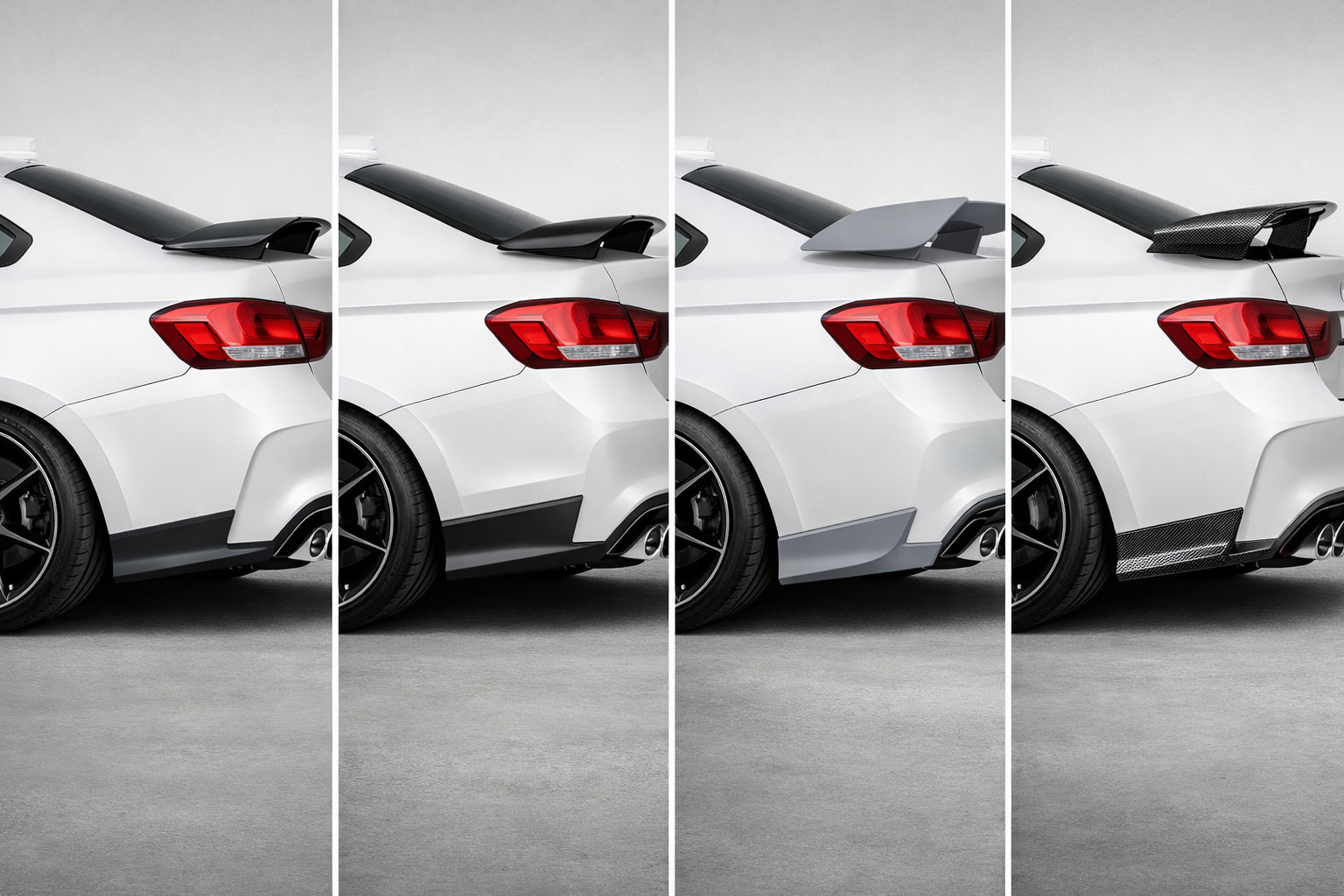
If you need a body kit, side skirts, or a spoiler for a daily driver, quality PP or ABS most often wins: they’re more practical in cold weather, handle minor contacts more calmly, and less often turn every curb into a repair. Fiberglass makes sense when shape and a lower entry budget matter, but you’re ready for fitting work. Carbon is justified mostly where the part is clearly visible and where you consciously accept the higher price, upkeep, and coating requirements.
The main mistake in choosing is that people compare only the material names. In practice, the result is also determined by the part’s geometry, mounting method, ride height, paint quality, and whether the element will sit low over the road or simply act as a visible accent.
What the choice is really about
The right material for a body kit isn’t the one with the loudest reputation, but the one that matches the installation location. For side skirts, lower splitters, and front elements, it’s more important that the part forgives hits from snow, stones, and accidental touches. For a trunk-lid spoiler, stable shape, surface quality, and looks matter more.
That’s why the choice usually comes down to a simple rule: the lower the part and the harsher the use, the more sense there is in a more flexible and practical material. The more visible the part and the calmer the use, the easier it is to justify a stiffer and more expensive option.
What criteria to compare by
- Installation and fitment. Whether the part needs test-fitting, hole modification, filler work, and adjustment before painting.
- Impact and cold resistance. For winter and bad roads, this is often more important than stiffness and a “nice” material.
- Noise and squeaks. They depend less on the material name and more on fit accuracy, fasteners, and paint thickness.
- Service life. Look not only at the plastic or composite itself, but also at coating durability, chip resistance, and ease of repair.
- Practicality and total cost. Not just purchase price matters, but also painting, fitting, installation, and potential repair costs after the first season.
In simplified terms, PP and ABS are softer and better at absorbing minor contacts, while fiberglass and carbon are stiffer, so they crack or chip more often from point impacts. But within each group there’s a big difference between manufacturers, part thickness, and build quality.
Quick comparison of options (table)
| Option | Strengths | Weaknesses | Who it’s for |
|---|---|---|---|
| ABS | Even shape, a good compromise between stiffness and price, suitable for painting | Less forgiving to impacts than good PP; for street use, the quality of the material and coating is critical | Those who want a neat painted spoiler or trim without stepping up to expensive composites |
| PP | The most practical for daily driving, cold weather, dirt, and minor contacts | Cheap products may look simpler and have weaker geometry | For side skirts, lower lips, daily drivers, and winter use |
| FRP | Stiff shape, relatively affordable entry into complex designs, repairable | Often requires fitting, more brittle to chips and cracks, takes longer to prep for paint | Those ready for modifications for the sake of shape or a non-standard kit |
| Carbon | Very stiff, light, expressive look on visible parts | Most expensive, sensitive to chips and clear-coat condition, needs UV protection | For visible parts, show cars, or carefully used vehicles |
DD Tuning expert comment: Most often the mistake isn’t in choosing the material name, but in judging the fitment. Cheap carbon with mediocre geometry or fiberglass that isn’t test-fitted before painting brings more expense than quality ABS or PP. For lower elements, always look at ground clearance, mounting points, and your real driving conditions—not just photos.
Detailed breakdown of each option
ABS
ABS is a solid working compromise for painted exterior parts. It usually provides a cleaner surface and a more stable shape than cheap fiberglass, so it often works well for spoilers, trim pieces, and body kit parts where you want clean geometry without long finishing work.
ABS’s weak point is that it doesn’t like harsh impacts the way quality PP can forgive them, especially if the part sits low. So for a city car with daily parking, ABS works well on upper and mid-level elements, but it isn’t always the smartest choice for the lowest add-ons.
PP
PP and similar impact-resistant blends are the most practical choice for a daily car. They handle cold, minor impacts, dirt, and seasonal use better. That’s why these materials make sense for side skirts, lower lips, bumper add-ons, and parts that actually contact the environment.
The downside is that not every PP product looks equally solid. If the shape is weak or the piece is thin, it can have waves and won’t feel “tight” and well-assembled. In other words, PP wins on practicality, but not automatically on build quality.
FRP
Fiberglass is attractive because it lets you get a rigid, complex shape without carbon pricing. It’s a common option for custom body kits, and it’s also repairable: chips, cracks, and damaged areas can be restored instead of always replacing the part entirely.
But FRP most often requires extra work before installation: test-fitting, edge trimming, refining mounting points, and local leveling. On low elements and in daily use, it’s not the calmest material, because stiffness here easily turns into cracks from point contact.
Carbon
Carbon makes sense where you need stiffness, lower weight, and a visible premium accent. Most often these are spoilers, mirror caps, select upper trims, and sometimes front elements for very careful use. On such parts, carbon truly delivers what people buy it for.
Its drawbacks aren’t just about price. On a street car, chips, scratches, and aging of the clear coat are noticeable, and without proper sun protection the look degrades faster. For lower side skirts or a daily body kit, carbon often turns out to be not a smart solution, just an expensive one.
Which option is better for different scenarios
If the car is driven daily, sees winter, potholes, snow, and curbs, PP should be the first candidate. It may not be the most impressive in photos, but it most often brings peace of mind in real life. If you need a painted spoiler or trim with a clean shape but without stepping into composites, it’s logical to look toward ABS.
Fiberglass is appropriate when you knowingly buy shape, not easy installation. It’s for those willing to spend time once on finishing, painting, and test-fitting for a specific design. Carbon, on the other hand, is worth buying not because it’s a “top material,” but when its look and low weight truly matter to you.
By installation location, the logic is even simpler: for side skirts and lower sections, practicality is almost always more important than material status. For a trunk-lid spoiler, you can allow a stiffer and more expensive option, because there’s less risk of constant impacts and it’s easier to justify the extra cost for appearance.
Use case and what to choose (table)
| Scenario | Best choice | Why |
|---|---|---|
| Daily car, winter, bad roads | PP | Handles cold, dirt, and minor contacts better, causes less stress in everyday use |
| Painted spoiler for a city car | ABS | Gives a neat shape, reasonable price, and doesn’t require paying extra for a composite |
| Custom body kit on a moderate budget | FRP | Lets you get a complex shape, but you must budget time and money for fitting |
| Visible part where appearance is critical | Carbon | Delivers a strong visual effect if you’re ready to protect the clear coat and use the car carefully |
| Side skirts or lower trim on a low-clearance car | PP or quality ABS | Practicality and resistance to everyday contacts matter more than composite stiffness |
| Show car or very careful use | Carbon or quality FRP | Here, appearance and shape can matter more than everyday durability |
Common mistakes when choosing
- Buying a material, not a solution. Carbon on low side skirts may look prestigious until the first contact, while simpler PP in the same place will last longer.
- Not calculating the full cost. Cheaper fiberglass, after test-fitting, modifications, and painting, often ends up costing more than it seemed at first.
- Assuming all ABS, PP, or FRP is the same. The difference between manufacturers, thickness, and geometry is huge.
- Ignoring installation. Wrong mounting points, tension during install, and an extra-thick buildup under the paint quickly lead to play, squeaks, and cracks.
- Putting a rigid material where everyday durability is needed. For lower elements, this is one of the most common reasons for disappointment.
When a more expensive solution makes sense
A more expensive option is justified when you’re paying not only for the material name, but for better geometry, a stable surface, fewer modifications, and a predictable result after painting or clear-coating. That’s why good ABS or PP from a reputable manufacturer is sometimes smarter than a cheap composite, and carbon makes sense mostly on visible parts where you’ll truly see the difference every day.
If you’re already selecting specific parts, it’s worth saving this guide as a checklist first, and then separately looking at body kits and spoilers for your task. That way it’s easier not to overpay for material where fitment, clearance, and how you use the car are what really matter.
From a customer’s experience: The owner of a daily driver initially wanted carbon side skirts and a spoiler, focusing only on looks. After matching the choice to real driving conditions, it was changed to PP side skirts and a painted ABS spoiler. As a result, the lower parts calmly survived the season, and the spoiler delivered a neat look without extra spending on care and rework.
Conclusion
For most daily cars, the most sensible choice is: PP for low and vulnerable elements, ABS for painted spoilers and trims, FRP for those who knowingly accept fitting work for the sake of shape, and carbon for visible parts where the price and upkeep are justified. In short, don’t look for the “best material overall”—look for the best material for a specific location on the car.
This material is based on real selection experience, hands-on practice, and real usage scenarios: they show best why the same part in different materials can be either a good purchase or unnecessary expense.
How it works
- Assess the installation location First determine where the part will be installed: side skirts, lower trim, front body kit, or spoiler. For low and vulnerable elements, practicality matters more, while for visible parts, shape and appearance matter more.
- Compare materials in real conditions Do not choose based only on the material name. Look at resistance to cold, minor impacts, coating durability, noise, and whether fitting, puttying, or complex painting will be needed.
- For a daily driver, choose PP or ABS If the car is driven every day and sees winter, potholes, and curbs, PP works best for side skirts and lower elements. For a painted spoiler or trim pieces with a clean shape, it makes more sense to look at ABS.
- Choose FRP only if you are ready for finishing work Fiberglass makes sense when a complex shape is needed at a moderate price, but you should allow for trial fitting, adjustments, and preparation for painting. For lower elements in daily use, it is less reassuring because it is prone to cracks and chips.
- Keep carbon for visible parts Carbon is justified where appearance, stiffness, and lower weight matter, for example on a spoiler or other clearly visible parts. For side skirts and low trim pieces, it is often too expensive and too vulnerable to chips.
- Check the total cost and fit quality Before buying, consider not only the part price, but also painting, installation, fitting, and possible repair. Pay special attention to ground clearance, mounting points, and the product geometry, because these often determine the result.
Pros and cons
PP and quality ABS are better suited for everyday driving, especially in winter and on rough roads. They handle minor impacts, curbs, and contact with snow or dirt more calmly.
ABS provides a neat shape and is a good fit for painted spoilers and trims. It is a convenient compromise between appearance and price without moving into expensive composites.
FRP makes it possible to get a complex or non-standard shape at a relatively moderate budget. In addition, it can be repaired instead of always replacing the part entirely.
Carbon is suitable for visible parts where rigidity, low weight, and a striking appearance matter. On spoilers, mirrors, or upper trims, it makes sense if the car is used carefully.
When choosing, it is important to factor in not only the price of the part itself, but also installation, painting, and possible modifications. This helps avoid a situation where the cheaper option ends up being more expensive overall.
FRP often requires fitting, trial installation, and bracket adjustments before installation. This means allowing extra time and preparation costs before painting.
Carbon is expensive not only to buy, but also in everyday care. Chips, scratches, and lacquer aging are noticeable on it, especially if the part sits low or often catches road dirt.
In cheap products, PP may look simpler and have poorer geometry. That is, practicality is there, but the quality of workmanship depends heavily on the specific manufacturer.
ABS is less forgiving of hard impacts than good PP. For the lowest elements and cars with low ground clearance, this may be a poor choice.