12.08.2026
104
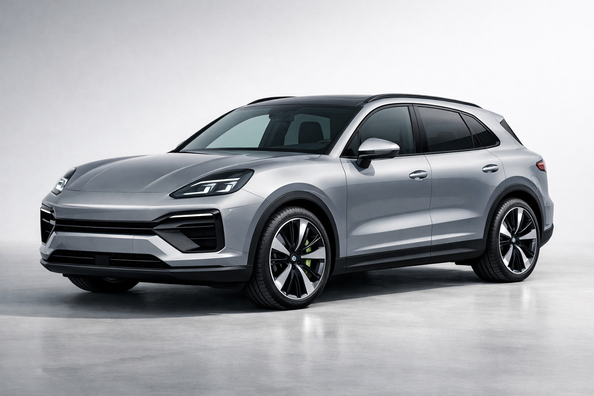
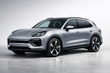
Porsche Cayenne Electric is a large premium electric SUV that focuses not only on acceleration but also on everyday usability: an 800-volt architecture, a 113 kWh battery, fast charging up to 400 kW, and an official lineup of three versions. The base version delivers 408 hp in normal mode, the S Electric — 544 hp, and the Turbo Electric reaches up to 1,156 hp during a standing start.
This model suits those who want an electric crossover with genuine Porsche dynamics, fast long-distance capability, and the ability to tow a trailer. It’s not the best choice for those who need a third row of seats, максимально simple climate control via physical buttons, or a long-established reliability record specifically for the electric version.
The Cayenne Electric enters the upper segment of large electric SUVs, where buyers look not only at range but also chassis behavior, charging pace, highway pulling power, and cabin quality. For Porsche, it’s not a replacement for the more compact Macan Electric, but a significantly larger and more expensive model with clearly broader family and towing capabilities.
The lineup includes three SUV versions and three Coupé versions. All have two electric motors, ePTM all-wheel drive, and single-speed transmissions on both axles. That means the buyer isn’t choosing between an “efficient” and an “all-wheel-drive” version, but between different power levels, equipment, and chassis tuning.
The Cayenne as a model line has existed since 2002: the first generation was produced in 2002–2010, the second — in 2010–2017, and the third — since 2017. The fully electric Cayenne is already a separate branch of the model, officially formed for the 2026 model year.
For the new Cayenne Electric, it’s important to understand that this is not an “electrified old Cayenne,” but a separately engineered version with a new power architecture, battery, and aerodynamics. In the technical materials there are already small discrepancies between markets and versions: for example, the base model’s power is presented differently for the US and Europe, and the length of the S Electric differs by 6 mm across documents.
There are no internal combustion engines here, so displacement does not apply. All versions use two permanent-magnet synchronous electric motors, electronically controlled all-wheel drive, and single-speed gear reducers. Under partial load, the front motor can be disconnected for better efficiency.
| Version | Power layout | Power | Torque | 0–100 km/h | Range |
|---|---|---|---|---|---|
| Cayenne Electric | 2 electric motors, all-wheel drive | 408 hp, up to 442 hp during launch | 835 N·m | 4.8 s | 576–643 km |
| Cayenne S Electric | 2 electric motors, all-wheel drive | 544 hp, up to 666 hp during launch | 1,080 N·m | 3.8 s | 588–653 km |
| Cayenne Turbo Electric | 2 electric motors, all-wheel drive | 857 hp, up to 1,156 hp during launch | 1,500 N·m | 2.5 s | 564–624 km |
In terms of feel, the choice is simple. The base version is already very quick for a large SUV, the S Electric looks the most balanced, and the Turbo Electric is more about excessive thrust, more expensive brakes, and higher mass than about rationality.
In SUV form, length is 4,985 mm, although for the S Electric 4,991 mm is listed separately; width without mirrors is 1,980 mm, height — 1,674 mm, wheelbase — 3,023 mm. Aerodynamics are strong for this class: drag coefficient 0.25 for the SUV and 0.23 for the Coupé.
A dual-chamber adaptive air suspension with self-leveling is fitted as standard. Front and rear suspensions are aluminum five-link. For the S and Turbo, Porsche Active Ride is available, and rear-axle steering noticeably reduces the turning circle, which matters for a large urban crossover.
| Parameter | Value | Practical takeaway |
|---|---|---|
| Trunk | 781–1,588 l, in Turbo 747–1,554 l | Enough for a family, but not a class record |
| Front trunk | 90 l | Convenient for cables and small items |
| Weight | 2,525–2,645 kg | Performance is strong, but you can’t hide the physics of mass |
| Towing | 3,000 kg, with the off-road package up to 3,500 kg | One of the model’s strengths |
| Ground clearance | up to 245 mm in off-road mode | There’s potential for light off-roading |
| Wading depth | 483 mm | Not a pure off-roader, but the margin is solid |
The cabin is built around a large 14.25-inch digital instrument cluster, an optional 14.9-inch passenger display, and an augmented-reality head-up display. There’s an integrated Android-based in-car system, streaming services, voice control with complex commands, and a digital key with access for multiple users.
From a practical standpoint, other things matter more: the rear seats can slide by 150 mm, there are many trim options, matrix LED headlights are standard, and the parking systems can memorize typical maneuvers. The weak spot is also clear: some ventilation controls have been moved to the screen, and in daily use not everyone will like it.
The main day-to-day advantage of the model is charging. At a high-power DC station the car accepts up to 400 kW, and the 10–80% window takes about 16 minutes. On 400-volt stations, charging up to 200 kW is possible; on AC — 11 kW, while 22 kW reduces a full cycle to about 5.8 hours.
In the city, regeneration up to 600 kW should help, with most normal braking performed electrically. On the highway, early motorway tests have already shown that the large claimed range doesn’t look detached from reality, but there is no certified US rating yet. In short, for daily driving it’s a fast, tech-heavy EV, but the owner still needs good charging infrastructure and the habit of planning long routes.
The Cayenne Electric’s strength is the combination of pace, charging, towing capability, and an expensive chassis. Weak points are also typical of a large premium electric SUV: high mass, a not-so-simple interface, and so far a limited base of long-term feedback.
| Pros | Cons | What it means for the owner |
|---|---|---|
| Very strong performance in all versions | The Turbo is too powerful and heavy for a rational purchase | The base is already enough, the S looks like the sweet spot |
| Fast charging and long range | You need the right infrastructure to unlock the potential | Without high-power stations, some advantages are lost |
| Strong practicality: towing, roof, two trunks | No third row of seats | For a large family, this can be a limitation |
| Expensive and precise chassis, good stability | You still feel the car’s mass | Comfort and handling are strong, but not “car-like” light |
| Rich interior equipment | Some functions are hidden in the screen | It takes time to get used to |
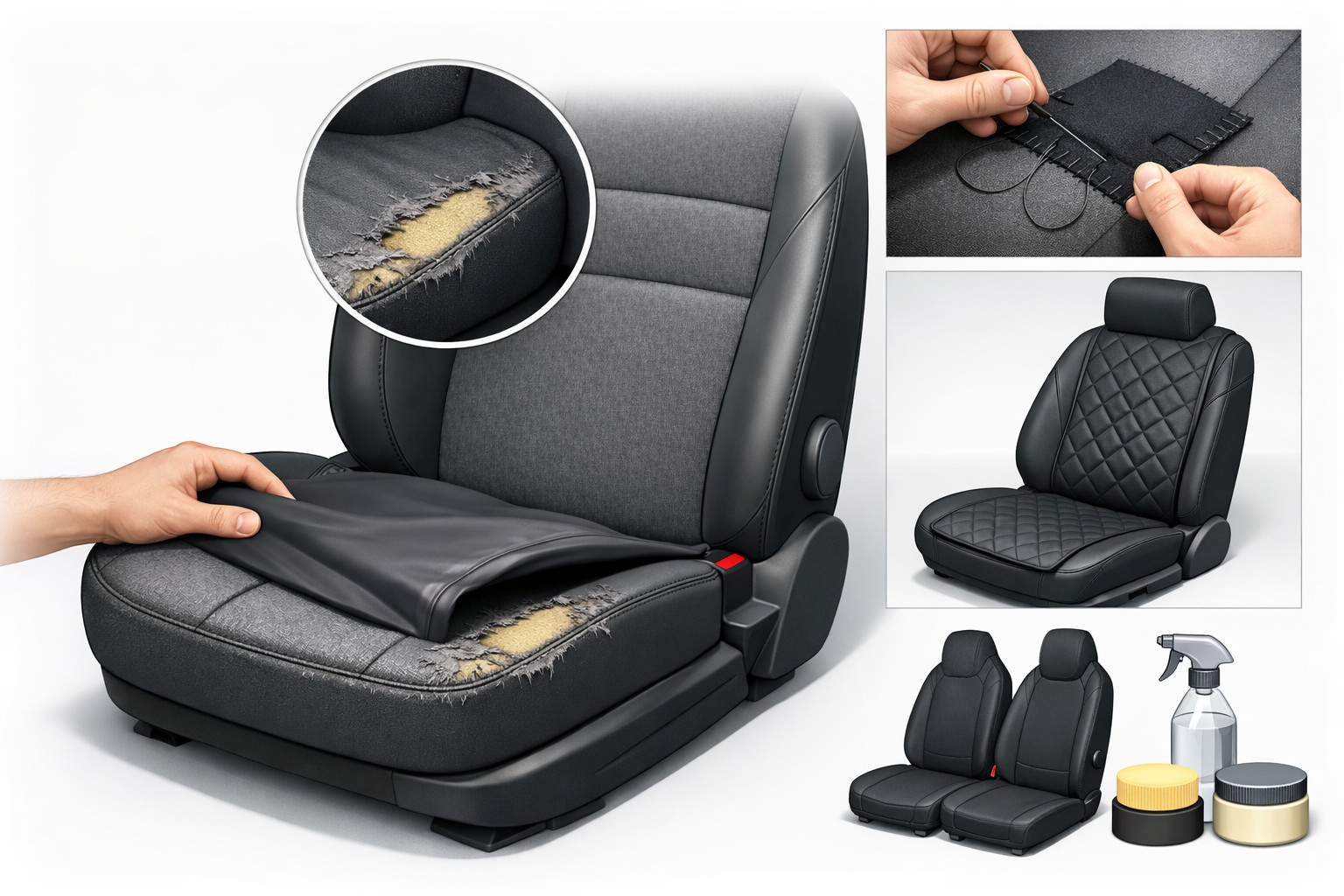
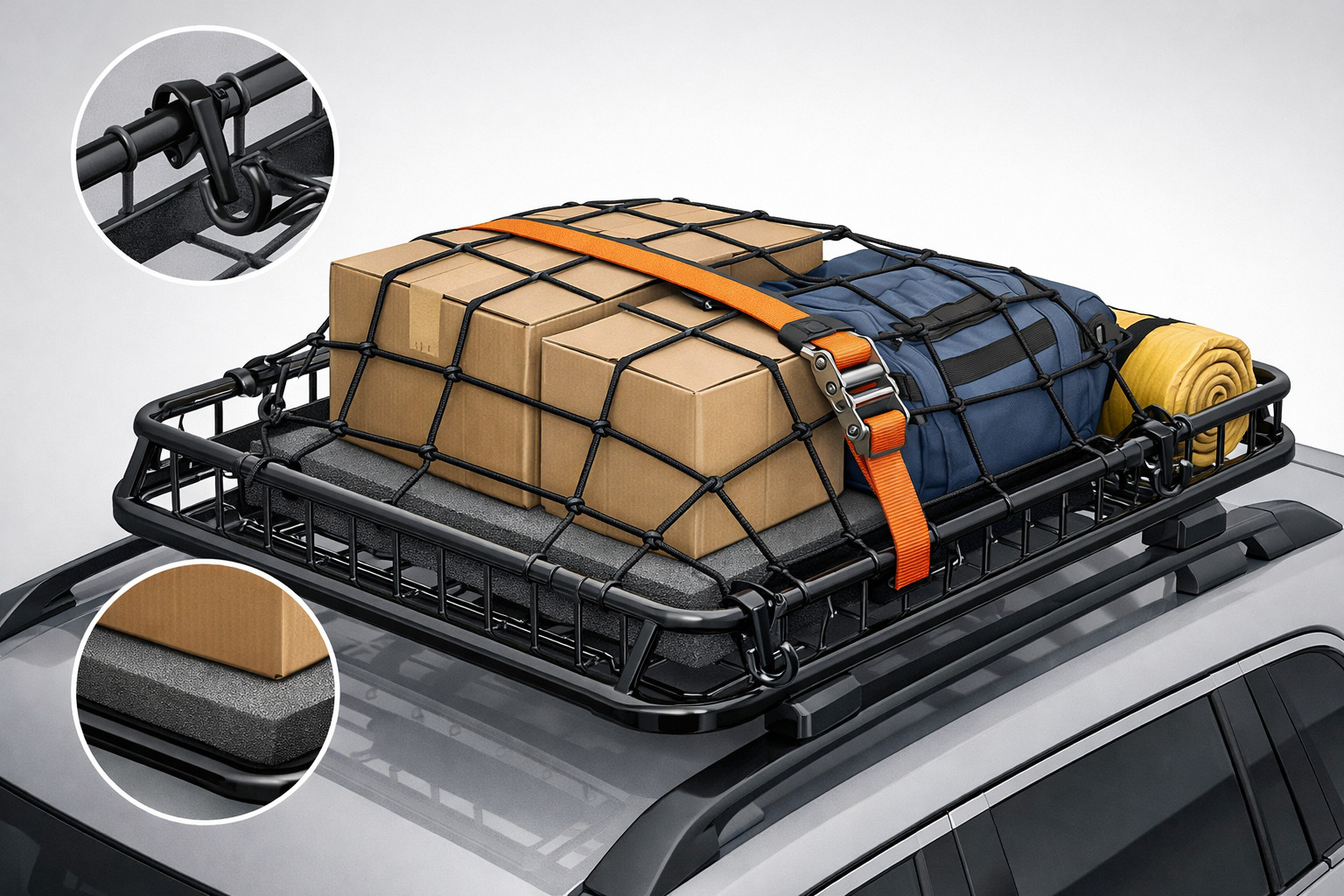
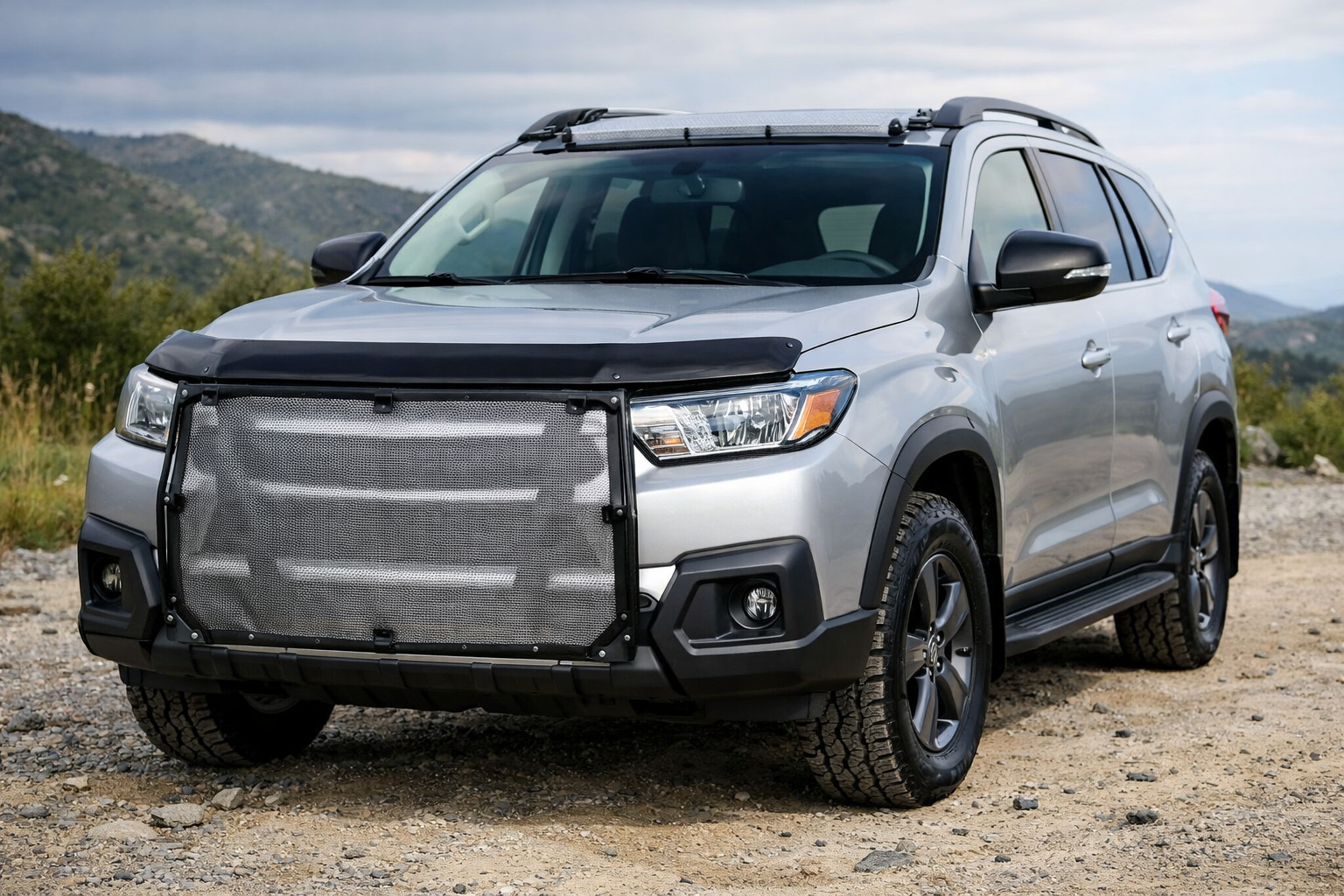
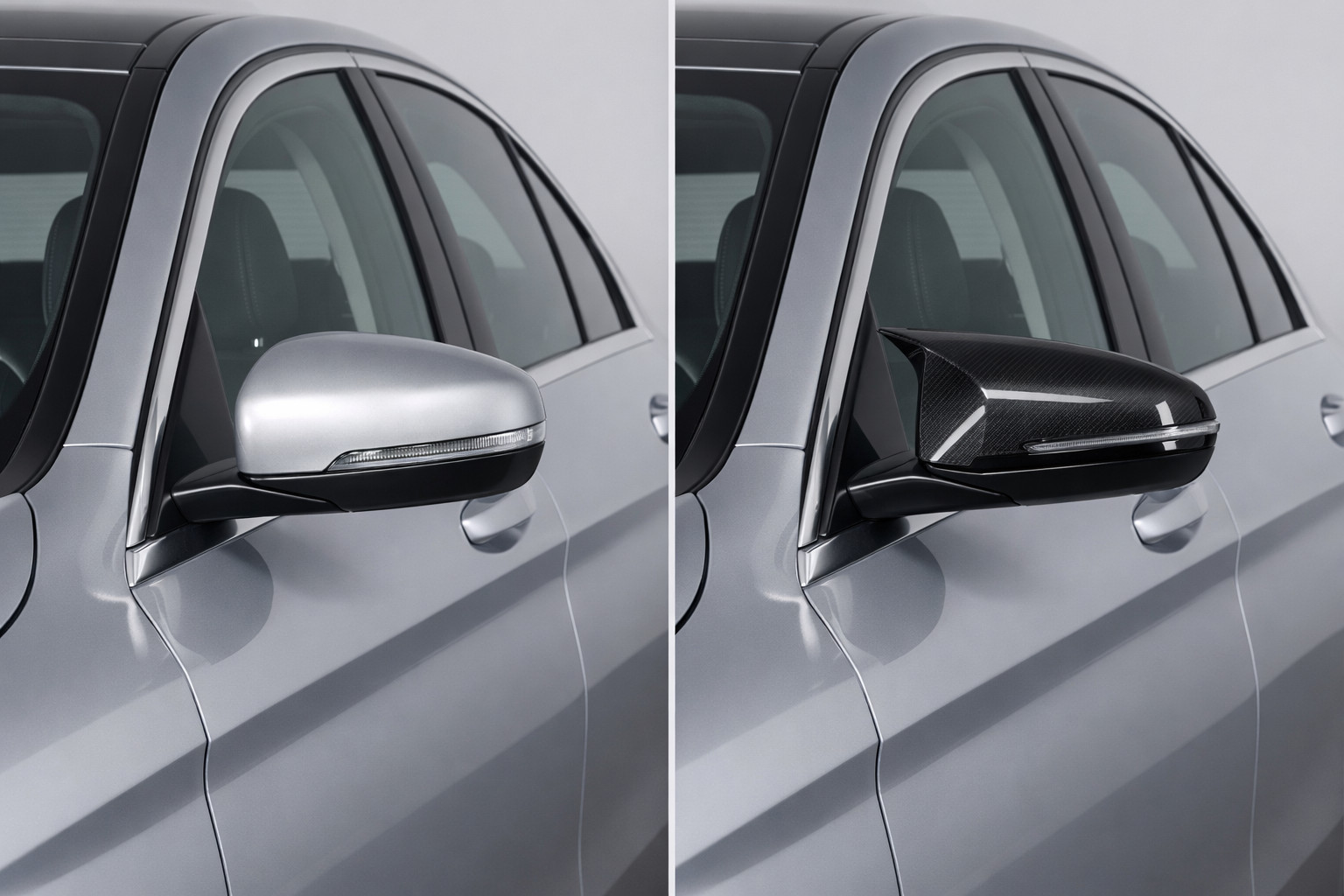
For the Cayenne Electric, the logical choice is not decorative but protective and cargo-focused accessories. Given the weight, body width, and the high everyday cost of mistakes, it’s better to think about the interior, luggage space, and body protection rather than random exterior add-ons. An important nuance: before ordering, you should separately check compatibility with the exact body style and year, because the electric version is new.
The Porsche Cayenne Electric looks like one of the strongest large electric SUVs for those who value not numbers by themselves, but the combination of speed, long range, charging, and real practicality. The best pick in the lineup right now looks like the S Electric, while the base already covers most needs, and the Turbo is more a choice for maximum output.
If you need a third row, the simplest possible interface, or already accumulated long-term ownership statistics, it’s worth approaching the model more cautiously. This material is based on real selection experience, practical know-how, and real usage scenarios, so the main takeaway is simple: the Cayenne Electric makes sense where the owner will actually use its fast charging, towing strength, and chassis capability — rather than simply buying a loud new release.
| ✔ | Fast charging really saves time on the road: on DC the car accepts up to 400 kW, and charging from 10 to 80% takes about 16 minutes. For everyday use, this is one of the model’s most practical advantages. |
| ✔ | Even the base version is already very dynamic for a large SUV: 408 hp and 0–100 km/h in 4.8 s. This makes it possible not to overpay for higher trims if you just need a quick electric crossover. |
| ✔ | The model has good towing capability: up to 3,000 kg, and with the off-road package — up to 3,500 kg. For owners of trailers or boat trailers, this is a significant advantage. |
| ✔ | Practicality in everyday life is supported by two trunks: a main one with 781–1,588 l and a front one with 90 l. This is convenient for cables, small gear, and family trips. |
| ✔ | Standard air suspension, rear-wheel steering, and a low drag coefficient for the class improve both comfort and maneuverability. For a large SUV, this matters in the city and on the highway. |
| ✘ | The car is very heavy — in the 2,525–2,645 kg range, and this will still be felt in corners and when braking. Even with a strong chassis, the laws of physics and mass cannot be eliminated here. |
| ✘ | There is no third row of seats, so the Cayenne Electric is not suitable for a large family or the need for 6–7 seats. This limits it as a family vehicle. |
| ✘ | Some of the climate controls were moved to the screen, which makes basic actions less convenient while driving. For those who value physical buttons, this is a noticeable drawback in everyday use. |
| ✘ | To fully use the model’s strengths, you need good charging infrastructure and planning for long trips. Without fast stations, some of the benefits of an electric car simply disappear. |
Shipping to EU
Wholesale and retail
Own warehouse
Опис продукту
Подарунки не надаються при оформленні покупки у кредит під 0,01% або при покупці частинами.