25.07.2026
246
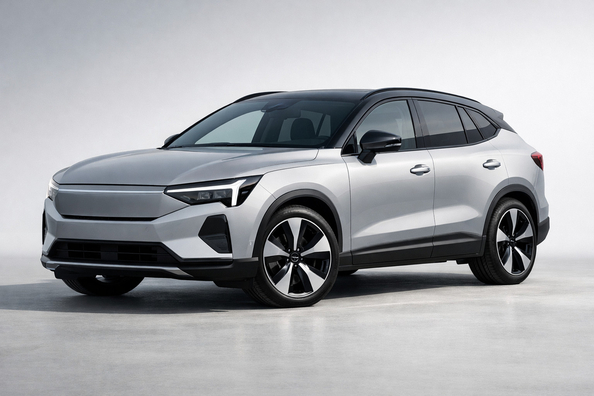
Volvo EX60 is a new five-seat mid-size electric SUV entering the hottest premium segment with a very strong set of features: 800-volt architecture, fast charging, long range, a spacious cabin, and Volvo’s traditionally serious focus on safety. Essentially, it’s Volvo’s answer to the BMW iX3 and Mercedes-Benz GLC EV, but with less emphasis on sportiness and more on calm everyday convenience.
Who it suits: families, drivers who regularly travel on highways, and anyone who wants an electric crossover with no compromises on towing capability and cargo space. Who it may not suit: those who like lots of physical buttons, expect a fully polished software experience from day one, or want sharper handling than a comfort-tuned Volvo delivers.
The EX60 sits at the heart of Volvo’s lineup: it’s not a compact city EV and not a large flagship, but a truly versatile family format. A length of 4,803 mm and a 2,970 mm wheelbase place it in the mid-size premium SUV class, where buyers typically choose between range, cabin comfort, charging speed, and brand reputation.
Against its rivals, the EX60 wins not with extreme numbers but with balance. There are versions from the calm, rear-wheel-drive P6 to the very quick P12 AWD, but the model’s main focus isn’t showy performance—it’s real everyday usability: quietness, smooth torque delivery, a good trunk, towing up to 2,400 kg in all-wheel-drive versions, and a strong driver-assistance package.
For now, the EX60 has just one, first generation. The model launch is 2026: production started on April 22, 2026, and the first European deliveries began on July 16, 2026. This is important for buyers: the car is very new, so the market hasn’t yet accumulated a large amount of long-term reliability data and minor early issues.
At launch for the U.S., P6 and P10 AWD were announced, while P12 AWD is expected to arrive later depending on the market. The EX60 is also important for the brand: it is the first fully electric Volvo designed, developed, and assembled in Sweden. In other words, the model doesn’t just expand the range—it shows where Volvo is heading as a manufacturer.
The EX60 has no internal-combustion engines, so engine displacement doesn’t apply here. It’s more accurate to compare versions by the number of electric motors, power, torque, battery, and drivetrain type. All trims use an automatic electric transmission without conventional gear changes.
| Version | Displacement | Drivetrain | Power | Torque | Battery | 0–100 km/h | Range |
|---|---|---|---|---|---|---|---|
| P6 | not applicable | rear | 275 kW / 374 hp | 480 N·m | 83 kWh | 5.9 s | up to 620 km WLTP; preliminary up to 494 km on the EPA cycle |
| P10 AWD | not applicable | all-wheel | 375 kW / 510 hp | 710 N·m | 95 kWh | 4.6 s | up to 660 km WLTP; up to 531 km EPA |
| P12 AWD | not applicable | all-wheel | 500 kW / 680 hp | 790 N·m | 117 kWh | 3.9 s | up to 810 km WLTP; the EPA figure for some markets is still preliminary |
The most rational choice looks like the P10 AWD: it’s already very fast, has a strong officially confirmed range, and doesn’t add an unnecessary focus on maximum output. The P6 makes sense for those who want lower weight and a simpler configuration, while the P12 is for buyers who care about the headline capability figure, not just practicality.
The EX60 is built on the SPA3 platform with 800-volt architecture. For the owner, this matters not as a marketing line but as the basis for fast charging, a rigid body, and proper integration of the heavy traction battery into the structure. A 178 mm ground clearance means it’s a crossover for curbs, winter, and gravel roads—but not a vehicle for serious off-roading.
| Parameter | Value |
|---|---|
| Length / width / height | 4 803 / 1 908 / 1 635 mm |
| Wheelbase | 2 970 mm |
| Ground clearance | 178 mm |
| Turning circle | 11.3 m |
| Trunk | 523 l |
| Trunk with second row folded | 1 647 l |
| Front trunk | 58 l |
| Towing | 2 000 kg for P6; 2 400 kg for P10 AWD and P12 AWD |
| Roof load | 100 kg |
In feel, it’s the right family format: not too bulky in the city, yet already large enough for long trips, kids’ gear, or a big weekly grocery run. One nuance: the upper part of the trunk opening doesn’t look maximally wide, so very bulky boxes may not load as easily as the liters alone suggest.
The interior follows the familiar logic of new Volvos: calm architecture, a large central screen, an emphasis on clean surfaces, and minimal extra elements. In higher trims, a panoramic roof with electrochromic dimming, seat ventilation, and a higher-end audio system are available. Space is sufficient both front and rear: there’s headroom and knee room, so the EX60 feels genuinely family-oriented rather than just a tall hatchback.
A major strength is safety. The model gets a new type of adaptive seatbelts, an advanced set of driving assists, and a rigid safety cage. But ergonomics won’t appeal to everyone: early feedback already criticizes the low number of physical buttons, the unusual front dashboard layout, and not the best selection of small storage compartments for everyday items.
In daily driving, the EX60 comes across stronger than its spec-sheet list suggests. Fast charging from 10–80% takes 16 minutes for P6 and P10 AWD and 19 minutes for P12 AWD, while overnight AC charging takes 8 to 12 hours depending on the version. In the city, that means a simple routine: charge at home or work; for highway travel, you get short stops without long waiting.
It’s also important that range depends on wheel diameter: on 22-inch wheels it’s lower than on 20 or 21. So when choosing a trim, you should look beyond appearance. Another realistic point: a curb weight from 2,189 to 2,405 kg inevitably affects steering feel and how the suspension works on rough asphalt. The EX60 is more about comfort and stability than razor-sharp responses.
Among practical risks, it’s less about the mechanicals and more about the software. For a brand-new model this is normal: isolated remarks about the infotainment and minor electronics don’t equal a systemic problem, but it’s also too early to pretend all early quirks have already been ironed out.
| Pros | Cons | What it means for the owner |
|---|---|---|
| Strong range and very fast charging | Not all market figures are equally confirmed for all versions yet | For highway use it’s one of the most interesting options in the class, but you should verify the numbers for your specific version and wheels |
| Spacious cabin and a good trunk | The trunk opening isn’t the most convenient for very bulky items | It’s enough for a family, but carrying large boxes, bikes, or strollers is worth checking in person |
| Comfortable suspension and low noise | The steering may feel synthetic, without sporty feedback | In daily use that’s a plus, but fans of sharp handling may find it boring |
| Strong safety and driver-assistance package | Fewer physical buttons and more dependence on the screen | You’ll need to get used to the control logic, especially if you’re coming from a classic SUV |
| High towing capability for an electric crossover | Long-term reliability statistics haven’t been accumulated yet | Buying now means choosing a new tech model without a full ownership track record |
In short, the EX60 is strong where owners actually spend their time: in the cabin, at the charger, in daily driving, and on the highway. The weak points so far are typical for a very fresh model—getting used to the interface, early software nuances, and a lack of extensive reliability statistics.
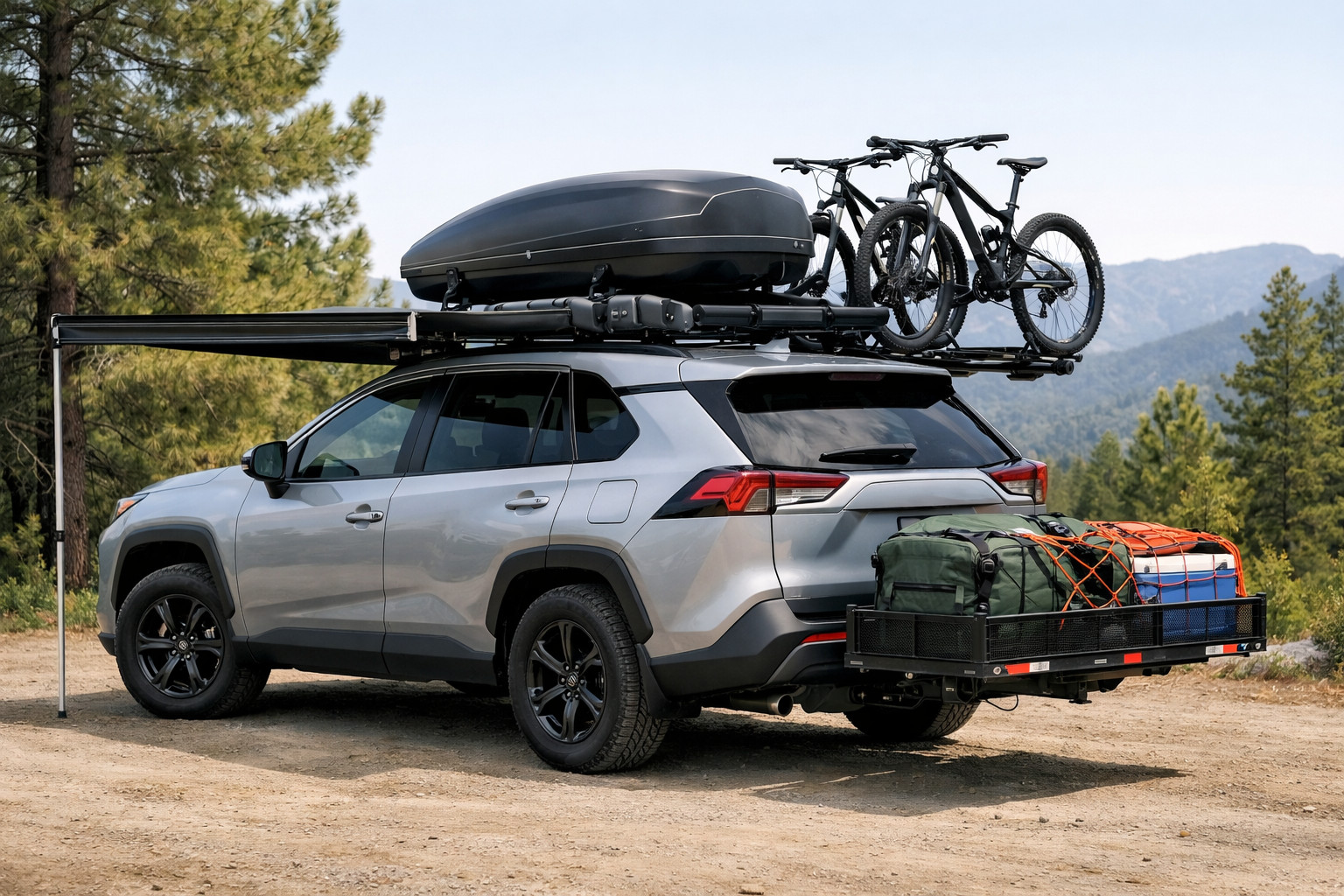
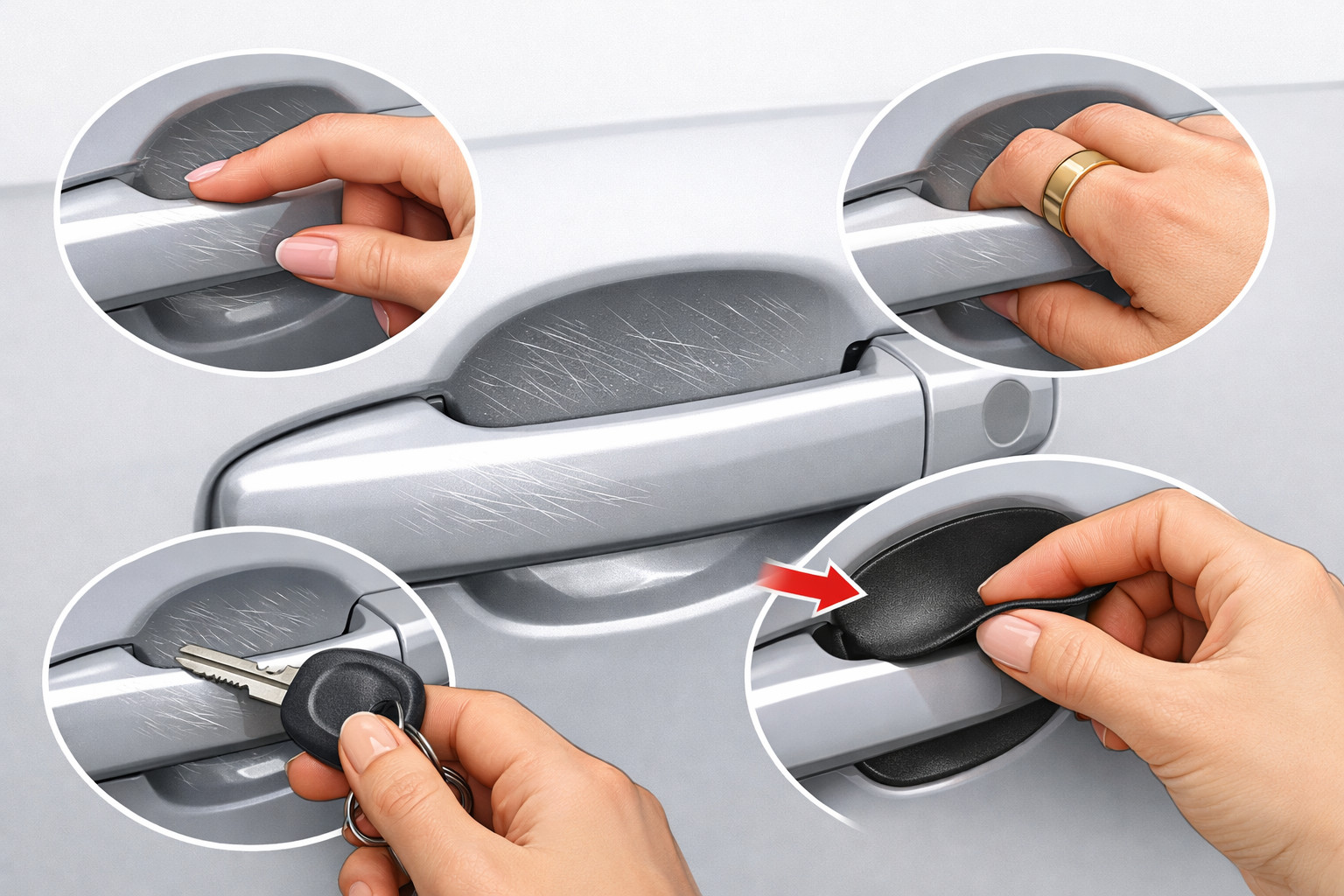
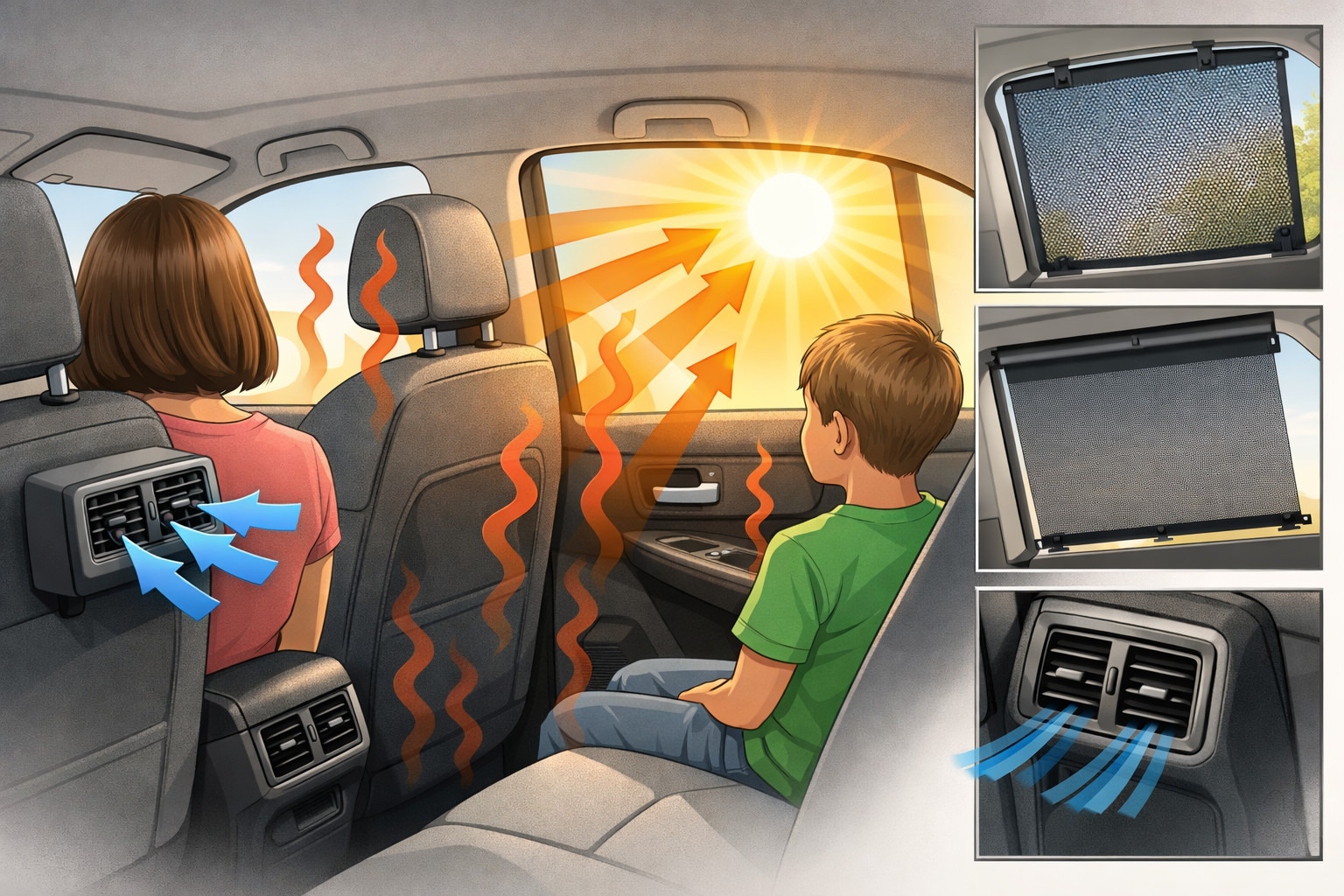
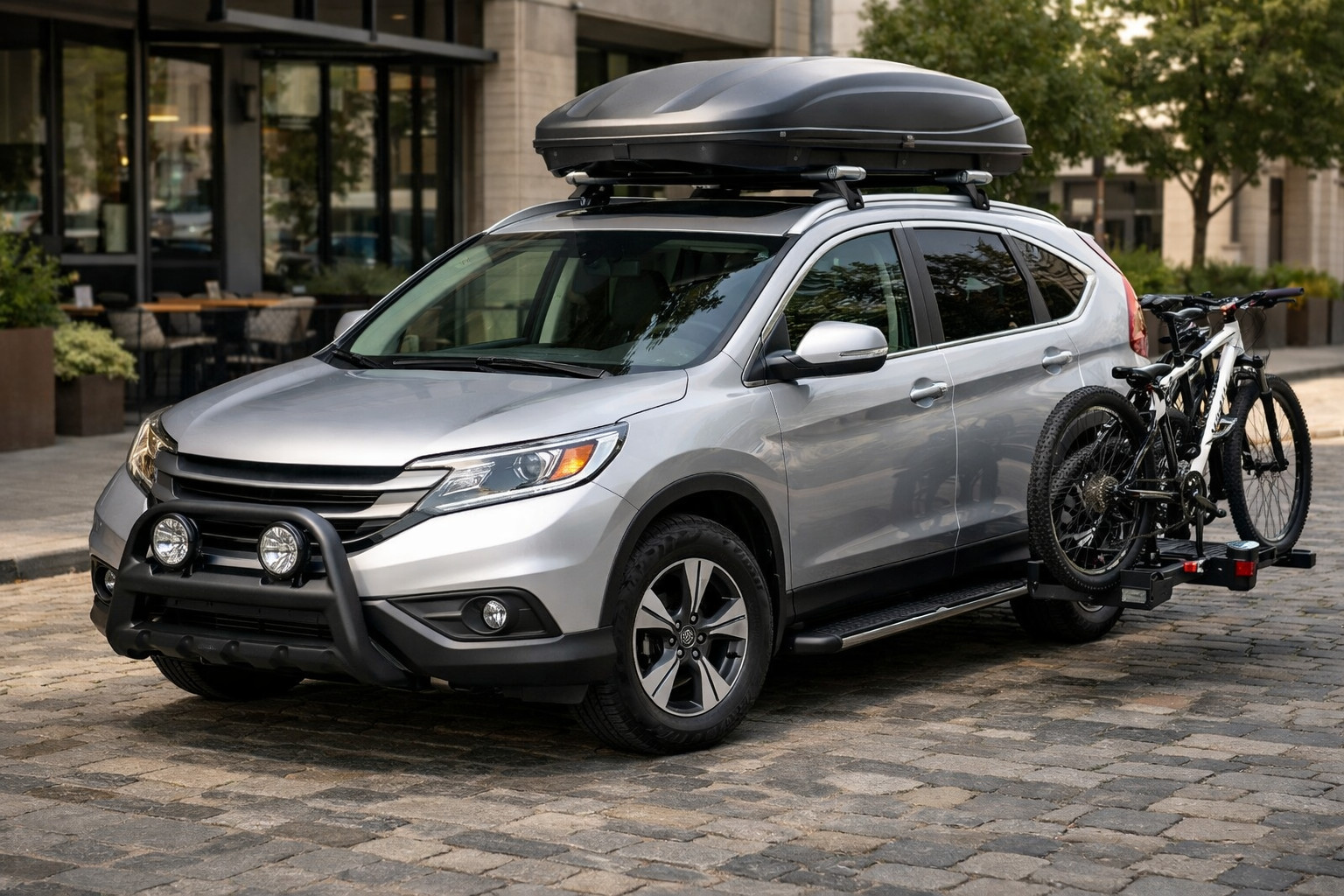
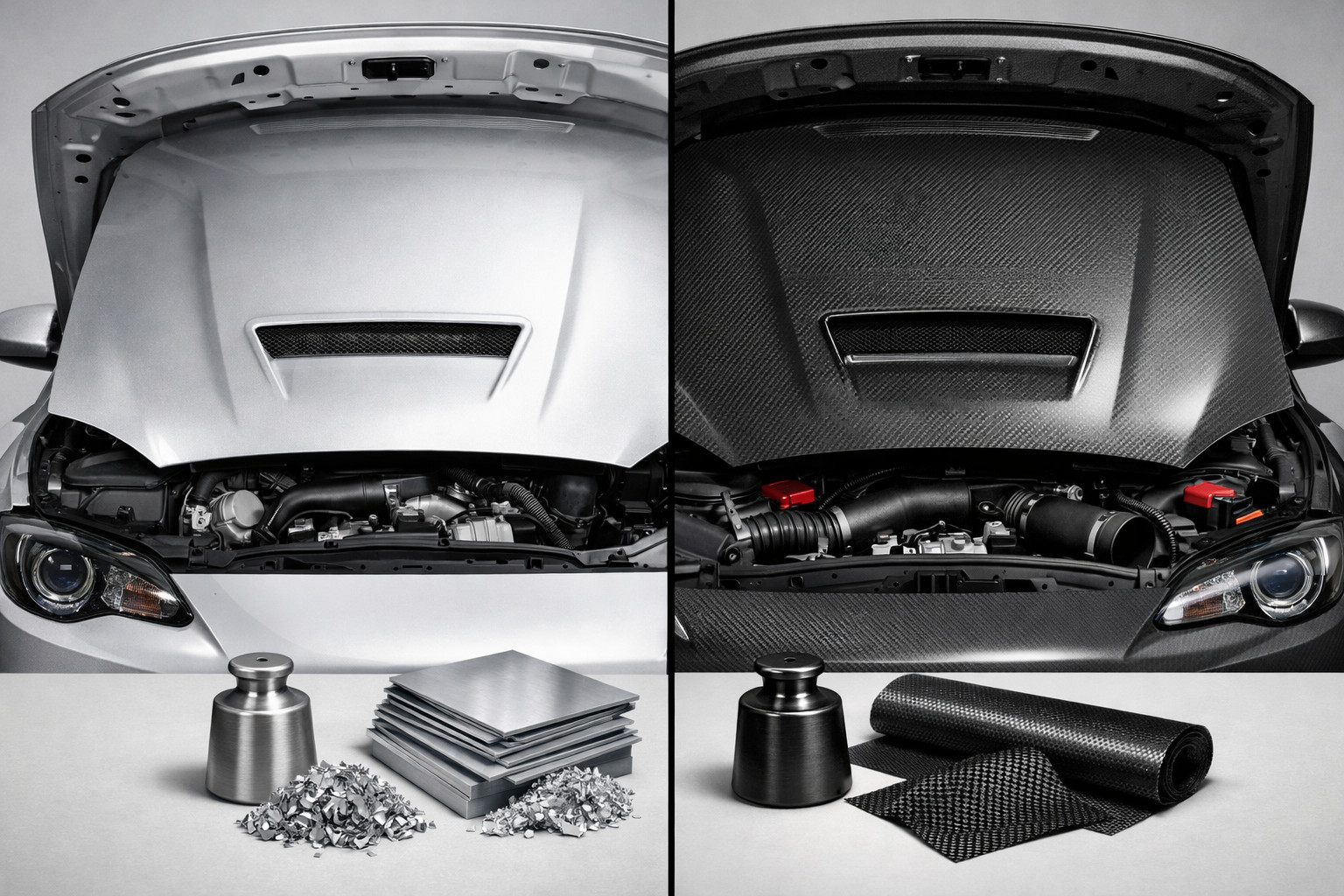
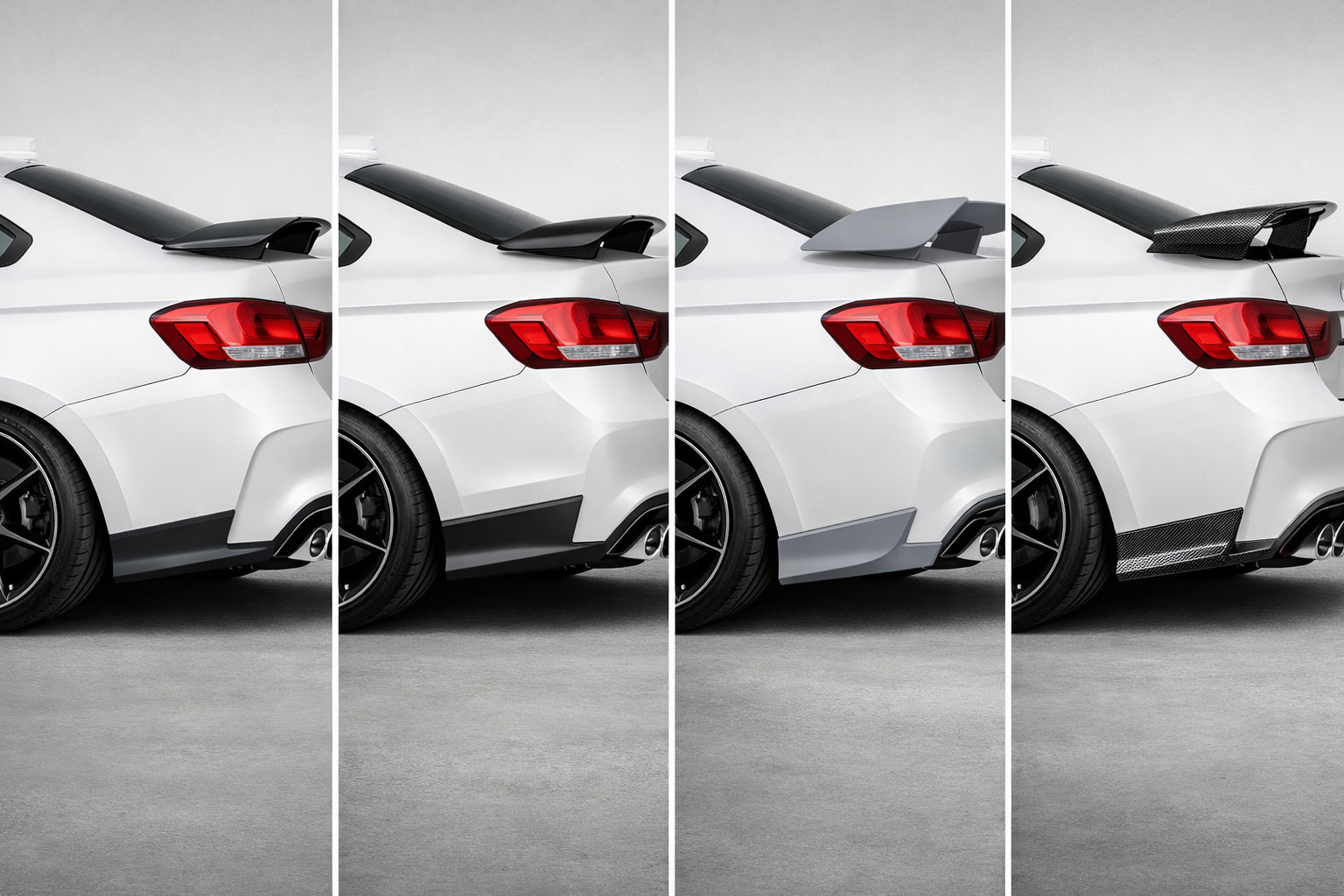
For the EX60, a sensible approach to tuning is not chasing questionable modifications, but starting with protecting the cabin and trunk. In a car like this, value comes not from loud exterior add-ons, but from things that preserve the trim, make everyday use easier, and don’t interfere with electronics and safety systems.
Because the model is new, the accessory range specifically for the EX60 may appear gradually. So the main principle is simple: start with protective and cargo accessories, and it’s better to stay away from non-certified вмешательства into software, lighting, or control systems.
The 2026 Volvo EX60 looks like a very strong contender in the mid-size premium electric crossover class. It doesn’t try to be the most emotional in a corner, but it offers what matters more to many: fast charging, long range, a spacious cabin, a sensible trunk, strong safety, and great suitability for family life. If you need exactly that balance, the EX60 belongs on your shortlist; if you want a model proven over years without early software questions, it makes sense to wait a bit. This material is based on real selection experience, practical know-how, and real usage scenarios—not abstract advertising promises.
| ✔ | The 800-volt architecture delivers very fast charging: from 10 to 80% in 16–19 minutes depending on the version. For daily trips and highway stops, this really saves time. |
| ✔ | The range of the higher trims looks strong for the class: up to 660 km WLTP in the P10 AWD and up to 810 km WLTP in the P12 AWD. This makes the EX60 suitable for long trips without constantly monitoring the charge. |
| ✔ | The cabin and trunk are set up for family use: 523 l of main cargo space, 1,647 l with the second row folded, and another 58 l in the front. The car is suitable for strollers, suitcases, and everyday practical needs. |
| ✔ | The AWD versions offer serious towing capability — up to 2,400 kg. This is useful if you need an electric crossover not only for the city, but also for a trailer or active leisure. |
| ✔ | Volvo focuses on comfort and safety: there are new adaptive seat belts, a set of assist systems, and a quiet, smoothly tuned ride character. For everyday use, this is more important than sportiness. |
| ✘ | The model is very new, so there is still not much reliability data or information about “childhood issues.” Buyers are essentially getting a car without a long operating history. |
| ✘ | The ergonomics may not appeal to those who like physical buttons: a lot in the cabin is tied to the screen. It will take some getting used to. |
| ✘ | The handling is tuned more for comfort than sharp responses, so fans of a driver-oriented character may find the EX60 too calm. The steering is directly described as not very “sporty.” |
| ✘ | The trunk opening does not seem maximally wide, so loading very large items will not be as convenient as the trunk volume itself suggests. |
Shipping to EU
Wholesale and retail
Own warehouse
Опис продукту
Подарунки не надаються при оформленні покупки у кредит під 0,01% або при покупці частинами.