09.05.2026
357
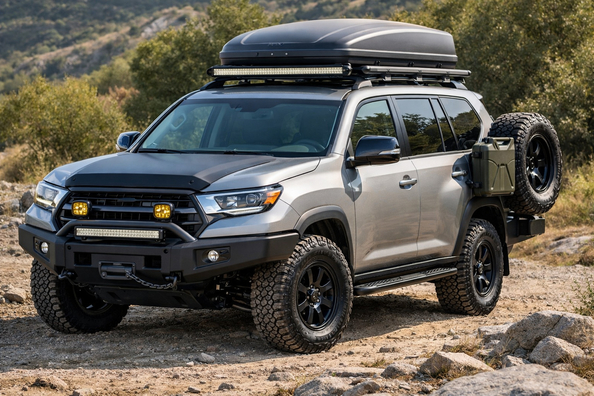
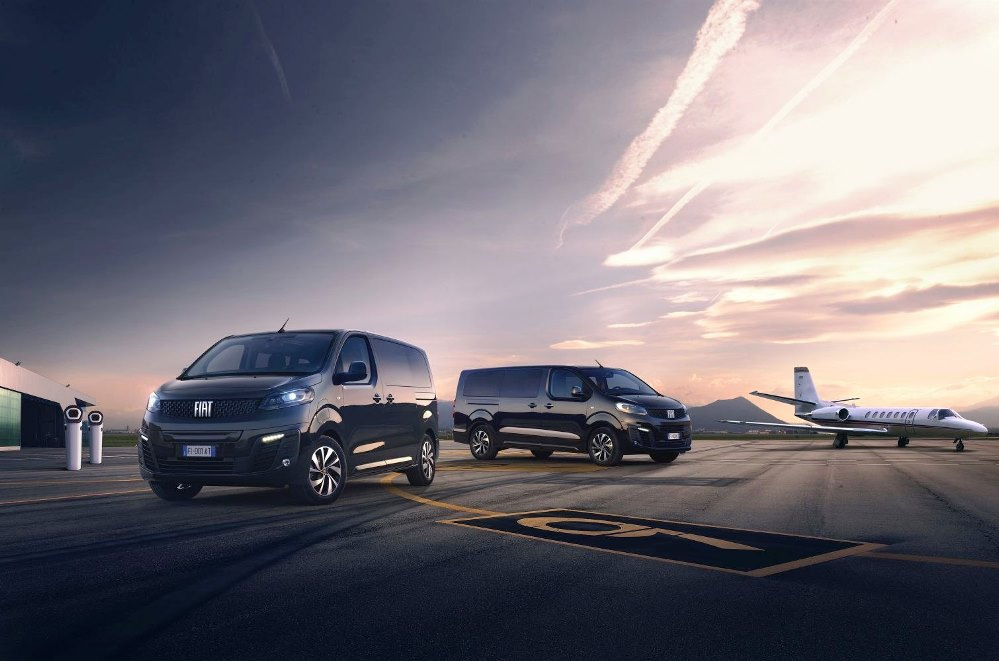
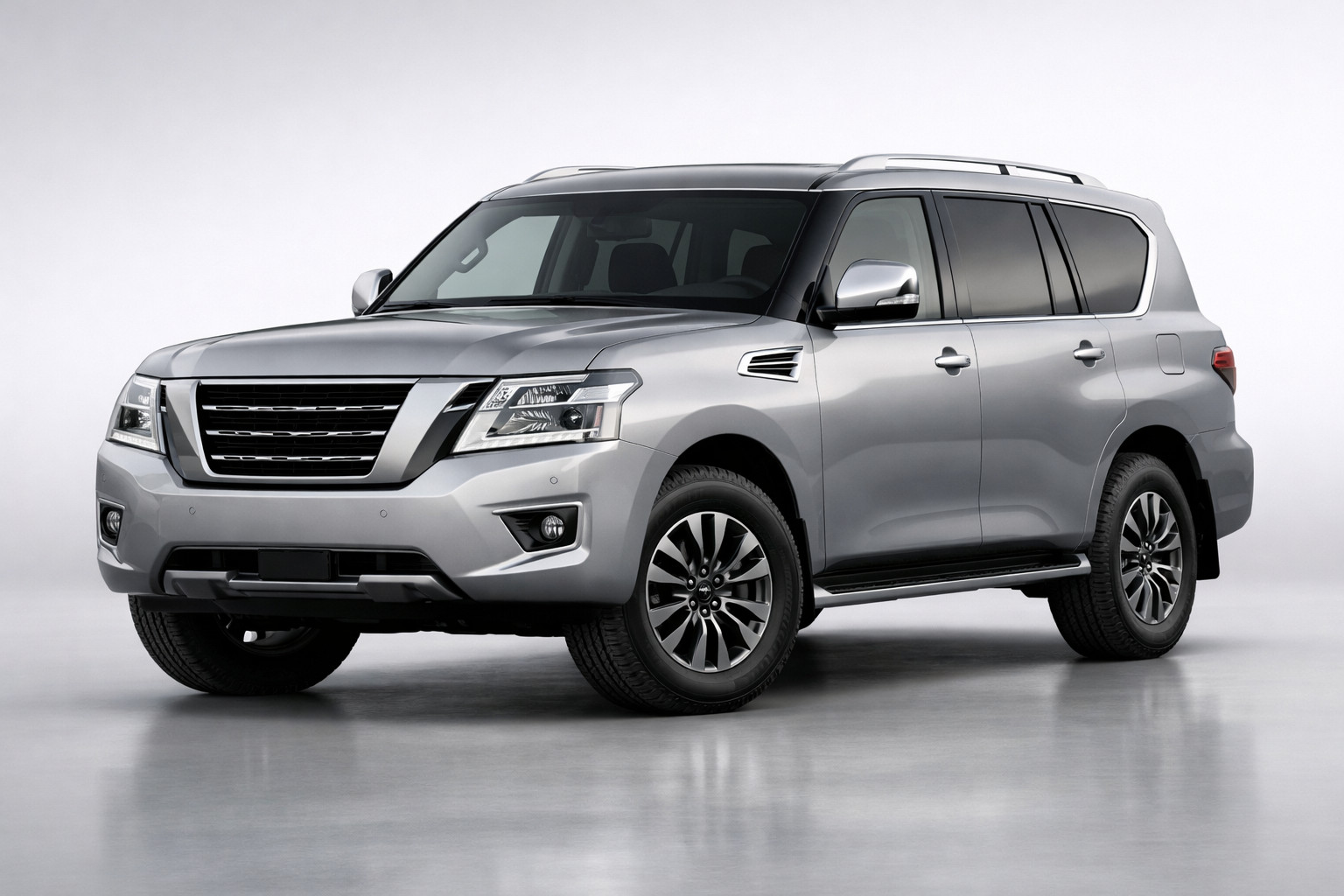
This plan is for a Toyota Land Cruiser Prado 250 owner who drives daily in the city and on the highway, but regularly heads out onto dirt roads, into the woods, fishing, to the mountains, or on family trips. The task is simple: spend your budget on things that genuinely add traction, reduce the risk of damaging the vehicle, and help you avoid getting stuck over small stuff.
The Prado 250 already has a strong base: four-wheel drive, low range, electronic aids, and a solid reserve of off-road capability come from the factory. That’s why the smartest budget upgrade here isn’t about heavy metal or looks, but about the right order: wheels first, then protection and pressure control, and only then anything expensive and situational.
For the Prado 250, a budget build should cover a mixed scenario: asphalt, gravel roads, wet dirt, ruts after rain, sand near the water, trips with gear and possibly towing a trailer. This isn’t a hardcore trophy build, so the priority isn’t maximum aggression, but predictable behavior across different surfaces.
It’s important to factor in your trim level. If you have a higher trim where part of the off-road capability is already covered from the factory, priorities shift: there’s less point duplicating what’s already installed, and more sense in investing straight into protection and safe self-recovery. If your trim is more road-focused, the biggest gain comes from switching to all-terrain tires.
First purchase — all-terrain tires. For a heavy body-on-frame SUV, this is the most noticeable real-life difference: better traction on wet dirt, loose surfaces, and broken roads, and fewer chances of helpless wheelspin where the electronics are already working at the limit. If your version already comes with this kind of tire from the factory, you can skip this step.
Second purchase — underbody protection. The Prado 250 is heavy, so even a light contact with a rock, curb edge, or hard rut can cost more than a scratch on the bumper. For easy trips, basic protection is enough; for rocks and tougher routes, look for solutions with proper mounting/support points rather than decorative plates “for show.”
| Upgrade | Why you need it | Who truly benefits |
|---|---|---|
| All-terrain tires | Improve traction on dirt, wet grass, gravel roads, and in ruts | Anyone who has a more road-oriented wheel/tire set from the factory |
| Underbody protection | Takes hits from rocks, washboard, ruts and reduces the risk of undercarriage damage | Those who regularly leave the pavement, drive to the woods, mountains, fishing |
| Deflators | Let you quickly and evenly drop tire pressure before sand, gravel, or rough dirt roads | Those who don’t want to punish the suspension and tires on bad roads |
| Portable compressor | Brings pressure back to normal after getting back on the highway without searching for a tire shop | Anyone who actually uses airing down, not just carries deflators in the glovebox |
| Recovery kit and proper mounting points | Lets you recover the vehicle without improvising with hooks, levers, and random attachment points | Those who travel in two vehicles, with family, or on routes without quick outside help |
DD Tuning expert comment: the most common Prado 250 mistake is starting with nice wheels, side steps, or lighting, leaving road tires and weak protection for later. The second typical mistake is buying deflators without a compressor—learning only how to air down, but not how to bring pressure back to a proper value. If you have a higher trim with factory all-terrain tires, don’t duplicate that; shift the budget into protection and a recovery kit.
After tires and protection, it’s logical to add deflators, a portable compressor, and a basic recovery kit as the second stage. These aren’t the most expensive purchases, but they’re what turn “off-road potential on paper” into a genuinely convenient vehicle for trips.
Deflators help not only in sand. For a heavy Prado, lower pressure often means better tire contact on uneven surfaces, less shaking on washboard/gravel, and calmer behavior on rocks. But this tool only makes sense paired with a compressor; otherwise, after you get back on the road you’ll either crawl to the nearest air station or drive on the highway with the wrong pressure.
A recovery kit is worth buying sooner than extra lighting or decorative exterior parts. If the vehicle is stuck, what helps isn’t a brighter front end but a proper strap, gloves, a basic pull-out kit, and clear attachment points without experiments using random metal under the bumper. If you want to choose truly practical off-road components, take a look at off-road accessories.
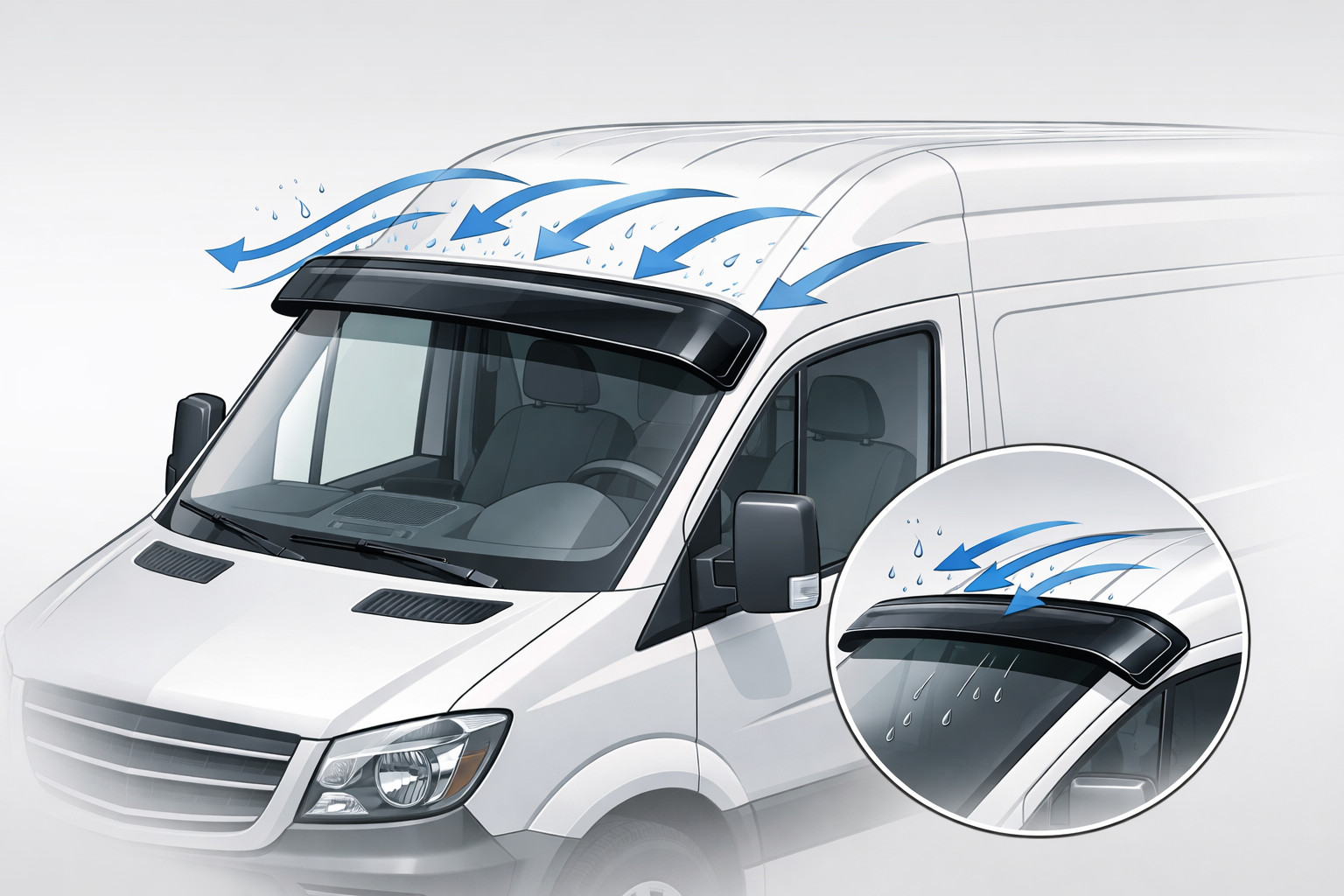
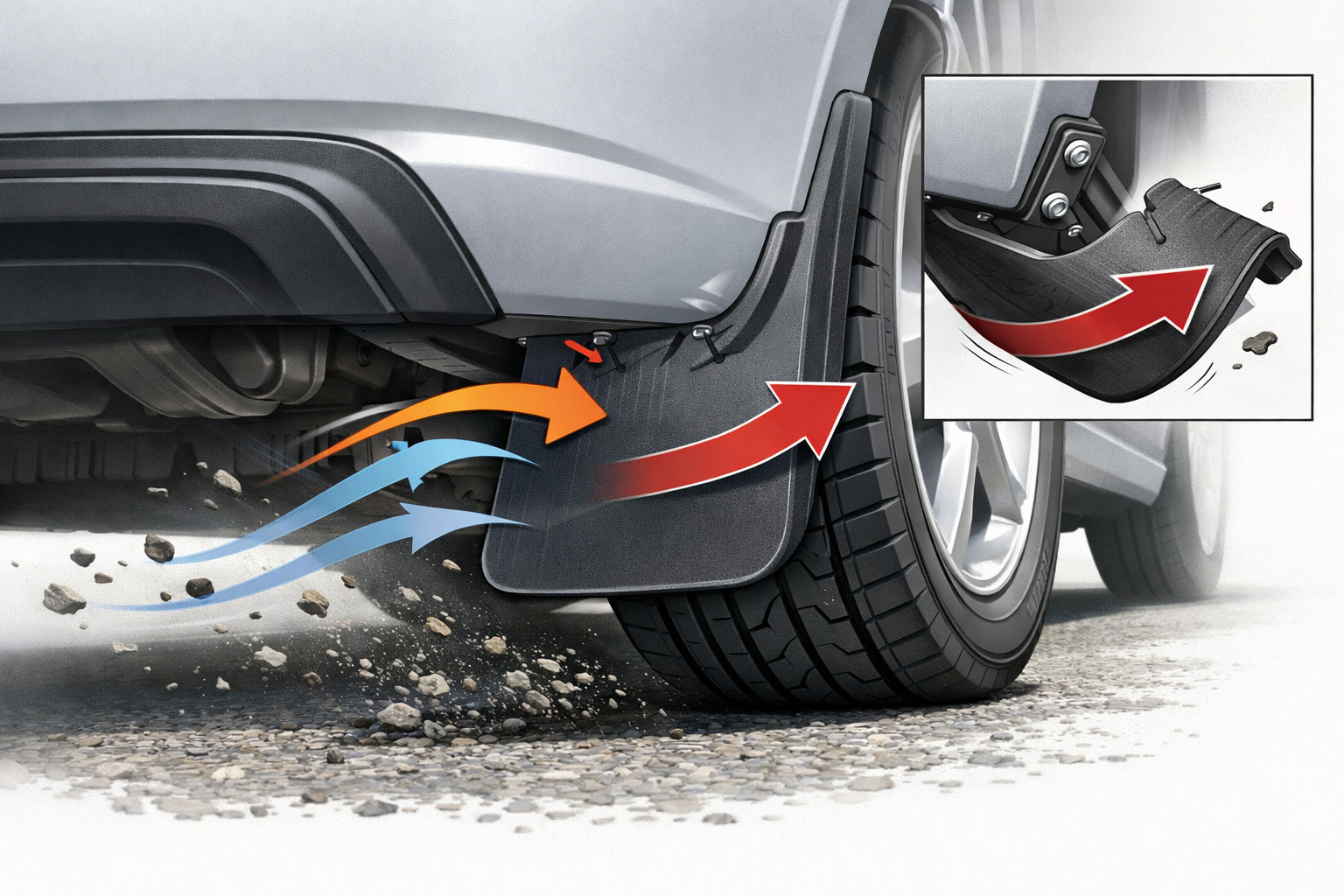
Comfort and everyday upgrades for the Prado 250 include mud flaps, a trunk liner, window deflectors, a rear bumper protector, and sometimes side steps as a boarding aid. These items don’t make the vehicle more capable off-road, but they reduce dirt in the cabin, protect the paint in daily use, and make trips easier.
Chrome trim, spoilers, decorative body kits, oversized wheels just for looks, or excessive auxiliary lighting are more about the visual image. These purchases are fine if you like them, but they shouldn’t replace the basics that truly affect traction, underbody integrity, and the ability to drive out under your own power.
Most often, people waste money on a suspension lift before the first proper trips. On a stock Prado 250, it’s better to first understand exactly where you’re lacking capability. If the vehicle isn’t carrying a constant heavy load, a lift may only make the ride harsher, worsen fuel economy, and create new expenses without noticeable benefit.
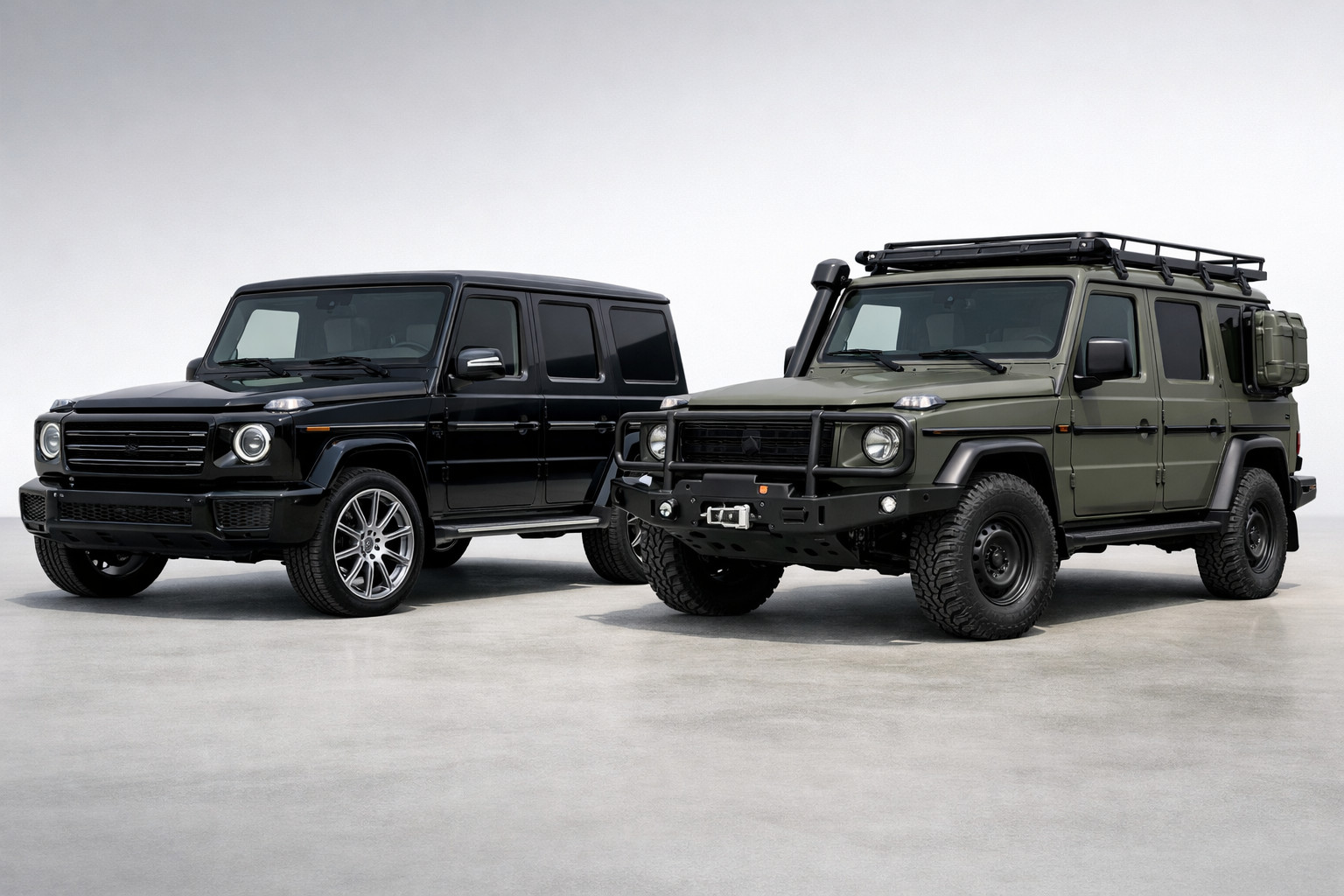
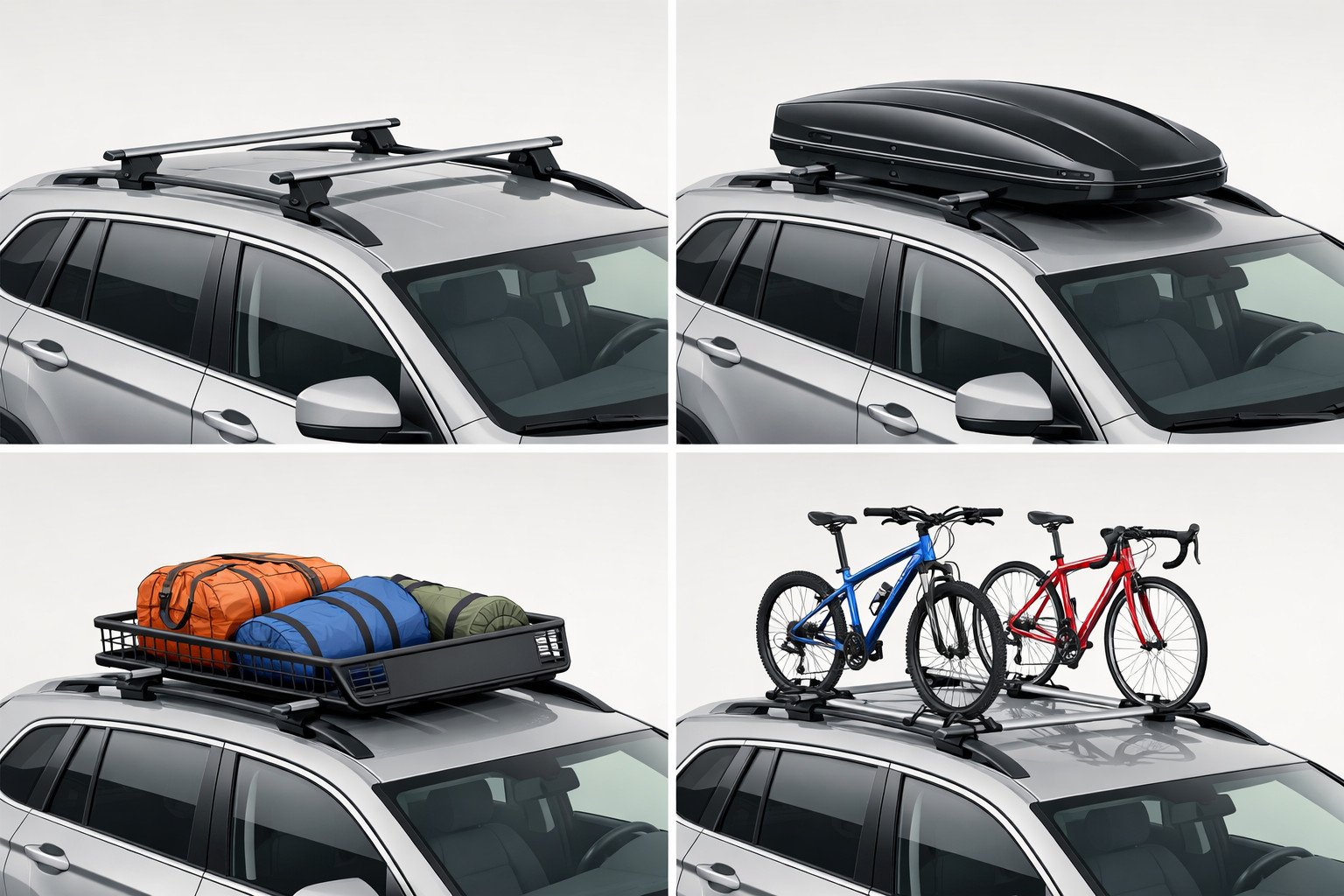
The second group of unnecessary costs is a steel bumper, winch, permanent roof rack, snorkel, and a light bar “just in case.” For real long expeditions or hard routes they can be justified, but in a budget scenario they often add more weight, noise, and reduce payload more than they deliver practical value. A separate common mistake is overpaying for looks and forgetting that a big heavy body kit doesn’t replace proper tires.
| Scenario | What to install first | What you can postpone | What isn’t mandatory |
|---|---|---|---|
| Base trim, mixed driving | All-terrain tires, underbody protection | Deflators, compressor, recovery kit | Lift, steel bumper, snorkel, light bar |
| Higher trim with a factory off-road base | Underbody protection, recovery kit | Compressor and deflators, mud flaps, trunk liner | Replacing wheels again just for a “more off-road” look |
| Long-distance touring with constant load | Tires, protection, pressure control, recovery kit | Suspension—only after calculating the real weight of your gear | Roof rack without need, decorative body kit, unnecessary lighting |
More expensive upgrades make sense when the budget setup is already limiting your use case: frequent rocks, a constant trailer, lots of gear, long self-sufficient trips, or regular night driving away from civilization. Before that, it’s useful to double-check what’s available for the model on the Prado 250 page, and if you truly need heavy-duty or recovery solutions, review off-road accessories.
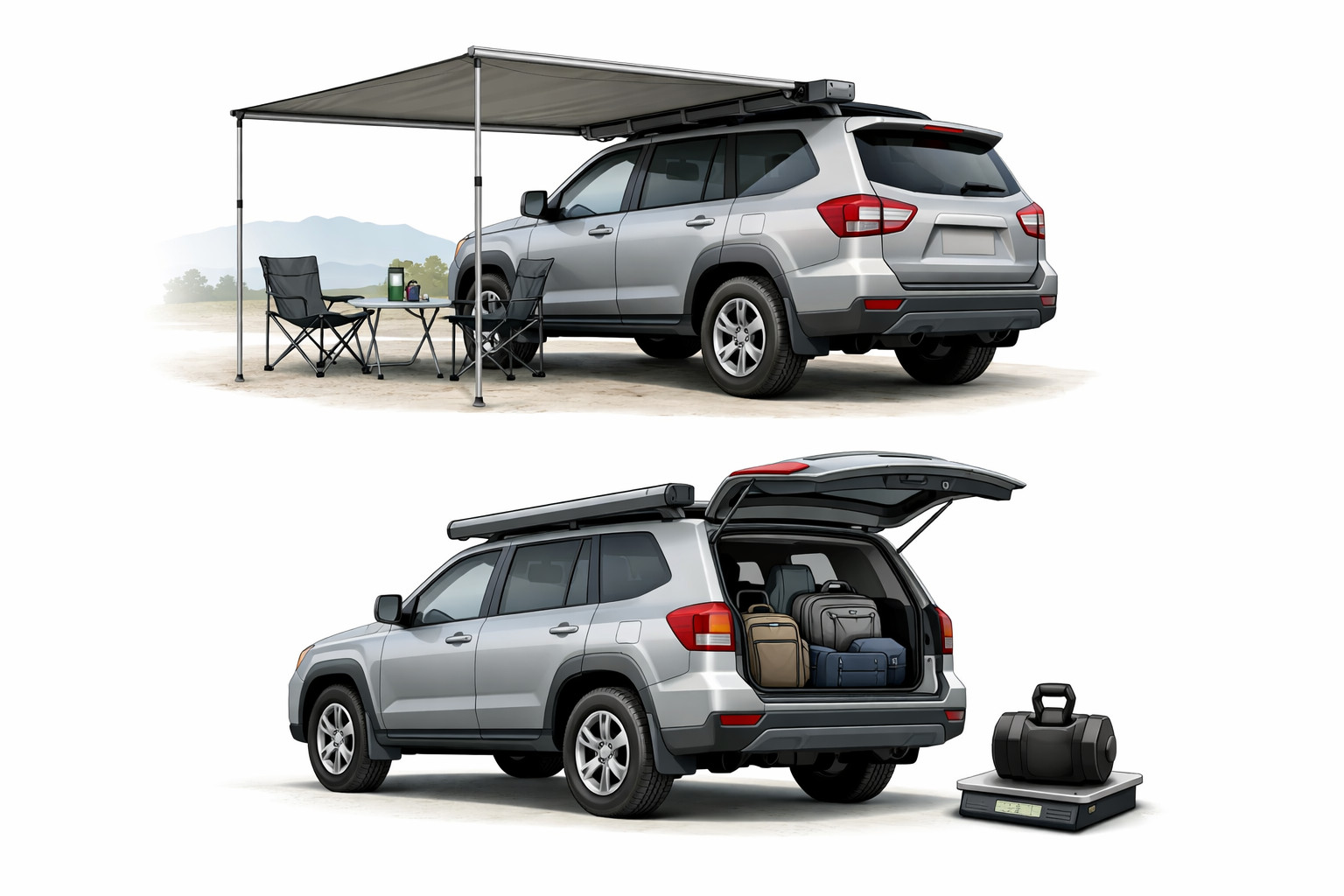
Suspension, a steel front end, a winch, or a roof rack are justified only after a weight audit. If gear is constantly carried in the vehicle and the cabin is no longer enough, then you can look at roof racks. If the vehicle spends most of its time in the city, such items often add weight, noise, and costs, but don’t add benefits for your actual usage.
From a customer’s experience: a Prado 250 owner was looking for “something serious for travel” and first leaned toward a lift and a roof rack. After talking to the selection team, he started with tires, protection, a compressor, and a simple recovery kit. As a result, the vehicle became noticeably calmer on dirt, and he postponed expensive purchases because for his trips there turned out to be no need for them.
For a budget Prado 250 upgrade, the logic is simple: first, what improves tire contact and protects the vehicle; then what helps you manage tire pressure correctly and recover safely. In practical terms, that’s usually all-terrain tires, underbody protection, deflators, a portable compressor, and a basic recovery kit.
A lift, steel armor, a winch, a snorkel, and a roof setup make sense only when they follow from a real scenario, not from the desire to look “serious” right away. Don’t buy heavy and expensive items before you’ve exhausted the simple things that actually work.
| Priority | What to buy | Effect in real use |
|---|---|---|
| 1 | All-terrain tires | Better traction and less wheelspin |
| 2 | Underbody protection | Lower risk of expensive undercarriage damage |
| 3 | Deflators and compressor | Easier driving on sand and gravel, and easier to restore pressure after |
| 4 | Recovery kit | Safer vehicle recovery without improvisation |
| 5 | Suspension, bumpers, winch | Only if there’s a clear scenario and real need |
If you’ve already moved from a basic setup to a specific scenario, it’s worth separately checking off-road accessories and roof racks, but only after you understand your real weight, routes, and need for additional equipment.
| ✔ | Mixed-type tires deliver the most noticeable practical benefit in mixed use: better grip on dirt, wet grass, gravel roads, and ruts. For the Prado 250, this is the first step if it comes from the factory on more road-oriented tires. |
| ✔ | Underbody protection reduces the risk of expensive damage on rocks, edges, and in rough ruts. For a heavy vehicle, this matters more than cosmetic upgrades. |
| ✔ | Deflators paired with a portable compressor let you quickly lower tire pressure before a difficult section and just as quickly bring it back up afterward. This really helps on sand, rough dirt roads, and gravel roads. |
| ✔ | A basic recovery kit makes vehicle recovery safer and less chaotic. Instead of improvising with random attachment points, you have a proper strap, gloves, and clear mounting points. |
| ✔ | This upgrade sequence is well suited to a daily driver with trips into nature: first you improve traction and protection, then you add more expensive scenario-specific items. This helps avoid spending budget on things that do not benefit your use case. |
| ✘ | If the trim already includes factory mixed-type tires or part of an off-road base package, part of the budget will have to be redirected immediately to protection and recovery gear. In other words, there is no universal list here without checking the trim. |
| ✘ | A suspension lift, bull bar, winch, snorkel, and roof rack in a budget scenario often add more weight, noise, and cost than real benefit. For city use and moderate trips, this can easily turn out to be unnecessary. |
| ✘ | Deflators without a compressor are an incomplete solution: you can let air out, but then you will have to find a way to inflate the tires or drive with the wrong pressure. The article explicitly calls this a typical mistake. |
| ✘ | Budget upgrades do not prepare the Prado 250 for serious trophy off-road or long self-sufficient expeditions. If the route is truly difficult or you carry a permanent heavy load, a simple kit may no longer be enough. |
Shipping to EU
Wholesale and retail
Own warehouse
Опис продукту
Подарунки не надаються при оформленні покупки у кредит під 0,01% або при покупці частинами.