30.04.2026
550
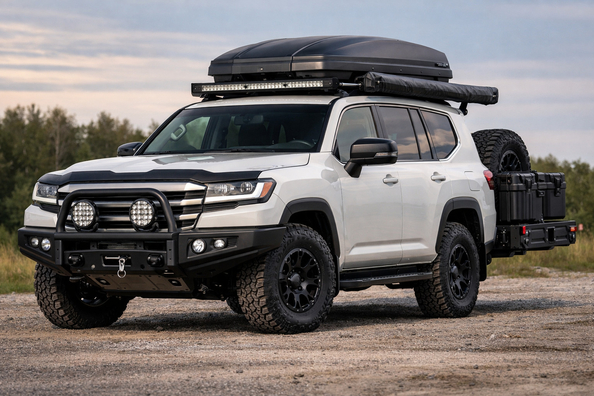

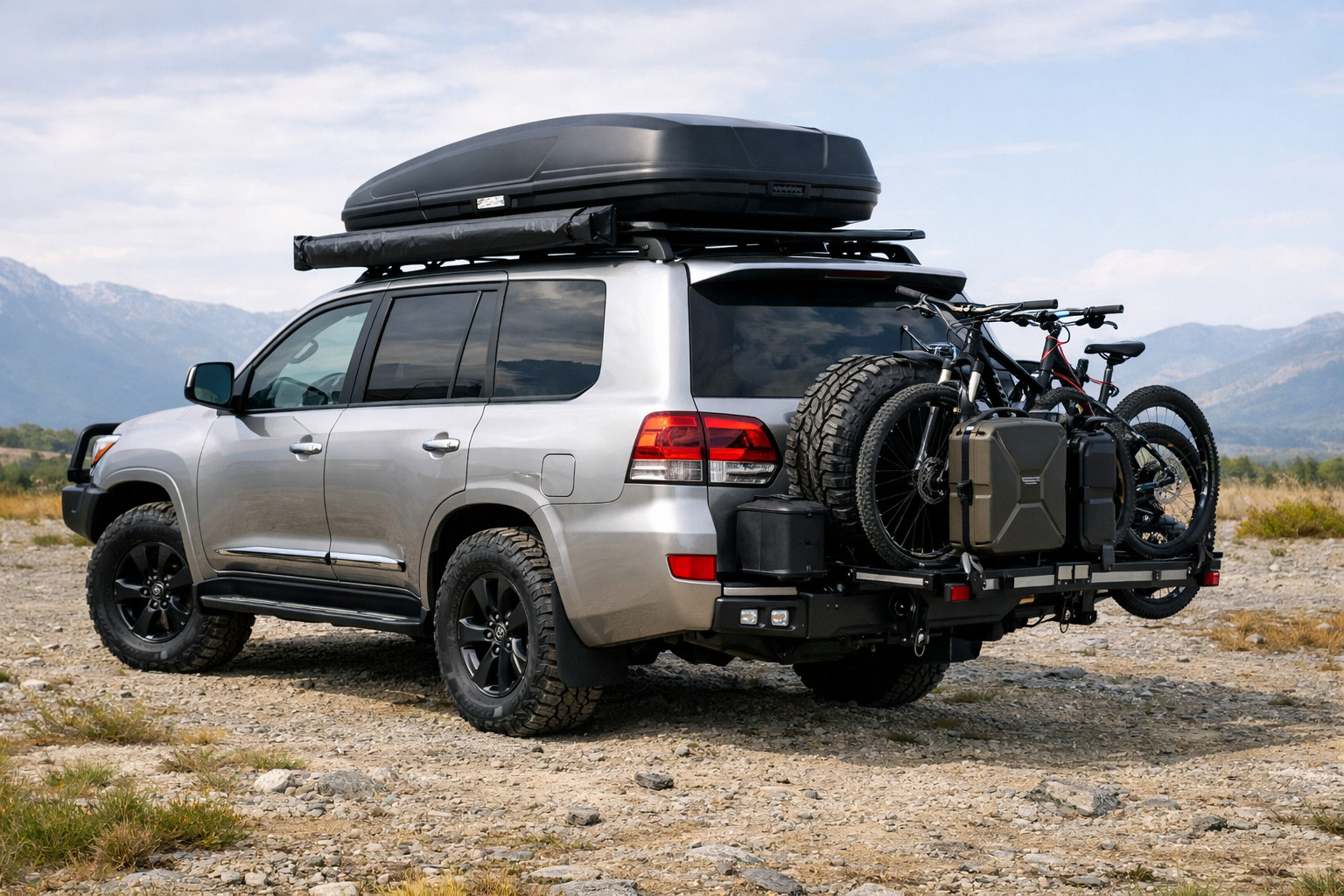
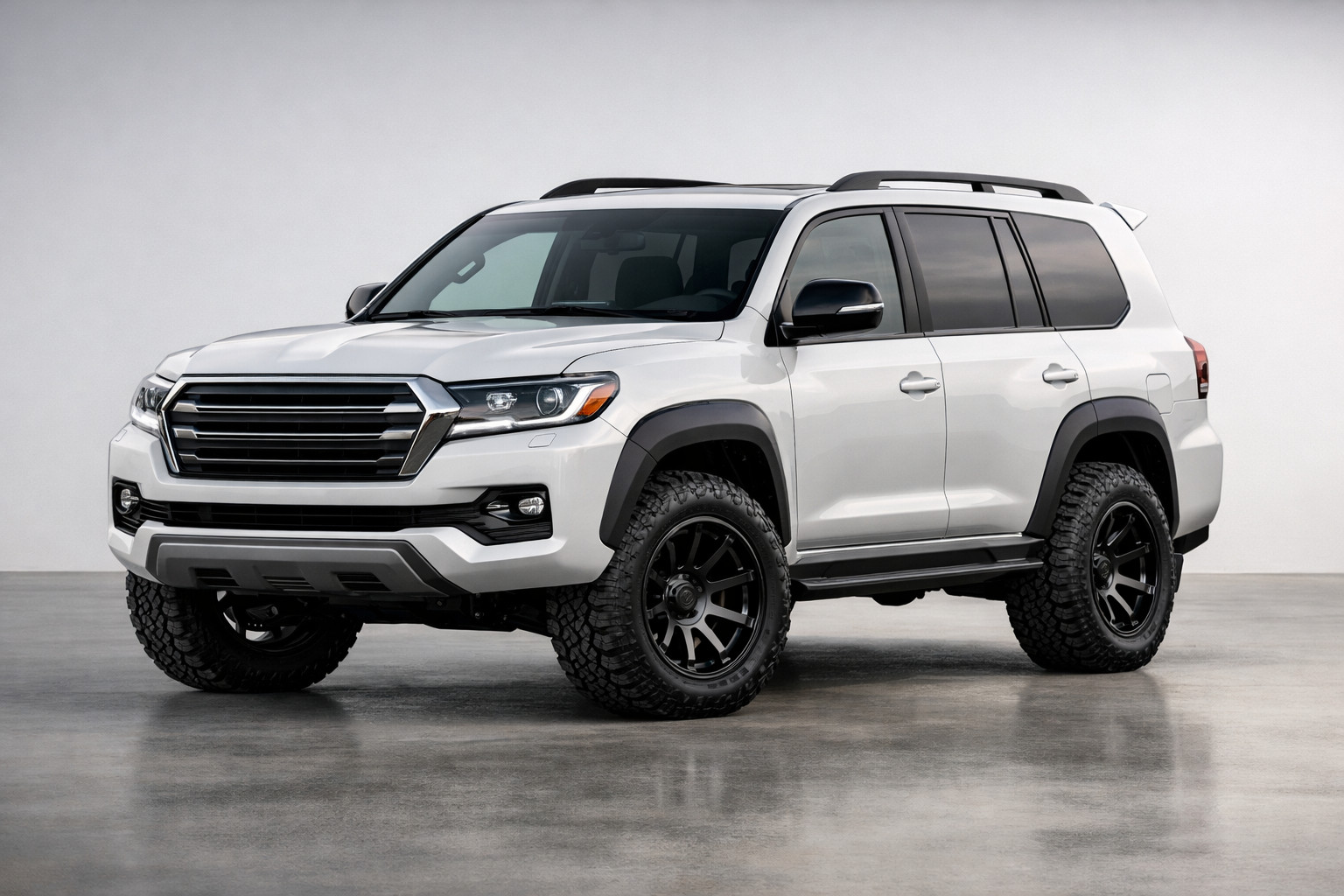
This upgrade plan is for a Toyota Land Cruiser 300 owner who drives around the city and on the highway every day, occasionally turns off onto dirt roads or into a field, carries family and gear, and doesn’t want to turn a big SUV into a noisy, heavy project. If the goal is simple—make the vehicle more comfortable, calmer, and a bit more confident off asphalt—then the budget has to be spent very selectively.
The LC300 is already well put together from the factory: comfort, the pull of the 3.3L diesel, sound insulation, and electronics don’t call for radical вмешательства here. That’s why the best results come not from flashy mods, but from things you feel every day: the right tires, basic protection, a dashcam, and proper organization for the cabin and cargo area.
In a budget scenario, an LC300 upgrade should cover three things: better traction on wet asphalt and dirt, less stress about the underbody on ruts and curbs, and more everyday convenience on every trip. This is not a build for deep mud, and not a vehicle for constant towing at the limit.
The main criterion is simple: the mod must not break what people buy the LC300 for in the first place. If after the upgrade the car gets stiffer, noisier, starts using more fuel, and becomes harder to park, then for a daily-use scenario it’s a questionable investment. Also factor in the trim level: different versions come with 17-, 18-, and 20-inch wheels, so tire choice and fender clearance won’t be the same.
First priority is what affects road contact and peace of mind in daily use. For the LC300, that’s not a lift or heavy-duty armor, but tires, protection for vulnerable zones, and basic cabin essentials.
| Upgrade | Why it’s needed | Who it really benefits |
|---|---|---|
| Moderate-size all-terrain tires | Improve traction on wet roads, dirt, gravel; tougher than purely highway tires | Those who drive in the city daily but regularly head onto bad roads or out of town |
| Basic underbody protection | Reduces the risk of damaging components in ruts, on rocks, when leaving asphalt | Those who at least occasionally drive dirt roads, go to the woods, fishing, construction sites, or the countryside |
| Dashcam | Provides front and rear recording, simplifies dealing with traffic incidents | Basically everyone who drives a lot in the city and on the highway |
| Rubber floor mats | Easier to clean, better at holding dirt and water | Family cars, winter vehicles, trips with kids, and outdoor getaways |
| Cargo sill protector | Reduces scratches when loading items | Those who often carry bags, tools, strollers, equipment |
| Cargo organizer | Keeps small items from sliding around, maintains order | Those who keep a tow strap, compressor, first-aid kit, gloves, small tools in the car |
The second stage doesn’t start on the day of purchase—it starts after a few weeks or months of real use, when you already know whether you truly lack clearance or simply wanted the car to look taller.
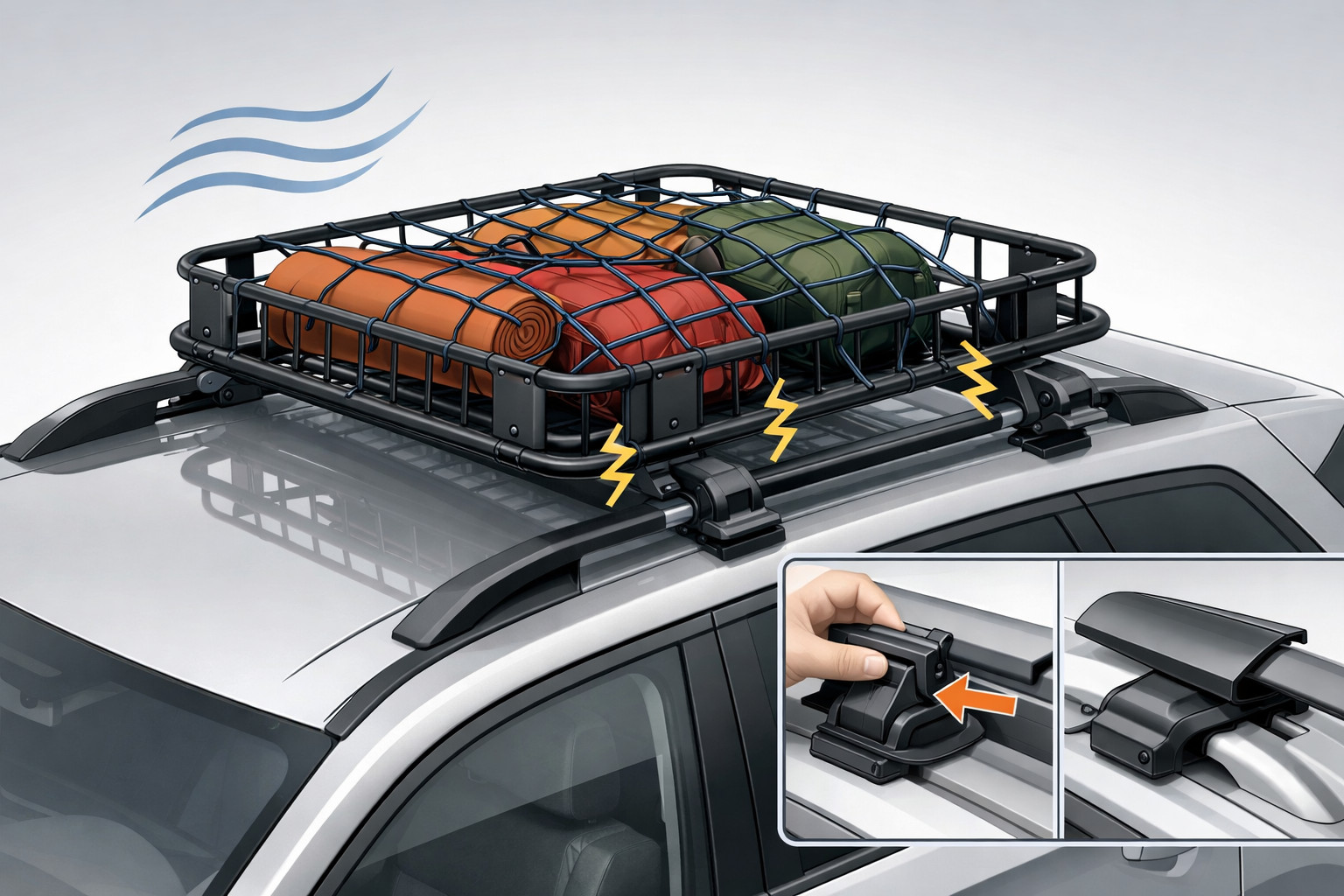
The logic here is: if after tires and protection the vehicle still rubs or contacts where you drive all the time, then you can consider a mild lift in the range of about 38–64 mm. But for a daily LC300, this isn’t a first-step mod. Another second-stage item is a roof platform—but only if you actually carry long or bulky items. An empty roof rack most of the time is just extra noise and aerodynamic drag with no practical benefit.
Some items don’t make the LC300 more capable, but they make life easier or simply keep the vehicle looking neater in everyday use. That’s a perfectly valid category—if you call it what it is.
All of this is worth installing only after the basics. Comfort add-ons are nice, but they don’t offset bad tires or missing protection where it’s genuinely needed.
The most common LC300 mistake is building the car for the picture, not for the route. The vehicle is big and charismatic, so the temptation to bolt on everything at once is strong. But this is exactly where it’s easy to overpay for looks and get daily drawbacks.
| What to install first | What can be postponed | What’s optional | Comment |
|---|---|---|---|
| Moderate-size all-terrain tires | Mild lift | Mud-terrain tires | Tires change the vehicle’s behavior every day; a lift only makes sense after real trips |
| Basic underbody protection | Extended protection and rock sliders | Steel bumper for a city-use scenario | Cover vulnerable points first, instead of building heavy armor |
| Dashcam | Roof platform | Light bar | A dashcam works every day; a platform is only needed for specific cargo |
| Mats, cargo sill protector, organizer | Decorative exterior tuning | A big empty roof rack | Everyday-use items often bring more value than visual effect |
More expensive upgrades for the LC300 are justified not when you just want them “to have it,” but when your use case changes. If the vehicle regularly runs fully loaded, tows a heavy trailer, is used for long-distance touring, or constantly tackles difficult terrain, then it makes sense to look toward suspension, a properly engineered payload upgrade, more serious protection, and thought-out cargo solutions. In that case, it’s better to build the configuration as a system, not in random pieces. You can start with a selection of tuning for the LC300 so you don’t mix daily essentials with heavy expedition hardware.
Also pay attention to trim compatibility. For GX and other versions, roof platform mounting points differ, and large front-end components can affect camera convenience and visibility in the city. If you value the vehicle primarily as a comfortable daily driver, expensive solutions should be bought only after an honest answer to the question: is it truly a working tool, or just an eye-catching purchase?
In a budget scenario, the Toyota Land Cruiser 300 doesn’t need radical rebuilding. The most tangible results come from the right tires, basic protection, and everyday accessories that work daily. These improve the vehicle without extra noise, weight, and expense.
The order is simple: first, what affects traction and daily operation; then, what helps for your route; and only at the end, expensive or heavy items for a special scenario. For the LC300, this is the healthiest way not to overpay for unnecessary stuff and not to ruin a strong factory base.
| ✔ | Moderate all-purpose off-road tires give a noticeable improvement in everyday use: better traction on wet asphalt, dirt, and gravel without any radical changes to the vehicle. |
| ✔ | Basic underbody protection is genuinely useful for trips along ruts, over rocks, and when leaving paved roads, when the vehicle occasionally goes beyond the city. |
| ✔ | The dash cam, floor mats, trunk sill protector, and cargo organizer solve everyday little issues that are noticeable every day: less dirt, fewer scratches, and less clutter in the cabin. |
| ✔ | The plan is built without heavy modifications at the start, so there is less risk of making the LC300 stiffer, louder, or less comfortable in the city. |
| ✔ | Before buying new tires, they recommend checking the wheel alignment, so there is a chance to eliminate the cause of uneven wear right away, rather than just replacing the rubber. |
| ✘ | Even moderate AT tires are still a compromise: they may not be the best choice if the vehicle drives almost exclusively on asphalt. |
| ✘ | The budget scenario deliberately does not cover difficult tasks like heavy off-road use or constant towing, so this set will be insufficient for such conditions. |
| ✘ | A mild lift, roof platform, and other more serious solutions are left for later, meaning part of the desired changes will have to be postponed after the initial expenses. |
| ✘ | Larger wheels or aggressive mud tires may require additional fender work and result in more noise and fuel consumption than benefit in daily driving. |
Shipping to EU
Wholesale and retail
Own warehouse
Опис продукту
Подарунки не надаються при оформленні покупки у кредит під 0,01% або при покупці частинами.