08.05.2026
376
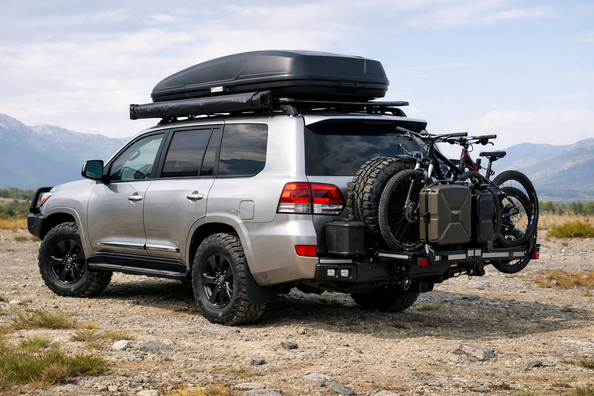
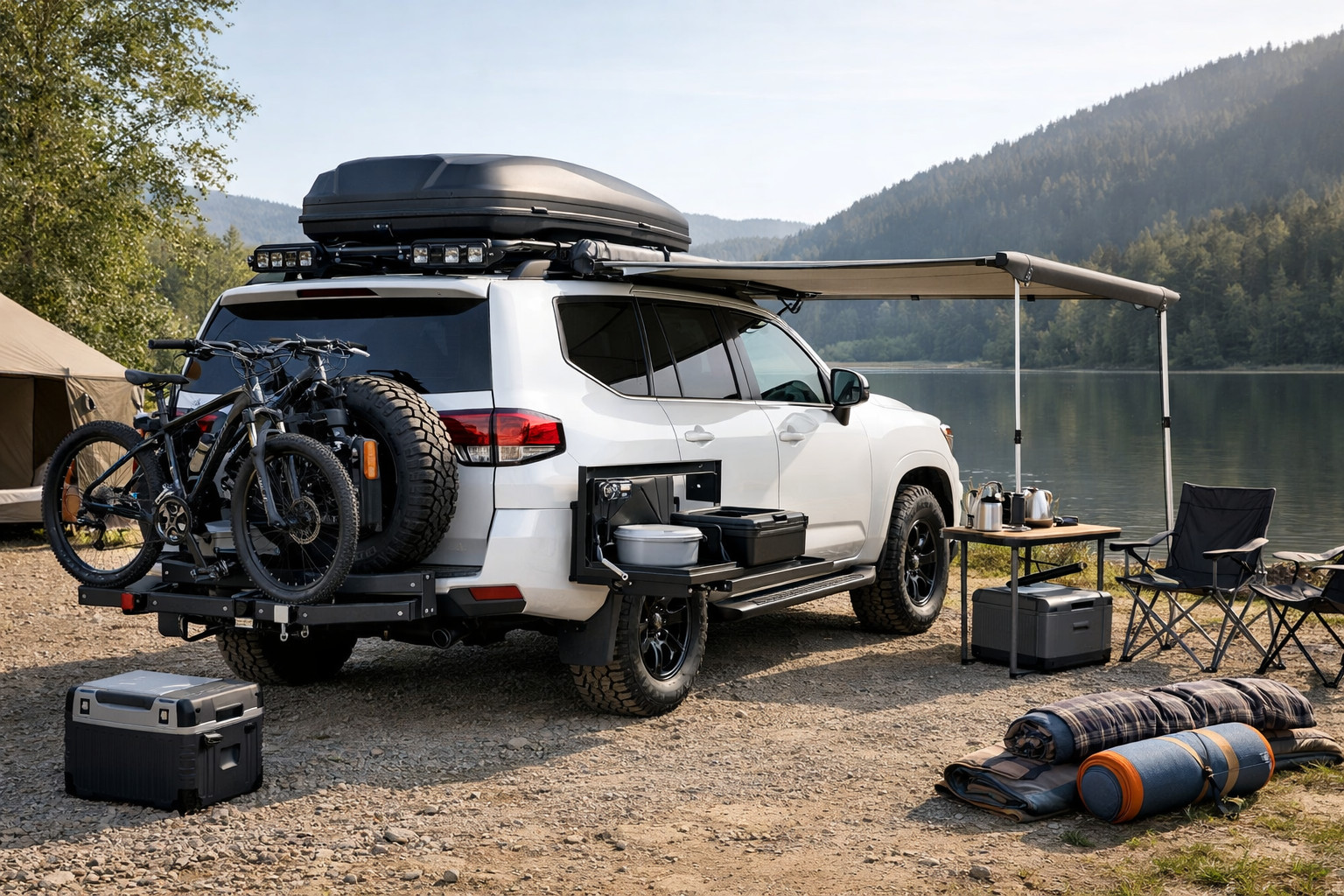
A Toyota Land Cruiser 200 for a family and long trips is best refined not as a heavy expedition rig, but as a roomy, calm touring all-rounder. The key here isn’t “more steel,” but better highway control, quietness, secure luggage, and real everyday comfort on the road.
The LC200 has a large factory reserve of capability, so the right order is: tires first, suspension condition and basic cabin protection next, then luggage organization and day-to-day travel needs—and only after that a fridge, a second battery, or expensive roof solutions. If your third row is often in use or you tow a trailer, the priorities shift a bit, and it’s important to factor that in before buying parts.
For a family use case, the upgrade should solve four tasks: keep comfort on asphalt, avoid being annoying on washboard/gravel, not turn the cabin and trunk into chaos, and not eat into your payload without real benefit. The LC200 is already a very capable vehicle, so modifications should strengthen everyday practicality, not create new compromises.
A separate important point is the interior configuration. If the third row is needed regularly, fixed drawers, shelves, and some cargo systems can get in the way more than they help. In that case, mats, load securing, soft organizers, and a quick-release roof box make more sense than a permanent heavy setup.
Another factor is weight. Passengers, suitcases, kids’ gear, a fridge, a roof setup, and a trailer quickly consume the payload margin. That’s why, for a family LC200, the winning configuration is often not the flashiest, but the lightest and most sensible.
Top priority is quality all-purpose tires for asphalt and dirt roads. Tires often deliver a more noticeable gain in comfort and control than owners expect—especially compared with aggressive, heavy tires meant for serious off-road use. For family travel, there’s no point starting with oversized wheels and noisy rubber.
Step two is a suspension check. If the factory components are already tired, the vehicle starts to wallow under load and small bumps feel harsher. If the car is in good shape and mostly driven on the highway, there’s no need to rush into an expensive suspension kit. For frequent long-distance trips with a full trunk, a moderate level of upgrades is usually enough, not the maximum. A lift over 50 mm without supporting corrections is a handling risk, not an automatic win.
Third priority is family convenience and cargo safety: cabin floor mats, a trunk mat, thought-out load securing or a cargo barrier—if it’s compatible with your exact model year and seating configuration. It doesn’t look heroic, but it truly reduces dirt, makes loading easier, and keeps items from flying forward under braking.
Among inexpensive but useful items, plan right away for tire pressure monitoring and a dash cam. On long trips, these are small things that work every day, not once a year.
| Upgrade | Why it’s needed | Who truly benefits |
|---|---|---|
| All-purpose tires for highway and dirt | Improve control, comfort, and behavior on mixed routes without extra noise | Almost everyone who drives beyond the city |
| Suspension inspection or moderate refresh | Reduces body roll under load and fatigue over long distances | Those who often travel with a full crew and luggage |
| Cabin and trunk mats | Protect the interior from sand, moisture, kids’ items, and gear | Families who travel regularly in any season |
| Cargo barrier or rigid load securing | Improves safety during hard braking and on rough surfaces | Those who drive with a full trunk and children |
| Tire pressure monitoring | Provides quick warning of pressure loss on the road | Those who drive a lot on highways or far from service |
| Compressor | Lets you adjust pressure to the surface and quickly top up a tire | Those who often head onto dirt roads |
| Fridge, second battery, and charging module | Provide autonomy for food, drinks, baby food, and overnight stays | Families who regularly travel far and for long periods |
DD Tuning expert comment: the most common LC200 mistake is buying suspension, big wheels, and heavy-duty armor before a person understands their real use case. The second typical story: people install a fixed cargo system and then realize the third row is needed almost every weekend. And one more misstep: not calculating total weight after adding the roof, luggage, tow hitch, and extra equipment—because that’s what later ruins comfort.
The second stage starts where basic daily practicality ends and autonomy begins. If you regularly travel for several days, sleep in the car, or deal with heat, then a fridge, second battery, and charging module are no longer a whim—they’re working tools. A compressor logically joins this set as well.
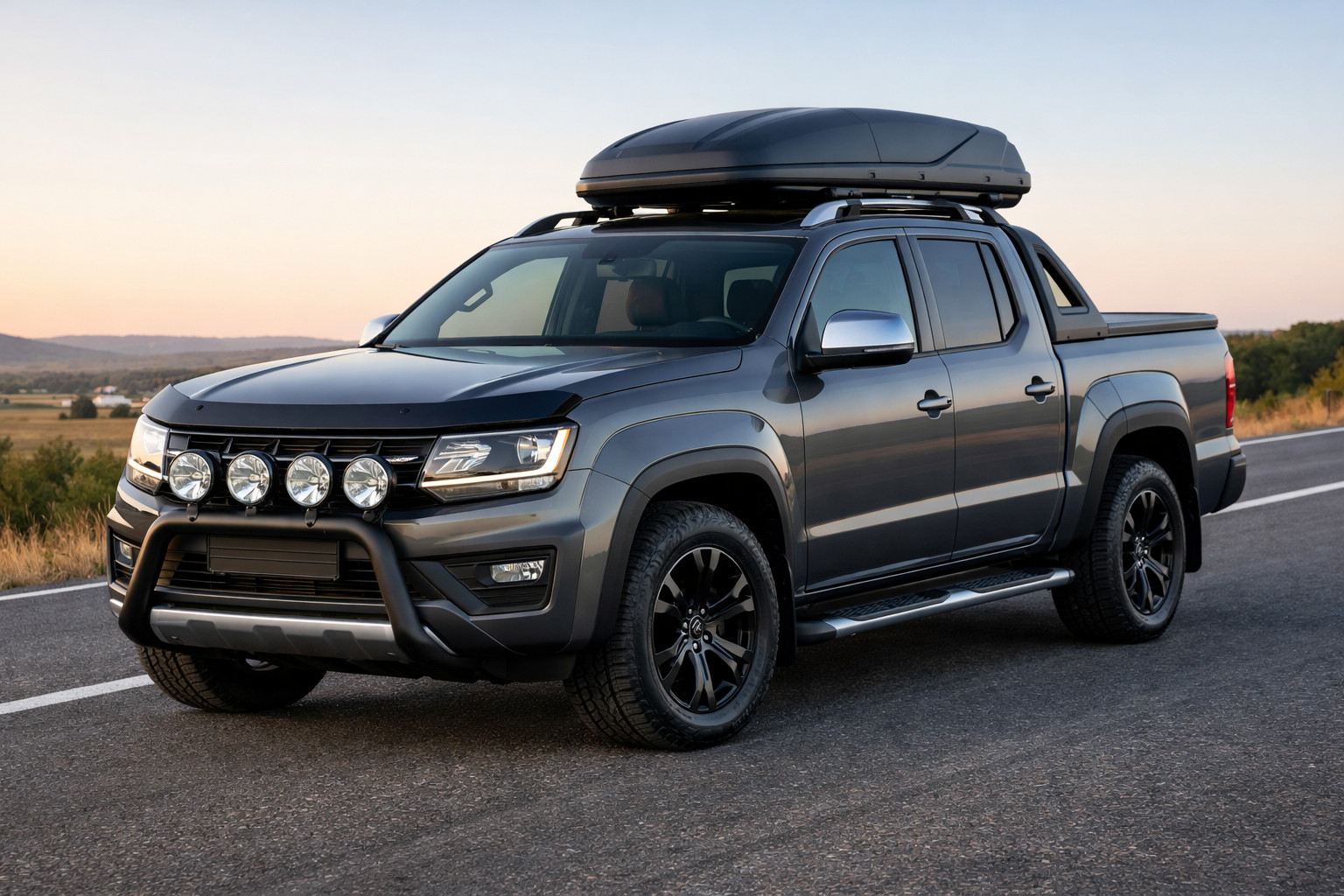
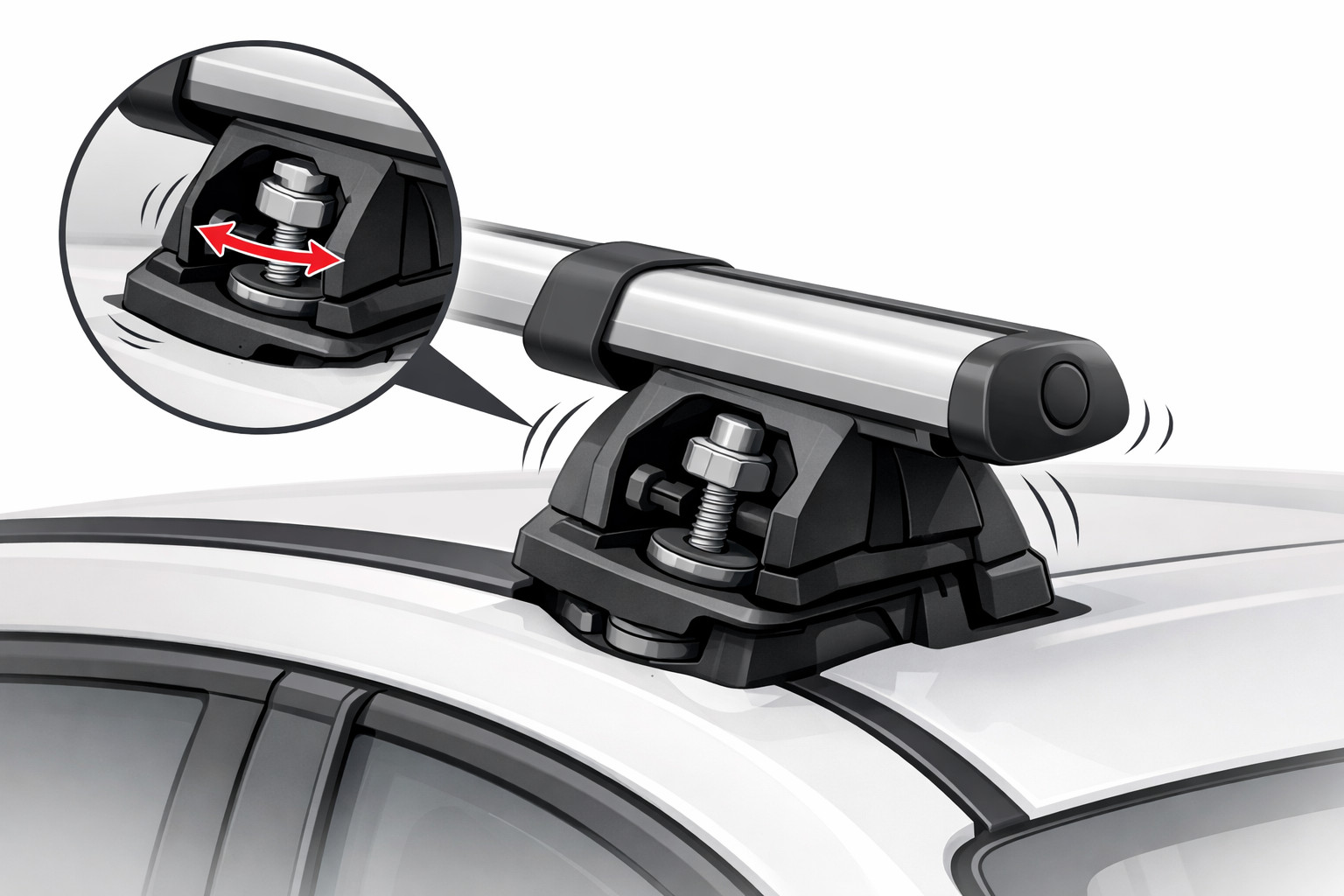
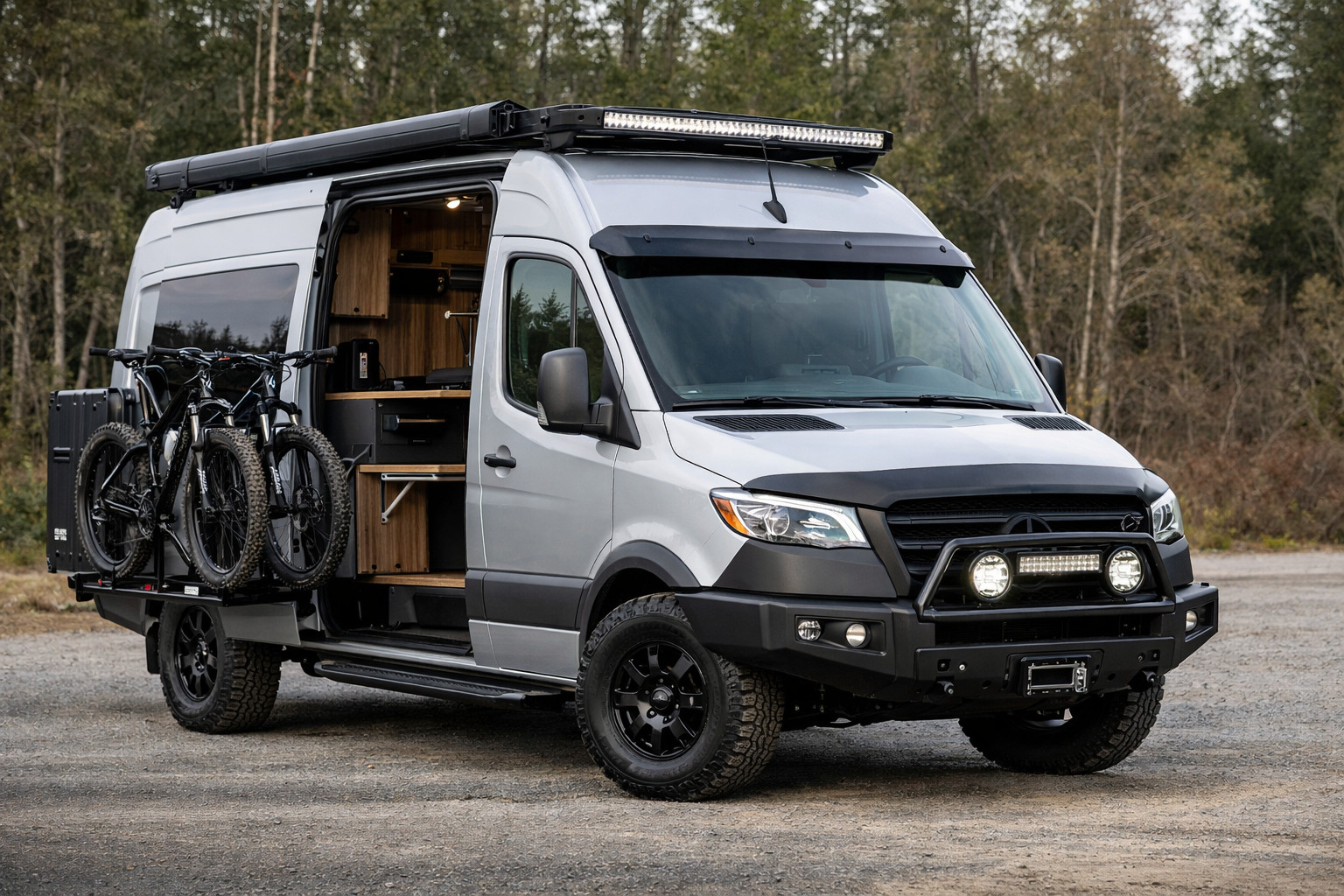
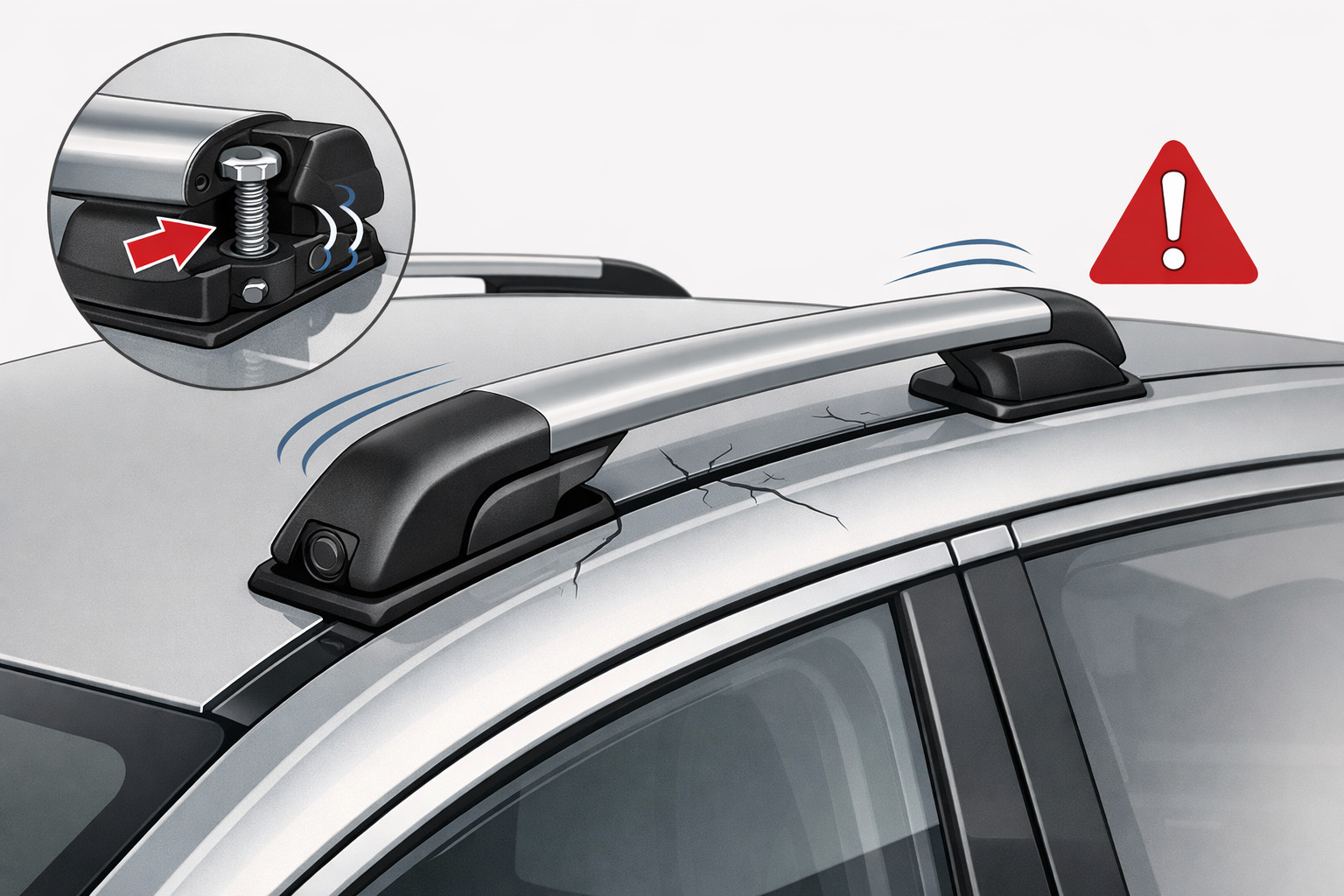
For cargo, in stage two it’s better to look not immediately at a permanent expedition roof rack, but at a removable solution for specific trips. If you only need extra space a few times a year, a quick-release roof box or a lightweight roof system is more practical than a permanent heavy basket that adds noise, drag, and weight every day.
If your trips are in winter or in the mountains, an auxiliary air heater can be a useful second-stage addition. For this scenario it provides more real value than a snorkel, which is often bought “just in case.”
If you tow a trailer, it’s better not to push the tow hitch and wiring into a third stage. For that scenario, it’s not an option—it’s part of the base configuration.
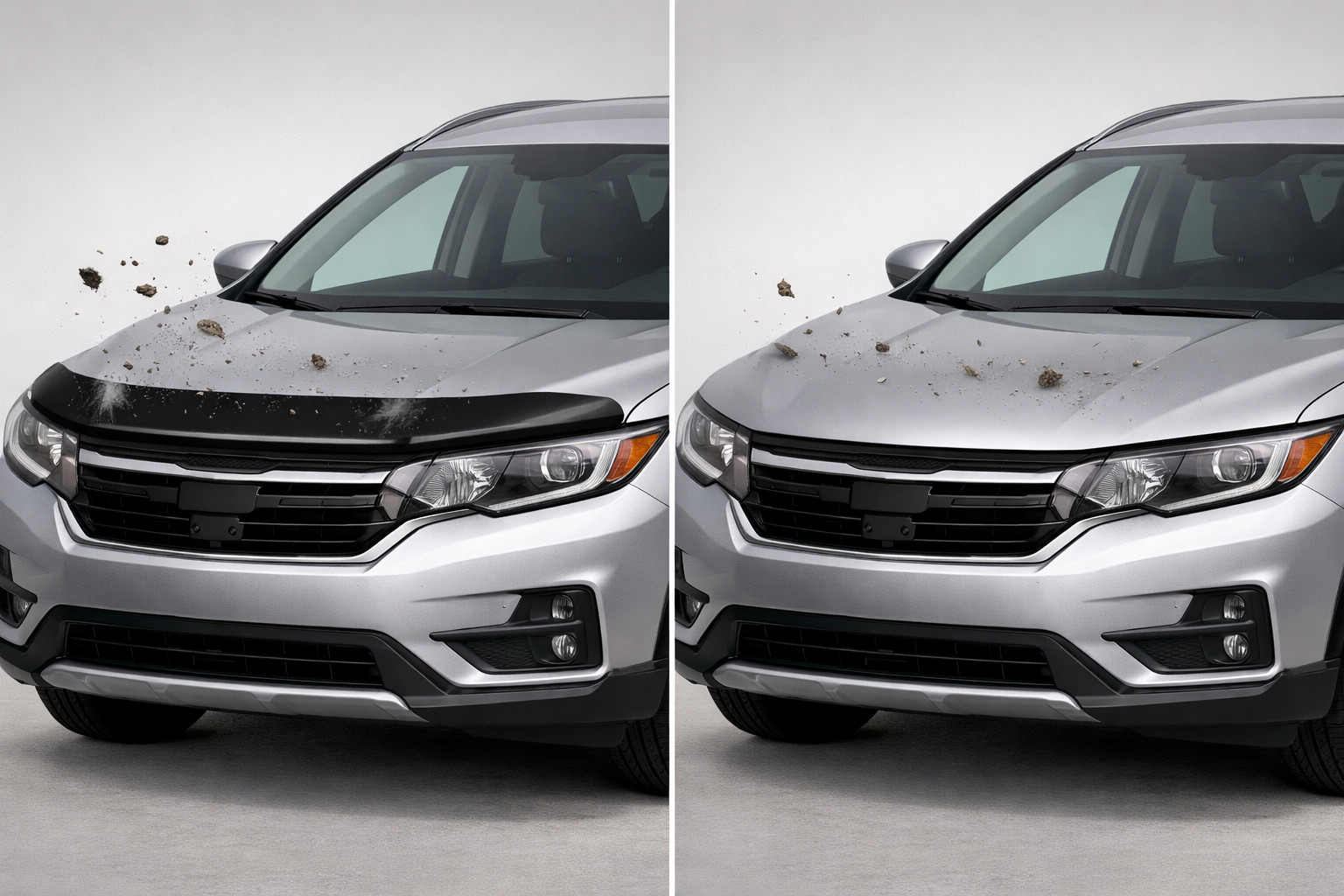
Useful but not first-priority items include seat covers, wind deflectors, some interior trim pieces, side steps for easier entry, and certain lighting upgrades. They can make daily use nicer, but they don’t solve the main tasks of a long-distance family vehicle.
A separate category is decorative exterior tuning: chrome, add-on trims, body kits, spoilers, big styling packages. If your scenario is travel rather than looks, consider these only after tires, cargo, and everyday solutions. Otherwise the budget goes to appearance, not real benefit.
For long family trips, the most often unnecessary items are a snorkel, a winch, heavy-duty steel bumpers, excessive underbody protection, aggressive MT tires, and a big lift. All of this adds weight, noise, fuel consumption, and complexity, but doesn’t deliver proportional returns if the vehicle mostly lives on highways, gravel roads, and light off-road outings.
Another mistake is installing large fixed drawers just because that’s what a “proper” travel build looks like. If you have kids, a stroller, bags, and sometimes need the third row, rigid cargo architecture can become inconvenient by the second trip.
It’s also not very smart to overpay for the most expensive suspension if your routes are mostly asphalt with only occasional rough sections. First you need to honestly answer where the car actually drives, not where it drives in your dreams.
| Install first | What can be postponed | What isn’t mandatory |
|---|---|---|
|
|
|
Expensive items are justified when there’s a repeatable scenario, not a one-time desire to prepare the vehicle “for everything.” If the LC200 constantly runs fully loaded, tows a trailer, or regularly travels long broken routes, then a more expensive suspension, a more serious cargo system, and autonomous electrics really pay back in comfort and longevity.
It’s convenient to start selection with all accessories for the LC200, then narrow it down to your task. For trips with seasonal overload it makes sense to look at roof racks and crossbars, and for daily family use—interior accessories. If your main route is asphalt, hotels, and luggage without camping, you can confidently trim an expensive set down to tires, interior, and basic organization.
An important nuance: compatibility of some cargo and interior solutions in the LC200 depends on model year, market, and seating configuration. So pricier purchases make sense only after checking your specific vehicle, not based on photos of someone else’s build.
From a customer’s experience: an LC200 owner initially wanted a lift, a steel front end, and big wheels, planning a “vehicle for everything.” After breaking down the real scenario, they kept the third row, fitted calmer tires, mats, a compressor, and a removable roof solution for vacations. As a result the vehicle became quieter, easier to pack, and didn’t lose convenience for everyday family use.
For a Toyota Land Cruiser 200 in a family road-trip scenario, the best approach is a simple order: tires and the technical base first, then the interior and safe cargo, then autonomy for real long-distance travel. Anything heavy, expensive, and “off-road looking” only makes sense when the route truly requires it.
That’s why a useful upgrade for the LC200 isn’t a maximum shopping list, but the right sequence of decisions without extra weight and overpaying for effect. This material is based on real selection experience, practical work, and real-world use cases where what matters isn’t the picture, but convenience, safety, and sensible upgrade logic.
| ✔ | High-quality all-purpose tires provide a noticeable improvement in comfort and control on highways and gravel roads. For family trips, this is more practical than immediately switching to large wheels or aggressive rubber. |
| ✔ | A moderate suspension refresh helps reduce body roll under full load and fatigue on long drives. This is especially useful if the vehicle often carries a full crew and a lot of luggage. |
| ✔ | Cabin mats, a trunk mat, and cargo securing genuinely make everyday use easier. They protect the interior from dirt and keep items from flying forward during braking. |
| ✔ | Tire pressure monitoring and a dash cam are inexpensive things that are especially useful on long trips. They do not add weight and work every day, not just on occasional outings. |
| ✔ | For regular long trips, an автономний set with a fridge, a second battery, and a charging module really increases convenience. It provides a proper reserve for food, drinks, and baby food without depending on service. |
| ✘ | Heavy-duty upgrades such as a winch, steel bumpers, a big lift, or aggressive MT tires add weight, noise, and fuel consumption. For a vehicle that mostly drives on highways and light graded roads, they bring little benefit. |
| ✘ | Fixed drawers and a rigid cargo setup can get in the way if the third row is needed regularly. In a family scenario, this quickly turns from convenience into inconvenience. |
| ✘ | An expensive suspension is not justified if the routes are mostly paved with only rare rough sections. In that case, the extra cost does not deliver a proportional gain. |
| ✘ | A big lift without the corresponding adjustments can worsen handling. For family trips, this becomes a stability risk rather than a guaranteed plus. |
Shipping to EU
Wholesale and retail
Own warehouse
Опис продукту
Подарунки не надаються при оформленні покупки у кредит під 0,01% або при покупці частинами.