12.06.2026
120
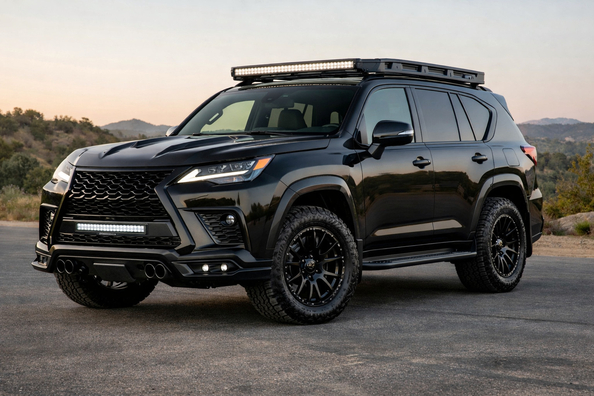
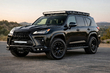
This upgrade plan is for a Lexus LX 500d/600 owner who’s hesitating: stop at the F SPORT formula or keep building the vehicle for a tougher use case. If your LX lives in the city, on the highway, and only rarely sees bad roads, the base F SPORT is usually enough: the look is already cohesive, the chassis is tighter, and the 22-inch wheels and suspension tuning work best on asphalt.
Going further makes sense not for an even more aggressive look, but when the way you use the car changes: winter, dirt roads, rocks, regular cargo, long trips, or towing. Then protection for the body and interior comes first, followed by practical small add-ons, and only then do you choose wheels, tires, and cargo systems based on real load. One important nuance: the F SPORT equipment list and compatibility of major wheel changes must be checked against the model year and the exact trim.
The key question here isn’t whether you can make the LX look “meaner”, but where it actually drives. For city, highway, and fast intercity trips, F SPORT already gives you what people often overpay for in tuning: 22-inch wheels, a sharper response on asphalt, a Torsen limited-slip differential, and a tighter chassis setup.
Going further makes sense when the LX works as a true full-size all-round SUV: snow, broken pavement, trips onto dirt, a trailer, traveling with a full cabin and luggage. In that scenario, the result is defined not by plastic on the body, but by paint protection, the right tires, a clean interior, and convenient cargo solutions. For the LX 500d this is especially logical thanks to its torque and more economical long-distance cruising; for the LX 600—when the power is actually used beyond the city commute.
First, protect what’s most expensive to restore. The front bumper, hood, fenders, mirrors, and the areas under the door handles on such a large body quickly collect marks from highway driving, gravel, and daily use. Here, surface protection is more useful than any decorative piece.
The second baseline investment is all-weather floor mats and trunk protection. The LX often serves as a family or long-distance car, which means the cabin constantly sees water, snow, sand, kids’ items, suitcases, or gear. As a third step, I’d add a dash cam: for an expensive vehicle it’s simple practical insurance, not another toy.
If you already know the car will regularly drive through potholes, winter slush, or dirt roads, the first technical question is tires. The factory 22s on F SPORT are fine for asphalt, but less forgiving on rough surfaces than an 18-inch set with a taller sidewall.
| Upgrade | Why it’s needed | Who really benefits |
|---|---|---|
| Front-end body protection | Takes the hit from chips caused by highway driving, gravel, and minor contacts | Anyone who drives highways often or wants to keep an expensive front end looking good longer without touch-ups |
| All-weather mats and trunk protection | Contain water, dirt, snow, and sand; make cleaning easier | Families; people who carry gear, dogs, kids’ items, suitcases |
| Dash cam | Records driving and events while parked | City cars, daily drivers, and long-route vehicles |
| 18-inch wheels with a taller tire sidewall | Gives a smoother ride over potholes, better rim protection, and a wider choice of practical tires | Those who drive in winter, on dirt, rocks, or tow a trailer |
| Roof cargo system | Moves bulky items out of the cabin and frees up space | Travel, sports, frequent transport of equipment |
| Cosmetic body kit | Changes the body’s styling and exterior detailing | Those who consciously pay for the look and don’t expect technical benefits |
DD Tuning expert comment: The most common mistake on the LX is buying an expensive body kit and keeping the vehicle in the same scenario, where the real problems aren’t the bumpers but tires, chips, and interior dirt. The second typical story is choosing larger tires without checking clearances, offset, and suspension operation. On this model it’s better to describe your route first, and only then spend the budget on appearance.
At the second stage, add what strengthens a specific scenario. For city and highway: wheel locks, trunk organization, a seasonal tire set. For trips with a full cabin and luggage: cargo-area protection, crossbars or a roof system—but only if the gear truly doesn’t fit inside.
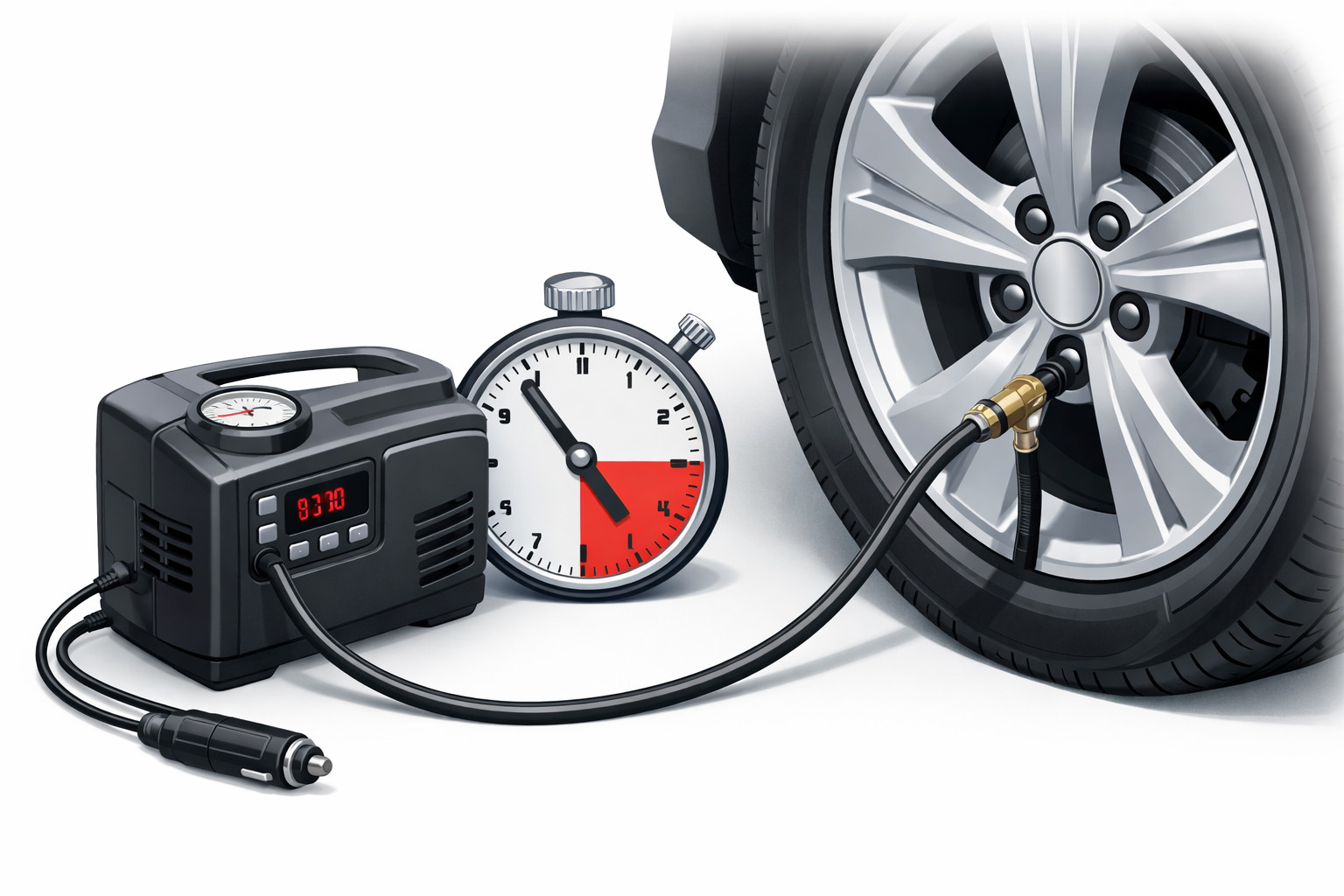
If the LX is used in snow, on forest roads, or with a trailer, the second stage is exactly when it makes sense to think about an 18-inch set. Its advantage isn’t that the vehicle becomes “bigger”, but the taller tire sidewall, better impact absorption, and a wider tire selection for harsher conditions. For real off-asphalt use, after that you can already think about an air compressor and a basic self-recovery kit.
Items I’d classify as comfort or styling are side steps, a different wheel design, and most cosmetic body kits. They can make the LX look more premium and slightly easier to get in and out of, but they don’t solve traction, stone chips, or durability on bad roads.
On F SPORT it’s especially important to understand this: the trim itself already covers the request for a bold look. So extra plastic only makes sense when you’re consciously building a show or image project. If the car is bought for daily driving, it’s more useful to invest not in bumper shape but in tires, interior protection, and a sensible cargo setup.
The main mistake is buying for the picture, not for the scenario. On the LX it gets expensive, because cosmetics quickly eat the budget that should go to things that actually change everyday use.
| What to install first | What you can postpone | What isn’t required |
|---|---|---|
| Front-end protection | Roof rails/crossbars for rare trips | A full cosmetic body kit for a city LX |
| Mats and trunk protection | Side steps, if entry is already convenient | A heavy roof rack without regular cargo |
| Dash cam | A second wheel set, if roads are good and winters are mild | Upsized tires on 22s just for looks |
| An 18-inch set for bad roads and snow | Wheel locks and small cargo-organization items | Parts that duplicate the F SPORT look but add no benefit |
This order works well for both the LX 500d and the LX 600: it protects the body and interior first, then makes the car more convenient, and only then moves the budget into expensive or narrow-scenario solutions.
More expensive solutions make sense when they meet a real need rather than just reinforcing the image. If you want a different front end or a more cohesive exterior, consider the body kit set only as the final touch after protecting the paintwork. If the LX regularly carries skis, large roof boxes, or equipment, then it’s justified to look at roof racks. And side steps are logical where kids or older passengers get in often, or when the car works in the city as a daily full-size family vehicle.
Don’t choose an expensive solution if it doesn’t improve your exact scenario. On the LX, the difference between useful and decorative is especially visible: tires, protection, and small interior items are felt every day, while expensive plastic is mostly noticed in the parking lot.
From a customer’s experience: an LX 500d owner initially planned a full body kit because he wanted a more expressive look right after purchase. In the end, he kept the F SPORT exterior, protected the front end, installed mats, and added a separate wheel set with a taller sidewall for winter and trips to the Carpathians. The biggest difference he felt wasn’t in appearance, but in calmer driving over potholes, a cleaner interior, and the absence of minor front-end damage.
For most Lexus LX 500d/600 owners, F SPORT styling is genuinely enough: the vehicle already has the right visual presence, a strong chassis, and a good balance for asphalt. If your scenario doesn’t go beyond the city, the highway, and occasional bad roads, the right upgrade here is simple—body protection, interior protection, a dash cam, and proper tires for the season.
Go further only when your route or load demands it: winter, dirt, towing, cargo, long trips. In that case, practical upgrades must come first, not cosmetics. This material is based on real selection experience, hands-on practice, and real usage scenarios, so the logic is simple: useful first, desired second, and only at the end—what isn’t mandatory.
| ✔ | For city driving, highways, and occasional trips on rough roads, the F SPORT setup is usually enough: the vehicle already has a planted look, a stiffer chassis, and settings that work well on asphalt. |
| ✔ | First of all, the author recommends installing practical protection — front-end body protection, floor mats, a cargo organizer, and a dash cam, because these are the items that pay off fastest in daily use. |
| ✔ | For winter, dirt roads, stones, or towing, there is a clear and practical next step: 18-inch wheels with a taller tire profile provide a softer ride and better wheel protection. |
| ✔ | The upgrade plan is built in stages, so it is easier not to spend the budget on decorative details before the things that really improve comfort and preserve the vehicle. |
| ✔ | There is a clear division between what is truly useful and what is only about appearance, so it is easier to choose modifications for your own use case. |
| ✘ | A full body kit or other cosmetic plastic often gives only a visual effect and does not solve problems with chips, dirt, or poor roads. |
| ✘ | The stock 22-inch F SPORT wheels are less forgiving on potholes, snow, and dirt than a set with a smaller diameter and taller tire sidewall. |
| ✘ | More expensive options are easy to buy for the wrong use case: for example, a roof rack, side steps, or larger tires can be fitted, but they will not be useful if the car is driven mostly in the city. |
| ✘ | With the LX, there is a risk of spending the budget on appearance instead of the basics, although tires, body protection, and cabin organization have the biggest impact on everyday use. |
Shipping to EU
Wholesale and retail
Own warehouse
Опис продукту
Подарунки не надаються при оформленні покупки у кредит під 0,01% або при покупці частинами.