21.05.2026
423
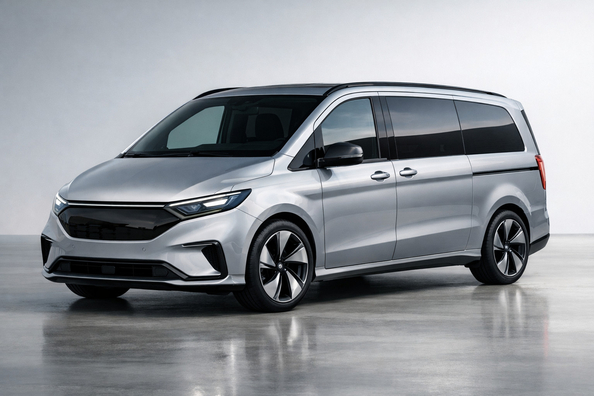

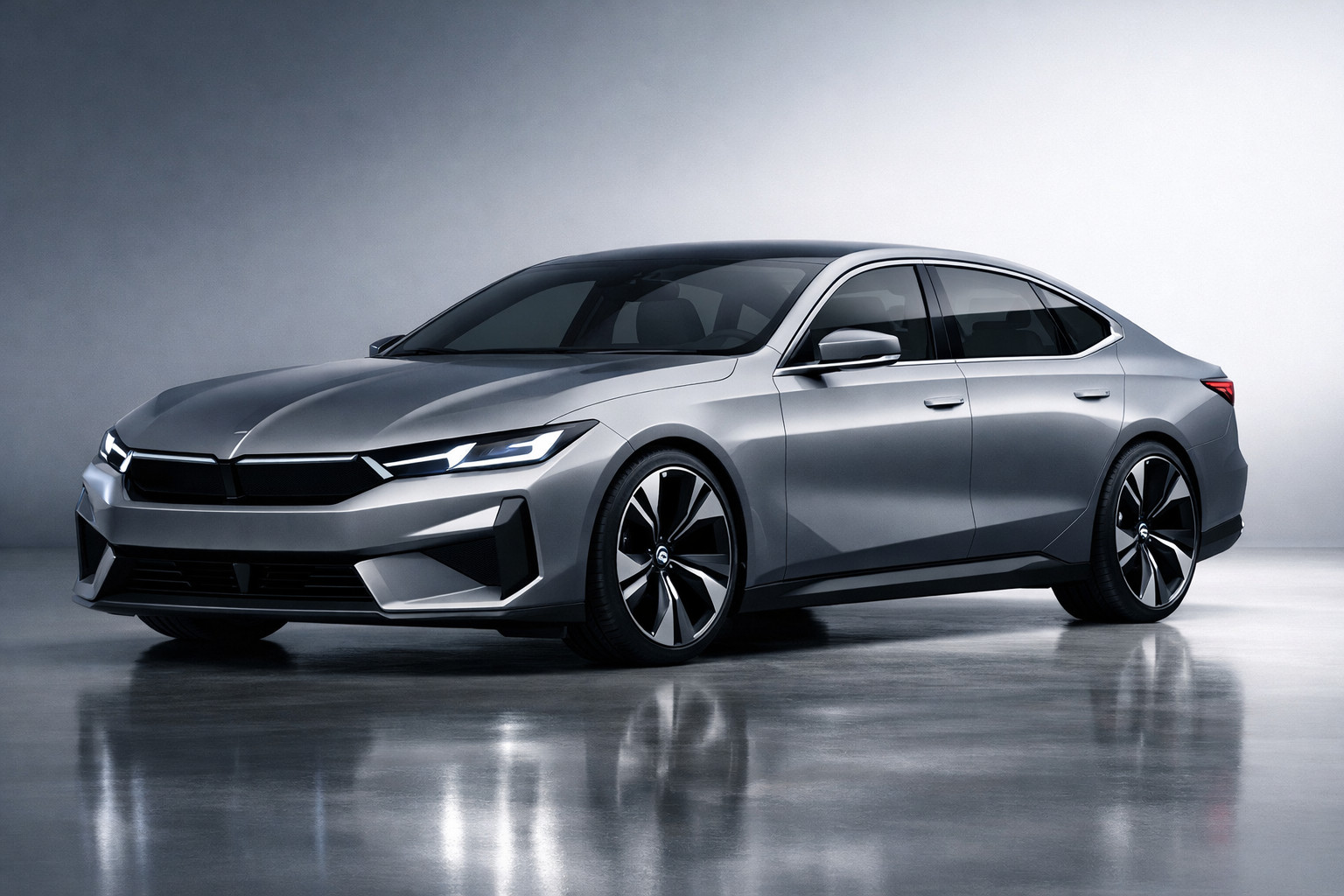
Mercedes Vito 2027 does not yet have separately published official technical specifications. What is realistically confirmed is something else: Mercedes is preparing a new generation of large and mid-size vans on new architectures, but the passenger VLE/VLS line will launch earlier, while the commercial vehicles will arrive later. So talking about “Vito 2027” is only possible as the expected next step after the current Vito W447, not as an already revealed model.
To understand what to expect, it makes sense to look at the current Vito and eVito 2025/26: they provide a practical reference point for body styles, diesel and electric versions, capacity, ergonomics, and weak spots. If you need a forecast without fantasies, the main answer is this: 2027 for Vito will most likely be a transitional period between the well-known W447 and the new architecture for commercial vans.
Vito traditionally sits in the middle of the class: it’s larger and roomier than compact vans, but not as bulky as the Sprinter. Because of that, the model is just as often chosen for delivery, service calls, transfers, corporate transport, and large-family needs in the Tourer version.
In the market, Vito holds a strong position where handling, highway quietness, a high-quality cabin, and proper safety matter—not just the raw payload figure. It looks weaker where the main criterion is the lowest entry price or максимально simple hardware without complex electronics.
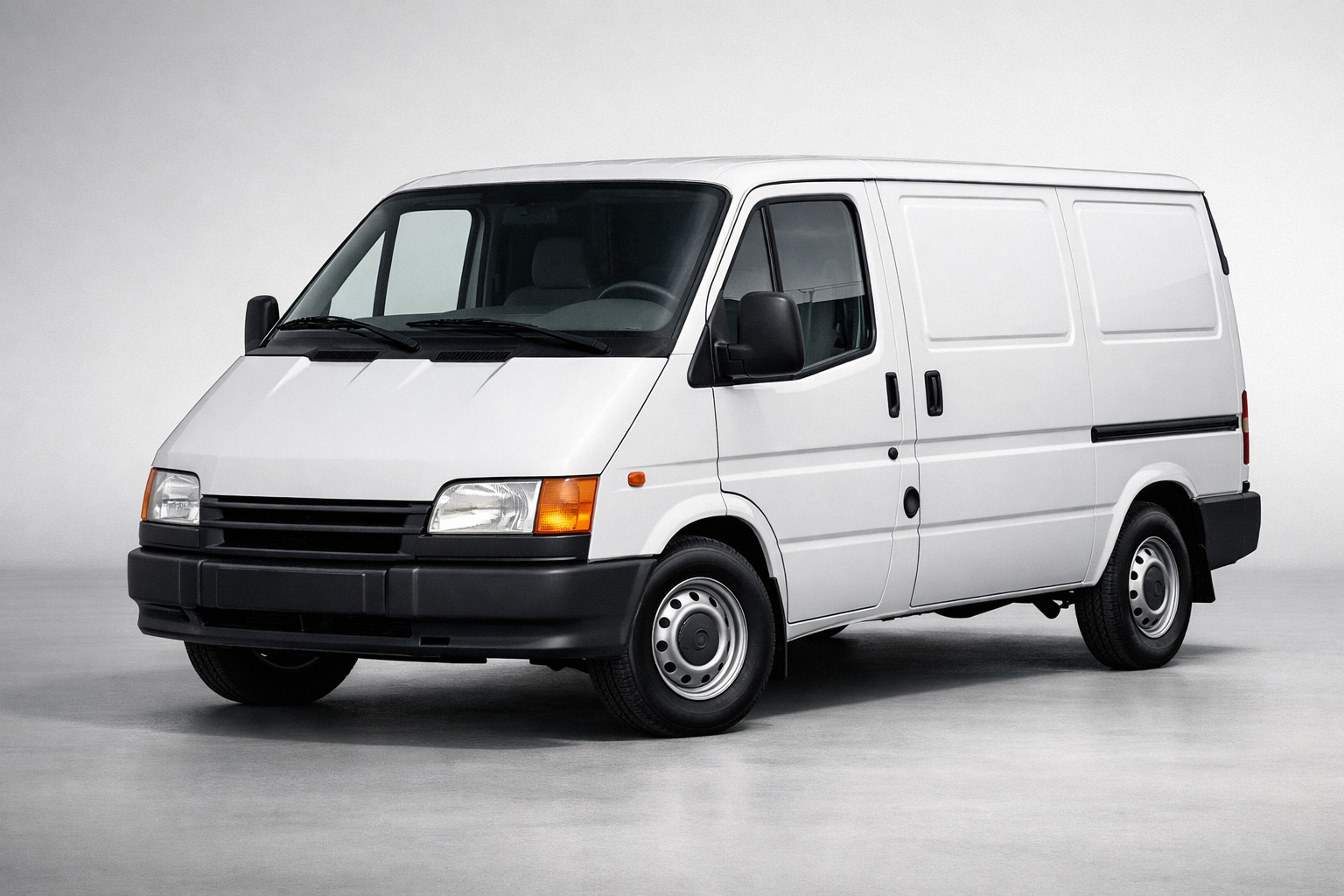
Vito has already gone through a long evolution: an early generation in the late 1990s, then the W639 in 2004–2014, and since 2014—the current W447. In 2024, the current model received a deep update to keep it relevant until the new architecture arrives.
An important nuance is that Mercedes is already splitting future passenger and commercial lineups. The passenger VLE/VLS will be shown starting in 2026, while commercial vans on a separate architecture are announced for later. That’s why even the Vito name for the future successor across all markets does not yet look finally confirmed.
| Period | Generation | What matters |
|---|---|---|
| 1996–2003 | First generation | The basic arrival of Vito as a mid-size van and passenger platform. |
| 2004–2014 | W639 | Widely available on the used market; many body and interior solutions for commercial use and transport. |
| 2014–present | W447 | The current, up-to-date base; 2024 facelift, diesel and electric versions, the best safety in the model’s history. |
| 2026–2027+ | New wave of models | Passenger VLE/VLS arrive earlier; commercial vans on a new architecture—later. |
There is no official engine data for Mercedes Vito 2027 yet, so the honest reference point is the current lineup. On the diesel side, these are 2.0-liter versions 114 CDI and 116 CDI: the first has 1 950 cm³, 136 hp and 330 N·m, the second—1 950 cm³, 163 hp and 380 N·m. Both are confirmed with the 9-speed 9G-TRONIC automatic transmission, and in current specifications rear-wheel drive is often used.
The electric branch is also already formed. The eVito Panel Van has an 85 kW motor and a usable 60 kWh battery with a range of up to 256–257 km, while the eVito Tourer in certain versions gets a 90 kWh battery and a claimed 362–367 km. If you’re waiting for Vito 2027 specifically for electrification, there is a point: the future architecture promises deeper electronics integration, an 800-volt system, and faster charging—but this is not yet a spec sheet for a specific Vito.
| Version | Powertrain | Transmission and drive | Practical reference |
|---|---|---|---|
| 114 CDI | 2.0 L, 1 950 cm³, 136 hp, 330 N·m | 9-speed automatic, rear-wheel drive | Base diesel for calm work without overloaded expectations. |
| 116 CDI | 2.0 L, 1 950 cm³, 163 hp, 380 N·m | 9-speed automatic, rear-wheel drive | A better balance for highway driving, a full cabin, or regular cargo. |
| eVito Panel Van | 85 kW, 60 kWh battery | Electric drive | Urban and suburban routes without large daily mileage. |
| eVito Tourer | 90 kWh battery | Electric drive | Passenger transport with predictable routes and access to charging. |
The current Vito remains a solid reference for size. The Panel Van L2 is 5 140 mm long, 1 928 mm wide, and 1 910 mm high; L3 is 5 370 × 1 928 × 1 910 mm. Cargo volume is up to 6.0 m³ in L2 and up to 6.6 m³ in L3, cargo length is 2 290 and 2 520 mm respectively.
There are also key numbers for daily work: minimum ground clearance is 125 mm, turning circle is 11.8 m in L2 and 12.5 m in L3, towing is up to 2 500 kg, and payload in some versions is up to 903 kg. For the Tourer, up to 9 seats are claimed, and in a specific 8-seat long version the trunk reaches 2 630 L. The suspension is generally comfortable for the class, but on rough roads there isn’t much geometric margin.
| Parameter | Reference for the current Vito |
|---|---|
| Body length | 5 140–5 370 mm |
| Width | 1 928 mm |
| Height | 1 910 mm |
| Ground clearance | 125 mm |
| Cargo volume | Up to 6.6 m³ |
| Cargo length | 2 290–2 520 mm |
| Towing | Up to 2 500 kg |
| Payload | Up to 903 kg |
| Seats in Tourer | Up to 9 |
| Tourer L3 trunk | Up to 2 630 L in a specific 8-seat version |
The updated Vito no longer looks purely utilitarian. It features a more modern MBUX infotainment unit, a large central screen, wireless smartphone charging in certain trims, and digital services for business. In terms of feel, it’s one of the few vans where the driver doesn’t get the sense of sitting in a “work box.”
On safety, the model is very strong right now: in commercial Euro NCAP tests the current Vito achieved a Platinum rating. For the next generation, you can expect even more electronic functions and the new MB.OS software architecture, but the exact list of systems for the commercial successor has not yet been published.
In daily work, Vito is valued for its seating position, road noise comfort, sensible handling, and good highway stability. The 116 CDI looks like the more universal version: it has enough pull for both passenger loads and regular intercity trips. On paper it offers an attractive range, but in real life consumption and mileage depend heavily on route, weight, and speed.
The practical weak points are low ground clearance for bad roads, and the cost of ownership if the vehicle works hard without preventive maintenance. Owners most often complain not about the concept of the model itself, but about components and electronics: AdBlue, sensors, the SOS system, the dual-mass flywheel, the clutch, and certain ABS elements. In other words, Vito suits those who are ready to service the vehicle on time rather than “push it to the last moment.”
| Pros | Cons |
|---|---|
| Comfortable ride and above-average handling in the class. | High purchase price and often not-cheap running costs. |
| Practical bodies: up to 6.6 m³, up to 9 seats, towing up to 2.5 t. | For 2027 there is no confirmed technical sheet specifically for a new Vito. |
| Strong safety and modern driver aids. | A somewhat firm ride on poor surfaces and only 125 mm ground clearance. |
| Diesel and electric versions for different scenarios. | Electronics and auxiliary systems can be demanding in terms of maintenance. |
| A quality cabin for a work van or shuttle. | Not the best option for those looking for the simplest and cheapest van possible. |
From an owner’s perspective, it’s not a vehicle for everyone. If you need a van for long distances with a good driving position and confident highway behavior, the Vito looks convincing. If your priority is the lowest budget, frequent driving on broken roads, and complete tolerance to electronic issues, it’s better to look at simpler alternatives.
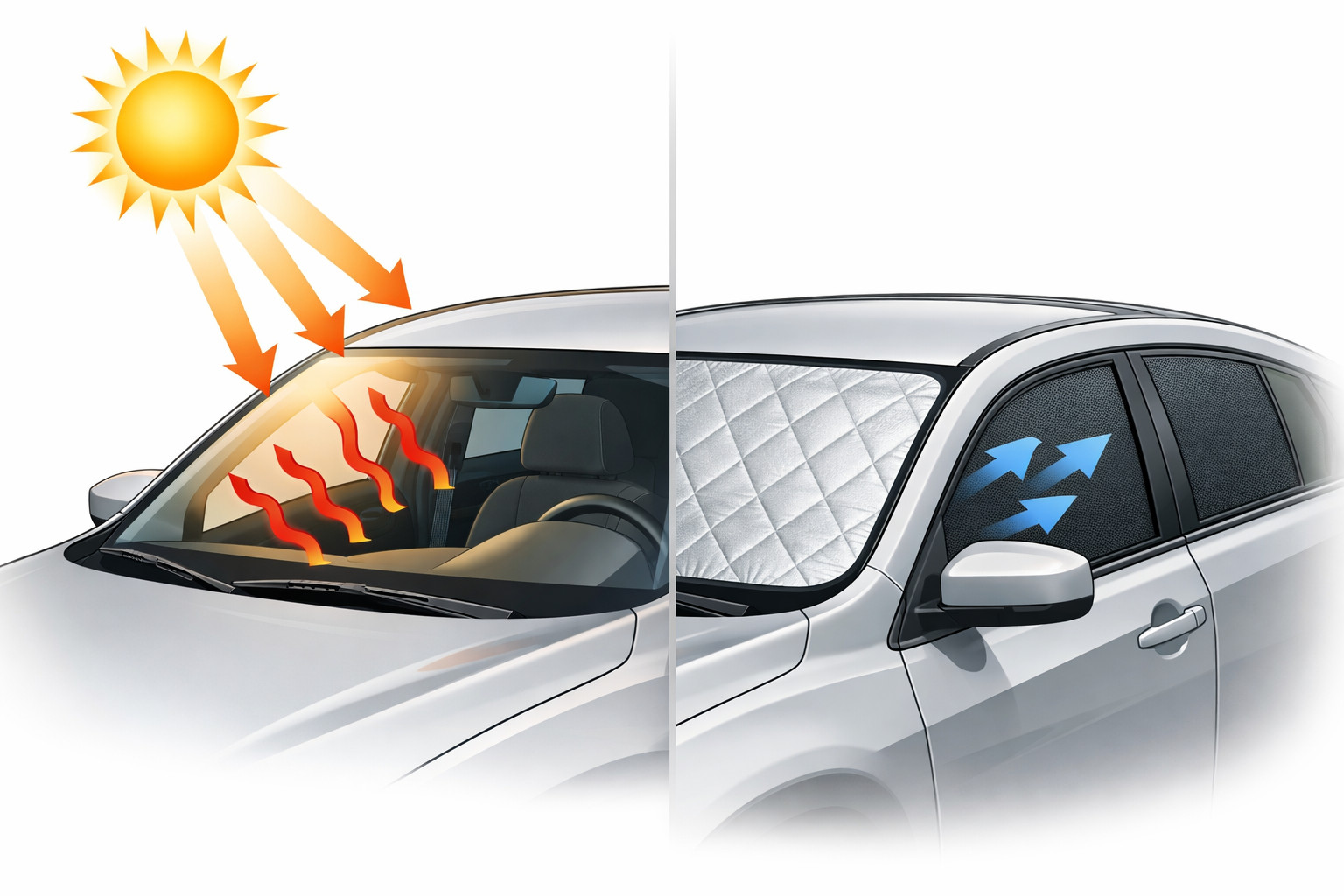
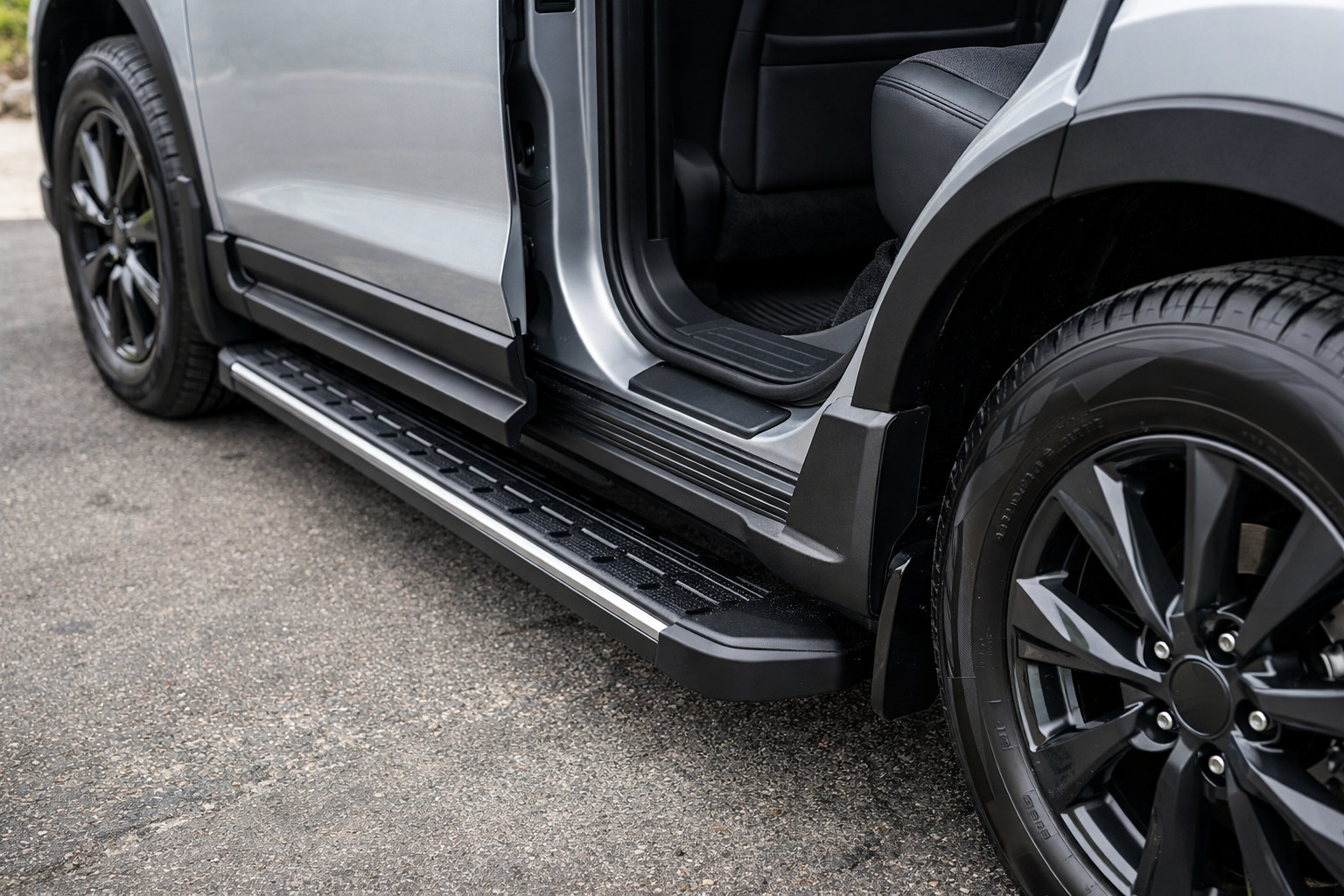
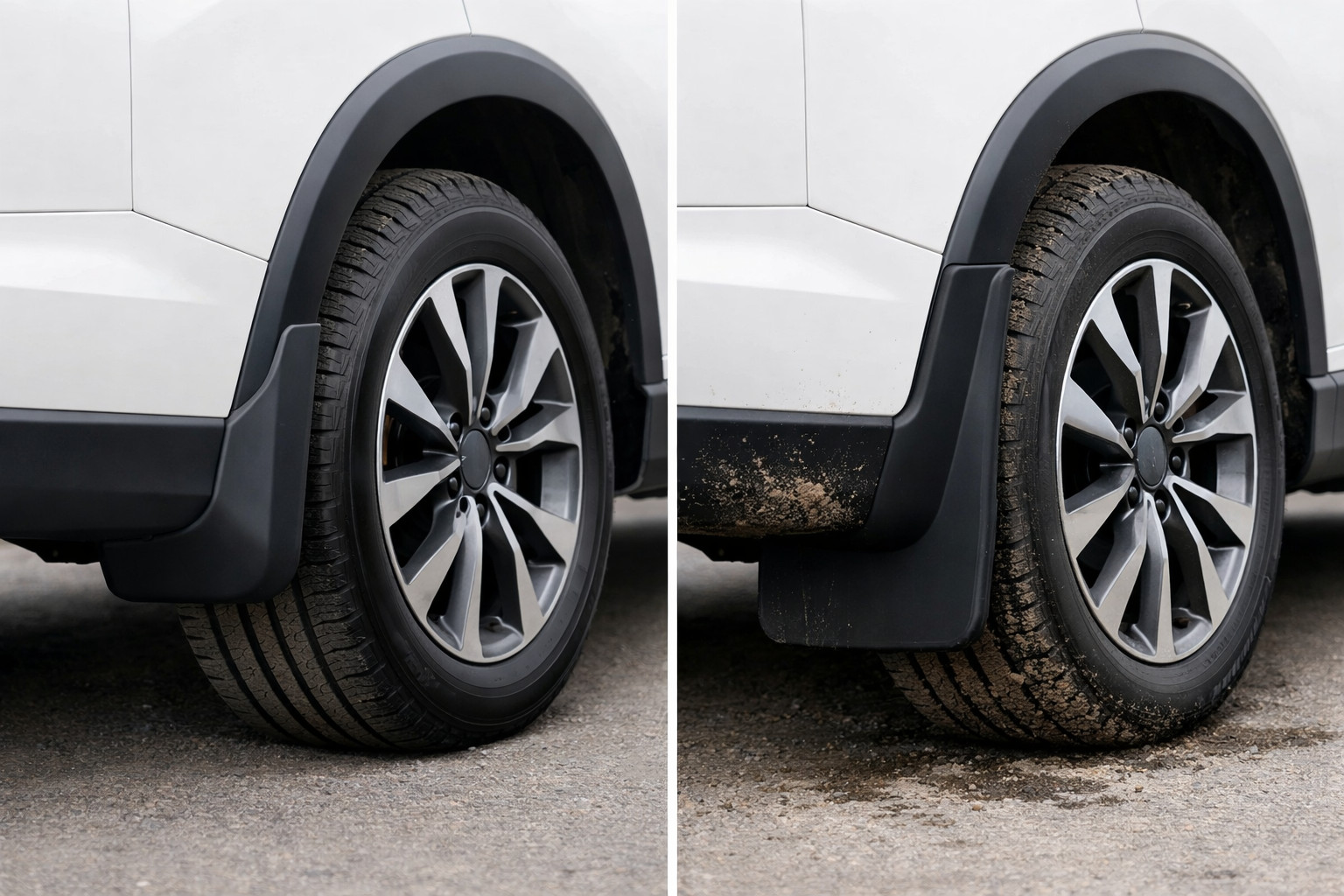
For Vito, the smartest tuning is not decorative, but functional. For the current W447, it’s worth looking at side steps if the vehicle often carries passengers or has heavy daily boarding traffic; at window deflectors if the vehicle spends a lot of time in the city and you need ventilation without constantly running the A/C; and at floor mats if the cabin is used for deliveries, transfers, or as a family minibus.
For the future Vito 2027, the logic is unlikely to change: the first accessories that make sense are those that make getting in easier, protect the interior, and don’t conflict with sensors, sliding doors, and daily access to the cargo area. It’s exactly these small details that either turn a van into a convenient tool—or quickly make it irritating in everyday life.
For now, Mercedes Vito 2027 should be viewed not as a finished model with known numbers, but as an expected transition to a new architecture for commercial vans. If you need a vehicle right now, the current Vito W447 provides a clear picture: 2.0-liter дизels 114 CDI and 116 CDI, electric eVito versions, spacious bodies, strong safety and good road manners—along with a high price and service sensitivity.
Waiting for 2027 makes sense for those who want a newer electric platform, deeper digitization, and are willing to live without exact specifications for some time longer. This material is based on real selection experience, practice, and real use cases: today the Vito suits those who need a comfortable mid-size van or passenger base with good handling, and is less suitable for those looking for the cheapest and most low-maintenance work vehicle possible.
| ✔ | Vito has practical body styles and dimensions: in cargo versions, up to 6.6 m³ of space is available, and the Tourer can accommodate up to 9 passengers. This makes the model convenient for deliveries, transfers, and family trips. |
| ✔ | The model offers strong handling and comfort for its class, and it remains stable and quiet on the road. This is important for drivers in daily work, especially on intercity routes. |
| ✔ | The current Vito has a high level of safety and modern assistants, and the updated interior with MBUX and a large screen no longer looks purely utilitarian. This improves convenience in everyday use. |
| ✔ | There is a choice between diesel and electric versions, so the model can be matched to different operating scenarios. The 116 CDI looks more versatile for highway driving and heavy loads, while the eVito is for the city and predictable routes. |
| ✔ | Vito can tow up to 2,500 kg, and in some versions has a payload of up to 903 kg. For a commercial van, this is a practical advantage. |
| ✘ | There is still no officially released technical sheet for the Vito 2027, so many parameters remain only expectations. This makes it harder for those who want to understand the future version in advance. |
| ✘ | The model is not cheap to buy, and in use it can be demanding in terms of servicing. The article separately mentions complaints about AdBlue, sensors, the SOS system, the flywheel, the clutch, and ABS components. |
| ✘ | Ground clearance is only 125 mm, so on bad roads and in potholes the Vito quickly shows its limits. The suspension is comfortable, but the geometry margin is not large. |
| ✘ | The electronics and auxiliary systems may require careful maintenance, and this is not the best option for those who want a максимально simple van. The model is less suited to careless use than simpler alternatives. |
Shipping to EU
Wholesale and retail
Own warehouse
Опис продукту
Подарунки не надаються при оформленні покупки у кредит під 0,01% або при покупці частинами.