






























































 Author: Radomskyi Maksym Vasyliovych
On 3 September 2026, the Supervisory Board of Volkswagen Group unanimously approved the Future Plan 2030 program: by 2035, the Group will cut its model range by around 50%, and the number of trim and option variants by around 75%. Volkswagen has not published an official list of models that will disappear. Everything written about specific “victims” — Taigo, ID.5, T-Roc Cabriolet, Touareg — is press analysis, and below we clearly separate what the Group said from what publications assume.
Contents
- What exactly Volkswagen approved and when
- Why exactly by half: explanation from the head of the Volkswagen brand
- Which models may disappear — publications’ versions
- What is known about Golf, Tiguan, and Passat
- Official plan figures in one table
- What this means for Volkswagen owners in Ukraine
What exactly Volkswagen approved and when
The plan has two dates. On 9 July 2026, the Group’s management board presented 12 initiatives to the supervisory board, including “gradually reduce the model portfolio to 50% and the complexity of the offer to 75%” — at that time without a completion year. On 3 September 2026, the supervisory board unanimously approved Future Plan 2030, and an official press release introduced the deadline: by 2035 the model portfolio will be reduced by around 50%, and the complexity of the offer by around 75%.
The rest of the official figures also apply to the entire Group, not only the Volkswagen brand:
- target operating margin — 9% by 2030, which corresponds to an operating result of about €31 billion;
- sales benchmark — about 9 million cars per year (before the pandemic, the plan was close to 12 million);
- investment in fixed assets and development — €135 billion for 2027–2031;
- reduction of about 50,000 positions across the Group, including management;
- European capacity exceeds demand by more than 500,000 cars; for the plants in Emden, Zwickau, Hanover, and Neckarsulm, utilization from 2031 to 2034 is currently not guaranteed, and the European production concept is promised by the end of June 2027.
CEO Oliver Blume called the decision “a strong signal for the future of Volkswagen Group,” and Supervisory Board Chairman Hans Dieter Pötsch called it a condition for long-term competitiveness. CFO Arno Antlitz back in July put it this way: it is necessary to “fundamentally reset the business model,” not just another one-off cost-cutting exercise.
Why exactly by half: explanation from the head of the Volkswagen brand
The most specific explanation of the reduction mechanism was given by Volkswagen brand chief Thomas Schäfer at the Paris Motor Show on 14 October 2026. According to him, the discussion about halving the model range started “mainly because of the ban on internal combustion engines in Europe from 2035.” The logic is simple: after 2035, there will be no petrol Polo alongside the electric ID. Polo, and no T-Cross alongside ID. Cross — so where there are two cars today, one will remain, and the lineup “shrinks automatically.”
Schäfer emphasized three things. First, this is about the combined portfolio of three mass-market brands — Volkswagen, Škoda, and Cupra — which in 2035 will be “half the size.” Second, it is a “natural transition and reorganization of the portfolio around the most profitable products,” not a mechanical crossing-out of models from a list. Third, models that overlap between brands are now run by “synergy groups”: one brand leads one project so that “not everyone is fishing in the same spot at the same time.” An example of such a group is the small EVs ID. Polo, ID. Cross, Škoda Epiq, and Cupra Raval, which, according to Car Throttle, share more than 80% of components. We wrote about ID. Polo separately: batteries, range, and prices.
Importantly, Schäfer did not name a single specific model “for the chop.” The figure of “75 models,” which appeared in headlines at Auto Express and Car Throttle, is the publications’ own calculation, not the Group’s wording.
Which models may disappear — publications’ versions
Since there is no official list, below is only what specialized outlets write, with a note on where each claim comes from. These are press assumptions, and Volkswagen has not confirmed them.
| Model | What they write | Source and status |
|---|---|---|
| Touran | The compact MPV has already been discontinued: the last unit was assembled in April 2026 | t-online, 10.07.2026 — press report |
| Touareg | No successor is planned; insiders rule out a new ICE generation | t-online — citing insiders |
| T-Roc Cabriolet | The convertible is reaching the end of its life cycle, the regular second-generation T-Roc remains | t-online, Car Throttle — press report |
| ID.5 | In question: the niche will be covered by the electric Tiguan | t-online — assumption |
| Taigo | Short life cycle: the model exists only with ICE, with no electric version | t-online — assumption |
| Polo and T-Cross (petrol) | After 2035 in Europe they will be replaced by ID. Polo and ID. Cross | Thomas Schäfer, Paris, 14.10.2026 — official, but as a consequence of the ICE ban, without a discontinuation date |
| Seat brand | The Group officially allows for a gradual phase-out of the brand after 2030; there is no final decision, several scenarios are being considered | Volkswagen statement, 08.09.2026 — official |
Separately, it is worth understanding the difference between a “model” and a “variant.” The 75% reduction concerns the complexity of the offer: engines, trims, single options, which will be replaced by ready-made packages. This is what buyers will feel first — even before a single name disappears from the price list.
What is known about Golf, Tiguan, and Passat
The three most popular brand models in Ukraine are not mentioned in any official statement either as candidates for discontinuation or as “untouchable.” But for each of them there are facts you can build on.
Tiguan: petrol and electric side by side
The third-generation Tiguan launched in 2024 with petrol, diesel, and hybrid versions, and on 9 October 2026 Volkswagen unveiled the electric ID. Tiguan — exactly the “ICE plus electric” pair Schäfer talked about. We broke down both cars: Tiguan III review and what they showed at the ID. Tiguan premiere. According to the plan’s logic, such pairs will be merged into a single model after 2035 — but until then, both Tiguans will be sold side by side.
Golf: eighth generation and an electric future
Golf 8 received a facelift in 2024 and remains in the lineup; we have a separate piece on the updated Golf 8. Back in 2023, Schäfer said a new ICE generation of Golf is not planned, and the next Golf will be electric on the SSP platform no earlier than 2028. The Paris statements in 2026 did not change or confirm this point — so the timing for the electric Golf remains a press assumption.
Passat: estate only, and that is already a reduction
Since 2023, the ninth-generation Passat has been produced only as the Variant estate — the sedan was removed even before the current plan. This is a clear example of how the Group cuts variants without touching the name. More details — in the Passat Variant IX review.
Official plan figures in one table
| Metric | Value | Deadline |
|---|---|---|
| Reduction of the Group’s model portfolio | ≈50% | by 2035 |
| Reduction of offer complexity (variants, options) | ≈75% | by 2035 |
| Operating margin | 9% (≈€31 billion) | by 2030 |
| Sales benchmark | ≈9 million cars per year | no fixed year |
| Investments and development | €135 billion | 2027–2031 |
| Position reductions | ≈50,000 | no fixed year |
| European plants concept | Emden, Zwickau, Hanover, Neckarsulm | by the end of June 2027 |
The source for all rows is Volkswagen Group press releases from 9 July and 3 September 2026; confirmation of the 2035 deadline for models and complexity — Reuters from 3 September.
What this means for Volkswagen owners in Ukraine
For the Ukrainian market, the consequences are spread over time. First, the reduction primarily concerns Europe and is tied to the ban on sales of new ICE cars from 2035 — cars already on the road are not going anywhere, and the fleet of Golf, Tiguan, and Passat in Ukraine will remain among the largest for another decade. Second, buyers of new cars will feel the changes first: fewer trims and options to choose from, more ready-made packages. Third, precisely for mass models that are already on the road, accessories are produced for years after discontinuation — patterns for mats, window deflectors, and mud flaps are tied to the body, not to whether the model is in a dealer price list.
In the DD Tuning catalog, model-specific accessories are organized by generation: mats for Golf 8, window deflectors for Tiguan 2023, as well as mud flaps for Volkswagen from different years. For older generations — Golf 7, Passat B8, Tiguan 2016 — separate model pages are available in the Volkswagen tuning section.
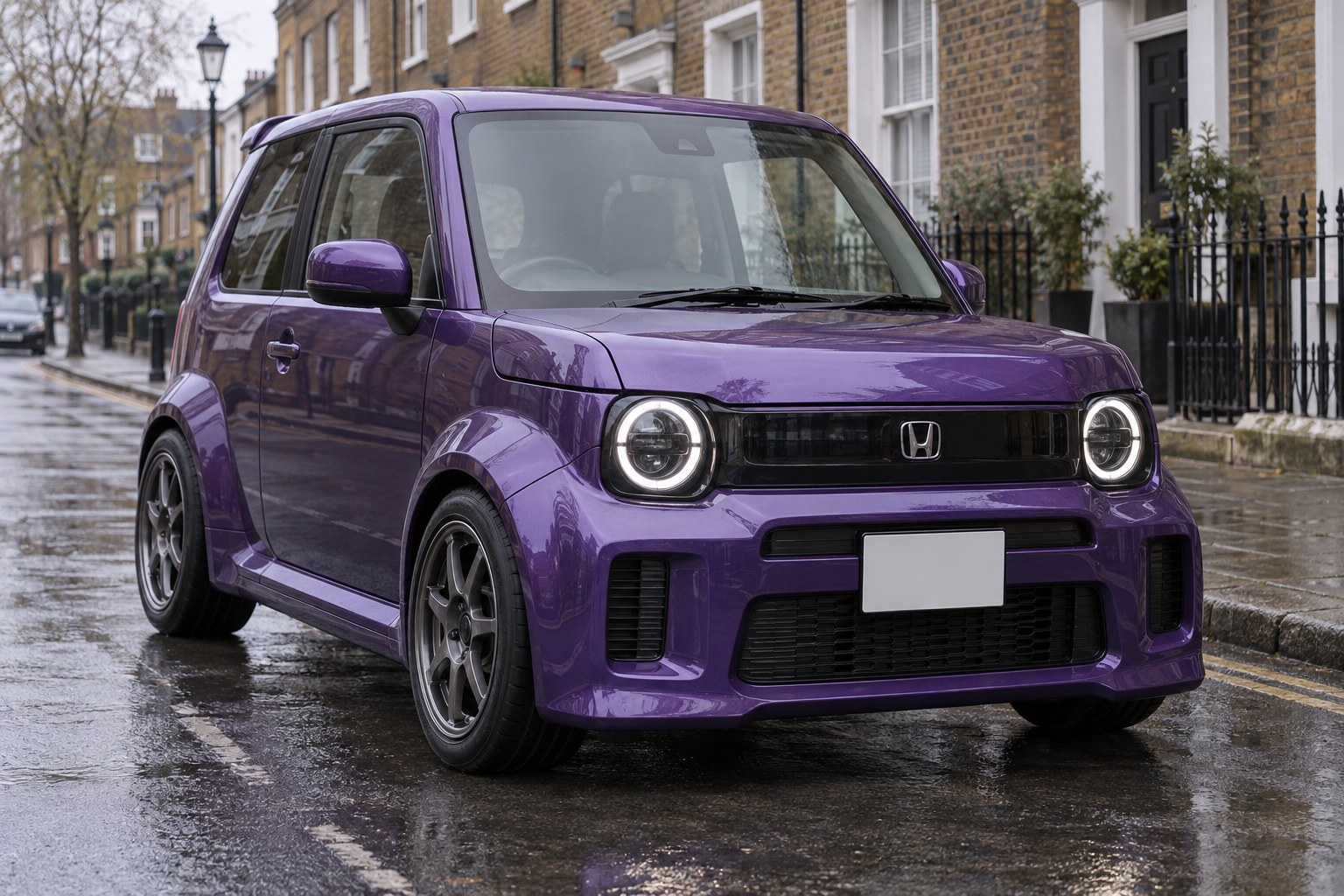
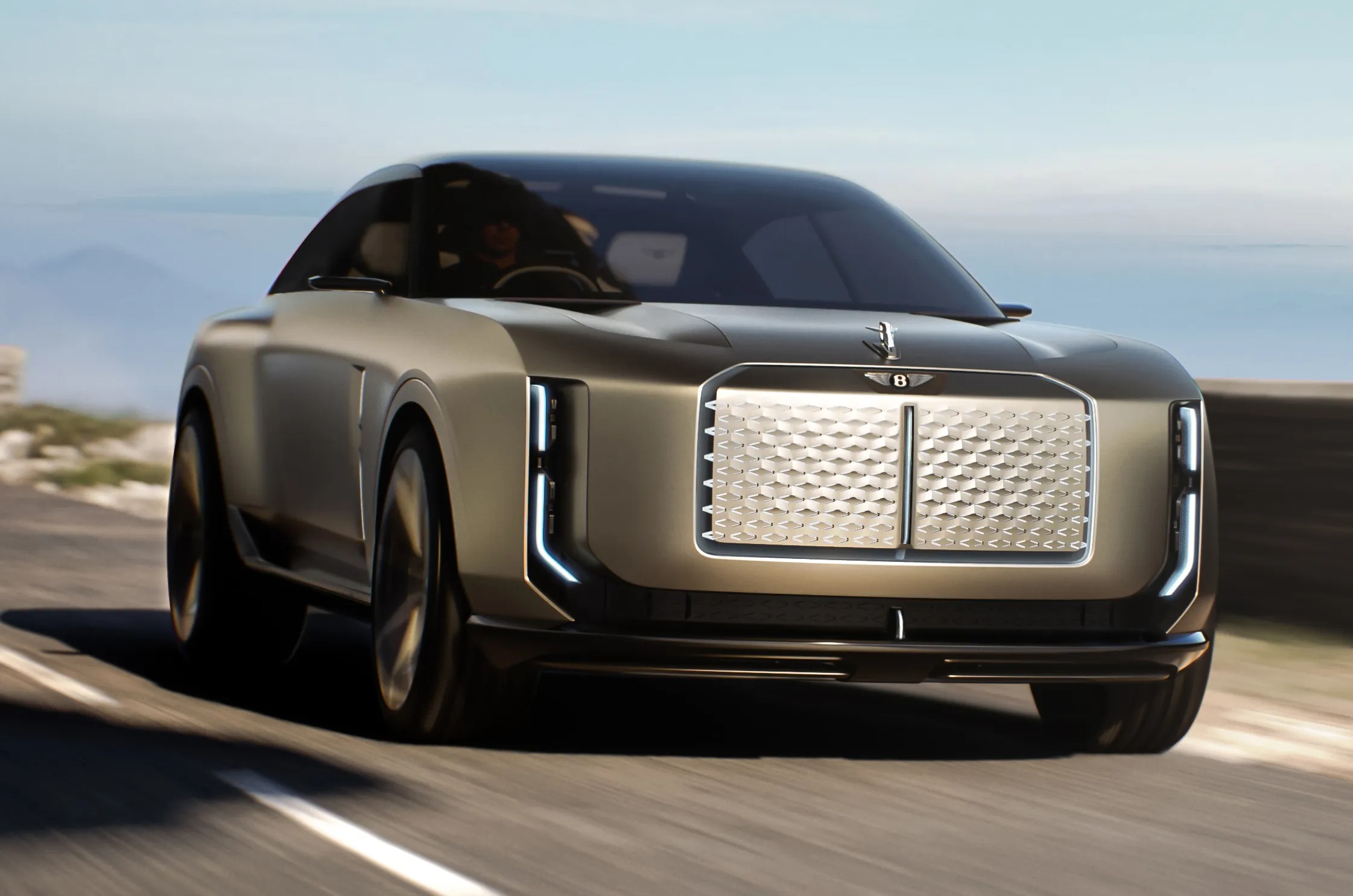
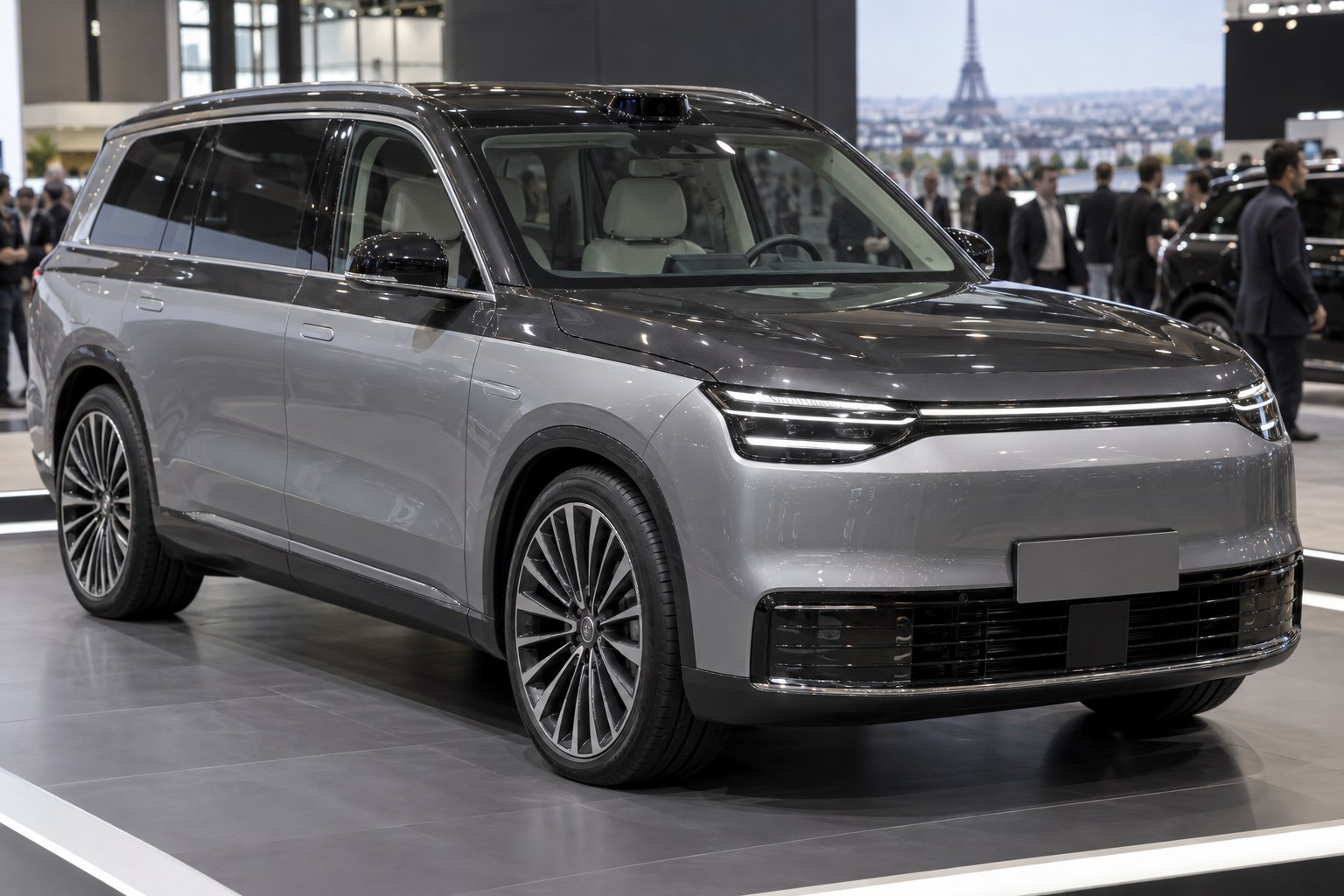
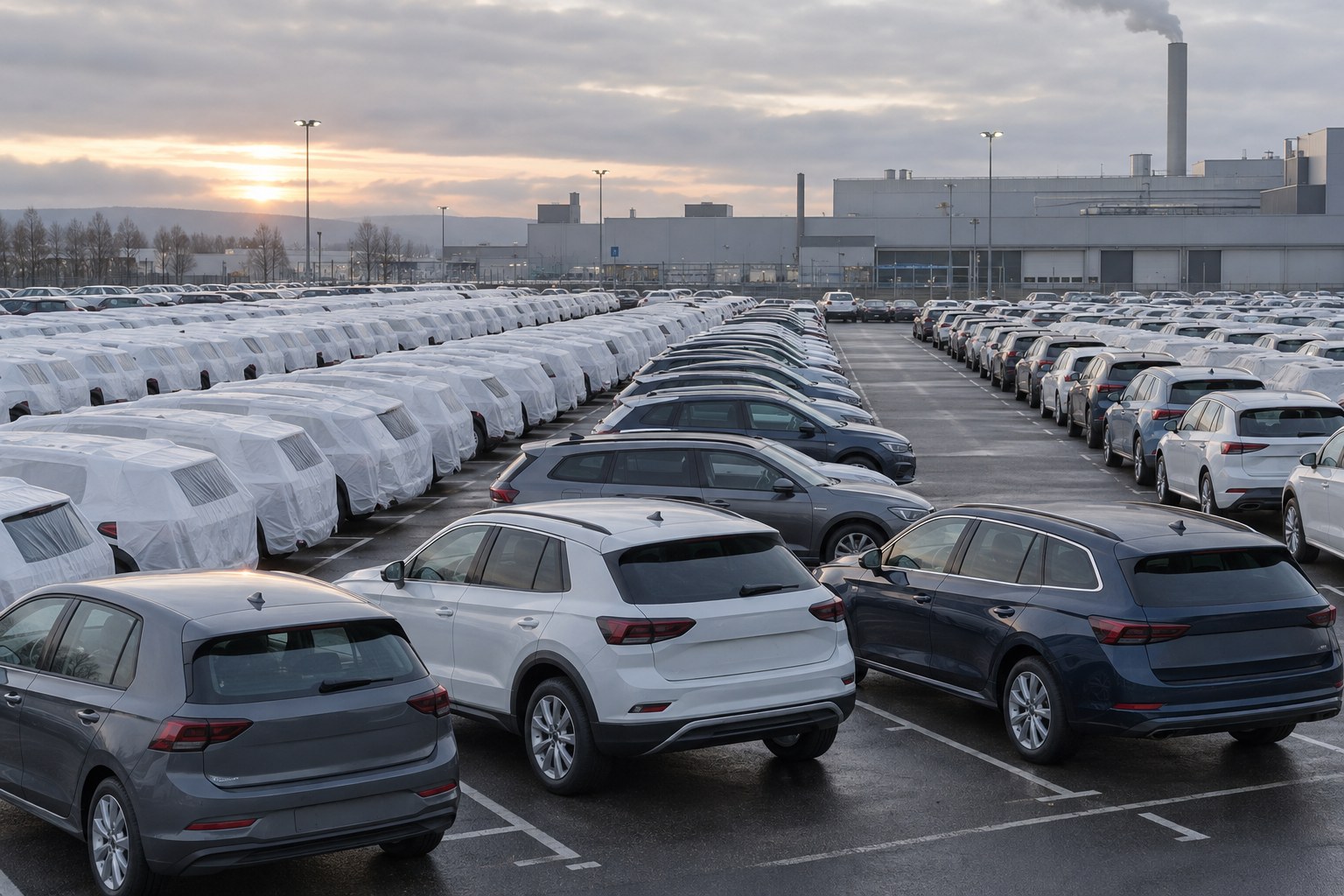
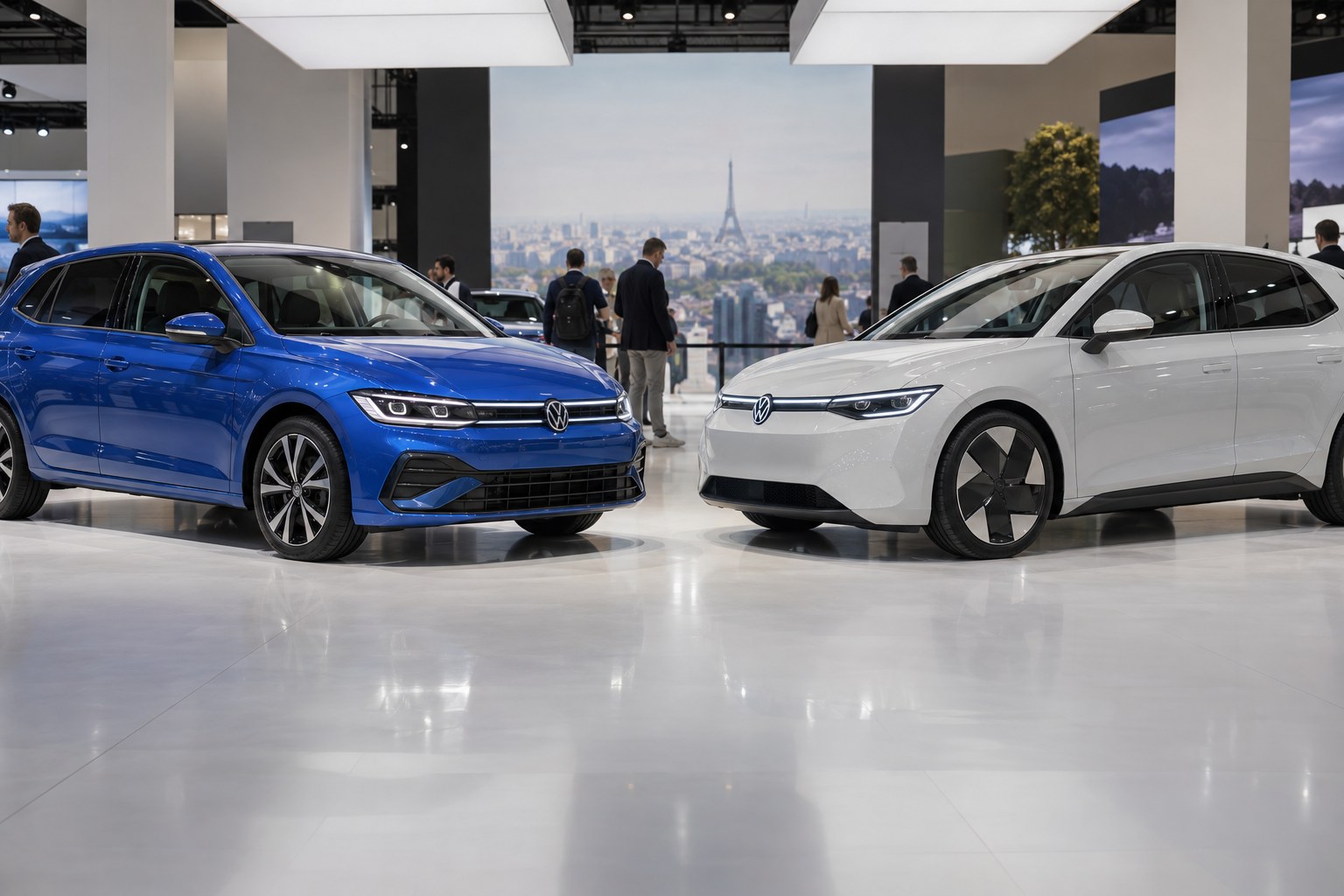
Illustrations for the article are generated based on descriptions of events and are not photos from a motor show or a factory.
We deliver with Nova Poshta all across Ukraine.