09.08.2026
105
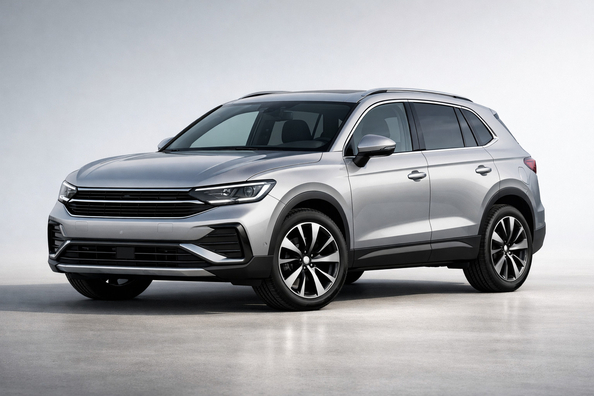
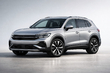
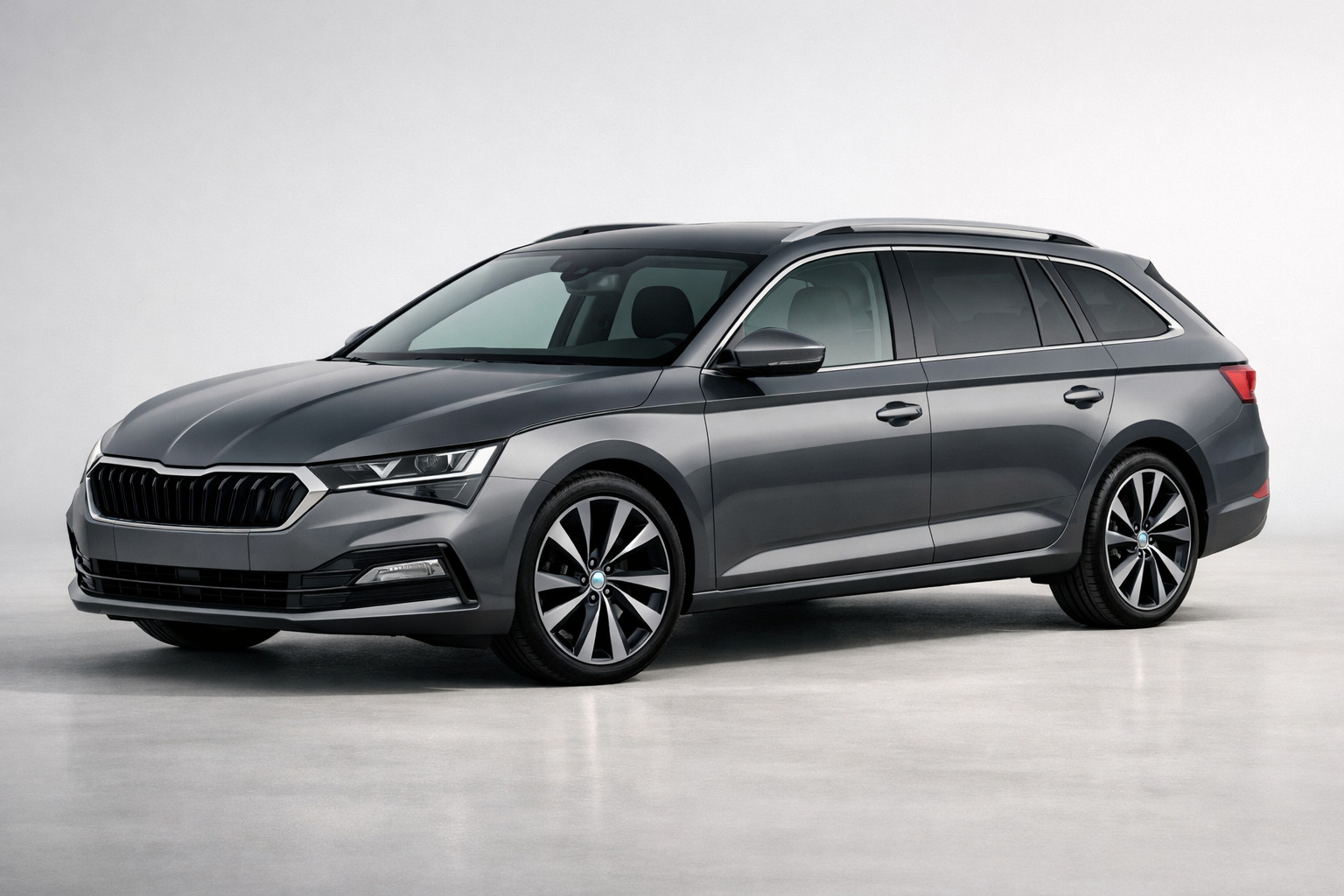
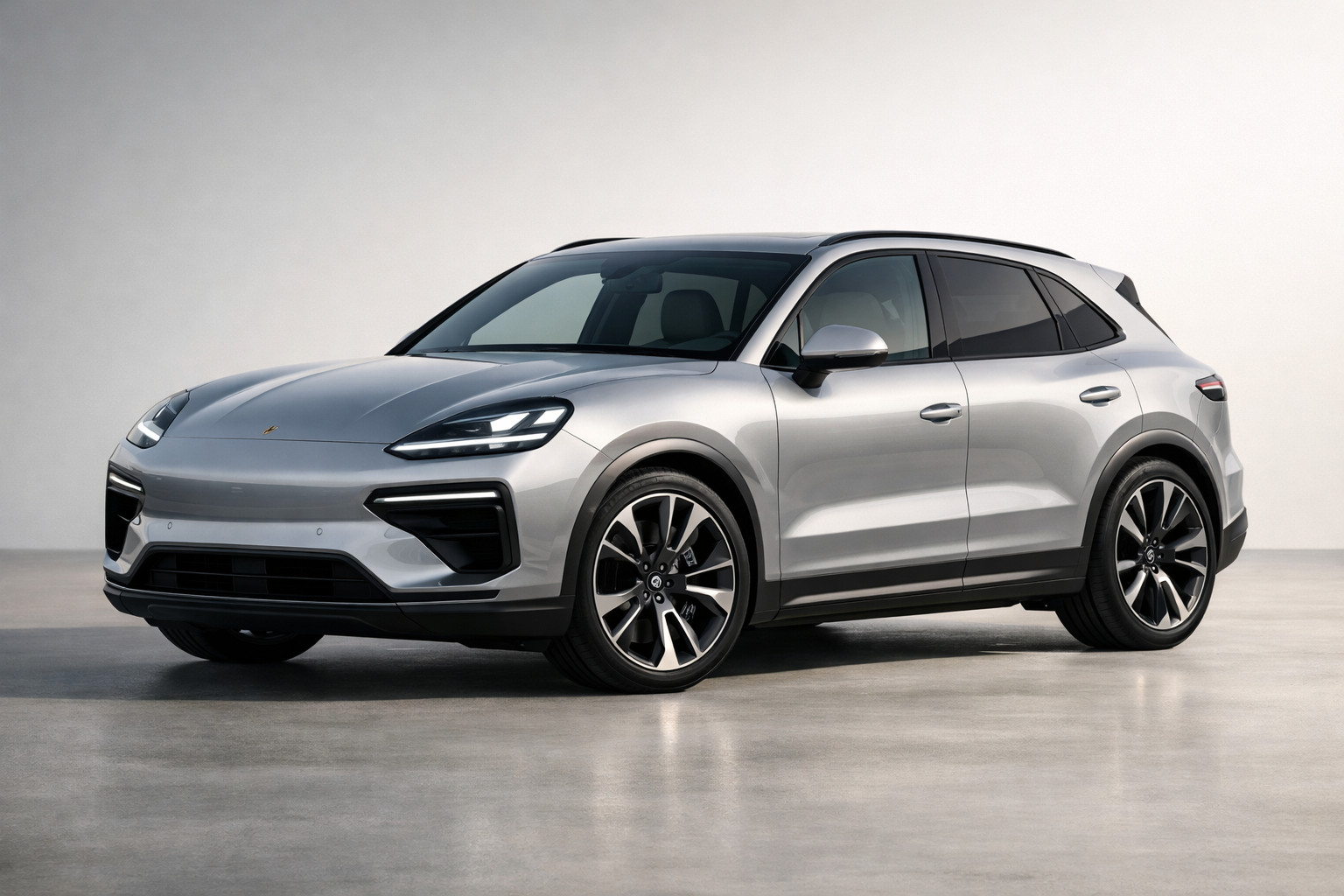
The 2025 Volkswagen Tiguan III is a family crossover for those who don’t need a flashy image, but want a comfortable driving position, a logical cabin layout, a proper trunk, and predictable day-to-day behavior. It doesn’t pretend to be an off-roader and it doesn’t play premium; instead, it tries to cover the main everyday tasks without unnecessary compromises.
The model’s strong side is a broad range of powertrains and a more mature setup than many classmates. The weak side is more complex electronics, a higher price in well-equipped trims, and a strong dependence on the exact configuration: Tiguan III should be judged not by the model name, but by the engine, drivetrain, and options list.
Tiguan III remains in the center of a very competitive segment. Its direct rivals are the Toyota RAV4, Hyundai Tucson, Kia Sportage, Nissan Qashqai in higher trims, and partly the Peugeot 3008. Against them, Volkswagen wins not with styling but with balance: good ergonomics, a well-judged chassis, neat sound insulation, and the feel of a more “tied-together” car.
Who it suits: a family with one or two kids, people who often drive on the highway, and drivers who want a crossover without nervous handling and without excessive decorative sportiness. Who it doesn’t: those looking for the absolute lowest running costs, true off-road capability, or a third row of seats.
The first-generation Tiguan came out in 2007 and stayed on the market until 2016. The second generation launched in 2016 and became much more popular thanks to a roomier cabin and a wider range of versions. The third generation was presented in 2023, and began reaching markets as a 2024–2025 model year vehicle.
An important nuance: depending on the country, the Tiguan lineup may differ. Europe typically gets a wide choice of gasoline, diesel, mild hybrid, and plug-in hybrid versions, while in other markets the engine lineup and equipment can be different.
The key advantage of Tiguan III isn’t a single “base” engine, but a full set of powertrains for different scenarios. For the city and relaxed highway driving, it makes sense to look at the 1.5-liter gasoline versions; for high mileage, the 2.0 diesel; and for those who do short daily trips with access to charging, plug-in hybrids make sense.
| Engine | Power | Transmission | Drivetrain | Practical comment |
|---|---|---|---|---|
| 1.5 eTSI | 130 hp | DSG | Front-wheel | The calmest option, more for the city and smooth highways |
| 1.5 eTSI | 150 hp | DSG | Front-wheel | The most versatile gasoline engine for everyday use |
| 2.0 TDI | 150 hp | DSG | Front-wheel | A rational choice for high mileage |
| 2.0 TDI | 193 hp | DSG | All-wheel | For highway use, carrying loads, and frequent long-distance routes |
| 2.0 TSI | 204 hp | DSG | All-wheel | A torquey gasoline option without excess |
| 2.0 TSI | 265 hp | DSG | All-wheel | For those who care about performance, but it’s more expensive to run |
| 1.5 eHybrid | 204 hp | DSG | Front-wheel | A good scenario for daily charging and short urban trips |
| 1.5 eHybrid | 272 hp | DSG | Front-wheel | A powerful plug-in hybrid—only makes sense if you actually use charging |
Most Tiguan III versions use a DSG dual-clutch transmission, but the exact type can vary depending on the powertrain. All-wheel drive isn’t available with every engine, so if you need better traction in winter or frequent trips on unpaved roads, it’s something to verify before choosing a trim.
The third Tiguan is built on the MQB evo platform. By feel, it has grown more mature: it smooths out small bumps more softly, holds a fast highway pace better, and is less prone to bobbing than many mass-market crossovers with soft suspensions. But it’s still an on-road vehicle, not a machine for serious off-roading.
| Parameter | Reference for Tiguan III |
|---|---|
| Generation production years | from 2024, current as a 2025 model year vehicle |
| Length | 4539 mm |
| Width | 1842 mm |
| Height | about 1639 mm |
| Wheelbase | 2680 mm |
| Ground clearance | depends on market, wheels, and suspension package; roughly 190–200 mm |
| Trunk capacity | up to 652 L in a five-seat configuration; depends on version |
In practical terms, it means one simple thing: parking in the city is still convenient, but the cabin and trunk already function like those of a full-fledged family crossover. If you need a car for a stroller, suitcases, and weekend gear, Tiguan III covers it without feeling cramped.
The third-generation interior has become more digital, but the core Volkswagen logic remains: a proper driving position, a good range of adjustments, a comfortable second row, and noticeably better space organization than in smaller crossovers. In pricier versions, the equipment is clearly richer, but this is also where it’s easy to overpay for options that don’t bring daily value.
On safety, Tiguan III is strong primarily thanks to its set of electronic assistants: adaptive cruise control, lane keeping, blind-spot monitoring, automatic braking, and 360-degree cameras are available depending on the trim. A useful tip is simple: if the car is bought for highway use, it’s better to invest in matrix lighting and driver assists rather than cosmetic trim packages.
In real life, Tiguan III shines best as an all-rounder for everyday driving. It’s easy to get in and out of, doesn’t tire you on long distances, and doesn’t require relearning after a sedan or hatchback. For city life, the 1.5 eTSI is the easiest to live with; for constant highway mileage, the 2.0 TDI is more logical; and the plug-in hybrid only makes sense where there’s discipline with charging.
The weak point of the everyday scenario is the complexity of choosing. It’s one thing to buy a Tiguan, and another not to miss the mark with the engine, drivetrain, seats, lighting, and driver-assistance package. On the used market this will matter too: cars with the same name can differ greatly in character and costs.
| Pros | Cons |
|---|---|
| Balanced chassis and predictable handling | Well-equipped trims get expensive quickly |
| Wide choice of engines for different scenarios | Harder to navigate versions and packages |
| Practical trunk and a proper second row | Not suitable for serious off-roading |
| Good ergonomics and a comfortable driving position | More electronics means more potential questions outside warranty |
| All-wheel drive is available in the stronger versions | Not all the most interesting engines are available in every market |
From an owner’s perspective, Tiguan III’s main advantage is that it doesn’t irritate you in the small things. The main drawback is that it requires careful selection before purchase. If you pick the “wrong” version, you can either overpay or end up with a crossover that doesn’t match your real needs.
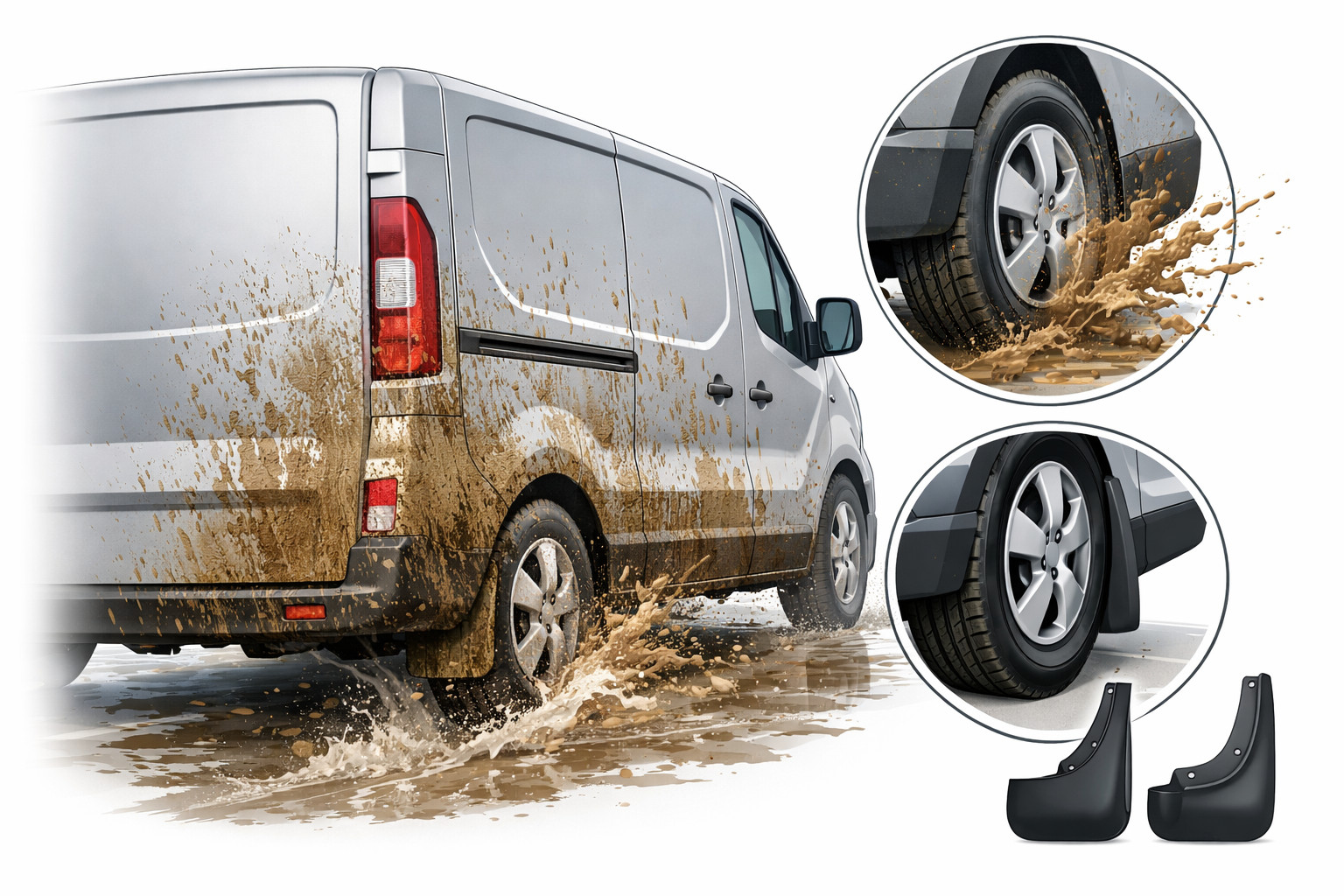
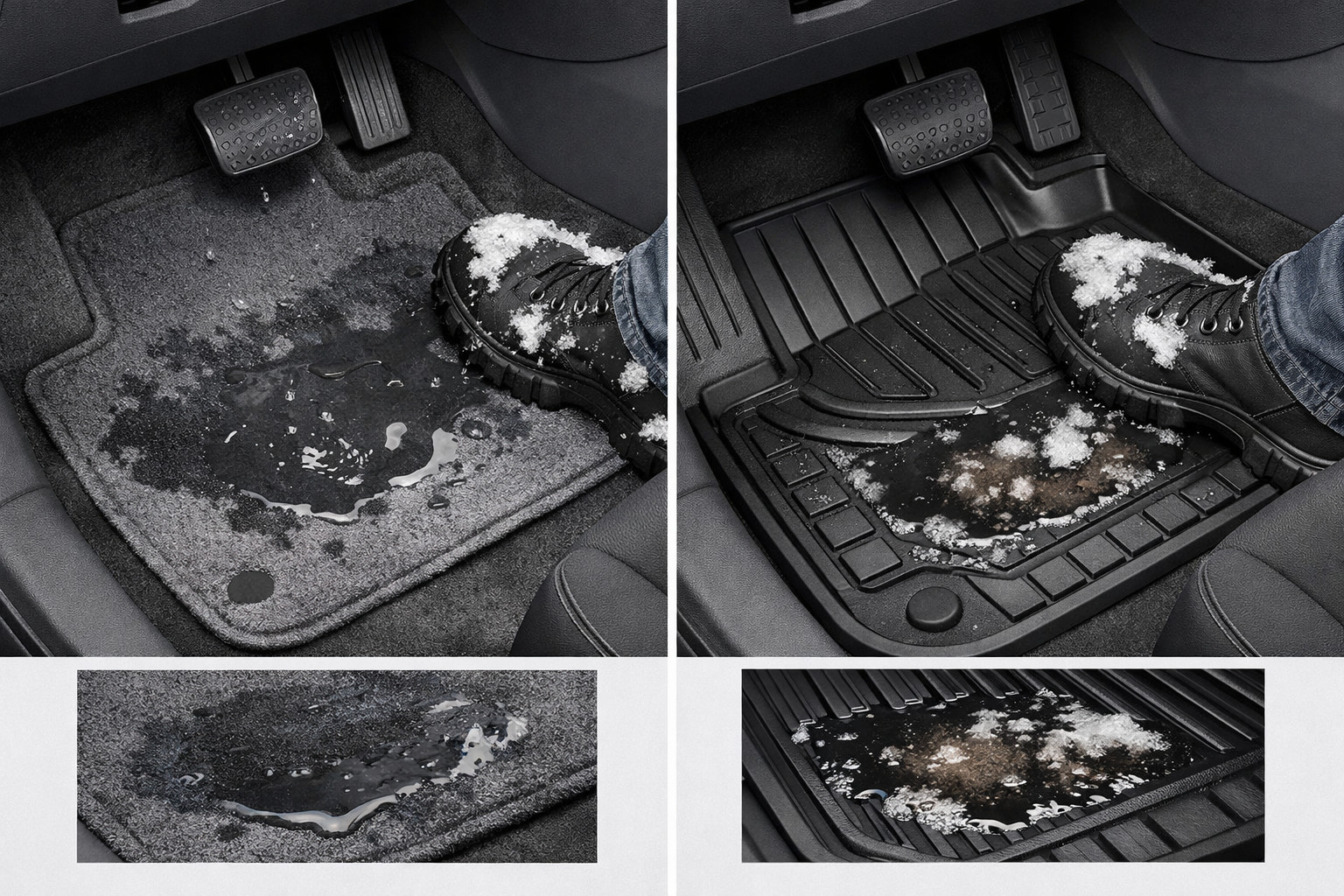
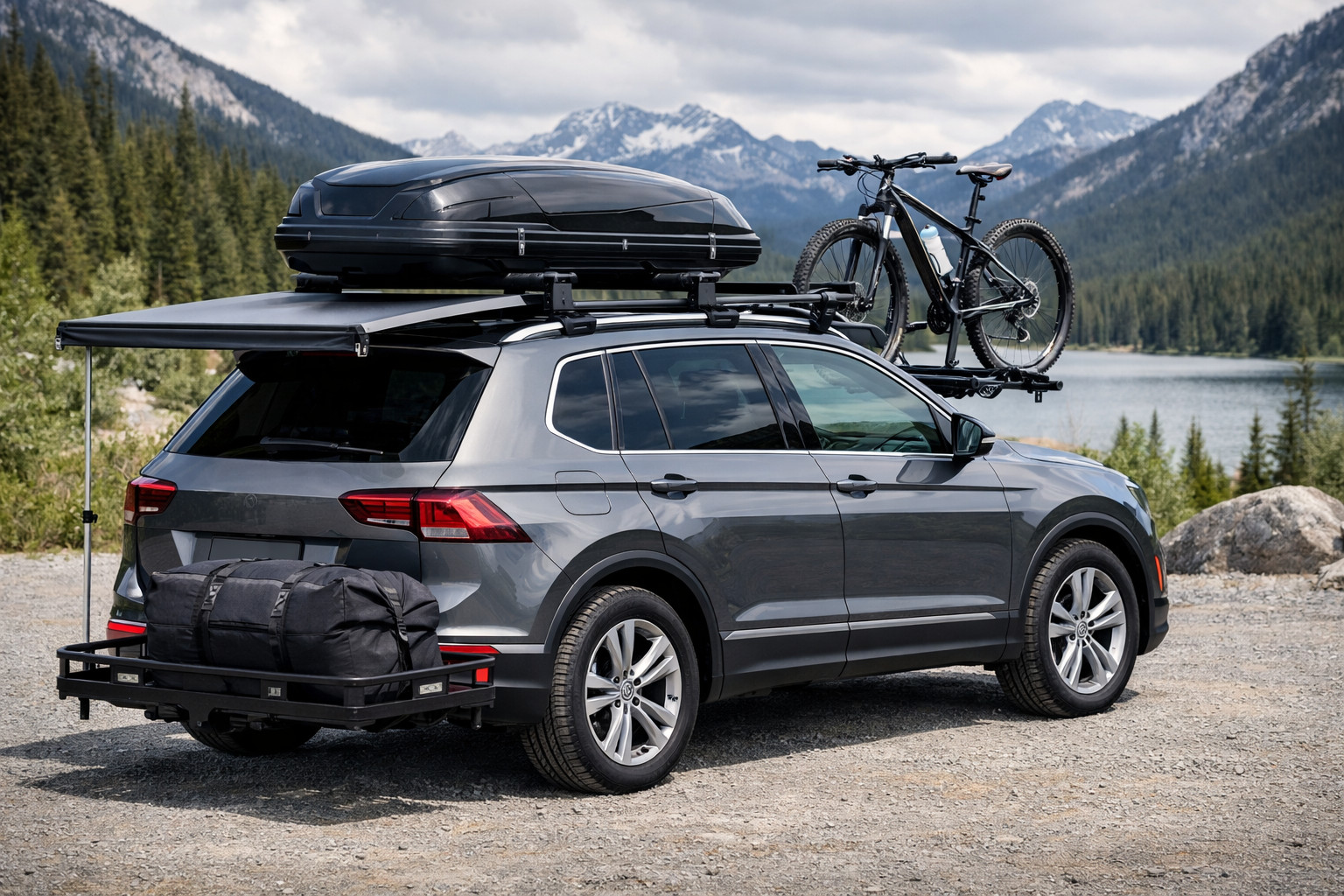
For Tiguan III, what makes the most sense isn’t decorative pieces but protection for the interior and trunk, plus solutions for carrying gear. Before ordering accessories, it’s worth double-checking the generation in the Tiguan III review, because in the Tiguan catalog on the site the main assortment is currently tied to the 2016–2023 body, and compatibility with the third generation needs to be verified separately.
In short, Tiguan accessories should extend the logic of the car itself: not to decorate, but to simplify daily use. That’s why the first things to look at are mats, trunk protection, mud flaps, and roof carrying systems—not chrome trinkets.
The 2025 Volkswagen Tiguan III is a crossover for those who need a composed, practical, and technologically up-to-date vehicle without showy sportiness. It fits best for a family, daily city routes, highway driving, and mixed use; least of all for those looking for cheap basic transportation or a replacement for a true off-roader.
Success here depends not on the Tiguan name itself, but on the right configuration. This material is based on real selection experience, practice, and real-world use cases: if you clearly understand your tasks, Tiguan III truly looks like one of the most sensible crossovers in its class.
| ✔ | The chassis is tuned in a balanced way: the crossover handles predictably and doesn’t pitch on the highway, so it feels calm and composed in everyday driving. |
| ✔ | There is a wide choice of engines for different scenarios — from gasoline versions for the city to diesels for high-mileage driving and plug-in hybrids for those who actually charge the car. |
| ✔ | The cabin is convenient in everyday use: a normal seating position, a good range of adjustments, and a practical second row without feeling cramped. |
| ✔ | The trunk is genuinely family-sized, so a stroller, suitcases, and weekend bags fit in without any trouble. |
| ✔ | There is a useful set of safety systems and assistants, including adaptive cruise control, lane keeping assist, blind spot monitoring, and automatic braking. |
| ✘ | Well-equipped versions get expensive quickly, and the extra cost often goes into things you do not really feel in everyday use. |
| ✘ | It is not easy to figure out the engines, drivetrain, seats, and option packages, so there is a risk of choosing a version that does not suit your needs. |
| ✘ | This is not an option for serious off-road driving: Tiguan III is geared toward asphalt and light dirt roads. |
| ✘ | There is more electronics now, which potentially means more issues and more risks once the warranty is over. |
Shipping to EU
Wholesale and retail
Own warehouse
Опис продукту
Подарунки не надаються при оформленні покупки у кредит під 0,01% або при покупці частинами.