08.06.2026
343
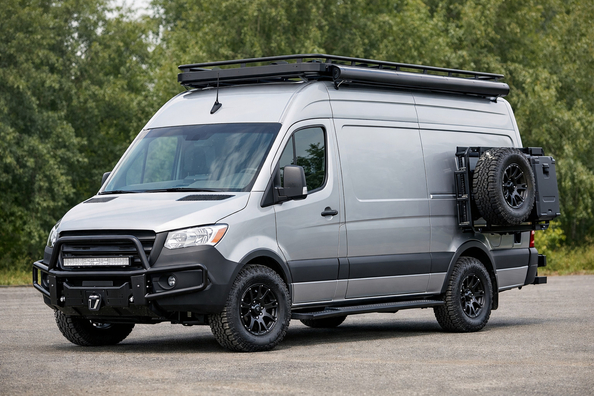

This upgrade plan is for those who bought a Mercedes Sprinter W907/W910 for delivery, a service crew, installation work, or tool transport and want to quickly turn an empty van into a proper work vehicle. The point here isn’t decorative stuff, but the safety of people and cargo, quick access to tools, and less daily mess.
Priorities depend on the body type, roof height, wheelbase length, and real payload. For a courier, the partition, floor, and camera matter most; for service teams, shelving becomes necessary early; and a roof rack only makes sense if you truly carry ladders, pipes, or other long items.
For a business Sprinter, the right upgrade should cover four tasks: separate the cab from the cargo area, protect the body from rapid wear, organize items so you don’t have to search for them around the van, and reduce the risk of minor accidents and theft. If even one of these areas is weak, the van starts costing you time every day.
That’s why the first investments should work for function. When the vehicle carries boxes, tools, or consumables, the biggest budget drain isn’t the lack of chrome or side steps, but a damaged floor, unsecured cargo, difficult access to items, and constant worry about the side and rear doors.
Not everyone touches the suspension at this stage. If the vehicle hasn’t shown sagging, excessive lean, or constant operation near the maximum permitted weight, it’s not a first purchase.
| Upgrade | Why it’s needed | Who truly benefits |
|---|---|---|
| Partition | Holds cargo back during hard braking, separates the cab, makes the interior more work-focused and predictable | Pretty much anyone using a van for business |
| Floor and wall protection | Takes impacts, dirt, and abrasion, keeping the body in working condition | Any Sprinter that carries boxes, tools, containers, or loose dirt |
| Floor-mounted shelving and drawers | Speeds up work, reduces chaos, gives tools a permanent place | Installers, service crews, mobile workshops |
| Additional locks | Reduces the risk of quick access through side and rear doors | Those who leave expensive tools or goods in the vehicle |
| Rear-view camera and dash cam | Make maneuvers and dispute situations easier, especially in tight courtyards | Couriers, urban delivery, crews with multiple drivers |
| Suspension | Makes sense when the vehicle is genuinely heavy in daily use, sags, or feels unstable when loaded | Those who constantly drive with serious weight, not “just in case” |
| Roof rack | Frees up interior space for long items and ladders, but requires strict load discipline | Those who carry long materials daily and don’t want to fill the cargo area with them |
DD Tuning expert comment: The most common mistake with a Sprinter is starting with suspension, side steps, or exterior decor and only then thinking about how to secure cargo and where tools will live. The second typical mistake is building shelves with self-tapping screws “wherever they land”: for a work van it’s safer when modules are supported by the floor and the mounting is done properly, not as a quick hack. If your use case hasn’t stabilized yet, give the vehicle at least a week of real work before the second wave of spending.
The second stage starts when the van has already worked and it’s clear what annoys you every day. For some it’s small tools with no place, for others it’s a lack of proper tie-down points, for others it’s a long-item problem. After the first month, it becomes clear whether you need deeper shelving, separate drawers, additional cargo-area lighting, or a space redistribution inside.
If you’re planning heavy modules, follow the body logic: floor-based solutions are better than hanging ones, because the load should be transferred downward, not into the side panel. If a roof solution becomes necessary, consider the roof type: for a high roof the permissible load is lower than for a standard roof, and this kind of upgrade already requires strict discipline on weight and load distribution.
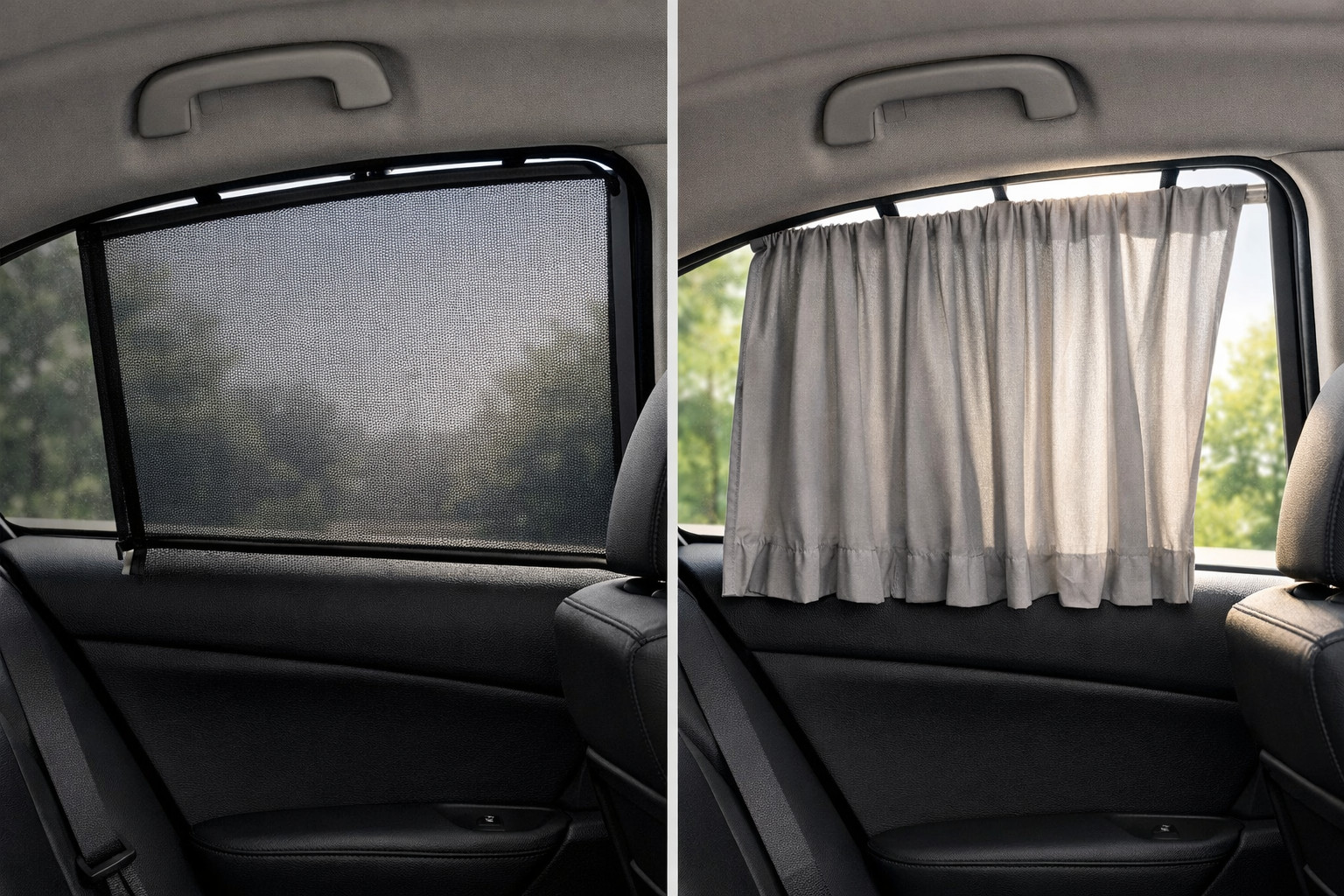
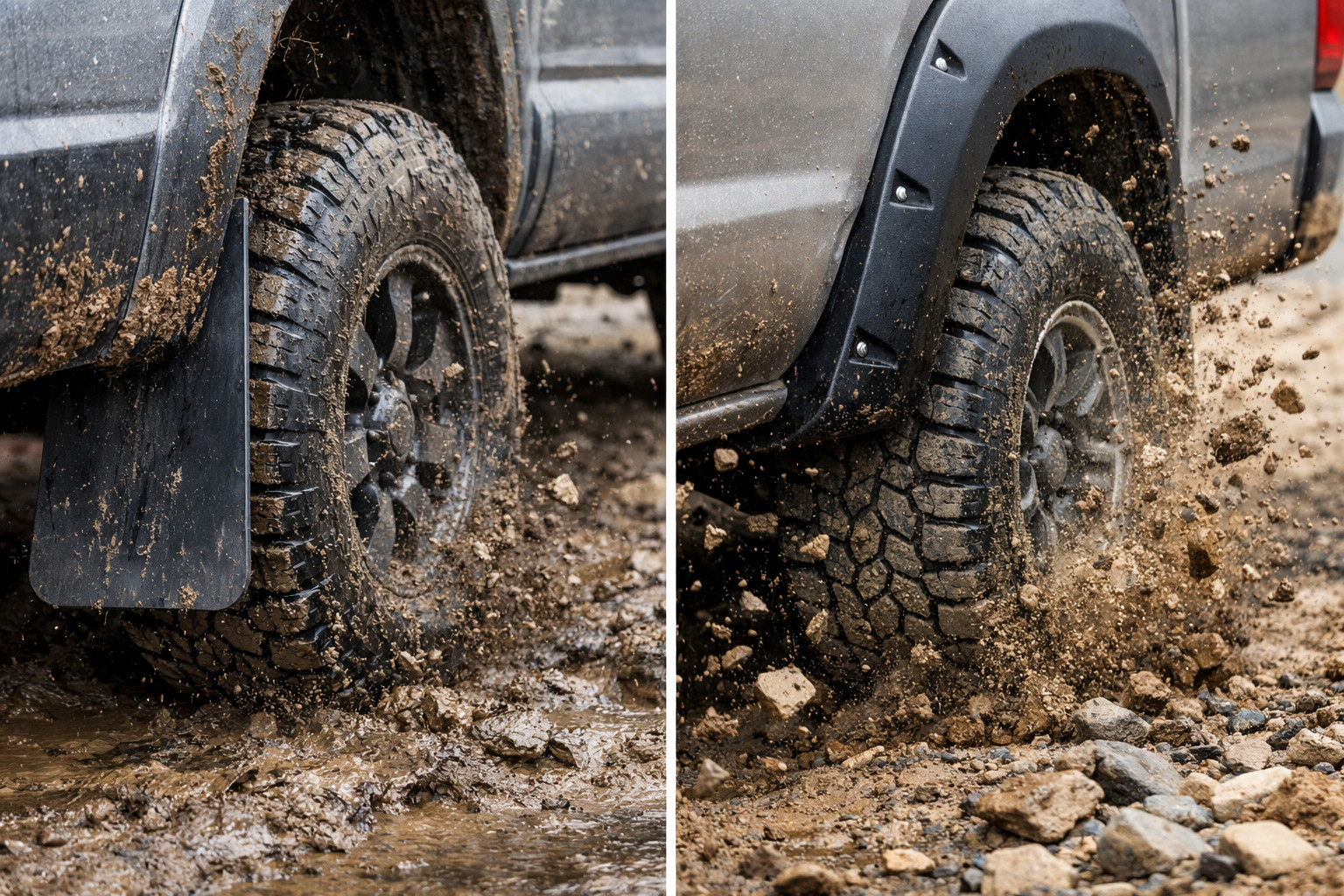
This group includes floor mats, seat covers, wind deflectors, sun visors, side steps, and most decorative trims. Some of these have practical value: mats are easier to wash after a workday, covers protect seats, deflectors are convenient with frequent stops in the rain. But none of these items solves the core business task better than a partition, a protected floor, or proper cargo organization.
Side steps are a separate story. They can be useful if the crew often climbs into a high van or needs to access a roof rack. But for typical box delivery, this isn’t a first-line expense—it’s more of an option tied to a specific usage habit.
Most often, people waste money on an expensive suspension without any real symptoms. If the Sprinter hasn’t sagged, isn’t leaning to one side, and isn’t constantly driven heavily loaded, this upgrade can simply eat the budget you need for cargo safety.
The second type of unnecessary expense is a roof rack “just in case.” If long items show up once a month, you carry extra weight, noise, and added height every day. The third mistake is nice body kits and trims before the floor is protected and the lock issue is solved. The fourth is DIY shelves screwed haphazardly into the side walls: they look cheap not because they’re simple, but because they’re unsafe.
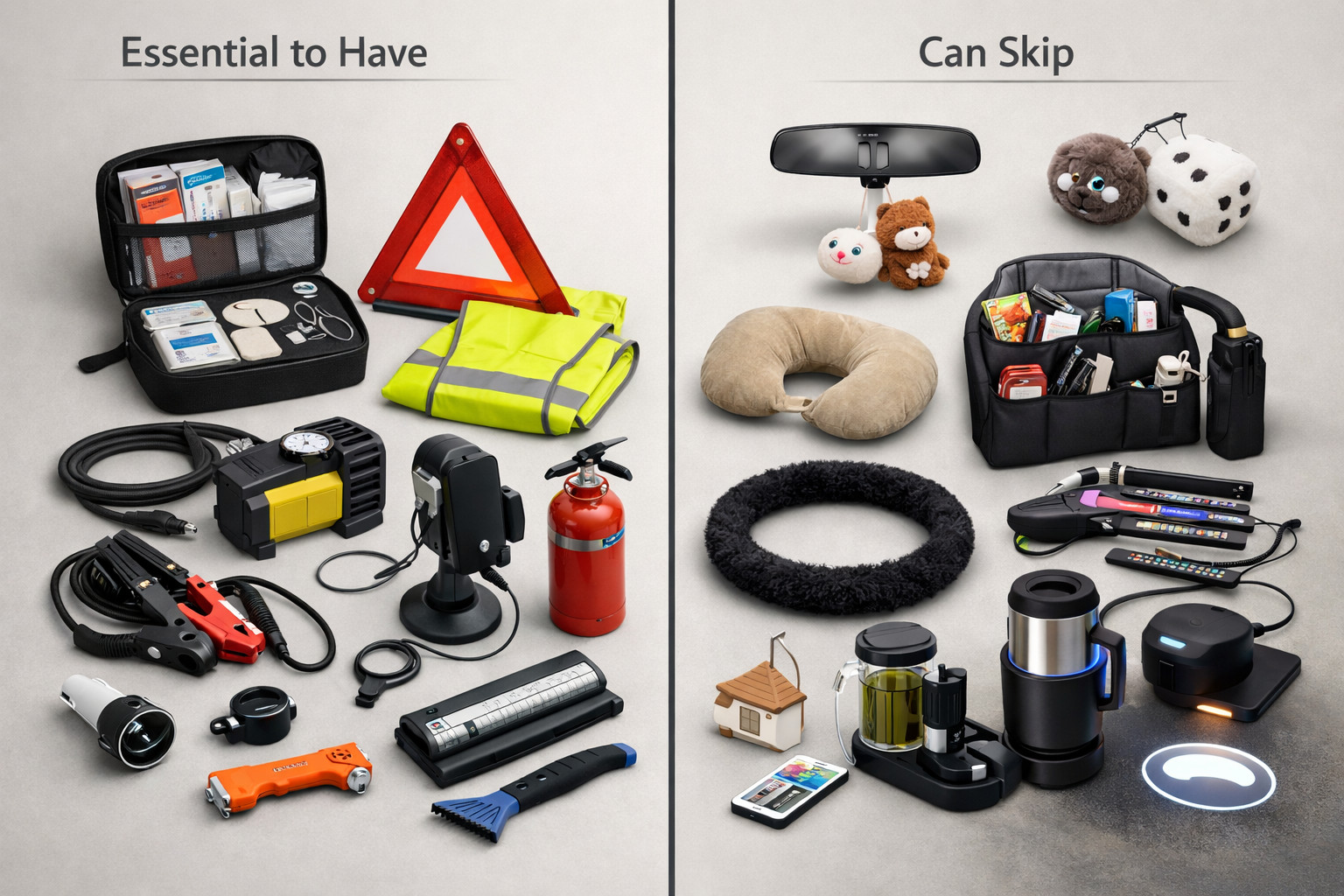
| What to install first | What can be postponed | What isn’t required |
|---|---|---|
| Partition | Side steps | Chrome trim |
| Floor and wall protection | Seat covers and deflectors | Body kits for looks |
| Additional locks | Roof rack, if long items aren’t constant | Spoiler |
| Rear-view camera and dash cam | Suspension without clear sagging or lean | Decorative moldings |
| Floor-mounted shelving and drawers for a service scenario | Driver cabin refinements | Any expensive decor before work tasks are solved |
If you want to cross-check the full picture for the model, start with the page upgrades for Mercedes Sprinter W907/W910, but choose expensive items only for a clearly defined task. For business, they pay back not with looks, but by reducing unnecessary movement or genuinely expanding the van’s functionality.
Roof racks make sense if you carry ladders, profiles, pipes, or other long items every day that eat up space in the cargo area. Here you need to consider the roof type, permissible load, and avoid installing such a solution simply “to have it.”
Side steps are justified when the crew often deals with a high step-in height or needs constant access to roof cargo. If the vehicle works as a standard delivery van, you can safely postpone this without hurting the business.
From a customer’s experience: one typical scenario is buying a Sprinter for a service crew and initially wanting to invest in the suspension and roof. After the first week of work, it turned out the real problem wasn’t the chassis, but tool chaos, the lack of a partition, and weak theft protection. After installing a partition, floor protection, floor drawers, and locks, the vehicle became faster in daily work, and the expensive upgrades were postponed without regret.
For a Mercedes Sprinter W907/W910 bought for business, the best start is almost always the same: a partition, floor and wall protection, floor-based tool organization, theft protection, a camera, and a dash cam. Suspension, roof solutions, and exterior accessories should appear only after the vehicle shows a real need—not by inertia right after purchase.
This spending order filters out marketing junk and gives the van what truly works every day. The material is based on real selection experience, hands-on practice, and real use cases of working Sprinters—where it’s not pretty photos that matter, but convenience, safety, and speed of work.
| ✔ | A bulkhead between the cab and the cargo area immediately improves safety: the load won’t fly into the cabin during hard braking, and the cab is separated from the work area. |
| ✔ | Floor and wall protection helps keep the body in working condition if the vehicle carries boxes, tools, containers, or dirt. It is more practical than repairing a damaged floor later. |
| ✔ | Racks, boxes, and floor-mounted shelves greatly simplify the daily work of service crews and installers. Tools have a fixed place, so less time is spent searching and clearing out the cabin. |
| ✔ | Additional locks make perfect sense if the van carries expensive tools or goods. They reduce the risk of quick access to the side and rear doors. |
| ✔ | A rearview camera and dash cam are useful for city driving, especially in tight courtyards and on busy streets. They make maneuvering easier and help in disputed situations. |
| ✘ | An expensive suspension without obvious sagging or overloading can become an unnecessary expense. The article directly advises not to install it first if the vehicle has not shown a real need yet. |
| ✘ | A roof rack makes no sense if long items are rarely carried. In that case, it only adds extra weight, noise, and height every day. |
| ✘ | Side steps are not a priority purchase for ordinary box deliveries. They are appropriate only in specific scenarios — when the crew often climbs into a high van or works with the roof. |
| ✘ | Homemade shelves, carelessly screwed to the side walls, can be dangerous. The article emphasizes that for a work van, it is better when the modules rest on the floor and are properly secured. |
Shipping to EU
Wholesale and retail
Own warehouse
Опис продукту
Подарунки не надаються при оформленні покупки у кредит під 0,01% або при покупці частинами.