16.05.2026
372
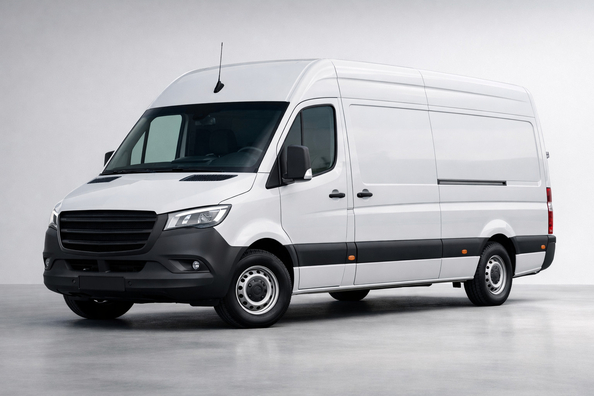
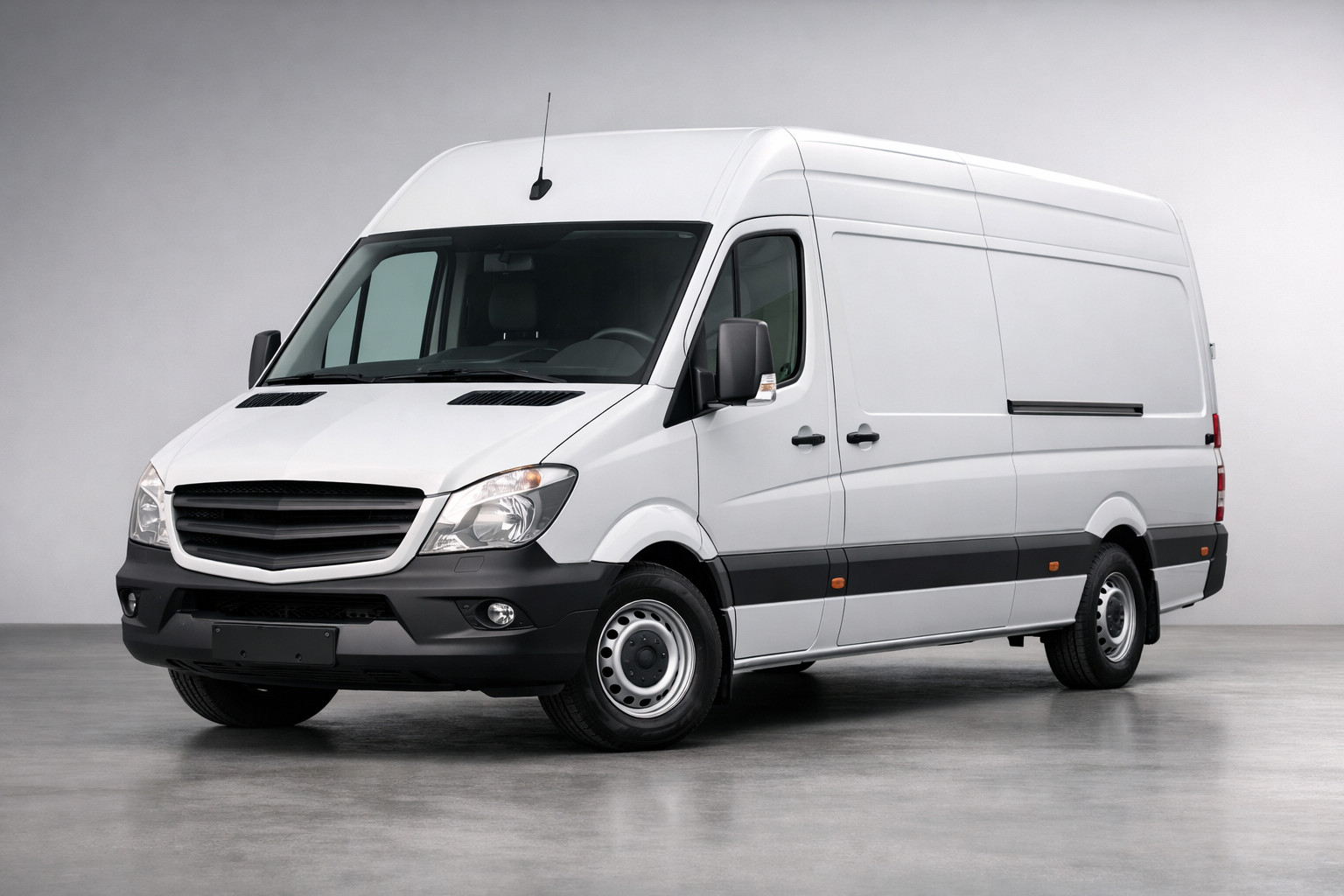
The Mercedes-Benz Sprinter W907/W910 from 2018 onward is not just a big van, but a full working platform for delivery, service work, passenger transport, and conversions. Under one name, there are many different vehicles: short and long wheelbases, different roof heights, cargo and passenger versions, chassis for upfitting, and variants with front-, rear-, and all-wheel drive.
For business, it’s a powerful tool—if the configuration is chosen correctly. But the Sprinter isn’t for those looking for the cheapest entry into the segment or the simplest, electronics-free hardware: the model is expensive, and a mistake with body length, gross weight, or engine costs more here than it does with smaller vans.
The Sprinter W907/W910 sits at the top end of the large commercial van segment. It’s chosen not only for cargo volume, but also for its range of configurations: from a standard cargo van to a chassis for a refrigerated box, a mobile workshop, or a camper. That’s why the model is often selected by companies that don’t need an abstract “van,” but a specific work tool for a specific job.
Who it suits: courier and service fleets, installers, intercity transport, companies doing their own conversions. Who it doesn’t: those working only in tight city environments, who don’t use large volume, and want to minimize the initial budget and running costs.
W907/W910 is the third-generation Sprinter, launched for the 2018/2019 model year. It replaced the W906 generation and became noticeably more modern in electronics, safety, and drivetrain variety. With this generation, the Sprinter moved even further toward being a professional business tool rather than simply a big van.
The key difference is the breadth of the lineup. The family includes cargo vans, versions with a second row of seats, passenger models, chassis, crew-cab chassis, and various bodies. So when choosing, it’s important to look not only at the year, but also at the architecture of the specific vehicle: wheelbase, roof, body type, gross weight, and drivetrain critically affect real-world practicality.
With Sprinter engines, you should immediately separate markets and model years. In publicly confirmed specifications for the North American 2019 launch, there was a 2.0-liter turbo gasoline engine with 188 hp and a 3.0-liter V6 turbo diesel also rated at 188 hp. In current European versions, the core offering is three diesel engines, but the exact power figures in public descriptions depend on the market, gross weight, and variant—so it’s best to verify them by the specific VIN or configuration.
| Version | Engine | Power and torque | Transmission | What it means in practice |
|---|---|---|---|---|
| 2019 launch for North America | 2.0 L turbo gasoline | 188 hp, 350 N·m | 9-speed automatic 9G-TRONIC | A good fit where smoothness matters and the van works without heavy loads. |
| 2019 launch for North America | 3.0 L V6 turbo diesel | 188 hp, 441 N·m | 7-speed automatic 7G-TRONIC Plus | A better choice for weight, towing, and long routes. |
| European versions from 2018 | Diesel engines, 3 options | Exact hp depends on market and variant | Depending on the modification, including automatic gearboxes | Before buying, it’s important to check not the model name, but the exact specification. |
In everyday use, what matters more than peak power is whether the engine matches the job. For an empty city van, lower-output versions can be acceptable, but under full load and on the highway they’re most often described as sluggish—one of the typical complaints about the model.
The Sprinter’s strong point is body math. Overall length depending on version is 5930, 6970, or 7370 mm; body height is 2331 mm with the standard H1 roof or 2646 mm with the high H2 roof. For cargo work, the compartment figures matter: length up to 4810 mm, width 1788 mm, height up to 2009 mm, and maximum cargo volume up to 15.1 m³. For a commercial vehicle, that’s the practical “trunk” volume that counts.
The chassis and drivetrain are flexible too: depending on version, front-, rear-, and all-wheel drive are available. AWD variants are useful not for off-roading for fun, but for slippery ramps, construction sites, winter routes, and rougher roads. Exact ground clearance in millimeters isn’t detailed in most public specifications, but increased clearance is stated for AWD.
| Technical specification | Data |
|---|---|
| Generation | Third, W907/W910, from the 2018/2019 model year |
| Body types | Cargo van, second-row version, passenger van, chassis, crew-cab chassis |
| Body length | 5930 / 6970 / 7370 mm |
| Body height | 2331 mm H1 or 2646 mm H2 |
| Cargo compartment length | Up to 4810 mm |
| Cargo compartment width | 1788 mm |
| Cargo compartment height | Up to 2009 mm |
| Maximum cargo volume | Up to 15.1 m³; in the second-row version—up to 10.5 m³ |
| Maximum payload | Up to 2479 kg in the current UK specification; up to 3056 kg in some 2019 North American cargo versions |
| Towing capacity | Up to 3500 kg |
| Drivetrain | Front, rear, or all-wheel drive depending on variant |
| Ground clearance | Exact value depends on version; higher on AWD variants |
| Fuel tank | 83.3 L gasoline version; 92.8 L diesel |
Inside, the Sprinter feels closer to a modern passenger Mercedes than older utilitarian vans. You get proper long-haul ergonomics, a wide walk-through area, digital services, and the MBUX multimedia system in later and better-equipped versions. For a driver spending half a day in the van, that’s not a small detail—it directly affects fatigue and work speed.
Safety is also a strong point, especially in current versions: active braking with cross-traffic monitoring, lane keeping, intelligent speed assistance, a rear-view camera, and crosswind stabilization. Current versions already have a five-star Euro NCAP rating. There’s a nuance, though: equipment varies greatly by year and trim, so for a used vehicle you need to check the list of driver aids separately.
In terms of fuel consumption, the Sprinter doesn’t look overly heavy for the class: current diesel specifications quote a WLTP range of 8.3–12.7 L/100 km. Service intervals are business-friendly too: up to 32187 km for diesel and up to 24140 km for the gasoline version. For route work, service fleets, or intercity driving, that’s a plus because the vehicle spends less time off the road between services.
In real life, the scenario decides everything. For highway transport, installation teams, transfers, and conversions, the Sprinter is a very accurate fit. For daily work in old city centers, underground parking, and tight courtyards, long and tall versions already demand discipline. If you’re looking at a used van, it’s essential to check service campaigns, the condition of the electronics, the instrument cluster, seat wiring, and passive safety components.
The Sprinter’s strengths show when the vehicle is used as intended: carrying weight, taking volume, towing a trailer, or serving as a base for an upfit. Weaknesses show when it’s bought for the badge rather than a precise calculation of configuration and budget.
| Pros from an owner’s perspective | Cons from an owner’s perspective |
|---|---|
| Huge choice of bodies, lengths, and heights—you can build a vehicle for a specific job | Easy to pick the wrong configuration and overpay for extra size or payload you don’t need |
| Large usable volume, high payload, and towing up to 3500 kg | Long and tall versions are less convenient in tight cities and challenging parking |
| Modern cab and driver-assist suite reduce fatigue in daily work | More electronics—more checkpoints when buying used |
| Efficient diesels for the class and good driving range | Lower-output versions can feel sluggish under load |
| A strong base for conversions: workshop, passenger shuttle, refrigerated body, camper | High price in the segment, and not everyone feels the perceived quality matches the money |
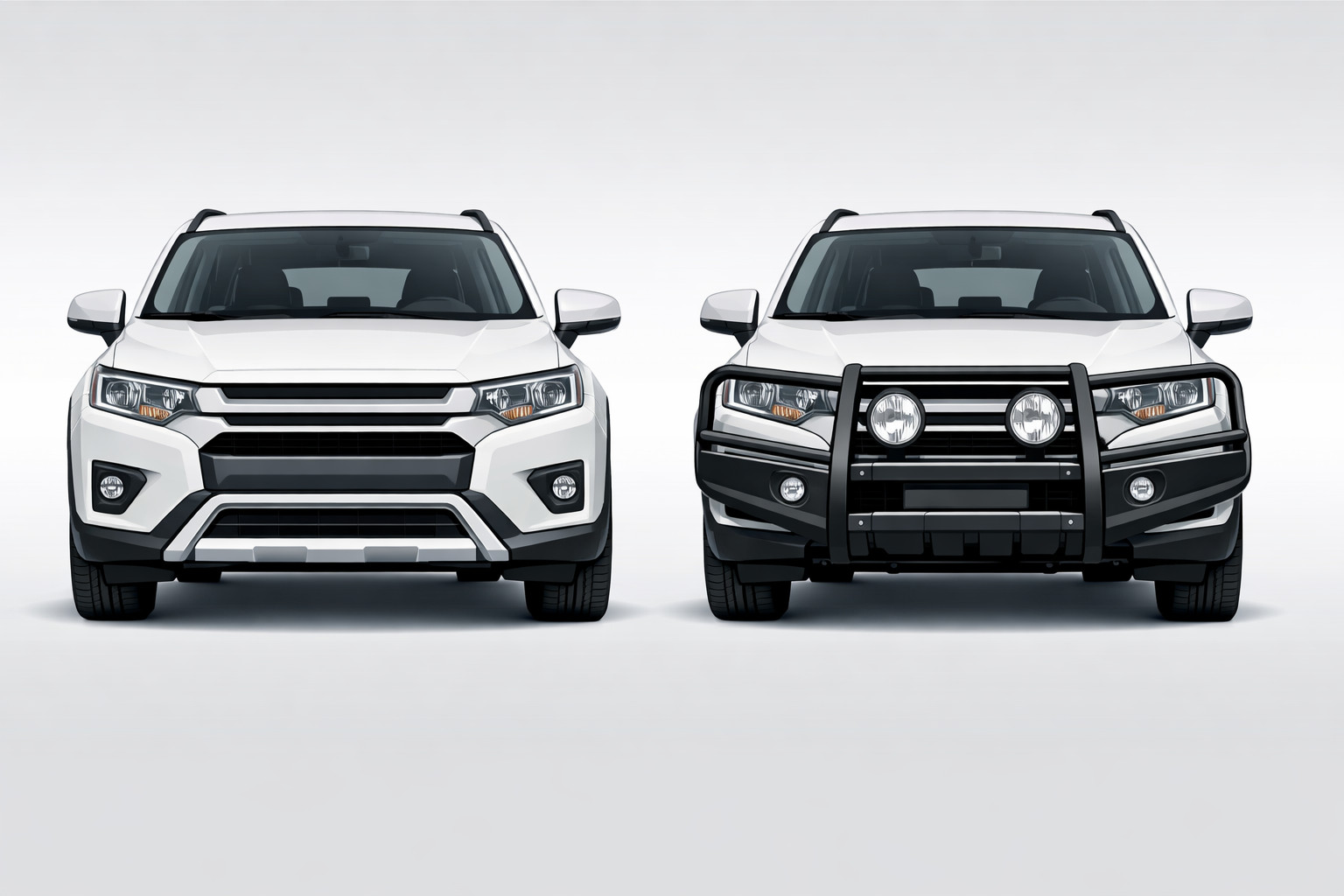
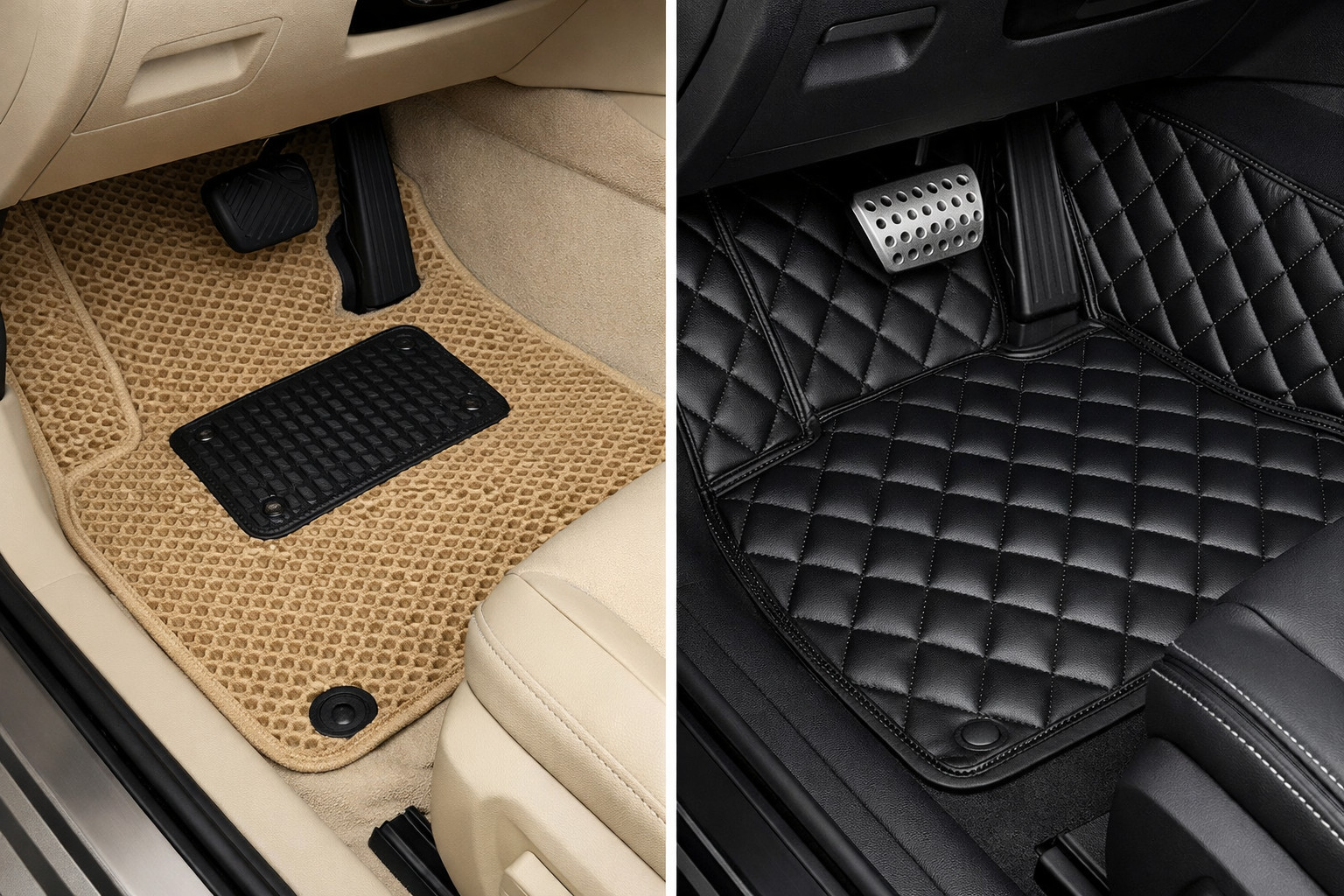
For the Sprinter, tuning makes sense when it solves a work task. With a model like this, the first priorities aren’t decorative items, but things that protect the interior, add roof functionality, or simplify day-to-day operation. This is especially noticeable on vehicles that carry tools, drive in dirt, or work with constant boarding and unloading.
The Mercedes Sprinter W907/W910 is a very strong large van for business, as long as it’s chosen deliberately for a specific task rather than at random. Its key pros are body configurability, a modern cab, safety, reasonable efficiency for the class, and major conversion potential. Key cons are a high price, dependence on the correct specification, and higher demands when checking electronics and service history.
If you need a versatile platform for delivery, service work, or passenger transport, the Sprinter remains one of the smartest options in the class. If your priority is the lowest possible budget and the simplest operation, it’s worth weighing the alternatives very soberly.
| ✔ | There are many options for body type, length, height, and drivetrain, so the Sprinter can be configured for a specific job without unnecessary compromises. |
| ✔ | The large cargo area and high payload capacity make it convenient for delivery, service crews, and transporting bulky items. |
| ✔ | The modern cabin with MBUX and driver assistance systems helps reduce driver fatigue during long shifts and routes. |
| ✔ | The potential for conversion is very broad: the model works well as a base for a workshop, passenger version, refrigerator van, or camper. |
| ✔ | For its class, the claimed fuel consumption and long service intervals look practical for business use. |
| ✘ | The model is expensive, so a configuration mistake or overpaying for an extra size quickly hits the budget. |
| ✘ | The long and high versions are not very convenient in tight cities, difficult parking lots, and narrow courtyards. |
| ✘ | Due to the large amount of electronics, a used Sprinter requires a thorough check of the assistance systems, wiring, and service history. |
| ✘ | The weaker engines can feel sluggish under full load, especially on the highway or with a heavy body. |
Shipping to EU
Wholesale and retail
Own warehouse
Опис продукту
Подарунки не надаються при оформленні покупки у кредит під 0,01% або при покупці частинами.