18.05.2026
313
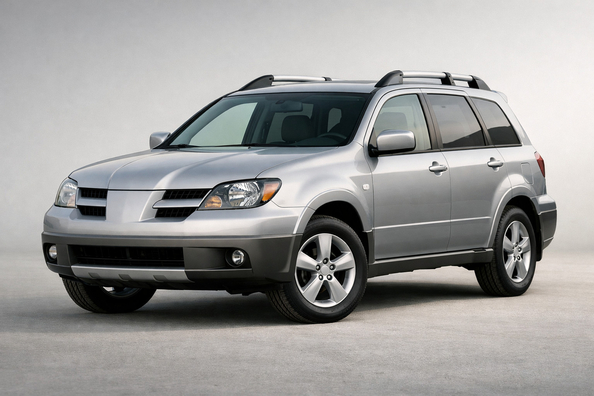
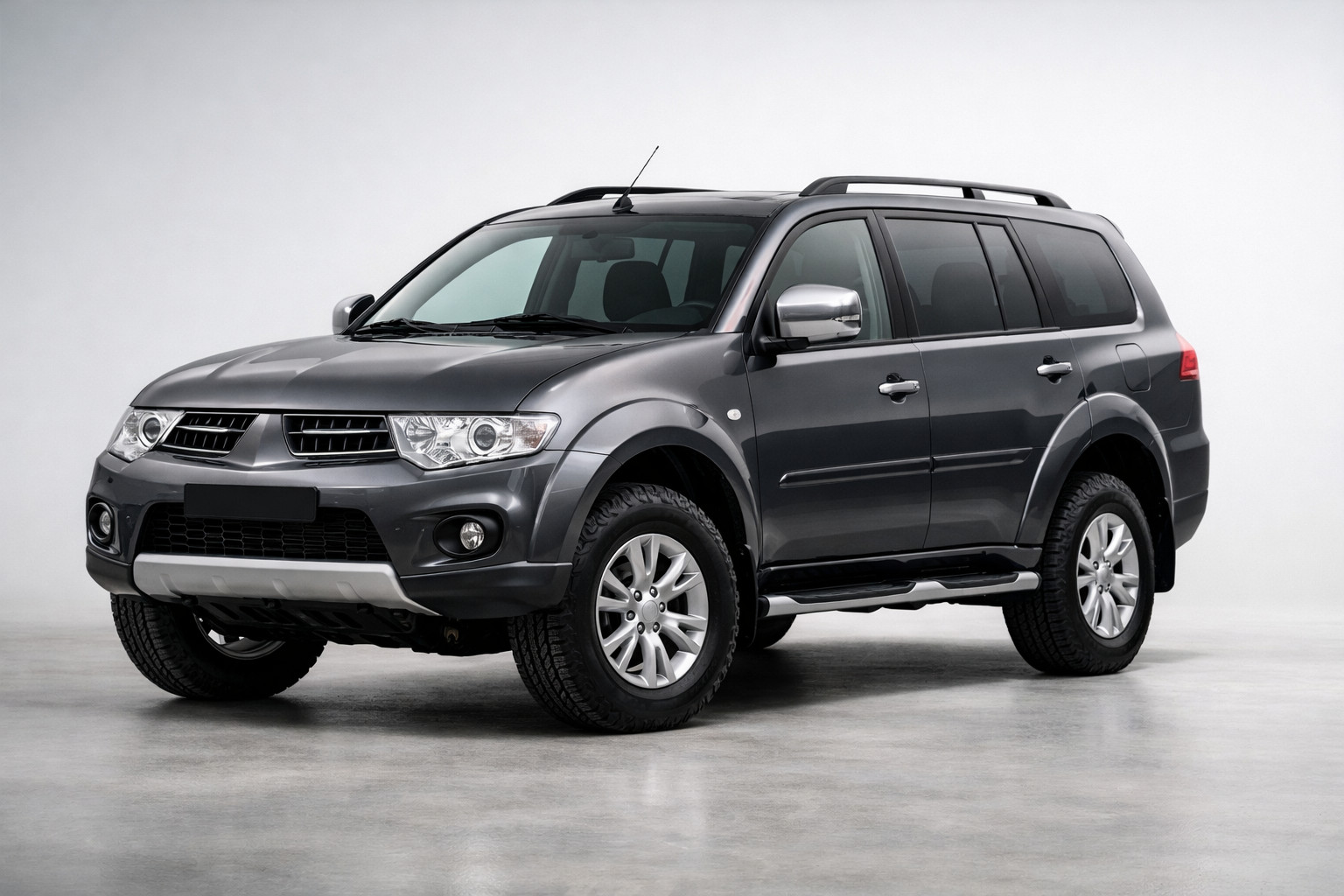
The first-generation Mitsubishi Outlander makes sense in 2026 in only one scenario: you need an inexpensive, simple, and still-living crossover with no claims to speed or premium comfort. This is not a car about emotion, but about everyday practicality: a decent driving position, affordable AWD, respectable ground clearance, and hardware that’s usually easier for a workshop to understand than many newer crossovers.
But it’s worth buying only after a hard inspection of the body, subframe, and suspension. If you need a big trunk, a quiet highway ride, strong performance, or minimal age-related risk, it’s better to look at newer alternatives. If the main priorities are price, winter capability, and simple mechanics, a well-kept Outlander can still be a sensible option.
The first Outlander played in the compact crossover segment alongside the Honda CR-V, Toyota RAV4, and Subaru Forester. In format, it’s a city car with some reserve for snow, potholes, the dacha, and gravel roads—not a full-fledged off-roader. Its strong point is the balance between car-like handling and a higher seating position.
On the used market in 2026, this model is interesting for those who want AWD and 211 mm of ground clearance without big purchase costs. But this is also the main trap: a low price often means tired metal, deferred maintenance, and a worn-out suspension.
The story of this family started in Japan in 2001 under the name Airtrek. In North America, the model launched as the Outlander in 2003, and overall the first generation spans 2001–2006. Because of this, listings and catalogs can be confusing: the name, years, and hardware depend on the market.
For a practical choice in Ukraine, it’s easiest to treat this car as an early compact Outlander with a simple layout and a few well-known gasoline configurations. If you’re looking at a Japanese Airtrek, you need to verify the engine, transmission, and drivetrain separately, because they could differ from North American versions.
The best-established versions for the first Outlander are naturally aspirated 2.4 L gasoline engines. Early cars had 140 hp, later ones 160 hp with the 4G69 MIVEC engine. Transmissions are simple: a 4-speed automatic, and on some 2006 versions there was also a 5-speed manual. Drivetrain is front-wheel drive or all-wheel drive; AWD versions used a viscous coupling.
| Period | Engine | Power and torque | Transmission | What matters |
|---|---|---|---|---|
| 2003 | 2.4 L gasoline | 140 hp, 213 N·m | 4-speed automatic | Front-wheel drive or AWD, calm character |
| 2004–2006 | 2.4 L MIVEC 4G69 | 160 hp, 220 N·m | 4-speed automatic | A bit livelier, but still not sporty |
| 2006 some versions | 2.4 L MIVEC 4G69 | 160 hp, 220 N·m | 5-speed manual | Rarer, may be more interesting for those who don’t want an old automatic |
This powertrain handles city and highway driving fine, but there isn’t much reserve of pulling power. For passing with passengers or a full trunk, the engine is already working near its limits, and the automatic adds to the feeling of sluggishness.
By size, it’s an old-school compact crossover: not too big on the outside, yet roomy enough for family needs. The suspension is independent on all four wheels, so it drives more tightly than many budget crossovers of that era. The downside is that the running gear must be inspected not superficially, but very carefully.
| Parameter | Value |
|---|---|
| Generation | First, 2001–2006 |
| Length | 4552 mm |
| Width | 1749 mm |
| Height | 1684 mm |
| Wheelbase | 2624 mm |
| Ground clearance | 211 mm |
| Trunk | 691 L minimum, up to 1708 L maximum |
| Fuel tank | 59.5 L |
| Towing mass | 680 kg |
| Brakes | Front 277 mm, rear 262 mm |
The main technical risk here isn’t geometry or AWD—it’s corrosion. It’s especially important to check the subframe, control arm mounts, and the overall condition of the metal underneath. This is what decides whether the car will be cheap to own or quickly turn into constant repairs.
The first Outlander’s interior has no design tricks, but it offers a proper seating position and straightforward ergonomics. For daily driving, that’s a plus: you sit high, you can judge the dimensions well, the rear bench folds 60/40, and the car doesn’t require a learning curve.
Comfort is sufficient for everyday life, but don’t expect much in terms of noise insulation or material quality. The trunk is practical, although the model lagged behind some competitors in capacity. As for safety, keep in mind that equipment depended on year and market: later versions already had an anti-lock braking system and front side airbags for the front seats.
In daily life, this model is convenient because it doesn’t feel big, yet it lets you drive more calmly in winter than a regular passenger car. AWD and ground clearance help on slippery roads, in the courtyard, on a broken access road, or on wet dirt. The car isn’t built for serious off-roading.
Real-world fuel consumption usually comes out around 11.1–12.3 L per 100 km, so there’s no miracle efficiency here. Before buying, it’s worth checking not only the engine and transmission, but also the basics that often determine the total ownership budget on older Outlanders.
The essence of this model is simple: it has enough honest плюсы to be a useful daily driver, but the drawbacks typical of an aging crossover haven’t gone anywhere.
| Strengths | Weaknesses |
|---|---|
| Simple mechanicals without complex electronics | Modest performance, especially with the automatic |
| Comfortable seating position and decent space for a family | Trunk isn’t class-leading |
| AWD and good ground clearance for winter | Real-world fuel consumption higher than the official figures |
| Decent handling thanks to independent suspension | Critical risk of corrosion in the suspension and subframe |
| Affordable entry price on the used market | Age brings small issues with A/C, electrics, and comfort equipment |
Who it suits: someone who wants a cheap crossover for the city, winter, and the dacha, and isn’t afraid of a thorough pre-purchase inspection. Who it doesn’t suit: anyone looking for a large family car, a quiet long-distance cruiser, or wanting to buy an old crossover without the risk of expensive surprises.
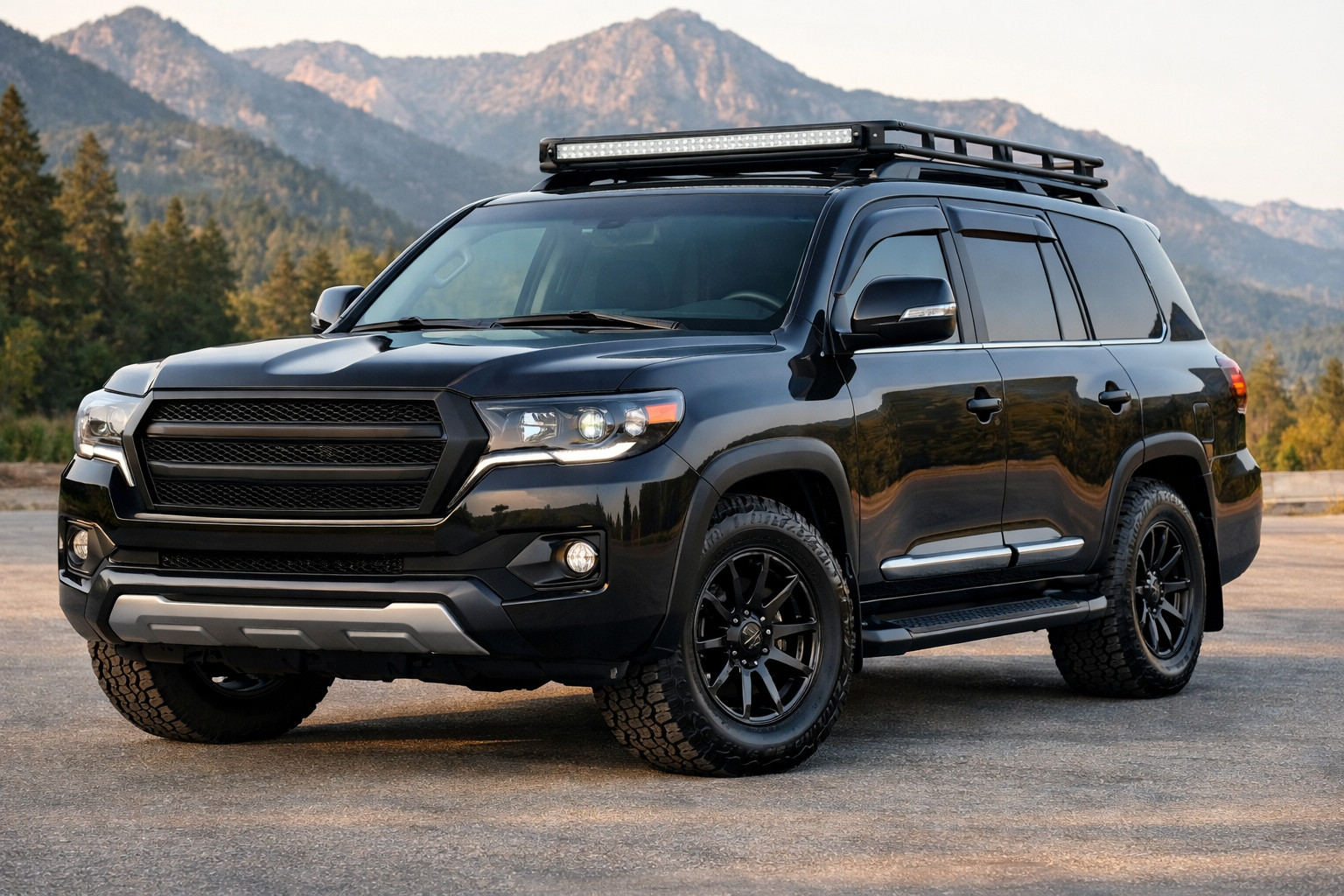
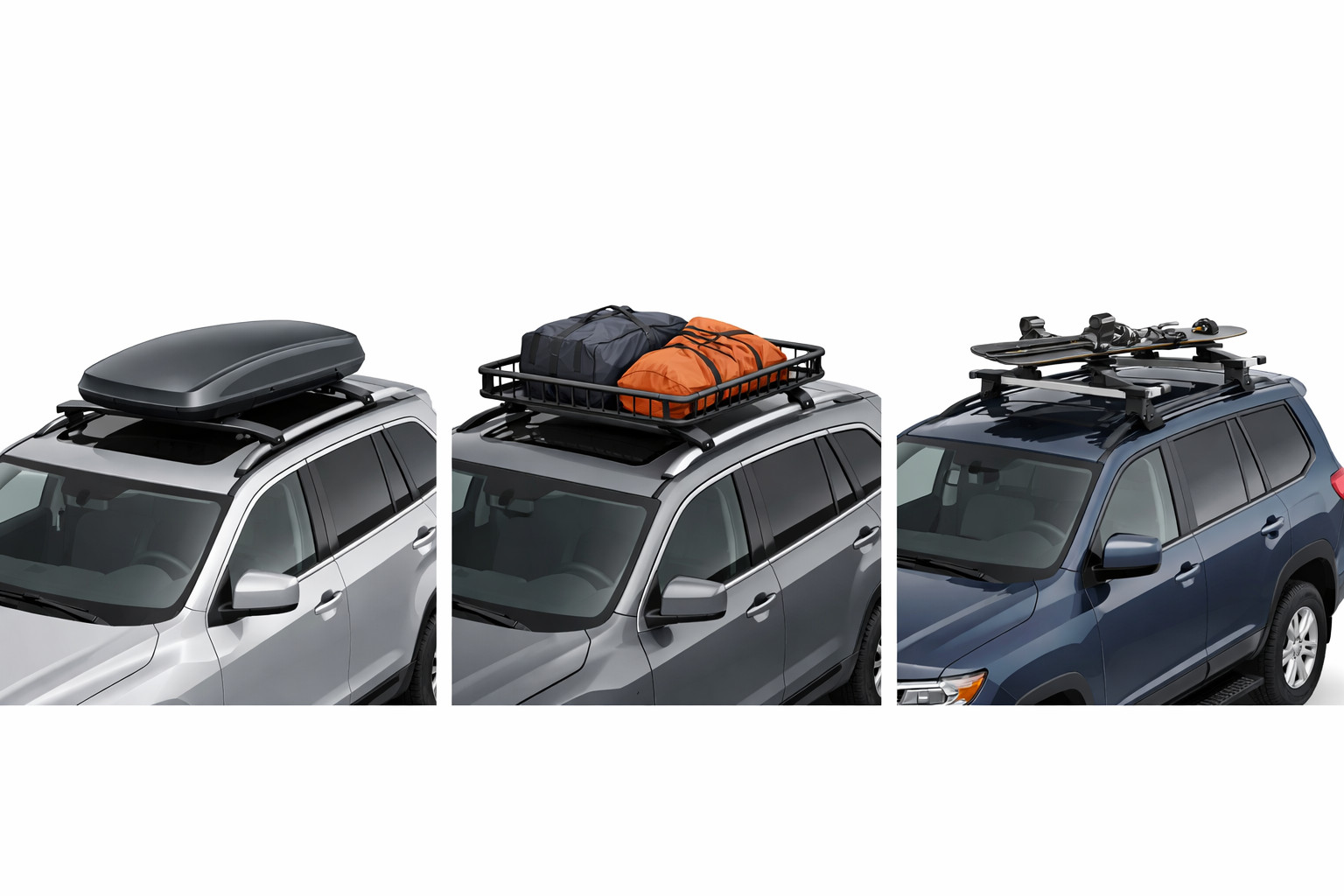
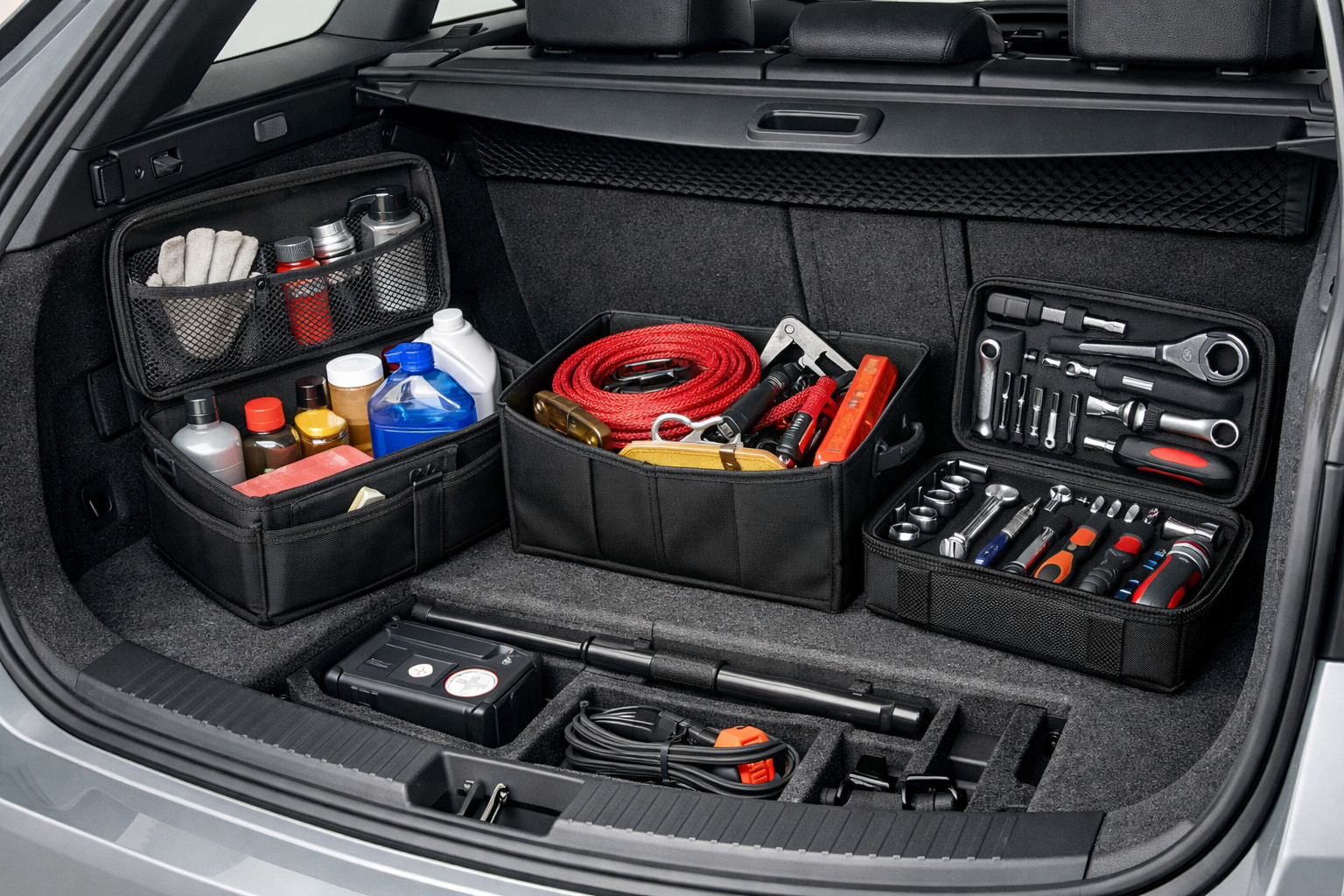
For the first Outlander, tuning makes sense only in practical terms. This model is better served by things that simplify daily use and protect the interior and body than by decorative elements. If the car is used every day, the logic is simple: first, solve mud, cargo carrying, and small everyday comfort needs.
Window deflectors, guards, and trim pieces can also be appropriate—but only if they solve a specific task. For this model, the best approach is not to decorate, but to make the car more convenient for daily use.
The Mitsubishi Outlander 2001–2006 in 2026 isn’t a universal recommendation, but a targeted option for those looking for an inexpensive and relatively simple crossover. It only makes sense in a well-maintained example without critical corrosion and with a decent service history. If you find such a car, it can still honestly cover everyday tasks. If not, the low price quickly disappears into repairs.
| ✔ | Simple hardware without complex electronics, so the car is easier to diagnose and service at an older age. |
| ✔ | A comfortable seating position and clear ergonomics make it practical for everyday driving without a long adjustment period. |
| ✔ | All-wheel drive and 211 mm of ground clearance are useful in winter, in the yard, on rough roads and muddy dirt tracks. |
| ✔ | The independent suspension provides more composed handling than many cheap crossovers of that time. |
| ✔ | On the used market, it is often inexpensive, so it can be an affordable entry into the crossover segment. |
| ✘ | Weak dynamics, especially with the 4-speed automatic, and under load the engine already lacks reserve pulling power. |
| ✘ | The trunk is practical, but in terms of capacity the model lags behind some competitors. |
| ✘ | Its high age means a serious risk of corrosion to the subframe, control arms and suspension mounts. |
| ✘ | Real fuel consumption is around 11.1–12.3 l/100 km, so this crossover is not economical. |
Shipping to EU
Wholesale and retail
Own warehouse
Опис продукту
Подарунки не надаються при оформленні покупки у кредит під 0,01% або при покупці частинами.