04.04.2026
270
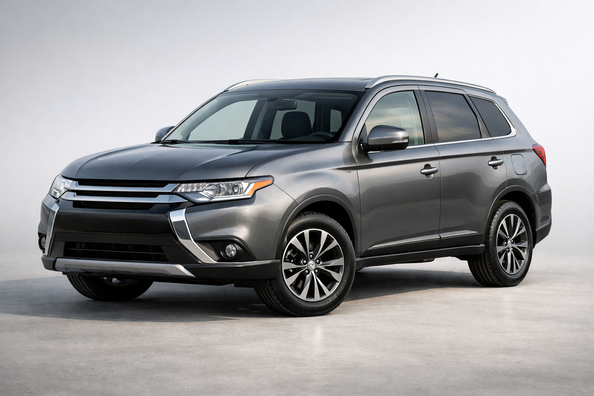
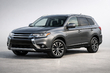
Mitsubishi Outlander 2012-2021 is not a crossover for spirited driving, but a calm family vehicle that wins with space, sensible cabin packaging, and the availability of all-wheel drive. In its strong years, it was attractive because it offered a third row, a large trunk, and a good set of practical options for money where some competitors offered either less space or poorer equipment.
An important nuance: within this year range, different stages of the model are effectively mixed. 2012 is still the previous version of the Outlander, and from 2014 a new 7-seat generation went on sale in the North American market, later refreshed and expanded with a hybrid PHEV version. That’s why you should read engines, trunk volume, and equipment with reference to the specific year and trim; in other markets the figures could differ.
The Outlander of this period sits between classic 5-seat crossovers like the CR-V or RAV4 and larger family SUVs. Its main argument isn’t in finishing or performance, but in practicality: a third row, decent ground clearance, a large glass area, an easy seating position, and S-AWC all-wheel drive on some versions.
Who it fits: families with kids, those who often drive in the city and on the highway, carry a stroller, bikes, bags, and occasionally seat passengers in the third row. Who it doesn’t really fit: drivers who want a sharp throttle response, a more upscale-looking interior, or a truly full-size 7-seat space for adults.
In 2012, the previous version of the Outlander was still being sold. It had a 2.4-liter four-cylinder engine or a 3.0-liter V6, and the cabin depended on the trim: there were both 5- and 7-seat configurations. It was a simpler, more straightforward crossover without any claim to sophistication.
From 2014, a new body appeared: 7 seats became standard, and the vehicle became more streamlined and lighter. The body slimmed down by about 90.7 kg, and aerodynamics improved, which positively affected noise and fuel consumption. Up to 2020, the model lived on with updated multimedia, additional driver assists, and small ergonomic changes, and in 2021 the Outlander PHEV appeared—already a 5-seater, with a 13.8 kWh traction battery and electric range up to 38.6 km.
The logic here is simple. The base 2.4-liter engine is for relaxed driving and daily routes. The V6 is for those who care about confident highway passing, towing, and feeling less strained under load. The PHEV is a separate story for city use and regular charging, but without the third row and with lower ground clearance.
| Period | Engine | Power | Torque | Transmission |
|---|---|---|---|---|
| 2012 | 2.4 L | 168 hp | 226.4 N·m | CVT |
| 2012 | 3.0 L V6 | 230 hp | 291.5 N·m | 6-speed automatic |
| 2014-2020 | 2.4 L | 166 hp | 219.6 N·m | CVT |
| 2014-2020 | 3.0 L V6 | 224 hp | 291.5 N·m | 6-speed automatic |
| 2021 PHEV | 2.4 L hybrid | 124.3 hp gasoline engine, 218 hp combined | 200.7 N·m for the gasoline engine | hybrid transmission |
In real use, the 2.4-liter version is fine as long as you don’t expect brisk acceleration with a full cabin. This is exactly where the Outlander is often criticized: the engine has to rev, and the CVT makes it quite noticeable by sound. The V6 is much more pleasant, but it’s not as common. In the PHEV, the main point is short urban trips on electric power and a smooth ride, not the all-around versatility of a conventional 7-seat Outlander.
The suspension is classic for the segment: MacPherson struts with a stabilizer up front, and a multi-link setup with a stabilizer in the rear. This delivers a calm, comfortable character without sporty stiffness. S-AWC all-wheel drive adds confidence on snow and slippery asphalt; depending on the year there were modes for normal road, snow, lock, and economy.
| Version | Wheelbase | Dimensions | Ground clearance | Trunk |
|---|---|---|---|---|
| 2012 | 2670 mm | 4666 × 1801 × 1679 mm | 216 mm | 2056 L in the 5-seat version; 1025 L behind the second row and 422 L behind the third in the 7-seat |
| 2014-2020 | 2670 mm | 4656 × 1801 × 1679 mm in 2014; 4694 × 1811 × 1709 mm in 2020 | 216 mm | 1792 L behind the first row, 968 L behind the second, 292 L behind the third |
| 2021 PHEV | 2670 mm | dimensions vary by version, 5-seat configuration | 185 mm | 1886 L behind the first row, 866 L behind the second |
The practical conclusion about the body is simple: the packaging is convenient for family use, but the third row is a backup. When it’s up, the trunk in a regular 7-seat Outlander is already small. That’s why for long trips most owners use the vehicle either as a 5-seater or add a roof box.
The Outlander’s interior doesn’t impress with materials, but it works well in practice. The seating position is high, visibility is good, door openings are convenient, and there’s usually enough space in the first two rows. The third row should be treated as for kids or occasional use. In later versions, multimedia and everyday convenience improved: an 8-inch screen appeared, more ports, and better driver lumbar support.
In terms of safety, later vehicles already look quite modern: automatic braking with pedestrian detection, lane departure warning, automatic high-beam switching, and on higher trims—blind-spot monitoring and rear cross-traffic alert. The weak spot is the overall sense of simplicity: on some vehicles owners note squeaks, noisy window mechanisms, and not the best multimedia responsiveness.
In daily use, the Outlander is convenient precisely as a family tool. It isn’t intimidating in size, has a normal 216 mm ground clearance in standard versions, handles poor roads calmly, and doesn’t require getting used to. Fuel consumption in the 2.4-liter versions depends on drivetrain and driving style, but on the highway a benchmark of about 8.7-9.0 L per 100 km looks realistic; the V6 is noticeably thirstier, but it also has a different reserve of pulling power.
Two more things matter in practice. First, towing capability differs very noticeably: most 2.4-liter versions are rated at about 680 kg, while the GT with the V6 can pull up to 1588 kg with a braked trailer. Second, before buying a used vehicle you should check the service history, because in some years there were campaigns related to seat belts, wipers, and adjacent components.
The main strength of the Outlander is that it honestly delivers on the family scenario. The main weakness is that it does so without much driving excitement and without a premium feel in the cabin.
| Strengths | Weaknesses |
|---|---|
| 7-seat format and good capacity for the class | The third row is tight, more for children |
| Practical trunk and an easy seating position | With the third row up, trunk space drops sharply |
| S-AWC all-wheel drive adds confidence on slippery surfaces | The base 2.4 L engine feels sluggish under load and gets noisy on acceleration |
| Comfortable chassis without unnecessary stiffness | The interior is simple; in places the budget finish is noticeable |
| Later versions have useful assists and better multimedia | On used vehicles you need to carefully check service history and minor interior shortcomings |
From an owner’s perspective, the Outlander is a good deal where versatility is needed: school, supermarket, highway, cottage, a winter trip, suitcases for vacation. But if what matters most is cabin quietness, quick throttle response, and the feel of a more expensive vehicle, it may seem too simple.
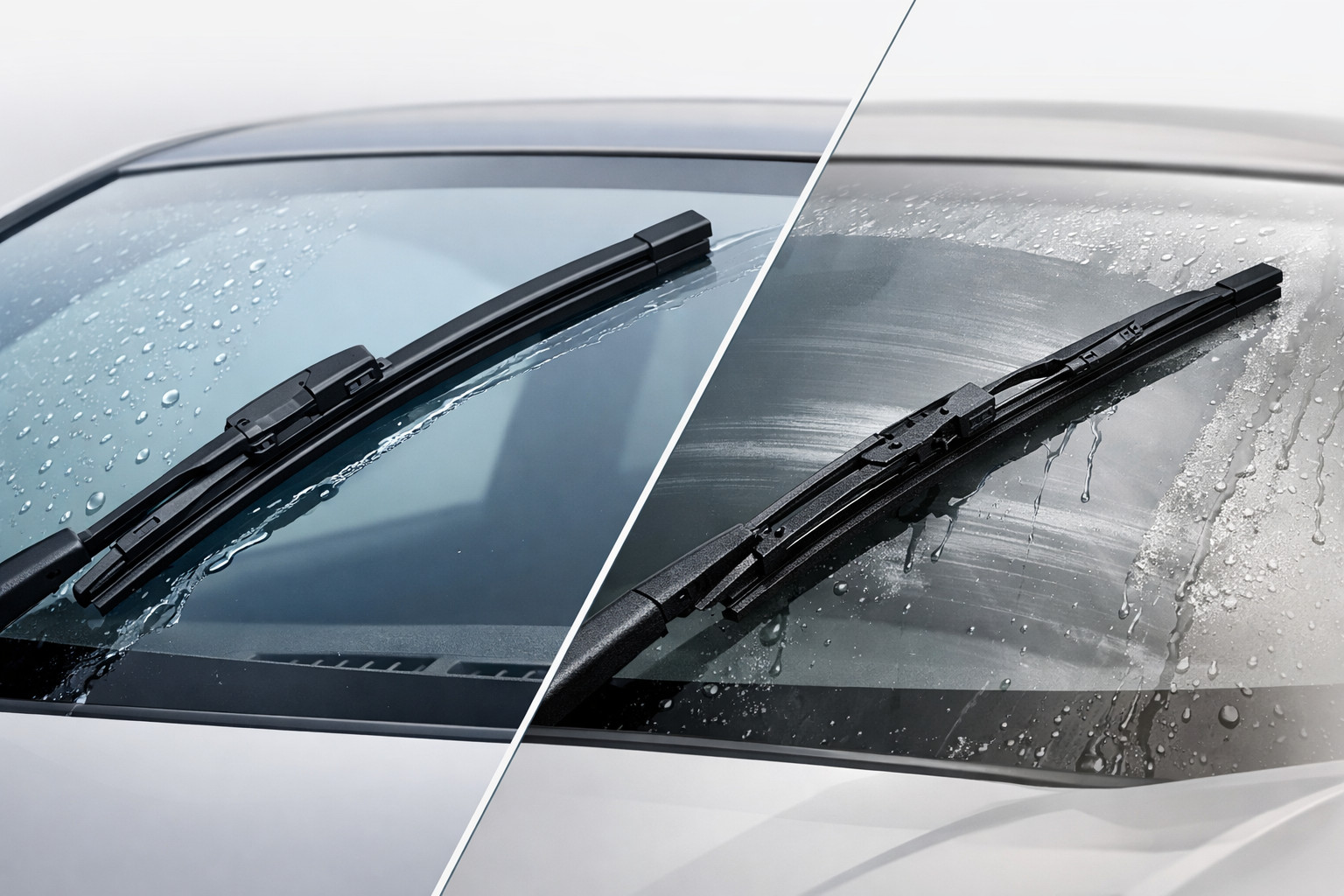
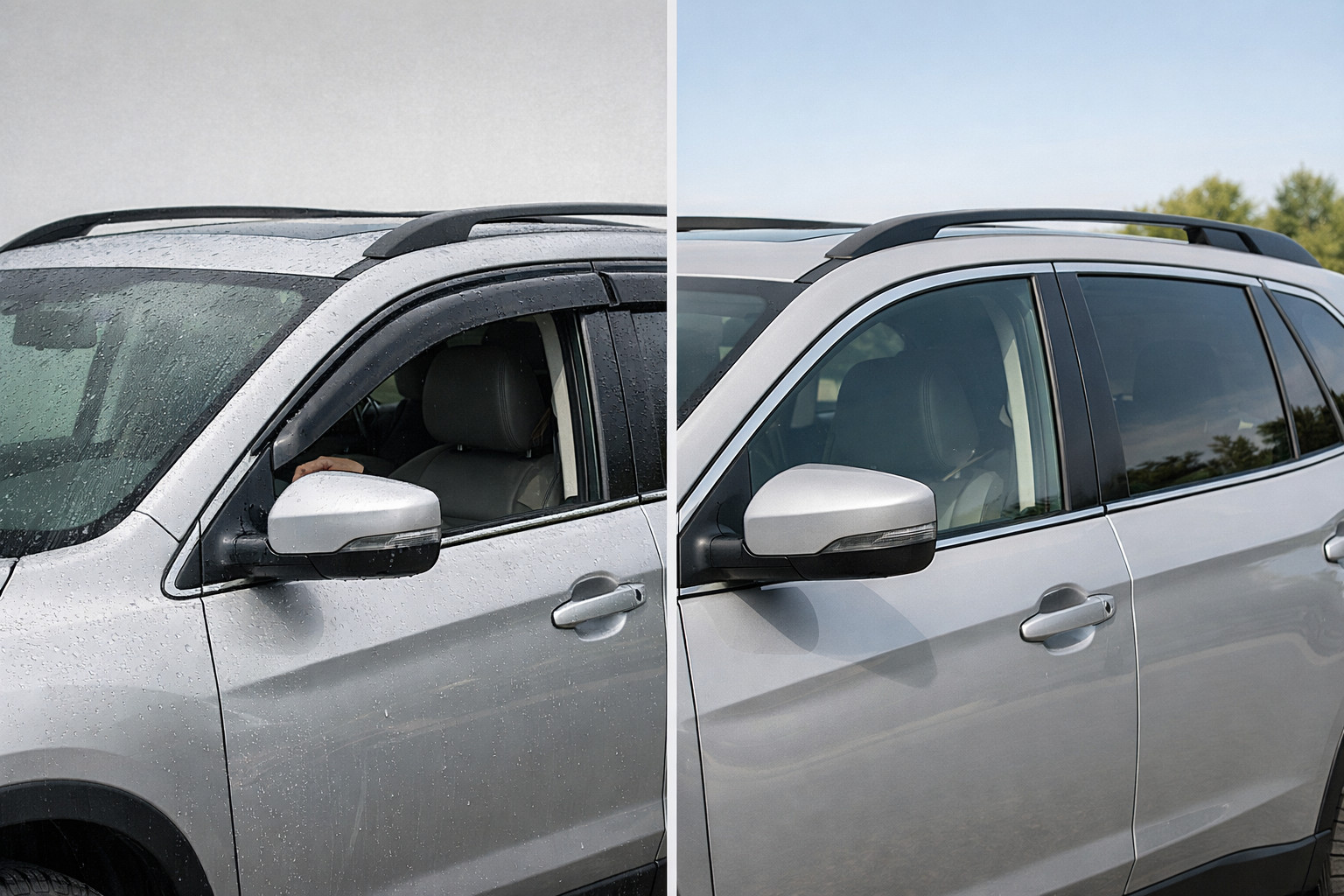
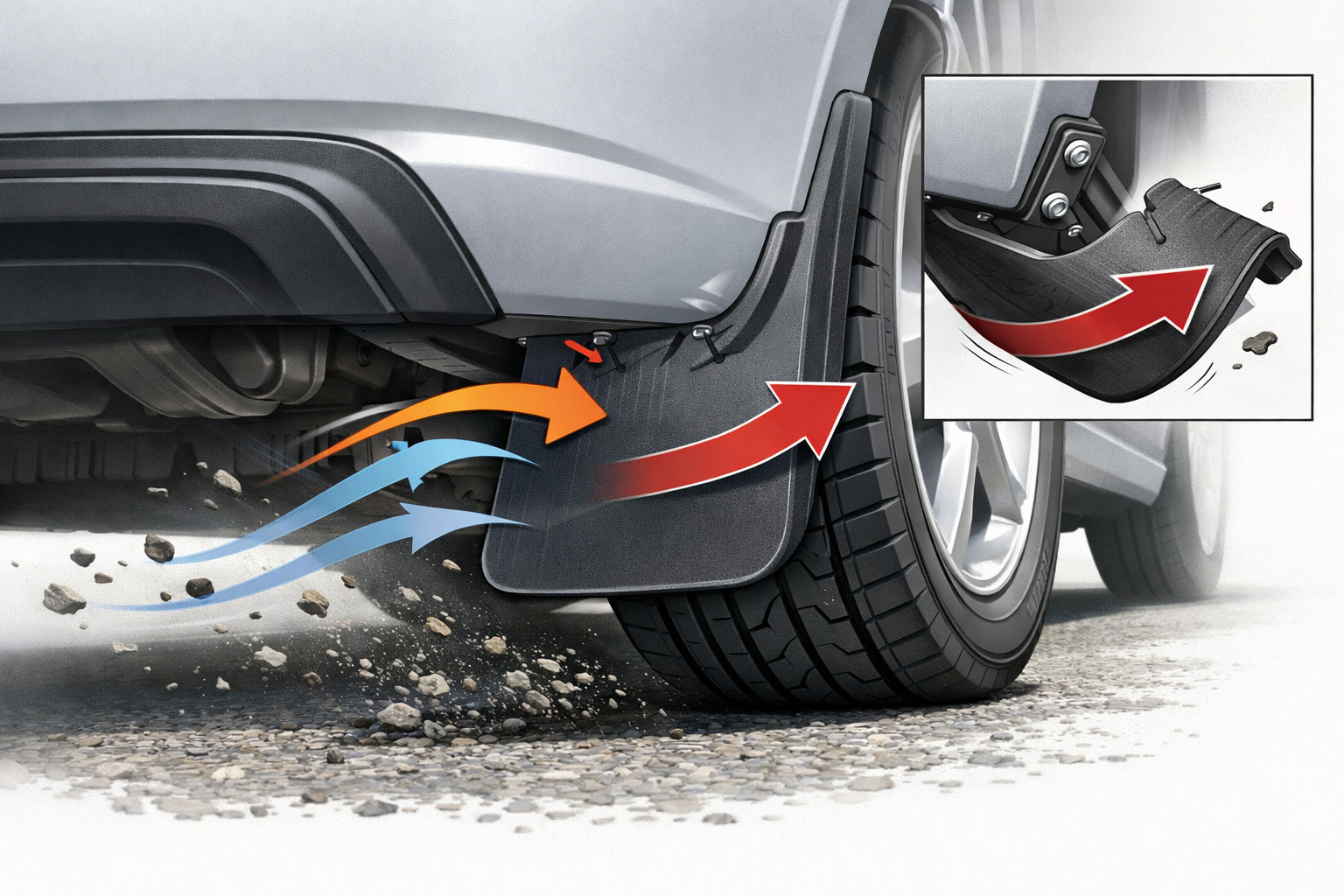
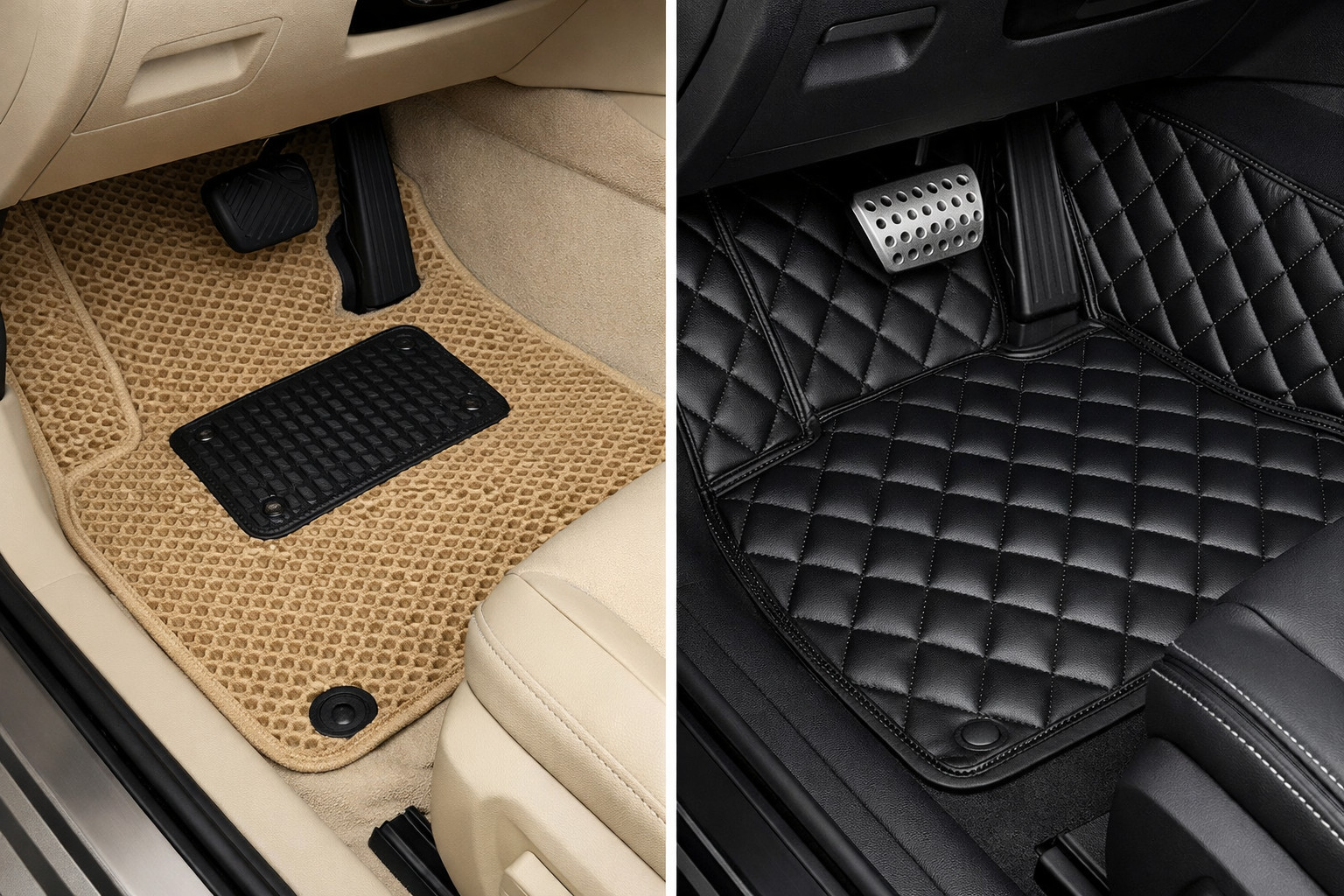
For this model, tuning primarily makes sense as practical upgrading. The Outlander doesn’t ask for deep performance mods, but it responds well to things that protect the interior, make carrying cargo easier, and reduce everyday wear on the body. That’s why owners most often start not with styling, but with mats, trunk-area protection, roof rails, and small exterior trim pieces.
In short, the right approach to the Outlander is not to decorate it, but to reinforce its strengths. It’s a family crossover, so the smartest investments here are the ones that truly simplify everyday life.
Mitsubishi Outlander 2012-2021 is worth considering for those who need a calm, roomy, and fairly versatile crossover without chasing emotions. The most balanced choices look like the regular 2.4-liter versions for daily use, while the V6 makes sense to seek out for those who often drive on the highway or tow a trailer. The PHEV is more interesting for the city, but that’s already a different operating logic.
In short: the model is strong where family practicality comes first, not prestige or temperament. This material is based on real selection experience, hands-on practice, and real use cases, so the main takeaway is simple: the Outlander is worth buying with a clear understanding of the year, the powertrain, and whether you truly need the third row.
| ✔ | 7-seat versions offer more practicality for families than typical 5-seat crossovers in this class. The second row usually has enough room, and the high seating position and good visibility make everyday driving easier. |
| ✔ | Outlander has a family-friendly layout and normal 216 mm ground clearance in regular versions. This helps it handle bad roads, snow, and slippery surfaces with ease. |
| ✔ | The S-AWC all-wheel drive adds confidence on slippery roads, and some versions come with modes for different conditions. For winter use, this is a noticeable advantage. |
| ✔ | Later versions received useful safety assistants and improved multimedia. This makes the car more convenient in everyday use, especially if you are looking at it as a family vehicle. |
| ✔ | The V6 version has a better reserve of power for highway driving and towing than the basic 2.4-liter engine. For those who often drive with a load, this is the more practical setup. |
| ✘ | The third row in a regular Outlander is cramped and is better suited for children or occasional use. If it is raised, the trunk becomes noticeably smaller. |
| ✘ | The basic 2.4-liter engine does not like sharp acceleration with a full cabin and can be noisy when speeding up. Because of this, the car does not create the feeling of a lively crossover. |
| ✘ | The cabin looks simple and feels somewhat budget in places. This is not the kind of car that wins you over with materials or a premium feel. |
| ✘ | On used examples, the service history and small components need to be checked carefully, because in some model years there were campaigns related to seat belts and wipers. This adds hassle when buying. |
Shipping to EU
Wholesale and retail
Own warehouse
Опис продукту
Подарунки не надаються при оформленні покупки у кредит під 0,01% або при покупці частинами.