28.07.2026
219
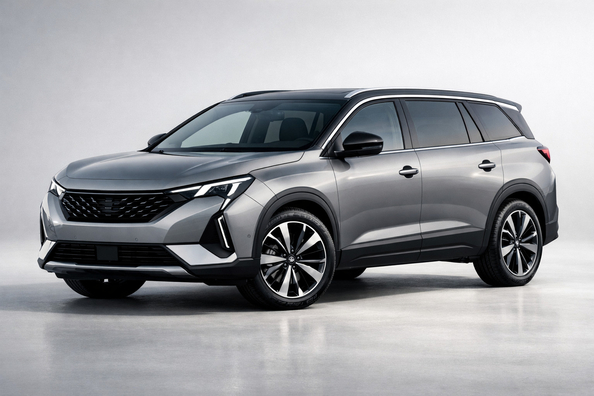
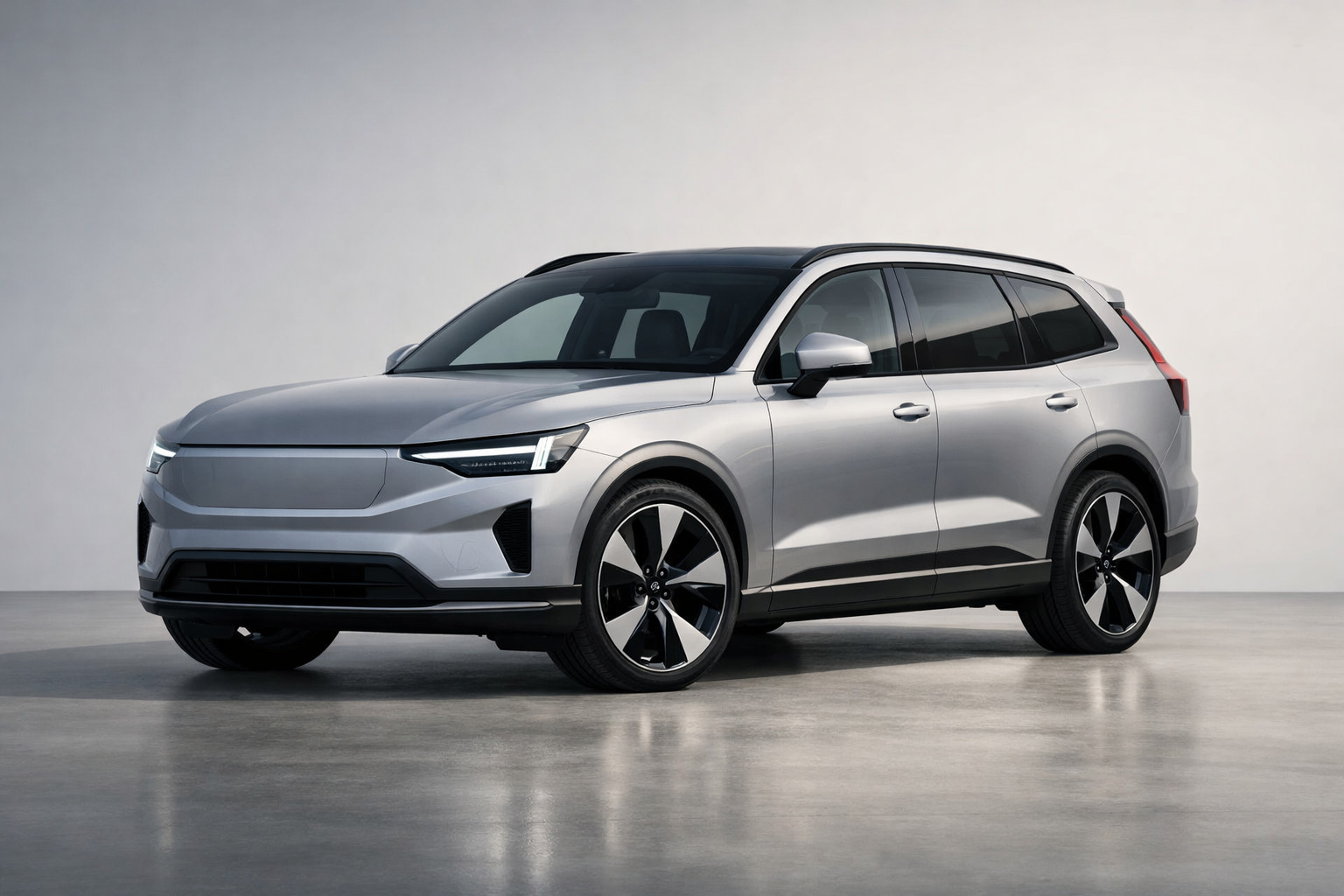
Peugeot 5008 III generation is a large seven-seat crossover that was effectively rebuilt from the ground up in 2024: a new platform, a different body format, an electrified lineup, and a clear focus on family trips. In essence, it’s no longer just a stretched 3008, but a separate model for those who need 7 seats, a proper trunk, and calm long-distance manners.
The 5008 fits best for families who often drive on highways, carry kids and luggage, sometimes use the third row, and don’t want to move to a large minivan. If you need a truly adult-friendly third row for regular long trips or frequent driving on rough roads with a full load, it’s worth looking a class higher.
In its third generation, the 5008 enters the large family crossover segment, where emotions matter less than packaging, practicality, and day-to-day running costs. Its strong point is combining a 7-seat cabin with a relatively car-like driving position and modern electronics.
In the market, the model sits between more compact crossovers with a token third row and larger, heavier SUVs. In the city, the 5008 already feels noticeably big, but on the highway and on vacation this format works much better than a short wheelbase and a compromised trunk.
The 5008’s story clearly shows how the class itself has changed. The first generation was produced from 2009 to 2016, and it was a family minivan. The second generation, which entered the market in 2017, turned the 5008 into a crossover and lasted until 2024, with a facelift along the way.
The third generation was introduced in 2024. It is built on a newer group platform, received a different front-end design, and a completely different powertrain strategy: instead of the familiar diesel and gasoline setups, the focus is on a mild hybrid and electric versions. That’s why the III generation should be evaluated separately, not as a simple continuation of the old 5008.
The engine lineup depends on the market and the model’s launch phase. At the start, the key options for the III generation were the 1.2 L mild hybrid and several electric variants.
| Version | Powertrain | Power | Transmission and drivetrain | What it means in practice |
|---|---|---|---|---|
| Hybrid 136 | 1.2 L turbo, 3 cylinders, 48 V mild hybrid | 136 hp, 230 Nm | 6-speed automated manual, front-wheel drive | The simplest option for those who don’t want to depend on charging |
| Standard electric | Electric motor, 73 kWh battery | 210 hp | Single-speed, front-wheel drive | A logical choice for the city and daily routes with home or workplace charging |
| Long-range electric | Electric motor, 98 kWh battery | 230 hp | Single-speed, front-wheel drive | More interesting for frequent long trips without wanting to stop often |
| Dual-motor electric | Two electric motors, 73 kWh battery | 320 hp | Single-speed, all-wheel drive | For those who need traction, a performance buffer, and all-wheel drive |
From a pragmatic point of view, the mild hybrid is the version for mixed use without changing your habits. The electric variants make sense when you have a place to charge the car and when silence, smoothness, and lower city running costs matter more than long-distance highway versatility.
The main advantage of the new 5008 is its long wheelbase and usable cabin volume. This isn’t a compact crossover with two symbolic seats in the trunk; it’s a vehicle where the third row can genuinely be used, although adults are better off there on short trips.
| Parameter | Value |
|---|---|
| Length | 4791 mm |
| Width | 1895 mm |
| Height | 1694 mm |
| Wheelbase | 2901 mm |
| Number of seats | 7 |
| Ground clearance | about 198 mm depending on version and wheels |
| Trunk with 7 seats up | 259 L |
| Trunk with 5 seats | 748 L |
| Maximum volume with rows folded | up to 1815 L |
In feel, it’s a vehicle built for an even pace, highway stability, and family loads. The long wheelbase adds composure at speed, but in the city you’ll need to pay more attention to parking and space margins in tight courtyards.
Inside, the 5008 bets on a modern dashboard, high-mounted instruments, and a compact steering wheel. You either get used to this layout, or you should check your seating position before buying: for some drivers it clicks immediately, for others it doesn’t.
The cabin’s strong point is its versatility. The second row is more comfortable than the third, and the third row is more for kids, teenagers, or short lifts for adults. Safety depends on trim level, but for a model in this class you can expect modern driver assists, a set of cameras, and lane-keeping and distance-control systems.
In family mode, the 5008 wins thanks to its interior geometry: it’s easy to seat kids, arrange belongings, and not sacrifice the second row. If the third row is needed all the time, the trunk will no longer be large, and it’s worth factoring that in soberly before purchase.
For the city, two things matter: dimensions and the type of powertrain. The hybrid is simpler day to day if you’re not used to planning charging. The electric versions are nicer to drive and quieter, but families who often travel far should calculate their real route scenario upfront, rather than relying only on the brochure numbers.
The new 5008 has a strong set of practical arguments, but there are also typical compromises of a large family crossover. It’s also worth remembering that long-term reliability statistics for the III generation are still being formed.
| Pros | Cons |
|---|---|
| A full 7-seat format without switching to a minivan | The third row isn’t for long trips with adults |
| Long wheelbase and good second-row space | Feels big in the city, especially in parking |
| Modern electrified lineup | Choosing a version heavily depends on access to charging |
| Large trunk in the 5-seat configuration | With 7 seats up, usable trunk volume drops sharply |
| A good vehicle for highways and travel | A new model, so long-term experience with small nuances is still accumulating |
In short, the 5008 suits those who genuinely use the family format and want a modern vehicle without moving to a bulky SUV. It’s not the best option for those looking for compactness, permanent all-wheel drive in all versions, or a “bus-like” third row.
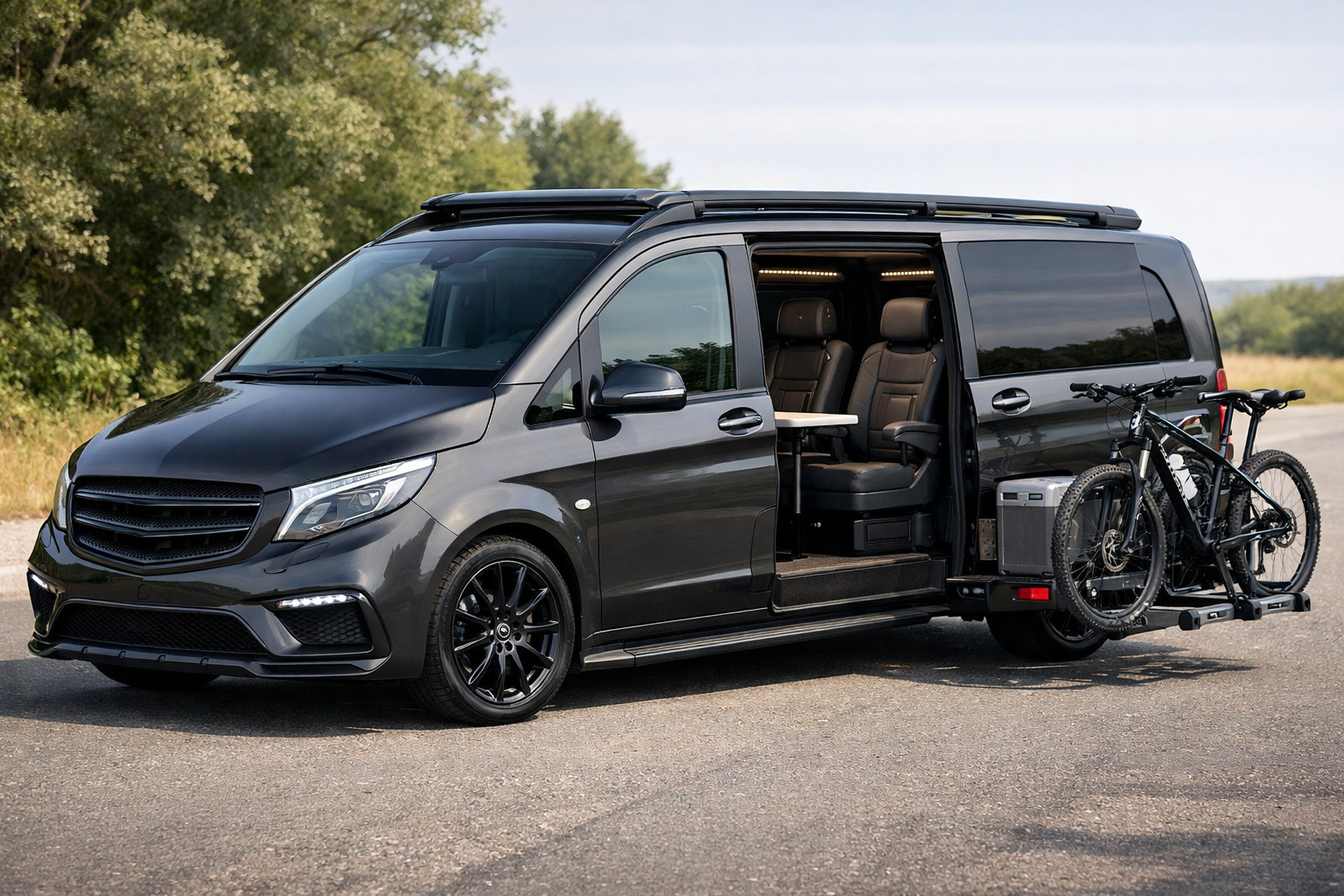
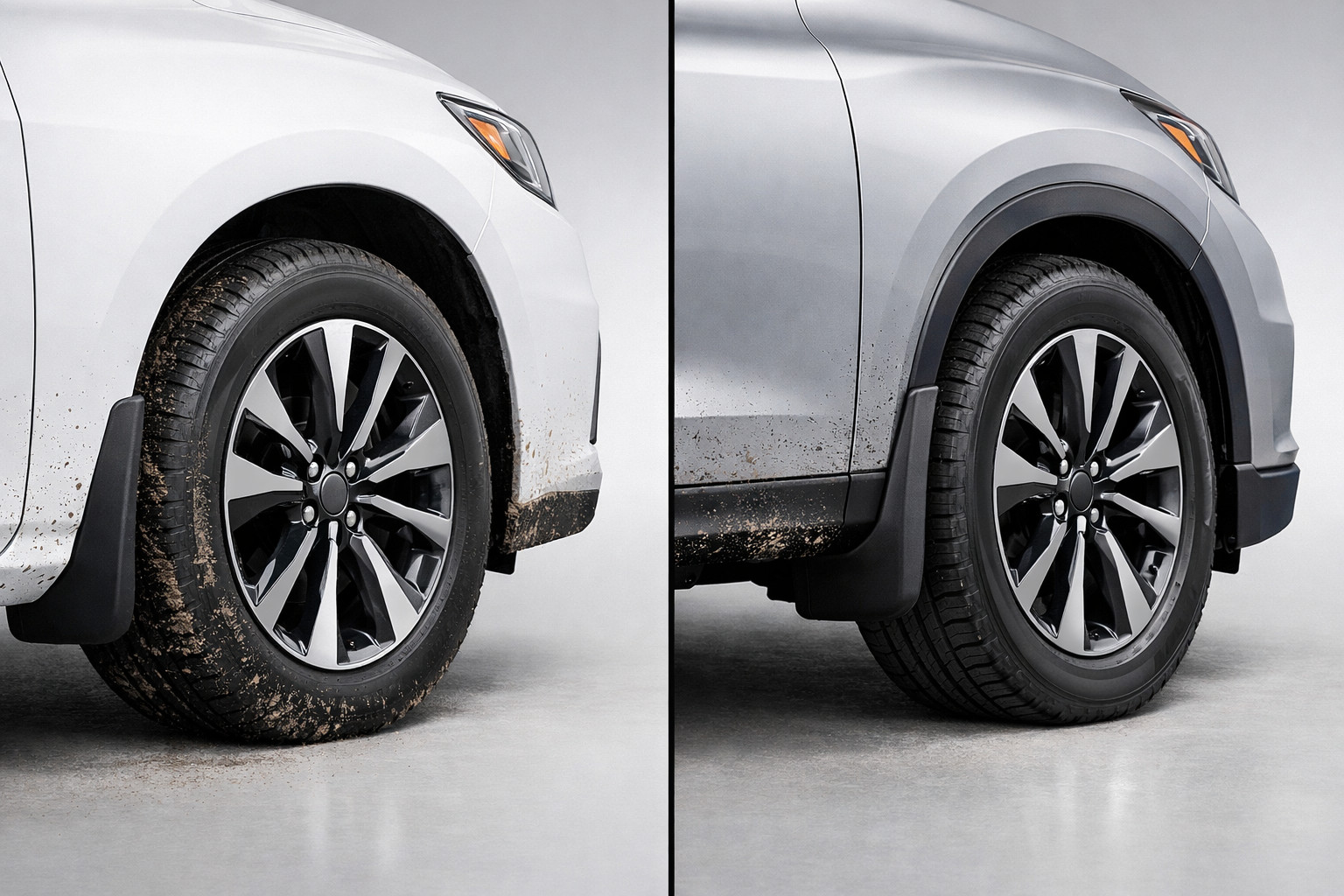
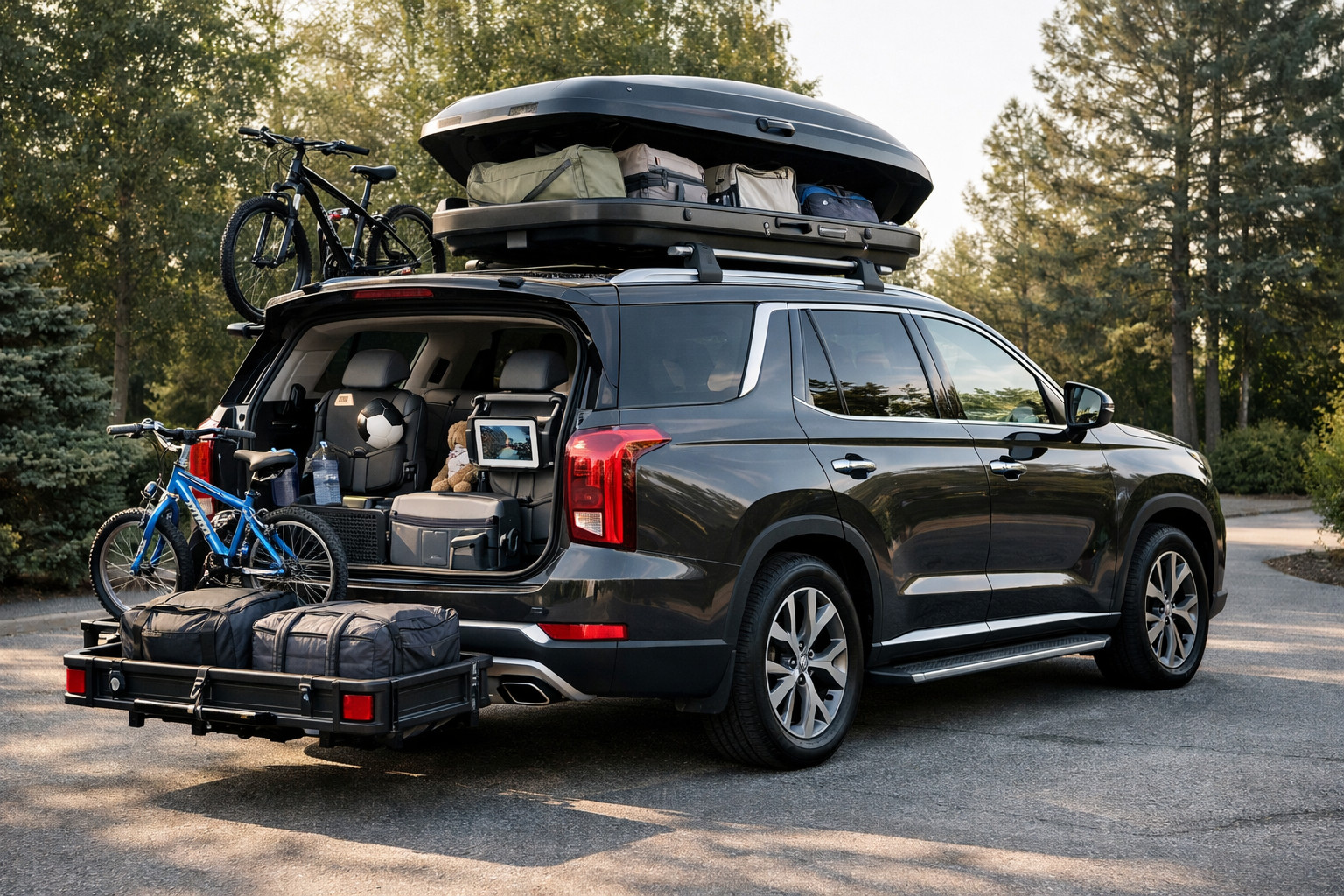
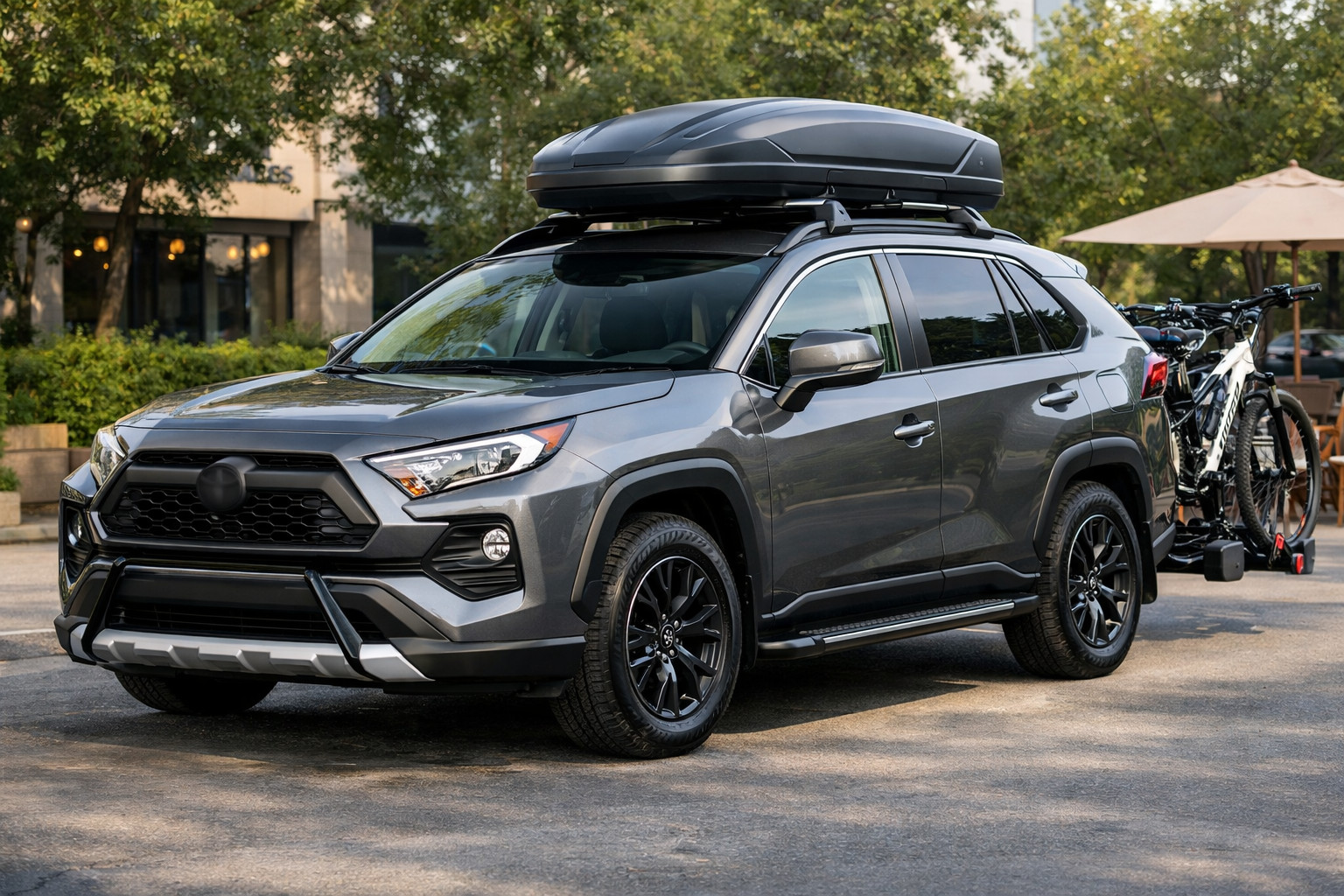
For the Peugeot 5008 III generation, what makes sense isn’t decorative little things, but accessories that protect the interior and simplify everyday use. Within this review /oglyad-peugeot-5008-iii-pokolinnya-2024-roku.html the logic is simple: first cover the cabin floor, the trunk, and ventilation, and only then think about secondary items.
For this model, tuning makes sense specifically as protection and convenience. On a large family crossover, these things bring more benefit than any exterior decor.
Peugeot 5008 III generation is a strong option for a family that needs 7 seats, modern tech, and real travel readiness. It’s worth considering for those who value space and composure on the highway, but are ready to accept the large dimensions and a compromise third row for adults.
The material is based on real selection experience, practice, and real usage scenarios: in exactly this logic the 5008 makes the most sense. Before choosing a version, the key is not to chase maximum power, but to honestly define your use case — city, highway, number of passengers, and charging availability.
| ✔ | A full seven-seat layout without moving into minivan territory. This is convenient for families that occasionally need a third row but do not want a larger, less car-like vehicle. |
| ✔ | The long wheelbase provides good space in the second row and more composed highway behavior. For long family trips, this is a noticeable advantage. |
| ✔ | In the 5-seat configuration, the trunk is very large, and with the seats folded the capacity increases even further. This is practical for suitcases, a stroller, or a large family load. |
| ✔ | There is a choice between a mild hybrid and electric versions for different usage scenarios. The hybrid suits those who do not want to depend on charging, while the electric versions are for those who drive in the city and have a place to charge the car. |
| ✔ | The cabin is well suited to family use: the second row is more comfortable than the third, and the interior transformation allows carrying people and cargo without unnecessary compromises. |
| ✘ | The third row is better suited for children, teenagers, or short trips for adults. For regular long-distance travel, it already feels like a compromise. |
| ✘ | In the city, the crossover feels notably large, especially when parking and maneuvering in tight yards. This requires more attention than in more compact models. |
| ✘ | With all seven seats up, the trunk becomes small — 259 l. If the third row is needed all the time, you should not expect much luggage space. |
| ✘ | Electric versions depend heavily on access to charging and the driving route. For a family with frequent long trips, this can become inconvenient. |
| ✘ | The model is new, so long-term reliability statistics and minor ownership nuances have not yet been established. This adds uncertainty compared with already proven generations. |
Shipping to EU
Wholesale and retail
Own warehouse
Опис продукту
Подарунки не надаються при оформленні покупки у кредит під 0,01% або при покупці частинами.