04.08.2026
598
This upgrade plan for the Hyundai Palisade is for those who carry family, kids’ stuff, groceries, sometimes a stroller or a dog, and want to make the car more convenient for everyday use. The main goal here isn’t to “dress up” a big crossover with accessories, but to deal with dirt, scratches, trunk clutter, and unnecessary spending on things you don’t need.
The Palisade has plenty of space, but the right set of upgrades still depends on whether you have the 7- or 8-seat version, how often the third row is folded, and whether you really need roof cargo or towing. If the vehicle lives in the city and does school runs, commuting, shopping, and weekend trips, priorities are one thing; if there’s a trailer or regular long-distance travel, they’re another.
The Palisade is already large and practical, so the upgrade shouldn’t be about “adding volume.” Its task is to keep the cabin and cargo area in good condition despite constantly changing use cases: kids in the second row, the third row folded or up, bags, suitcases, scooters, muddy shoes, a dog after a walk.
For this scenario, the most useful upgrades are the ones that save time on cleaning and don’t get in the way of transforming the cabin. The Palisade’s trunk is big even in family mode, so the main point isn’t to immediately buy roof solutions—it’s to protect the floor, seatbacks, the trunk sill, and bring order to your gear.
The first stage is the same for most owners: all-weather floor mats, cargo-area protection, and rear bumper protection. These items work every day and noticeably reduce interior wear. If you have the 7-seat version with captain’s chairs in the second row, you need a different set than the 8-seat version. If you fold the third row often, it’s better to look at split solutions for the cargo floor and seatbacks, not a one-piece mat.
| Upgrade | Why it’s needed | Who it really benefits |
|---|---|---|
| All-weather cabin floor mats | Keep water, sand, and dirt under control; make cleaning easier | Almost everyone who drives daily, especially families with kids |
| Cargo mat or tray | Protects the lining from a stroller, bags, groceries, dirty gear | Those who use the trunk regularly, not only on vacations |
| Fold-down seatback protection | Prevents cargo from scratching the seatbacks when the third row is folded | Those who often change the cabin layout |
| Rear bumper protection | Reduces the risk of scratches during loading | Families with a stroller, suitcases, heavy shopping bags, dog owners |
| Cargo organizer | Keeps small items from sliding around the trunk | Those who always keep cables, a first-aid kit, care products, kids’ small items in the car |
| Cargo cover | Hides the trunk contents from prying eyes | Those who often leave items in the car in parking lots |
| Pet seat cover | Reduces dirt and pet hair; makes cleanup after trips easier | Those who regularly transport a dog |
| Roof crossbars | Allow you to move part of the load outside | Only for those who truly run out of trunk space on trips |
DD Tuning expert comment: The most common mistake with the Palisade is buying expensive roof gear or decorative pieces before taking care of the floor and trunk. The second typical issue is not factoring in whether you have the 7- or 8-seat version and how often the third row is folded. If your use case is family-oriented, you should think from dirt, scratches, and cabin transformation—not from how it looks in the catalog.
The second stage starts when basic protection is already in place and you understand your day-to-day minor inconveniences. If cables, a compressor, cleaning wipes, or kids’ items constantly roll around in the trunk, add an organizer. If you often leave bags or electronics in the car, a cargo cover is more useful than a net: it doesn’t hold cargo, but it hides it from view.
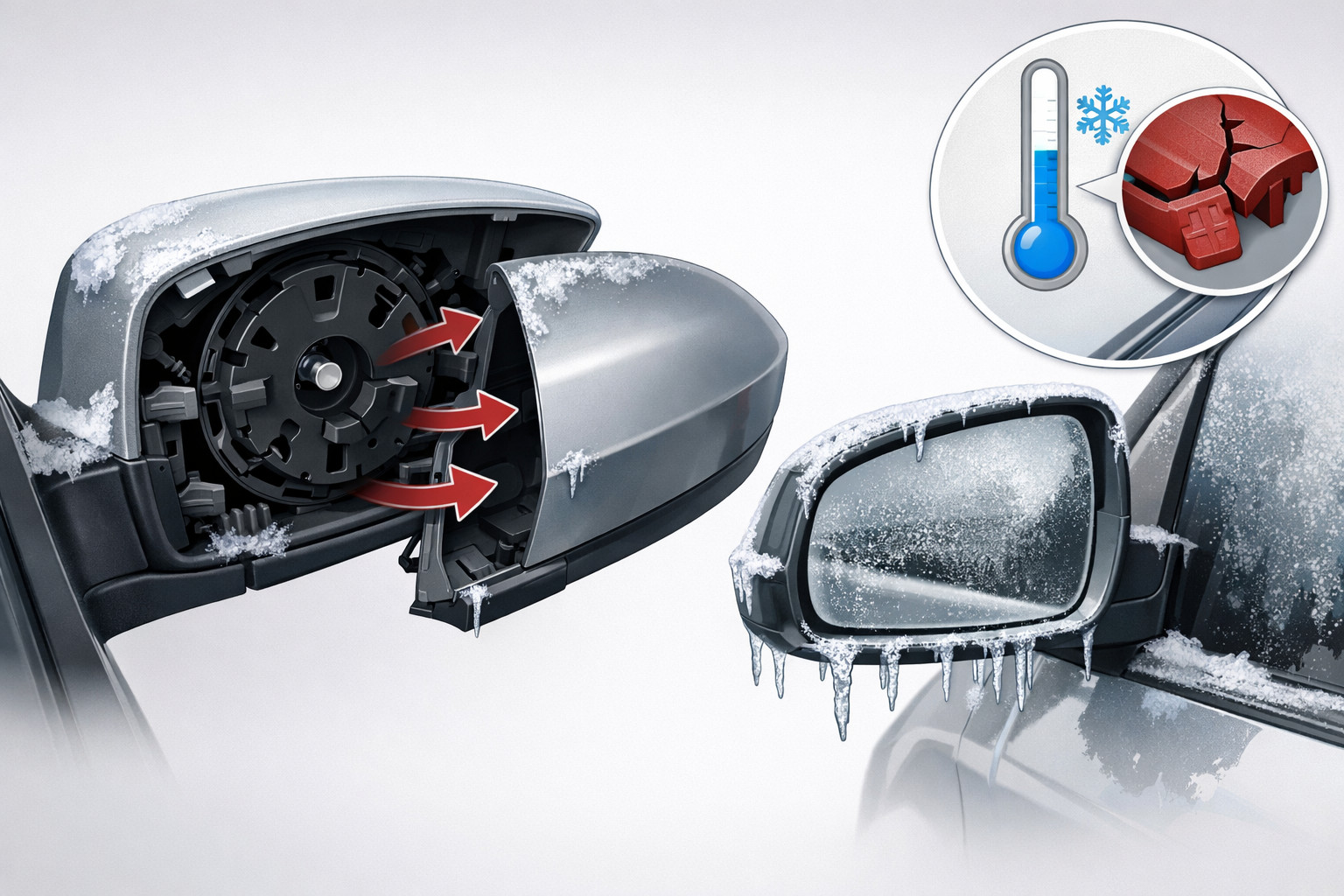
For a family with a dog, a logical second stage is a pet cover and protection for the trunk edge. For muddy roads or winter, it’s worth looking at mud flaps. But before that, check your trim level: some versions already have useful factory solutions, and duplicating them after purchase simply doesn’t make sense.
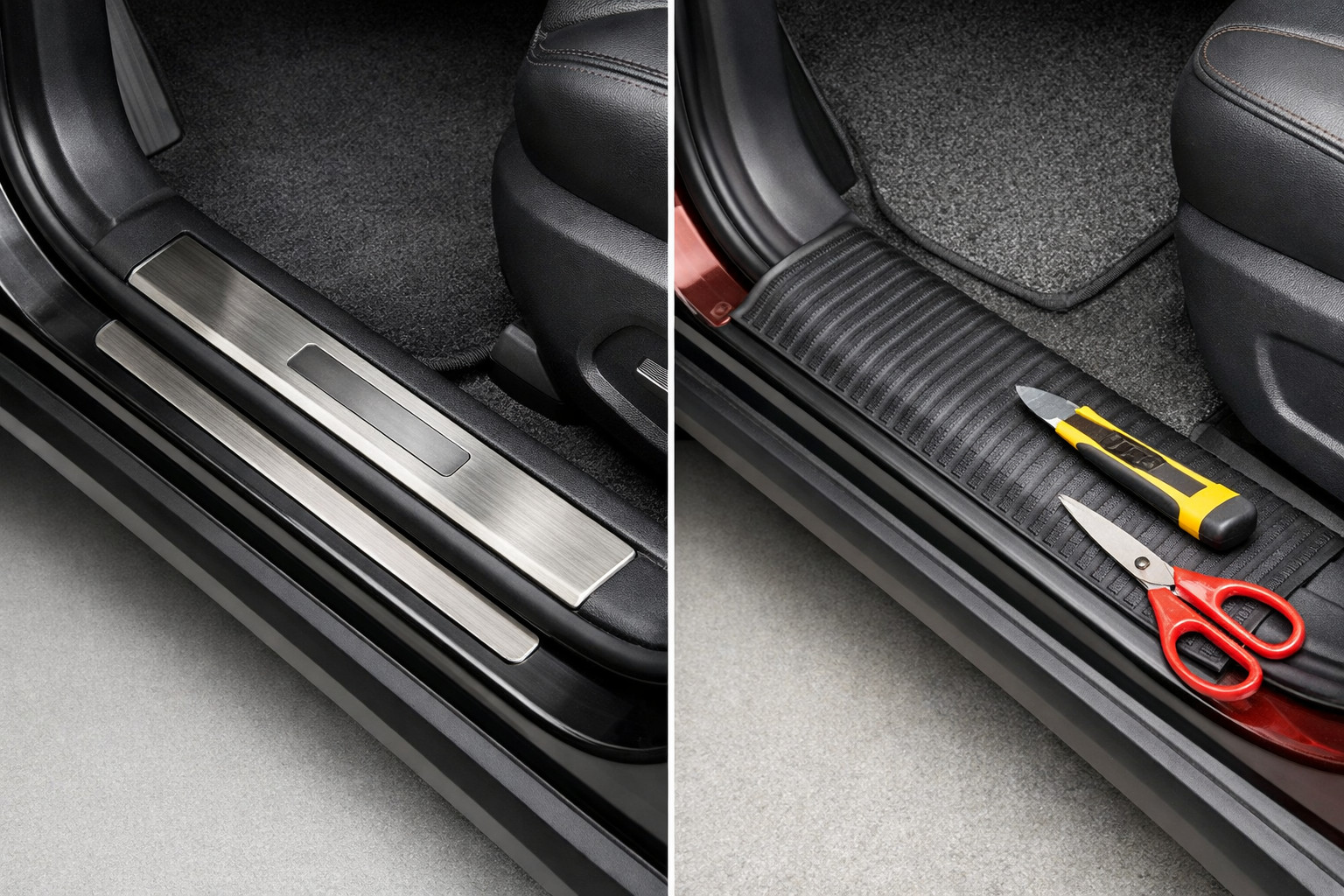
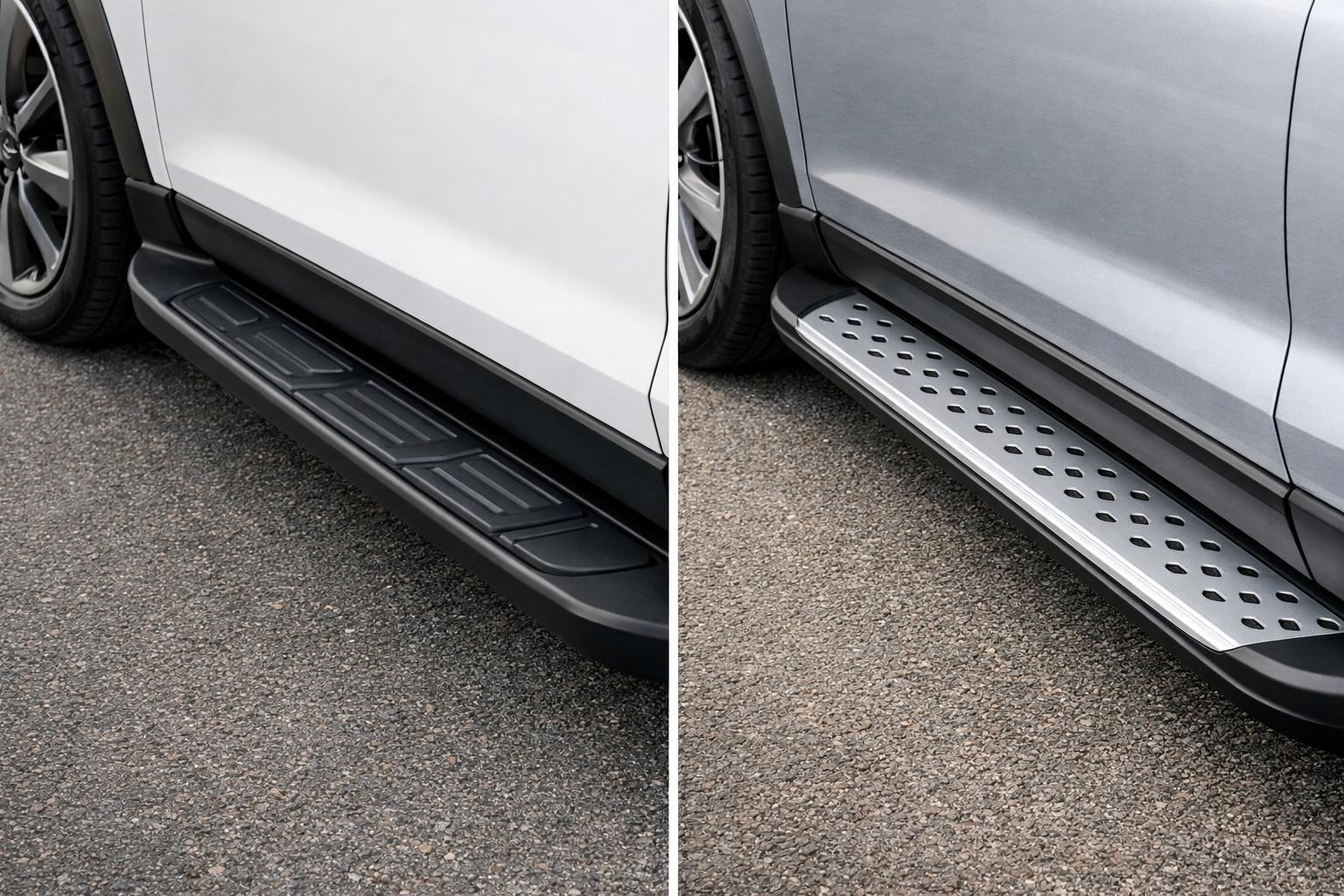
In this group, I’d include side steps, wind deflectors, decorative trim, and some seat covers. They can be appropriate, but they don’t solve the core family task as strongly as mats or cargo protection. Side steps make sense if kids or elderly passengers ride often and easier entry matters more than a purely utilitarian approach.
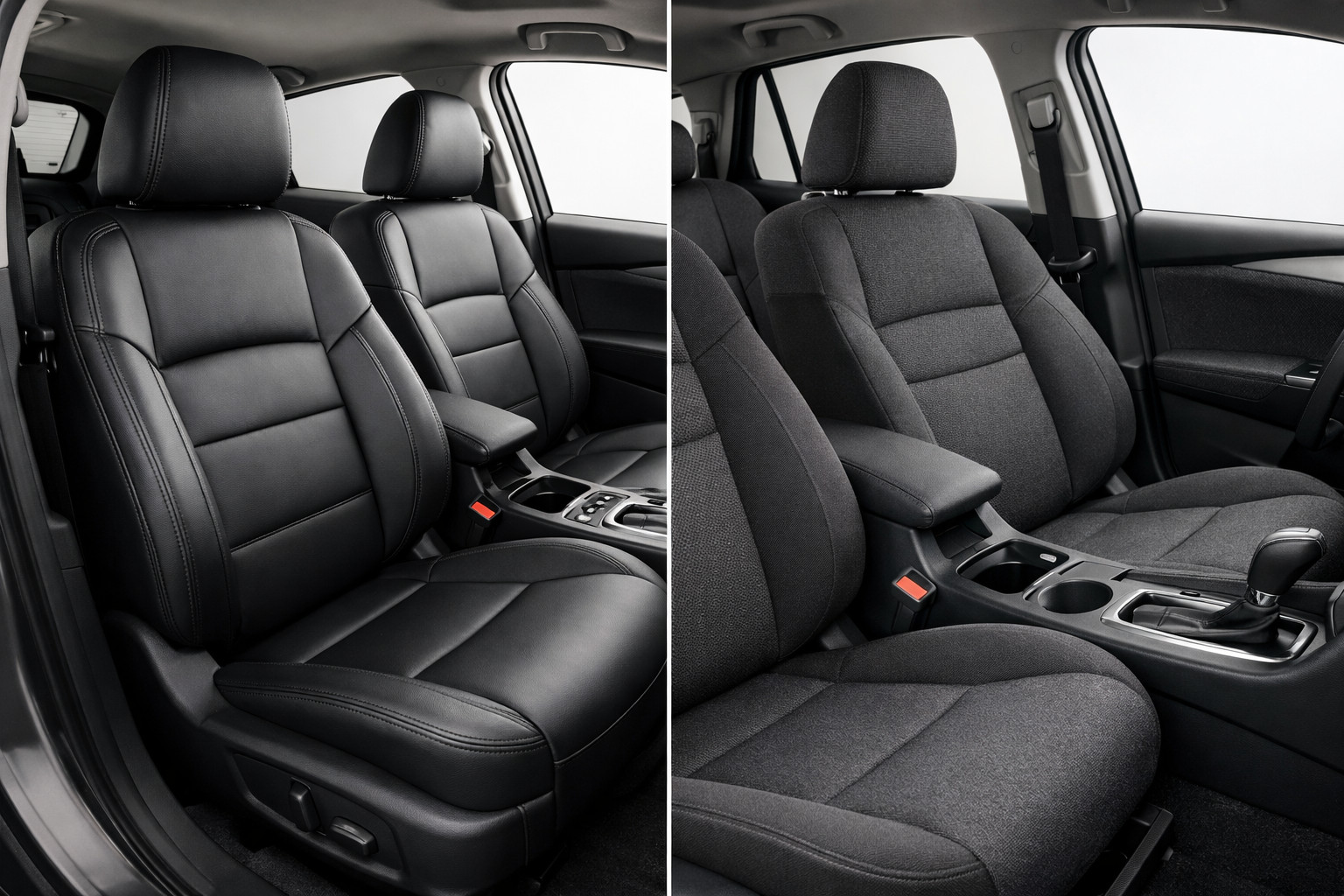
You need to be careful with seat covers. If the car has seat heating, ventilation, or sensitive sensors, universal thick covers can create more compromises than benefits. For everyday family use, seat covers are neither the first nor the second purchase.
Most often, it’s not the accessories themselves that are unnecessary—it’s buying them at the wrong time. With the Palisade, it usually looks like this:
Another common mistake is overpaying for looks. On a large family crossover, what’s noticeable from the outside isn’t that you installed fancy accessories—it’s how quickly sand shows up inside, how scuffed the seatbacks get, and how scratched the trunk edge becomes.
| Scenario | What to install first | What can be postponed | What isn’t required |
|---|---|---|---|
| City, school runs, work, shopping | Cabin mats, cargo mat, bumper protection | Organizer, cargo cover, mud flaps | Crossbars, roof box, decorative trim |
| Third row is folded often | Seatback protection and a split cargo mat | Organizer, pet cover | A one-piece heavy tray if it interferes with transformation |
| A dog rides in the car regularly | Mats, cargo protection, bumper protection | Pet cover, mud flaps | A cargo net without real need |
| Family trips with lots of luggage | Basic cabin and cargo protection | Gear organization system, cargo cover | Roof solutions if trips are rare; a tow hitch if there’s no trailer |
More expensive upgrades are justified when they work all the time, not twice a year. If your Palisade carries kids, groceries, a stroller, and dirty items every day, paying extra for a precisely fitted cargo area protection is logical: it follows the floor shape better and doesn’t force you to live with sliding or trimming universal options. If you want to confirm the exact model and context, it’s useful to start with the Palisade overview.
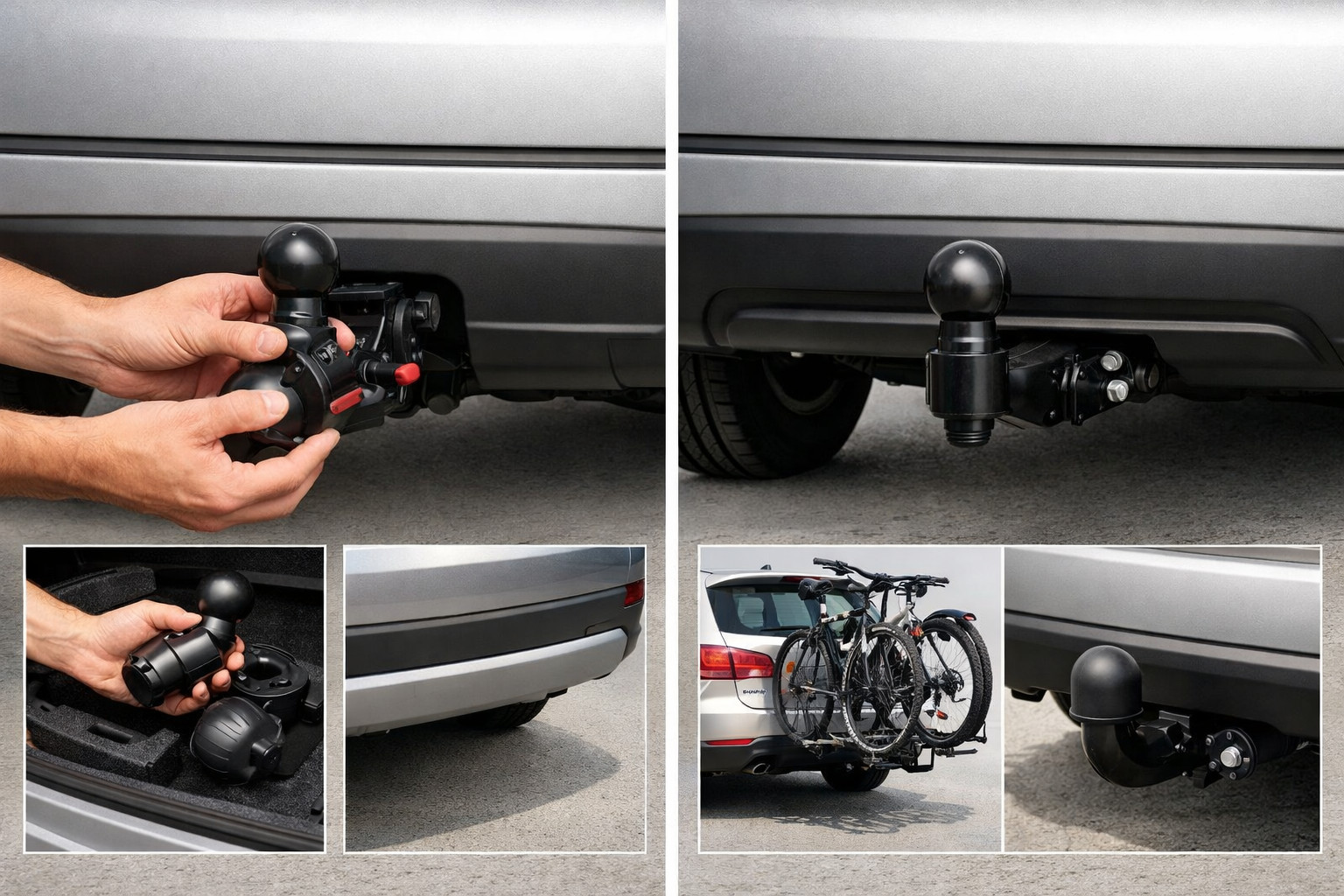
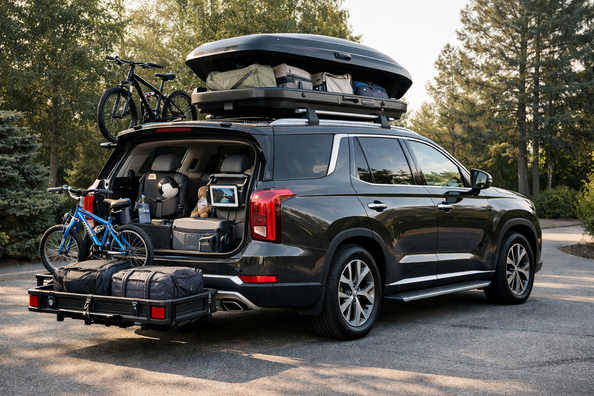
Roof solutions make sense only when the interior volume truly isn’t enough on vacations or winter trips. Then there’s a reason to look at a roof cargo carrier, while checking load limits, noise, and usage frequency. A tow hitch follows the same logic: it’s needed not “just in case,” but for a real trailer, and with the understanding that allowed towing and equipment can differ between the gasoline and hybrid versions.
From a customer’s experience: a Palisade owner initially planned to buy crossbars and a roof box because he worried family luggage would be too much. After a few weeks of use, it turned out that for city driving and short trips, rubber mats, cargo protection, and a bumper edge protector mattered far more. As a result, the cabin became easier to wash, items stopped rolling around the trunk, and he comfortably postponed the expensive roof accessories until vacation season.
For the Hyundai Palisade in a family, cargo-heavy, everyday scenario, the best approach is a simple sequence: first protect the floor and trunk, then organize your items, and only after that consider expensive roof or towing solutions. This helps you avoid overpaying for things that look solid but don’t deliver noticeable daily value.
This material is based on real selection experience, hands-on practice, and real usage scenarios: what gets dirty first, what interferes with transforming the cabin, what truly makes family life easier, and what you can confidently postpone. If you follow this order, the Palisade won’t become “accessory-heavy”—it will become genuinely convenient for real life.
| ✔ | All-weather floor mats and cargo protection immediately address the most common family-car issues: dirt, sand, water, and scratches. This really simplifies daily cleanup after kids, groceries, or trips with a stroller. |
| ✔ | The package takes into account different Palisade use cases — 7- or 8-seater version, a folded third row, transporting a dog or large luggage. This makes it possible to choose solutions for a specific configuration, rather than buying one-size-fits-all accessories for everyone. |
| ✔ | Rear bumper and seat-back protection is useful in real everyday use, when items are often loaded over the edge of the trunk. This reduces the risk of scuffs and scratches in the areas that wear out the fastest. |
| ✔ | The organizer and cargo cover help tidy up small items and hide things from prying eyes. For city trips and parking, this is more practical than immediately installing expensive roof-mounted solutions. |
| ✔ | The plan is built step by step: first basic protection, then convenience, and only after that additional expenses for the roof or tow hitch. This order reduces the chance of buying accessories that later turn out to be unnecessary. |
| ✘ | You need to separately consider whether your version is 7- or 8-seater, and how exactly the third row folds. Because of this, not all solutions can be bought blind — a compatibility mistake can easily wipe out the benefit of the purchase. |
| ✘ | Some useful items, like an organizer, cargo cover, or pet cover, are suggested to be postponed to a second stage. That means you’ll first have to put up with some of the inconvenience until you understand your real needs. |
| ✘ | Roof solutions and a tow hitch in this scenario often turn out to be unnecessary if the car is driven mostly around town or on short trips. This means some expensive purchases can easily be made in vain if you don’t check your real need. |
| ✘ | Universal or thick seat covers can interfere with heating, ventilation, or sensors. Because of this, not all interior protection solutions are equally safe and convenient in everyday use. |
Shipping to EU
Wholesale and retail
Own warehouse
Опис продукту
Подарунки не надаються при оформленні покупки у кредит під 0,01% або при покупці частинами.