21.07.2026
238
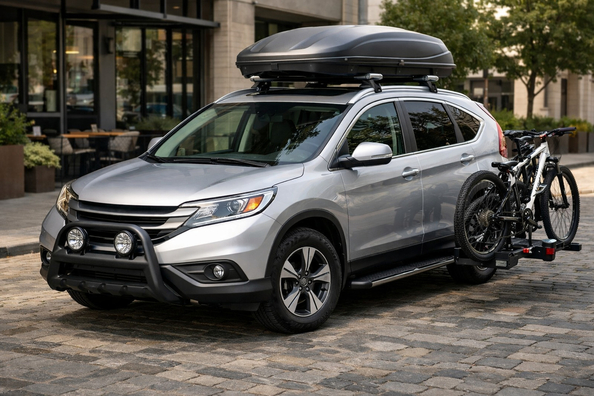

This is a starter upgrade for a Honda CR-V 2012-2016 owner who hauls the family, kids’ stuff, groceries, and spends every day in the city. The goal here isn’t to make the car “look cooler”, but to make the cabin and trunk suffer less from water, sand, a stroller, shopping bags, and constant small clutter.
This generation CR-V is practical by nature, so the best results come from simple add-ons: floor protection, trunk organization, less stressful parking. The key is not to buy blindly by model year: equipment differs between trims, and for mats and cargo solutions an exact fit matters just as much.
In a family-and-city scenario, the upgrade should cover four things: protecting the interior from dirt, protecting the trunk from wet and dirty items, securing small cargo, and reducing stress in the city. If after a trip you don’t have to wash the carpet but can simply shake out the dirt and wipe the tray, then the money was spent wisely.
The second point is not to duplicate what the car already has. On some 2016 versions, the cargo cover could be factory-fitted, and higher trims may already come with roof rails. So the starting point should be the actual trim, not an “just in case” accessory checklist.
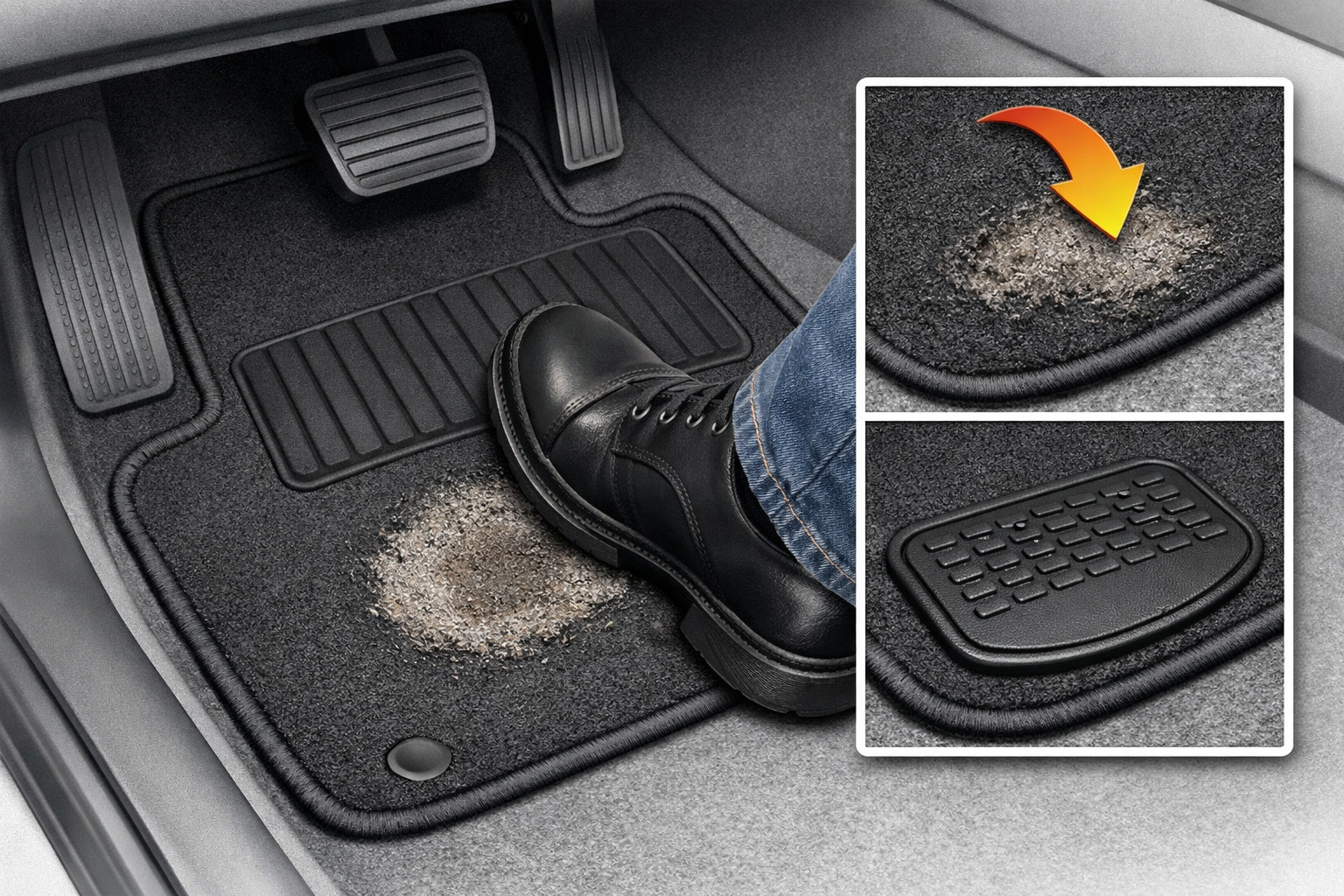
The first must-have block is all-season floor mats for the cabin and a trunk tray. These are what save time on cleaning every single day and truly protect the interior. For a family, this matters more than any exterior details, because dirt comes into the car on shoes, with a stroller, scooters, bags, and kids’ items.
Second comes simple trunk organization: a cargo net or a soft organizer. The CR-V has a large trunk, and that’s exactly why bottles, bags, car chemicals, and small purchases easily start rolling around. Third, I’d add a dash cam if the car drives in the city daily and is parked in courtyards or in open lots.
If you have an LX or a simpler trim, this is exactly the set to start with. If the trim is richer, the logic doesn’t change: the roof, chrome, and decorative elements still won’t replace basic interior protection.
| Upgrade | Why you need it | Who really benefits |
|---|---|---|
| All-season floor mats | Catch water, sand, snow, and dirt; make cleaning easier | Pretty much everyone, especially families with kids and those who often drive in bad weather |
| Trunk tray | Protects the trunk floor from wet bags, a stroller, shoes, household odds and ends | Families, people with a summer house, anyone who constantly carries groceries and gear |
| Cargo net or organizer | Secures small cargo so it doesn’t roll around the trunk | Those with daily shopping, bottles, a first-aid kit, tools, kids’ items |
| Dash cam | Brings peace of mind in city traffic and in disputed situations | Those who drive a lot in the city and park in courtyards and on the street |
| Mud flaps | Less dirt gets thrown onto the lower body | Those who often drive on wet roads, through courtyards, on dirt roads |
| Parking sensors | Reduce stress when maneuvering in tight spaces | City drivers, beginners, those who constantly park in crowded courtyards |
DD Tuning expert comment: The most common mistake with a CR-V 2012-2016 is buying accessories simply “by year” without checking the trim and cabin shape. The second typical mistake is spending the budget on the roof or decorative trim when the car still lacks proper floor and trunk protection. If the scenario is family use, you should start with what gets dirty every day, not with what’s visible from afar.
The second stage starts once the basics are covered. If you have to squeeze into tight parking spaces every day, parking sensors are the logical next step. If you often drive in rain, through puddles, or in dirty courtyards, mud flaps will bring benefits faster than any decorative trim piece.
Another smart second-stage step is window deflectors if kids ride in the car often and you regularly ventilate the cabin. It’s not a critical purchase, but in daily use it can be more pleasant than items that exist only for looks.
In this group I’d put a sunroof deflector, seat covers, second-row seat protection, pet accessories, and other items that don’t solve the core task but make the car nicer to use. It makes sense to buy them when you’ve already covered the floor, trunk, and overall organization.
Among the “comfort” items, a sunroof deflector looks genuinely practical: it can reduce wind noise and glare. But chrome, lighting, and similar cosmetics change almost nothing in everyday life for a family-and-city CR-V.
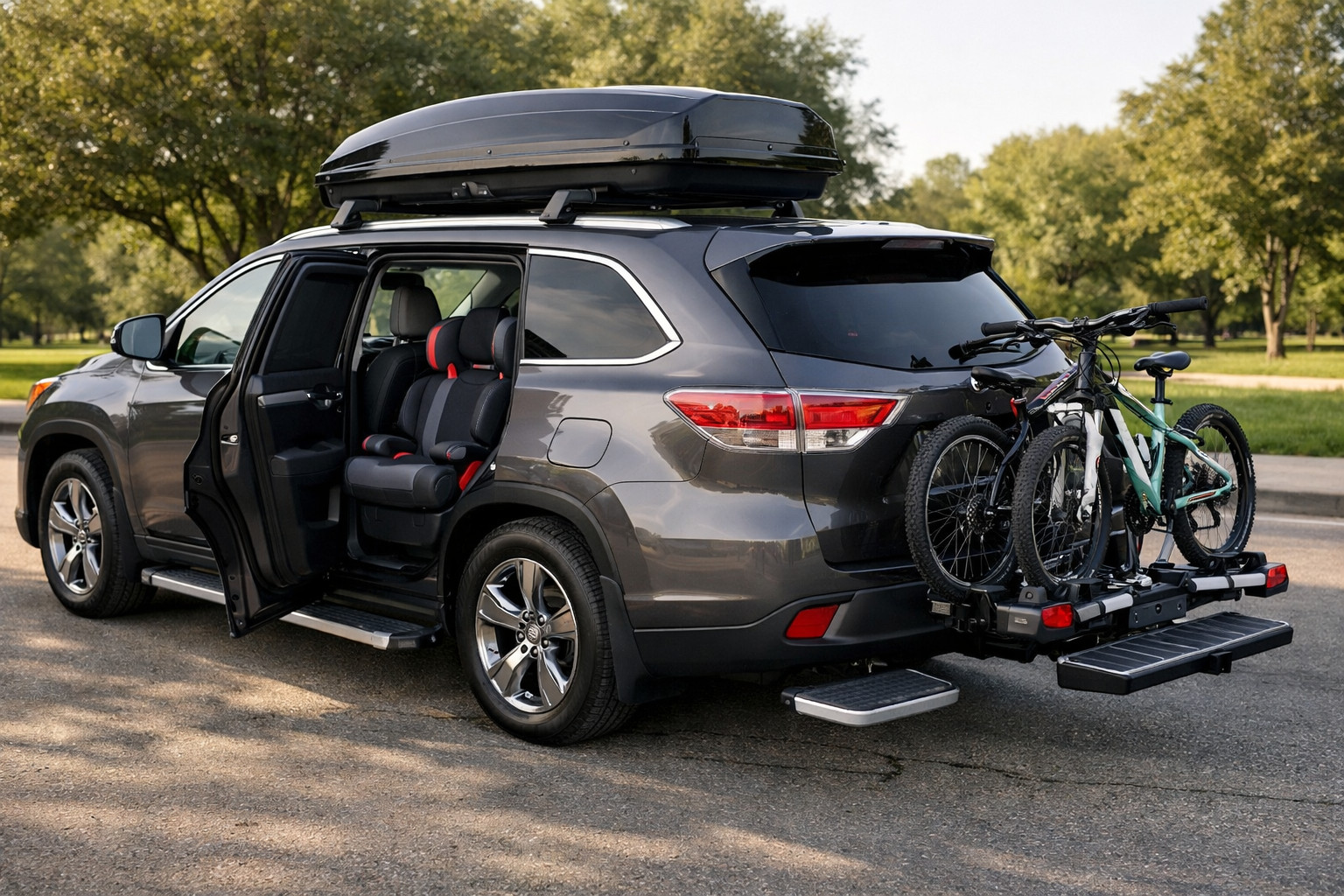
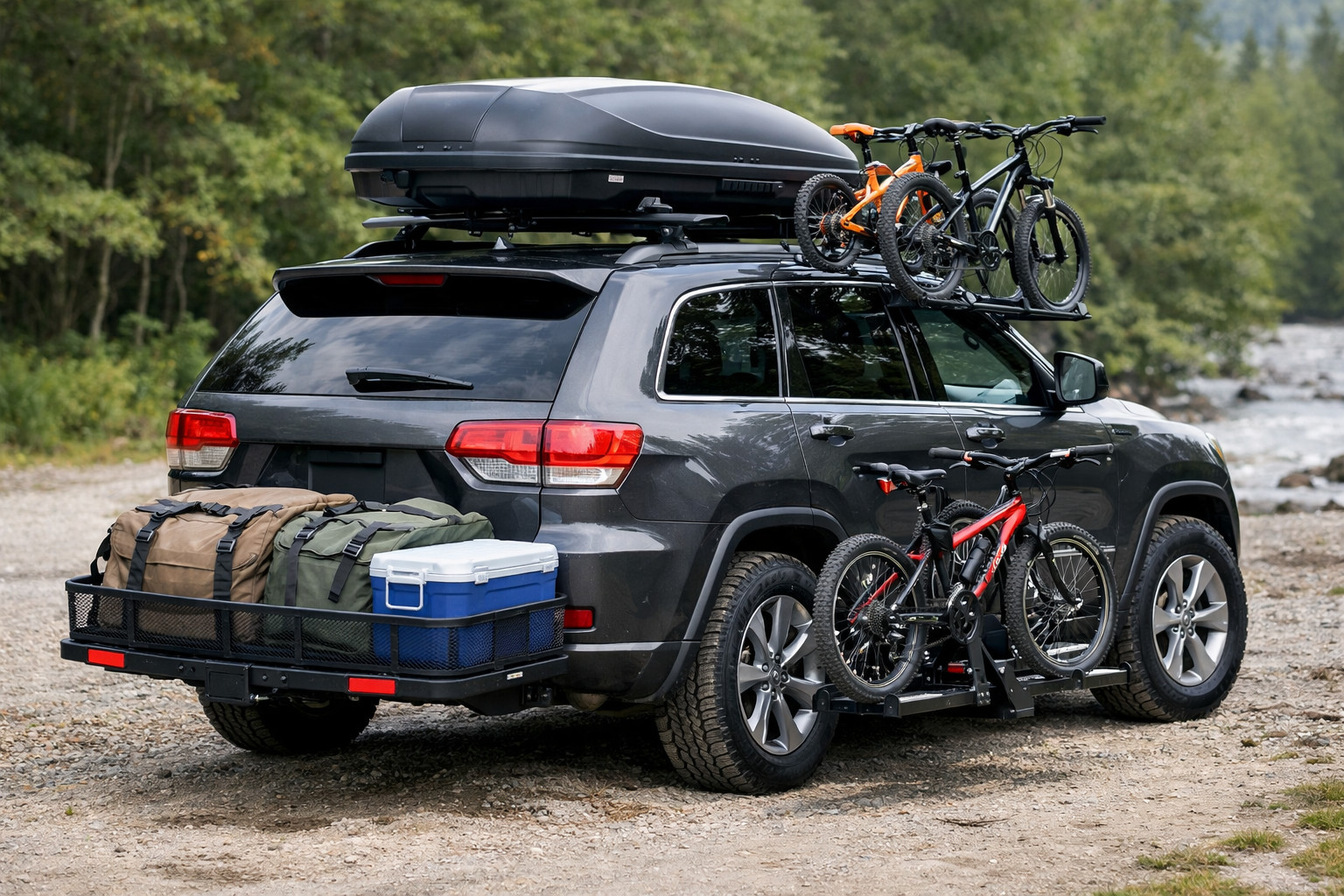
Most often, people waste money on roof rails, crossbars, or even a roof box without a real need. If you don’t carry bikes, skis, a kayak, or don’t regularly drive with an overloaded trunk, the roof only adds noise, extra height, and expense. For a city CR-V, it’s the classic story of “looks more active, but doesn’t help day to day”.
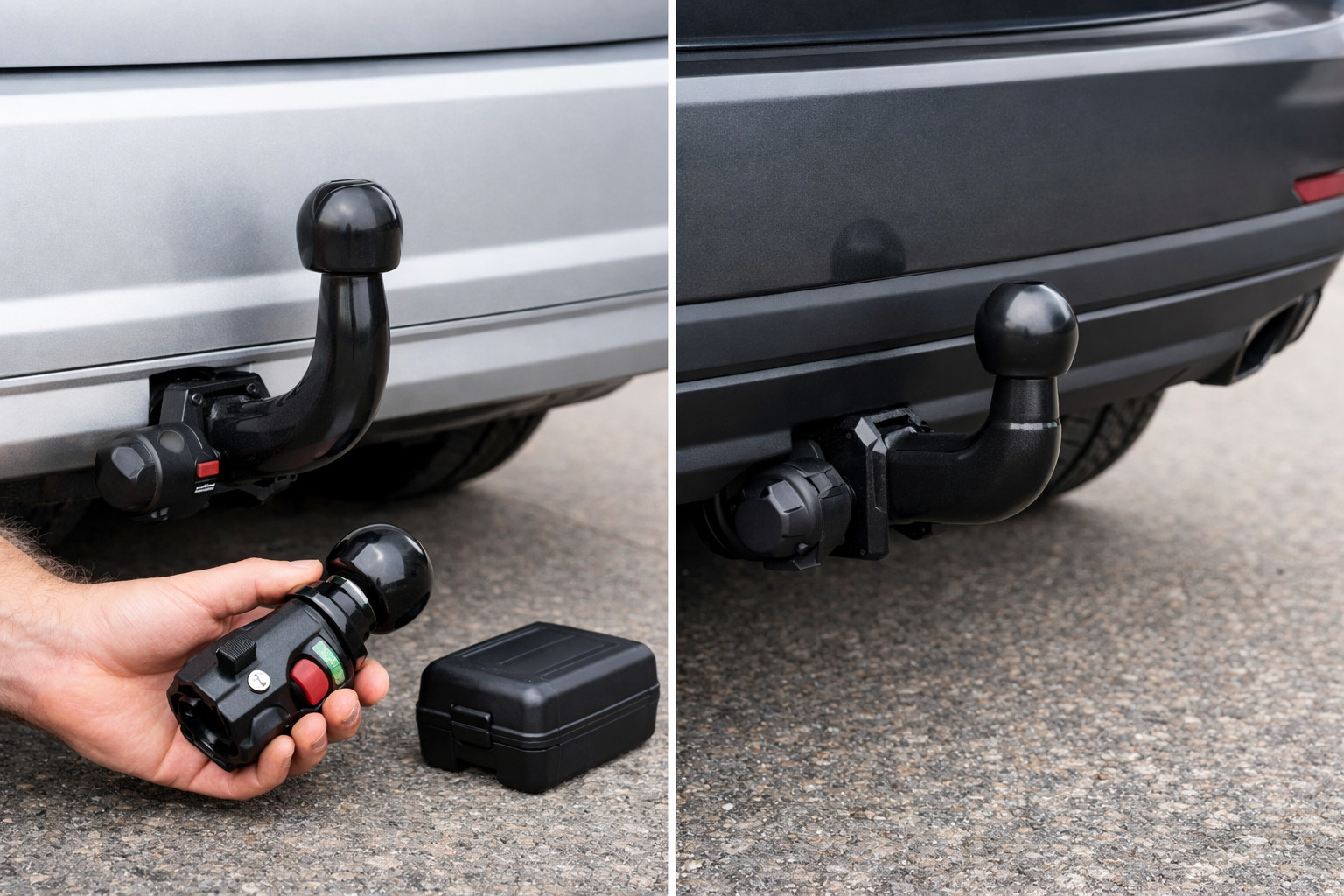
The second typical unnecessary purchase is a tow hitch “for the future”. If you don’t have a trailer or a bike rack, it does nothing for years. The third mistake is buying again what’s already included in the trim: for example, the cargo cover or roof elements. And one more: overpaying for pretty trim pieces instead of a proper interior protection set.
| Scenario | What to install first | What you can postpone | What’s not essential |
|---|---|---|---|
| Basic family city use | Mats, trunk tray | Net, organizer, dash cam | Chrome, lighting, decorative trim |
| Daily shopping, stroller, kids’ items | Trunk tray, organizer | Mud flaps, second-row seat covers | Roof rails if the roof isn’t being used |
| Tight courtyards and difficult parking | Dash cam, parking sensors | Deflectors, mud flaps | Tow hitch without a trailer or bike carrier |
| Occasional long vacation trips | Mats, tray, trunk organization | Roof solutions after the first real trip | A permanently installed box or crossbars without regular use |
More expensive items on a CR-V make sense only when they’ll be used regularly. Roof rails and crossbars — if the roof will actually carry cargo. Parking sensors — if the car has to tackle tight courtyards every day. Remote start — if the car often spends winter nights outdoors. To match parts to your specific vehicle, it’s worth looking at roof racks, browsing the catalog for CR-V 2012-2016, and double-checking the trim again via the review of this generation.
If an expensive item will work once a year, it’s better to postpone it. In a family-and-city scenario, more expensive doesn’t mean more useful: the first money should go where there’s daily dirt, stuff, and city routine.
From a customer’s experience: a CR-V owner initially wanted to start with roof rails and a box because the family often travels on weekends. After breaking down the scenario, it turned out the stroller, groceries, and kids’ items fit easily in the factory trunk, while the biggest annoyances were the dirty floor and chaos in the cargo area. In the end, he installed mats, a trunk tray, and an organizer, and postponed the roof without feeling like he’d missed out.
For a Honda CR-V 2012-2016 used for family and city life, the right start is very simple: first protect the interior and trunk, then organize your things, then add city helpers like a dash cam or sensors, and only after that move on to comfort or expensive add-ons. This order delivers more value than trying to buy half the catalog at once.
This material is based on real selection experience, hands-on practice, and real-world use cases. That’s why the logic is one and the same: install what works every day first, not what’s simply more noticeable from the outside.
| ✔ | All-season floor mats and a trunk tray address the main issue of the family CR-V first: dirt, water, and sand don’t get into the cabin, and cleaning is reduced to a quick shake-out and wipe-down. This is especially useful when carrying kids, a stroller, or shopping. |
| ✔ | A cargo net or soft organizer really helps tame the CR-V’s large trunk, where small items can easily start sliding around while driving. It makes it easier to keep bottles, a first-aid kit, car care products, and children’s items in order. |
| ✔ | A dash cam makes practical sense for everyday city driving, especially if the car is parked in courtyards or in open parking lots. It helps sort out disputed situations on the road and while parking. |
| ✔ | Mud flaps and parking sensors are not essential, but in specific city conditions they make a noticeable difference: the first ones keep the lower body cleaner, and the second reduce stress in tight courtyards. They are a suitable second stage after protecting the cabin and trunk. |
| ✔ | The material clearly emphasizes the importance of checking the trim level before buying, so you don’t duplicate the factory trunk cover or other elements. This lets you avoid spending the budget on unnecessary items and build the upgrade around real needs. |
| ✘ | If you approach an upgrade without checking the trim level, it’s easy to buy duplicates of factory items or incompatible accessories. For this generation of CR-V, this is especially risky because of differences between versions and model years. |
| ✘ | Roof rails, crossbars, a roof box, and a tow hitch are often bought “just in case,” but without a real task they hardly do anything. In city use, they add noise, height, and costs without solving everyday problems with dirt and organization. |
| ✘ | Decorative trims, chrome, and lighting have almost no effect on the day-to-day use of a family CR-V. Compared with a dirty floor and clutter in the trunk, this is money spent on things that do not cover basic needs. |
| ✘ | Buying expensive solutions without a clear use case easily pushes more useful small items to later. The article directly stresses that you should first take care of the cabin, trunk, and organization of items, and only then think about comfort and appearance. |
Shipping to EU
Wholesale and retail
Own warehouse
Опис продукту
Подарунки не надаються при оформленні покупки у кредит під 0,01% або при покупці частинами.